
Dhidhdhoo
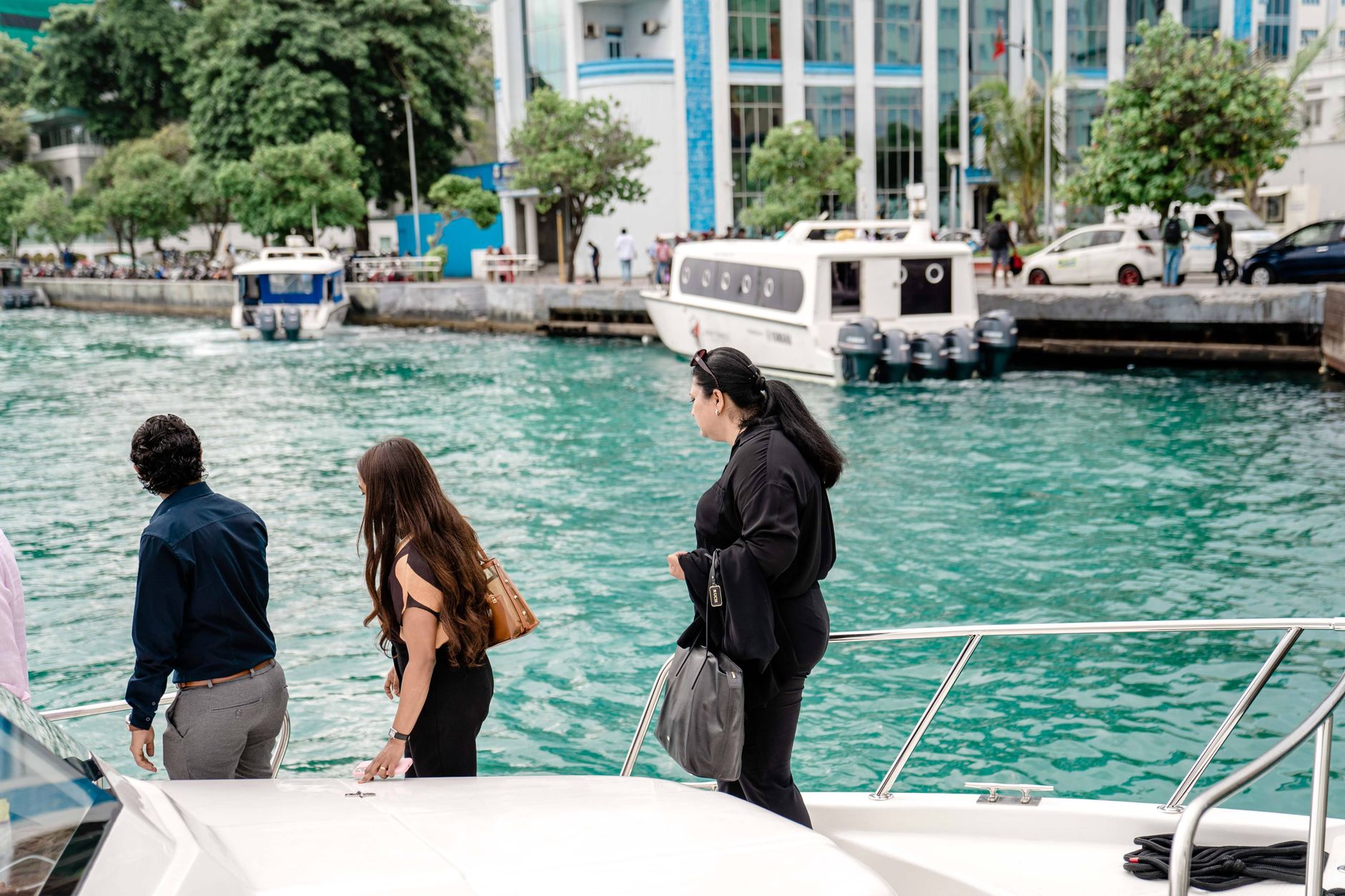
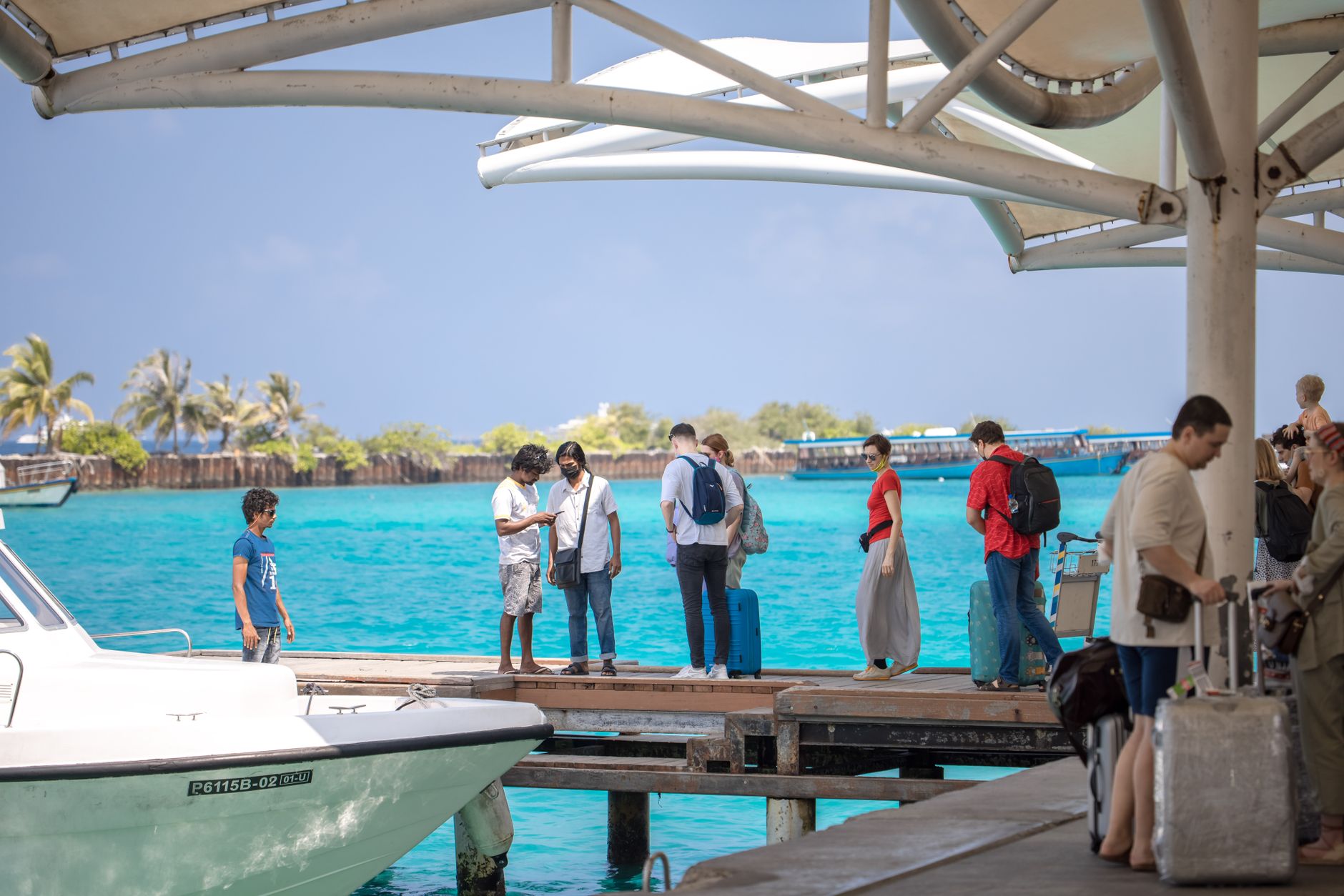
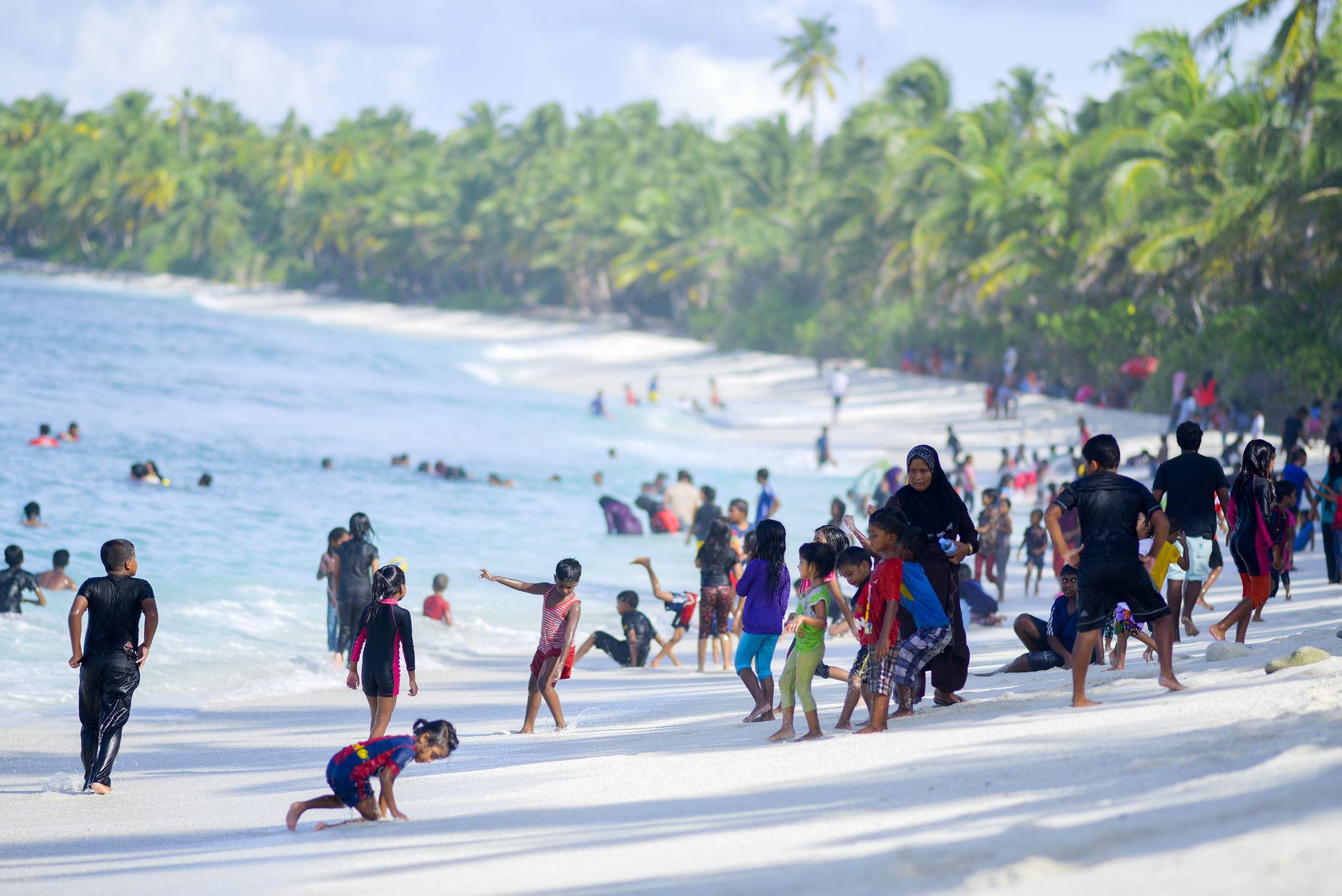
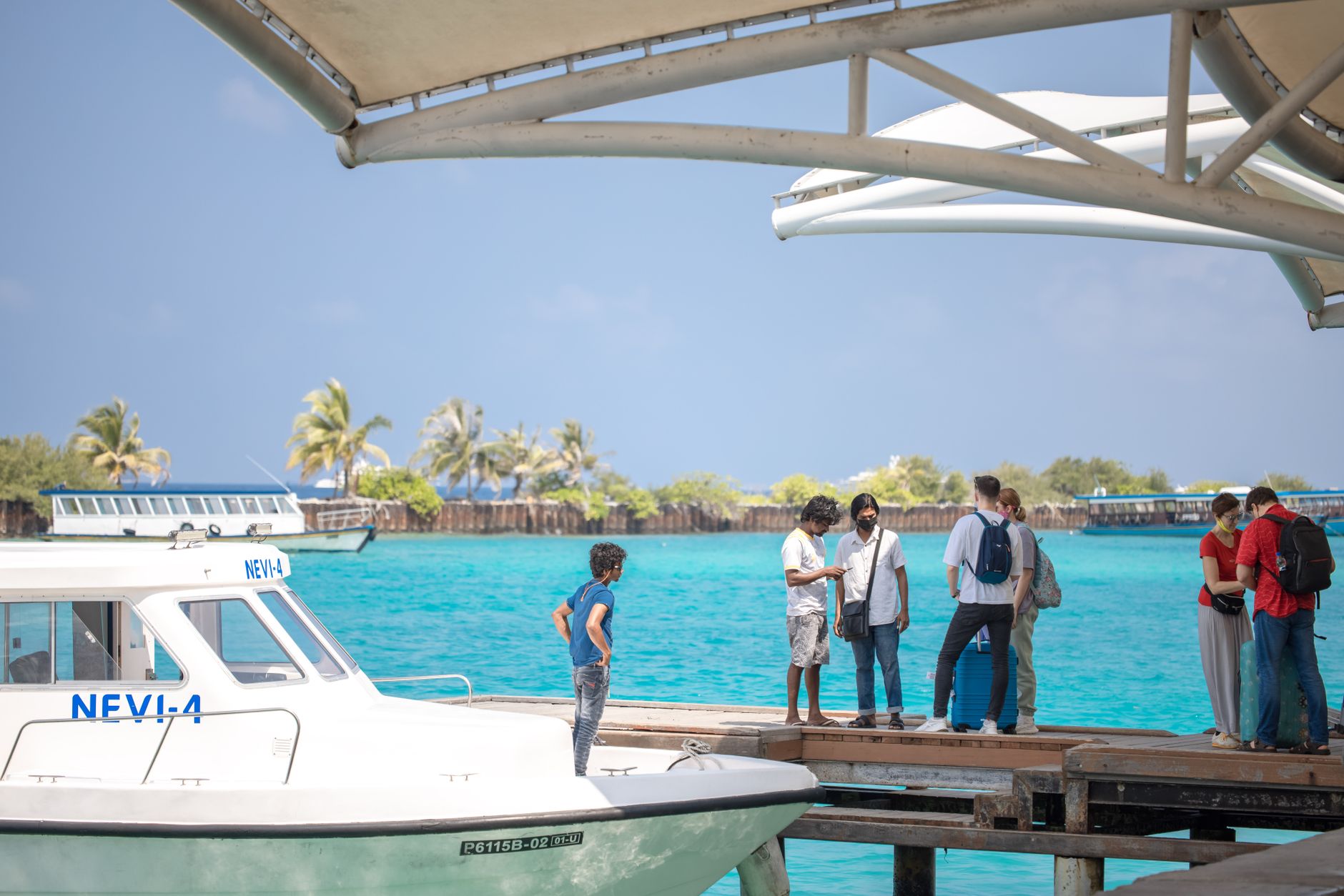
Come late afternoon to Dhidhdhoo's harbor and you'll find the masdhoni coming in — low wooden fishing boats carrying skipjack and yellowfin tuna, their hulls salt-stained from a day out in the northern Maldivian waters. This is the administrative capital of Haa Alif Atoll, and it carries that role lightly: a working island with a waterfront lined with small cafes the locals call "hotels," where hedhikaa short eats — gulha, bajiya, kavaabu — appear on the counter around four in the afternoon.
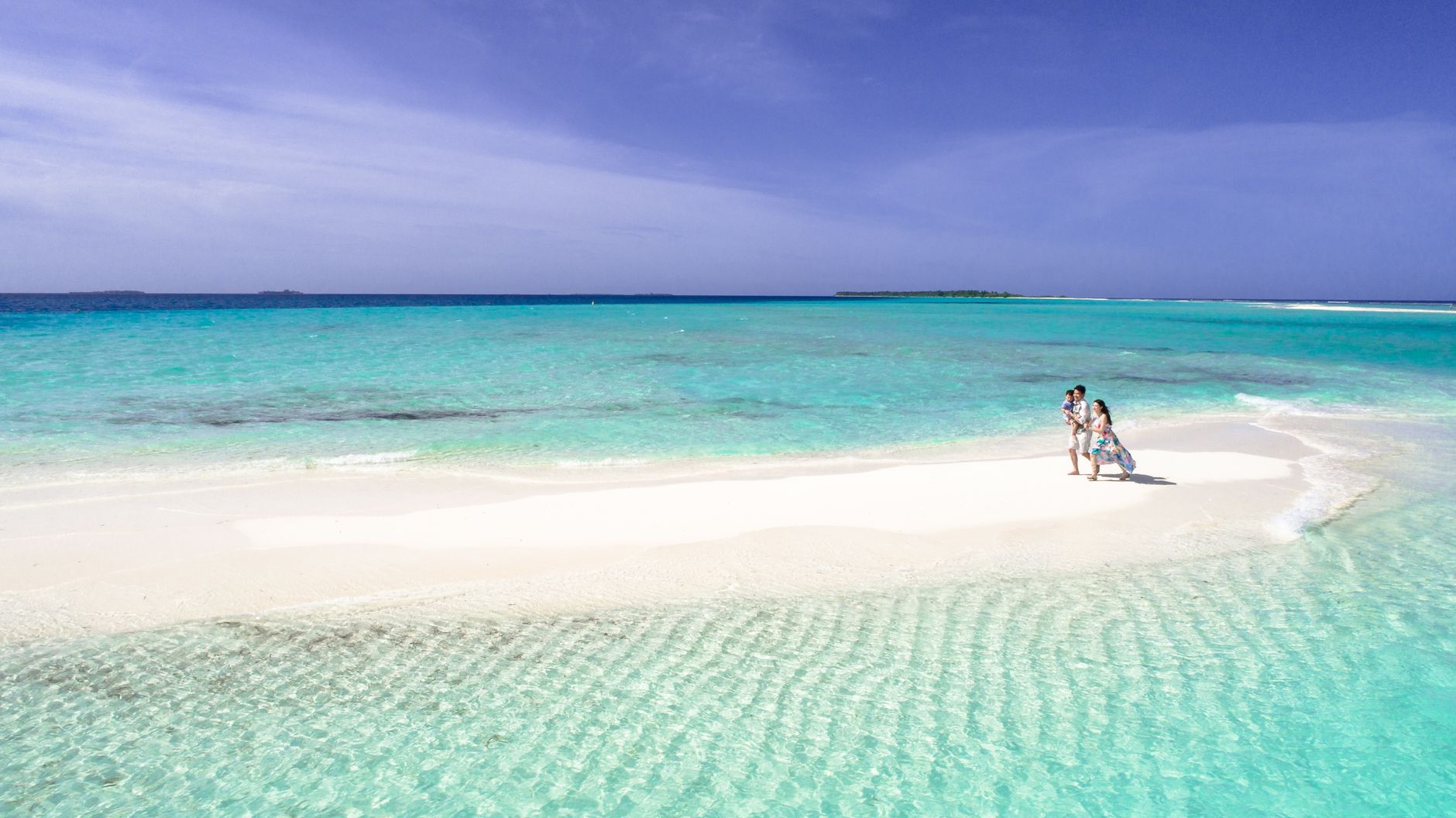
Dhidhdhoo sits at the far northern edge of the Maldives, closer in spirit to a self-sufficient atoll town than to the resort geography most visitors know. The island's western point, the Thundi, catches sunsets that throw deep purples and oranges across the northern lagoons — and there's rarely a crowd watching.
💛 What travellers fall for
People who come back tend to mention the ferry to Utheemu — twenty minutes on the RTL service, then the wooden palace of Sultan Mohamed Thakurufaanu waiting at the other end. They also mention the 4 PM hedhikaa ritual: pick a waterfront cafe, order whatever's just fried, and let the afternoon slow down around you.
Deals in Dhidhdhoo
Book directly at the provider
How Dhidhdhoo came to be
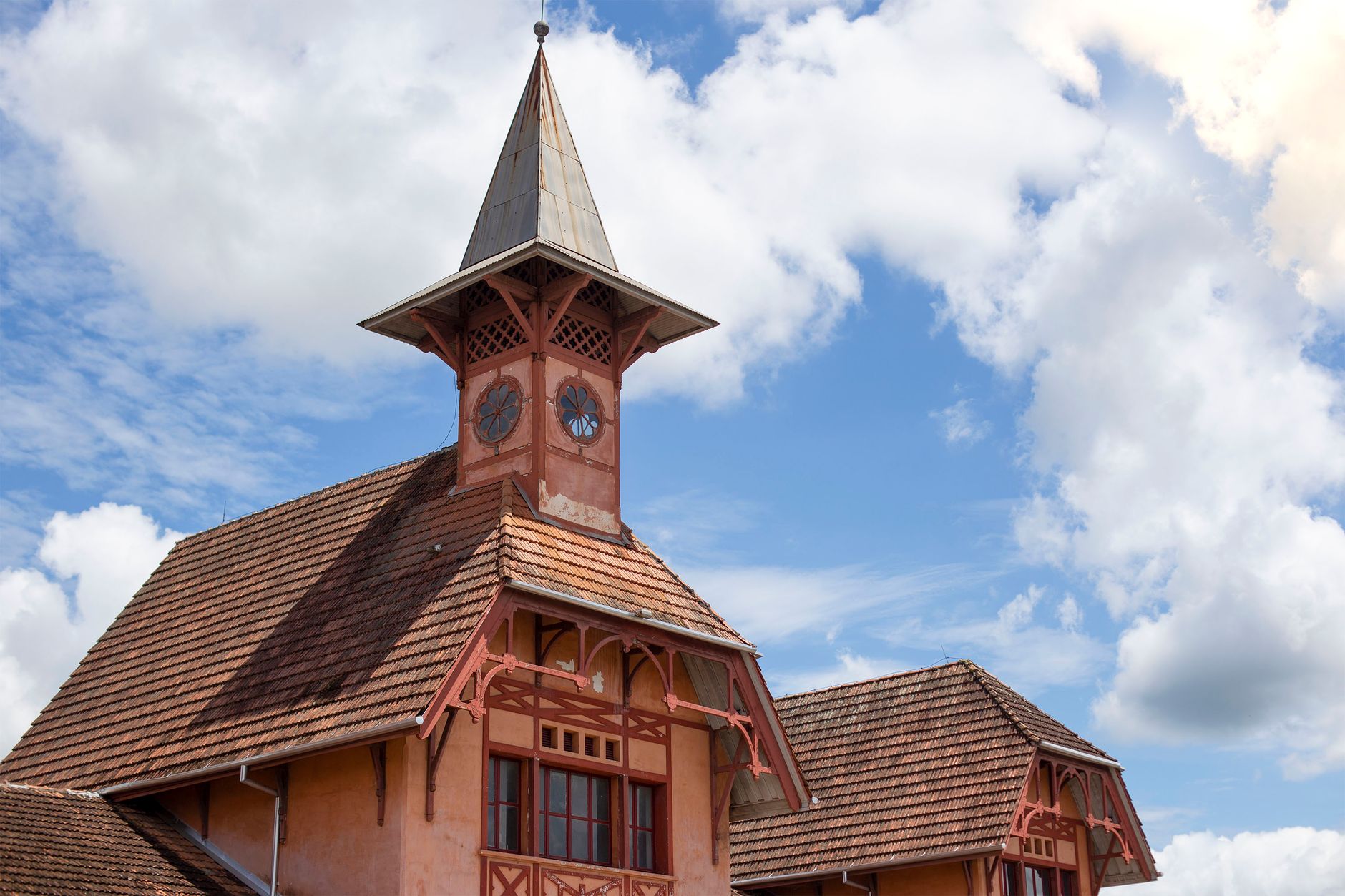
Dhidhdhoo's settlement story begins with displacement. In the 19th century, the people of nearby Dhonakulhi abandoned their island to escape raids by Malabar pirates, relocating to what had been an uninhabited stretch of land administered by the Utheemu royal house. The island grew gradually, its identity shaped by fishing and faith — the Eid Mosque, built in 1940, still anchors the community's calendar.
Formal institutions came later. The Haa Alif Atoll Education Centre opened in February 1982, its foundation stone laid in November 1980 by the then-Minister of Education Mohamed Zahir Hussein — making it the seventh school of its kind in the Maldives. When the country's tourism industry expanded through the 1990s, many young people from Dhidhdhoo moved into resort work. A decentralization law in 2011 established the Dhidhdhoo Council, giving the island its own formal governance for the first time.
Who and what shaped it
Landmark buildings
See Dhidhdhoo in motion
Plan your visit
On the map
When to go
The driest location in the Maldives by annual rainfall, Dhidhdhoo stays warm year-round — temperatures between 25°C and 32°C, with a constant sea temperature of 28°C. January and February are the clearest months, averaging over 200 hours of sunshine; the southwest monsoon brings its heaviest rain in May and June.
Right now
Background & history adapted from Wikipedia (CC BY-SA) · specs from Wikidata (CC0) · weather from Open-Meteo · map data © OpenStreetMap contributors · photos from Wikimedia Commons / Unsplash with per-image credit. No third-party reviews or social posts reproduced.