
Panama

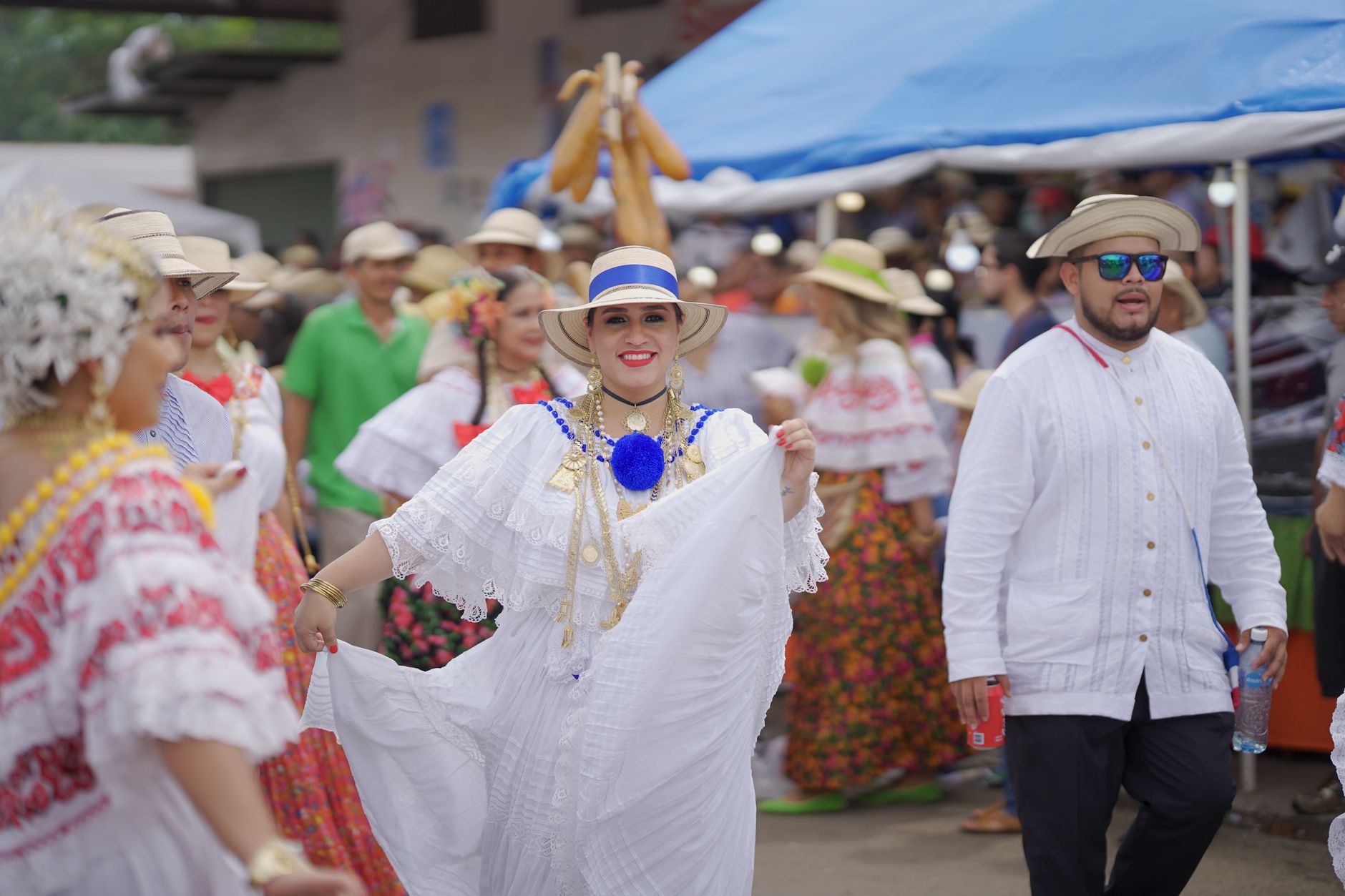
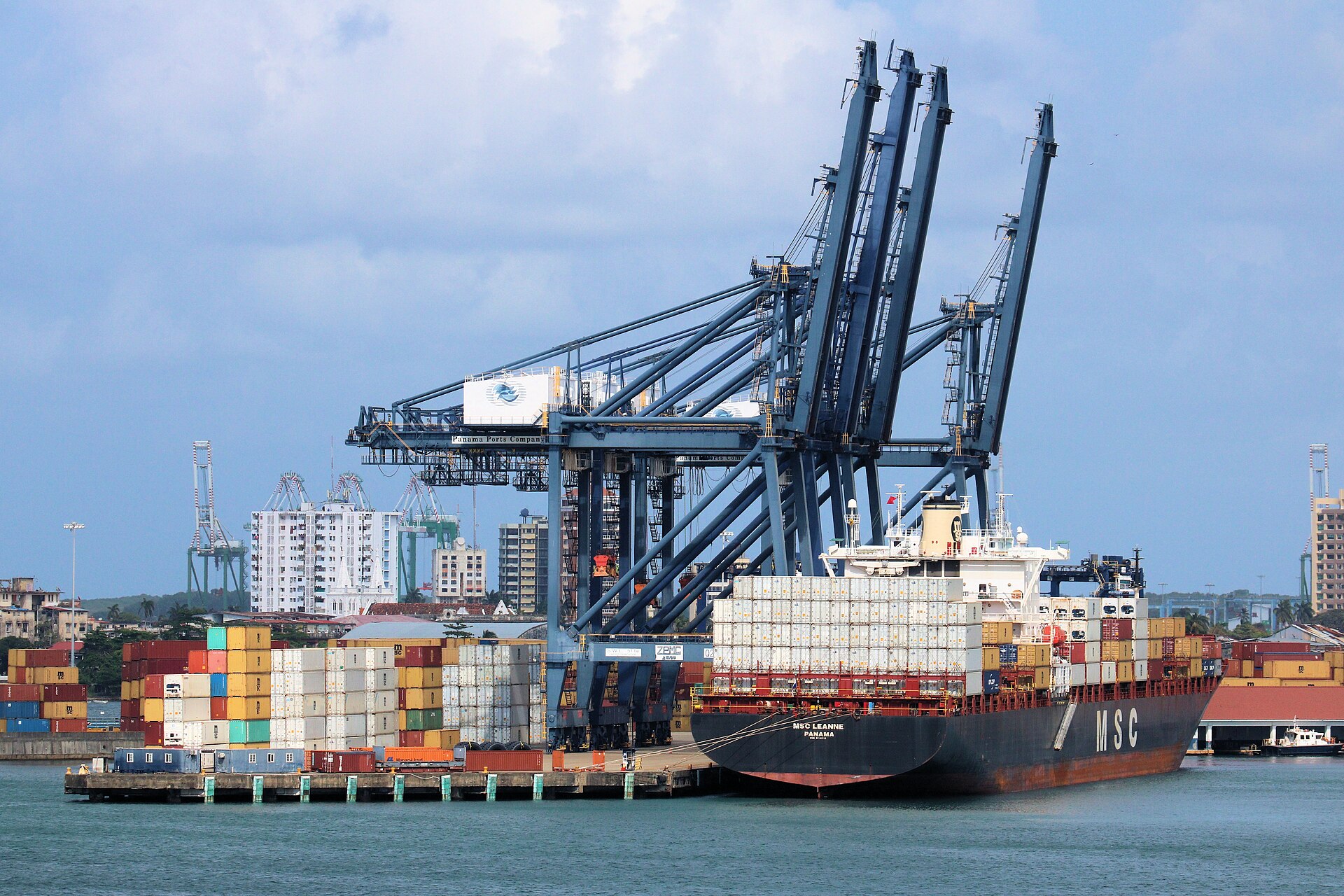
The thing Panama is most famous for — a canal that stitches two oceans together across 65 kilometres of jungle and engineered lakes — turns out to be genuinely worth the cliché. Around 12,000 to 15,000 ships pass through each year, and watching a container vessel the size of a city block rise 26 metres through the Gatún Locks remains one of those rare moments where human infrastructure earns a little awe.
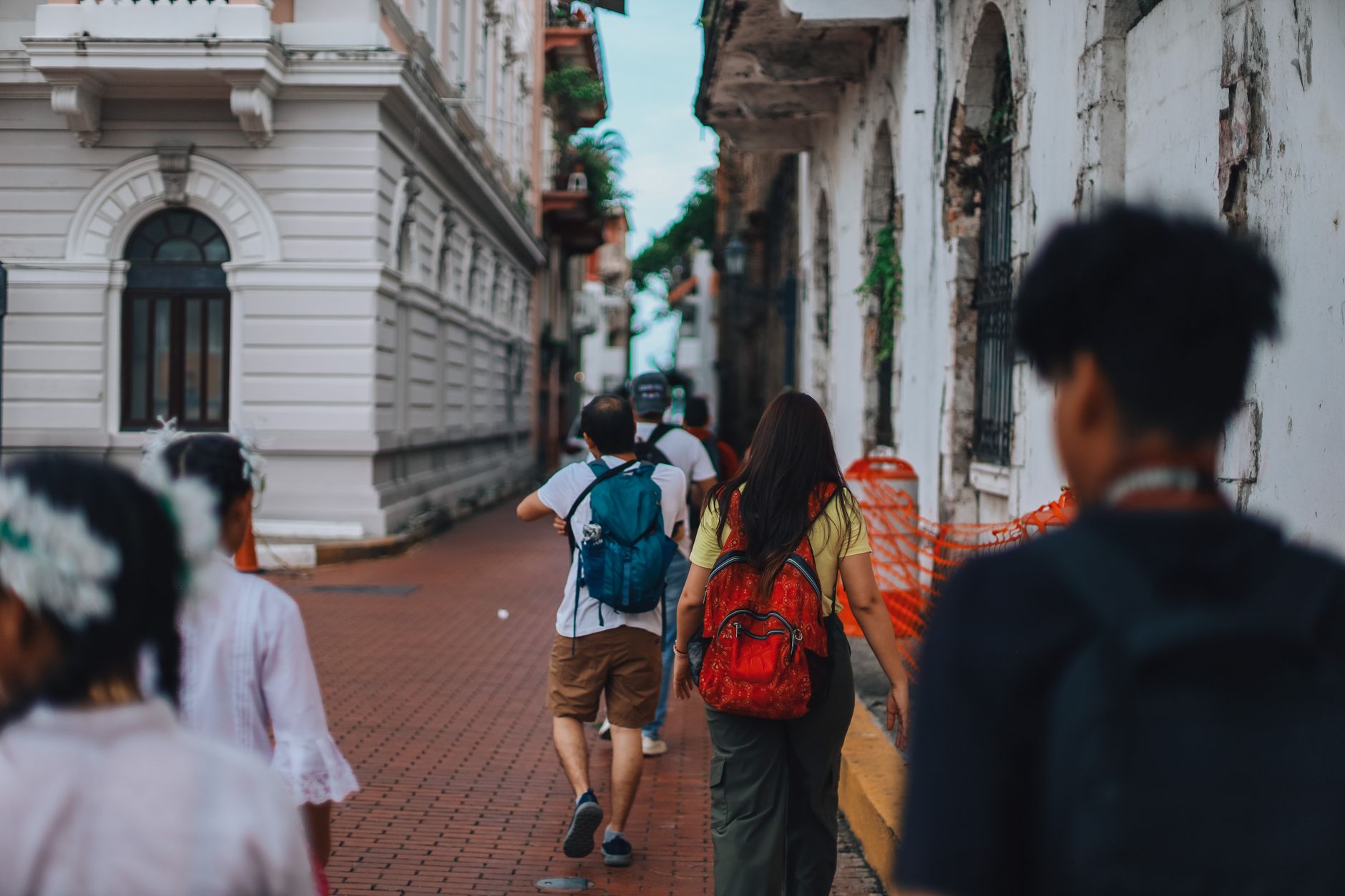
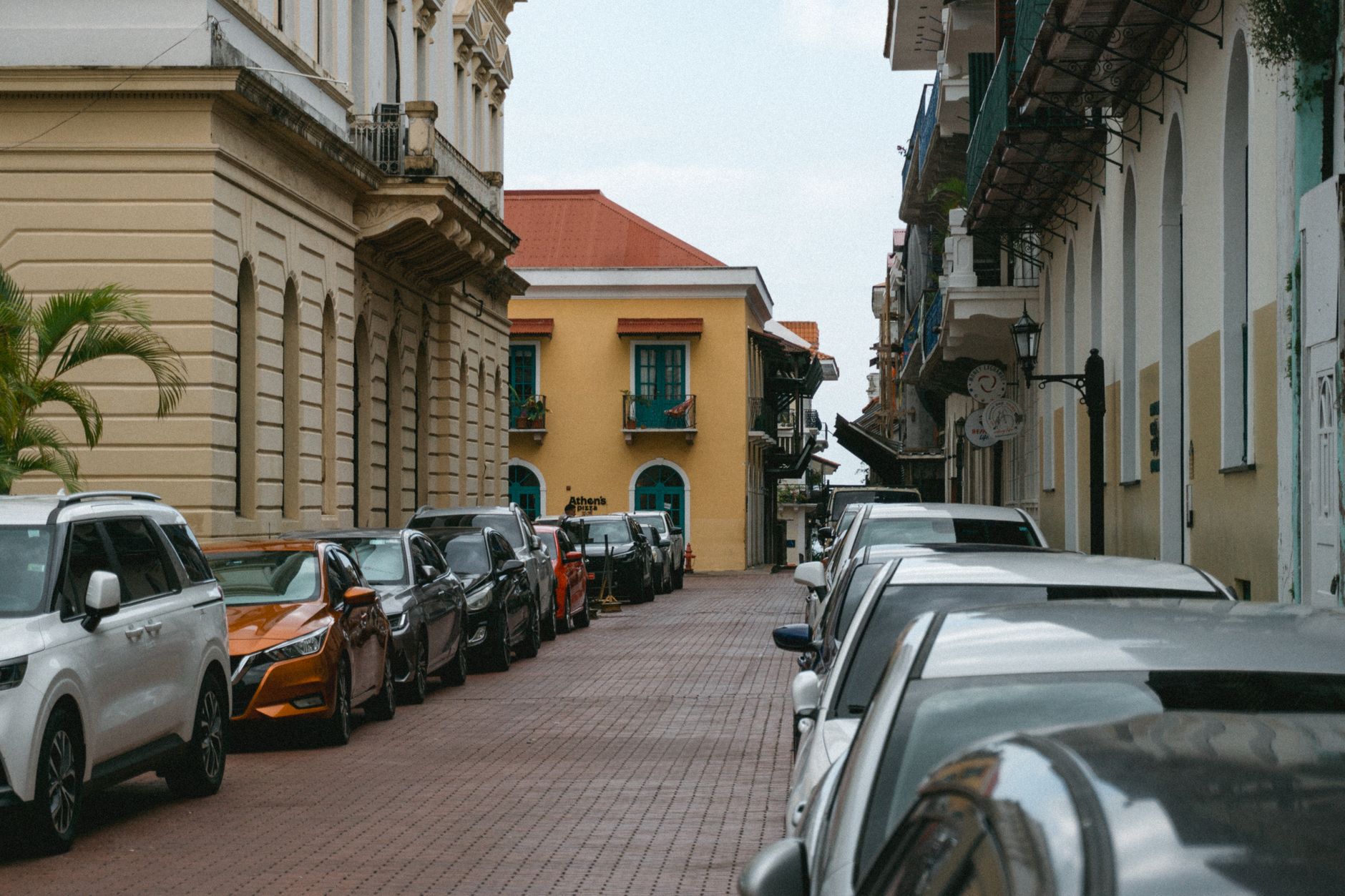
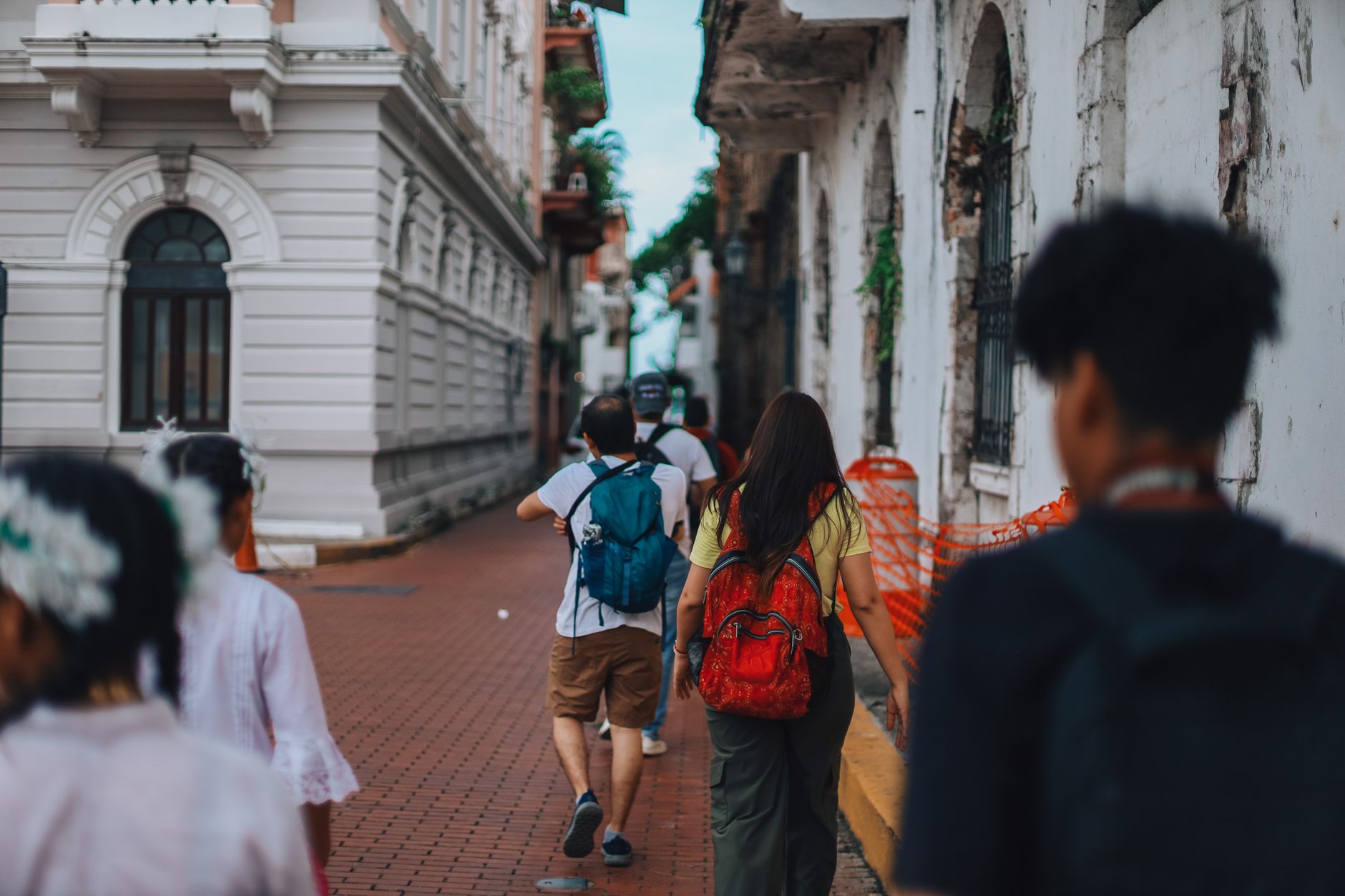
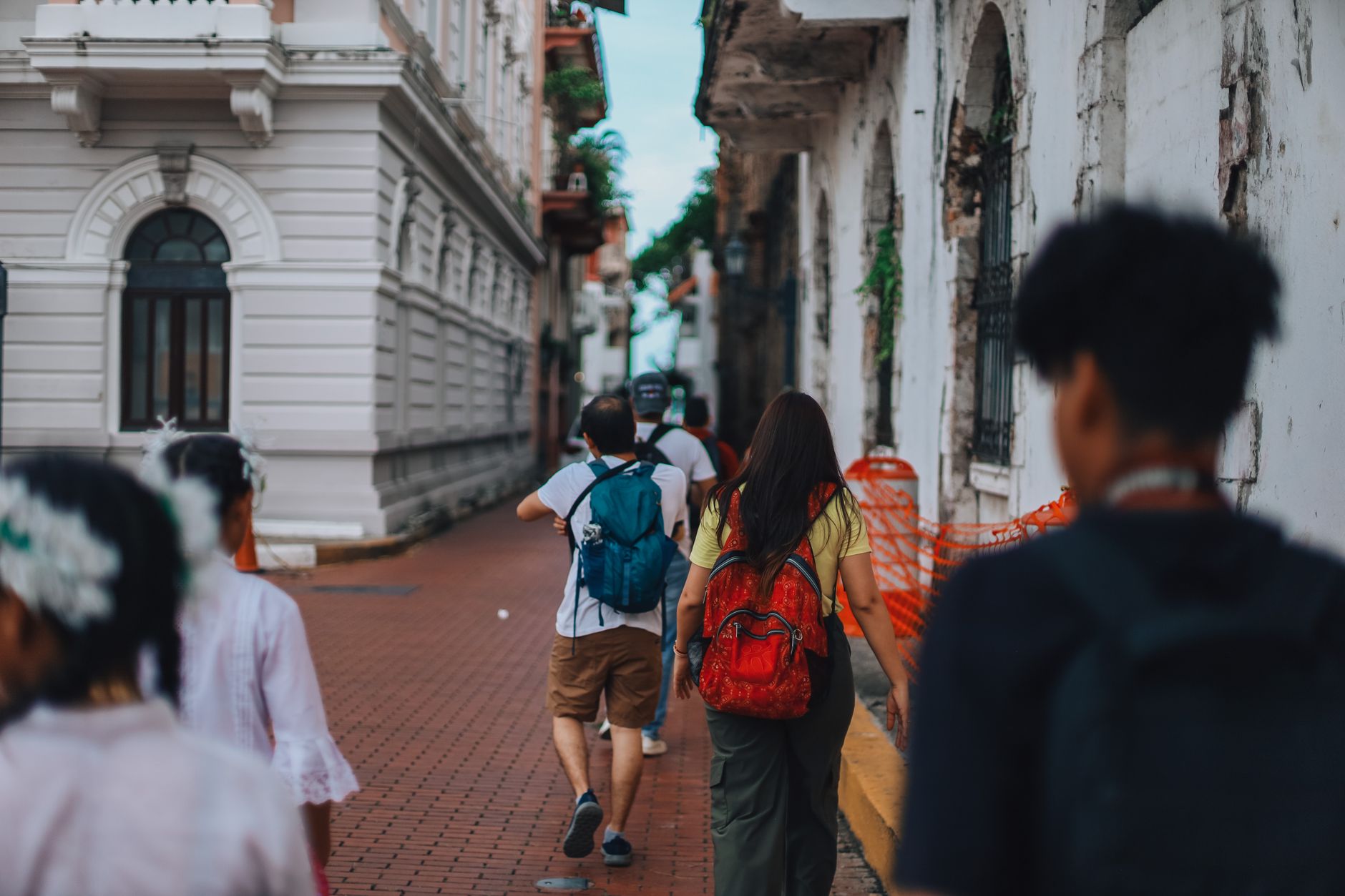
But Panama is not only a transit point for ships. Panama City holds one of Latin America's most intact colonial quarters, a Frank Gehry museum at the edge of the canal, a modern skyline that surprises most first-time arrivals, and a biological diversity — the isthmus is one of the world's great land bridges — that shapes everything from its rainforests to its cuisine.
Deals in Panama
Book directly at the provider

How Panama came to be
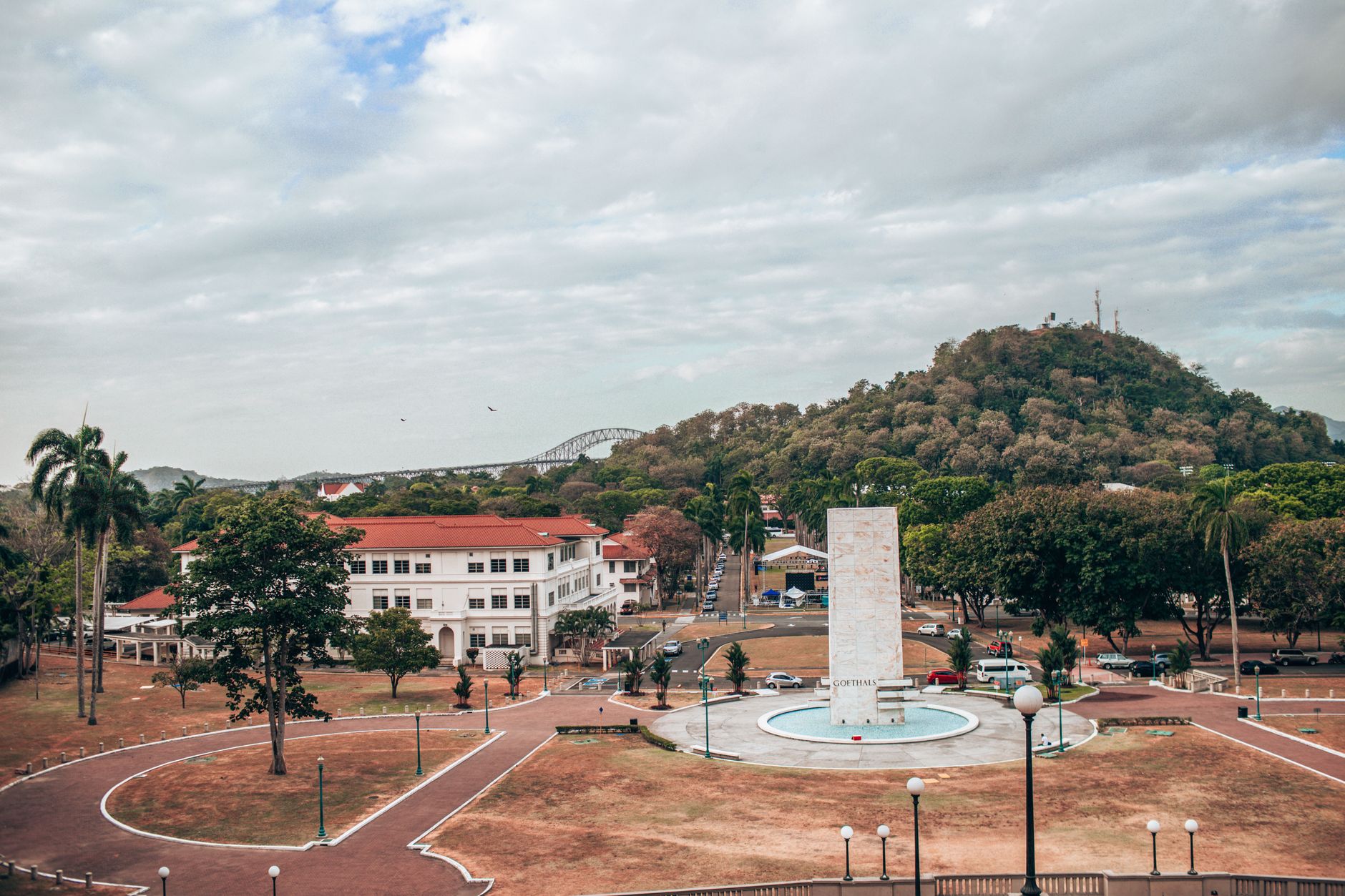
Europeans arrived on the Atlantic side in 1510, when Vasco Núñez de Balboa and Martín Fernández de Enciso founded a settlement near the mouth of the Tarena River. By 1519 that outpost had been abandoned in favour of Nuestra Señora de la Asunción de Panamá — the first European settlement on the Pacific — beginning more than 300 years of Spanish colonial rule. Independence came bloodlessly in November 1821, and Panama joined Simón Bolívar's Gran Colombia the same year.
Separation from Colombia arrived in November 1903, with the quiet approval of Theodore Roosevelt. The Hay-Bunau-Varilla Treaty, signed weeks later, handed the United States exclusive possession of the Canal Zone in exchange for $10 million and an annual annuity. Construction began in 1904; the canal opened August 15, 1914. Panama waited nearly a century to take full control — that handover came on December 31, 1999.
Who and what shaped it
People who shaped it
Landmark buildings
See Panama in motion
Plan your visit
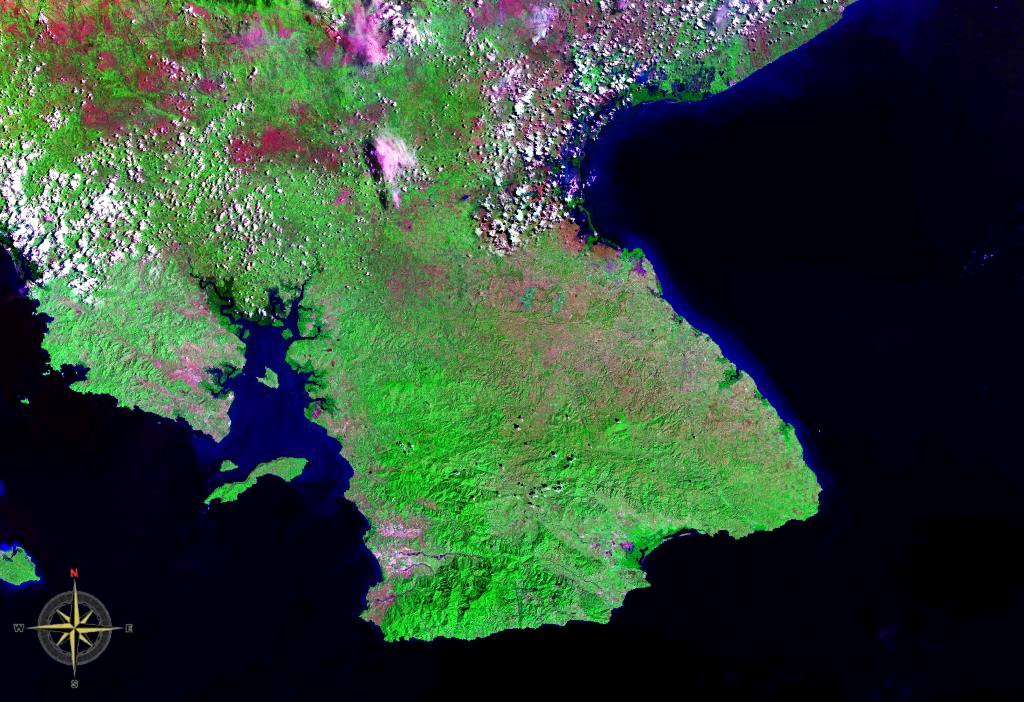
On the map
When to go
The dry season (mid-December to April) brings reliable sunshine and lower humidity on the Pacific side — the most comfortable time to visit. The rainy season delivers daily afternoon downpours rather than all-day grey, and keeps the country deeply green; the Caribbean coast stays wetter and less predictable year-round.
Right now
↡ Regions


No places match these filters.
Background & history adapted from Wikipedia (CC BY-SA) · specs from Wikidata (CC0) · weather from Open-Meteo · map data © OpenStreetMap contributors · photos from Wikimedia Commons / Unsplash with per-image credit. No third-party reviews or social posts reproduced.