
El Valle de Antón
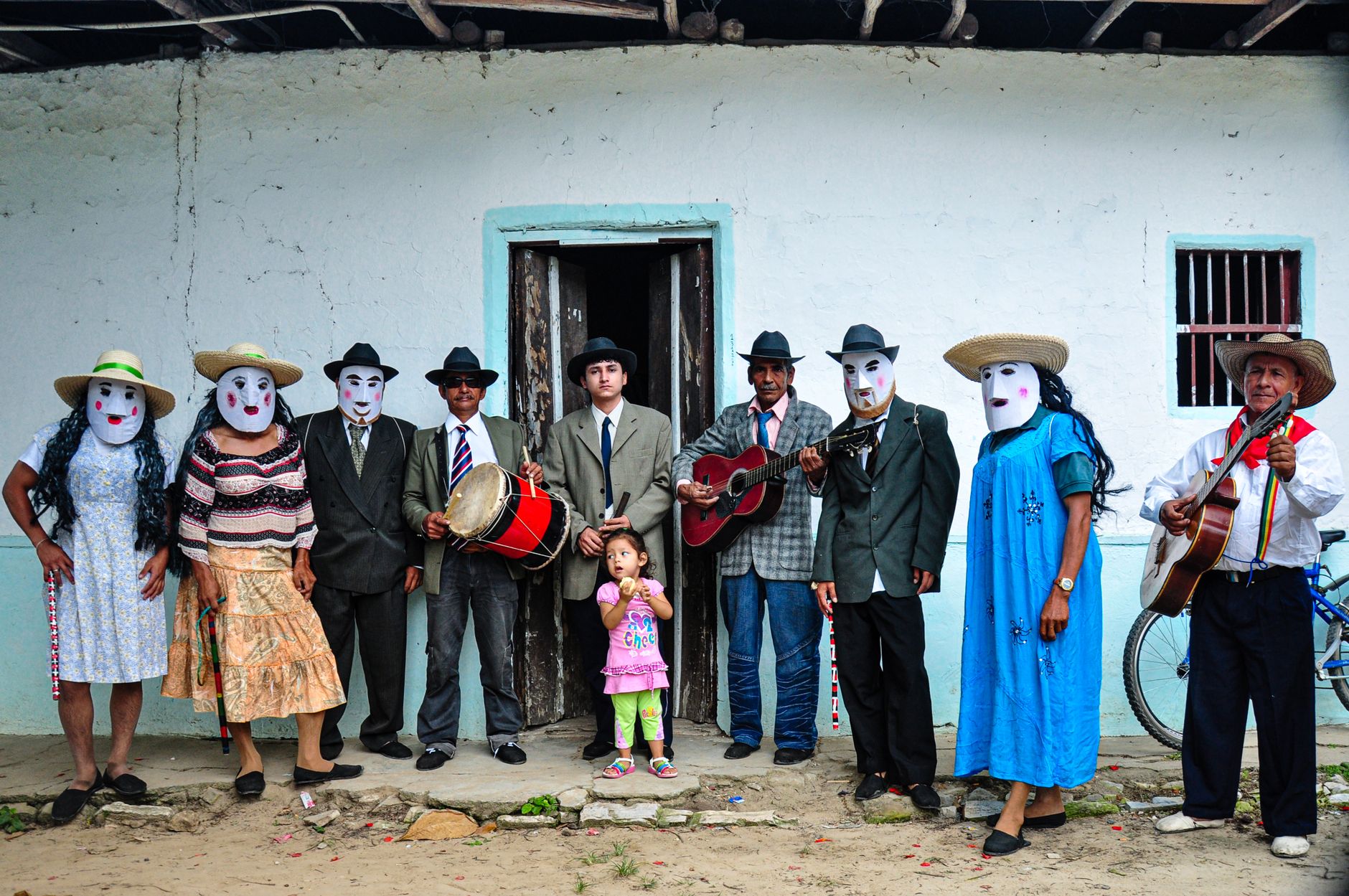
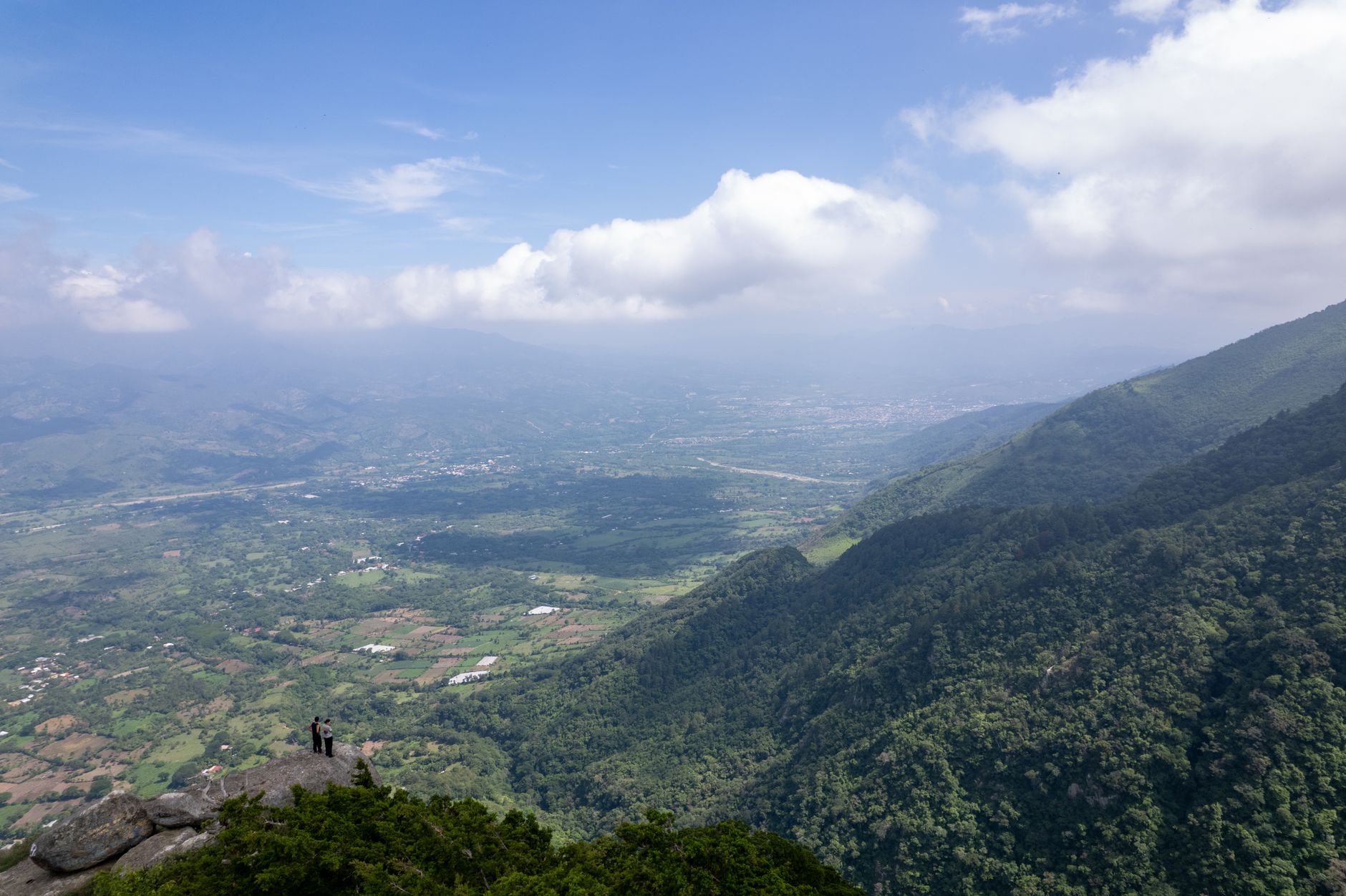
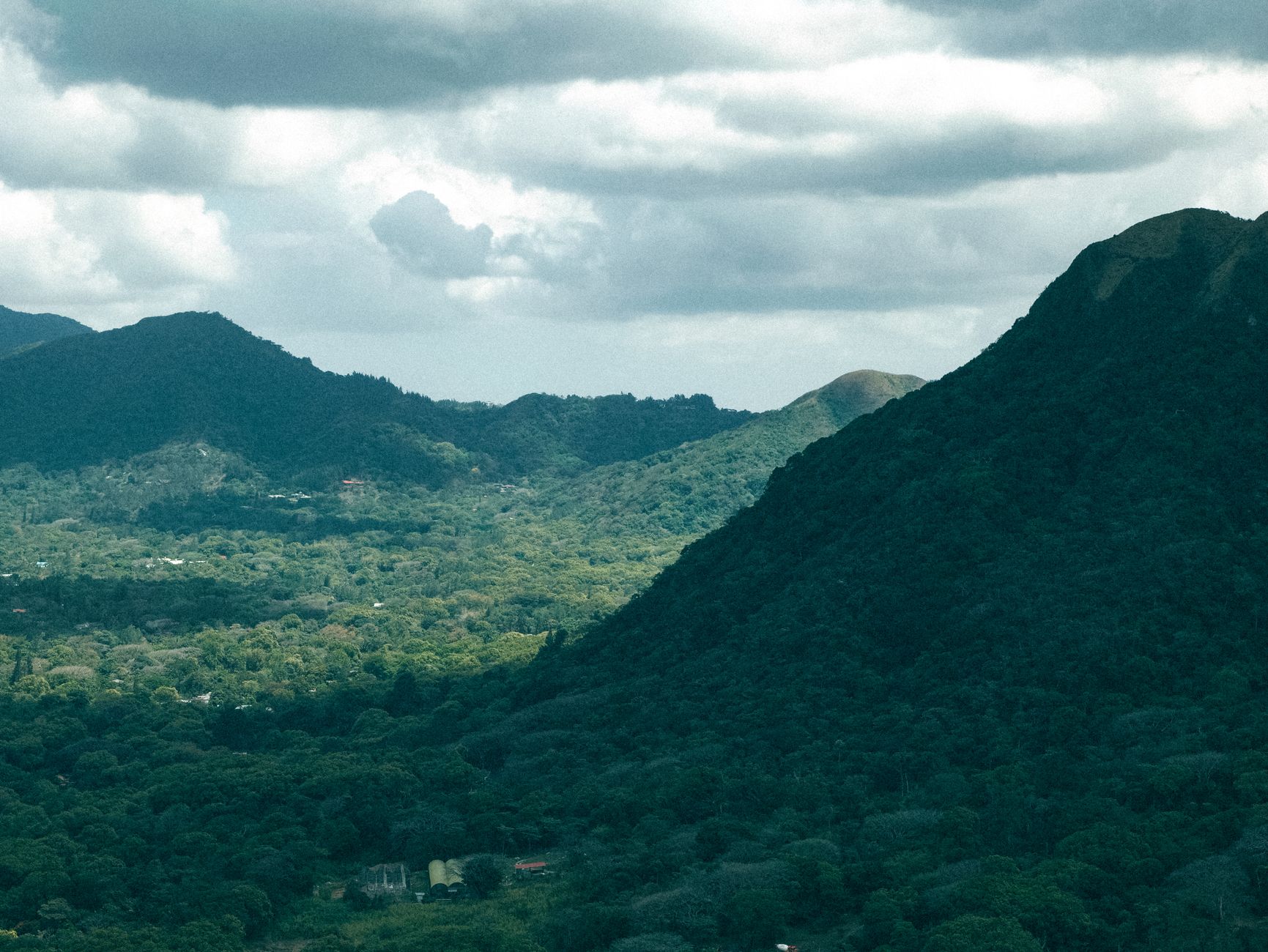
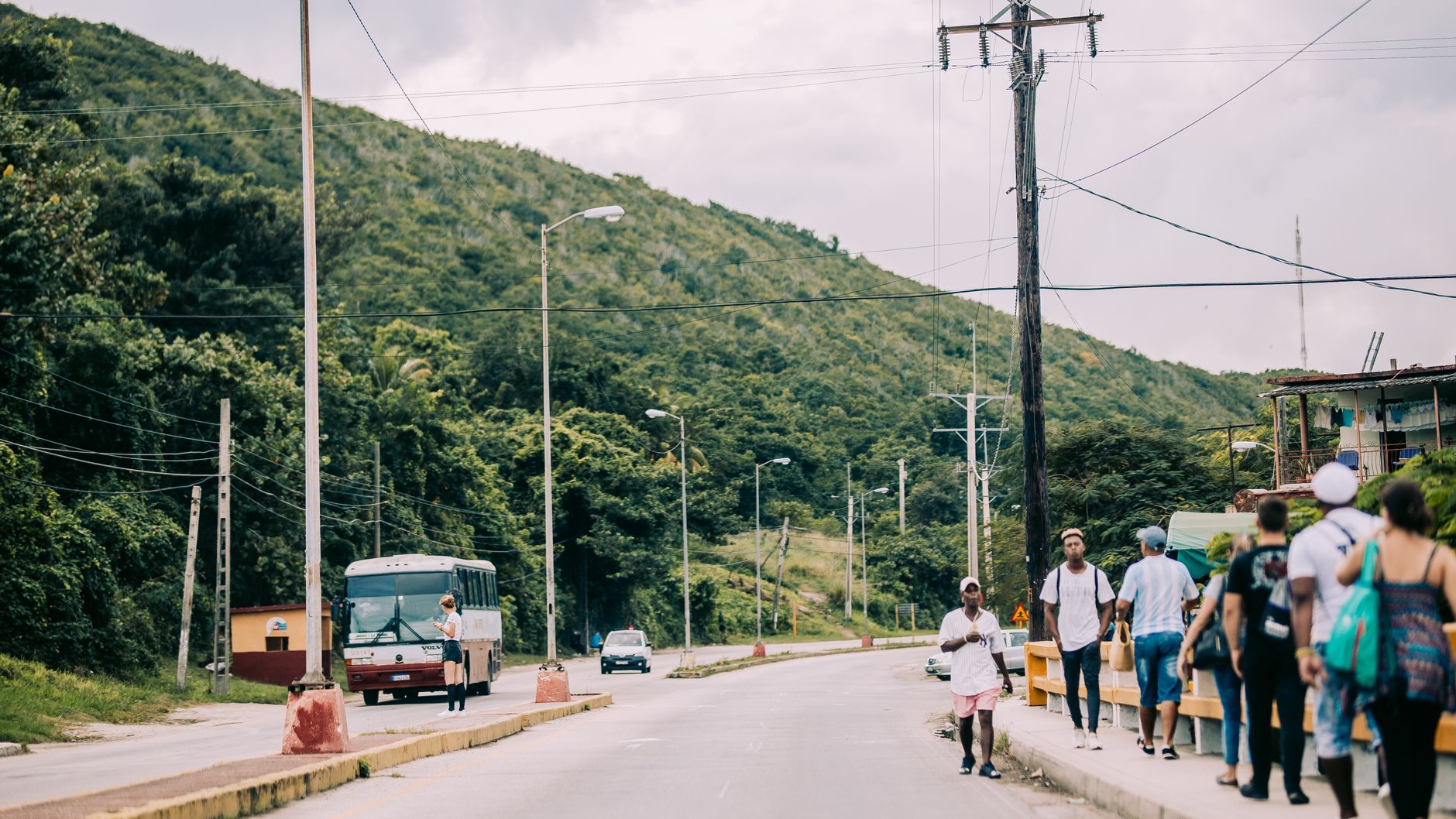
El Valle de Antón sits inside the crater of an ancient volcano, which explains why the valley floor is unusually flat and the peaks around it rise so abruptly. At 600 metres, the air is a few degrees cooler than Panama City's coast, and the difference is immediately noticeable — you sleep under a sheet here.
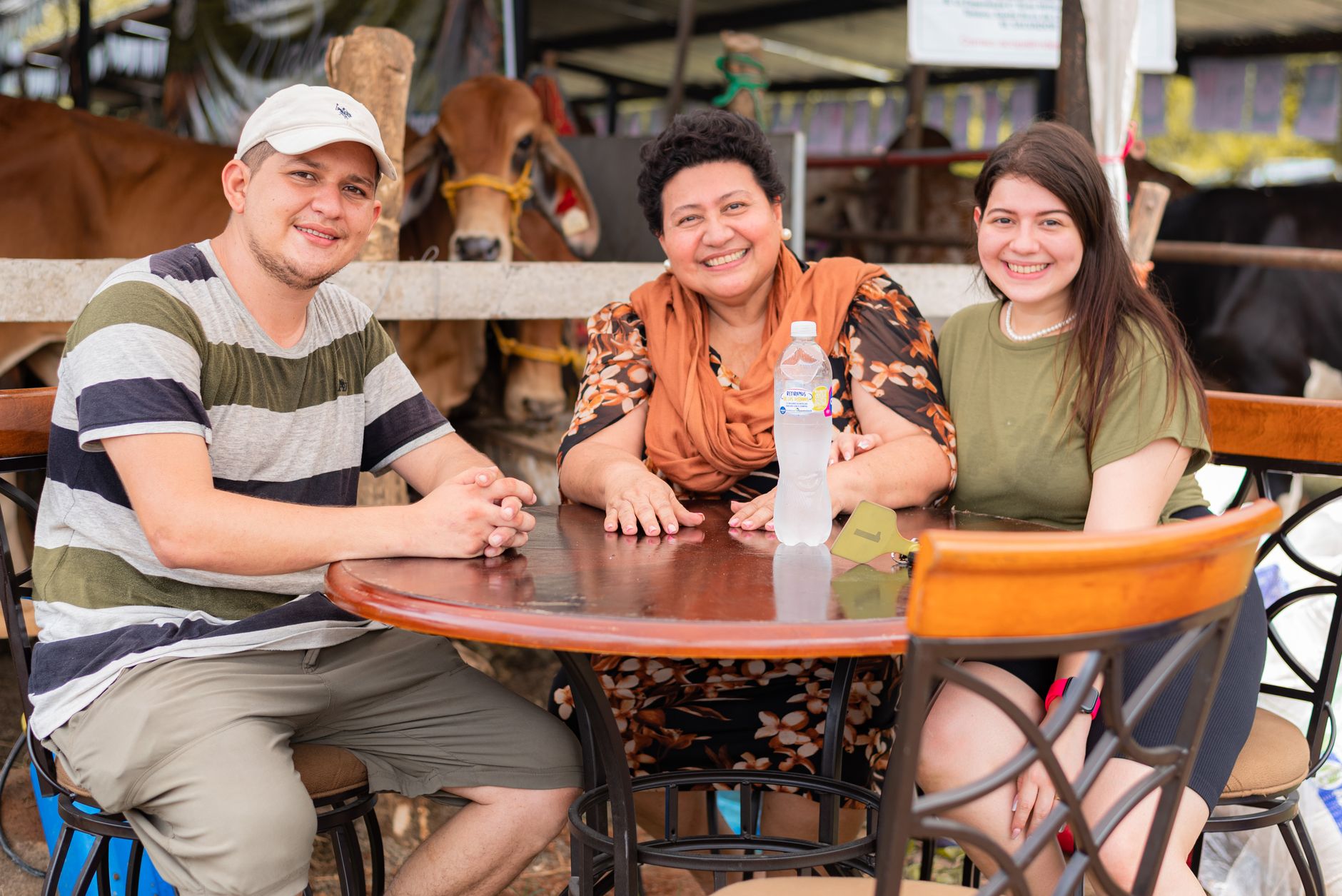
The town itself is compact and unhurried, organised around a single east-west road and a market that draws families every Sunday with stalls of orchids, carved gourds, and root vegetables. Behind Hotel Campestre, a grove of trees with genuinely square cross-sections grows without obvious explanation — botanists have debated it, and the trees keep growing.
💛 What travellers fall for
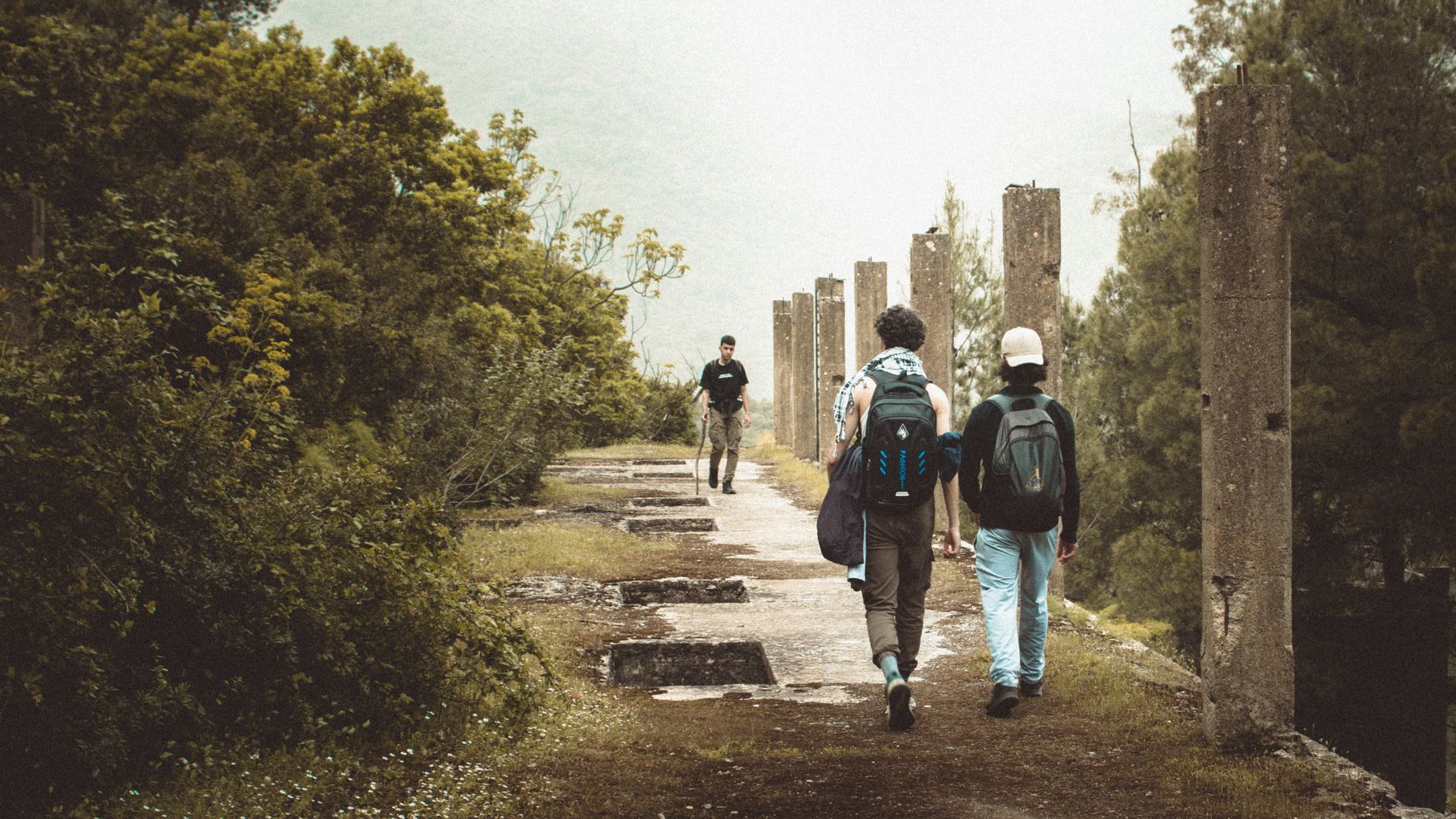
Return visitors tend to sort themselves out early: grab coffee before the Sunday market crowds arrive, then walk the La India Dormida ridge before the clouds come in around noon. The summit takes about 45 minutes and the silhouette of the sleeping figure only makes sense once you're looking back from a distance.
How El Valle de Antón came to be
Before the Spanish arrived in the early 16th century, the valley was home to the Guaymí people, whose descendants still make up much of the local population today. The Spanish introduced new agricultural practices, but the valley remained sparsely settled for centuries — by 1860, only a dozen or so families lived here.
The highway built in 1928 changed the equation. Easier road access brought weekend visitors from Panama City, a pattern that has defined El Valle ever since: a place where wealthy urban Panamanians keep second homes and the local economy runs on a quiet kind of tourism. Victoriano Lorenzo, the military leader and human rights figure born in the broader Coclé province in 1867, is remembered in a local museum that bears his name.
Who and what shaped it
People who shaped it
Landmark buildings
See El Valle de Antón in motion
Plan your visit
On the map
When to go
The dry season runs mid-December through April — sunny, cooler nights, and notably windy. The rainy season (May through November, with October and September the wettest months) keeps everything green and the waterfalls full, and the rain typically falls in concentrated afternoon bursts rather than all day.
Right now
Background & history adapted from Wikipedia (CC BY-SA) · specs from Wikidata (CC0) · weather from Open-Meteo · map data © OpenStreetMap contributors · photos from Wikimedia Commons / Unsplash with per-image credit. No third-party reviews or social posts reproduced.