Country

Poland

Poland
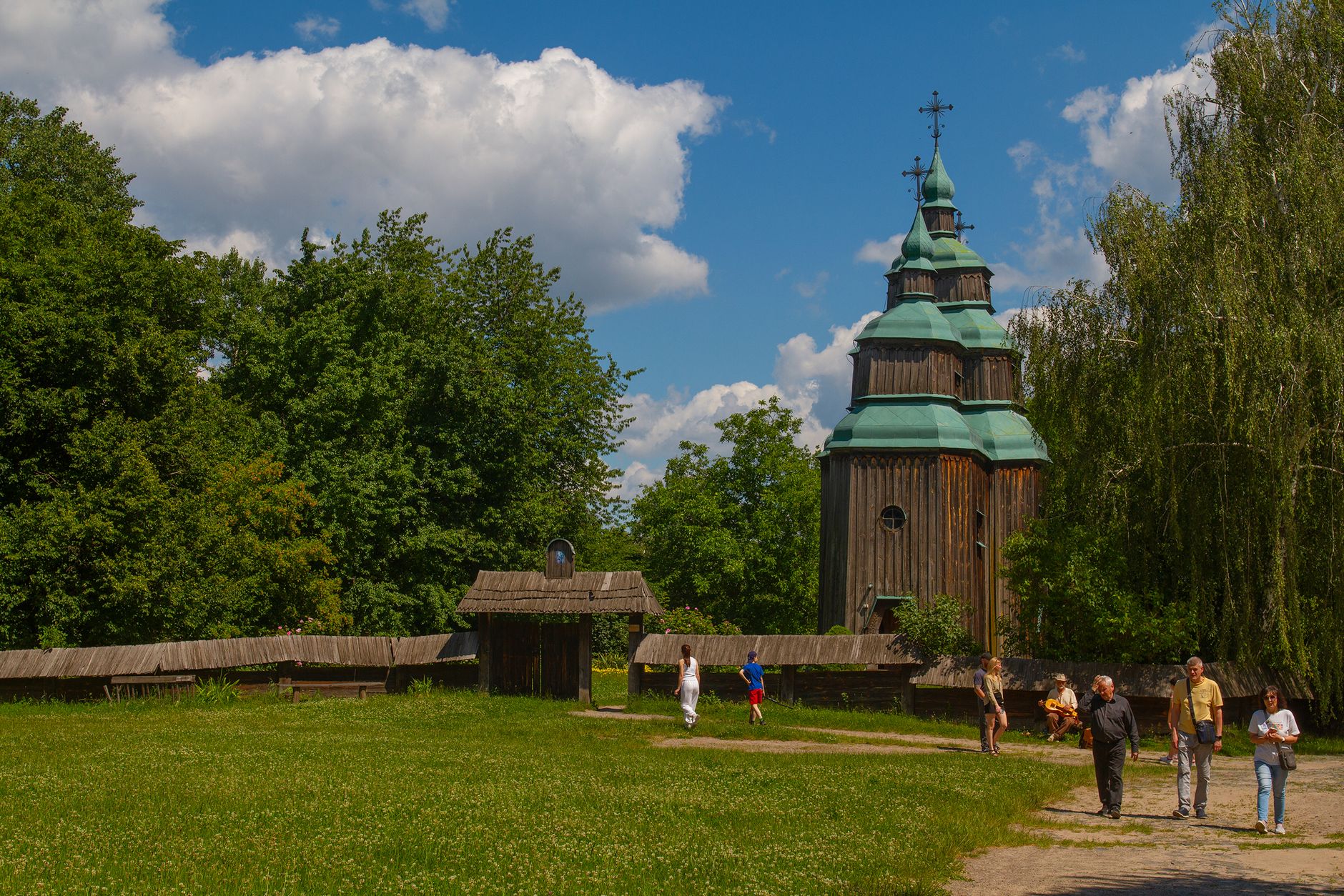
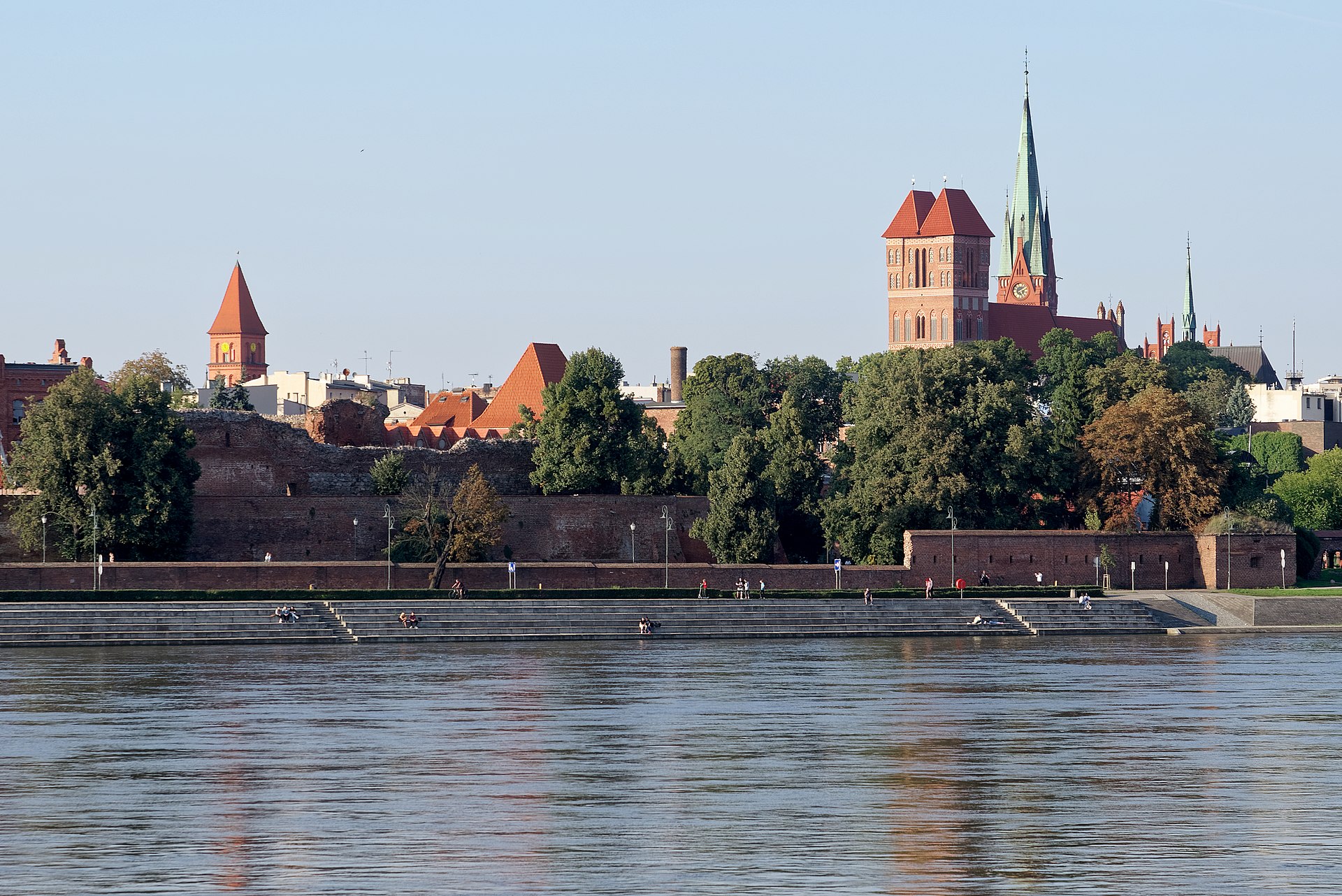
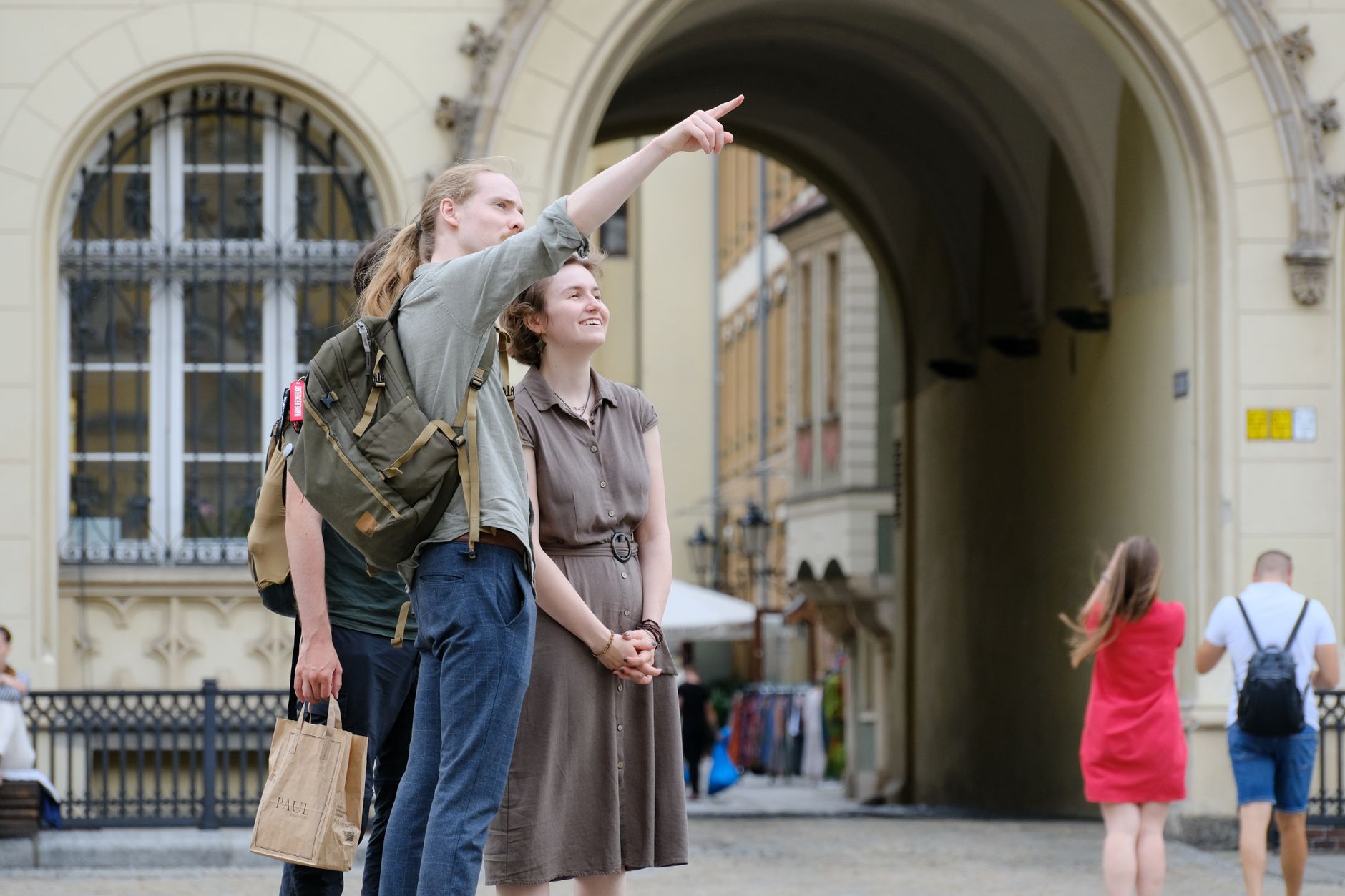
Photo by Roman Biernacki on Pexels
Poland
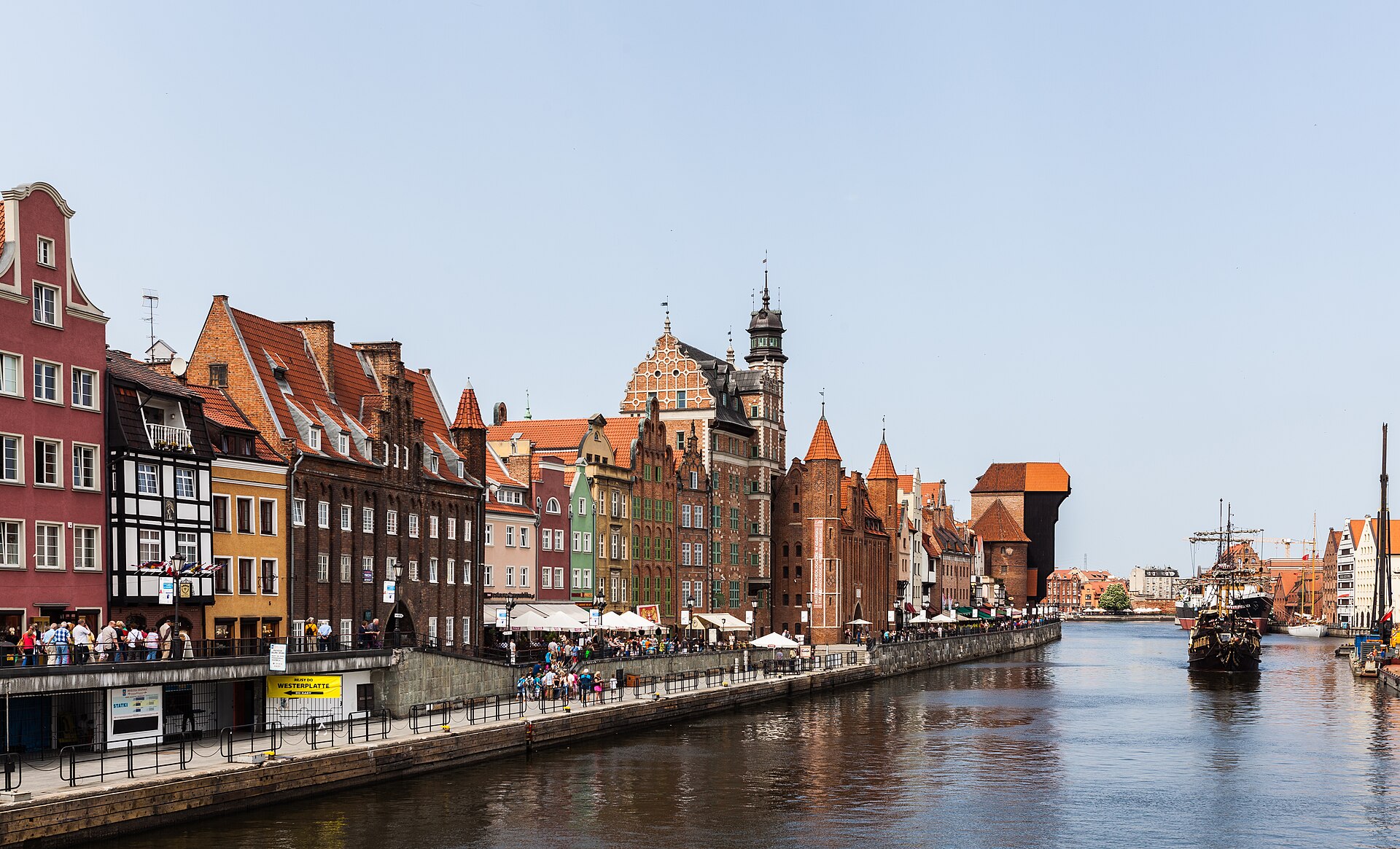
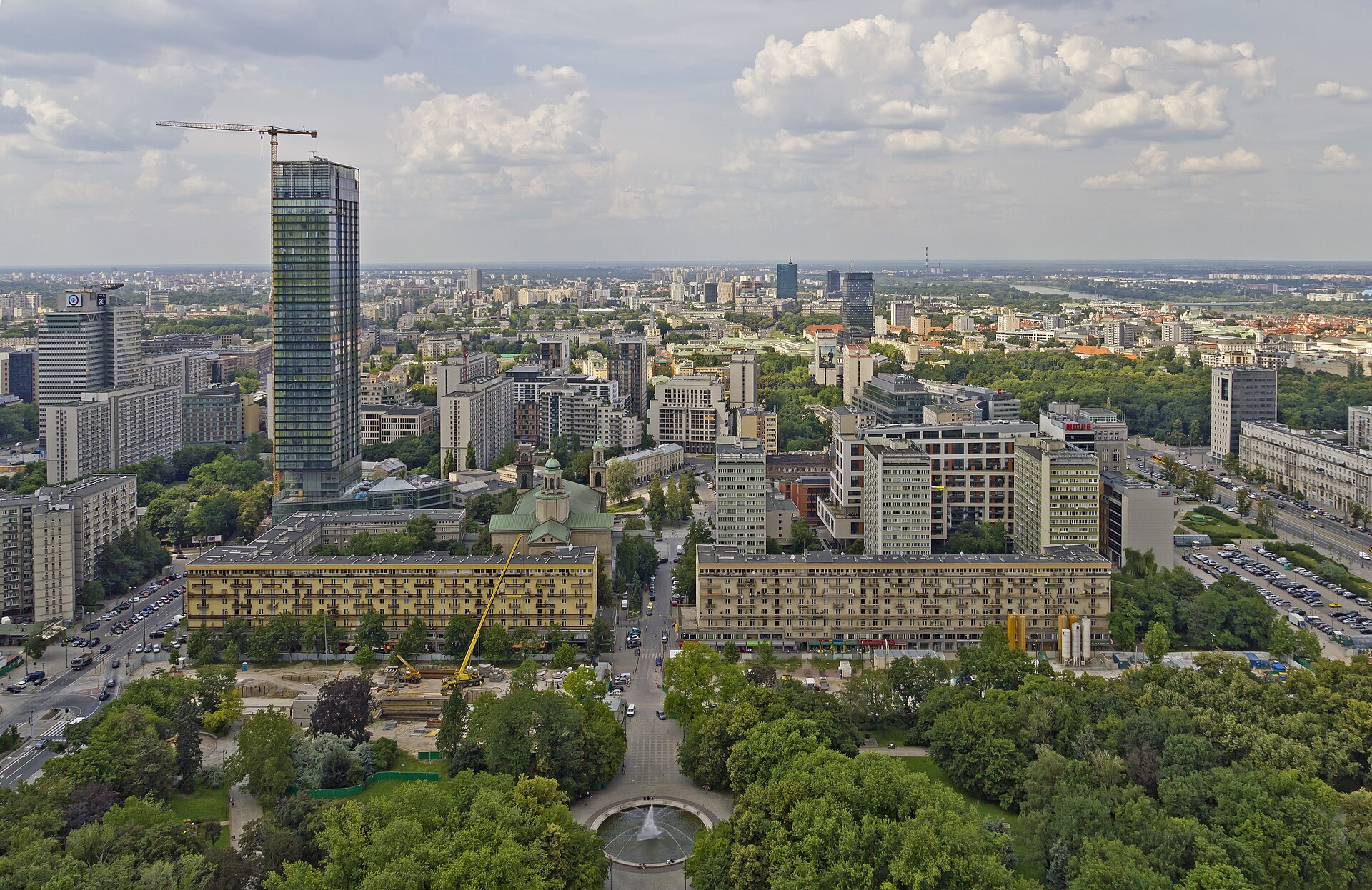
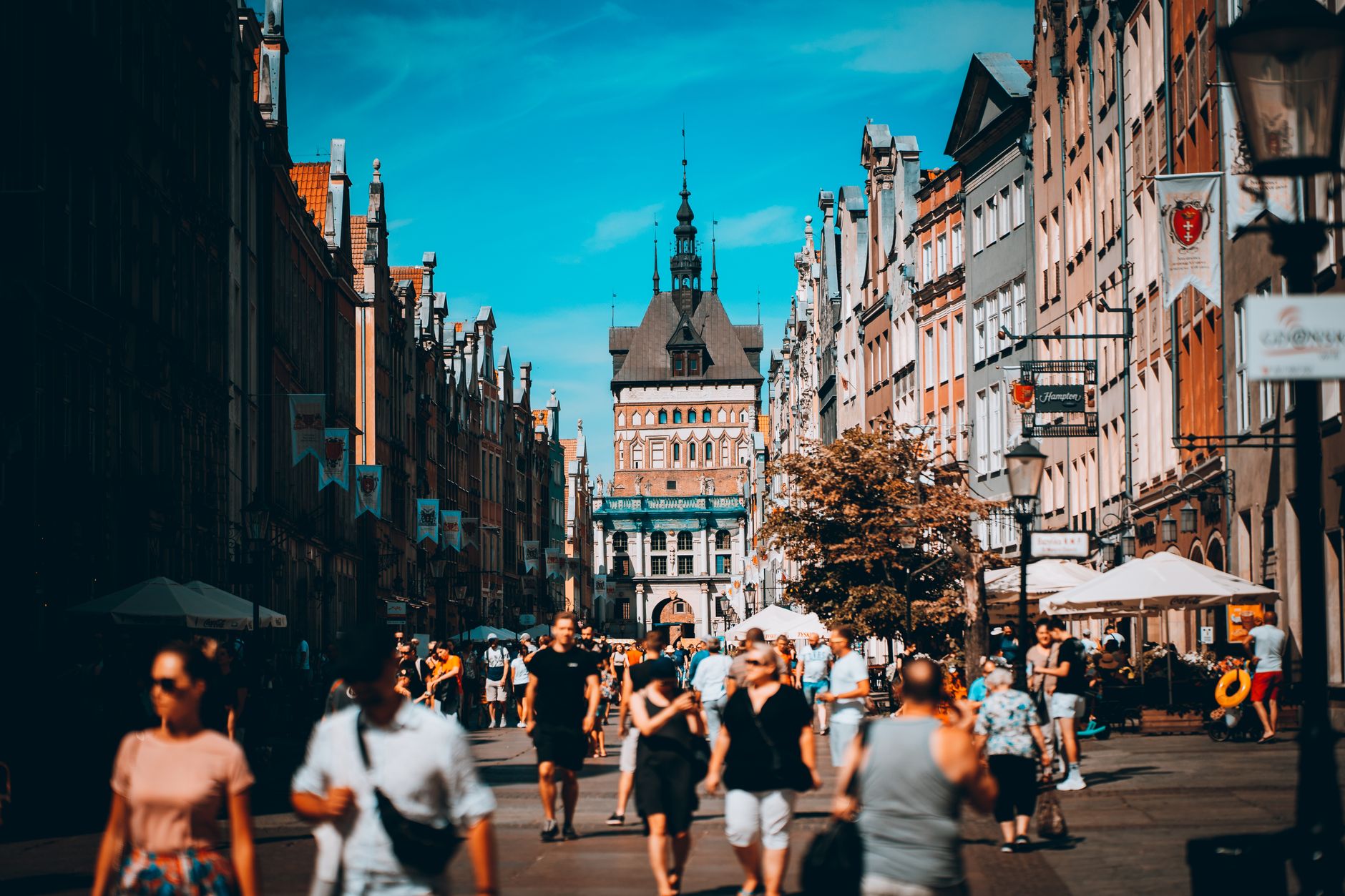
Photo by Szymon Shields on Pexels
Poland
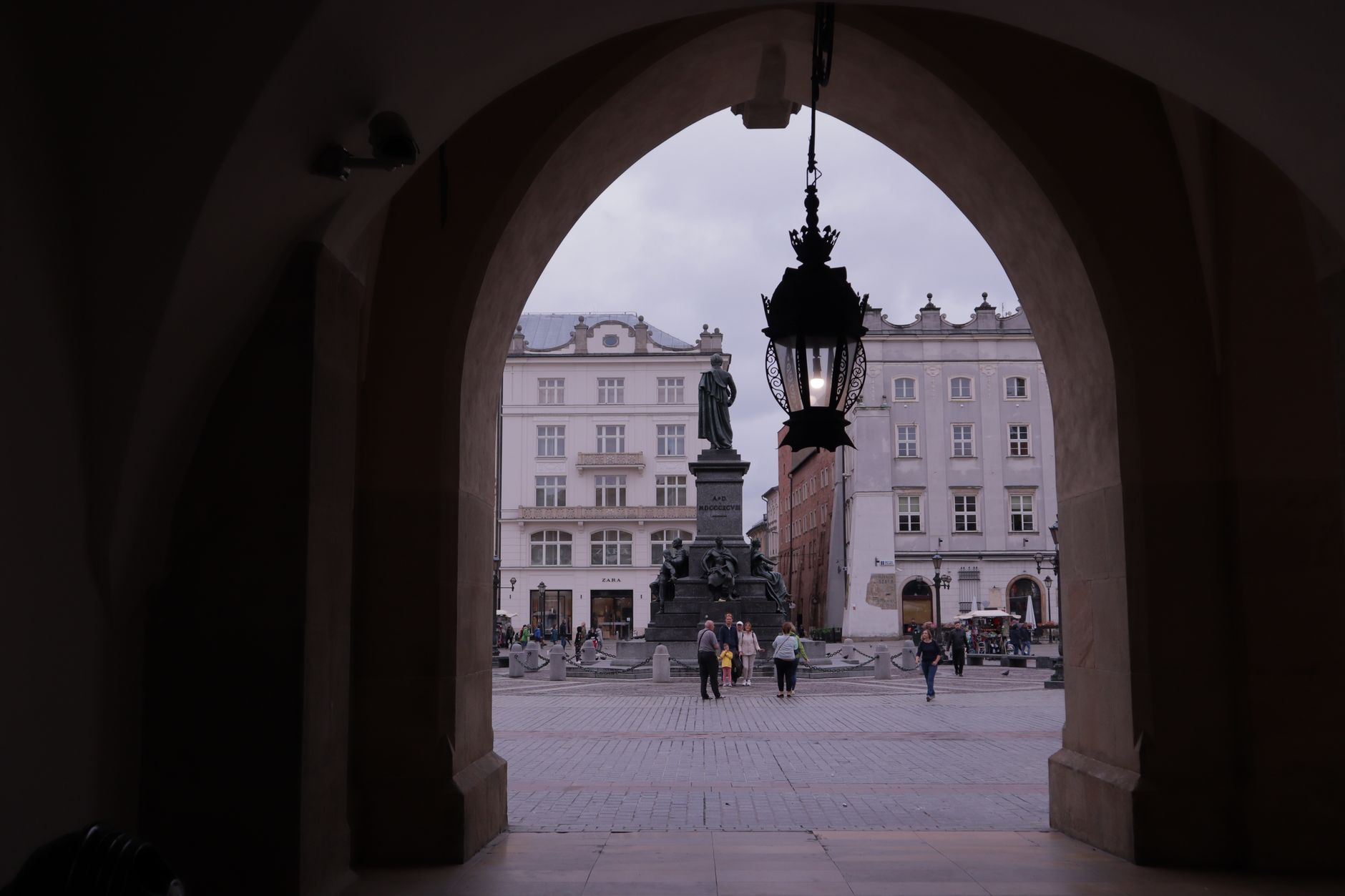
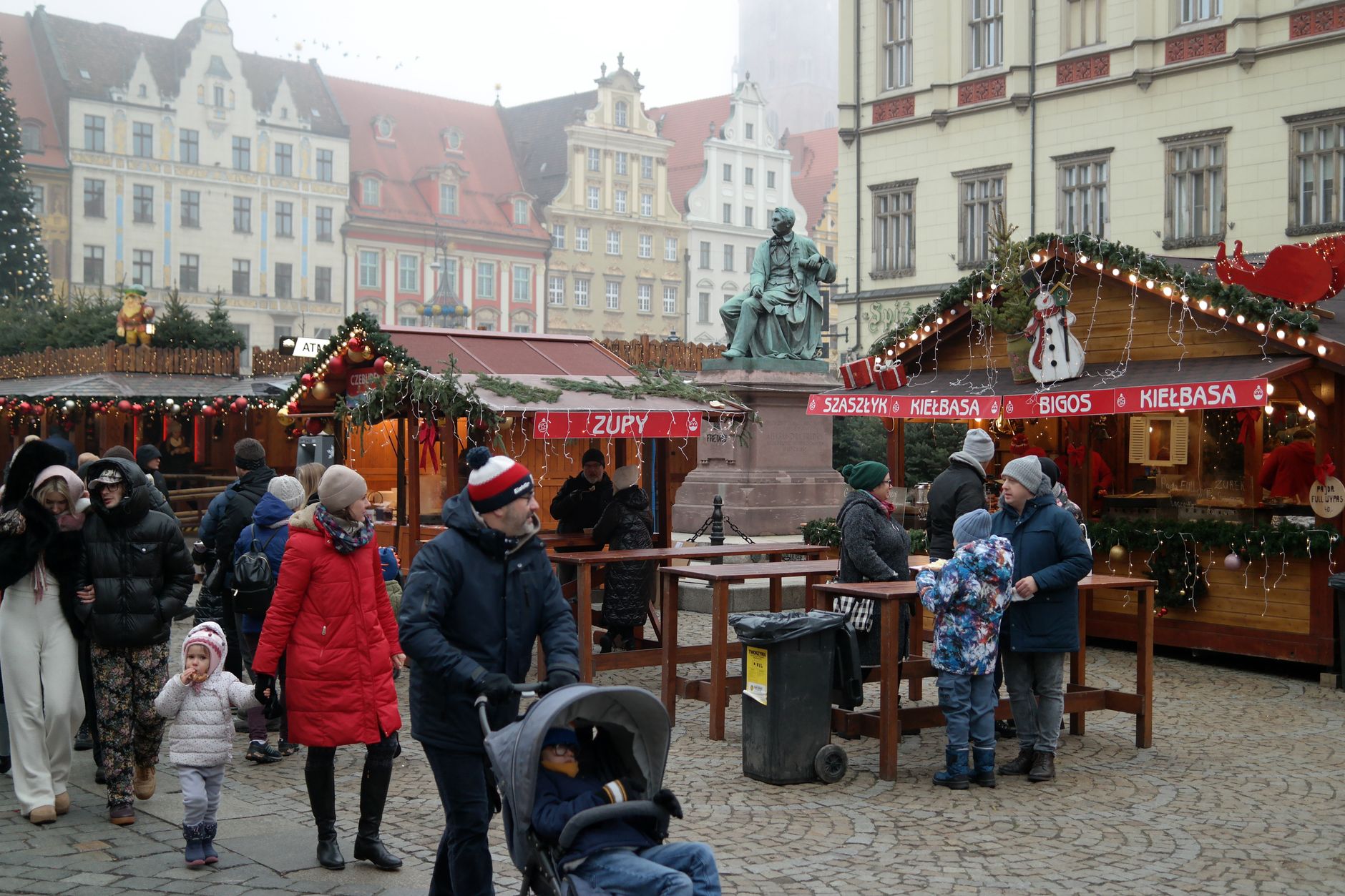
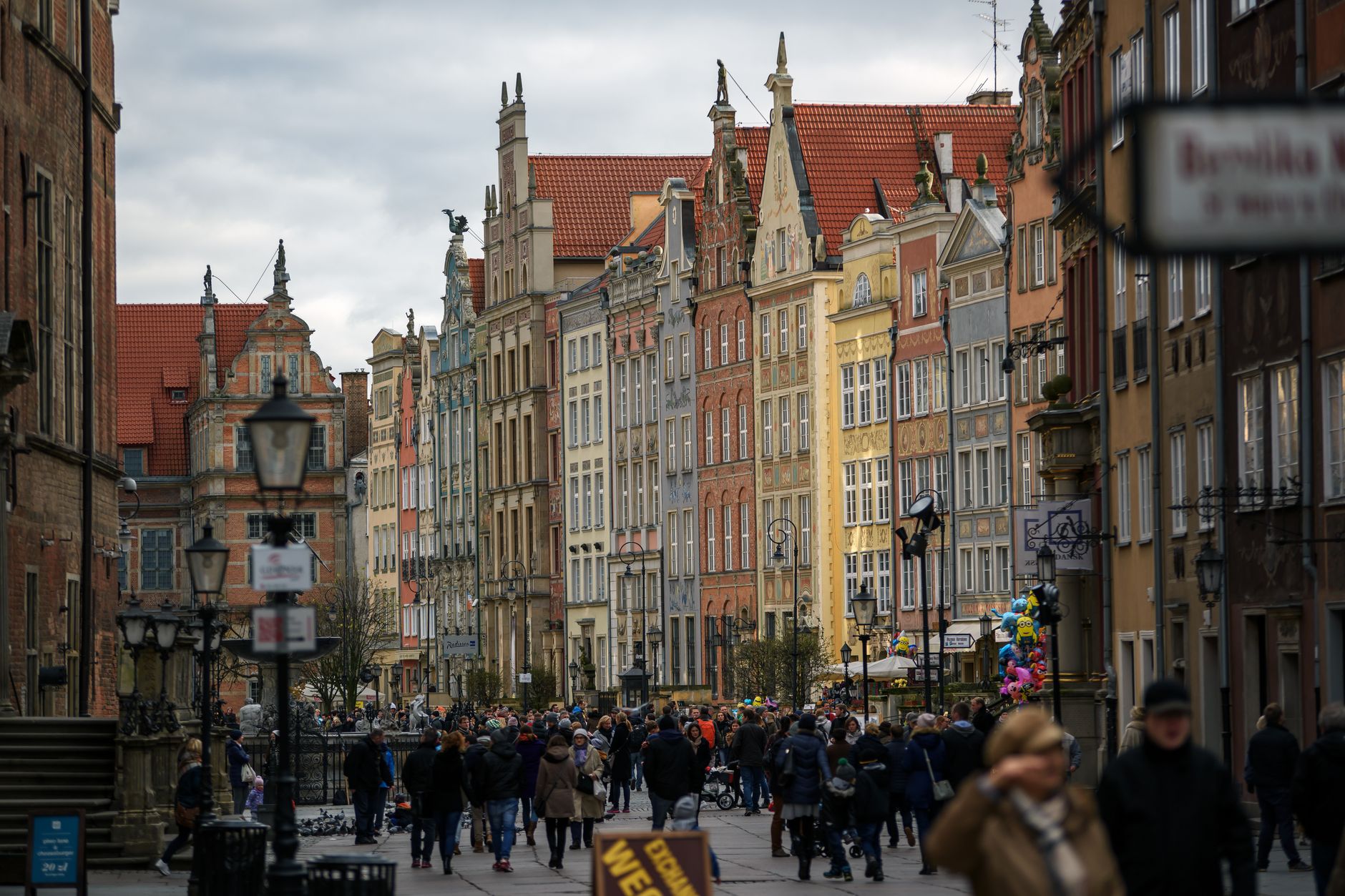
Photo by Piotr Arnoldes on Pexels
Poland
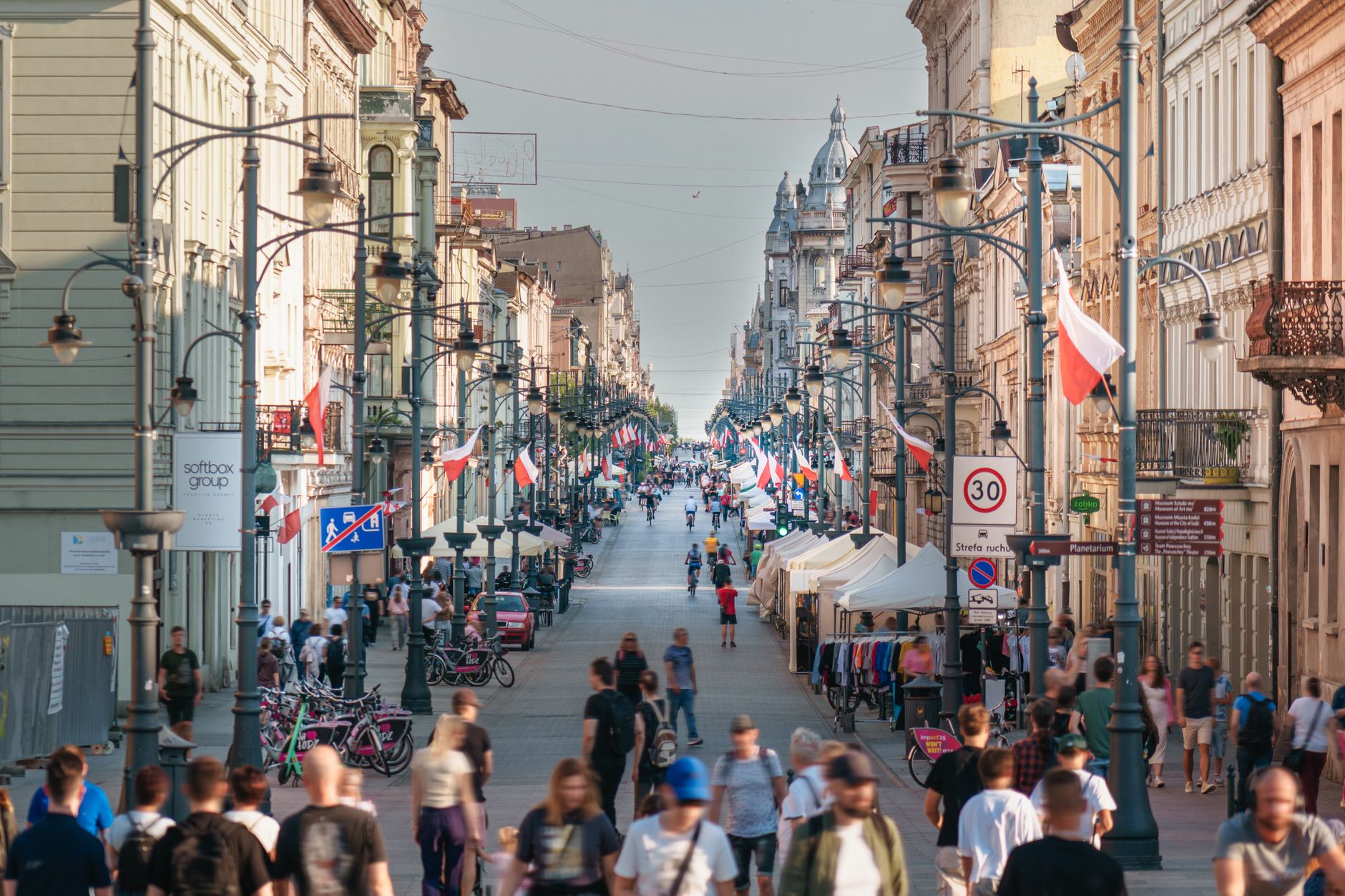
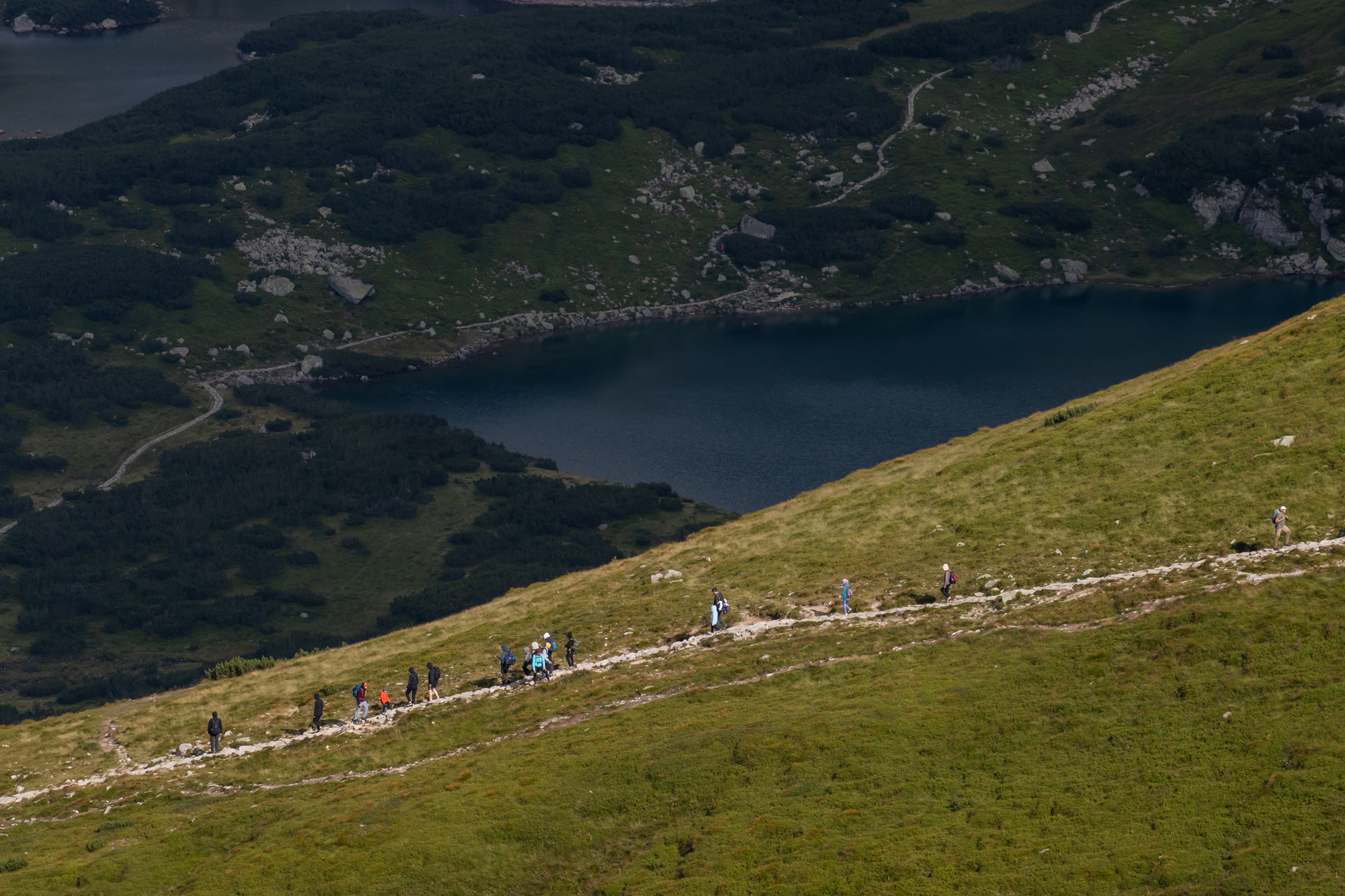
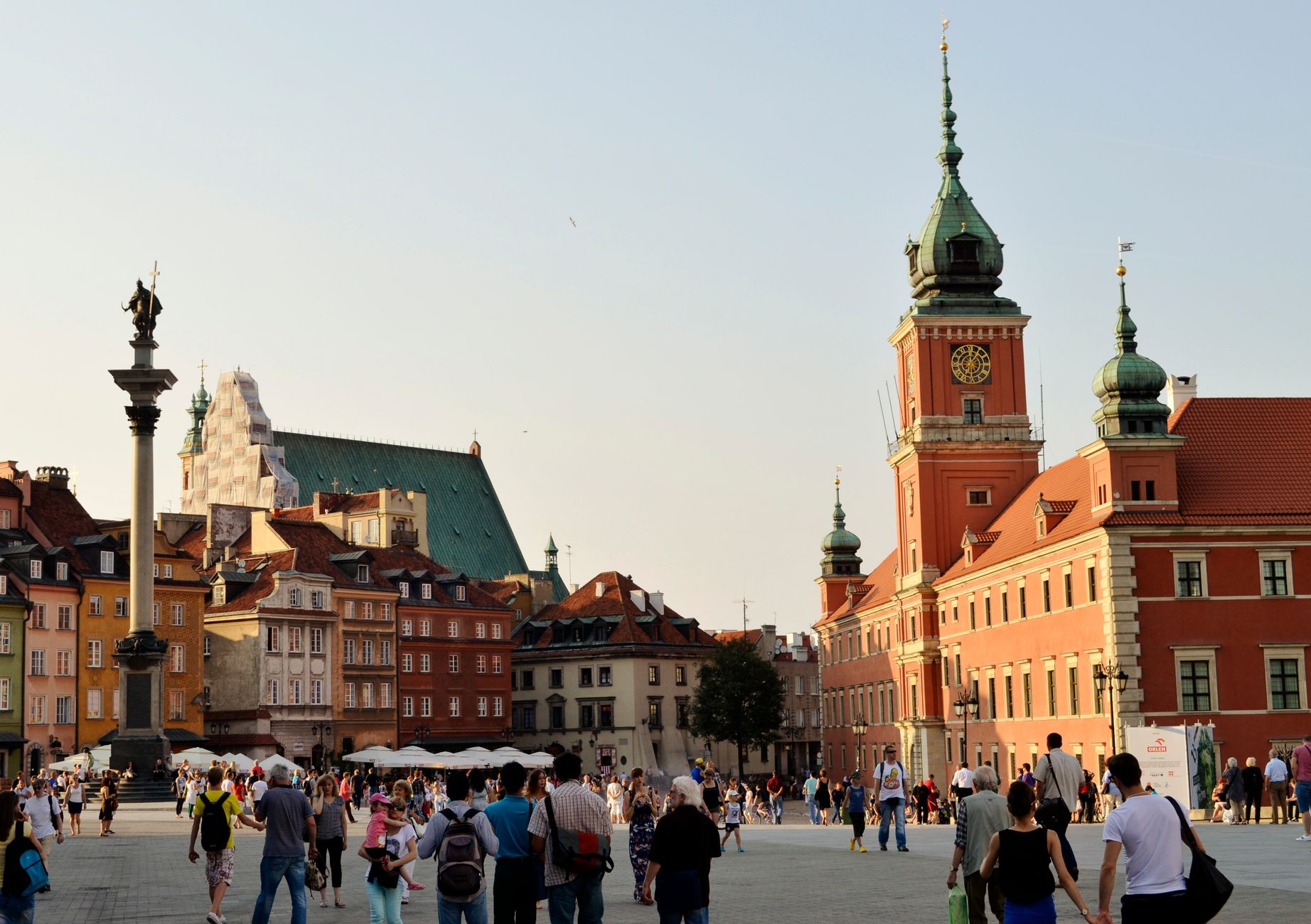
Photo by Camila Cano on Pexels
Poland
Photo by Beata Kowalska on Pexels
Poland
Photo by SHOX ART on Pexels
City break Culture & history

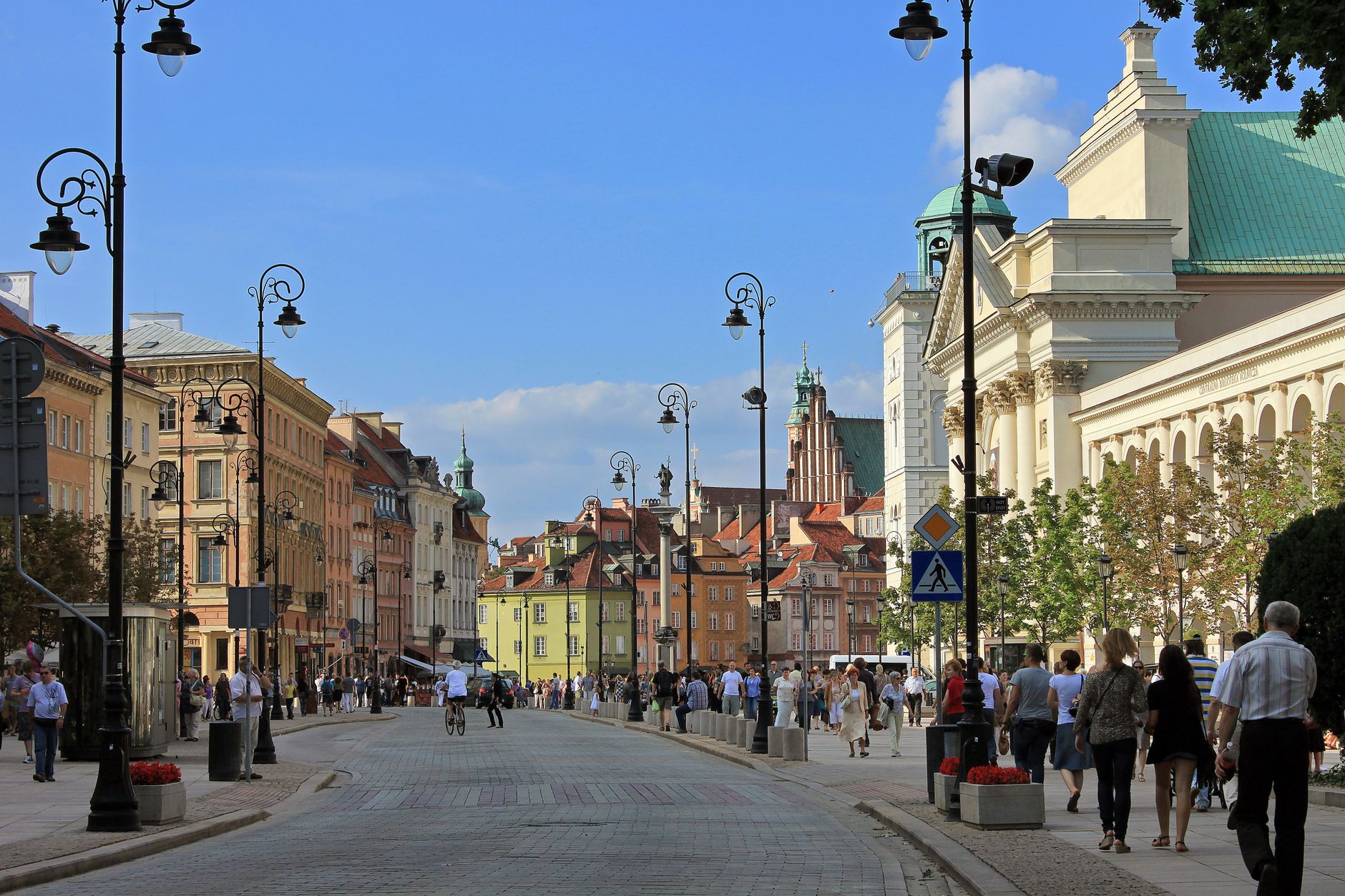
Poland has a way of catching you off guard. You arrive expecting the weight of the 20th century — and it's here, unmistakably, at Auschwitz-Birkenau and in the rebuilt bones of Warsaw — but then a mechanical goat butts its twin on the Poznań town hall at noon, and a salt mine outside Kraków reveals chapels and chandeliers carved entirely from rock salt nine levels underground. The country holds its contradictions without apology.

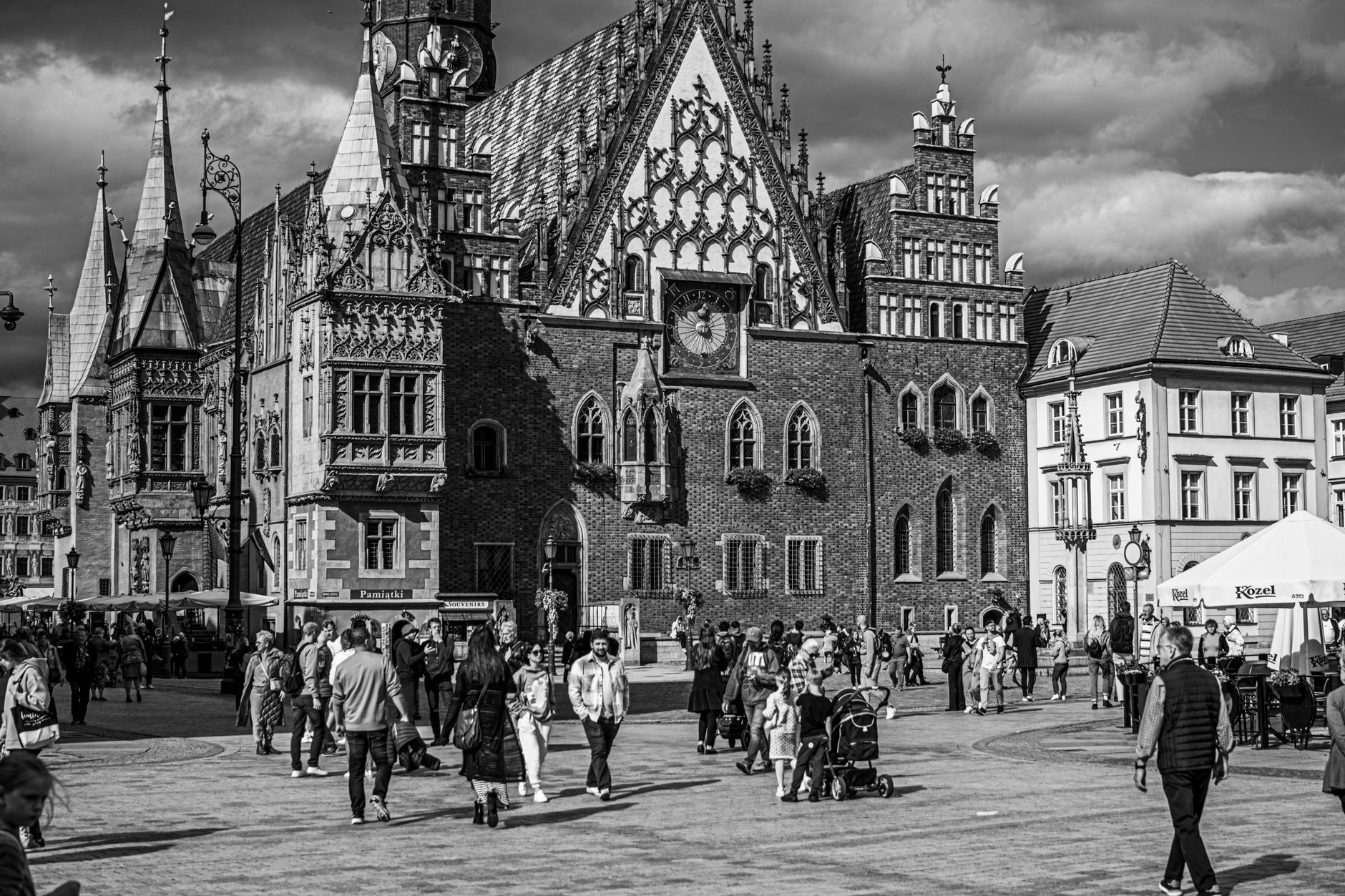
From the Baltic coast to the Tatra mountains, the landscape shifts as dramatically as the history. Kraków's medieval core survived the war largely intact, Wrocław's Gothic town hall took 300 years to finish, and Malbork Castle — a Teutonic fortress of staggering brick ambition — sits quietly on the Nogat River as a UNESCO World Heritage site that most visitors from the west still haven't made it to.

Good to know
Poland sits at the centre of European rail and road networks, making it easy to combine with Germany, Austria or Hungary. Late spring and early autumn give you the most comfortable temperatures and manageable crowds. Warsaw and Kraków are logical anchors, but leaving time for Wrocław or Malbork rewards the detour.

Deals in Poland

Book directly at the provider
The story

How Poland came to be

The Polish state traces its roots to 966, when Mieszko I of the Piast dynasty unified local tribes and accepted Roman Catholicism — a decision that shaped the country's cultural orientation for a millennium. By the mid-1500s, Poland was among Europe's largest and most powerful states, and Casimir the Great had already founded Kraków's university in 1364, the second east of the Rhine and north of the Alps. The Polish-Lithuanian Commonwealth, formed by the Union of Lublin in 1569, stretched across much of central-eastern Europe.

What followed was centuries of erosion. Three partitions between 1772 and 1918 erased Poland from the map entirely, dividing its territory among Russia, Prussia and Austria. The republic re-emerged in 1918, was devastated again in World War II — more than six million Polish citizens perished, including ninety percent of the country's Jewish population — and then spent four decades as a Soviet satellite state. The Solidarity trade union movement, led by Lech Wałęsa and founded in 1980, helped bring that era to a peaceful end, and the Third Polish Republic was established in 1989.

People & landmarks

Who and what shaped it

People who shaped it

Mieszko I
First documented ruler of Piast dynasty; unified Polish tribes and accepted Roman Catholicism in 966, establishing the Polish state.
Casimir the Great
Founded Kraków University in 1364, the second university east of the Rhine River and north of the Alps.
Nicolaus Copernicus
Polish astronomer (1473–1543) who formulated the first modern heliocentric theory of the solar system.
Stanisław Witkiewicz
Founder of Zakopane Style, a folk-inspired architectural movement that emerged in Poland in the 1890s.
Daniel Libeskind
Polish-American architect known for the Jewish Museum Berlin and World Trade Center master plan.
Karol Wojtyla (John Paul II)
Polish cardinal chosen as Pope in 1978.
Lech Wałęsa
Leader of Solidarity, the first mass independent trade union in communist states, founded in 1980.

Landmark buildings

Wawel Cathedral
14th-century Gothic cathedral consecrated 1364 on Wawel Hill; center of Poland's power for centuries.
Wawel Castle
13th-century royal residence now functioning as a museum with collections of royal and military artifacts.
Cloth Hall (Sukiennice), Kraków
Built in the 15th century; main building of Kraków's Main Market Square since its construction.
St. Mary's Basilica, Kraków
Masterpiece of Gothic architecture located on Kraków's Main Market Square.
Florian Gate, Kraków
Built c. 1285 under Prince Leszek II; one of eight towers forming the city's medieval defenses.
Barbakan (Kraków Barbican)
15th-century Gothic fortress now operating as a museum.
Wieliczka Salt Mine
Salt mined since the 13th century; nine levels deep with 186 miles of galleries featuring chapels, statues, and art carved entirely from rock salt.
Malbork Castle
13th-century Teutonic Knights fortress; one of the largest brick structures ever built and UNESCO World Heritage site since 1997.
Palace of Culture & Science, Warsaw
230-meter-tall structure built in the 1950s; houses theaters, museums, cinemas, and conference halls in the Śródmieście district.
Poznań Town Hall
Completed in mid-1500s in Renaissance style; famous for mechanical goats that headbutt each other at noon daily.
Wrocław Old Town Hall
Built over 250 years spanning Gothic Middle Ages to Renaissance periods (13th–16th centuries).
Peace Church (Świdnica)
Elaborate wooden Baroque church built in the mid-17th century following the Thirty Years War.
Zamosc Town Hall
Built 1639–1651 in mannerist and baroque style.
Auschwitz-Birkenau
Nazi concentration camp founded near Oświęcim; the largest and most infamous camp of World War II.
Watch

See Poland in motion

Practical

Plan your visit

On the map

When to go

Winters are cold and often snowy, regularly dropping below freezing from December through February. Summers are warm with a mix of sunshine and rain; spring and autumn tend to be the most pleasant seasons for travelling, with mild temperatures and long daylight hours.

Right now

31°C
Partly cloudy
Fri
🌧️
32°
15°
Sat
🌧️
22°
18°
Sun
🌧️
25°
15°
Mon
🌧️
20°
13°
Weather data: Open-Meteo
Theme

↡ Regions

Auschwitz-Birkenau (Oświęcim)
Region · Poland
Auschwitz-Birkenau (Oświęcim)
Culture & history
Białowieża Forest
Region · Poland
Białowieża Forest
Nature & outdoorsHiking & mountains
Gdańsk
Gdańsk
Poland
City breakCulture & historyBeach & sun
Kraków
Kraków
Poland
City breakCulture & historyRomantic getaway
Łódź
Łódź
Poland
City breakCulture & historyFood & drink
Lublin
Lublin
Poland
City breakCulture & history
Mazury Lake District
Poland
Mazury (Masurian Lake District)
Poland
Nature & outdoorsAdventure & activeRoad trip & touring
Pomeranian Coast (Trójmiejski Park Krajobrazowy)
Poland
Nature & outdoorsHiking & mountainsBeach & sun
Poznań
Poznań
Poland
City breakCulture & history
Sudeten Mountains (Karkonosze)
Poland
Nature & outdoorsHiking & mountainsAdventure & active
Toruń
Toruń
Poland
City breakCulture & history
Warsaw
Warsaw
Poland
City breakCulture & historyFood & drink
Wieliczka Salt Mine
Wieliczka Salt Mine
Poland
Culture & historyAdventure & active
Wrocław
Wrocław
Poland
City breakCulture & historyFood & drink
Zakopane and the Tatra Mountains
Poland
Hiking & mountainsAdventure & activeWinter sports & ski

No places match these filters.


Background & history adapted from Wikipedia (CC BY-SA) · specs from Wikidata (CC0) · weather from Open-Meteo · map data © OpenStreetMap contributors · photos from Wikimedia Commons / Unsplash with per-image credit. No third-party reviews or social posts reproduced.

Top