
Gdańsk
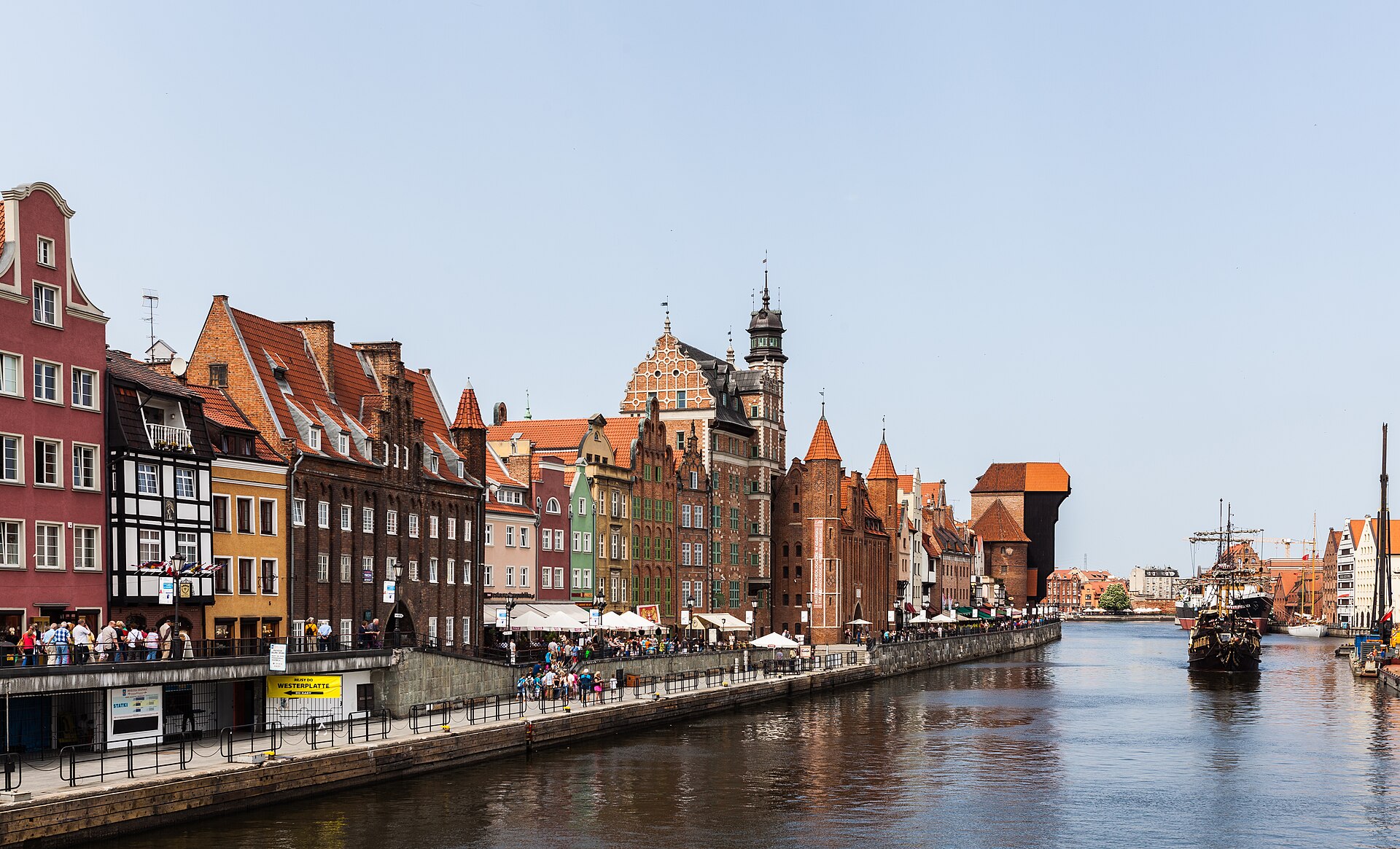
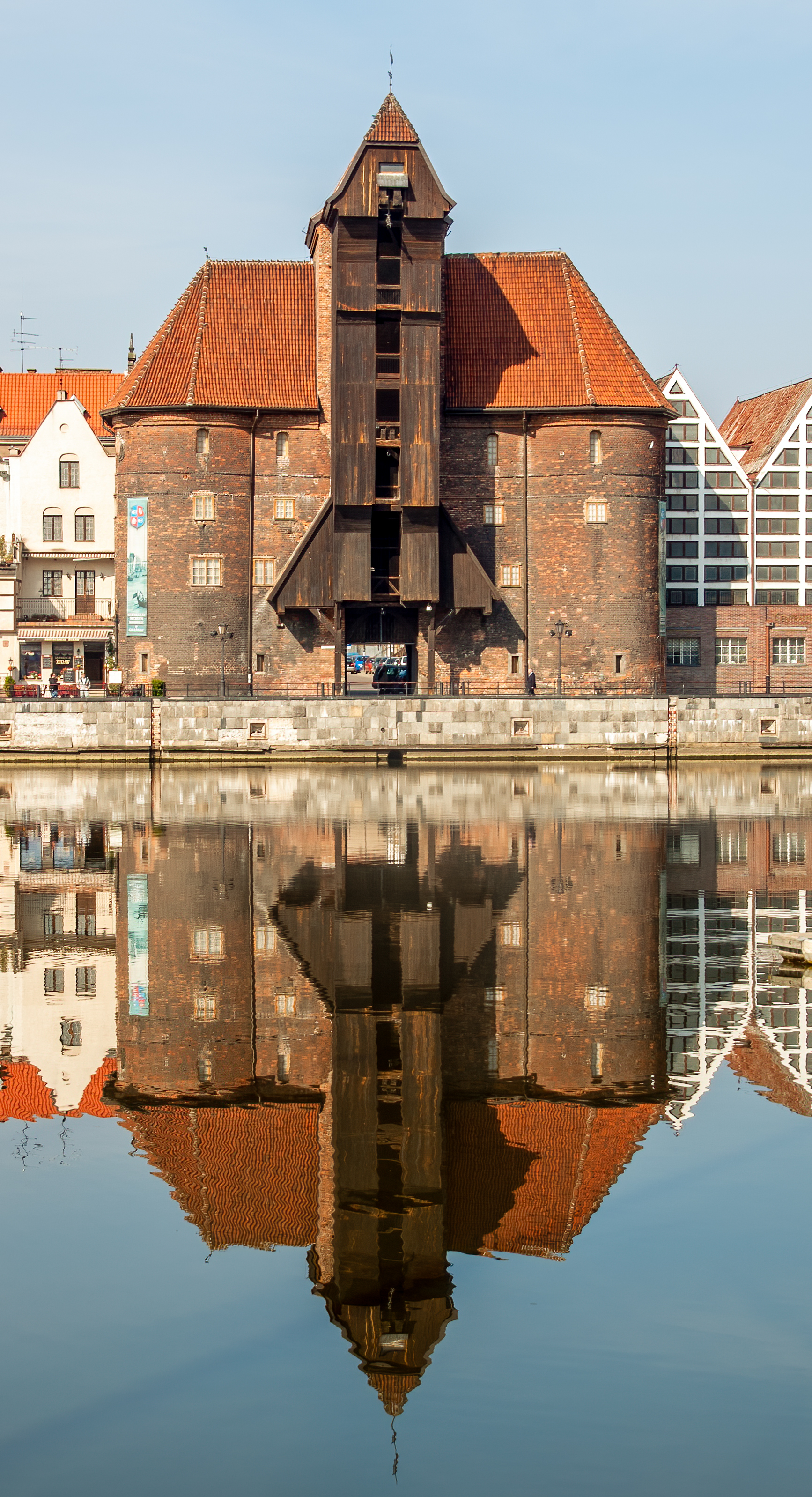
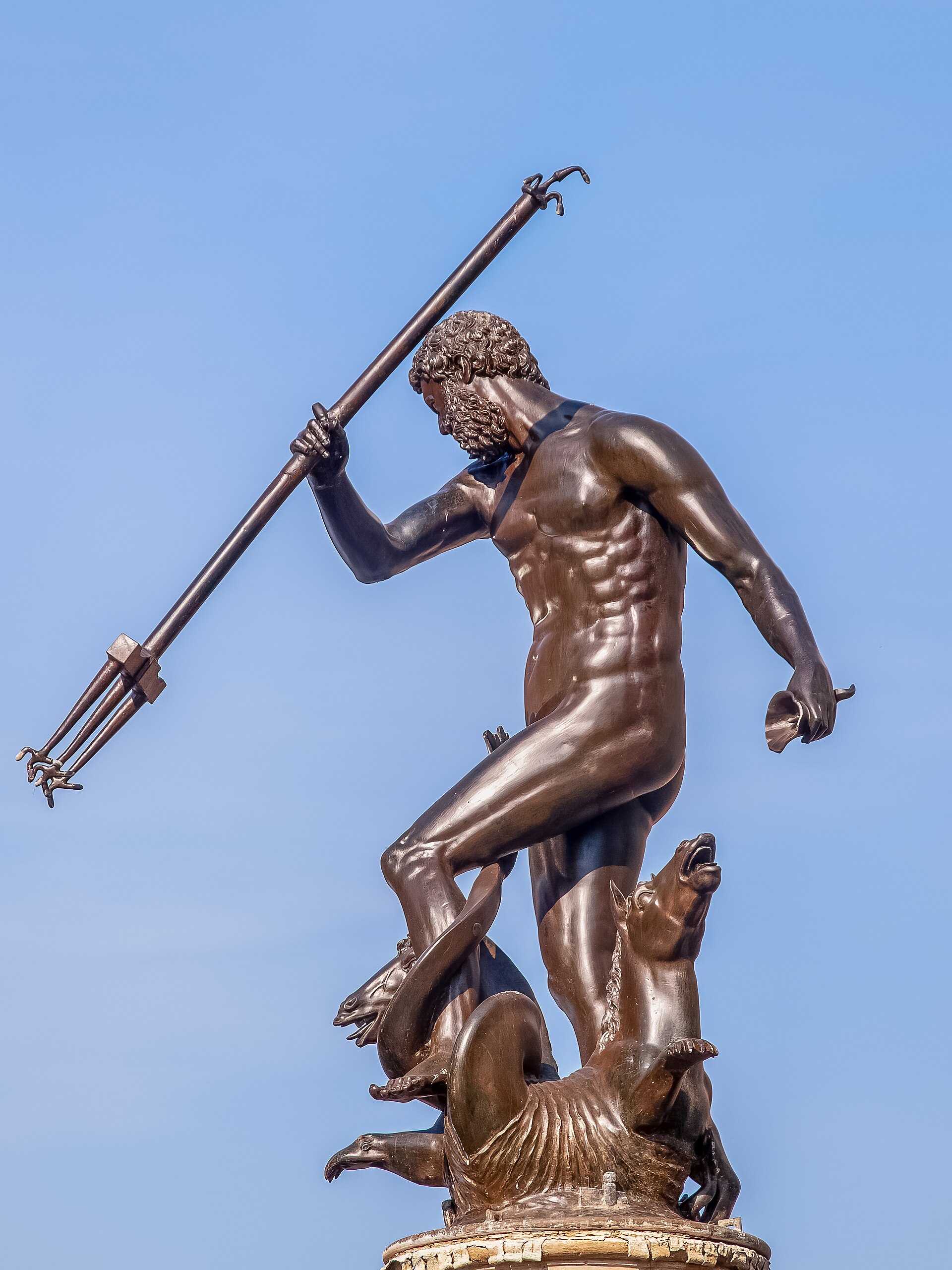
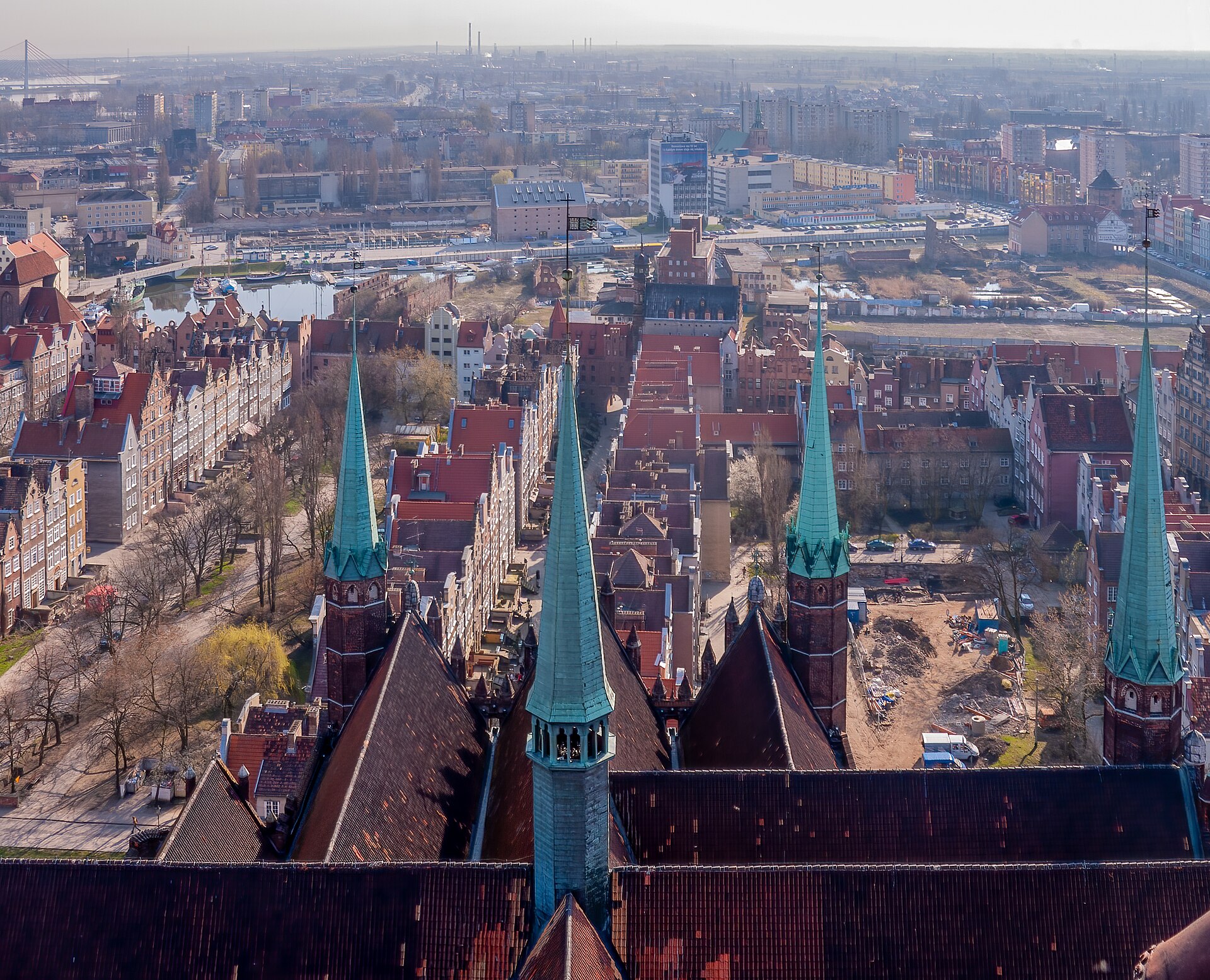
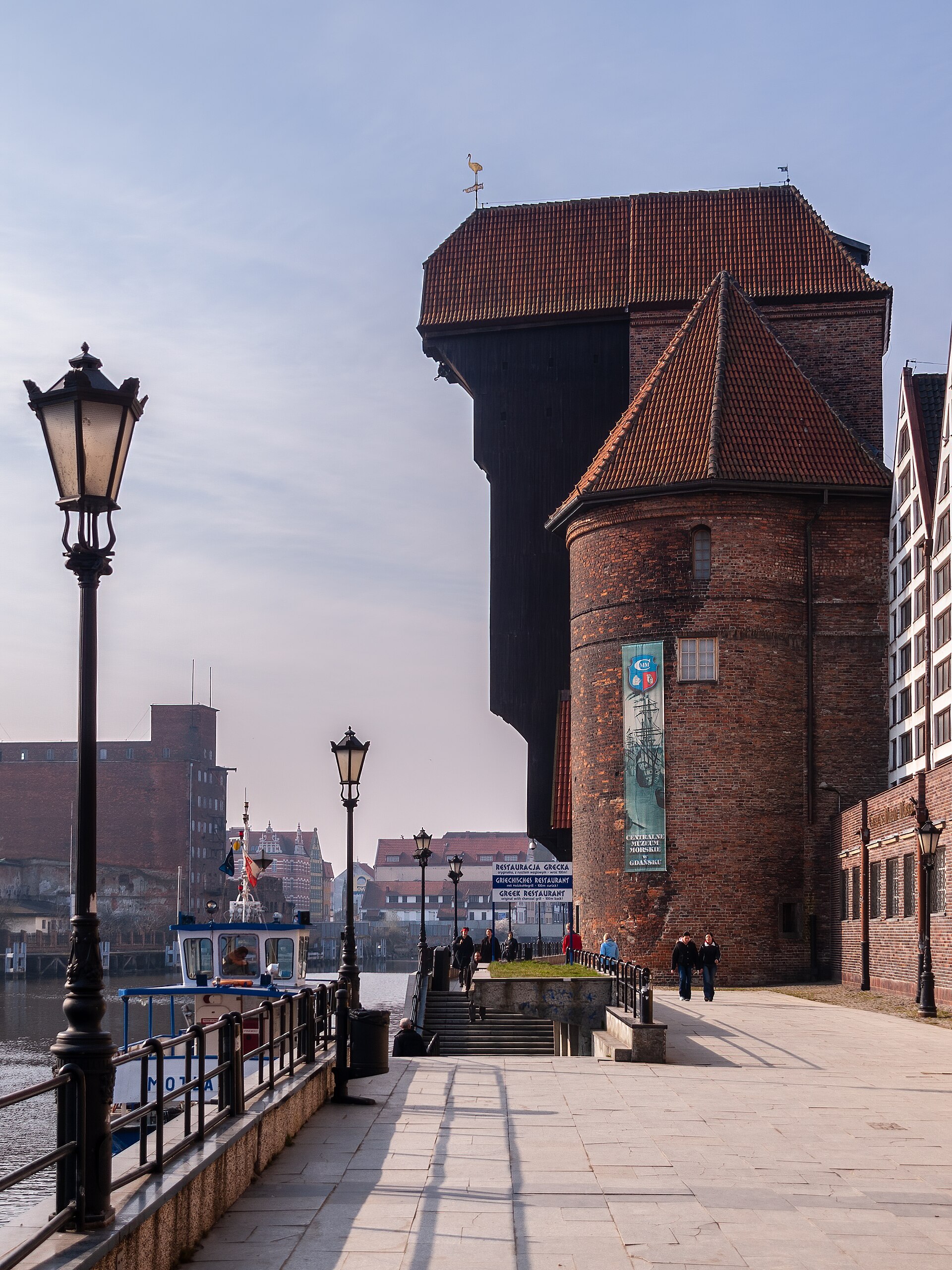
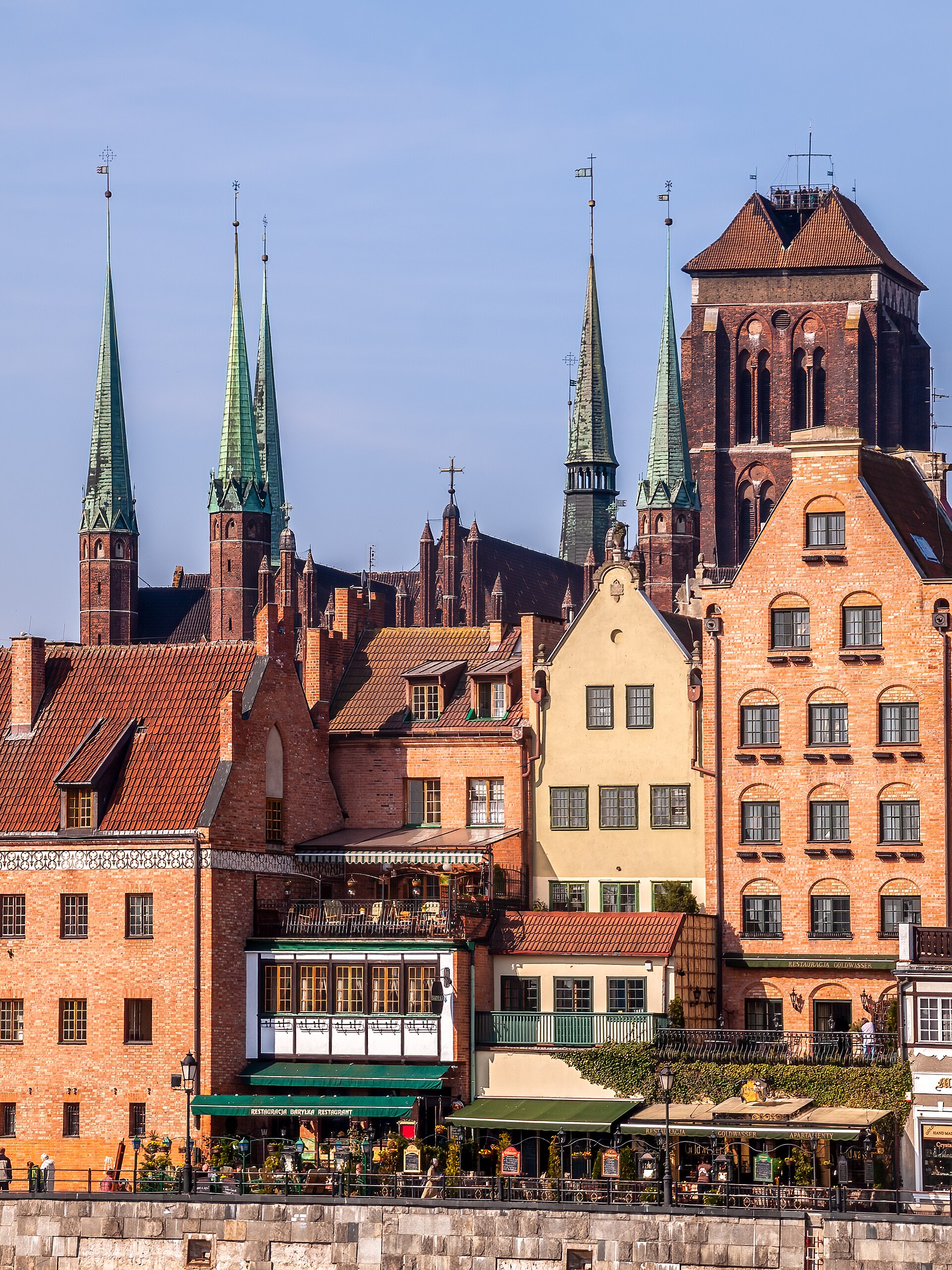
Gdańsk sits where the Motława River meets the Baltic, and the city's long career as a trading port left it with streets lined in amber-coloured merchant houses, Gothic spires, and a crane on the waterfront that once lifted cargo using workers walking inside giant wooden wheels. The old town you see today is largely a postwar reconstruction — bombed to rubble in 1945, rebuilt brick by brick through the 1950s and '60s — which makes it both older and younger than it looks.
This is also the city where, in 1980, workers at the Lenin Shipyard founded Solidarity, a trade union that within a year had ten million members and began unravelling communist rule across Eastern Europe. That history is still present and unignorable, and it sits alongside the medieval and the Hanseatic in a way that gives Gdańsk unusual depth.
How Gdańsk came to be
The oldest timber structures here date to 930, and the city's first written record comes from 997, when Saint Adalbert of Prague baptised inhabitants of a settlement recorded as 'urbs Gyddannyzc.' Founded under Polish ruler Mieszko I, Gdańsk spent stretches of the medieval period under Teutonic Knights before joining the Hanseatic League in 1361. That maritime trade connection transformed it: by 1650 the population had reached around 70,000, making it the dominant city of the Polish-Lithuanian Commonwealth.
Prussia absorbed it in 1793 during the Second Partition of Poland, and the 20th century brought further upheaval — the city spent the interwar years as the Free City of Danzig under League of Nations supervision before the first shots of the Second World War were fired here in September 1939. Returned to Poland in 1945 and rebuilt from near-total destruction, Gdańsk then became the birthplace of Solidarity in 1980, the movement that eventually ended one-party rule in Poland.
Who and what shaped it
People who shaped it
Landmark buildings
See Gdańsk in motion
Plan your visit
On the map
When to go
Summers are mild and long-dayed, with temperatures in the low-to-mid twenties Celsius — the best time to be on the waterfront or the beaches of the Tri-City coast. Winters are cold and grey, often damp rather than dramatically snowy, though the city is manageable year-round if you dress for it.
Right now
Background & history adapted from Wikipedia (CC BY-SA) · specs from Wikidata (CC0) · weather from Open-Meteo · map data © OpenStreetMap contributors · photos from Wikimedia Commons / Unsplash with per-image credit. No third-party reviews or social posts reproduced.