
Ghana
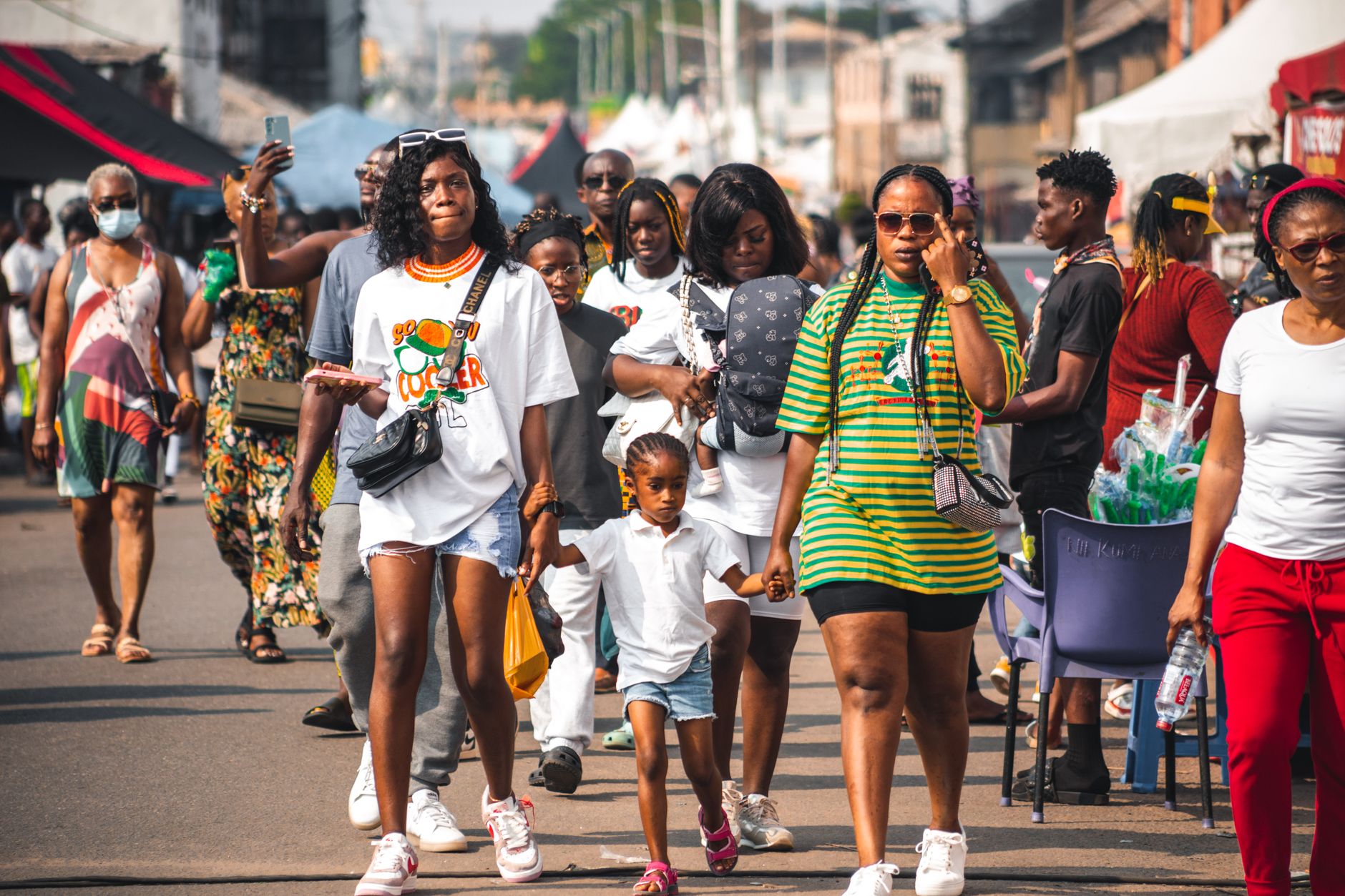
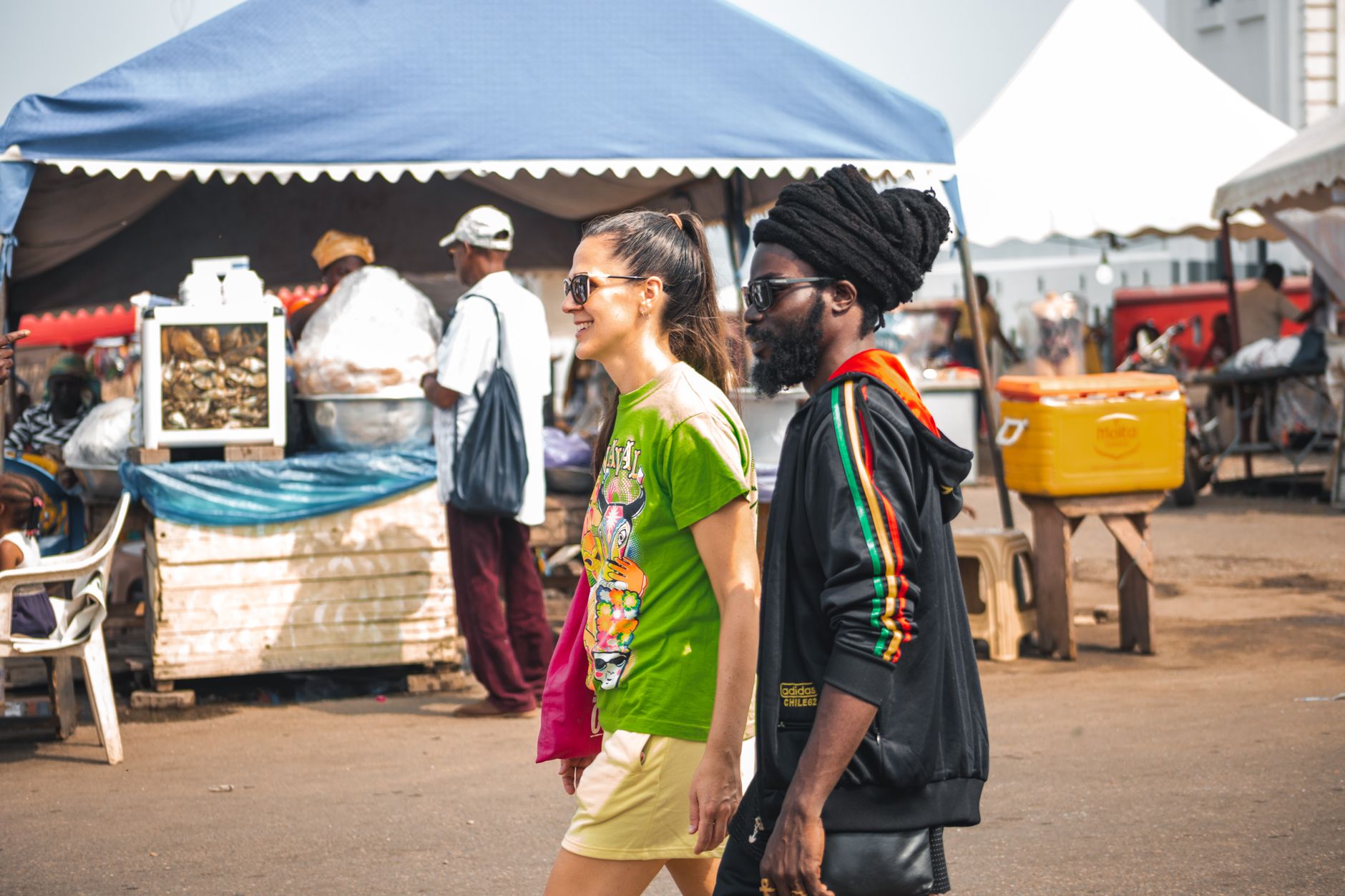


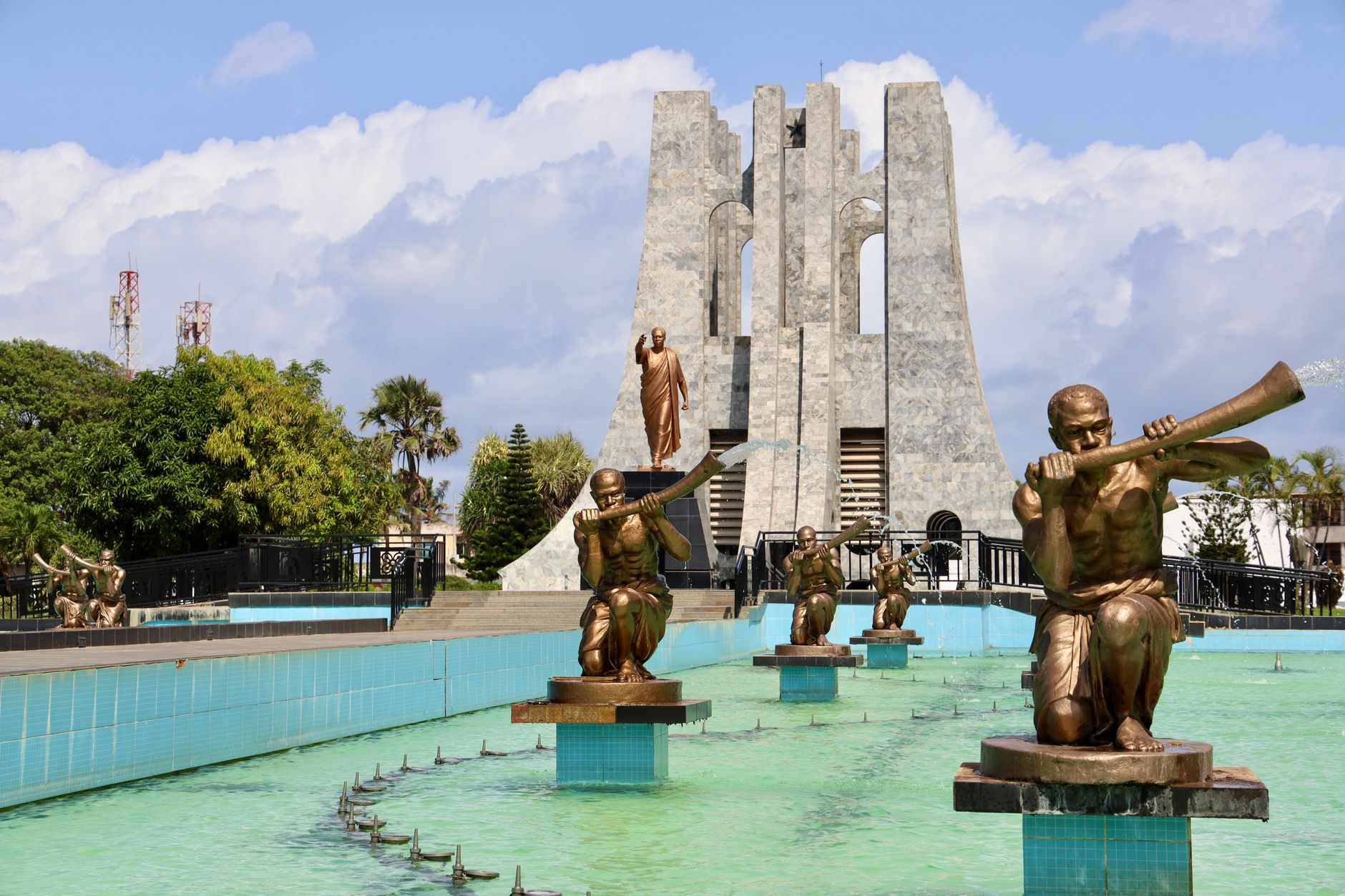
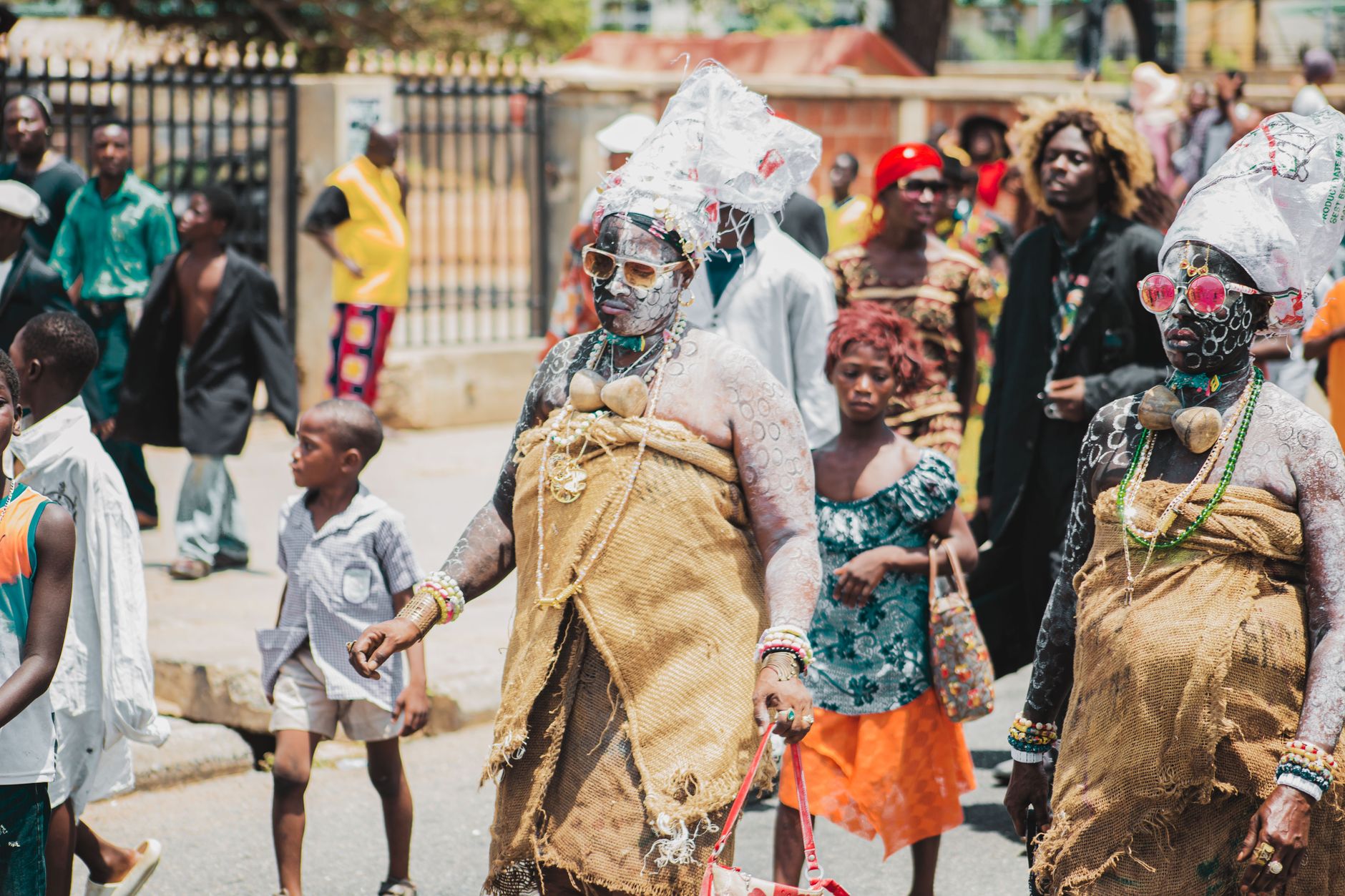
Ghana is where West Africa announces itself clearly: the Atlantic crashing against the walls of centuries-old slave castles, the red-dust roads threading north toward Sahel country, the sharp smell of palm nut soup drifting from a roadside pot. More than any single landmark, what orients you here is the weight of history sitting right alongside ordinary life — fishermen launching canoes in the shadow of Elmina Castle, school children filing past the Kwame Nkrumah Mausoleum on a Tuesday morning.
The country runs from the coast up through forest and savanna to the dry north, and the architecture shifts with it — colonial forts and Accra modernism giving way to the mud-and-timber Larabanga Mosque near the Burkina Faso border. Ghana was the first sub-Saharan African country to break from colonial rule, in 1957, and that fact still shapes how the place carries itself.
Deals in Ghana
Book directly at the provider

How Ghana came to be
The territory now called Ghana was already home to powerful kingdoms long before European contact. The Portuguese arrived in 1482, building what became Elmina Castle — the oldest European structure still standing south of the Sahara — and the region's gold drew successive waves of traders and colonisers. The Ashanti Empire rose to dominance after the Battle of Feyiase in 1701, with its seat of power at Manhyia Palace in Kumasi, a centre of authority that remains active today.
Britain declared the coastal territory the Gold Coast Colony in 1874, and held it until Kwame Nkrumah led the country to independence on March 6, 1957 — the first in colonial Africa to do so. Nkrumah became the republic's first leader when Ghana formally shed its Commonwealth status in 1960, though a military coup removed him in 1966. The Nkrumah Mausoleum in Accra, dedicated in 1992, marks where that chapter of the story is still being processed.
Who and what shaped it
People who shaped it
Landmark buildings
See Ghana in motion
Plan your visit
On the map
When to go
Ghana is hot year-round, with daytime temperatures typically around 30°C (86°F) and humidity that rarely lets up. The south has two rainy seasons running roughly April to November, while the north gets a single wet season from May to September — December through February is the driest period across the country and the most comfortable time to be moving around.
Right now
Background & history adapted from Wikipedia (CC BY-SA) · specs from Wikidata (CC0) · weather from Open-Meteo · map data © OpenStreetMap contributors · photos from Wikimedia Commons / Unsplash with per-image credit. No third-party reviews or social posts reproduced.