
Nepal
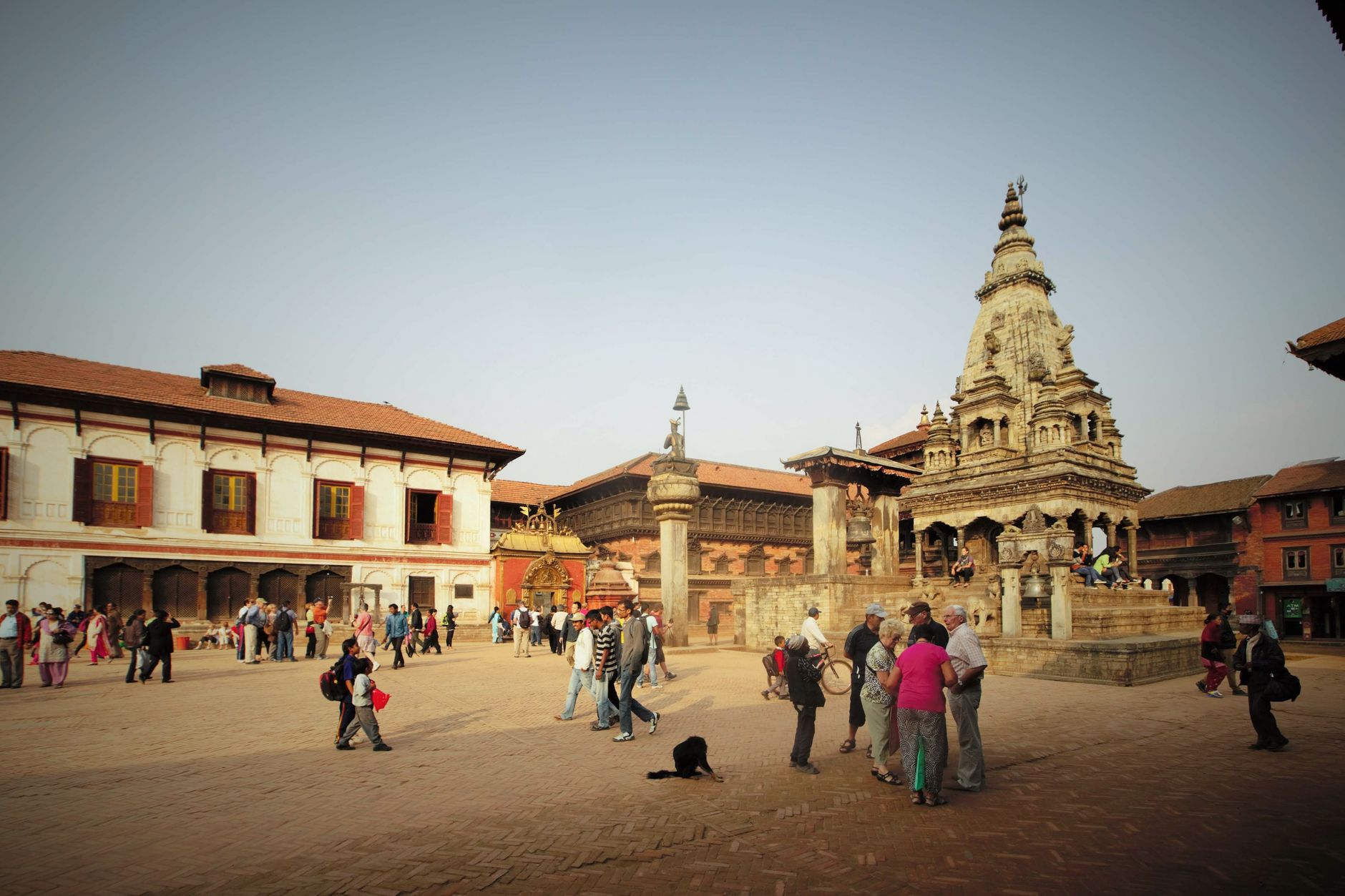
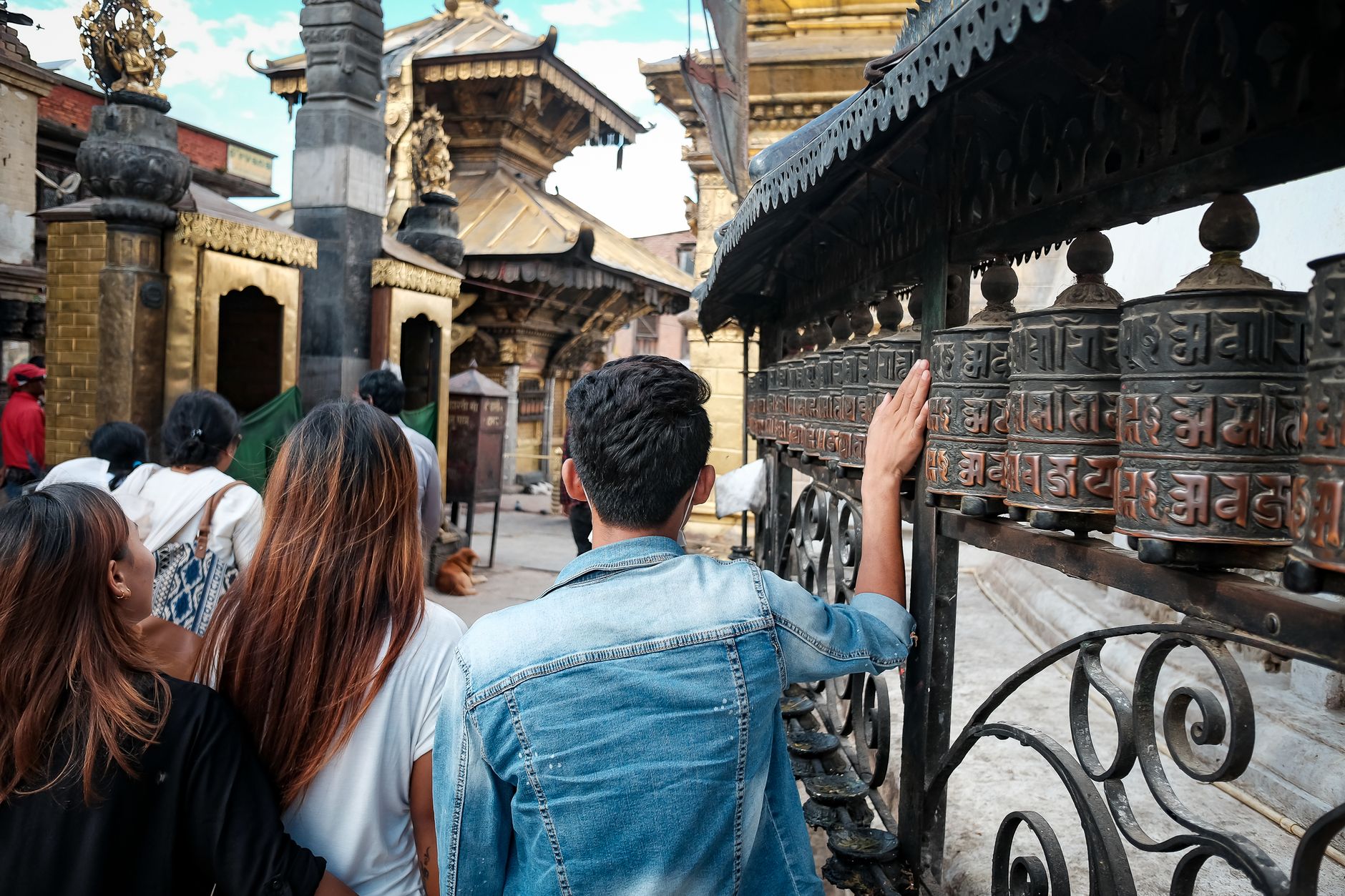
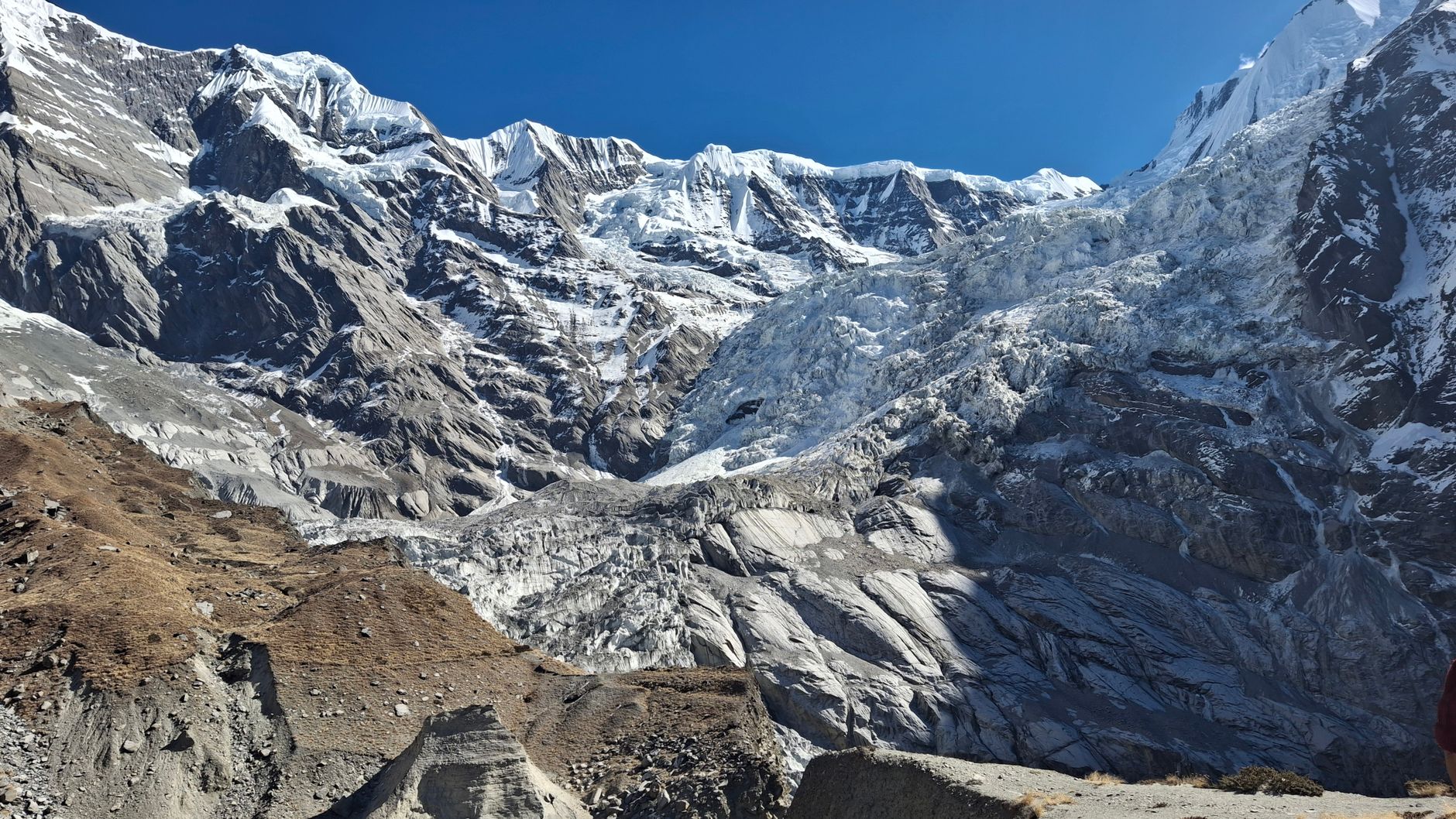
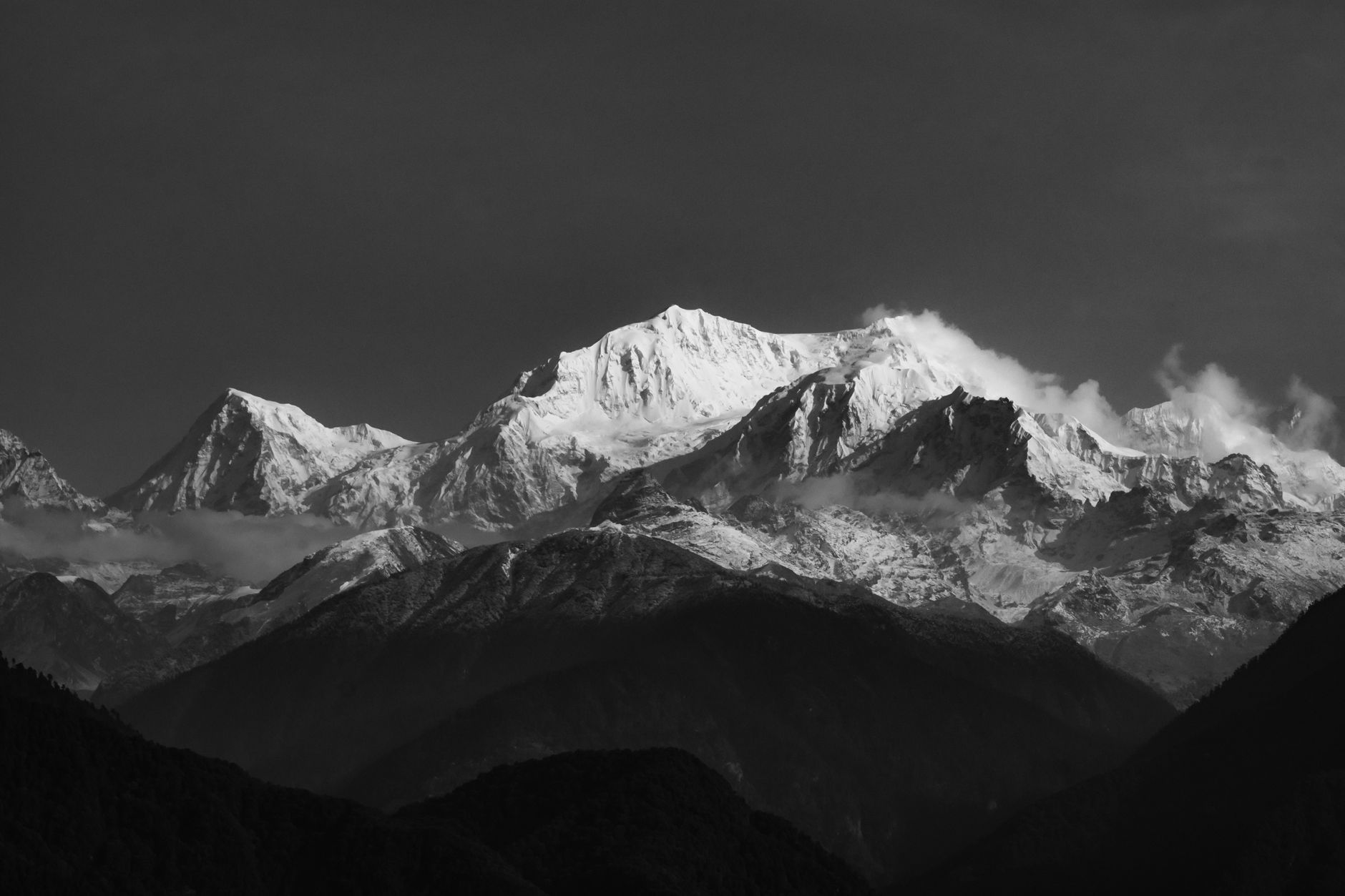
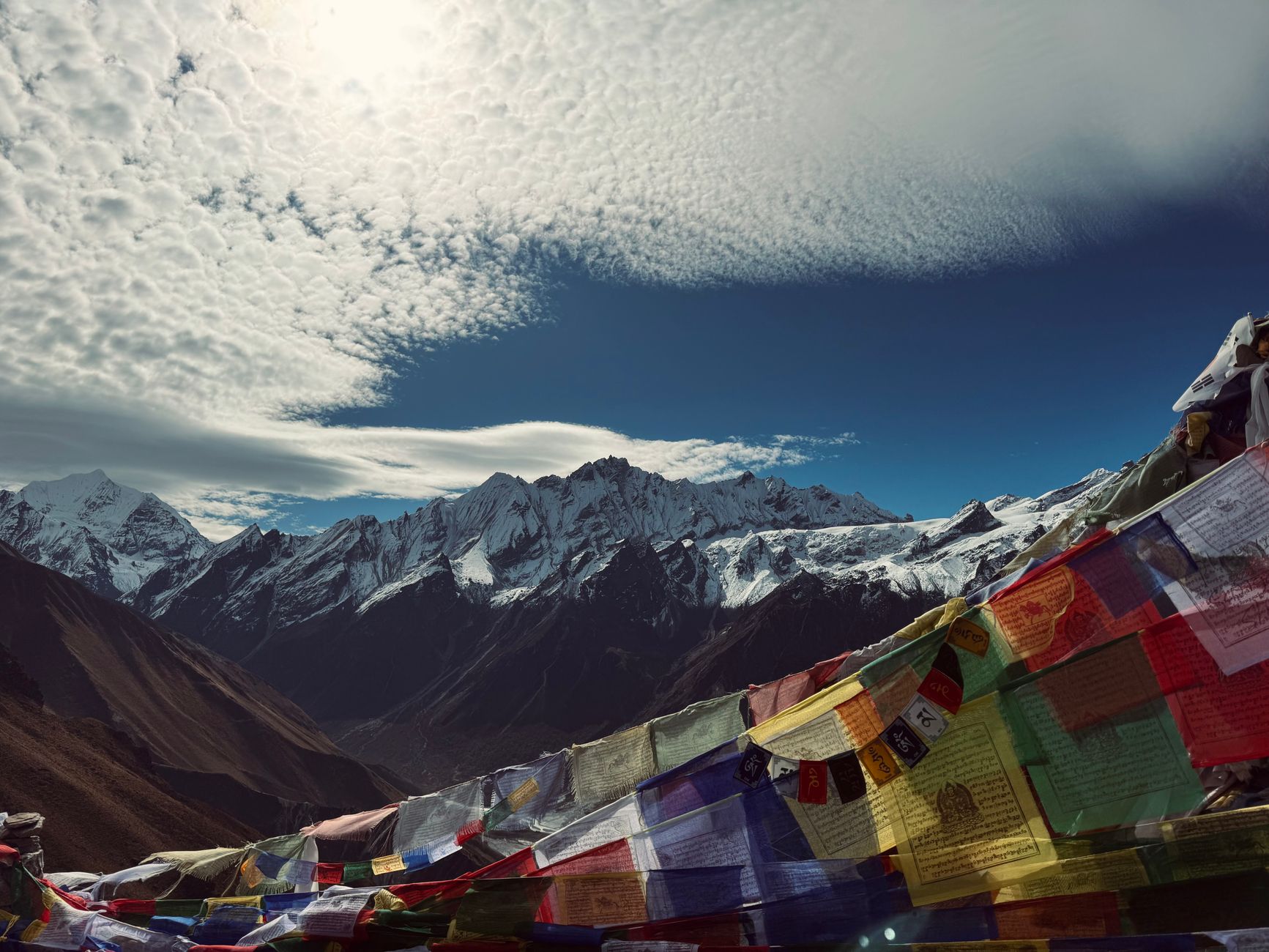
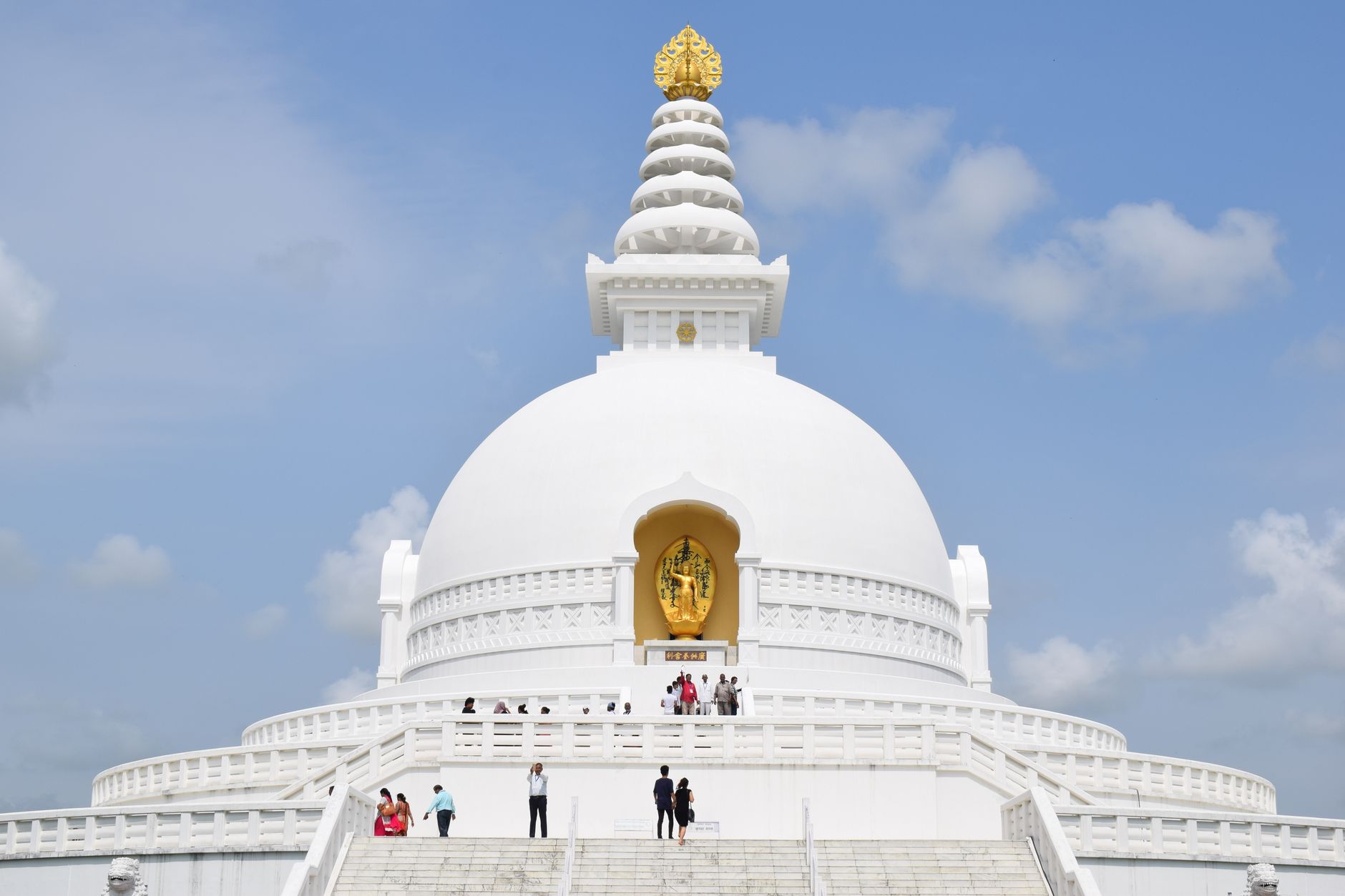
Nepal sits between the two most populous countries on earth and contains eight of the world's ten highest peaks, yet what pulls people back is rarely the altitude records. It's the specific texture of things: incense smoke rising past a gold-plated roof on the banks of the Bagmati River, the painted eyes of Boudhanath Stupa watching over a courtyard where pilgrims have walked since the 1300s, the fact that the birthplace of the Buddha is a quiet garden in the southern lowlands.
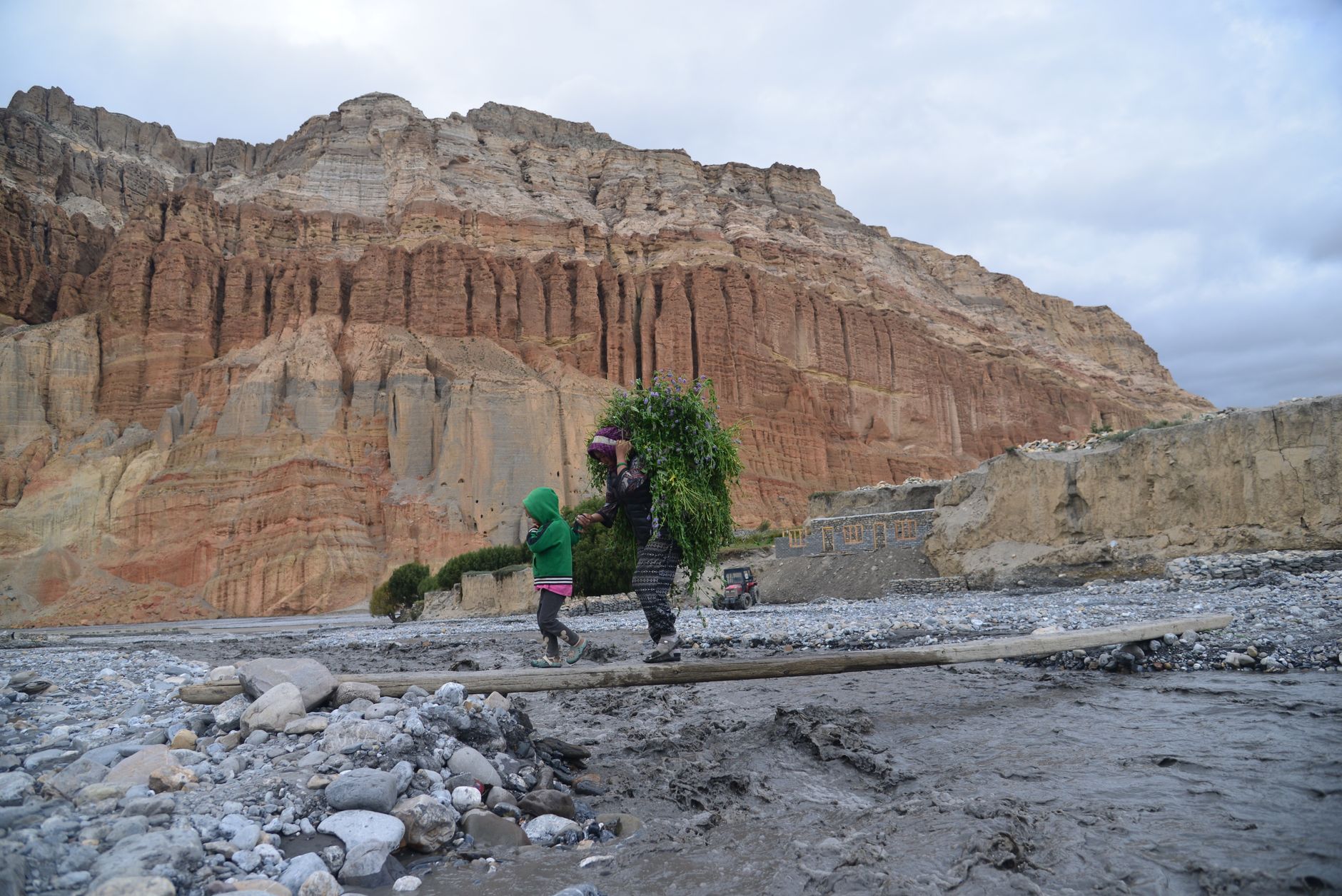
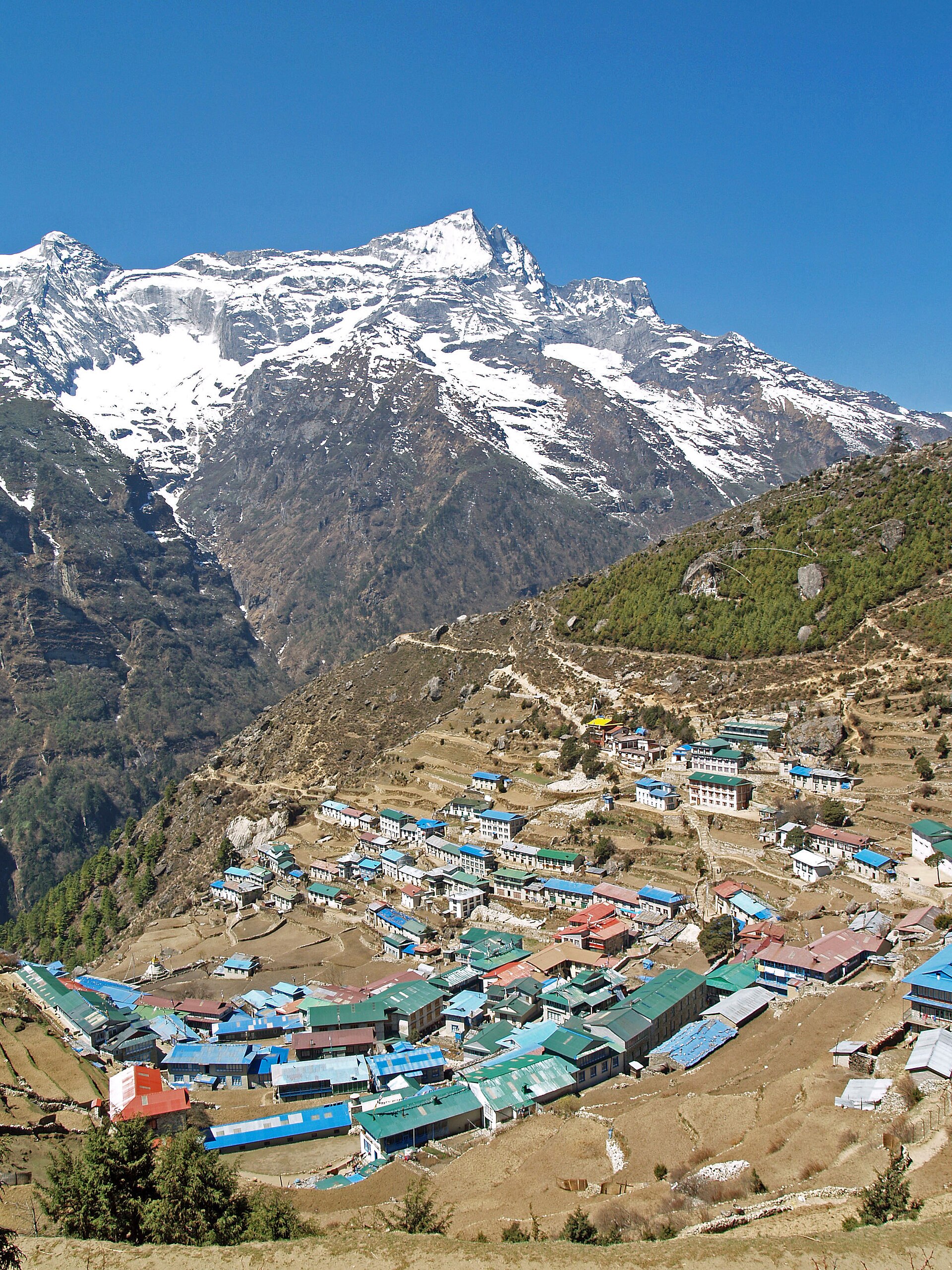
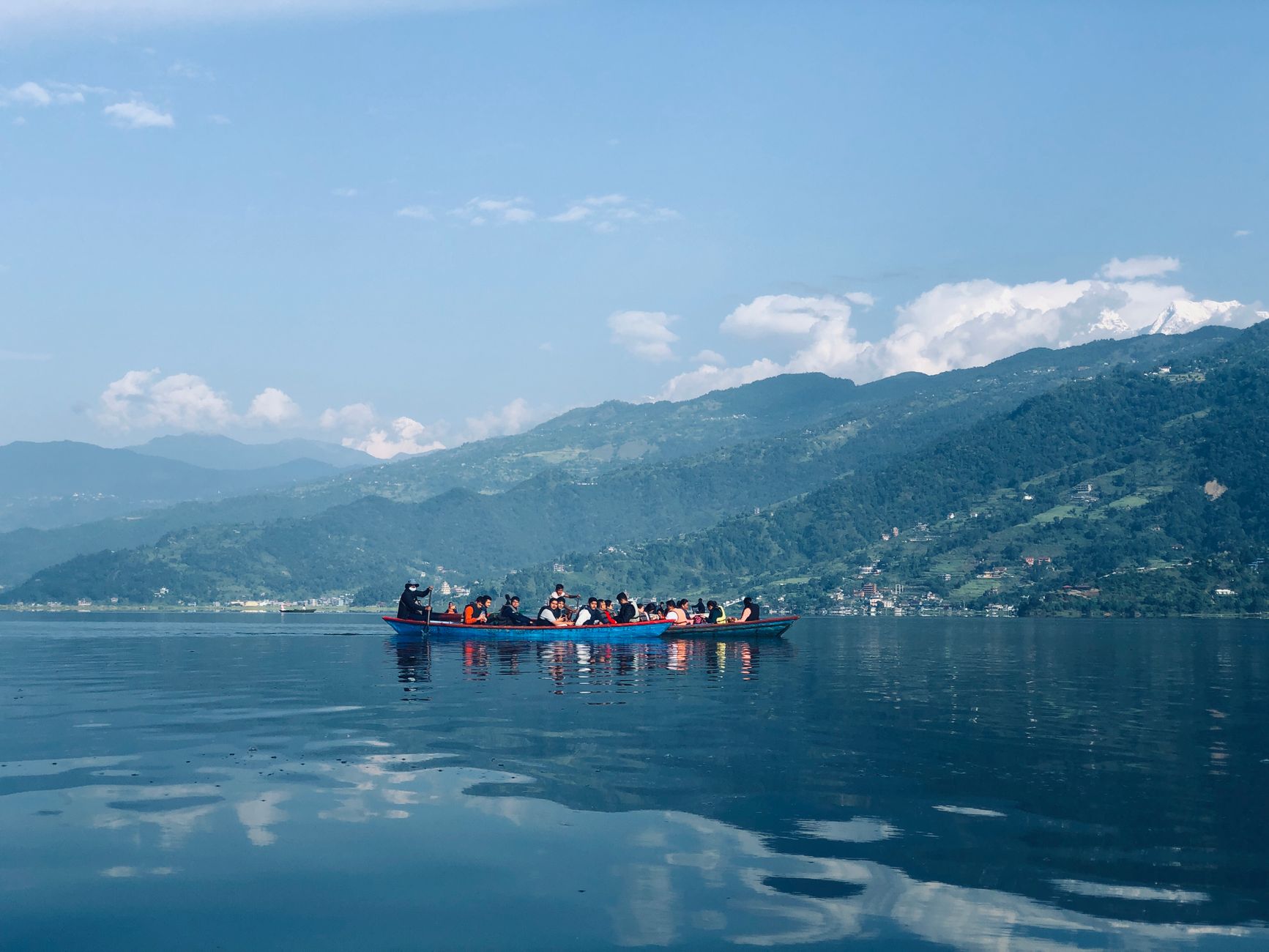
The country spans an extraordinary range of terrain and culture, from the subtropical Terai plains to the high Himalayan passes, and the landmarks scattered across the Kathmandu Valley alone could absorb several days without repetition.
Popular regions in Nepal
💛 What travellers fall for
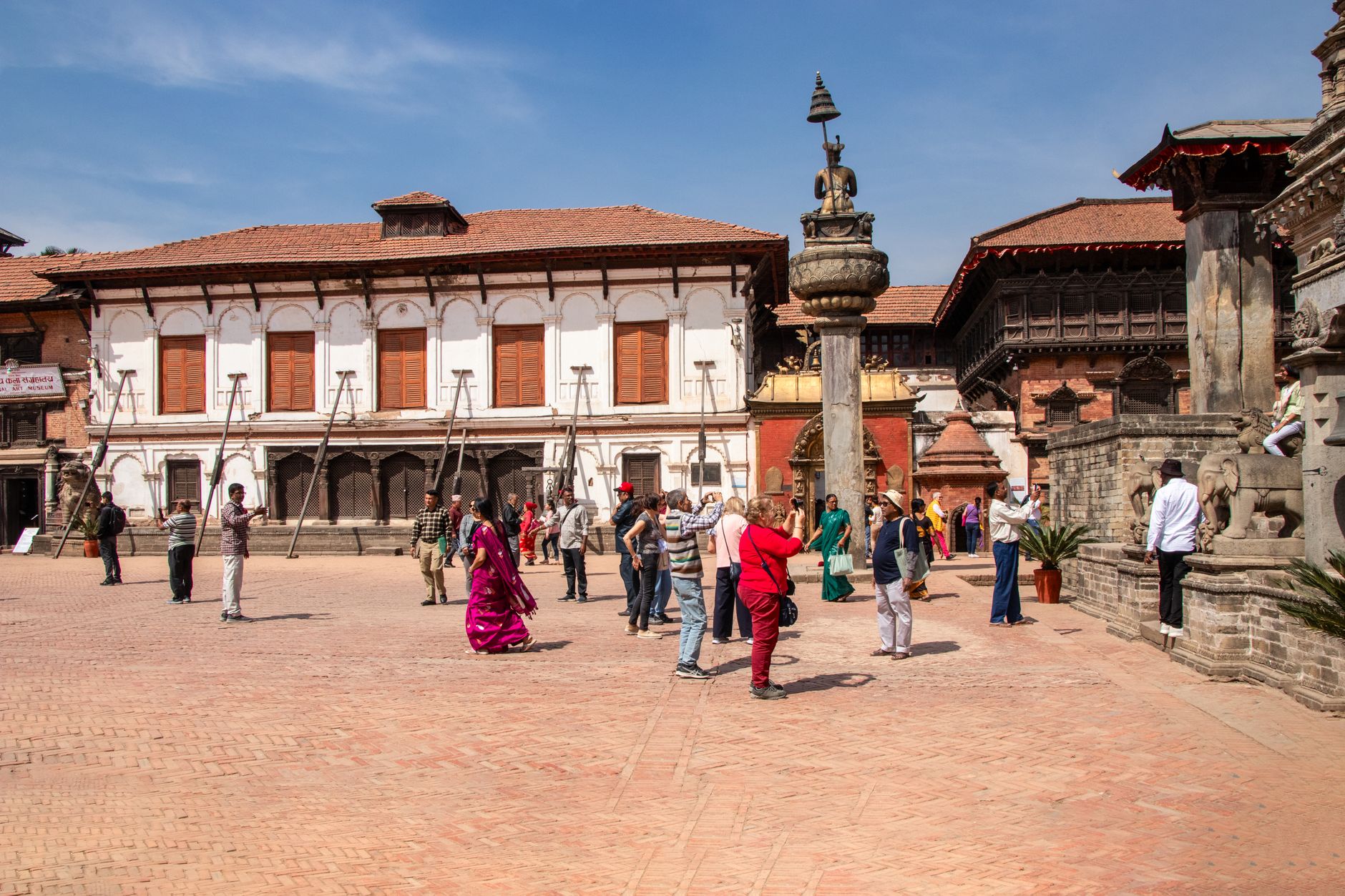
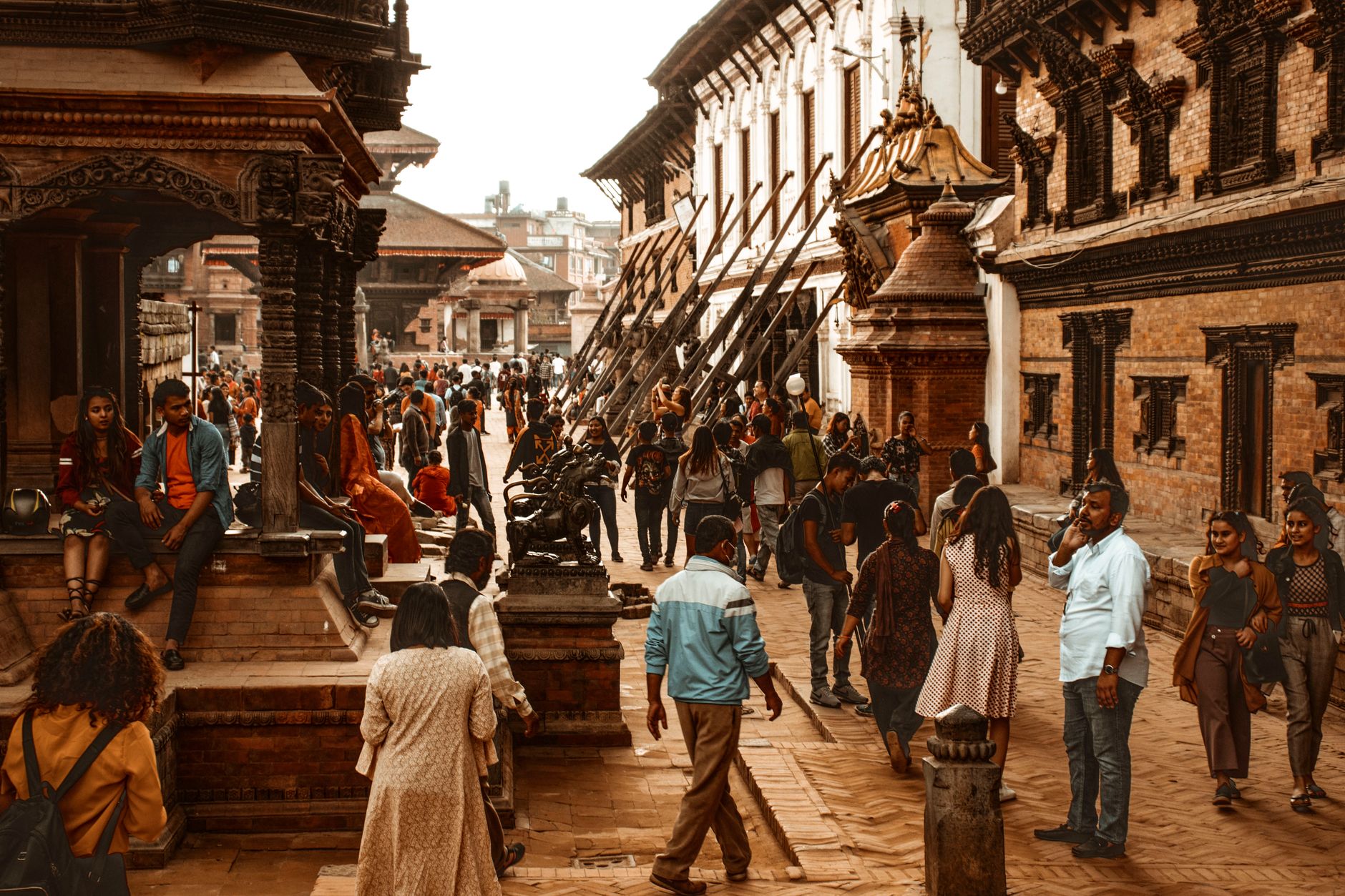
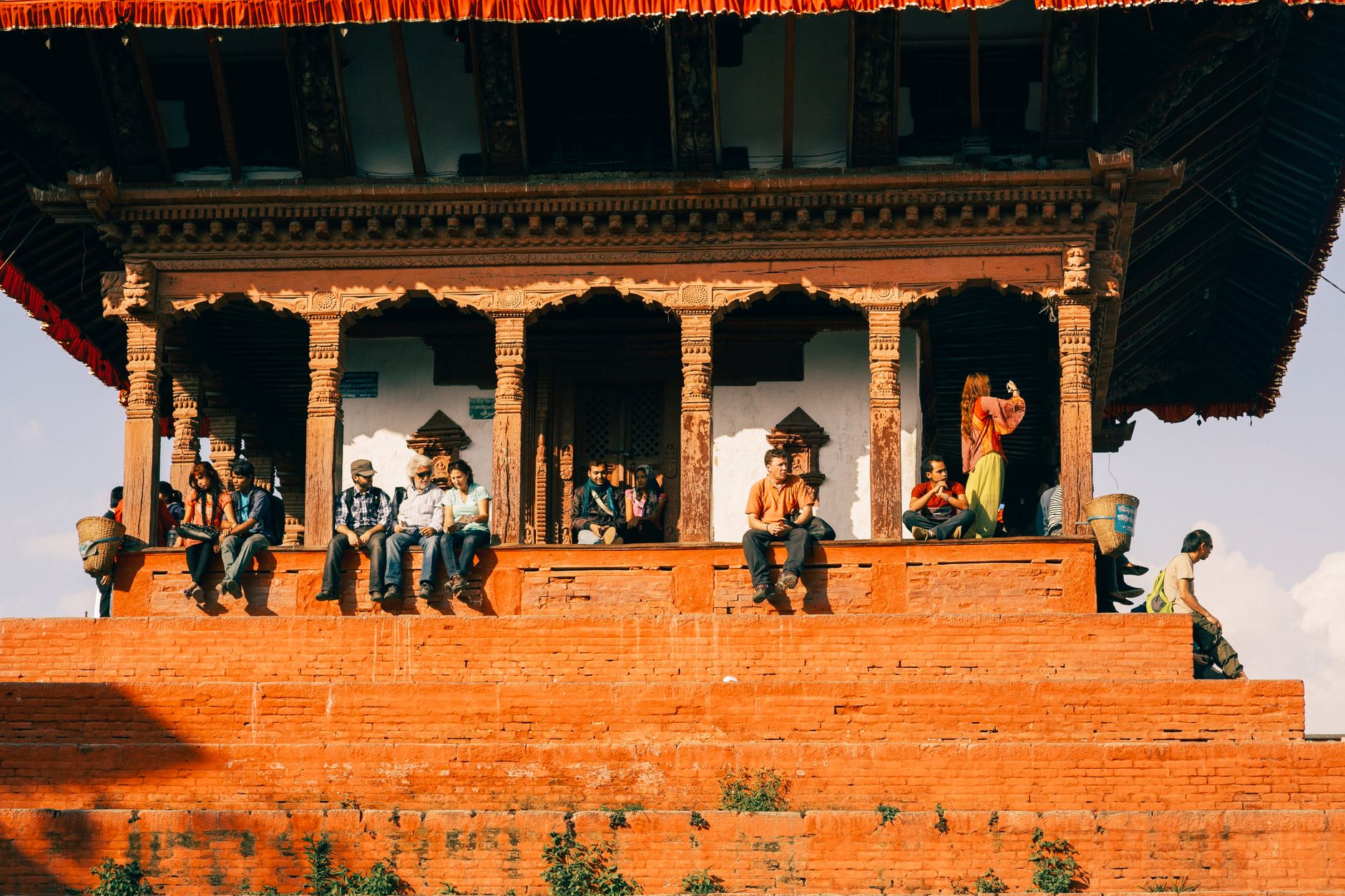
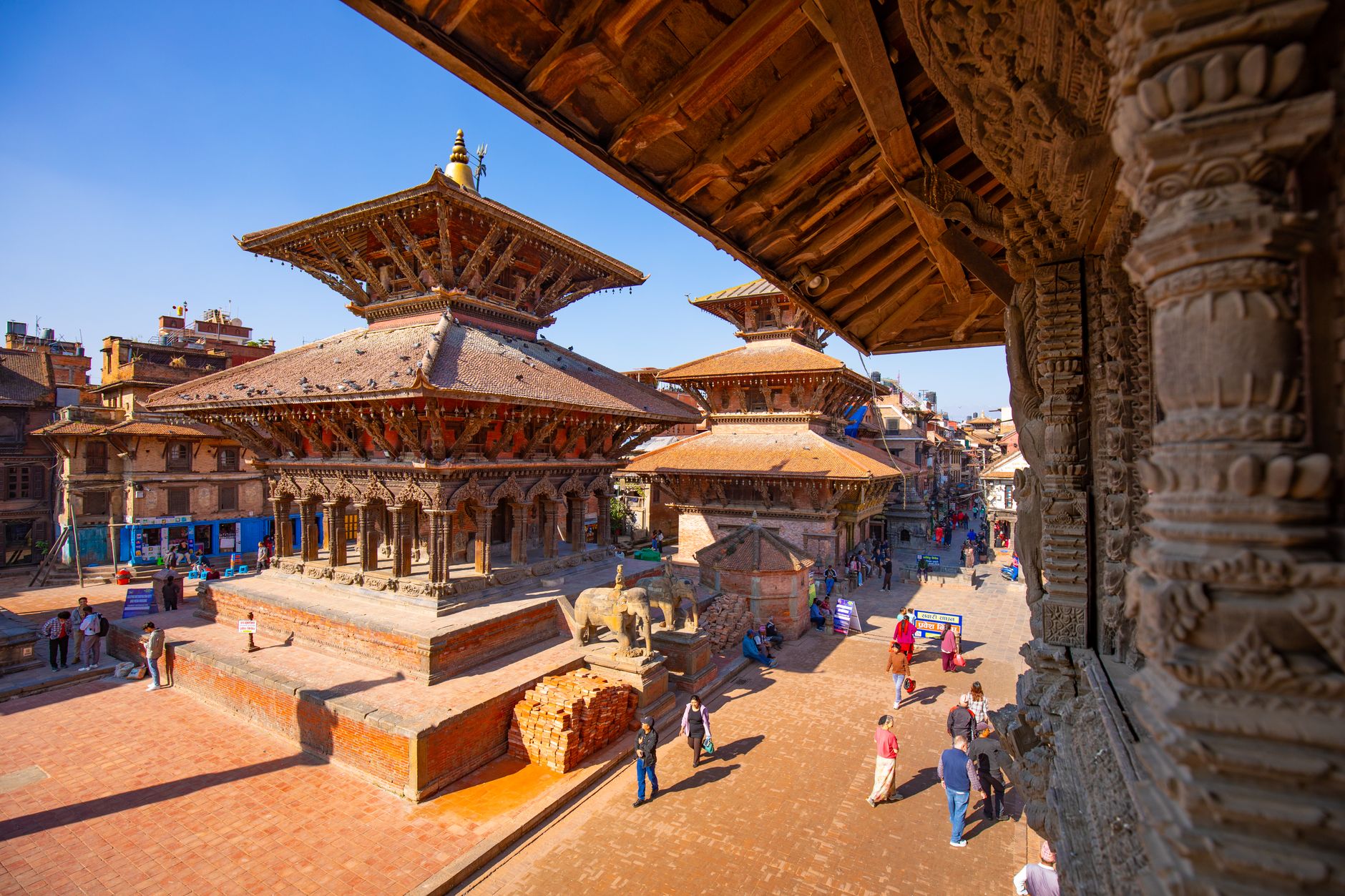
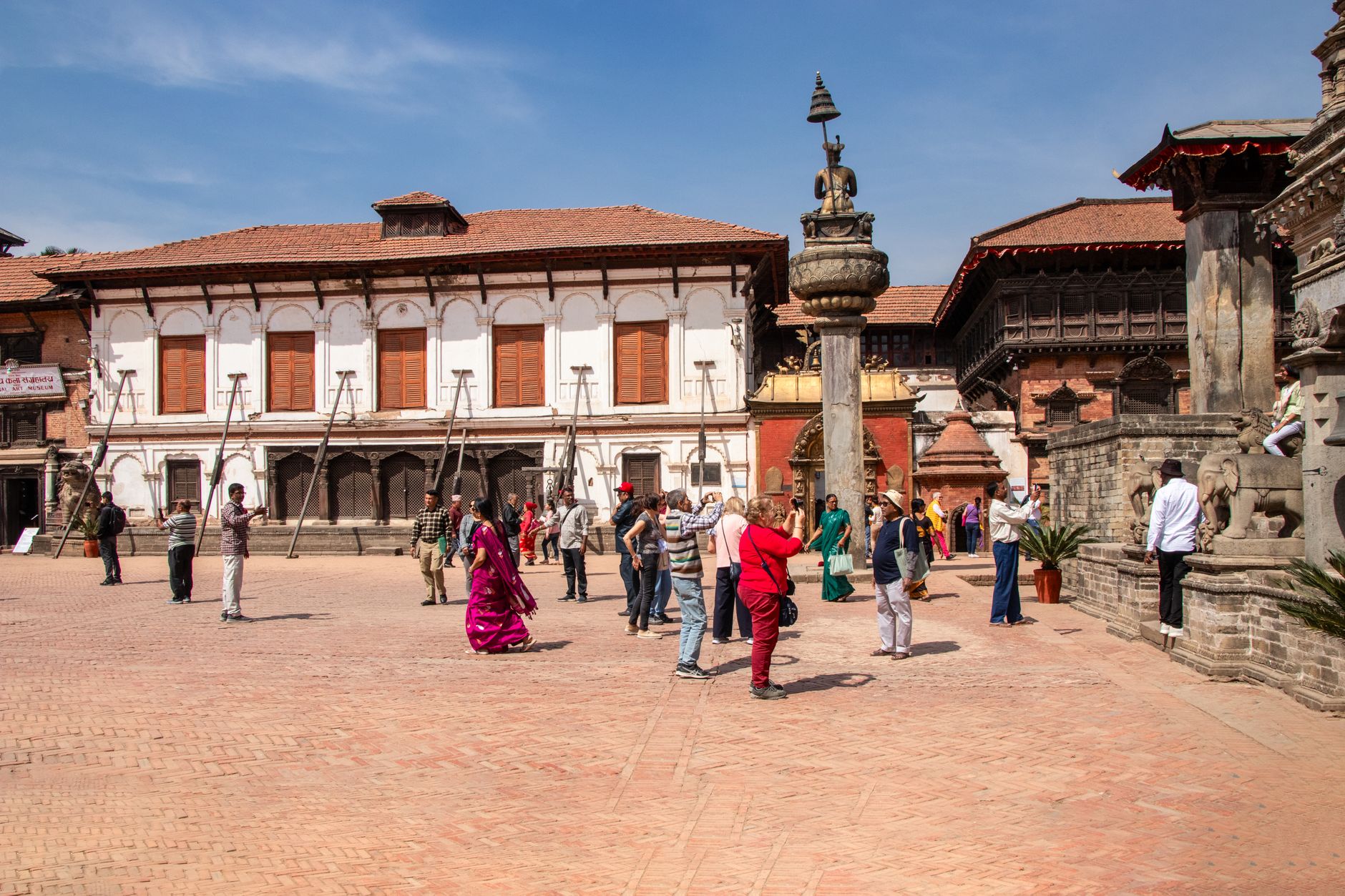
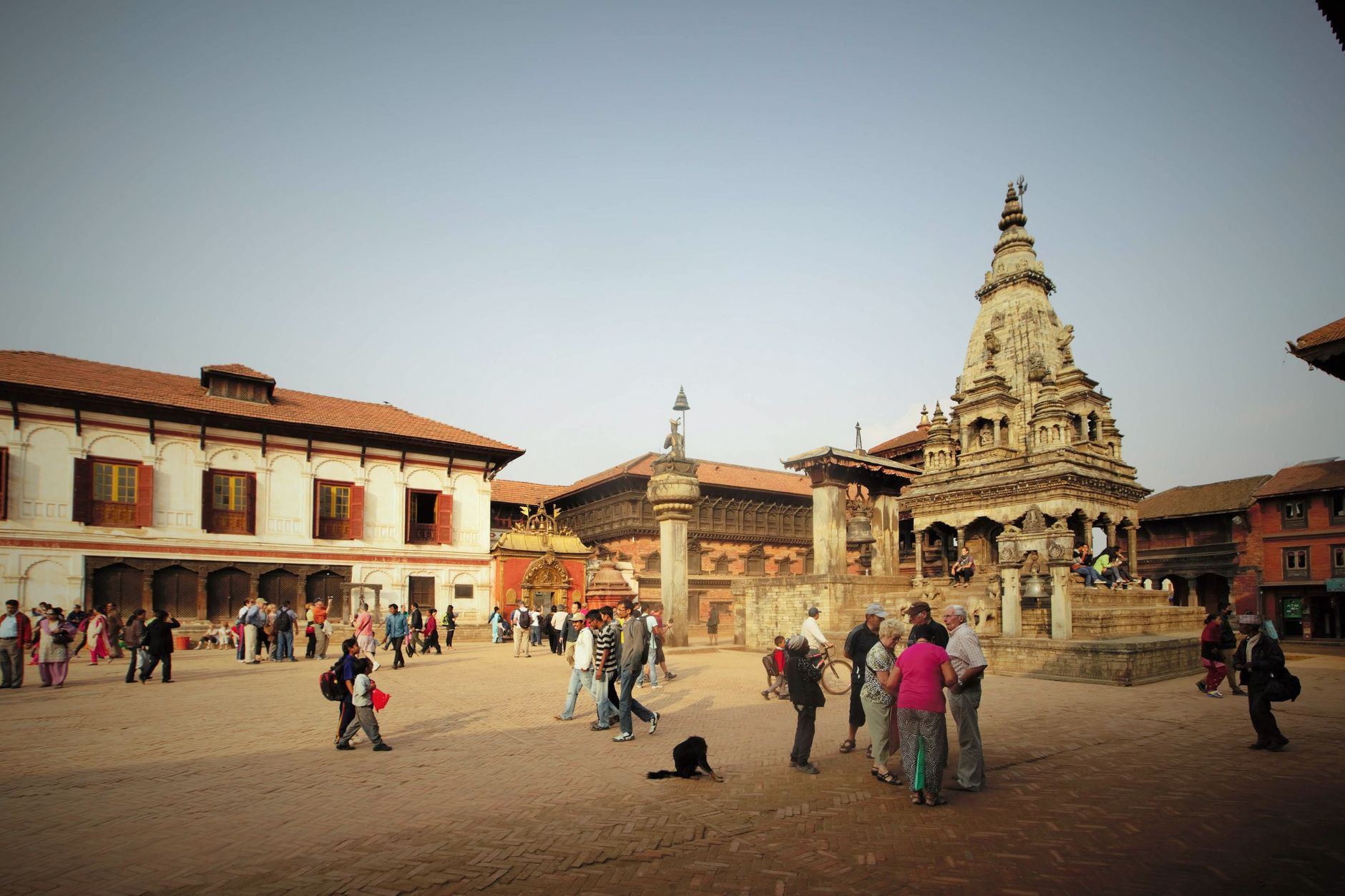
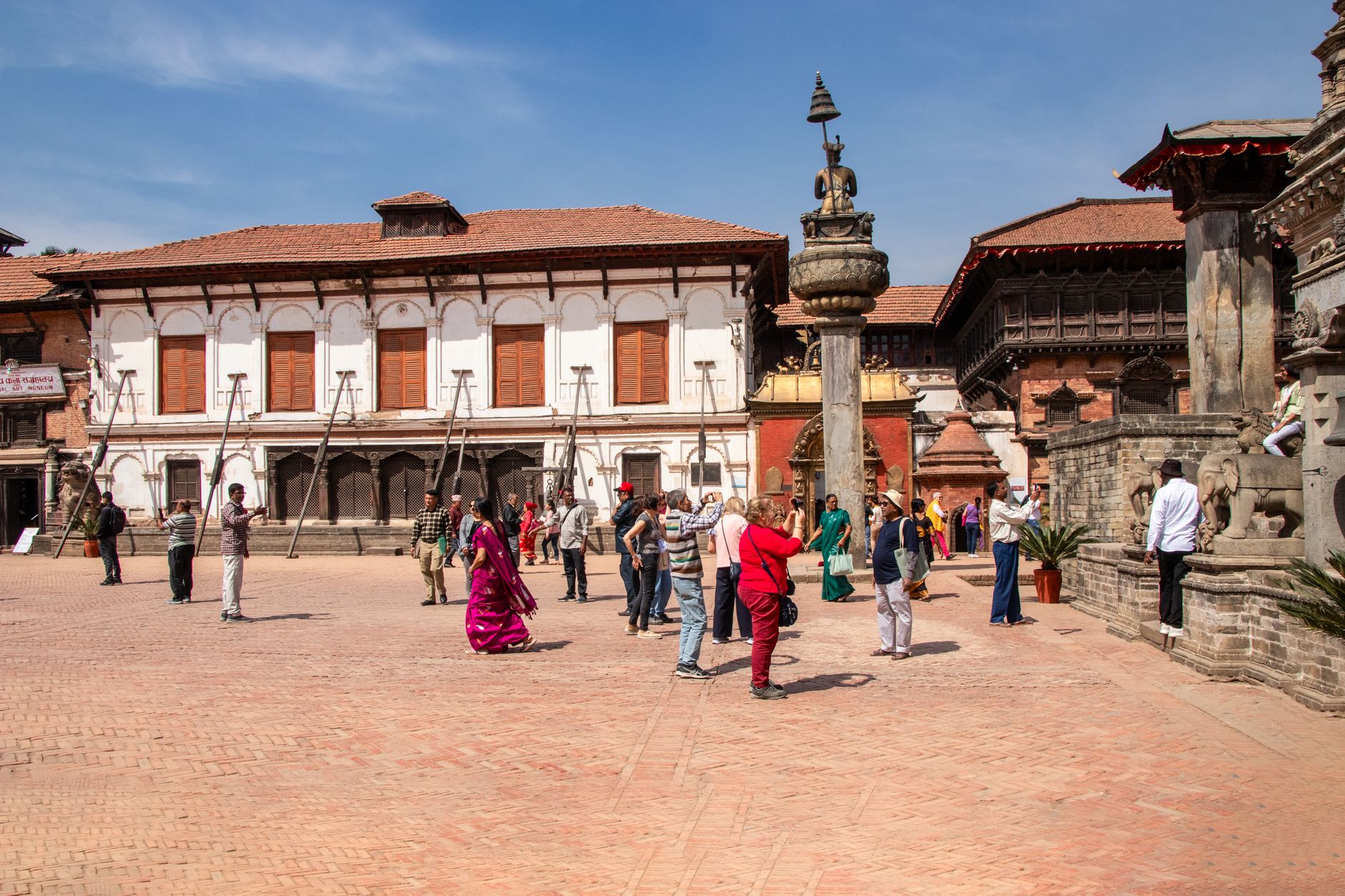
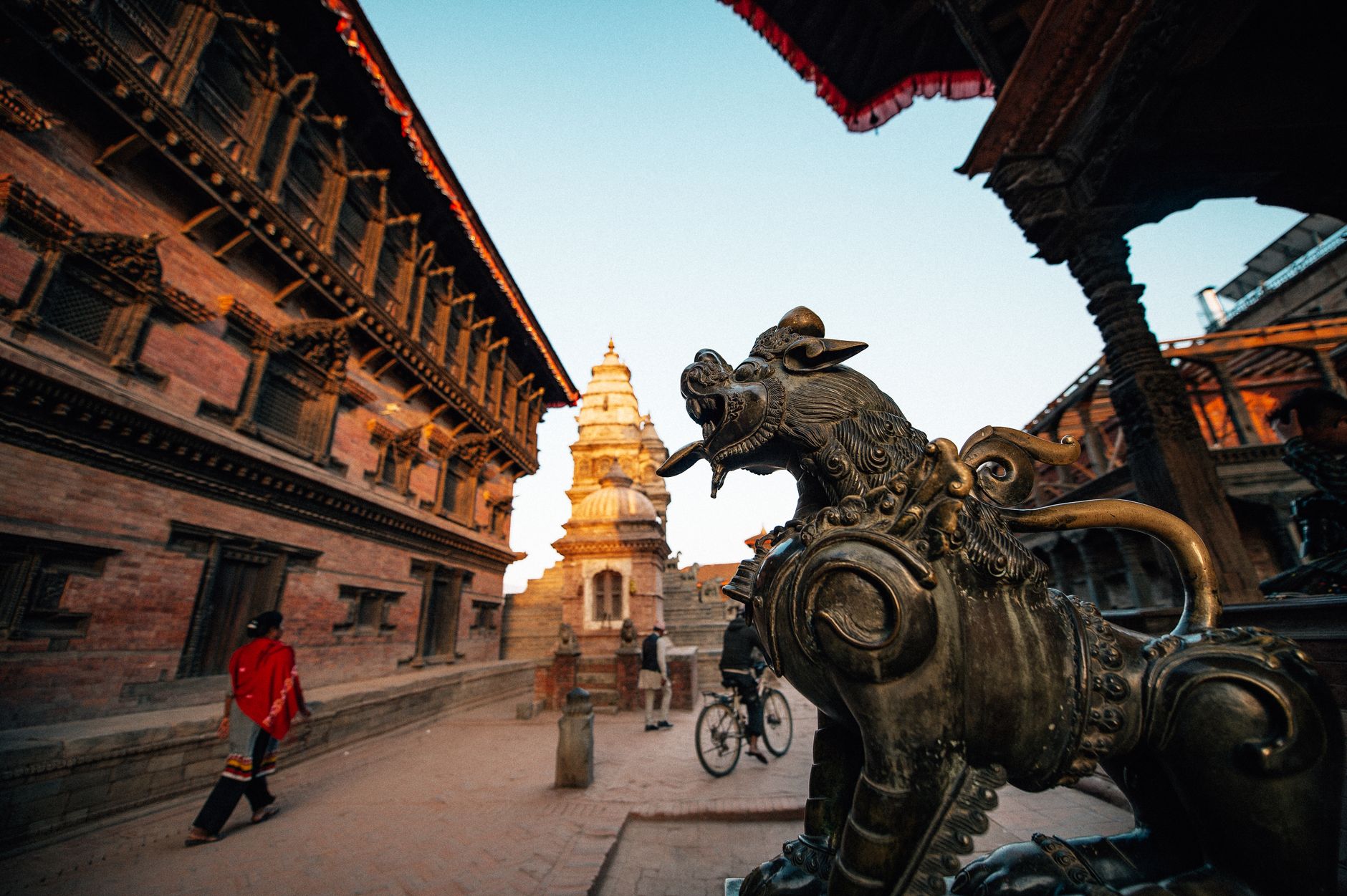
People who come back tend to say the same thing: the Kathmandu Valley rewards slow walking. Save Pashupatinath for late afternoon when the light hits the silver doors. Hire a guide there — around US $10 — or you'll see only the perimeter. Bhaktapur, with Nyatapola Temple rising five storeys above the square, is worth the half-day trip from the capital on its own.
Deals in Nepal
Book directly at the provider

How Nepal came to be
The Nepal that exists on modern maps took shape in 1768, when Prithvi Narayan Shah, ruler of the small Gorkha kingdom, brought the Kathmandu Valley and dozens of independent principalities under a single domain. He is still regarded by many as the father of the nation. The country remained sovereign through the colonial era — formal British recognition came in 1923 — though the 19th-century Anglo-Nepalese war produced its own heroes: commanders Amar Singh Thapa, Bhakti Thapa, and Balbhadra Kunwar are remembered as such to this day.
The 20th century brought sharper turns. In 1951 the Rana dynasty was ousted with Indian backing, restoring power to King Tribhuvan. By 2006, parliament had voted unanimously to curtail royal authority and declare Nepal a secular state, closing a chapter that had run for over two centuries.
Who and what shaped it
People who shaped it
Landmark buildings
See Nepal in motion
Plan your visit
On the map
When to go
Autumn (September–November) brings clear skies and the best trekking conditions; spring (March–May) is the second window, with warmer temperatures and rhododendrons in bloom at altitude. Monsoon (June–September) delivers around 80 percent of the country's annual rainfall, while winter in Kathmandu can drop to 2°C at night — cold enough to matter if you're unprepared. The southern Terai bakes above 40°C in summer.
Right now
↡ Regions

No places match these filters.
Background & history adapted from Wikipedia (CC BY-SA) · specs from Wikidata (CC0) · weather from Open-Meteo · map data © OpenStreetMap contributors · photos from Wikimedia Commons / Unsplash with per-image credit. No third-party reviews or social posts reproduced.