
Bardia National Park
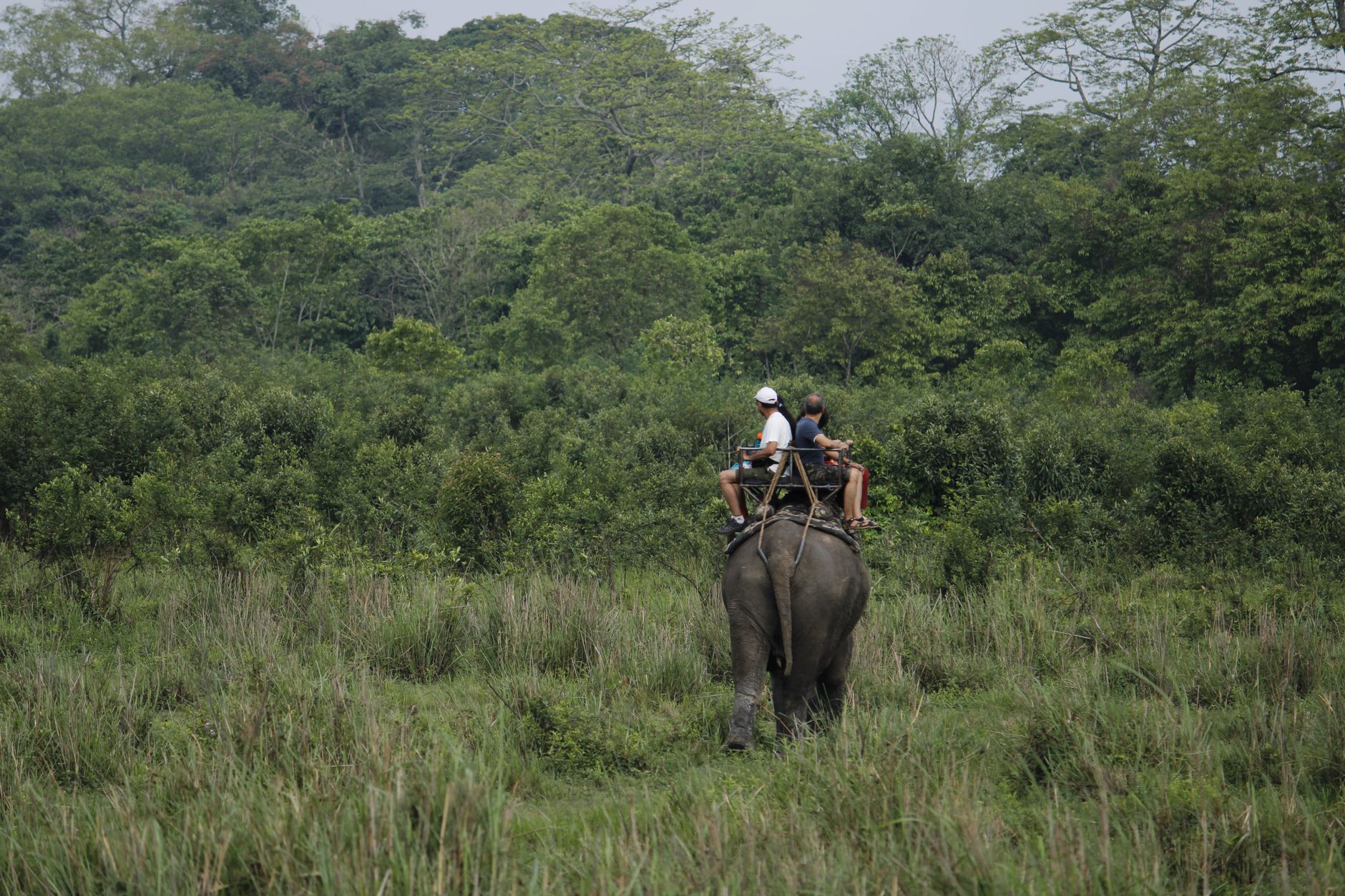
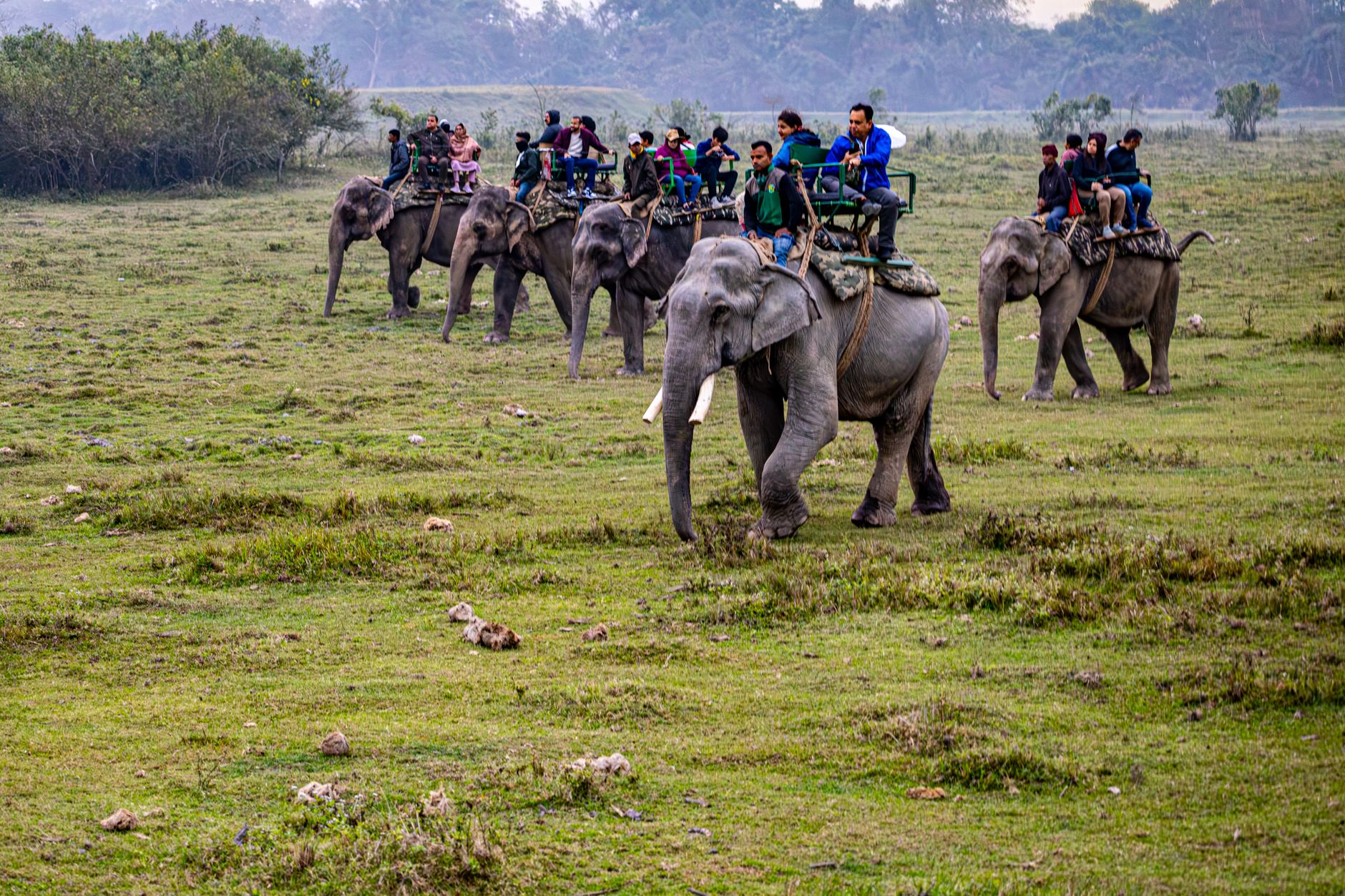
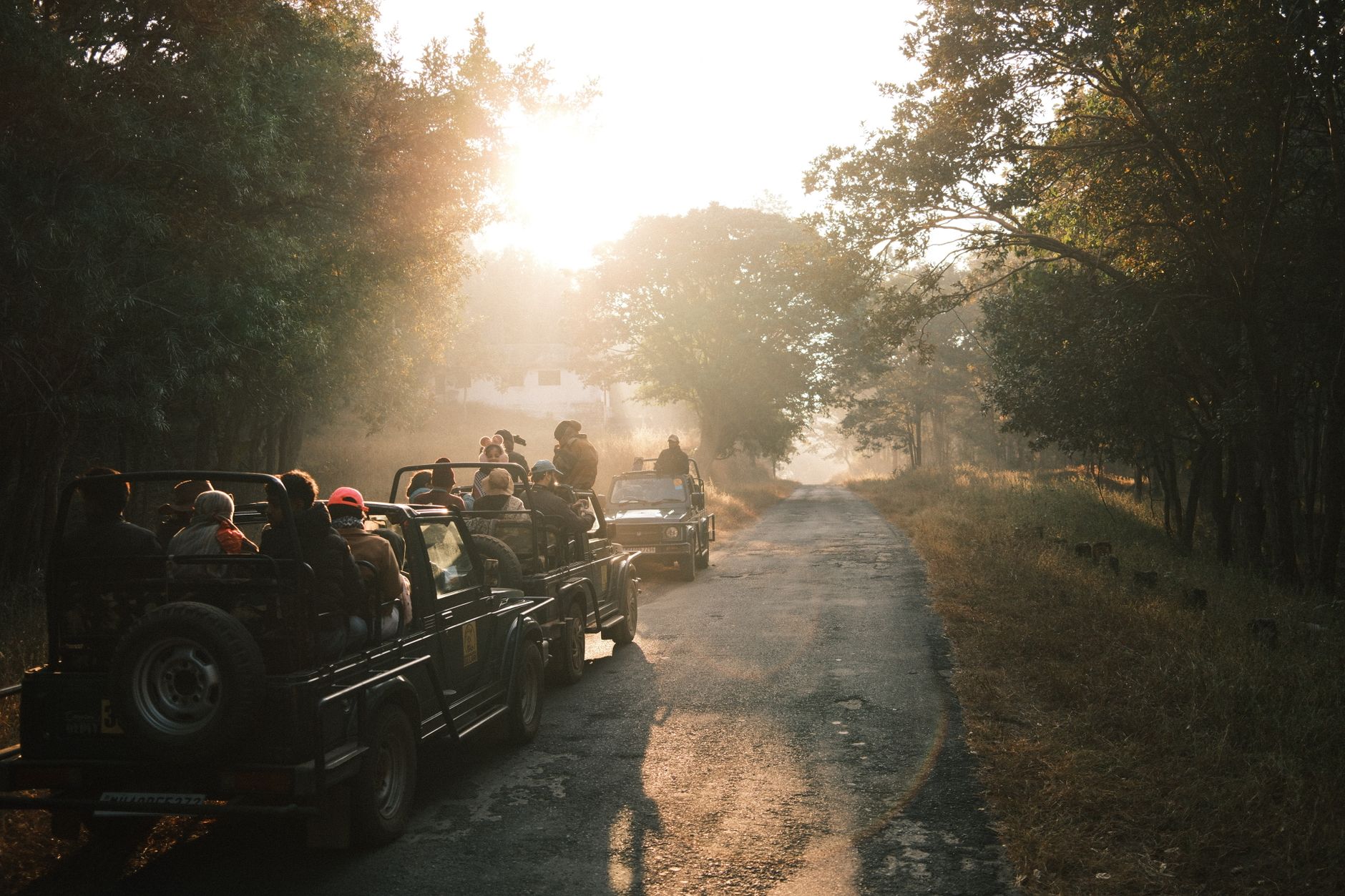
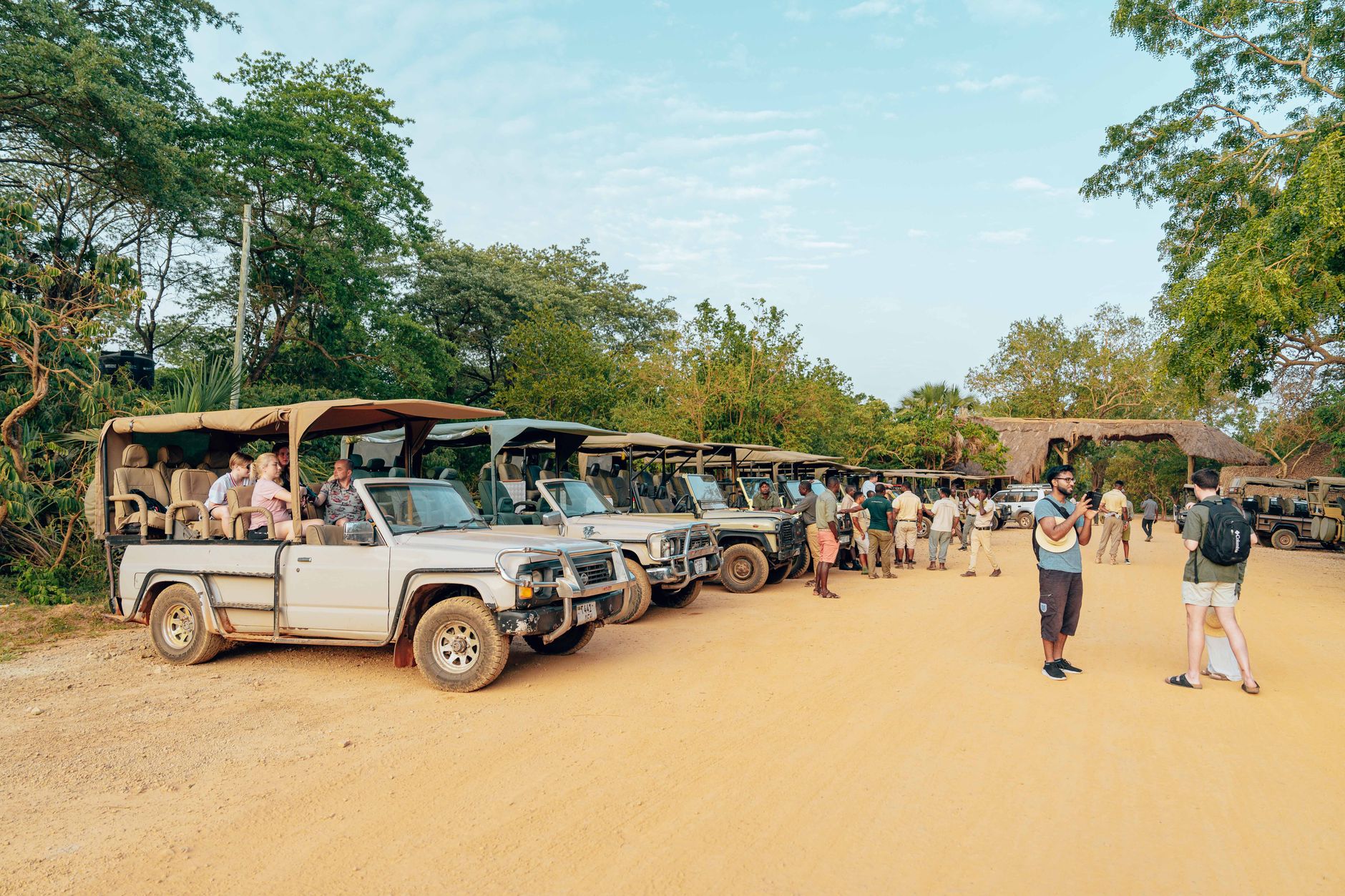
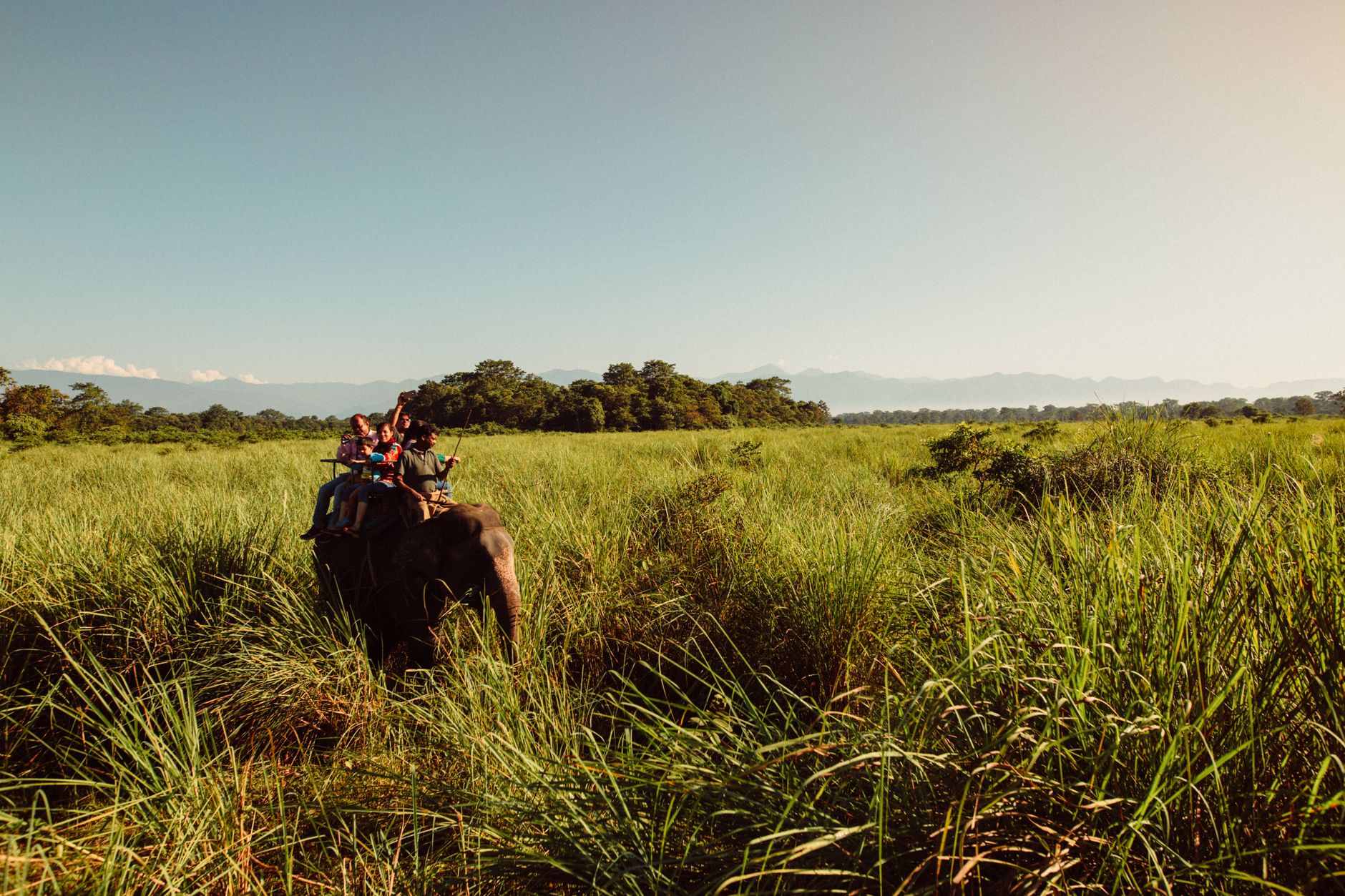
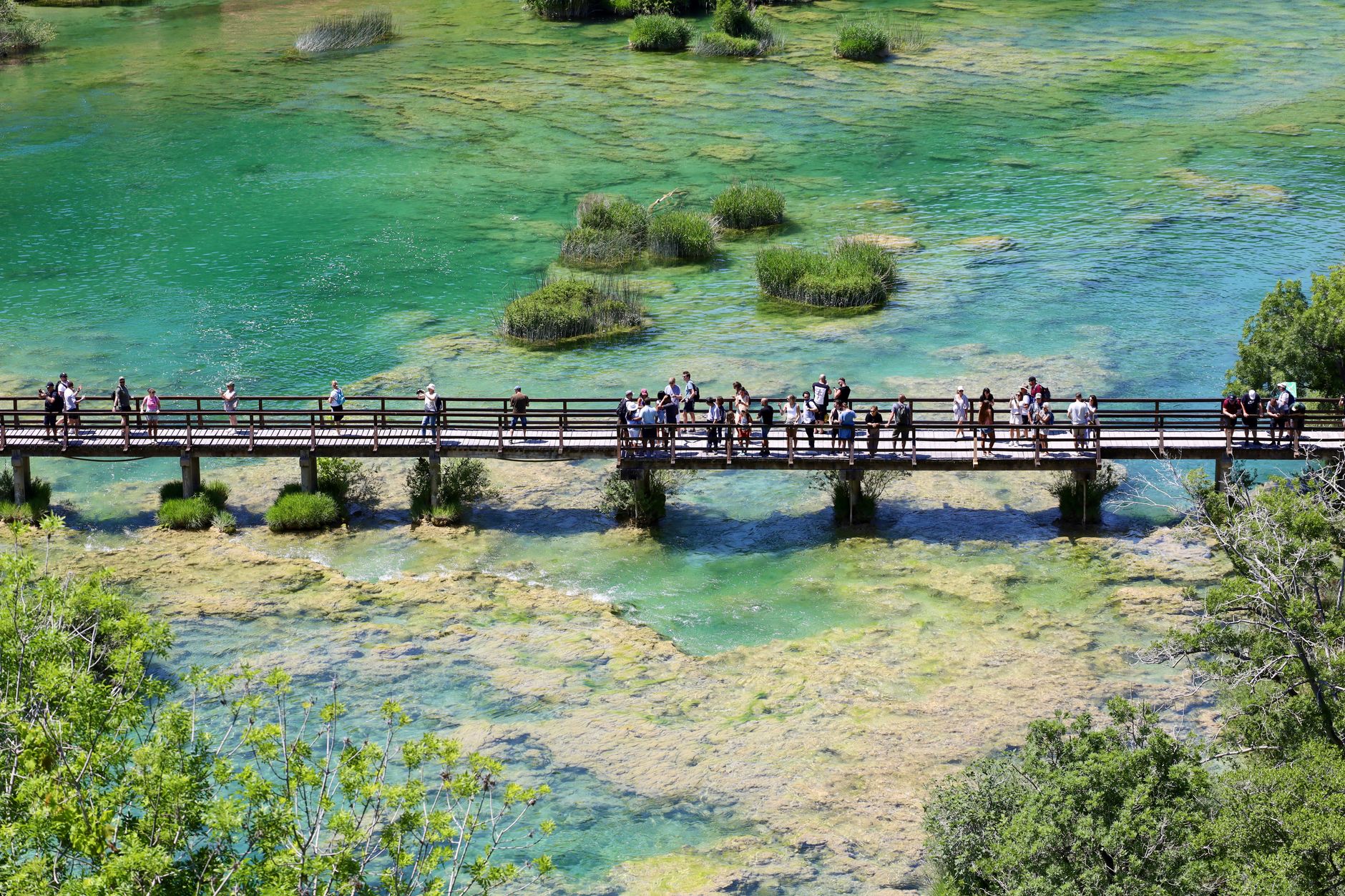
Most people who come to Nepal's Terai lowlands end up in Chitwan. Bardia is what they wish Chitwan still was. At 968 square kilometres, it is the largest and least disturbed national park in the Terai, and on a morning jeep drive through its sal forests and tall grasslands you can go hours without seeing another vehicle. The park sits against the eastern bank of the Karnali River and is bisected by the Babai River, giving wildlife — and the people watching it — a landscape that changes register as you move through it.
The wildlife here is serious. Bengal tigers, one-horned rhinos, wild elephants, Gangetic dolphins in the Karnali. The bird list runs to 230 species, including the rare Bengal florican. Give it at least two full days; three is better.
💛 What travellers fall for
People who come back tend to say the same thing: stay at Thakurdwara, not somewhere on the highway. The 13-kilometre difference puts you at park headquarters, close to the Shiva temple and the small Tharu museum — fifty rupees entry, genuinely worth the half-hour — and it means your mornings start in the forest, not in transit.
How Bardia National Park came to be
The land that became Bardia National Park was set aside as a Royal Hunting Reserve in 1969, gazetted as Royal Karnali Wildlife Reserve in 1976, and renamed Royal Bardia Wildlife Reserve in 1982. The Babai River Valley was added in 1984, and the whole area was gazetted as a national park in 1988. A 327-square-kilometre buffer zone followed in 1997, extended northward by a further 180 square kilometres in 2010. Around 1,500 people were resettled from the valley to allow wildlife habitat to recover — a displacement whose weight sits behind any account of conservation success here.
The region's longer history includes a forty-five-year detachment from Nepal. Under the Sugauli Treaty of 1815, the area passed to the East India Company; it was returned to Nepal only in 1860.
Who and what shaped it
Landmark buildings
See Bardia National Park in motion
Plan your visit
On the map
When to go
October through early April is the dry season — warm days, cool nights, and manageable dust. Summer heat peaks brutally in May, reaching 45°C, and the monsoon from July to September brings nearly 500 millimetres of rain in a single month; the park stays open but conditions are demanding.
Right now
Background & history adapted from Wikipedia (CC BY-SA) · specs from Wikidata (CC0) · weather from Open-Meteo · map data © OpenStreetMap contributors · photos from Wikimedia Commons / Unsplash with per-image credit. No third-party reviews or social posts reproduced.