Country

Fiji

Fiji
Photo by Josh Withers on Pexels
Fiji
Photo by Josh Withers on Pexels
Fiji
Photo by Josh Withers on Pexels
Fiji
Photo by Martin Škeřík on Pexels
Fiji
Photo by Josh Withers on Pexels
Fiji
Photo by Josh Withers on Pexels
Islands & tropical Beach & sun Diving & watersports luxury

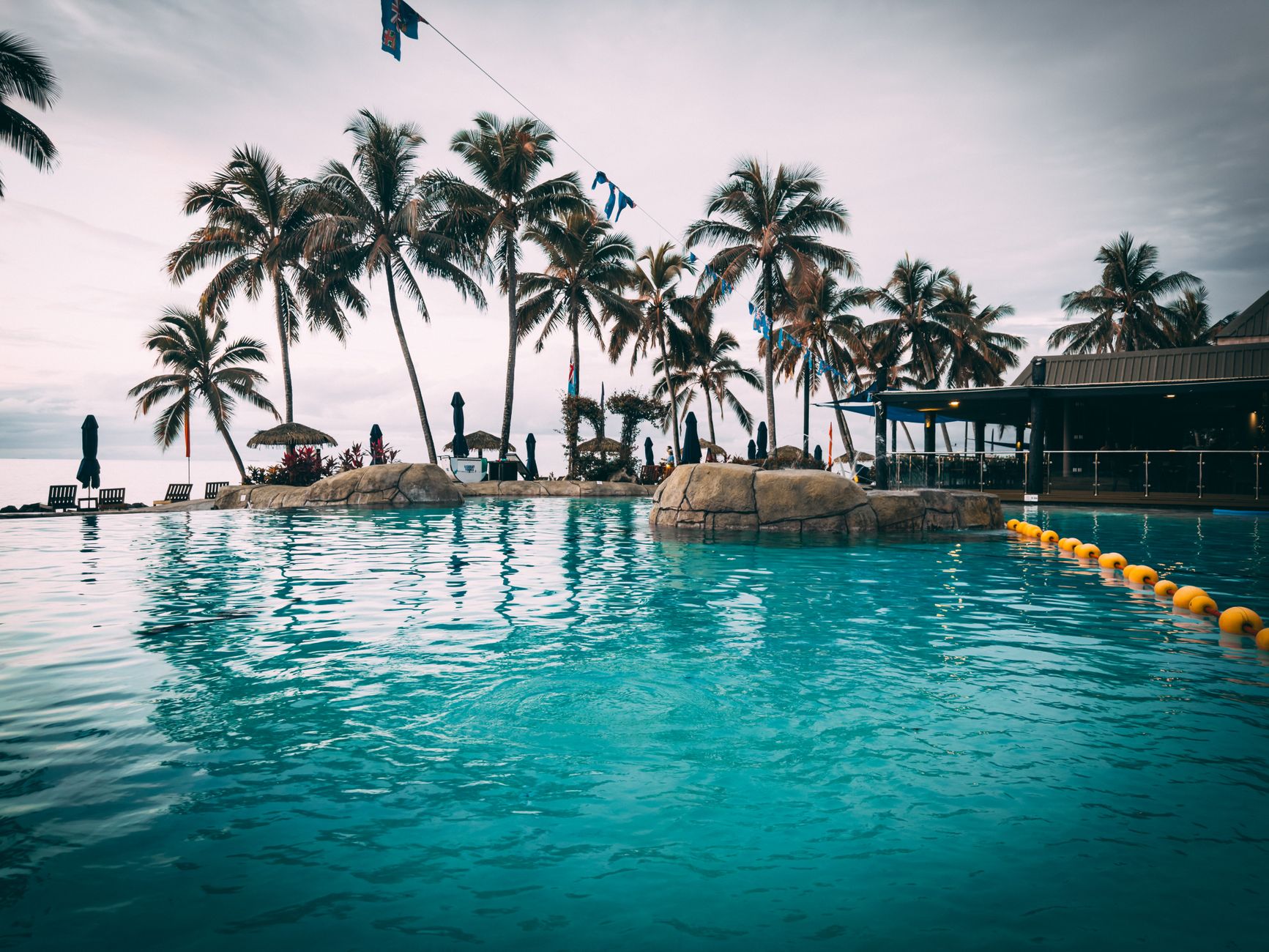
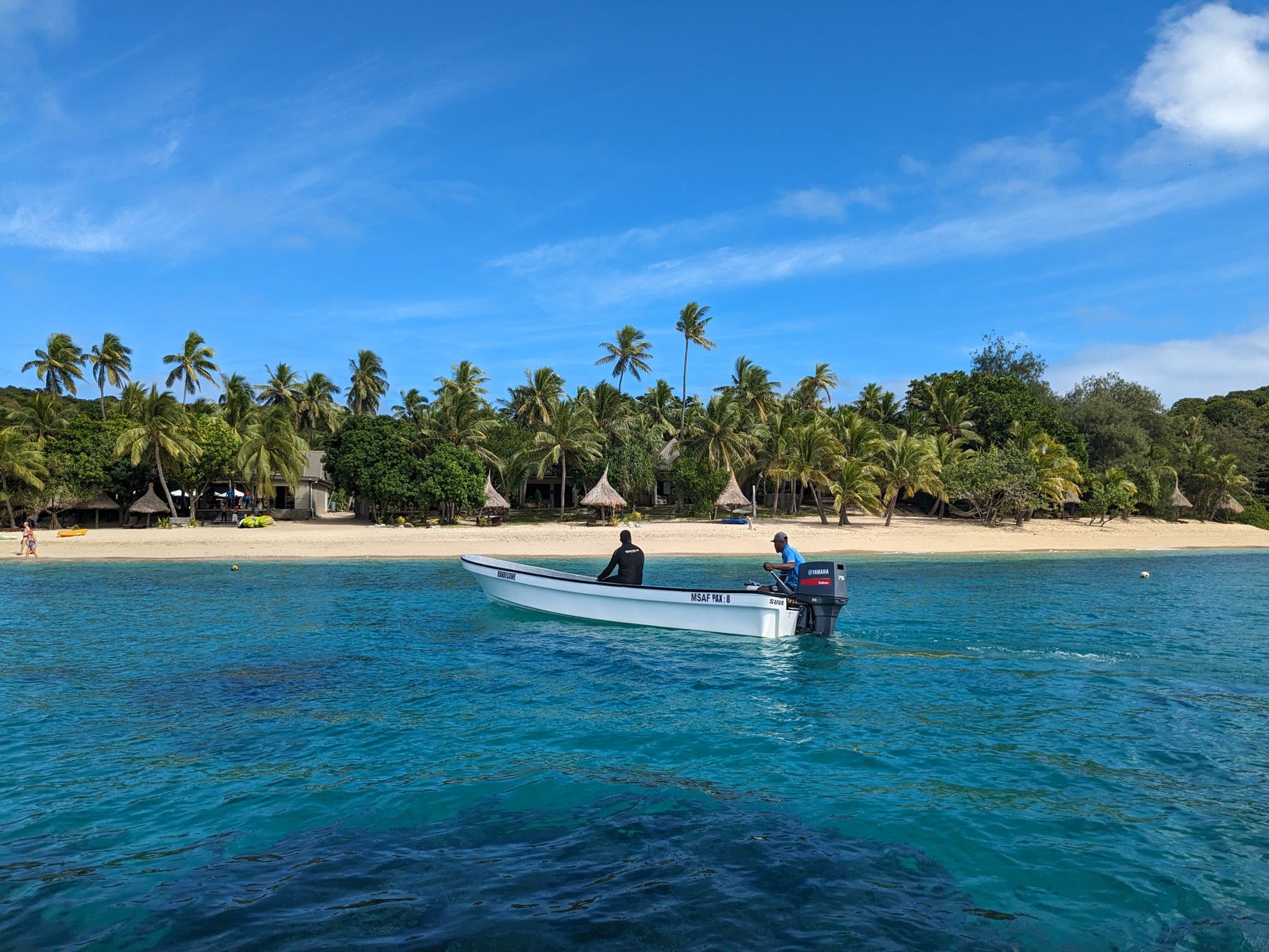
Fiji is 330 islands scattered across the South Pacific, and most of what the world imagines about it — the reefs, the sand, the particular quality of afternoon light on water — turns out to be accurate. What surprises is everything else: the colonial streetscapes of Suva, the Hindu temples of the Coral Coast, the ancient dunes at Sigatoka hiding pottery shards from people who lived here 2,600 years ago.

Viti Levu, the main island, holds most of the population and nearly all the entry points. From here, the outer islands fan out in two directions — the Mamanucas close and quick, the Yasawa chain requiring more commitment and rewarding it accordingly.

Good to know
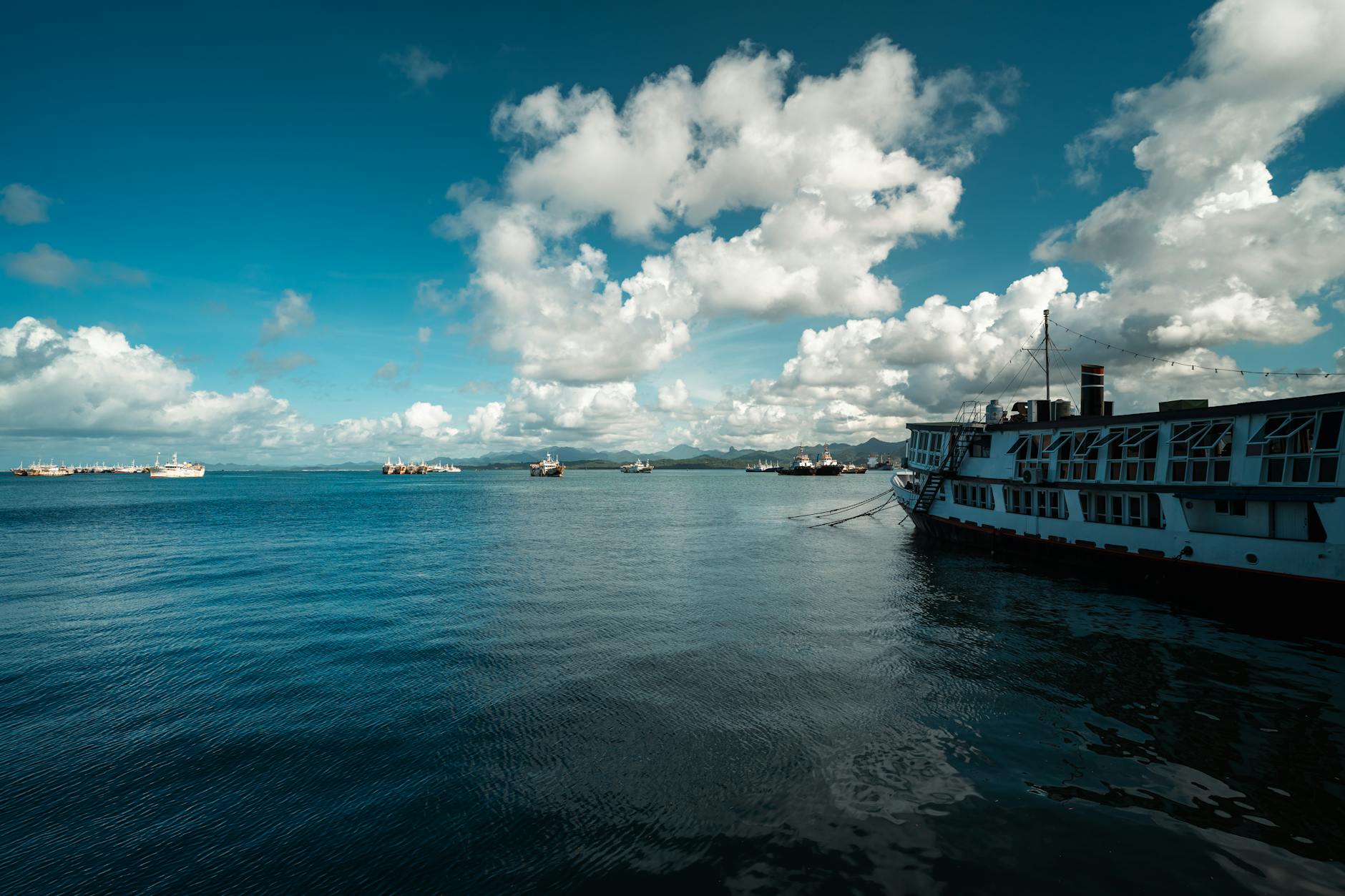
Nadi International Airport (NAN) is the main gateway, with connections from Australia, New Zealand, the US, and Asia. Sunbeam buses run from the airport to Suva for under 15 FJD, though the ride takes up to four and a half hours. Ferries to the Mamanuca Islands leave from Port Denarau Marina.

Deals in Fiji

Book directly at the provider
The story

How Fiji came to be

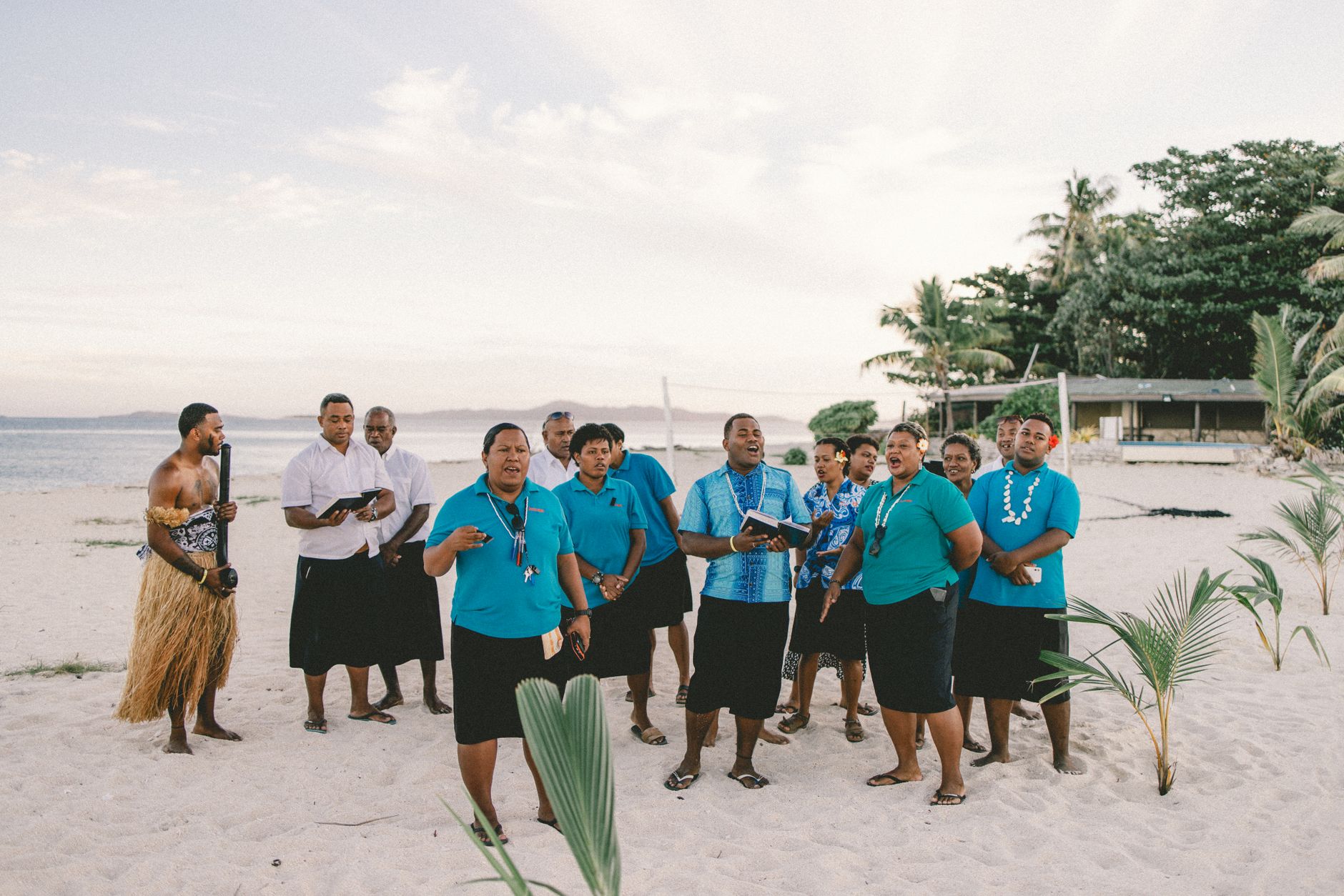
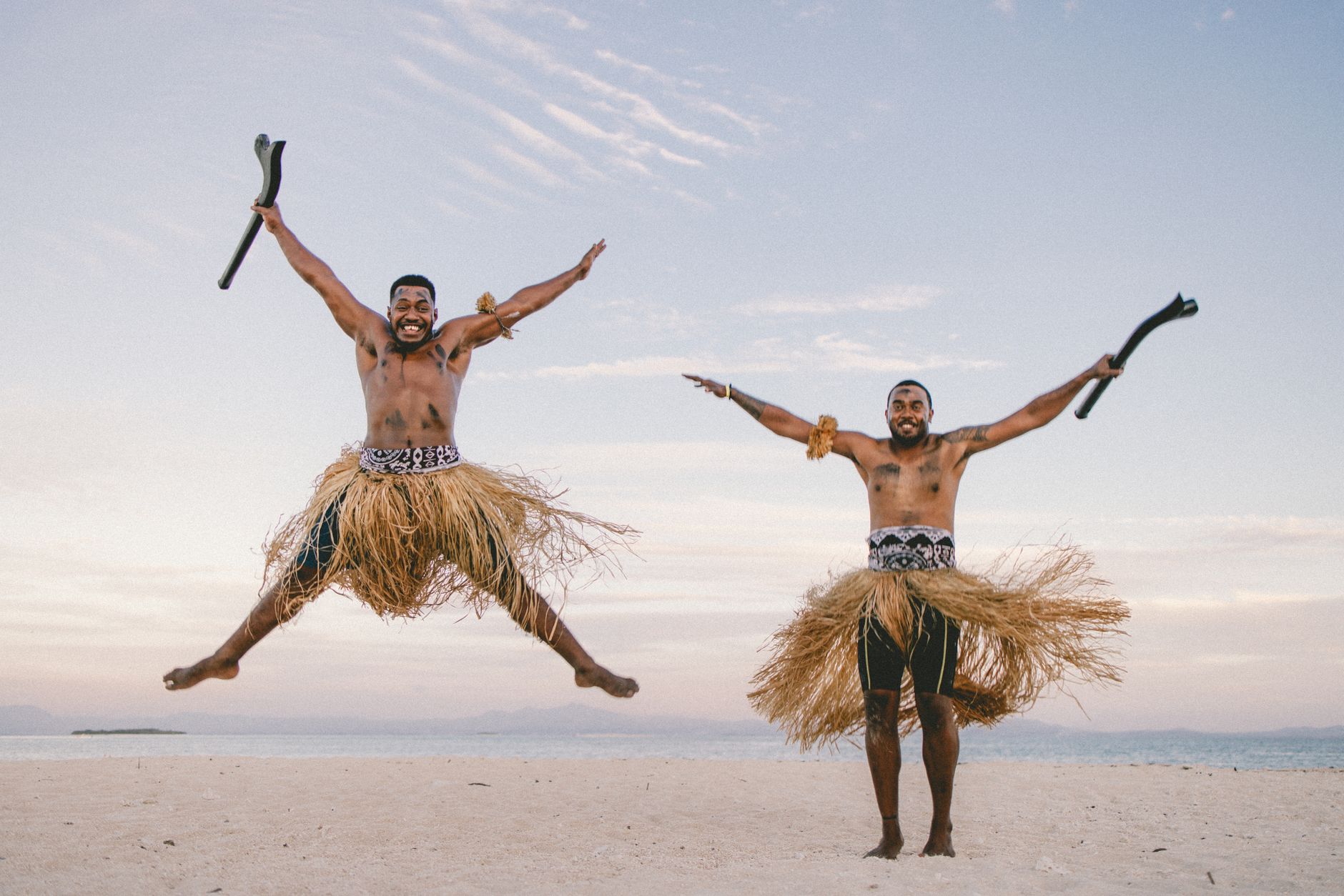
The first people to reach Fiji were the Lapita — seafarers whose pottery fragments still surface in the Sigatoka dunes — arriving around 1,500 to 1,000 BC. Later migrations brought a predominantly Melanesian population that shaped the culture recognisable today. Britain formalised its hold in 1874, establishing the Crown Colony of Fiji, and the islands remained under colonial rule until October 10, 1970, when independence came under Ratu Kamisese Mara, the country's first prime minister.

The decades that followed were turbulent. A series of coups in 1987 ended Fiji's status as a Commonwealth realm and declared a republic, and political instability continued into the 21st century — most sharply in 2006, when Commodore Frank Bainimarama seized power. A new constitution took effect in 2013, and parliamentary elections followed in 2014.

People & landmarks

Who and what shaped it

People who shaped it

Ratu Kamisese Mara
Fiji's first prime minister and Chief Minister (1967), led the independence movement.
Commodore Frank Bainimarama
Seized power in 2006 coup; his FijiFirst party won parliamentary elections in 2014.
Timoci Bavadra
Labour Party leader with strong support from Fijian and Indian trade unionists in 1987.

Landmark buildings

Levuka Historical Port Town
UNESCO World Heritage Site and Fiji's former capital on Ovalau island; 19th-century trade and colonial hub.
Fiji Museum
Founded 1904 in Thurston Gardens; moved to present location 1954; houses archaeological and cultural collections.
Sri Siva Subramaniya Temple, Nadi
Largest Hindu temple in the Southern Hemisphere, dedicated to Lord Murugan.
Cathedral of the Sacred Heart, Suva
Built 1902 from Australian sandstone; main Roman Catholic church in Fiji, located on Pratt Street.
Sigatoka Sand Dunes National Park
Fiji's first national park with dunes up to 60 metres high; contains pottery and human remains dating 2,600 years.
Tavuni Hill Fort, Taveuni
Ancient archaeological site over 300 years old; former stronghold of the Tui Cakau tribe.
Naihehe Cave, Sigatoka
Fiji's largest cave system; historically used as a fortress by ancient tribes.
Government House, Suva
Erected 1882, rebuilt 1928 after lightning destruction in 1921; official residence.
Grand Pacific Hotel
Waterfront landmark built 1914; legacy colonial-era hotel.
Thurston Gardens, Suva
Picturesque arboretums established 1913; home to the Fiji Museum.
Momi Bay Gun Site
Established 1941 with two 6-inch anti-aircraft guns to defend against Japanese forces.
Watch

See Fiji in motion

Practical

Plan your visit

On the map

When to go

Fiji has two broad seasons: a warm, wet period from November through April, when cyclone risk is real, and a cooler, drier stretch from May through October that most visitors prefer. Even in the dry season, the interior of Viti Levu catches rain; the west coast stays drier.

Right now

🌧️
18°C
Rain
Sat
🌧️
20°
17°
Sun
🌧️
20°
17°
Mon
🌧️
22°
17°
Tue
🌧️
21°
19°
Weather data: Open-Meteo

Background & history adapted from Wikipedia (CC BY-SA) · specs from Wikidata (CC0) · weather from Open-Meteo · map data © OpenStreetMap contributors · photos from Wikimedia Commons / Unsplash with per-image credit. No third-party reviews or social posts reproduced.

Top