
Ethiopia
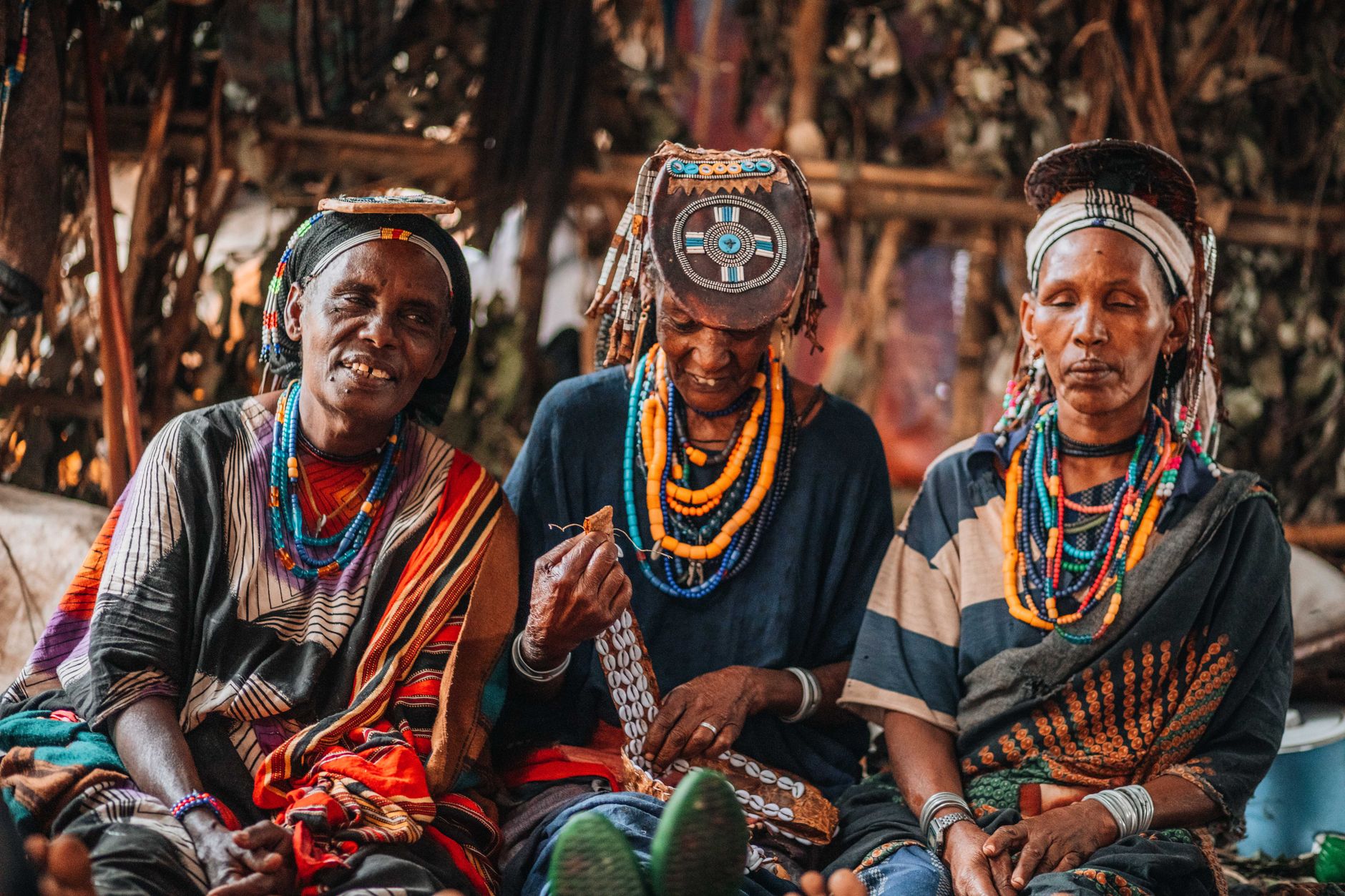
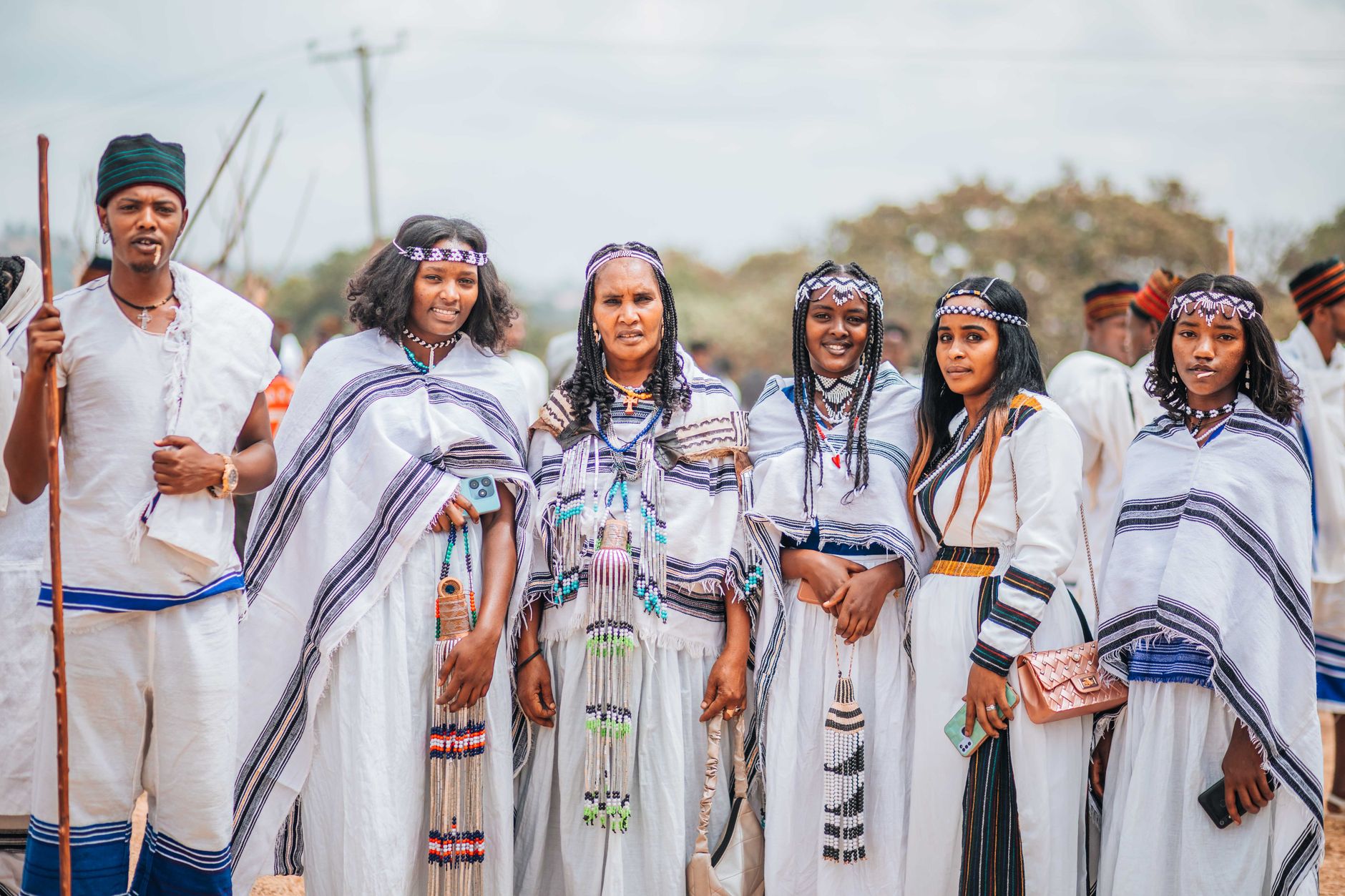


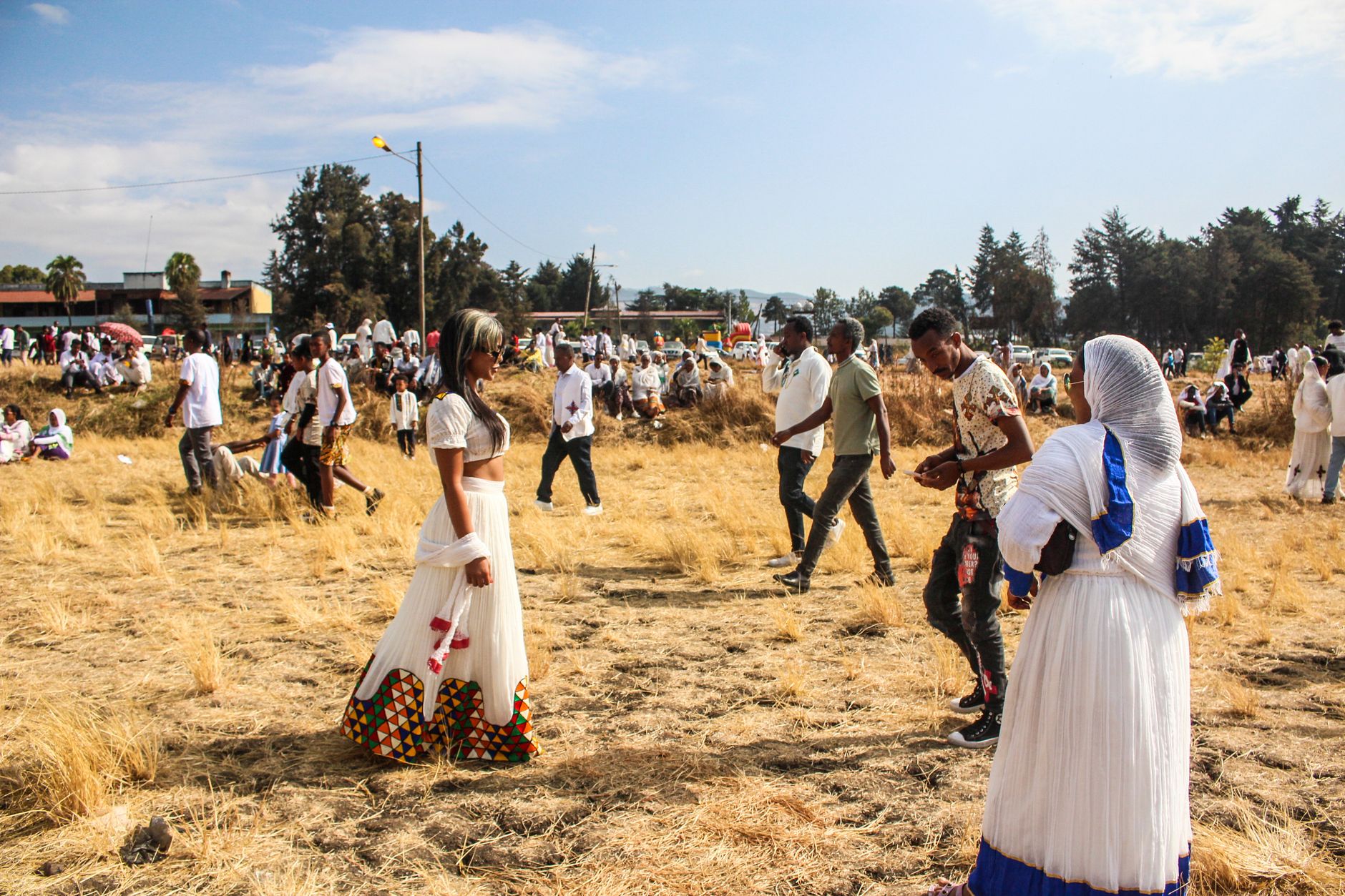
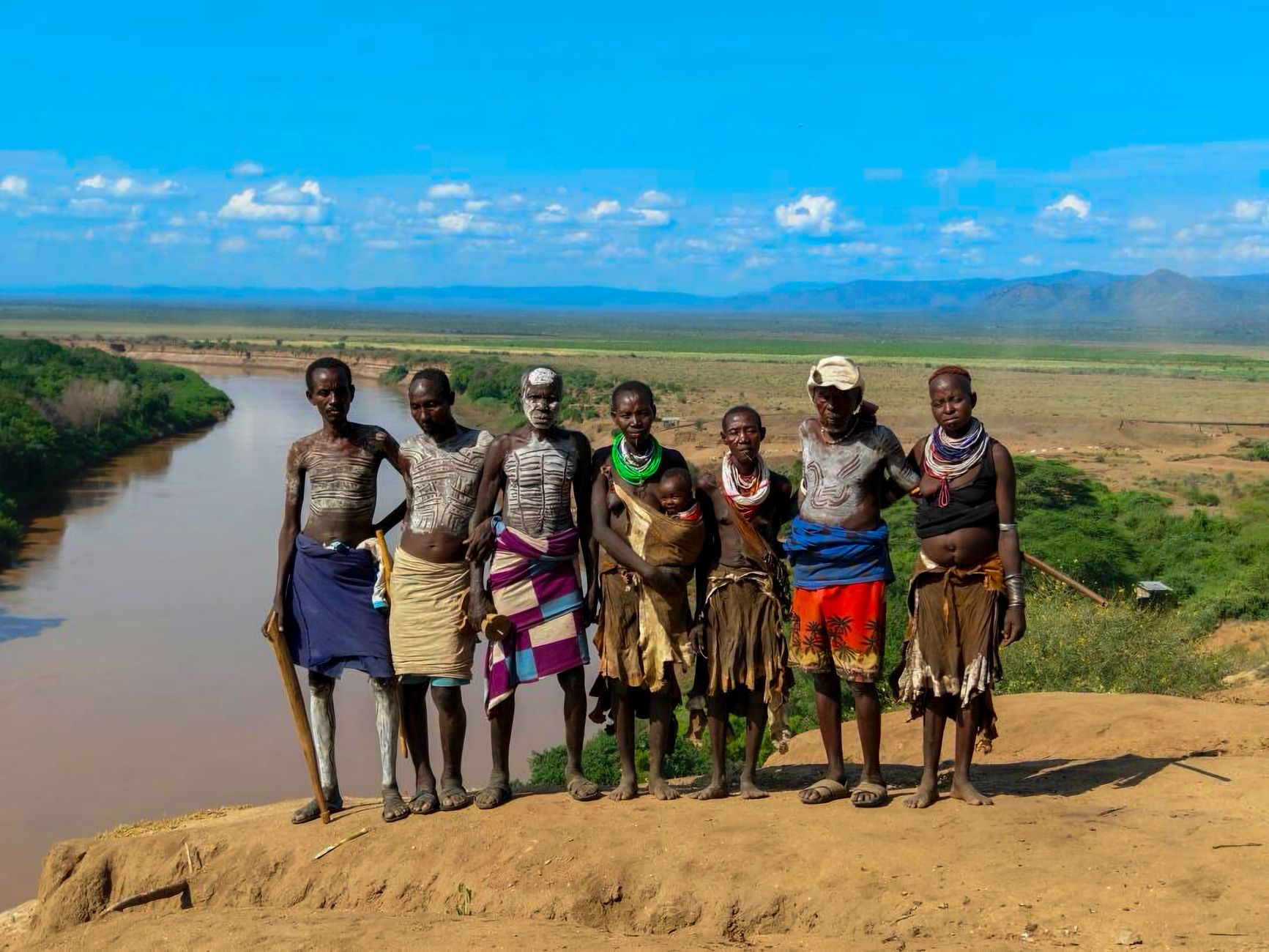
Ethiopia holds the bones of some of the oldest human ancestors ever found — Lucy, 3.2 million years old, pulled from the Awash Valley in 1974; Ardi, even older, discovered two decades later in the same Afar region. That depth runs through everything here: churches carved whole from red volcanic rock in the 13th century, obelisks from an empire that was trading across the Red Sea when Rome was still ascendant, a royal enclosure in Gondar that rewrote what African architecture could look like.
Addis Ababa sits at 2,335 metres — the highest capital on the continent — and serves as your practical base and gateway. From here, Ethiopian Airlines fans out daily to Lalibela, Gondar, Aksum and Bahir Dar, connecting a country whose nine UNESCO World Heritage Sites are spread across a landscape that shifts from highland plateau to desert lowland within a single journey.
Deals in Ethiopia
Book directly at the provider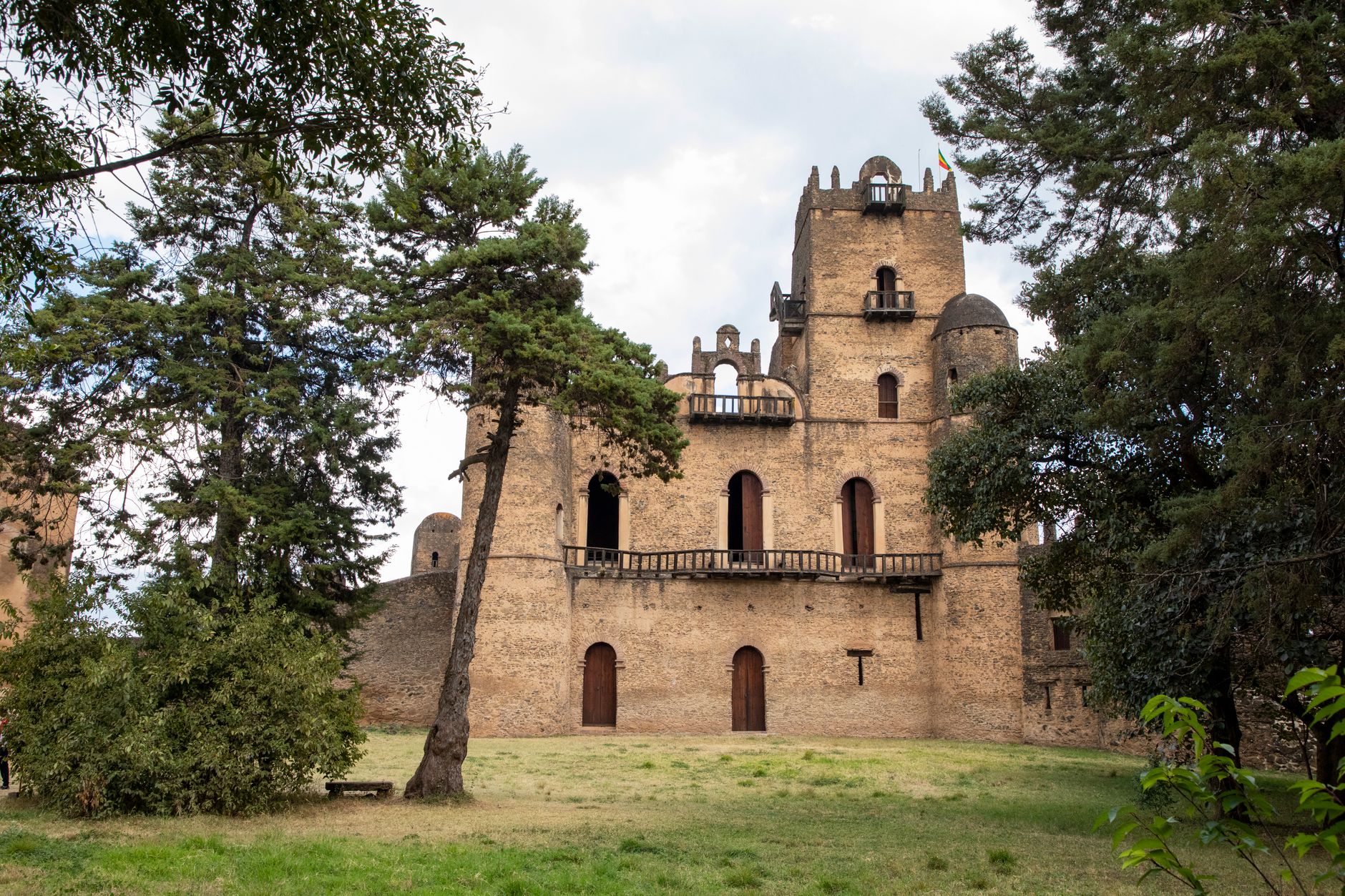


How Ethiopia came to be
Human settlement here stretches back further than almost anywhere on earth, but recorded statehood begins with the Kingdom of Dʿmt around 980 BC, followed by the Aksumite Empire in the 1st century AD — a Red Sea trading power whose King Ezana converted to Christianity in 341 AD, making Aksum one of the earliest Christian states in the world. The Solomonic dynasty, established around 1270 by Yekuno Amlak, claimed descent from Solomon and the Queen of Sheba and shaped Ethiopian identity for centuries.
Emperor Fasilides founded Gondar as a permanent capital in 1636. At Adwa on 1 March 1896, Emperor Menelik II's forces defeated an invading Italian army — the only African nation to successfully resist European colonisation at that scale. The 20th century brought upheaval: Emperor Haile Selassie, exiled during Italian occupation, returned to Addis Ababa in May 1941, only to be deposed in the 1974 Derg coup that ended imperial rule entirely.
Who and what shaped it
People who shaped it
Landmark buildings
See Ethiopia in motion
Plan your visit
On the map
When to go
The main dry season runs October through February, when highland temperatures are mild and skies clear — the most comfortable window for travel. The long rains fall June through September, which can make rural roads difficult but turns the landscape a deep green.
Right now
Background & history adapted from Wikipedia (CC BY-SA) · specs from Wikidata (CC0) · weather from Open-Meteo · map data © OpenStreetMap contributors · photos from Wikimedia Commons / Unsplash with per-image credit. No third-party reviews or social posts reproduced.