
Thailand
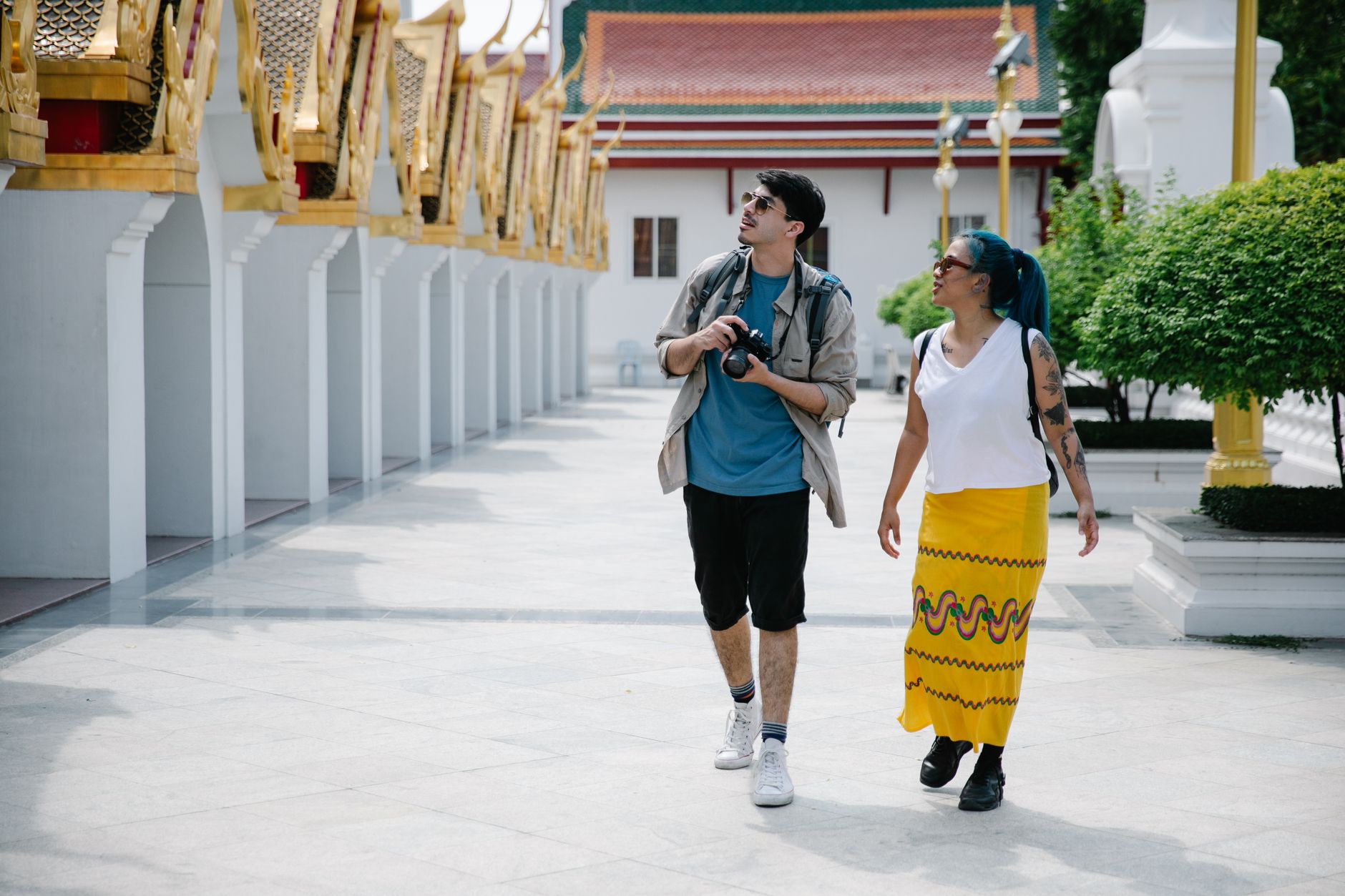

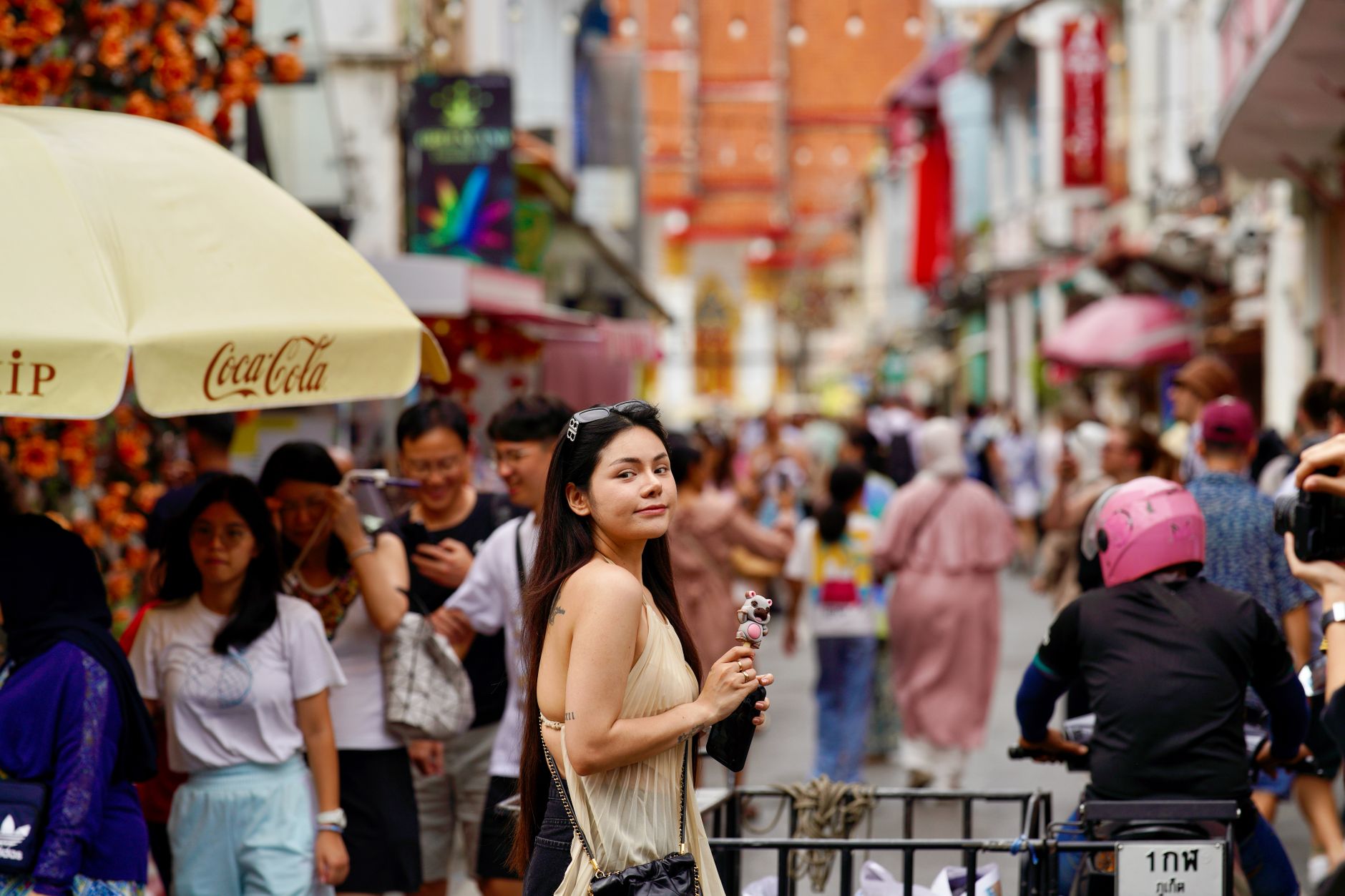
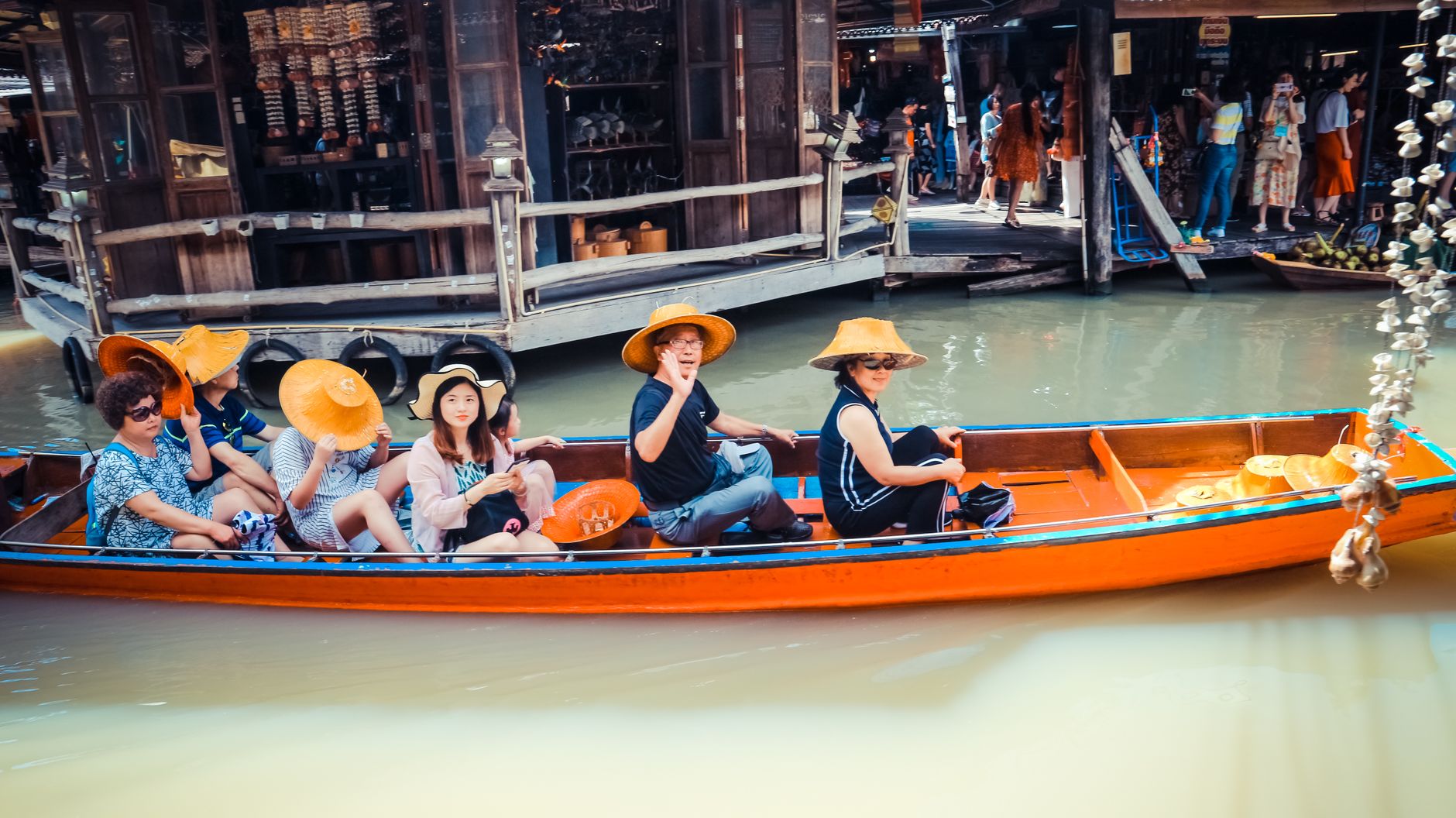
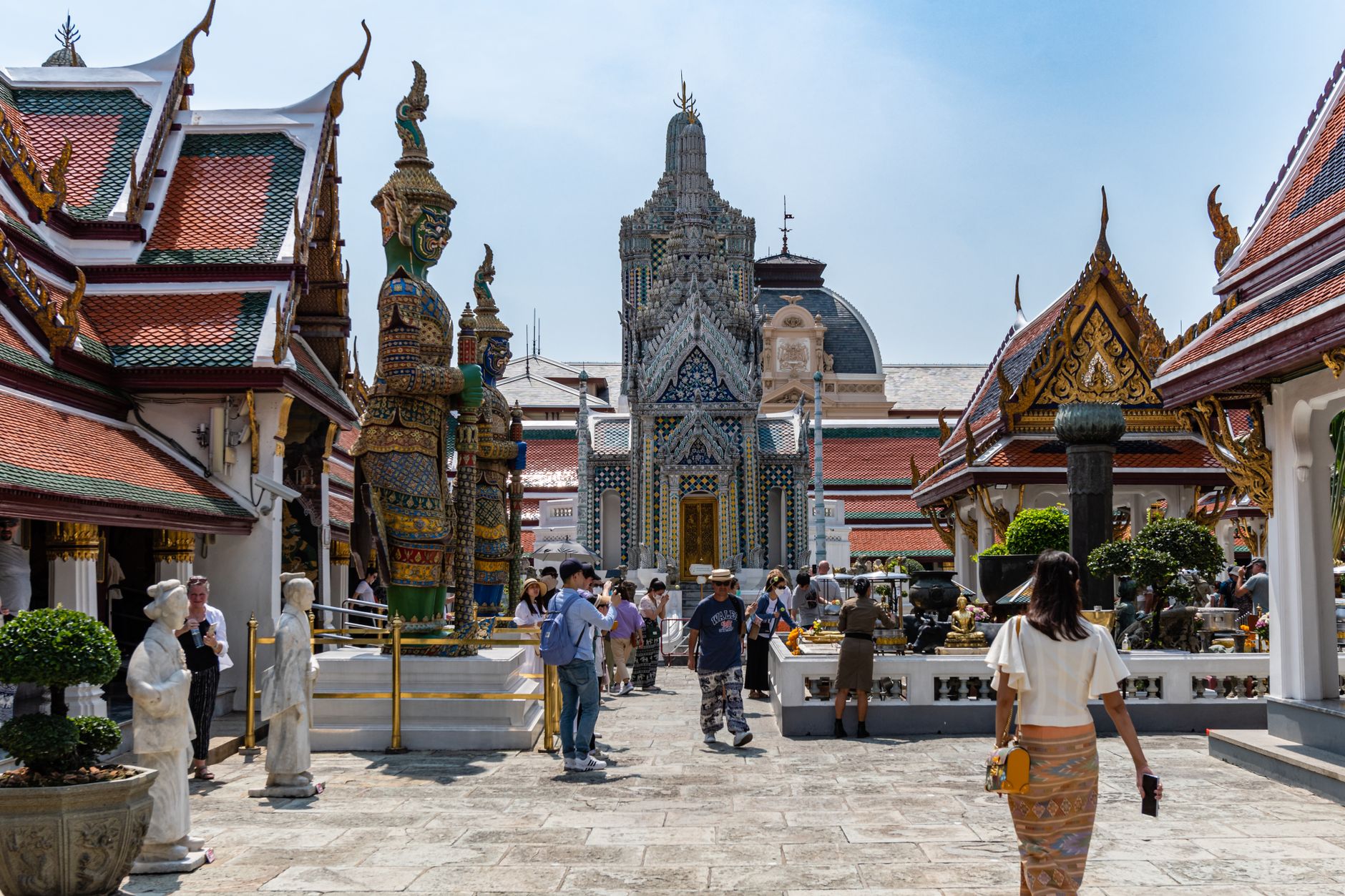
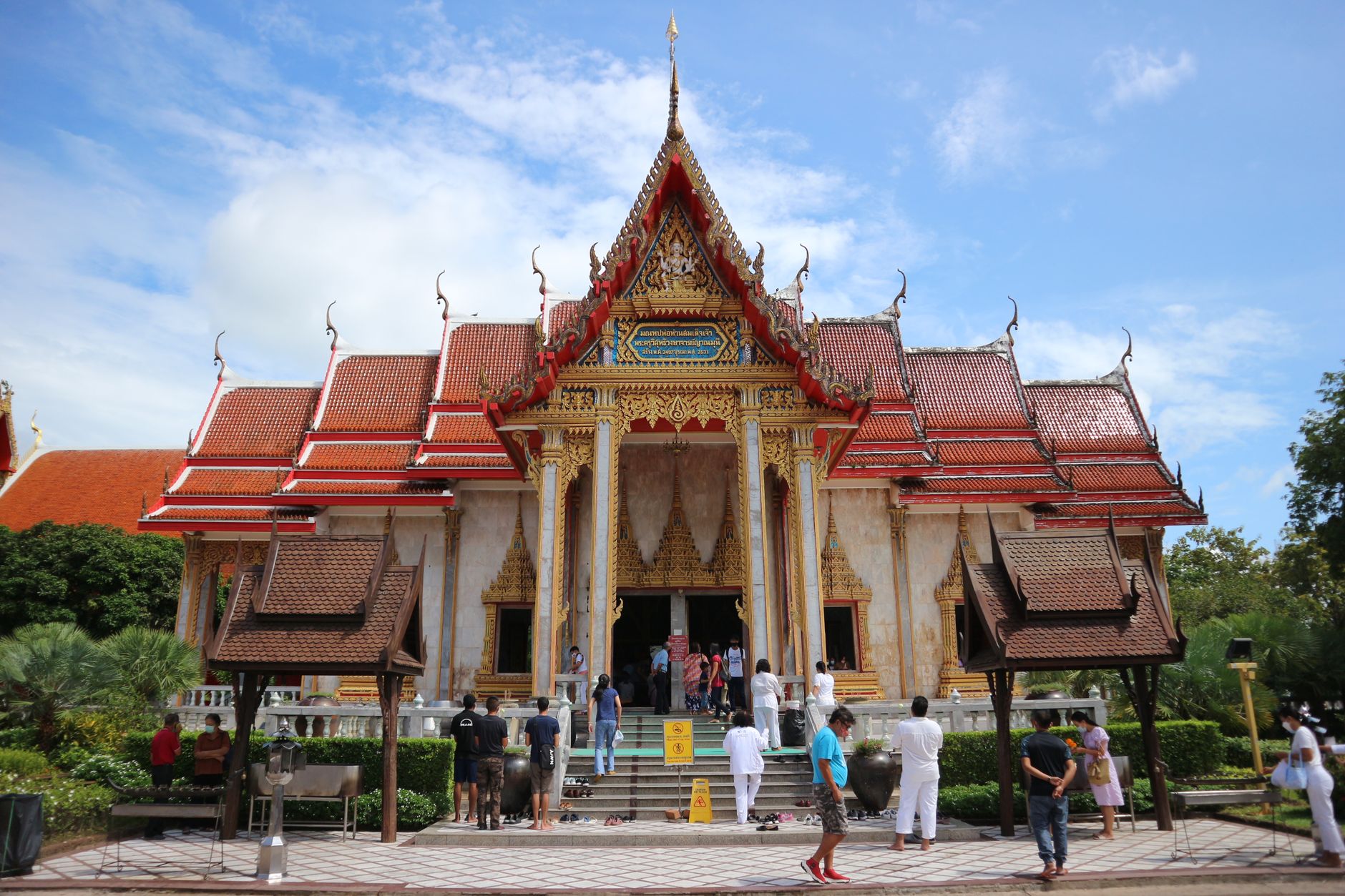
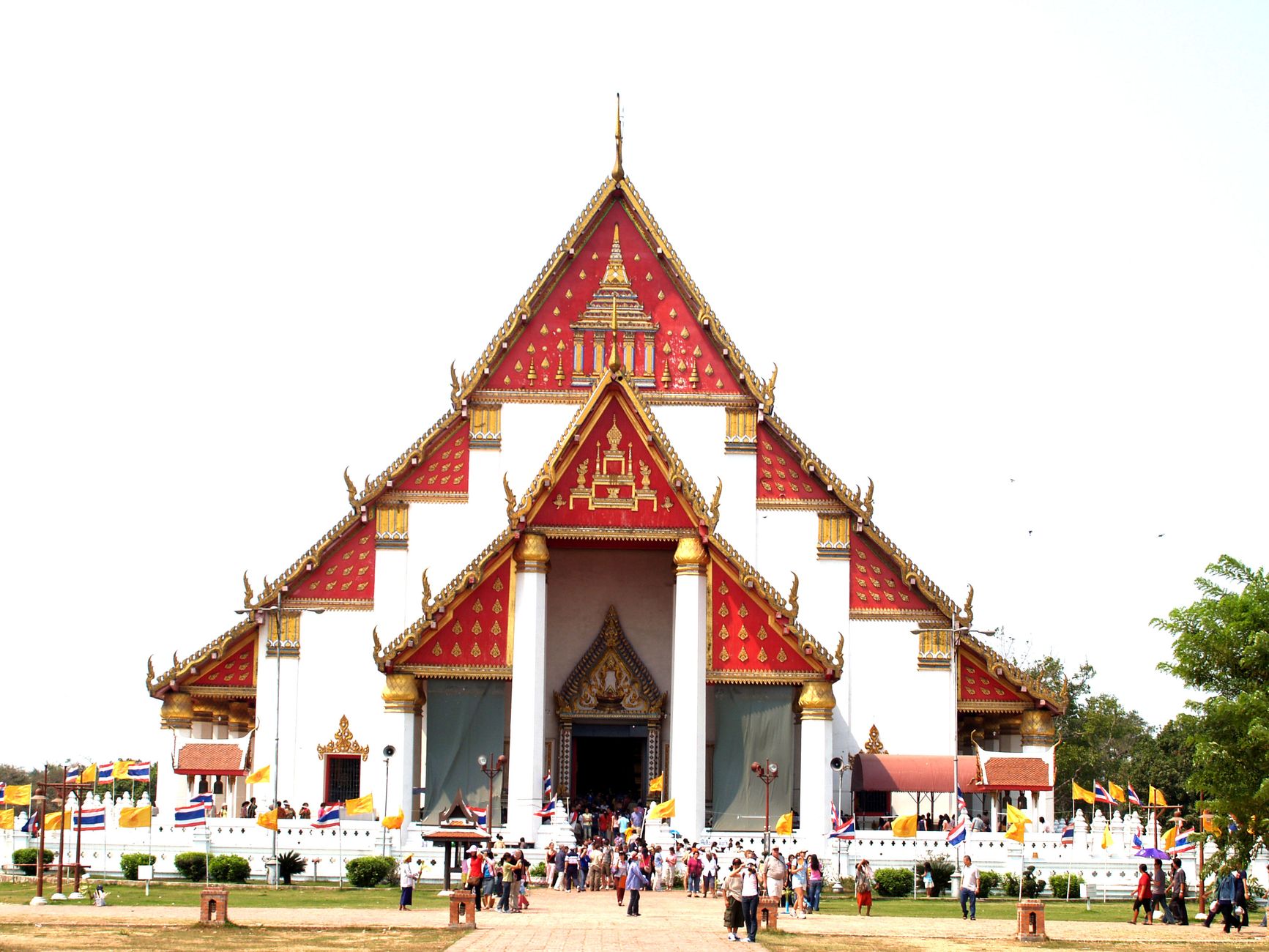
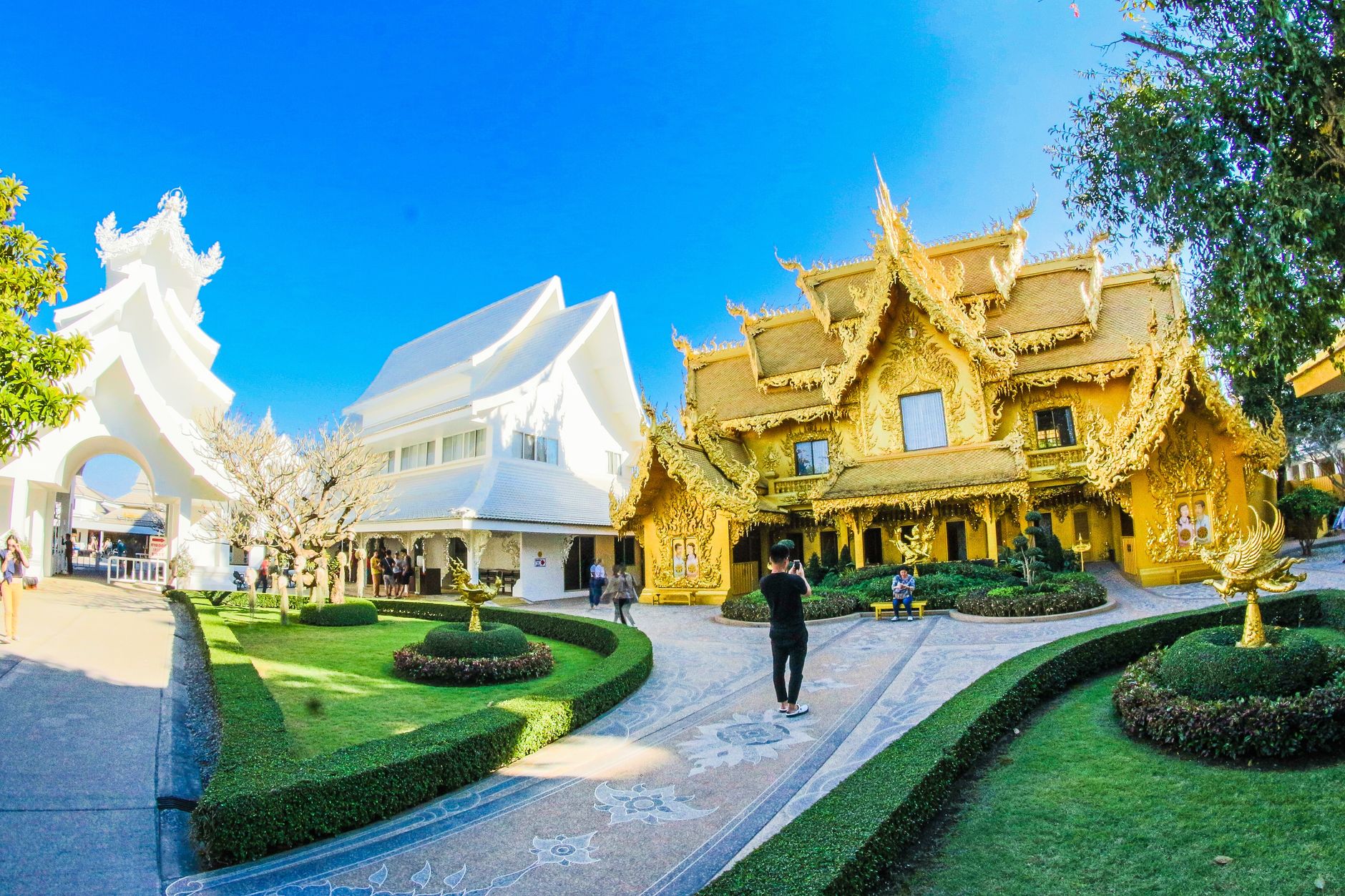
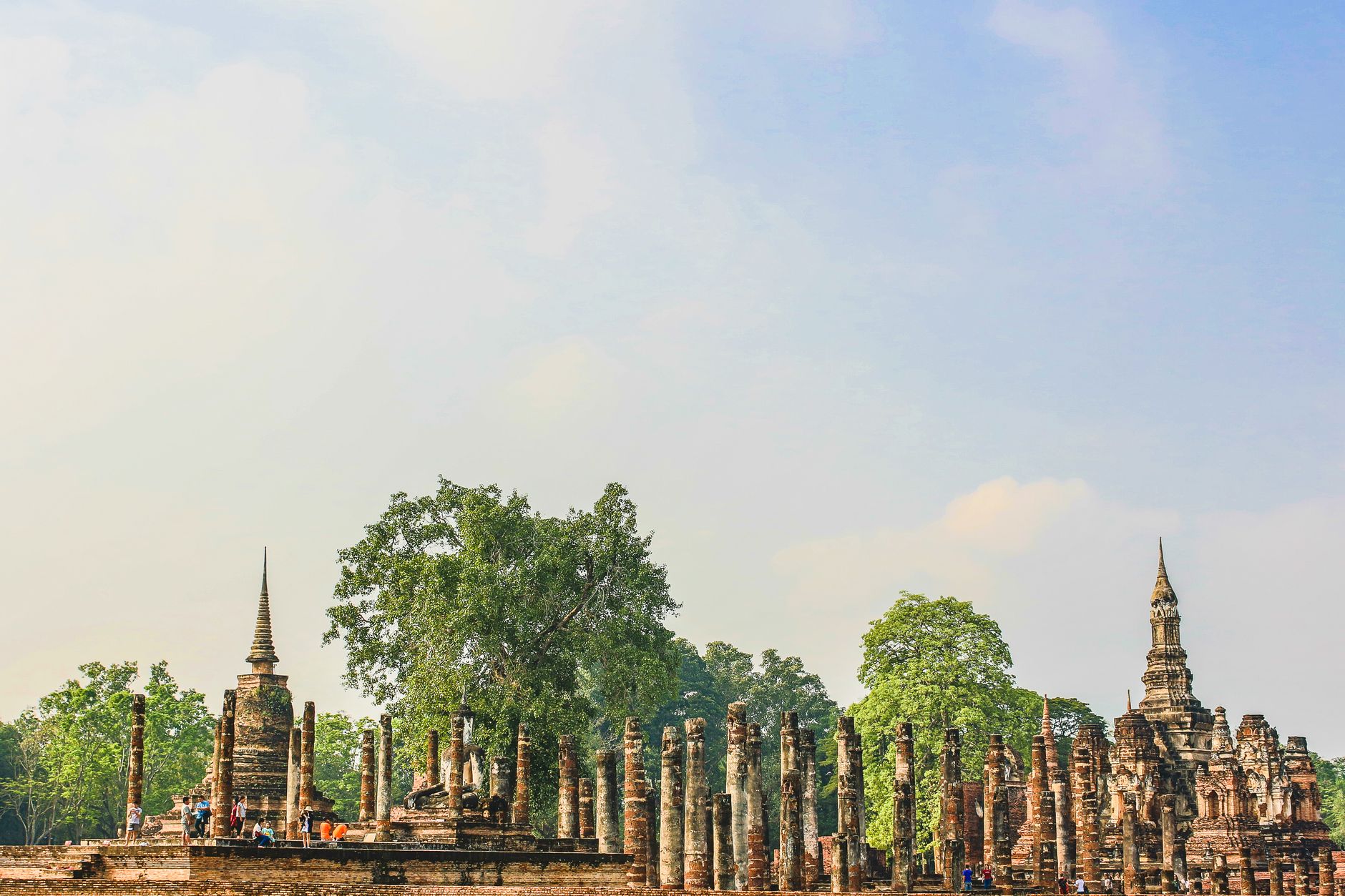
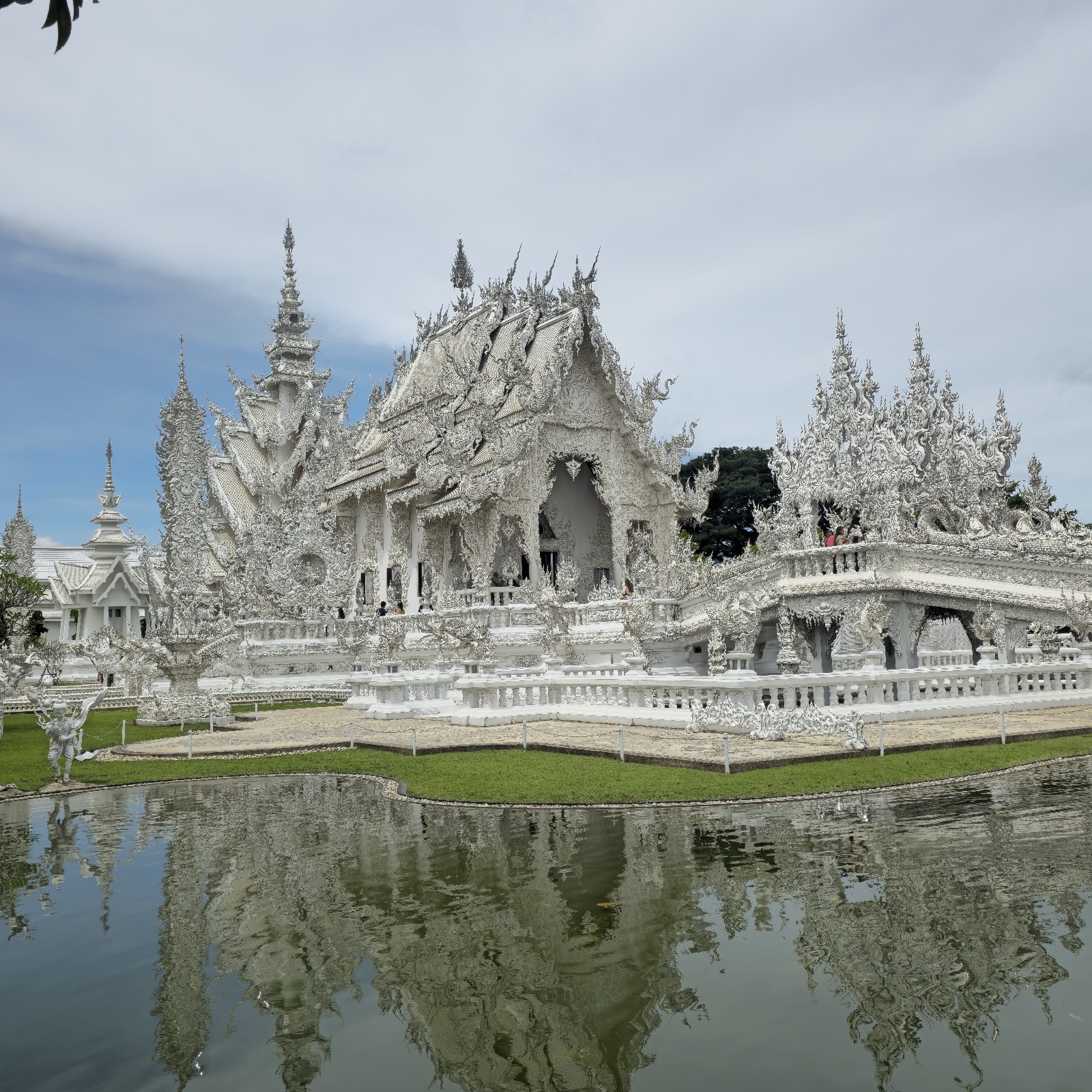
Thailand is the only country in Southeast Asia that was never colonised by a European power — a fact that shaped everything from its palace architecture to the quiet confidence you sense in how people carry themselves here. The country holds its own chronology: a civilisation that began at Sukhothai in 1238, moved through the golden spires of Ayutthaya, and eventually settled into the river-bend capital of Bangkok, each era leaving temples and ruins that you can still walk through today.
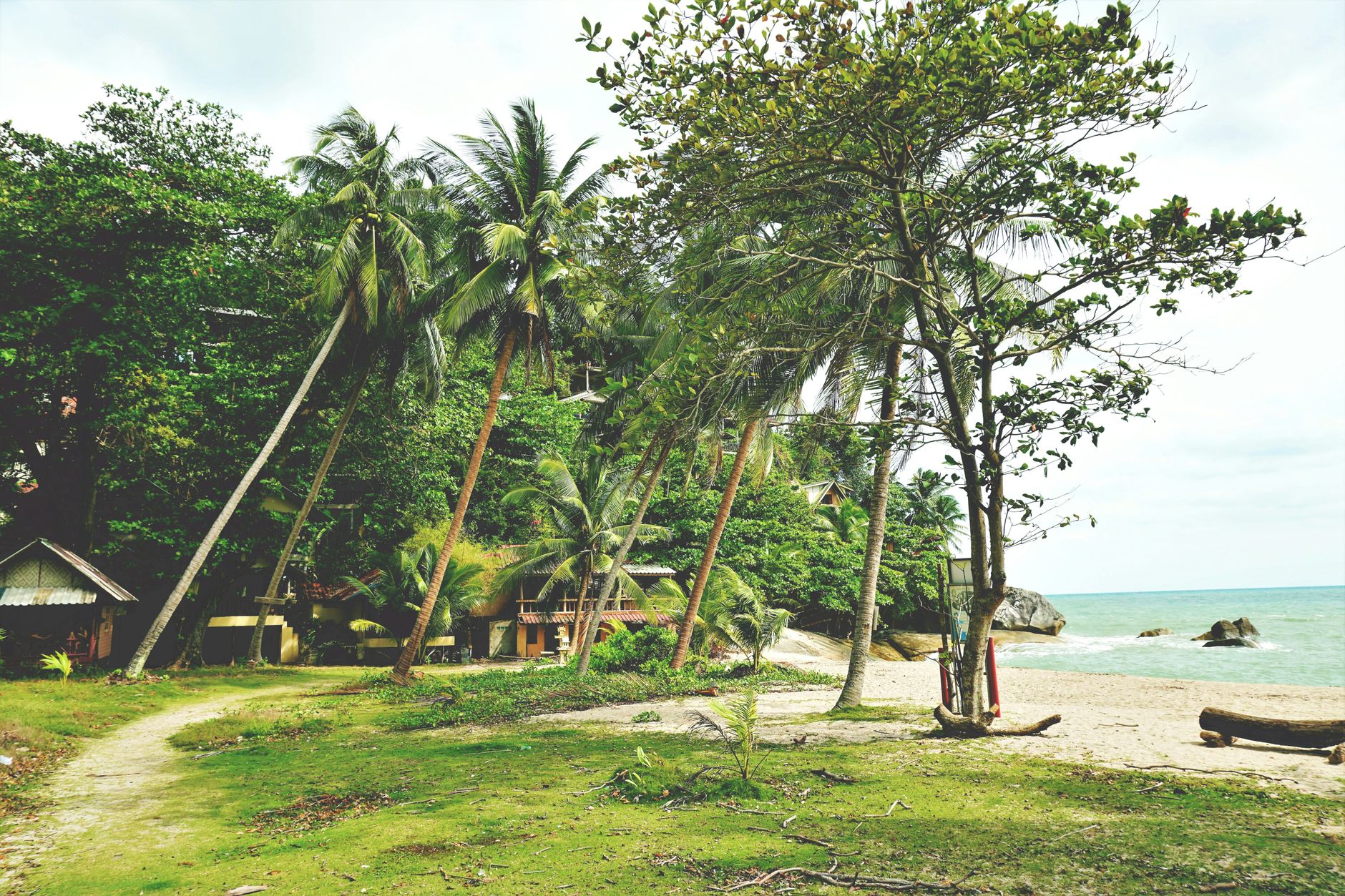
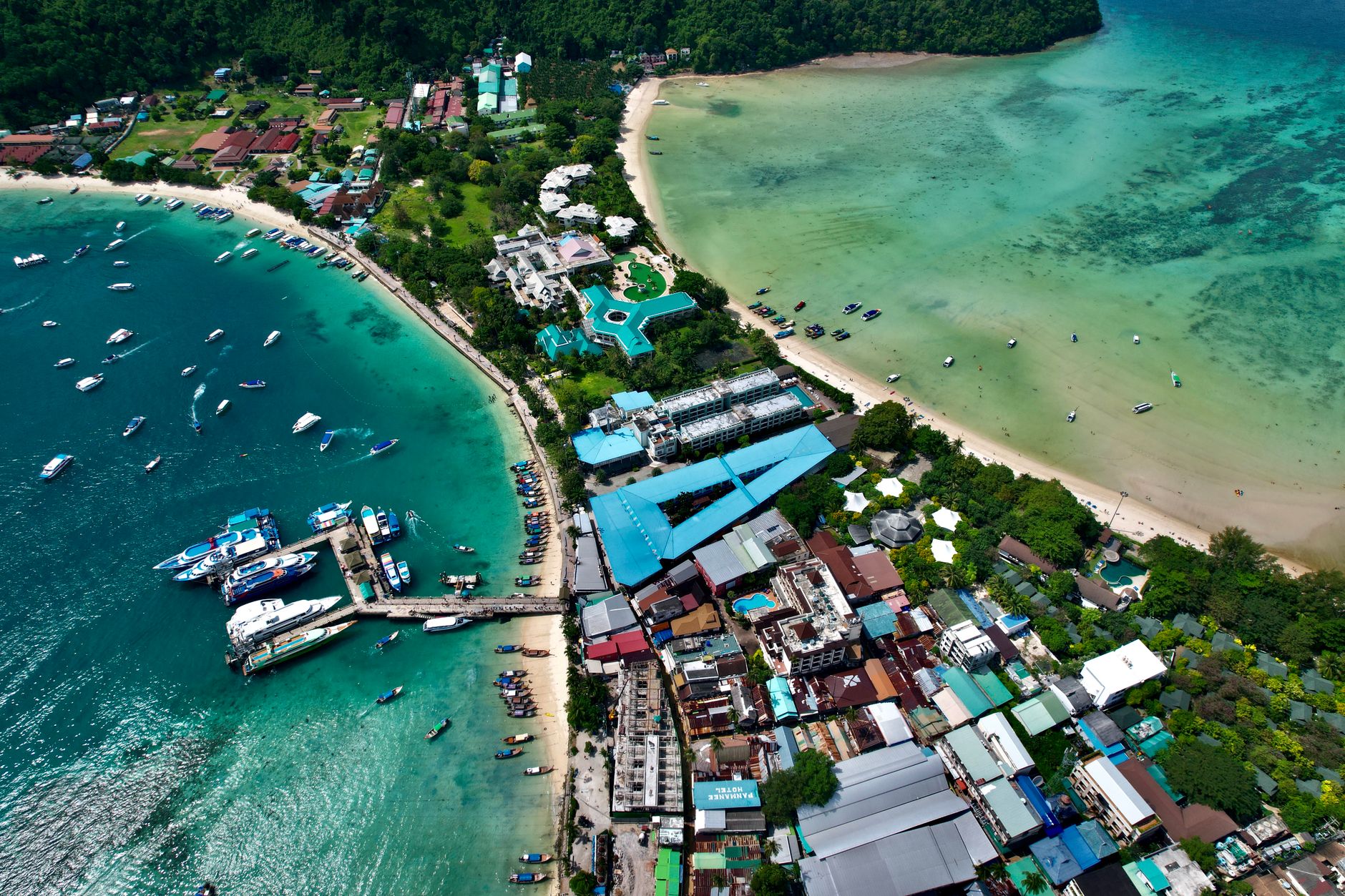
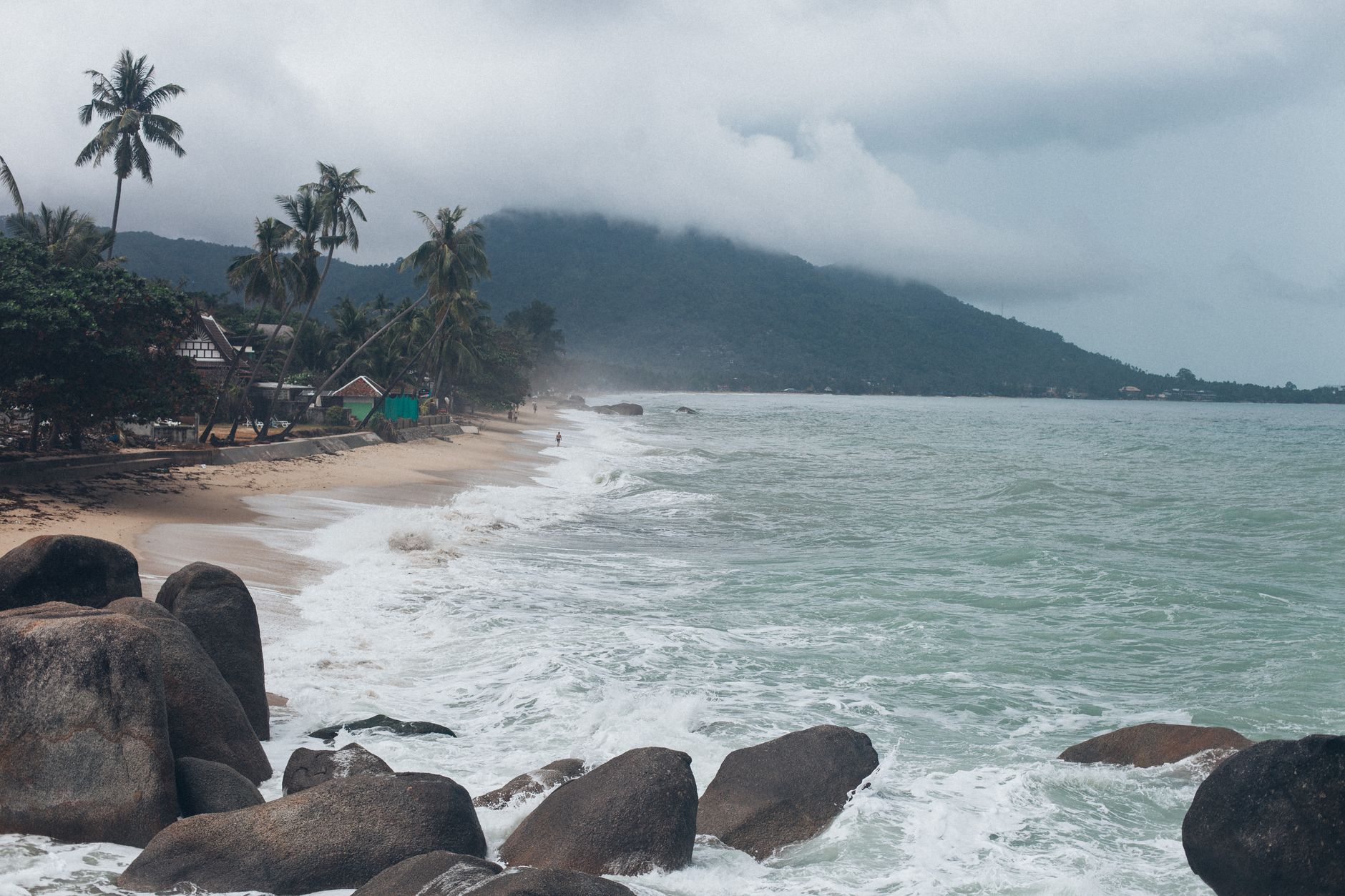
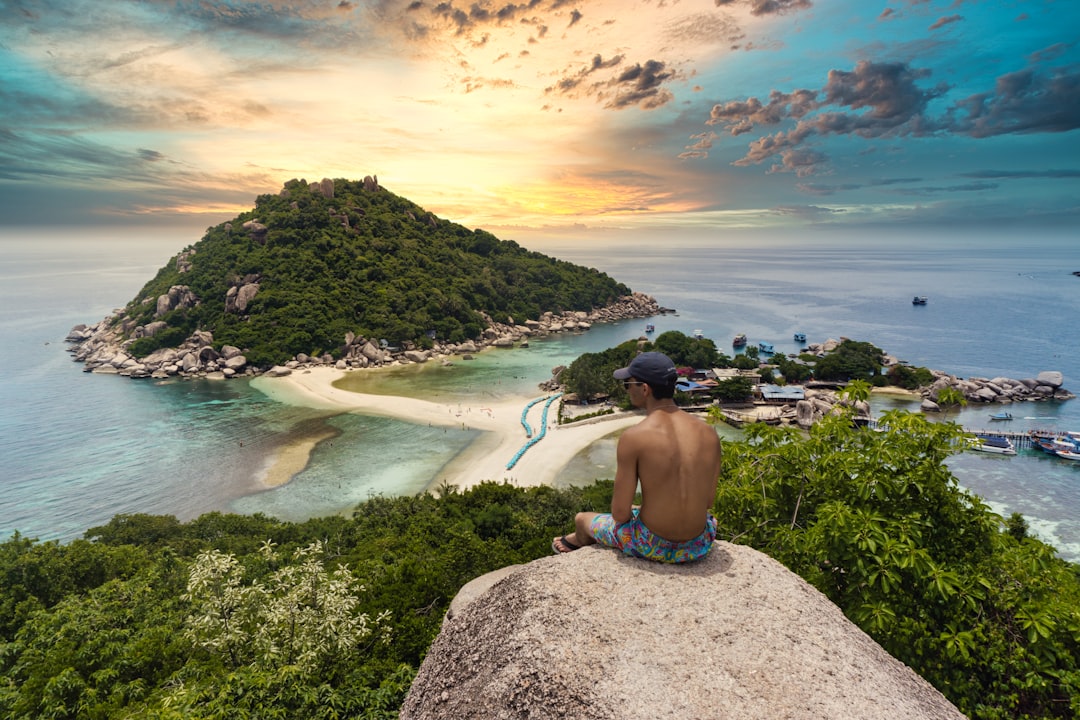
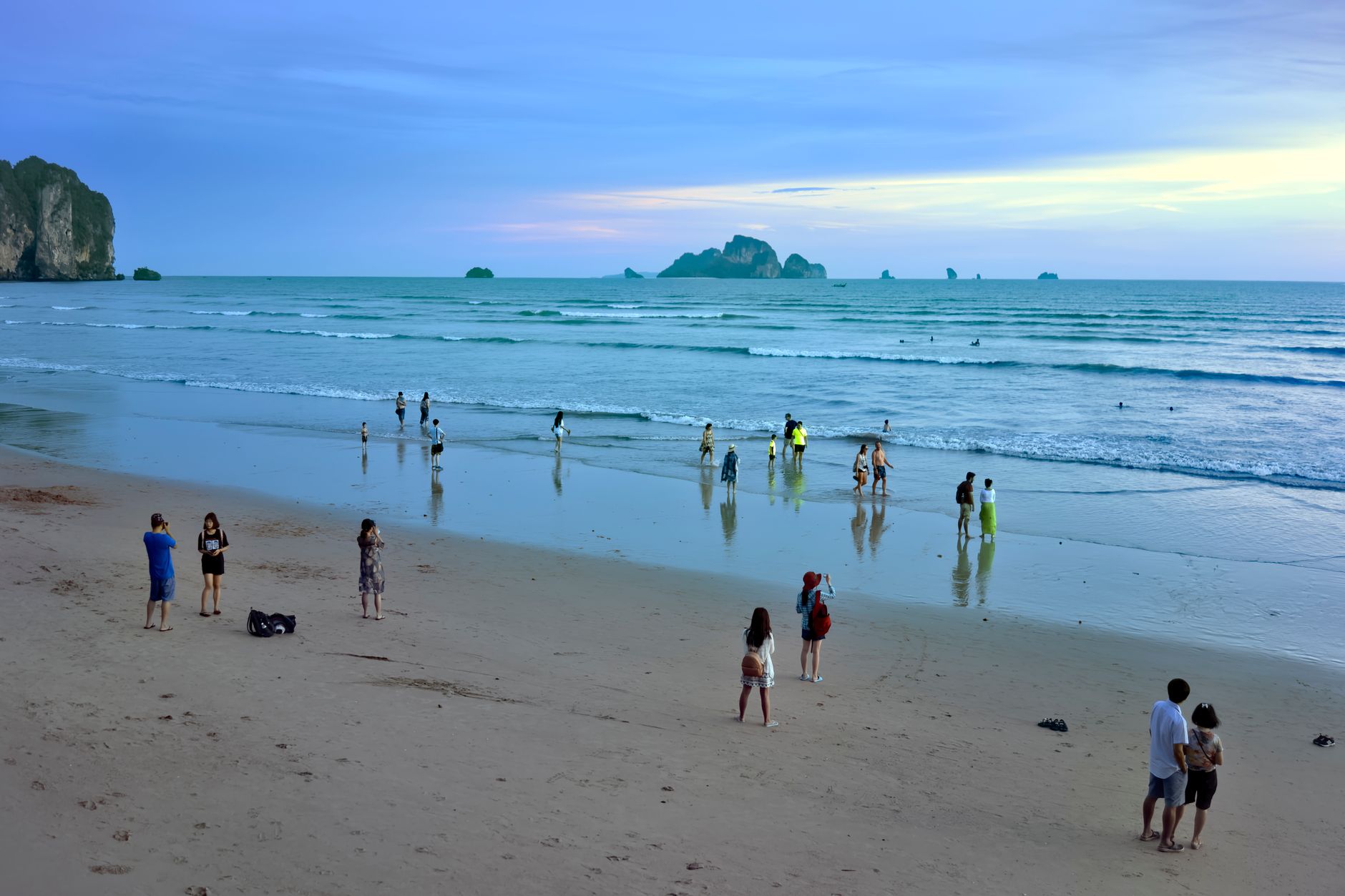
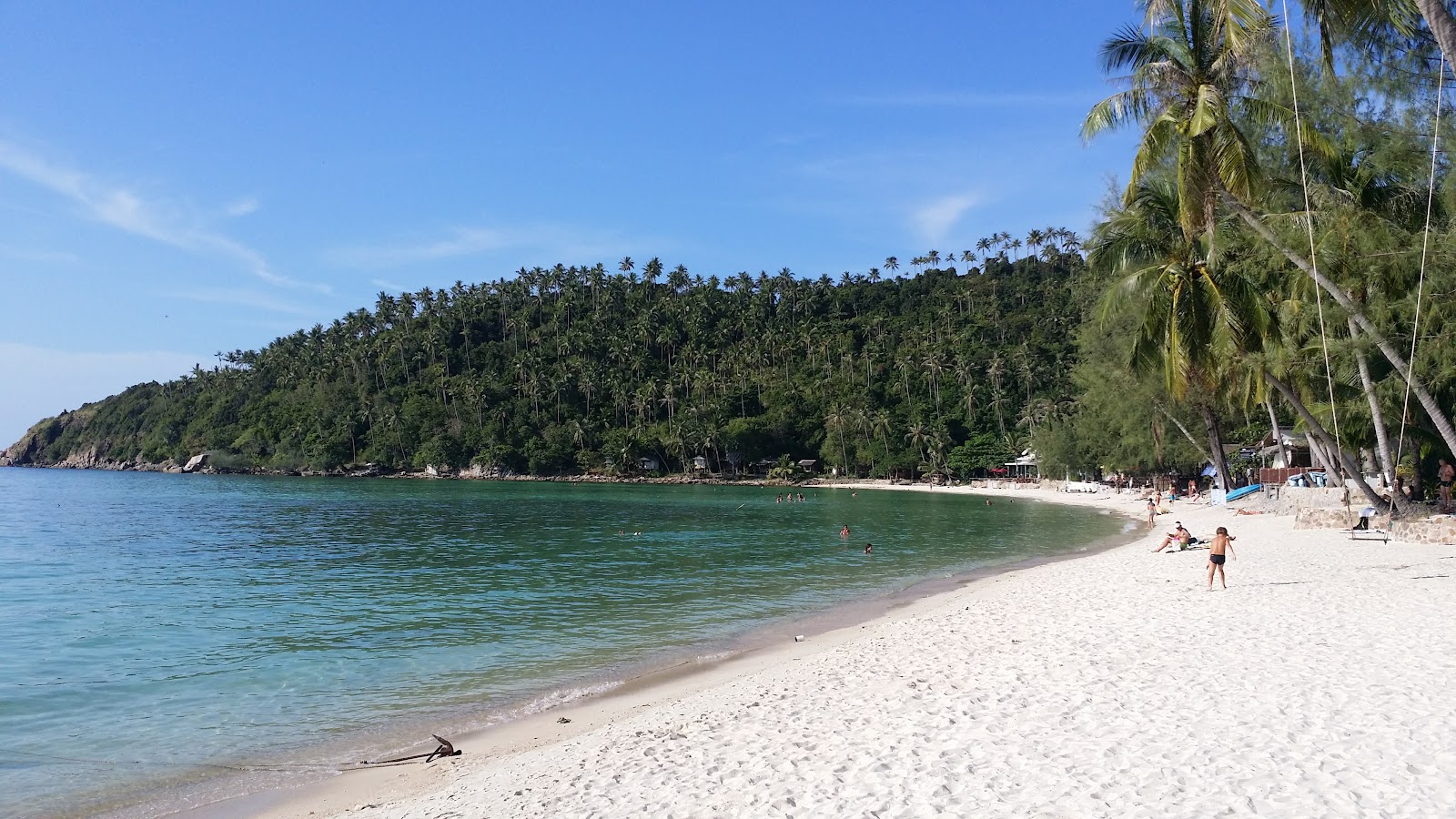
At country scale, Thailand spans tropical beaches in the south, forested highlands in the north around Chiang Mai, and a broad central plain where rice fields run to the horizon. The range is genuine — a week here barely scratches it.
Popular regions in Thailand
💛 What travellers fall for
People who keep coming back tend to anchor in Bangkok for a few days, then pick one direction. The north rewards slower travel — Chiang Mai and the road up to Doi Suthep, or east into Isaan where Prasat Hin Phimai stands with almost no crowd. The south is a different country altogether. Almost nobody tries to do all of it in one trip, and the ones who do usually wish they hadn't.
Roundtrips through Thailand

Deals in Thailand
Book directly at the provider

How Thailand came to be
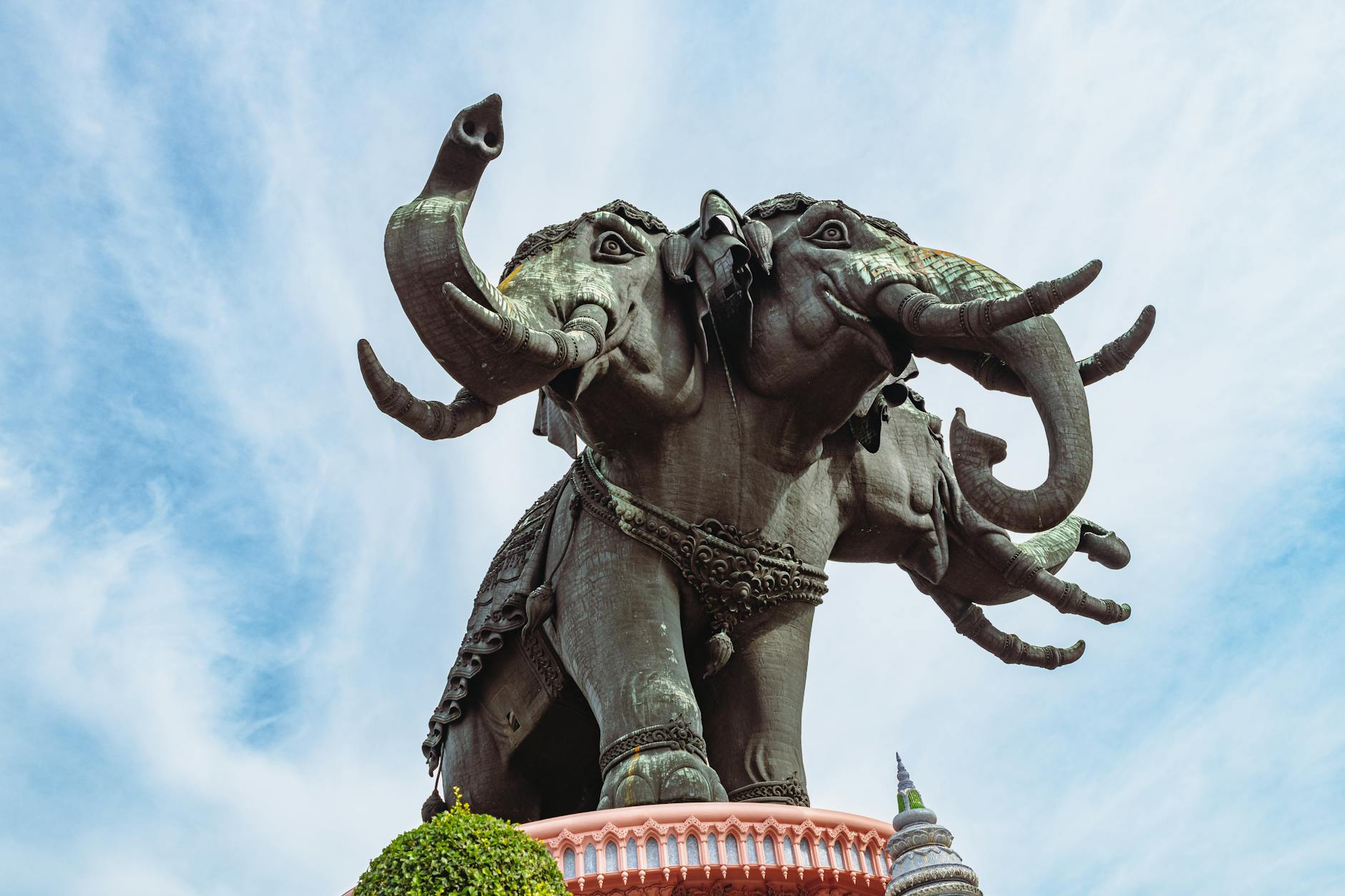
The story begins in 1238 when a Tai chieftain broke from Khmer rule and founded a kingdom at Sukhothai. Under King Ramkhamhaeng, that kingdom expanded into a trade-oriented society, and a stone inscription from 1292 — the earliest known writing in any Tai language — records its character. In 1351, King Uthong founded Ayutthaya, which grew into one of the wealthiest trading cities in the world before Burmese forces sacked it in 1767.
General Taksin reunified the fractured kingdom and established a capital at Thonburi, but it was Chao Phraya Chakri — later King Rama I — who founded the Chakri dynasty in 1782 and moved the capital across the river to Bangkok. The reforms of Rama IV and Rama V in the 19th century modernised the state while maintaining independence as European powers carved up the surrounding region. A bloodless revolution in 1932 brought constitutional monarchy, the system that governs today.
Who and what shaped it
People who shaped it
Landmark buildings
See Thailand in motion
Plan your visit
On the map
When to go
Most of Thailand has three seasons: a cool dry season from November to February, a hot season from March to May, and a monsoon from June to October. The cool season is the most comfortable for travel across the country, though even then the south can be wet depending on which coast you're on.
Right now
↡ Regions


↡ Attractions



No places match these filters.
Background & history adapted from Wikipedia (CC BY-SA) · specs from Wikidata (CC0) · weather from Open-Meteo · map data © OpenStreetMap contributors · photos from Wikimedia Commons / Unsplash with per-image credit. No third-party reviews or social posts reproduced.