
Koh Samui
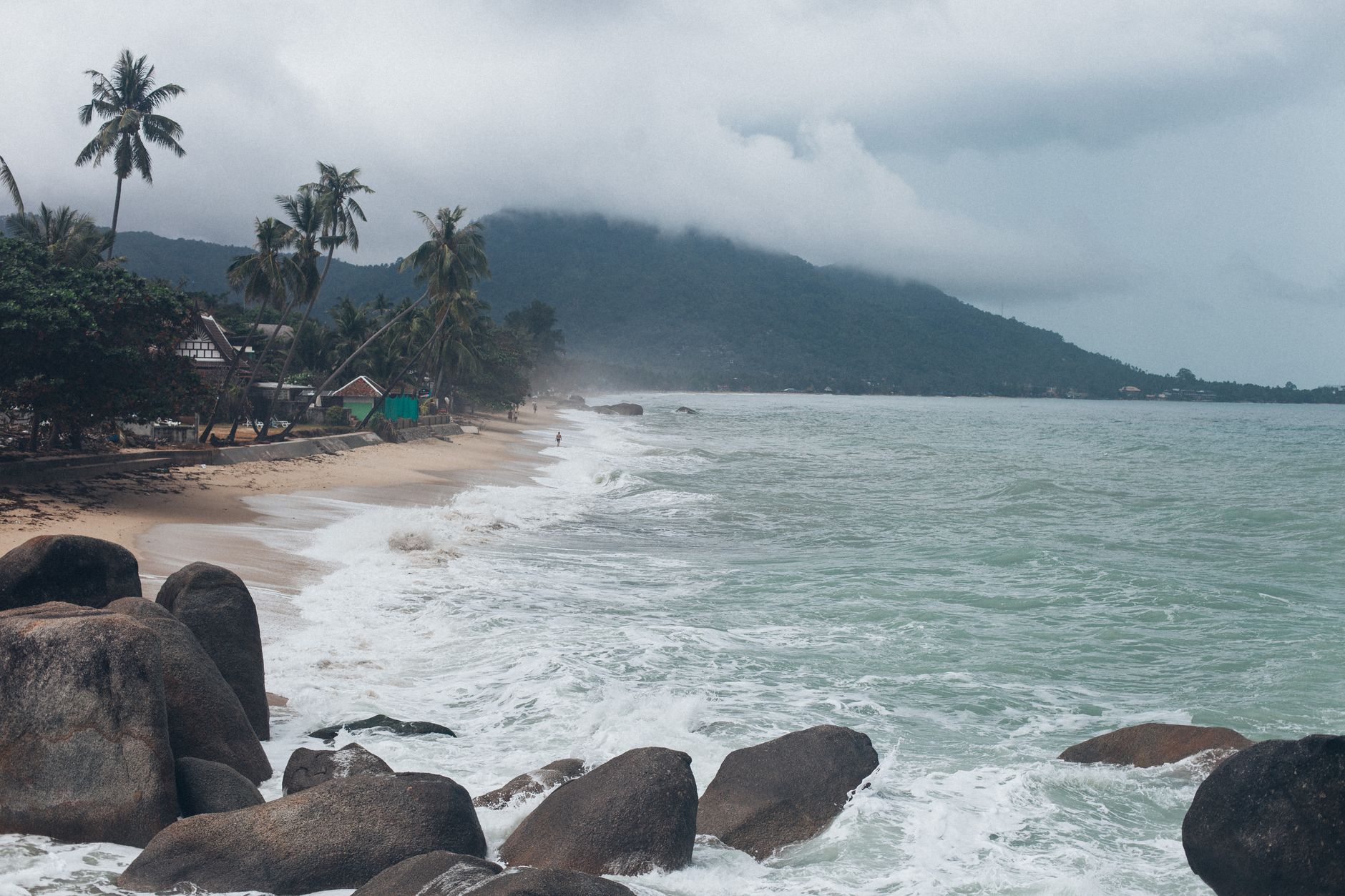
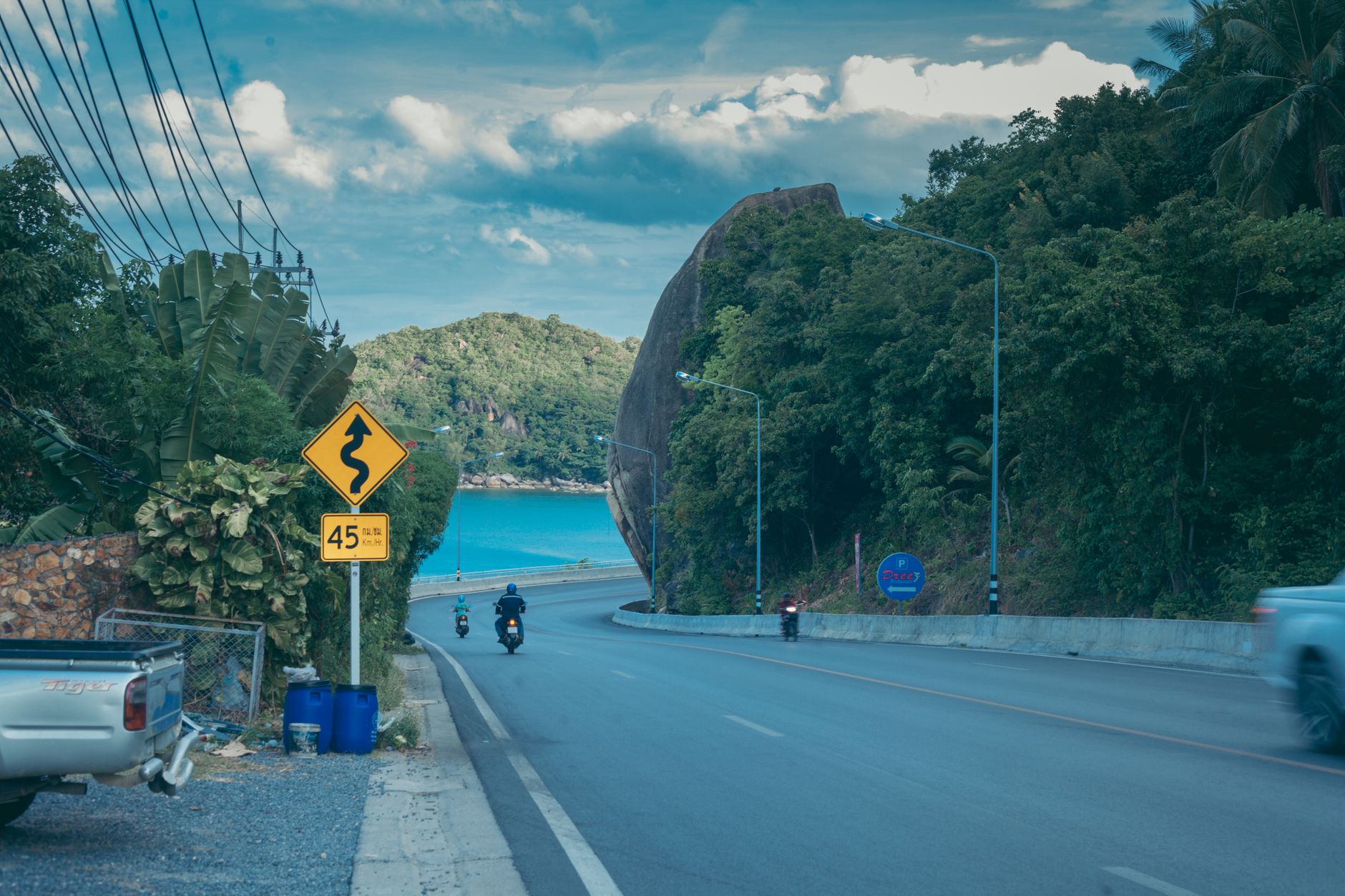
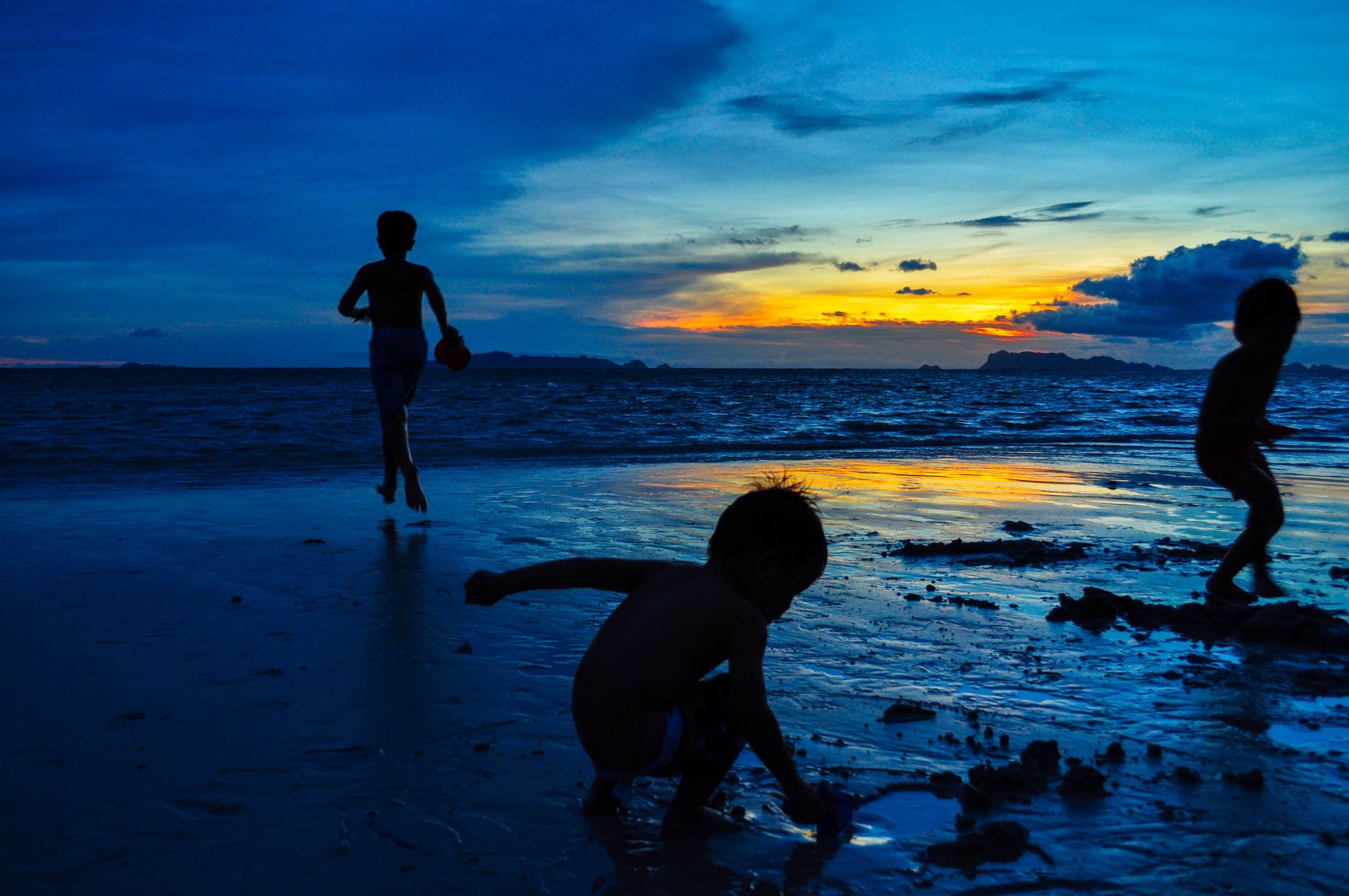
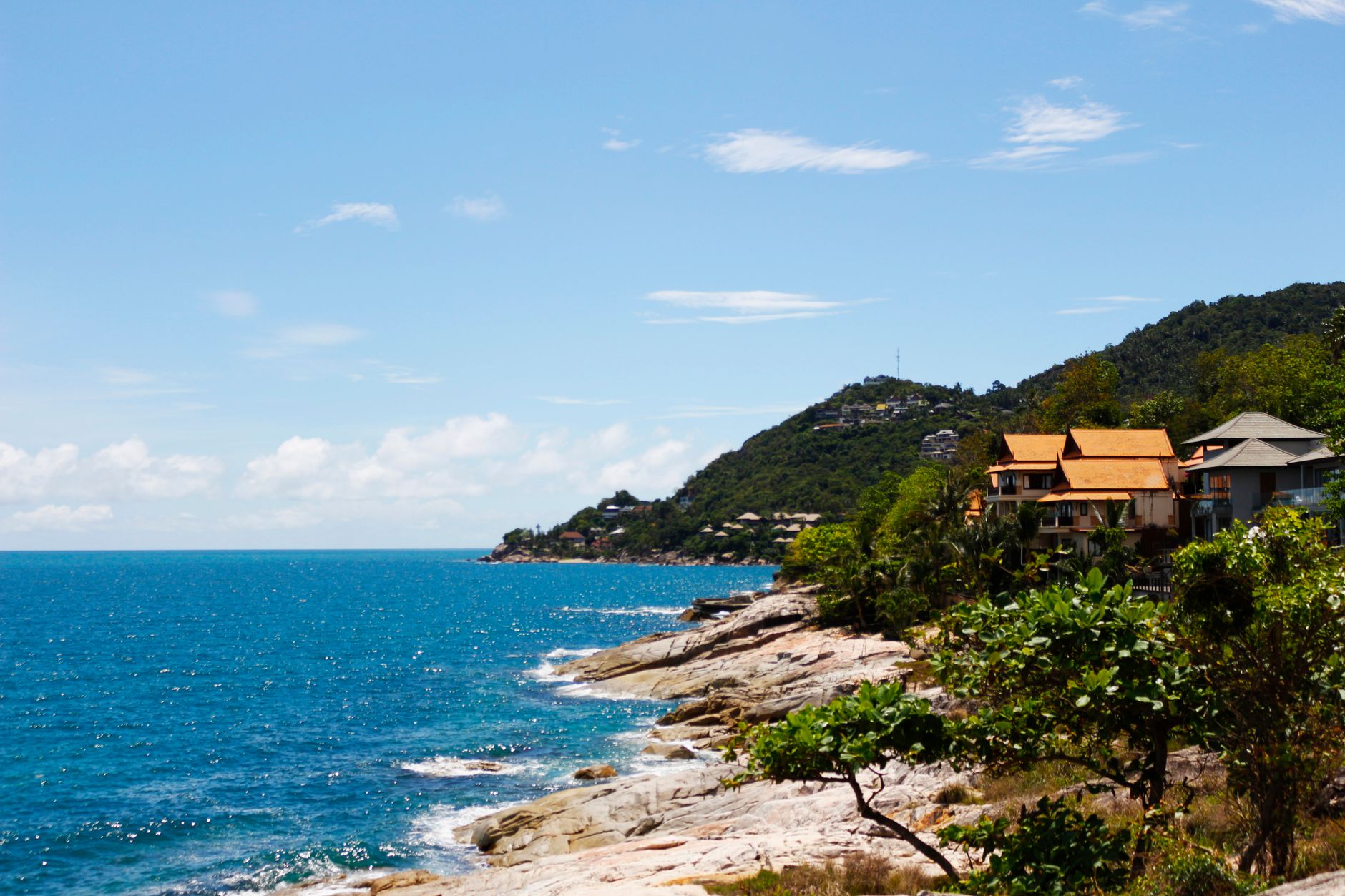
The airport tells you something straight away: thatched roofs, open-air pavilions, frangipani in the heat. Koh Samui does not ease you in gently. Within two kilometres you are in Chaweng, the island's main strip, where the full range of the place announces itself — beach clubs and 7-Elevens, longtail boats and yoga studios. It is an island that has absorbed a great deal of tourism and kept enough of itself to reward the curious.
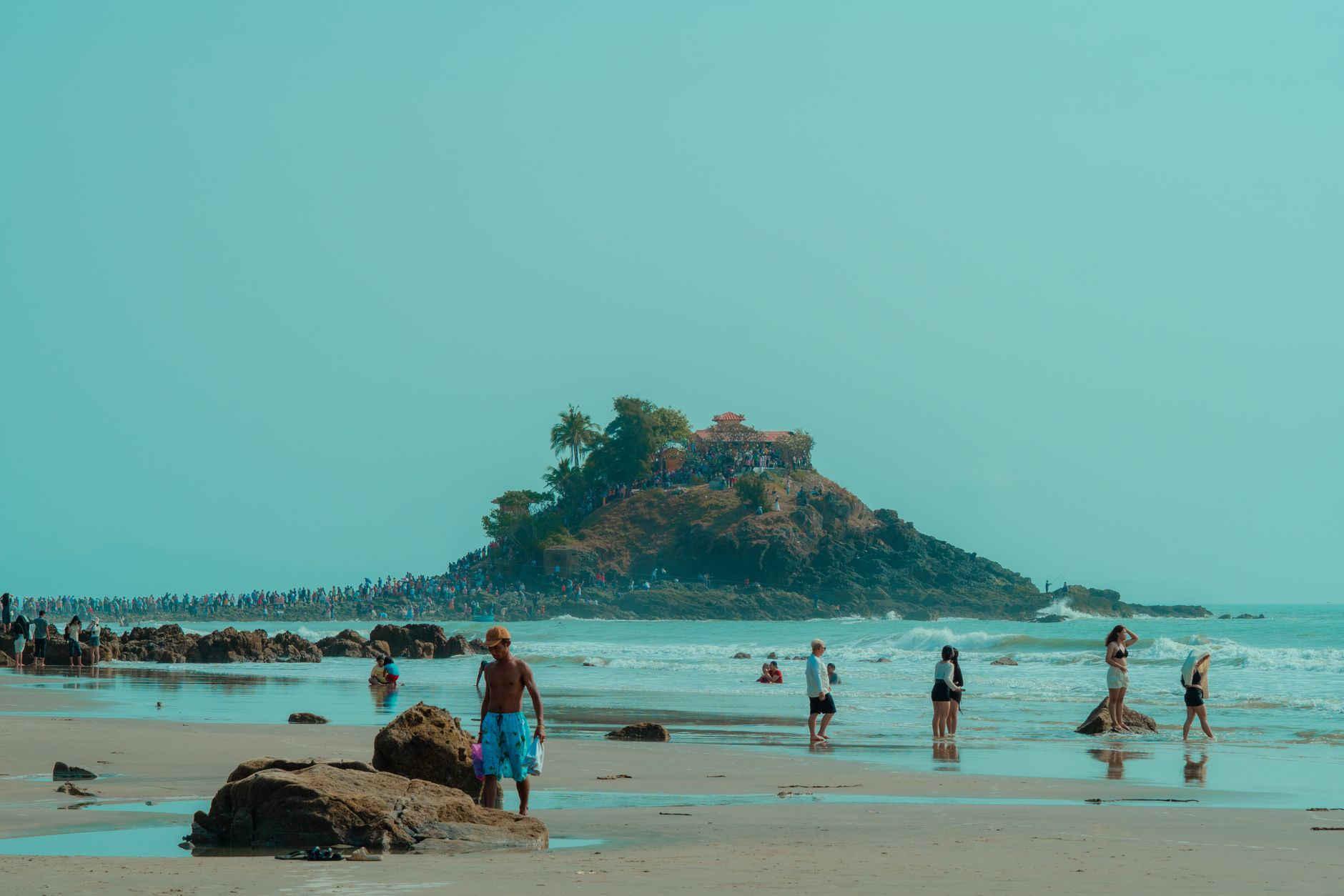
Get past the ring road and you find Chinese-Thai fishing villages with wooden shopfronts, jungle paths leading to a farmer's hand-carved Buddha garden, and temples built on small rocky islands connected by causeways. The density of the place is part of its character.
💛 What travellers fall for
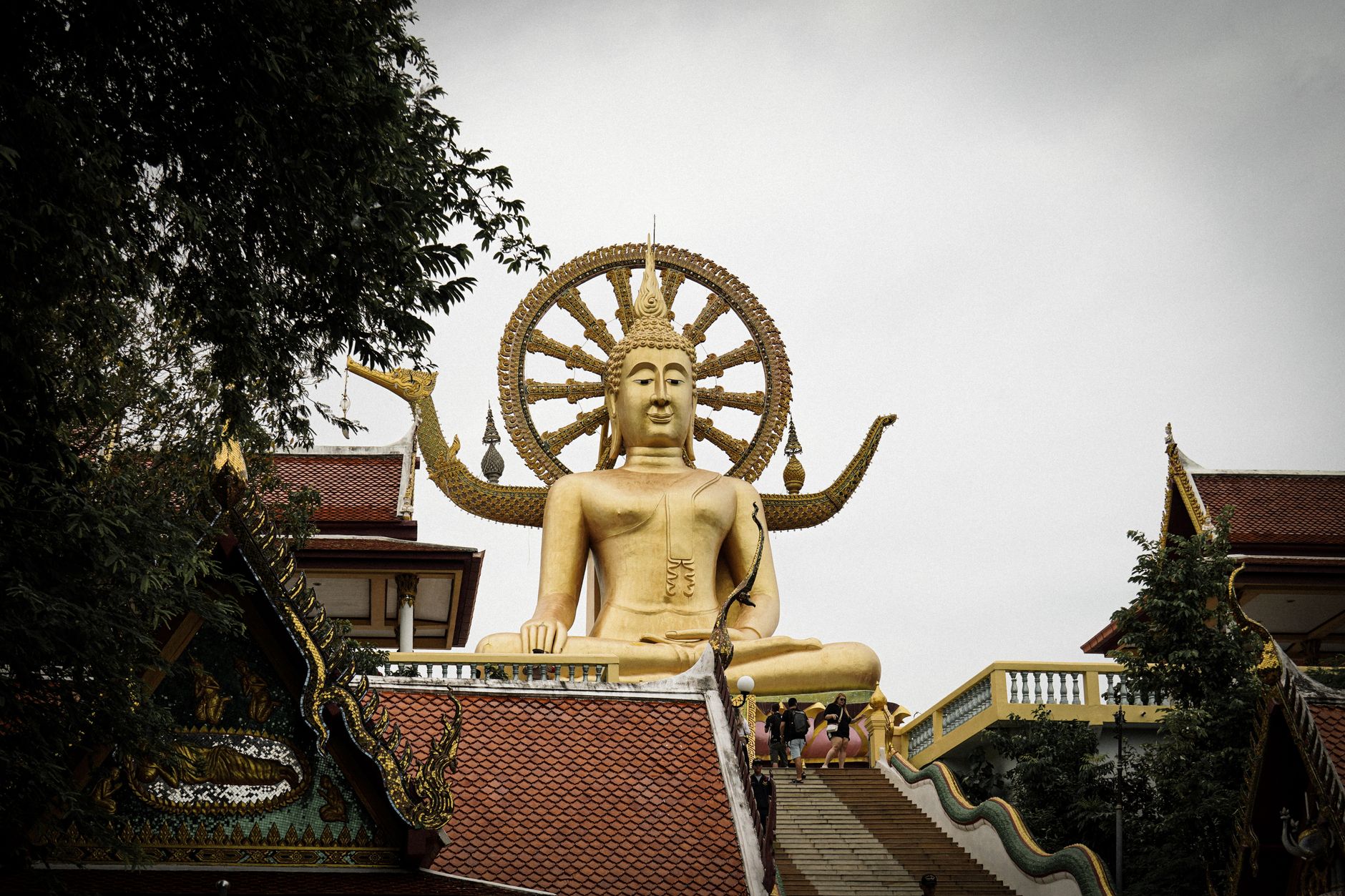
People who return tend to anchor themselves in Bophut rather than Chaweng — quieter, walkable, with the Friday night market a short stroll away. They hire a scooter for the ring road early in the morning before the heat builds, stop at Na Muang falls before the tour groups arrive, and treat Wat Phra Yai at dusk rather than midday.
How Koh Samui came to be
Fishermen from the Malay Peninsula and traders from southern China were here first, possibly as far back as 2,000 years ago, though the island appears on Chinese Ming Dynasty maps as 'Pulo Cornam' only in 1687. Chinese traders landed at Lipa Yai beach in the 1850s and built a shrine to the sea goddess there. As recently as the early 1970s, crossing the island's 15 kilometres meant a full day through jungle — there were no roads.
The ring road came in 1973. The Tourism Authority of Thailand drew up a development master plan in 1985. Then, in 1989, the founder of Bangkok Airways built a private airport and the decade that followed changed the island's scale entirely. Samui was granted municipal status in 2012 — a formal acknowledgement of what it had become.
Who and what shaped it
People who shaped it
Landmark buildings
See Koh Samui in motion
Plan your visit
On the map
When to go
Koh Samui runs on a tropical monsoon cycle, warm and humid year-round. The island's east-coast orientation means its rainy season peaks later than much of Thailand — roughly October through December — while the Gulf coast stays calmer from January through August.
Right now
Background & history adapted from Wikipedia (CC BY-SA) · specs from Wikidata (CC0) · weather from Open-Meteo · map data © OpenStreetMap contributors · photos from Wikimedia Commons / Unsplash with per-image credit. No third-party reviews or social posts reproduced.