
Australia




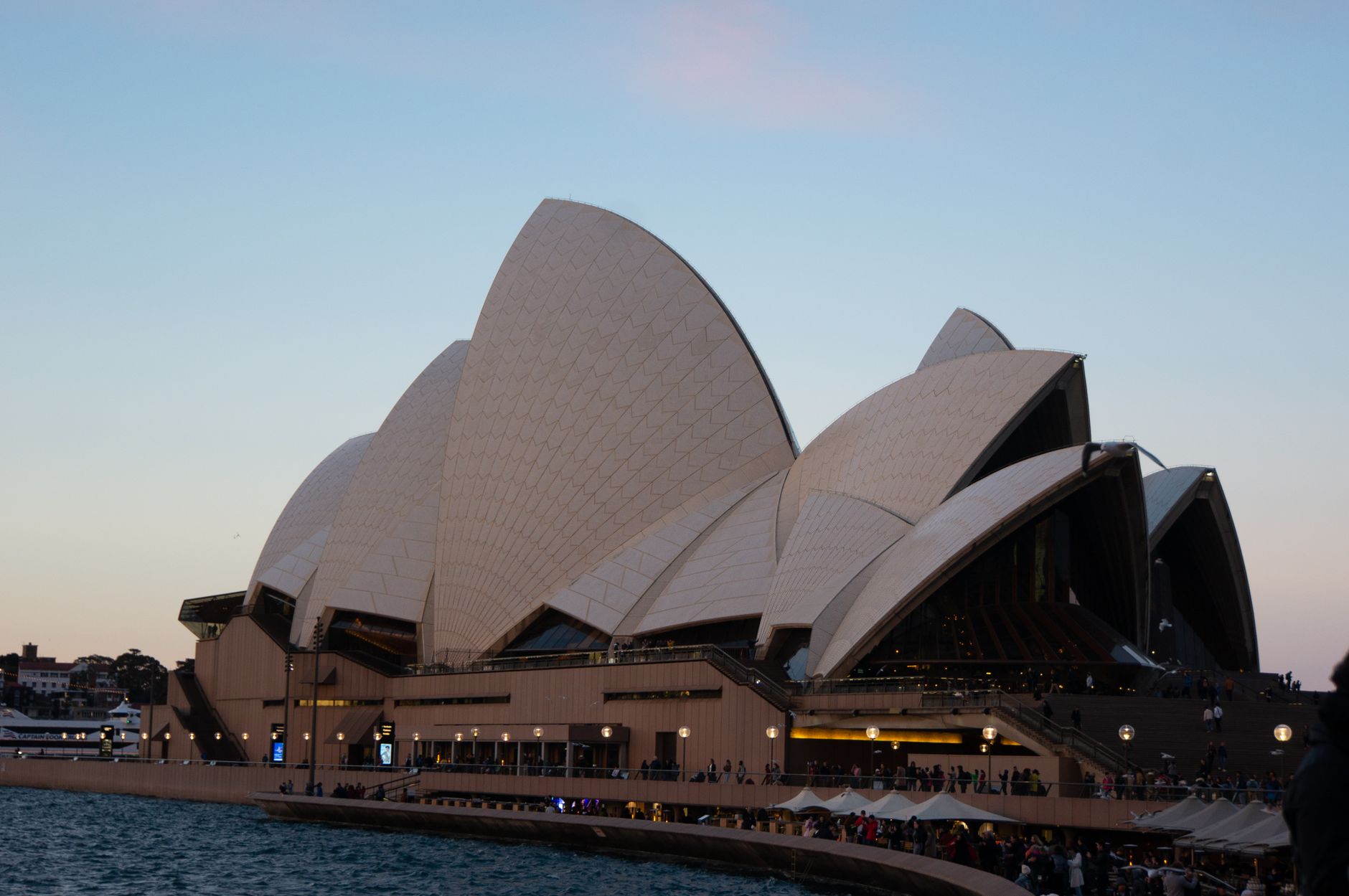

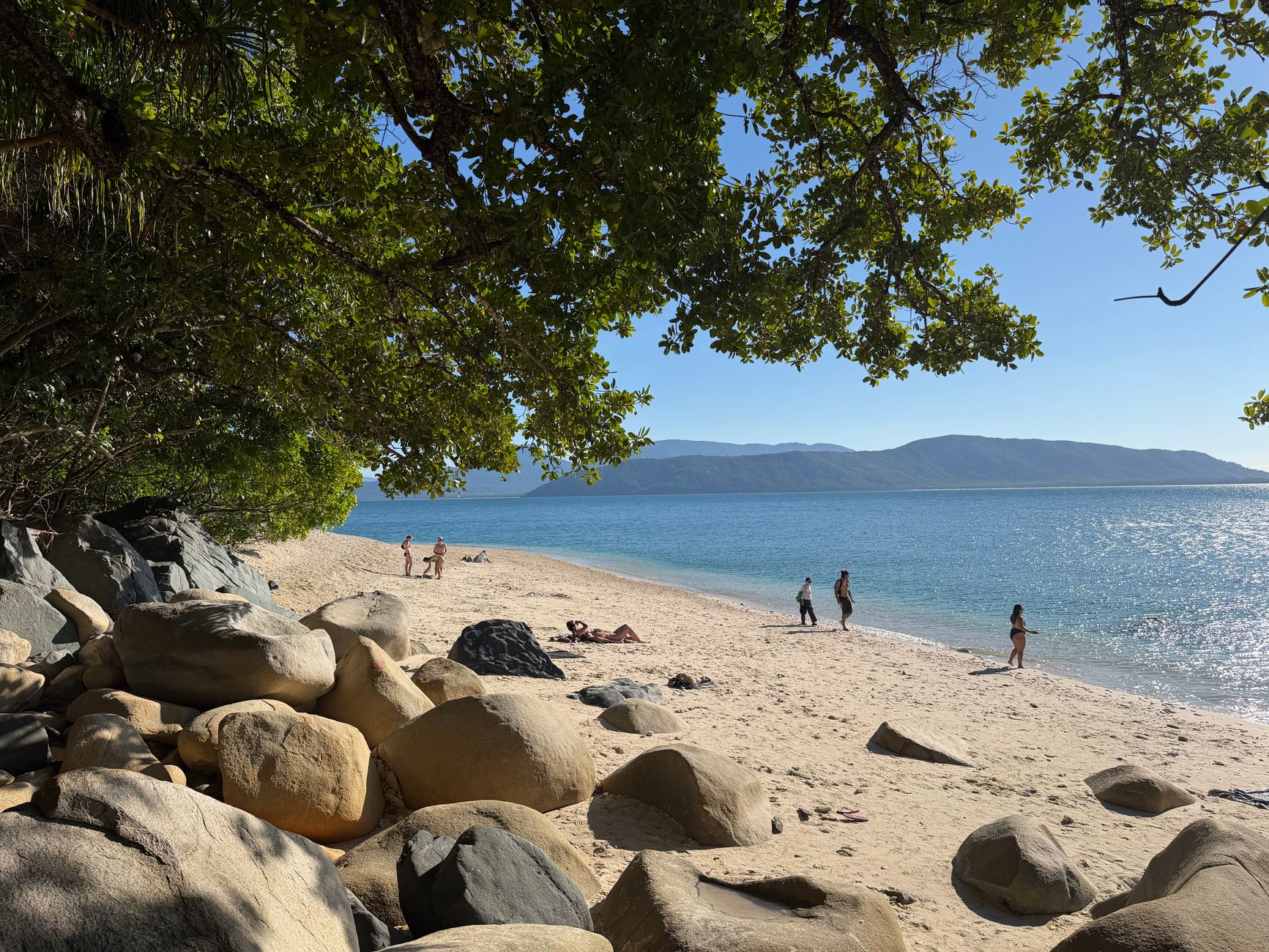
Australia is continental in every sense — not just in size, but in the range of what it asks of you. The east coast runs through rainforest and reef; the red centre bakes under skies that make distances feel invented; the south holds temperate cities where trams still run down the middle of the street. Aboriginal Australians have been here for up to 65,000 years, making this one of the longest continuously inhabited places on earth, and that fact sits underneath everything else you'll encounter.
At country scale, the practical truth is that you choose a region and go deep rather than skimming all of it. The distances are genuinely vast — Sydney to Perth is roughly the distance from London to Tehran.
Experiences you don't want to miss




Deals in Australia
Book directly at the provider

How Australia came to be
People have been moving through this continent for somewhere between 50,000 and 65,000 years, arriving from Maritime Southeast Asia long before European cartographers had any idea the place existed. Dutch navigators mapped stretches of the western and southern coasts in the 17th century, calling it New Holland. Then in 1770, Captain James Cook charted the east coast and claimed it for Great Britain.
The colonial chapter opened sharply on 26 January 1788, when Captain Arthur Phillip brought eleven ships into Sydney Cove — a fleet carrying convicts and the machinery of a new settlement. The name Australia replaced New Holland officially in 1817, and on 1 January 1901 six former British colonies federated into the Commonwealth of Australia.
Who and what shaped it
People who shaped it
Landmark buildings
See Australia in motion
Plan your visit
On the map
When to go
The south — Sydney, Melbourne, Adelaide — follows a conventional four-season pattern, with summers running December to February (up to 26°C) and mild winters in June through August. The tropical north around Darwin and Cairns splits into a wet season of monsoonal rains from November to April and a dry season of warm, clear days from May to October; the outback centre can top 38°C in summer, while July nights drop sharply.
Right now
↡ Cities







No places match these filters.
Background & history adapted from Wikipedia (CC BY-SA) · specs from Wikidata (CC0) · weather from Open-Meteo · map data © OpenStreetMap contributors · photos from Wikimedia Commons / Unsplash with per-image credit. No third-party reviews or social posts reproduced.