
Cairns
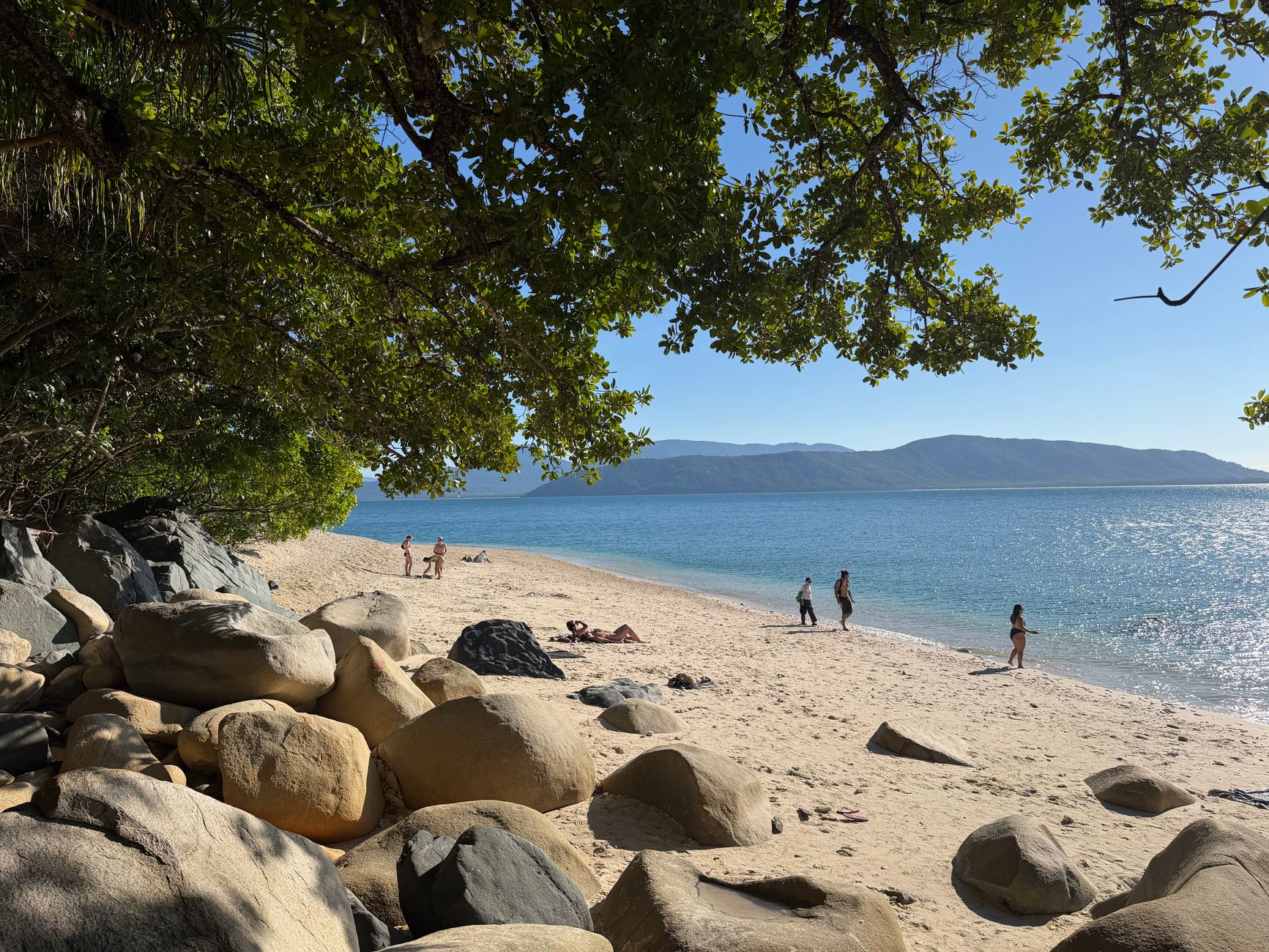
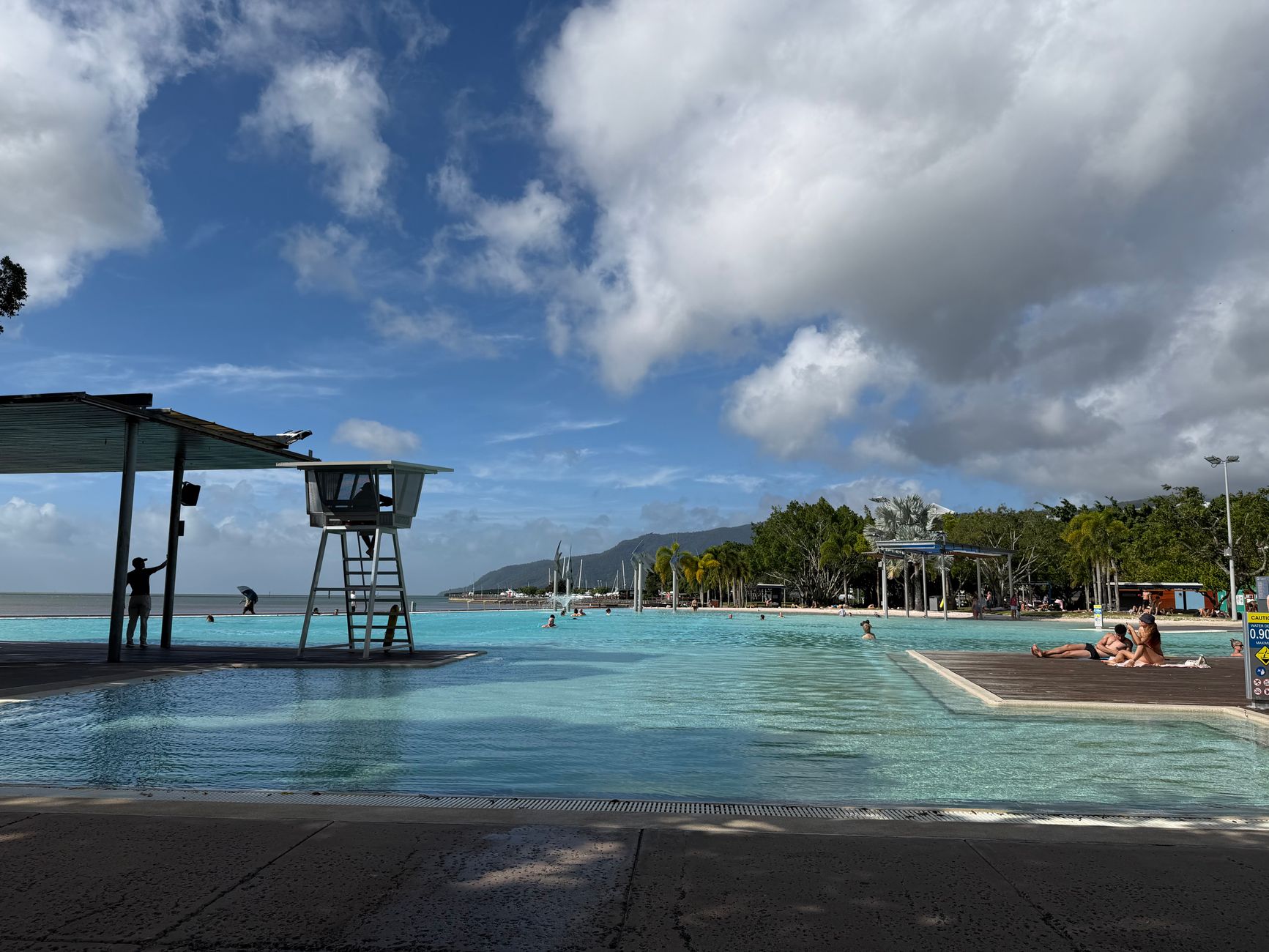
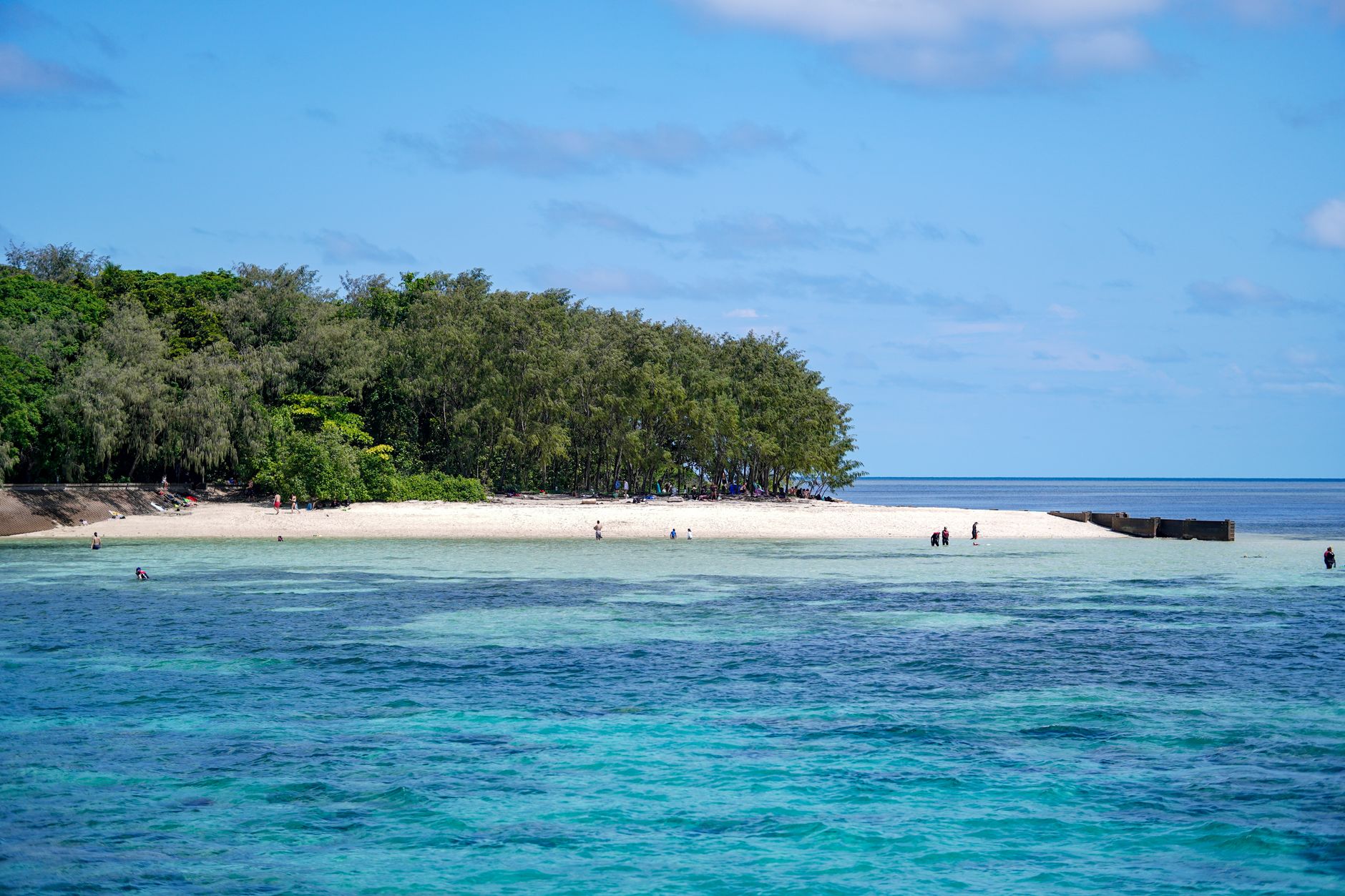
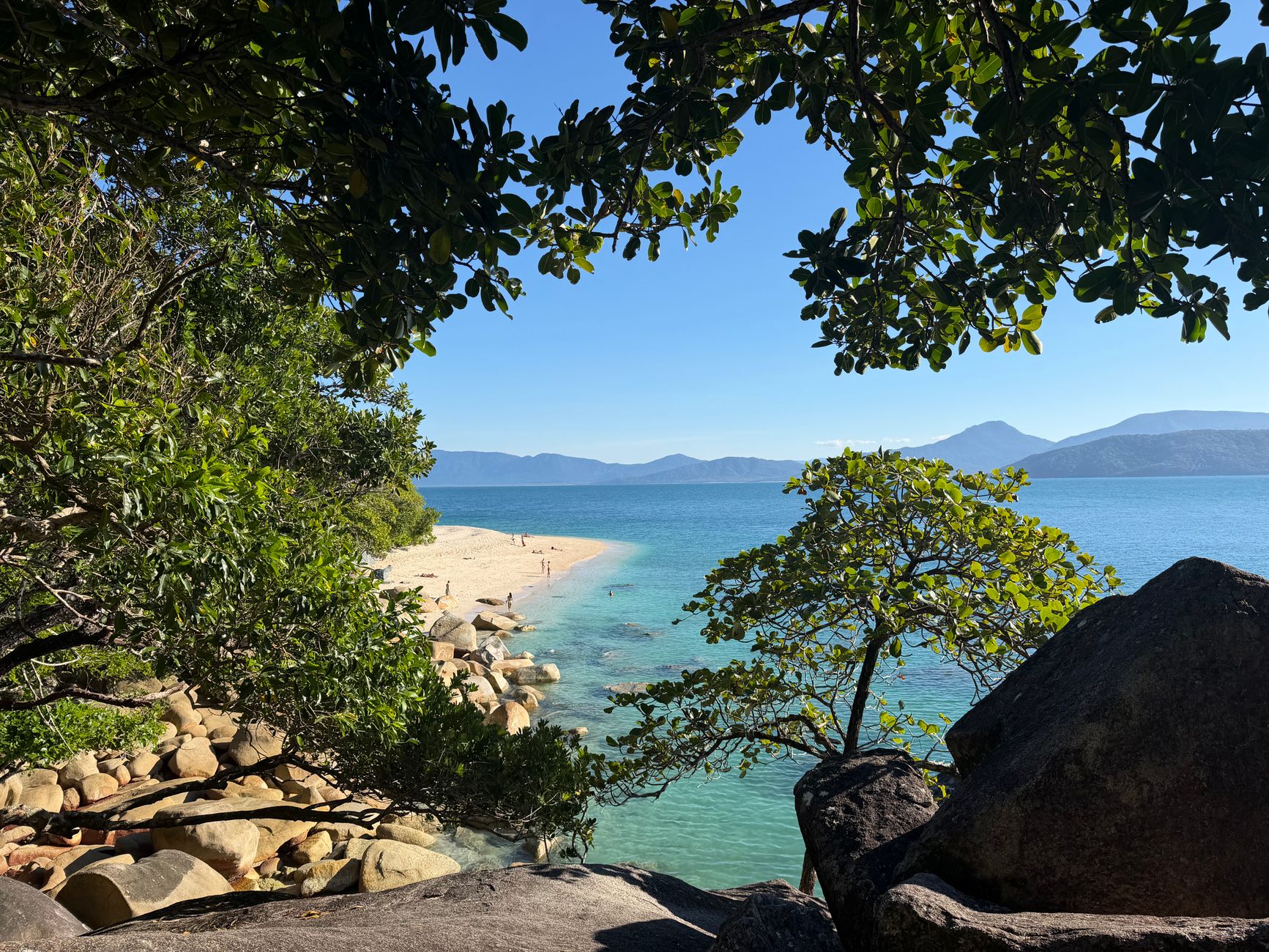
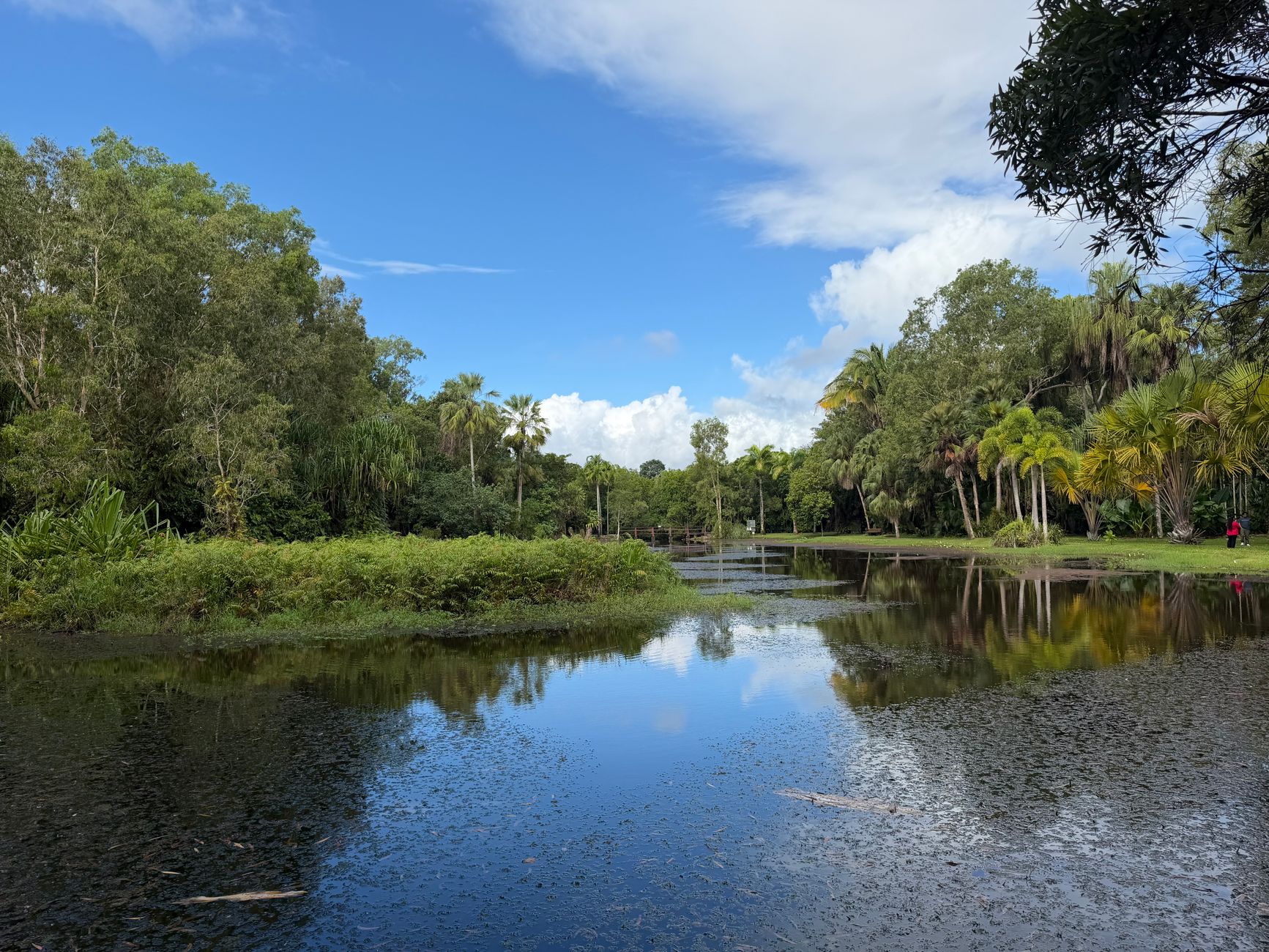
Cairns sits at the edge of two World Heritage wonders — the Great Barrier Reef offshore and the Daintree Rainforest at its back — and that geography shapes everything about it. The Esplanade Lagoon, a 4,800-square-metre saltwater pool on the foreshore, is where you'll find locals swimming at dusk with Trinity Inlet spreading out behind them, the light going gold over the mangroves.
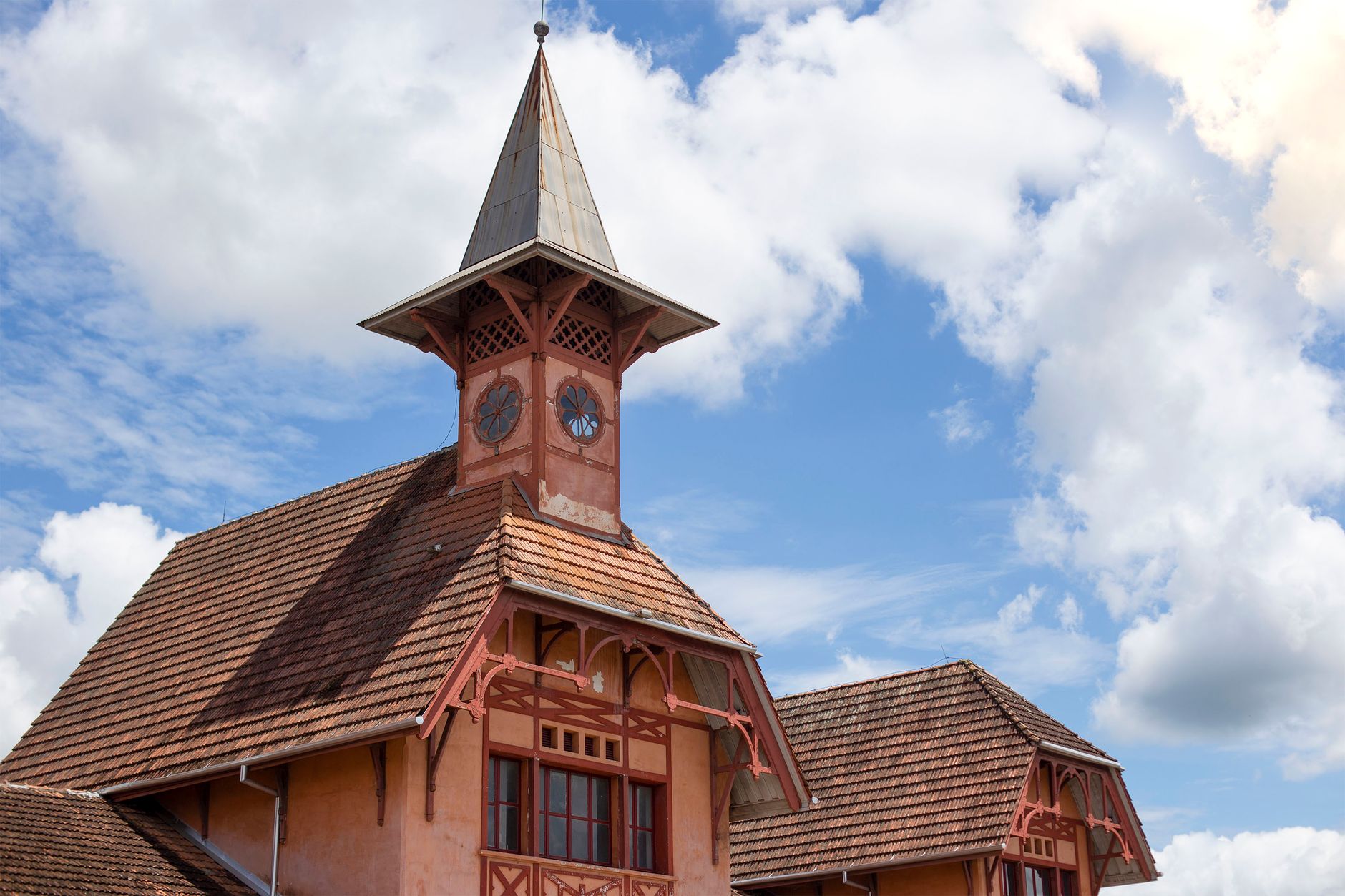
Beyond the reef trips and the Kuranda Scenic Railway threading 34 kilometres through rainforest, Cairns has been quietly accumulating texture: graffiti-lined laneways, record stores, artisanal coffee in heritage buildings. Rusty's Markets, running since February 1975, still anchors the weekend. St Monica's Cathedral holds what are said to be the largest themed stained-glass windows of their type in the world.
💛 What travellers fall for
People who keep coming back tend to mention the same few things: ride the Skyrail cableway to Kuranda in the morning before the tour groups arrive, stop at Barron Falls after heavy rain when the drop is at its most dramatic, then find your way to Blackbird Laneway for coffee on the way home. The Cairns Art Gallery — once a government savings bank — is worth an hour no one regrets.
Experiences you don't want to miss



Deals in Cairns
Book directly at the provider

How Cairns came to be
Cairns was founded in 1876 — named after Governor Sir William Wellington Cairns following gold discoveries on the Hodgkinson River — and grew fast enough to need a harbour board by 1906 and city status by 1923. Its first mayor, R.A. Kingsford, was elected in 1885, when the registered population was still measured in hundreds.
The Second World War brought a different kind of scale: Cairns became a staging ground for Allied Forces during the Battle of the Coral Sea, leaving a military imprint on a town that had been essentially a port and a railhead. The international airport opened in 1984, and tourism gradually overtook sugar and timber as the city's reason for being.
Who and what shaped it
People who shaped it
Landmark buildings
See Cairns in motion
Plan your visit
On the map
When to go
June through August delivers the most comfortable conditions — clear skies, days around 21–25°C, and sea temperatures still warm enough to swim. From December through April the heat climbs past 35°C, rainfall can hit 480mm in a single month, and both cyclones and venomous jellyfish (box jellyfish and Irukandji) make coastal water dangerous.
Right now
Background & history adapted from Wikipedia (CC BY-SA) · specs from Wikidata (CC0) · weather from Open-Meteo · map data © OpenStreetMap contributors · photos from Wikimedia Commons / Unsplash with per-image credit. No third-party reviews or social posts reproduced.