
Guatemala
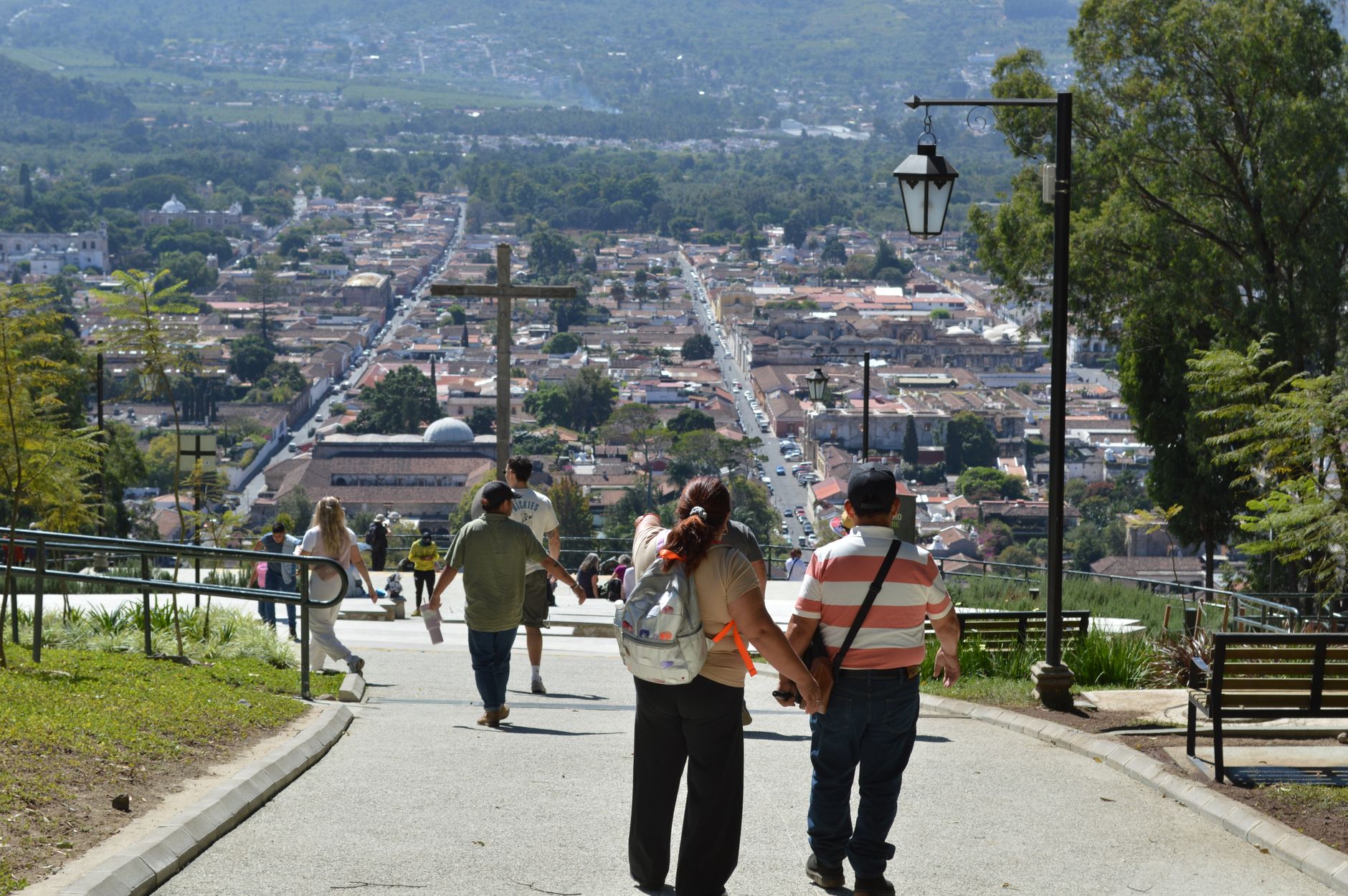
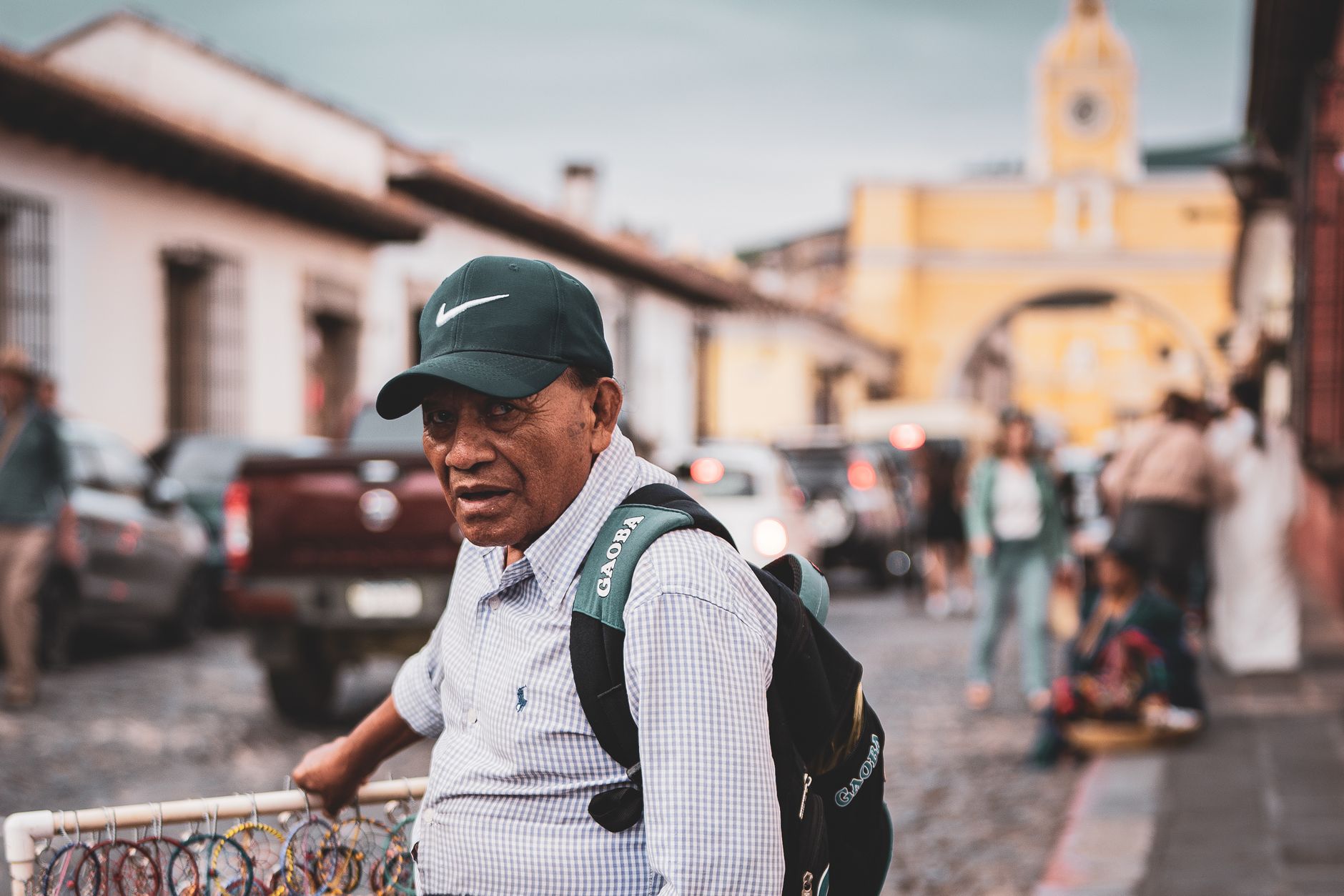
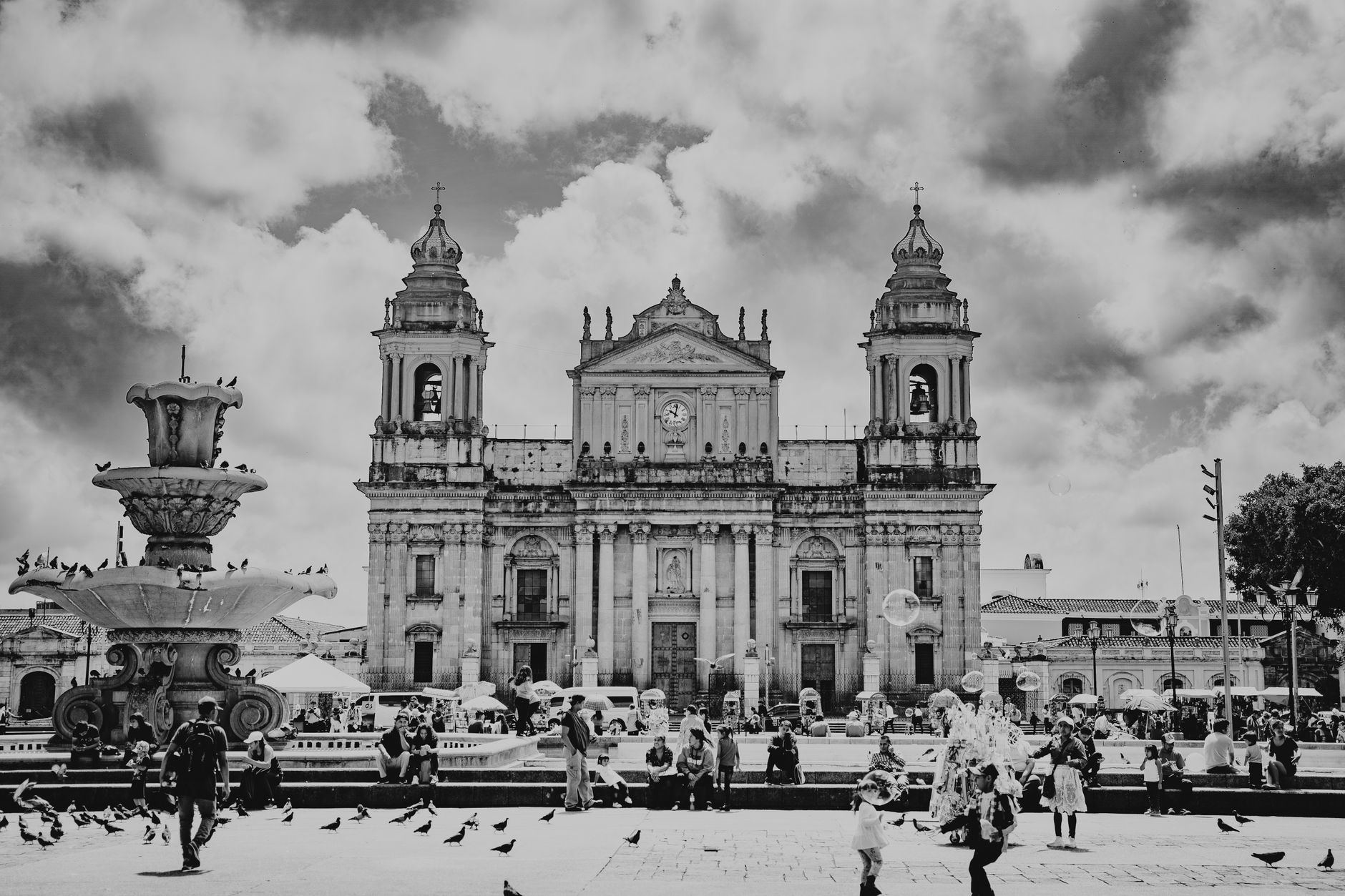
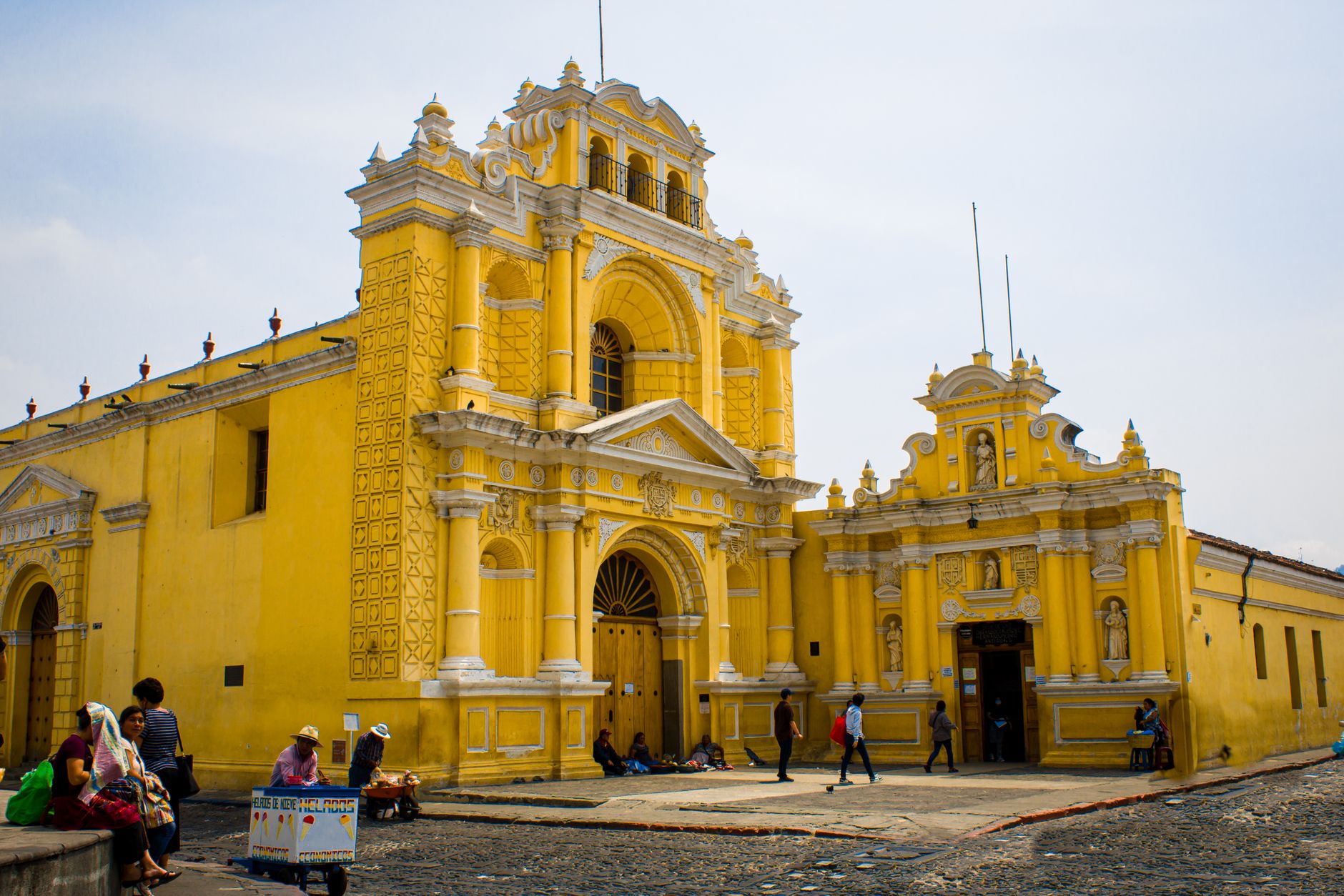
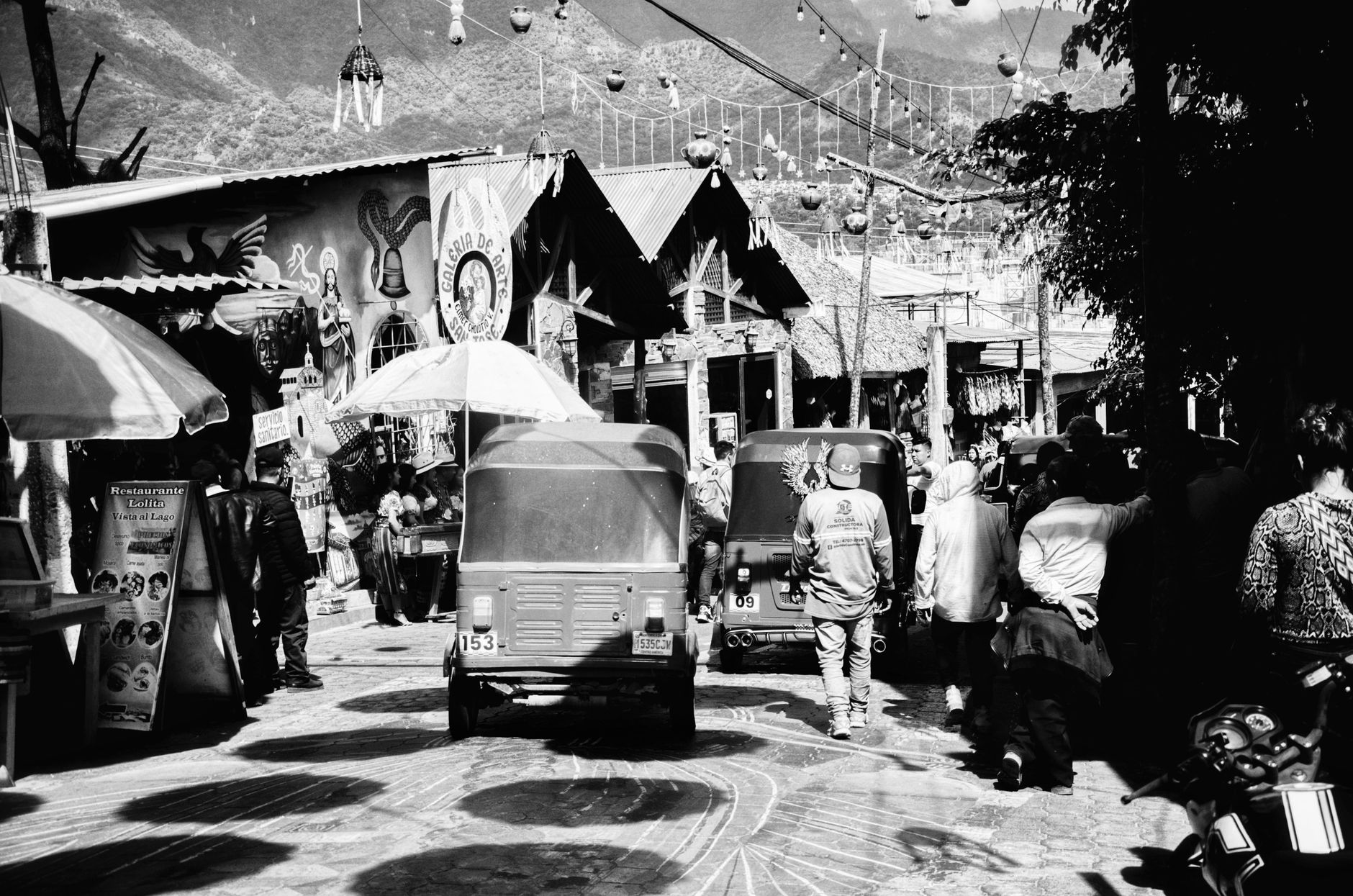
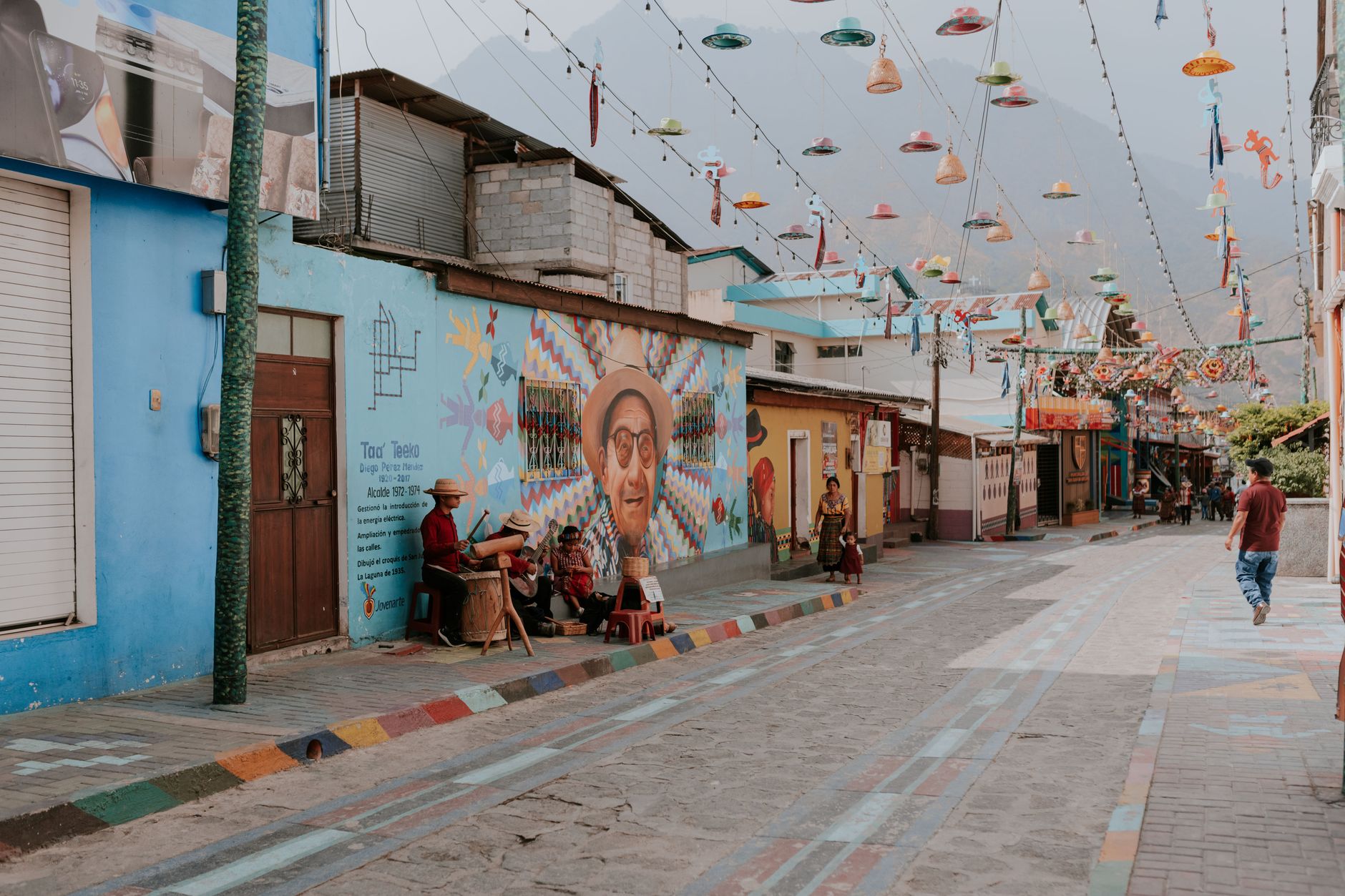
Guatemala is a country where the ancient and the contemporary press up against each other with unusual force. You can stand at the foot of a pyramid older than most European cathedrals, then drive two hours to walk cobblestone streets laid down by Spanish colonists. The Maya civilization was not a chapter that closed — roughly half the population today is indigenous Maya, speaking one of more than twenty languages.
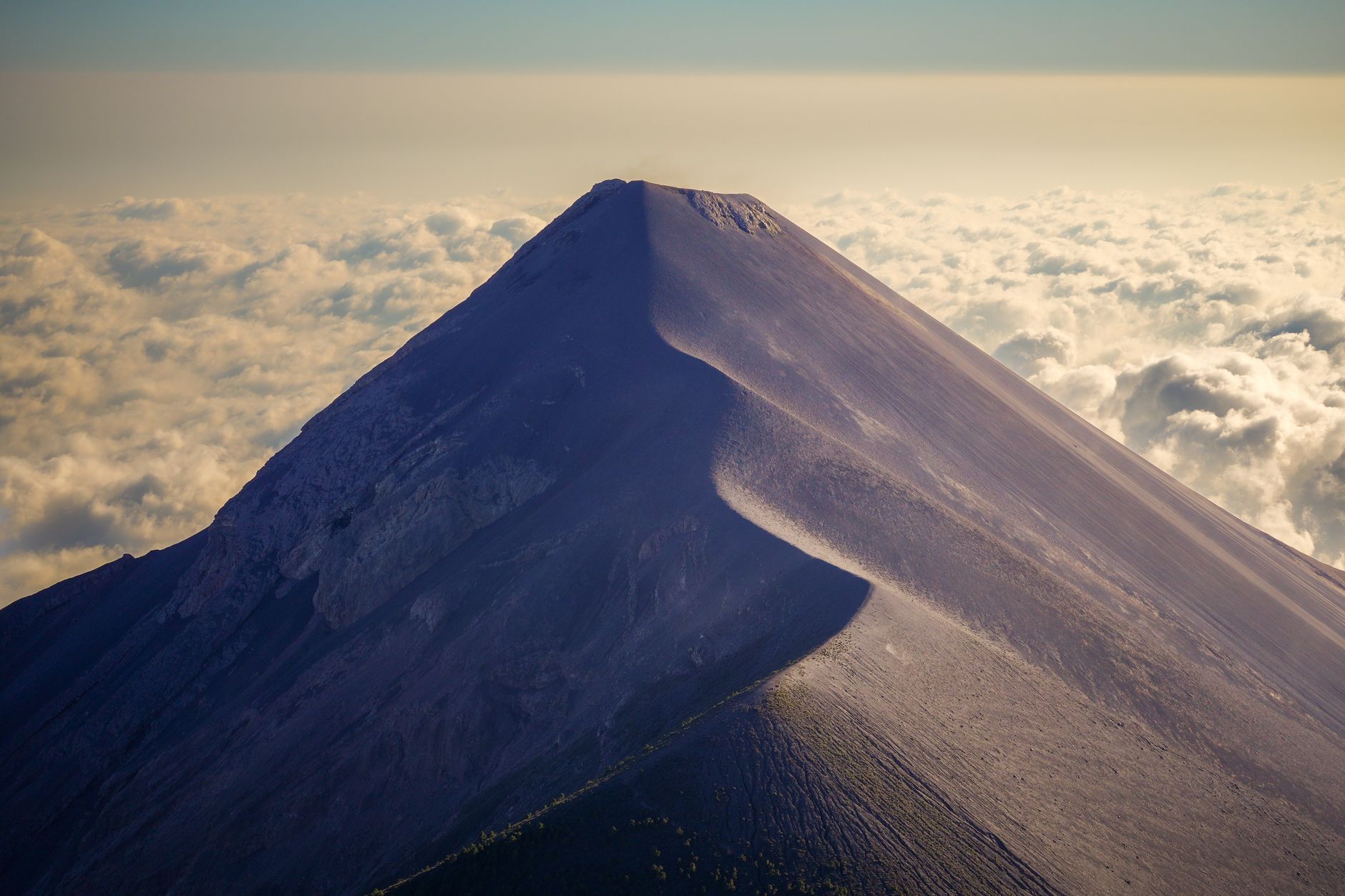
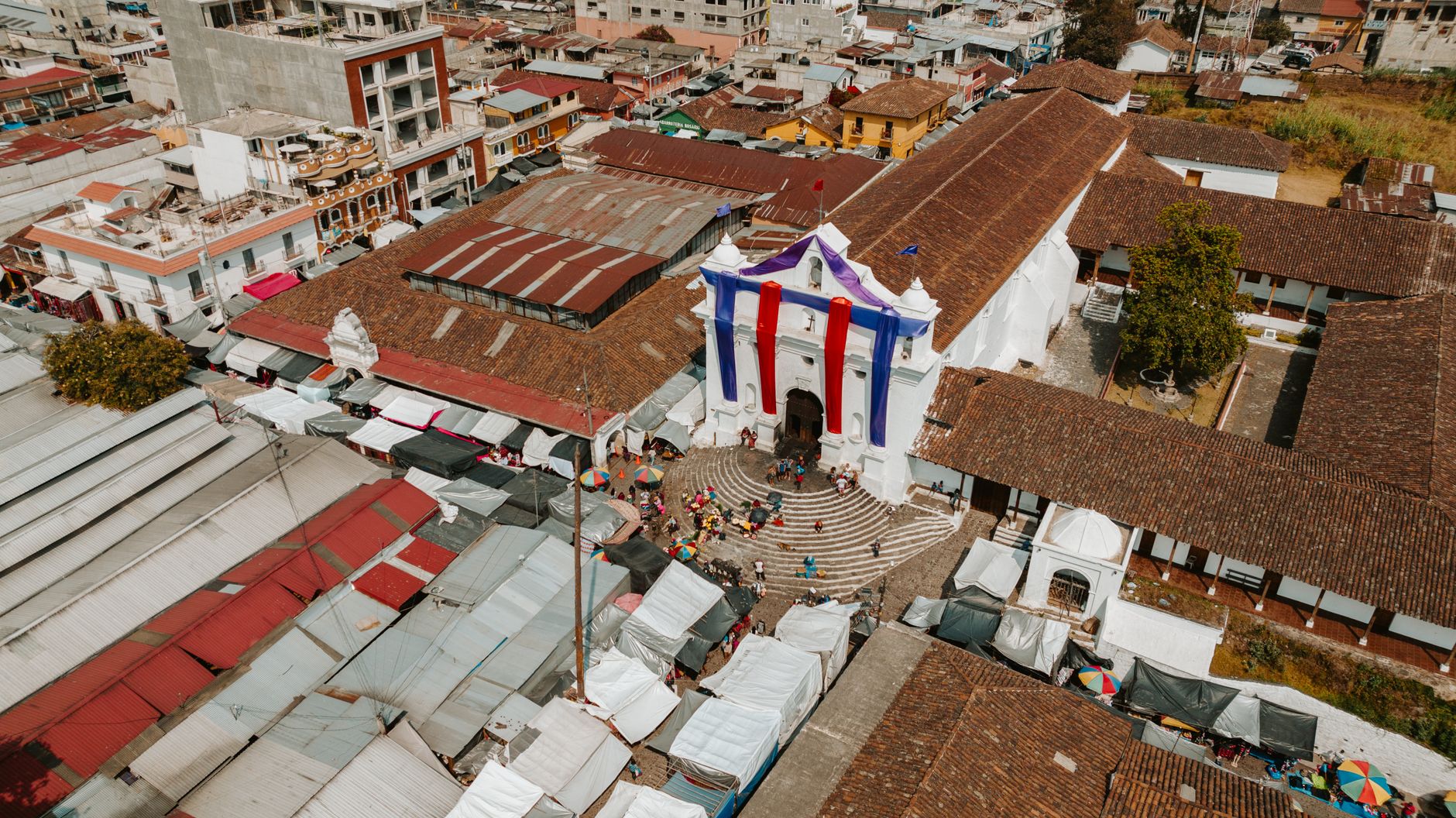
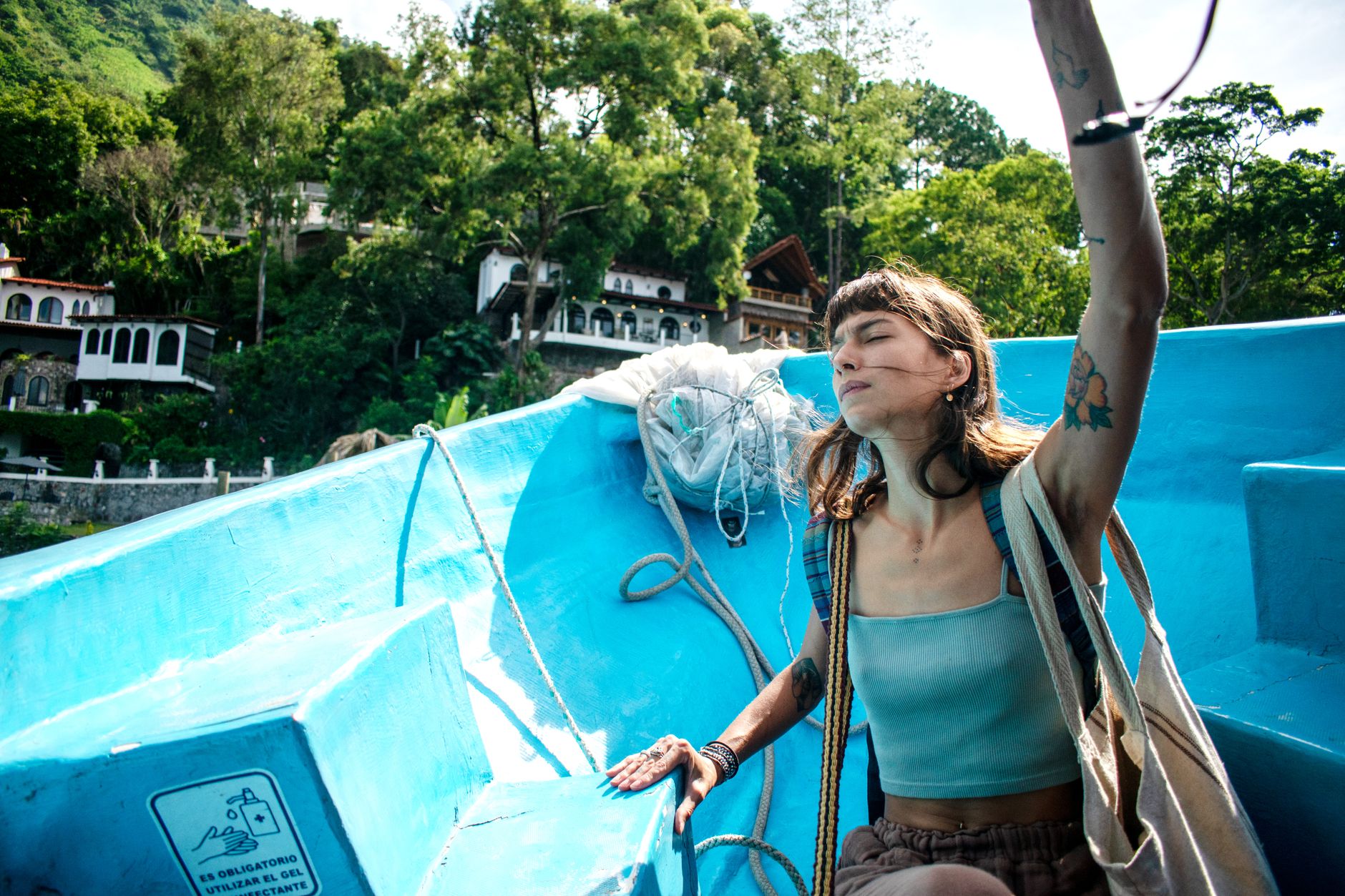
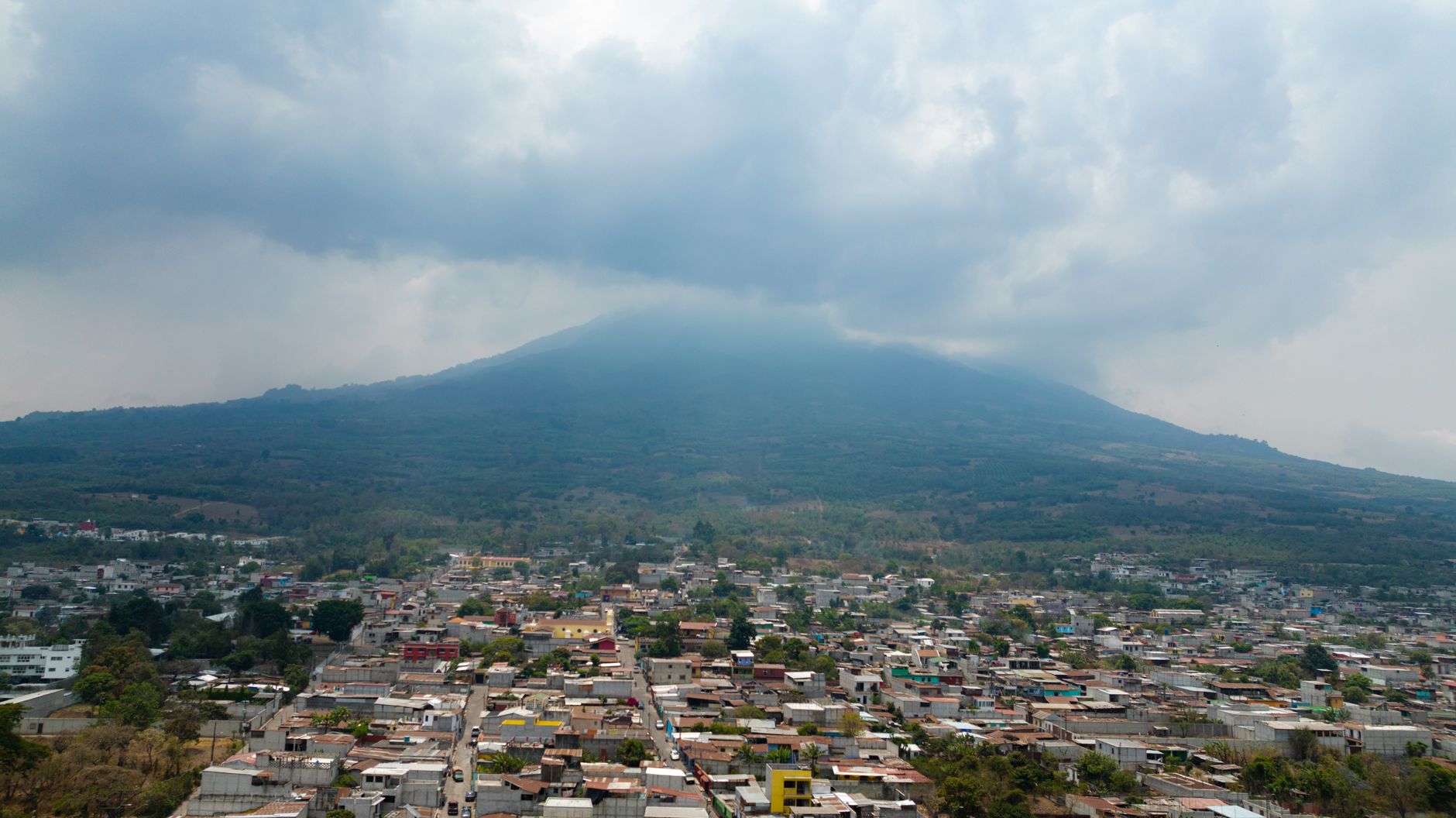
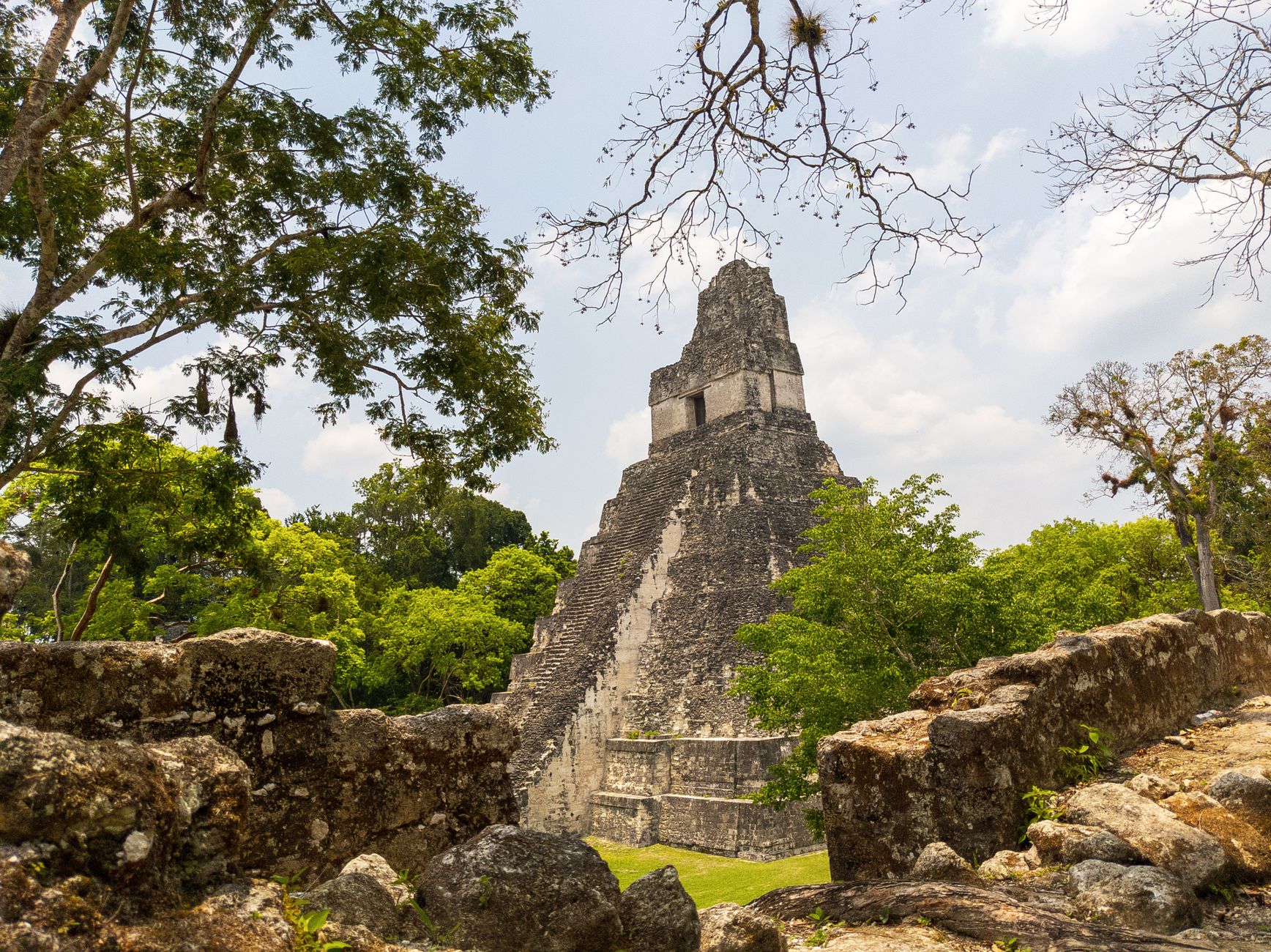
Tikal's jungle canopy, the volcanic silhouette above Lake Atitlán, the twice-weekly market at Chichicastenango, the earthquake-scarred baroque facades of Antigua — these are not interchangeable backdrops. Each rewards the traveller who slows down.
Popular regions in Guatemala
💛 What travellers fall for
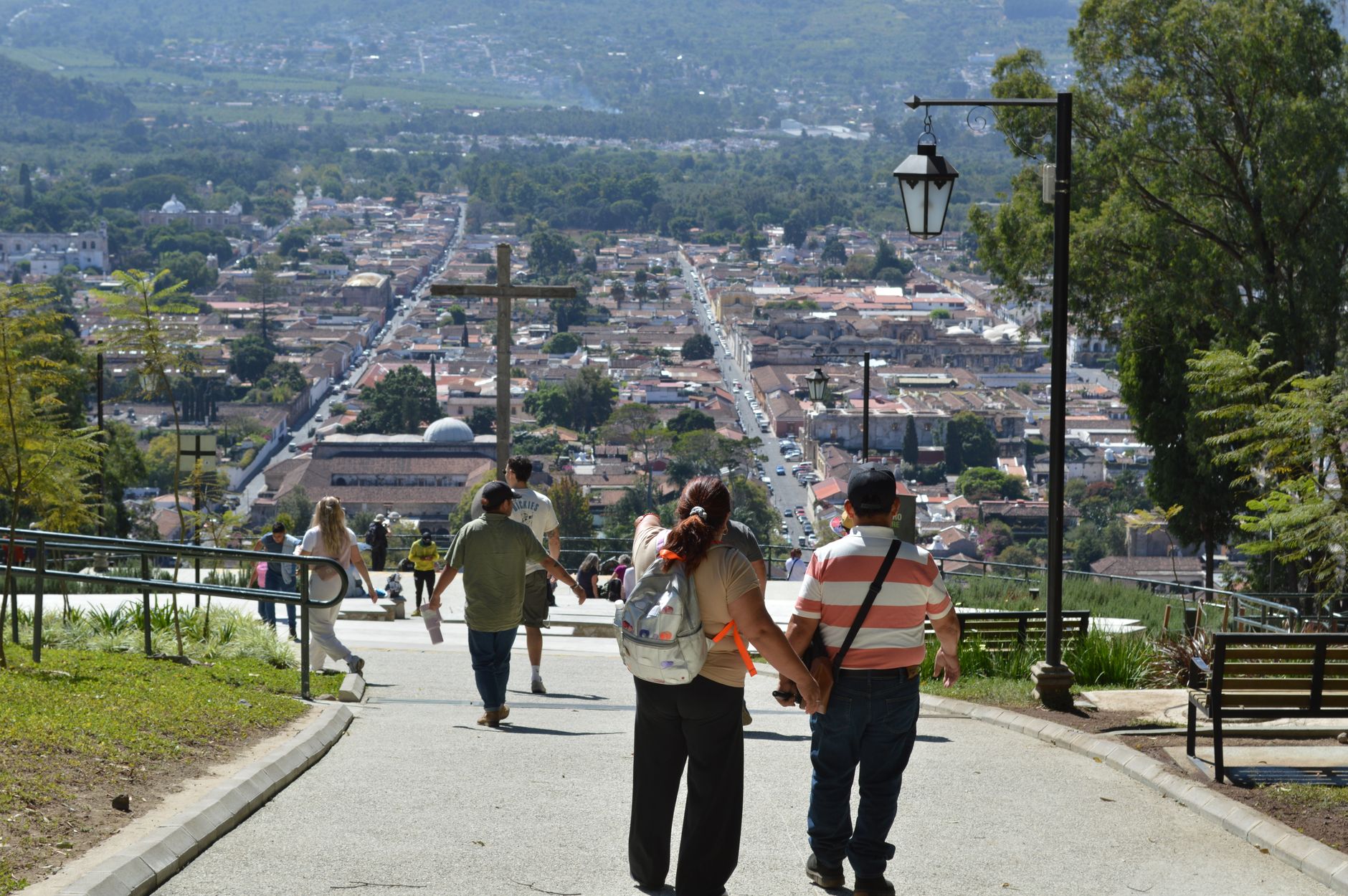
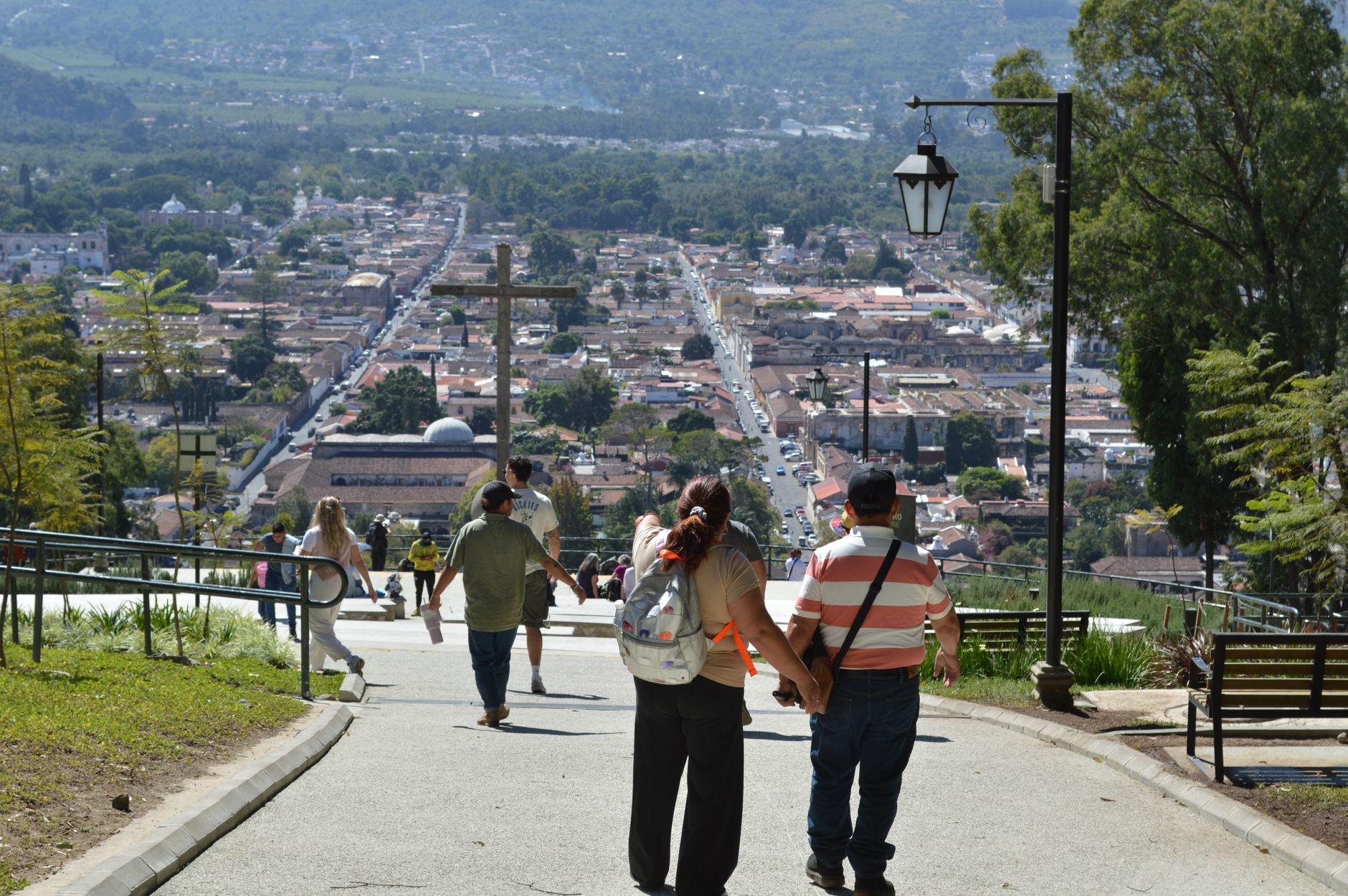
People who come back tend to anchor themselves in Antigua for a few days before fanning out. The Santa Catalina Arch is everywhere on postcards, but the real rhythm of the city shows up on the quieter streets around it. Most repeat visitors also say the same thing about Tikal: go at dawn, before the tour groups arrive, and the sound alone — howler monkeys, birds, wind in the ceiba trees — is worth the early start.
Deals in Guatemala
Book directly at the provider

How Guatemala came to be
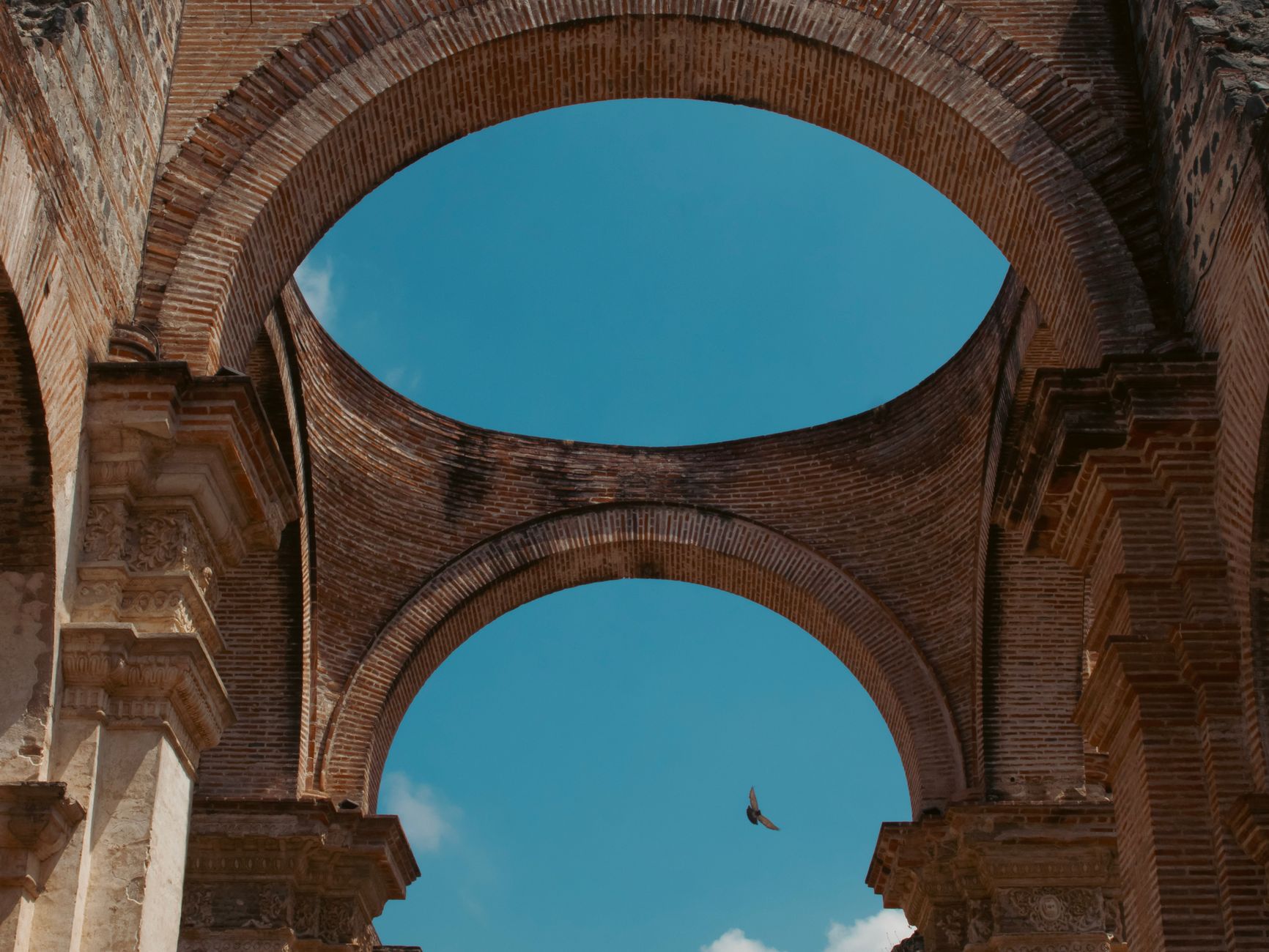
People have lived on this land for at least 12,000 years, and by the Classic Period (300–900 CE) the Maya had built some of the ancient world's most sophisticated cities, including Tikal. Spanish conquest arrived in 1523 when Pedro de Alvarado pushed south from Mexico, and for nearly 330 years Guatemala formed the seat of the Captaincy General that governed much of Central America, based in Antigua.
Independence came in stages: a formal proclamation on 15 September 1821, a brief absorption into the First Mexican Empire, then a Federal Republic of Central America until the 1840s. Rafael Carrera declared Guatemala a sovereign nation in March 1847. A CIA-backed coup in 1954 overthrew the reformist President Jacobo Arbenz Guzmán, helping to ignite a civil war that ran from 1960 to 1996 and killed an estimated 200,000 people, the majority of them Maya. Democratic governance resumed in 1985. Rigoberta Menchú, who documented the war's human cost, received the Nobel Peace Prize in 1992.
Who and what shaped it
People who shaped it
Landmark buildings
See Guatemala in motion
Plan your visit
On the map
When to go
The dry season runs roughly November through April — cooler evenings at altitude, clear mornings for ruins and volcanos. The rainy season (May through October) brings afternoon downpours that clear quickly in most lowland areas, though highland roads can be slower going.
Right now
↡ Regions
No places match these filters.
Background & history adapted from Wikipedia (CC BY-SA) · specs from Wikidata (CC0) · weather from Open-Meteo · map data © OpenStreetMap contributors · photos from Wikimedia Commons / Unsplash with per-image credit. No third-party reviews or social posts reproduced.