Country

Denmark

Denmark
Photo by rao qingwei on Pexels
Denmark
Photo by rao qingwei on Pexels
Denmark
Photo by Yen Nguyen on Pexels
Denmark
Photo by Ezequiel Filiberto on Pexels
Denmark
Photo by Christina & Peter on Pexels
Denmark
Photo by Bob Jenkin on Pexels
City break Culture & history Food & drink

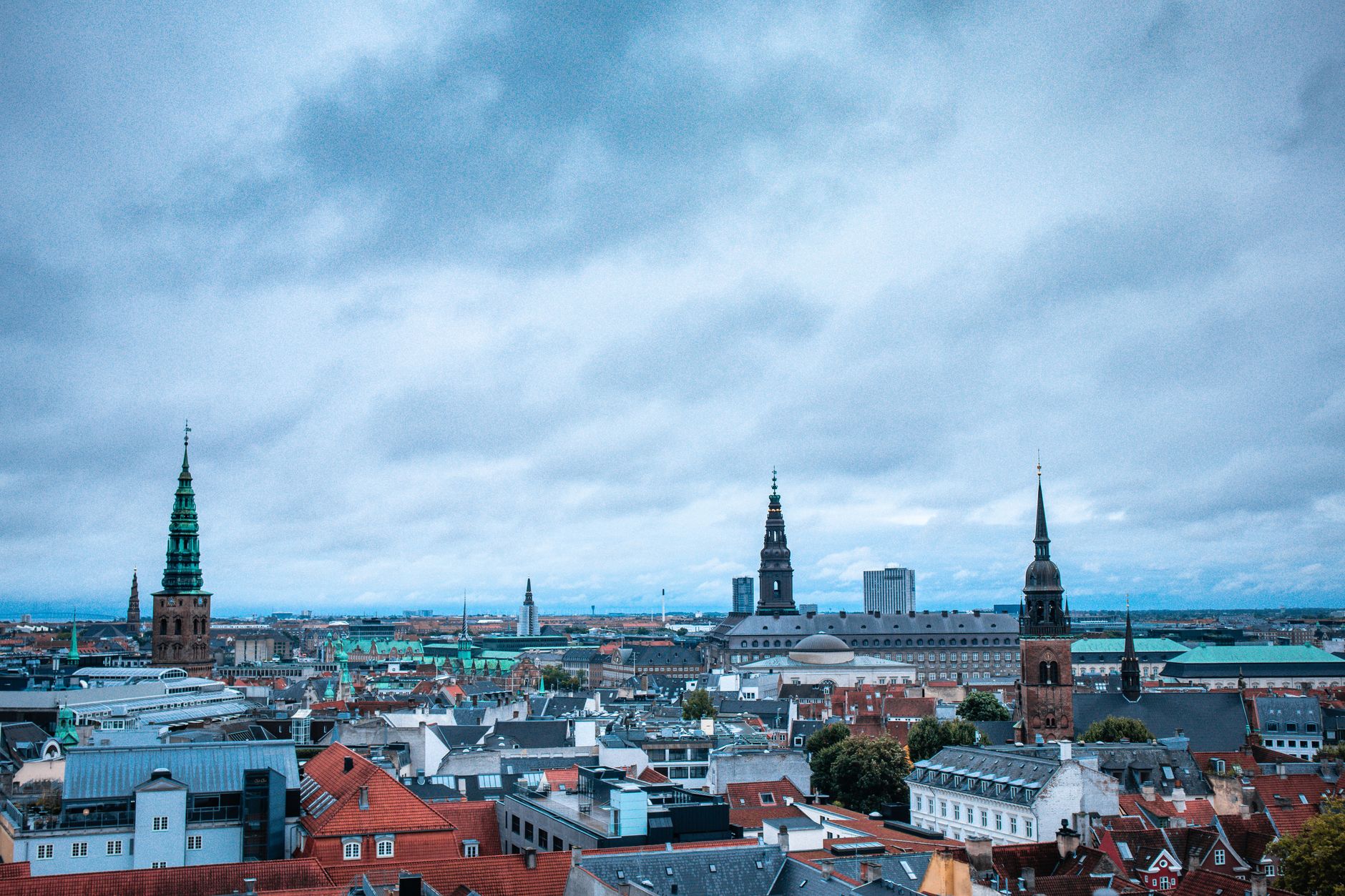
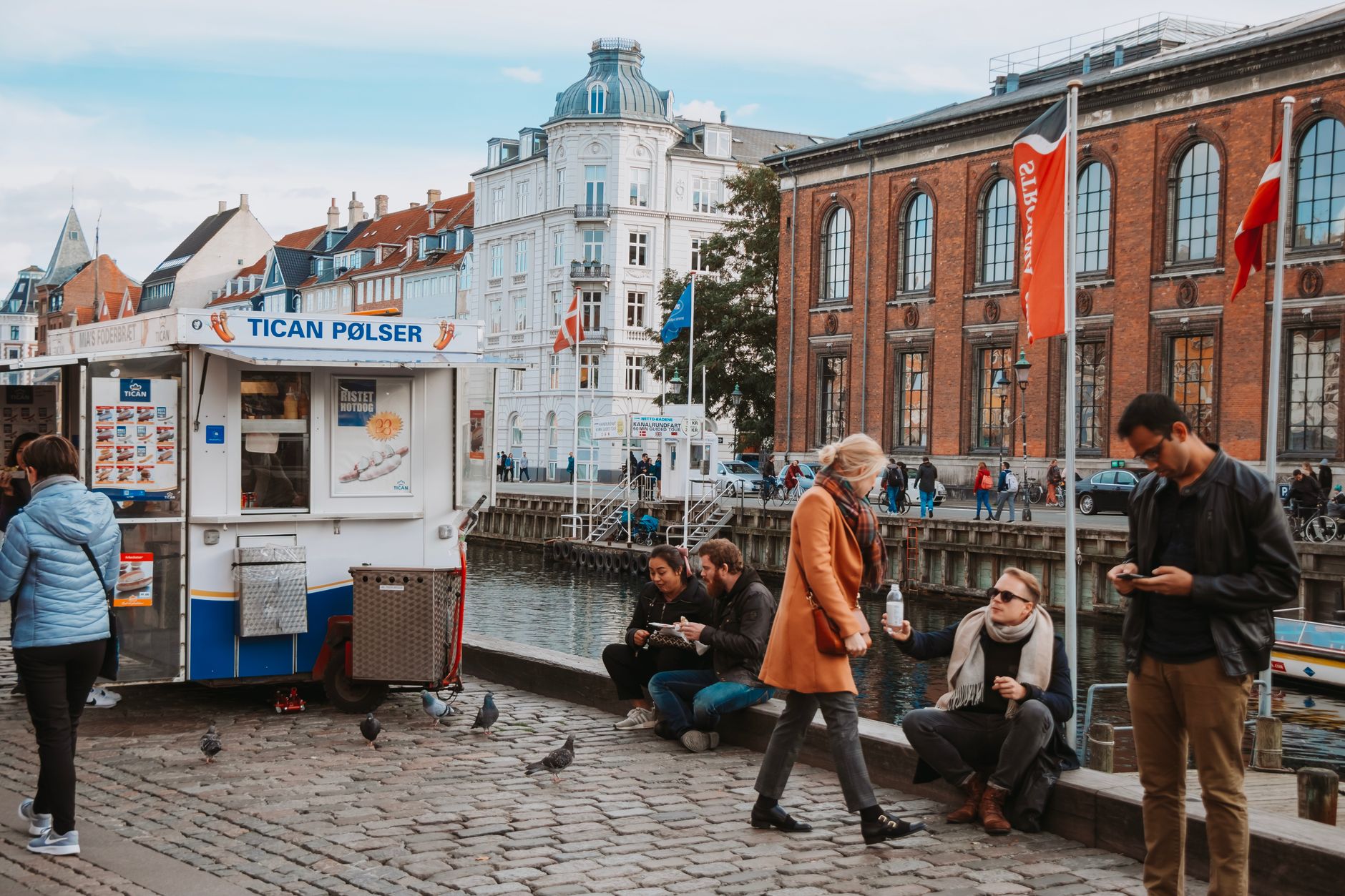
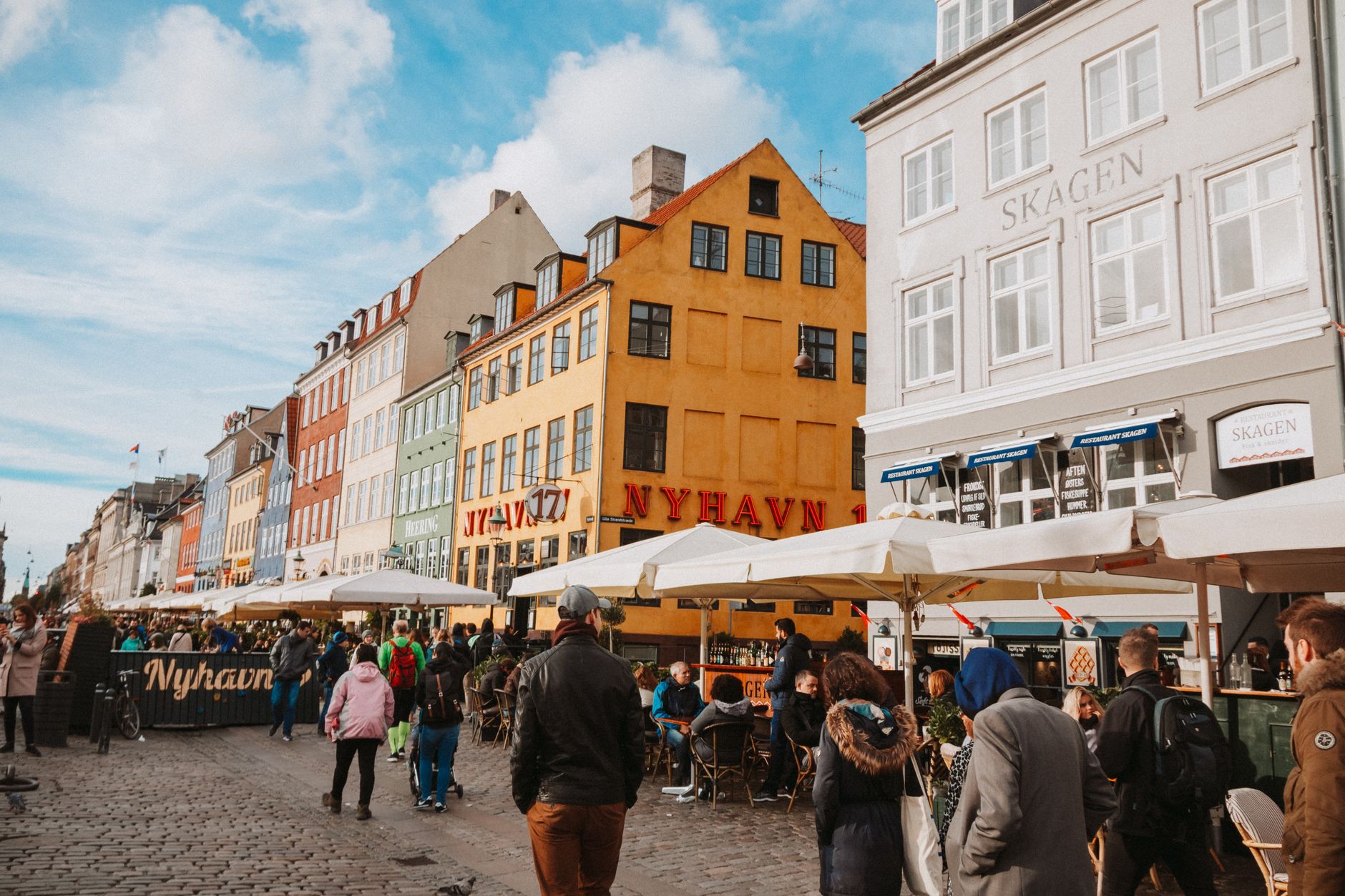
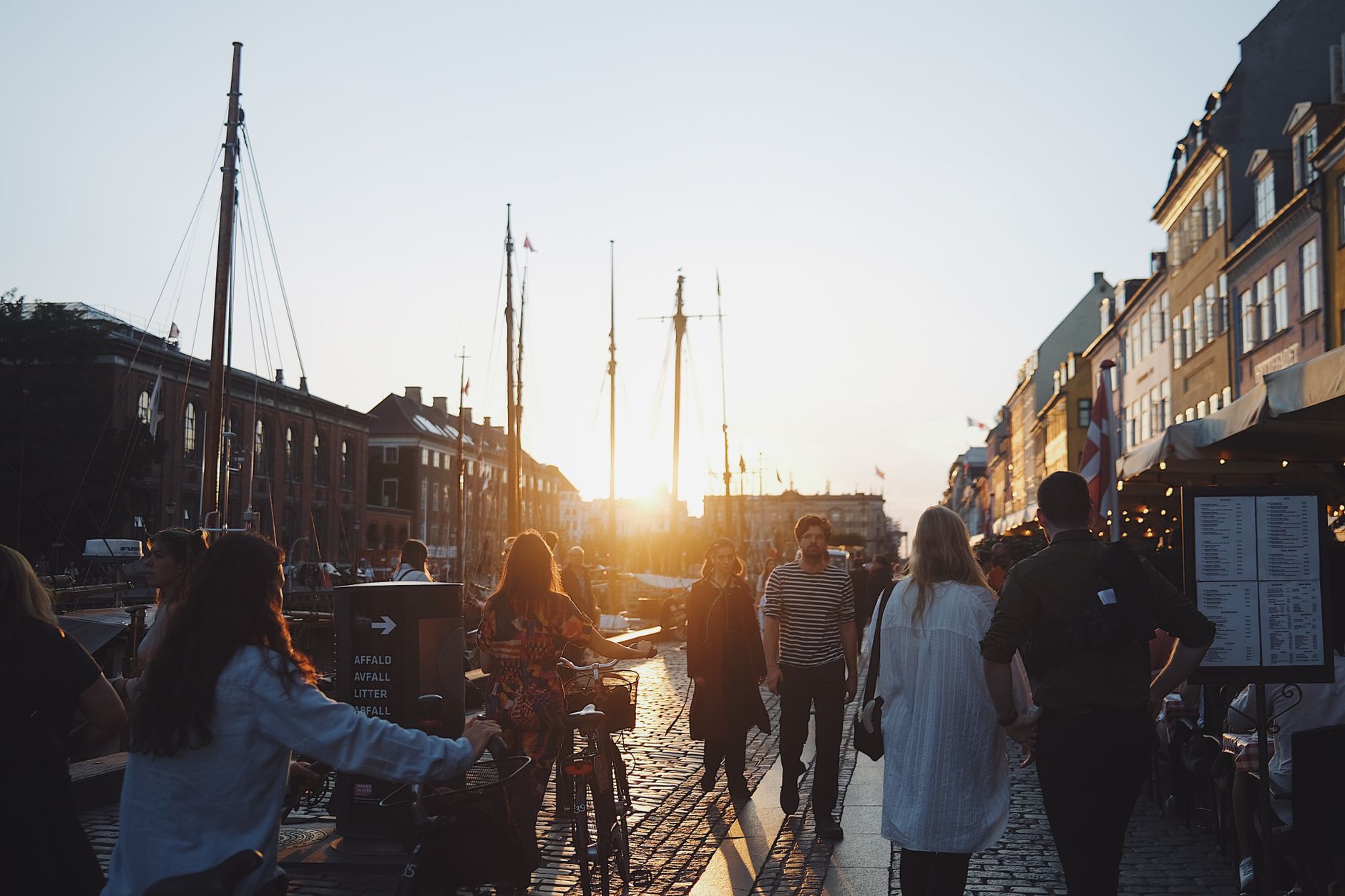
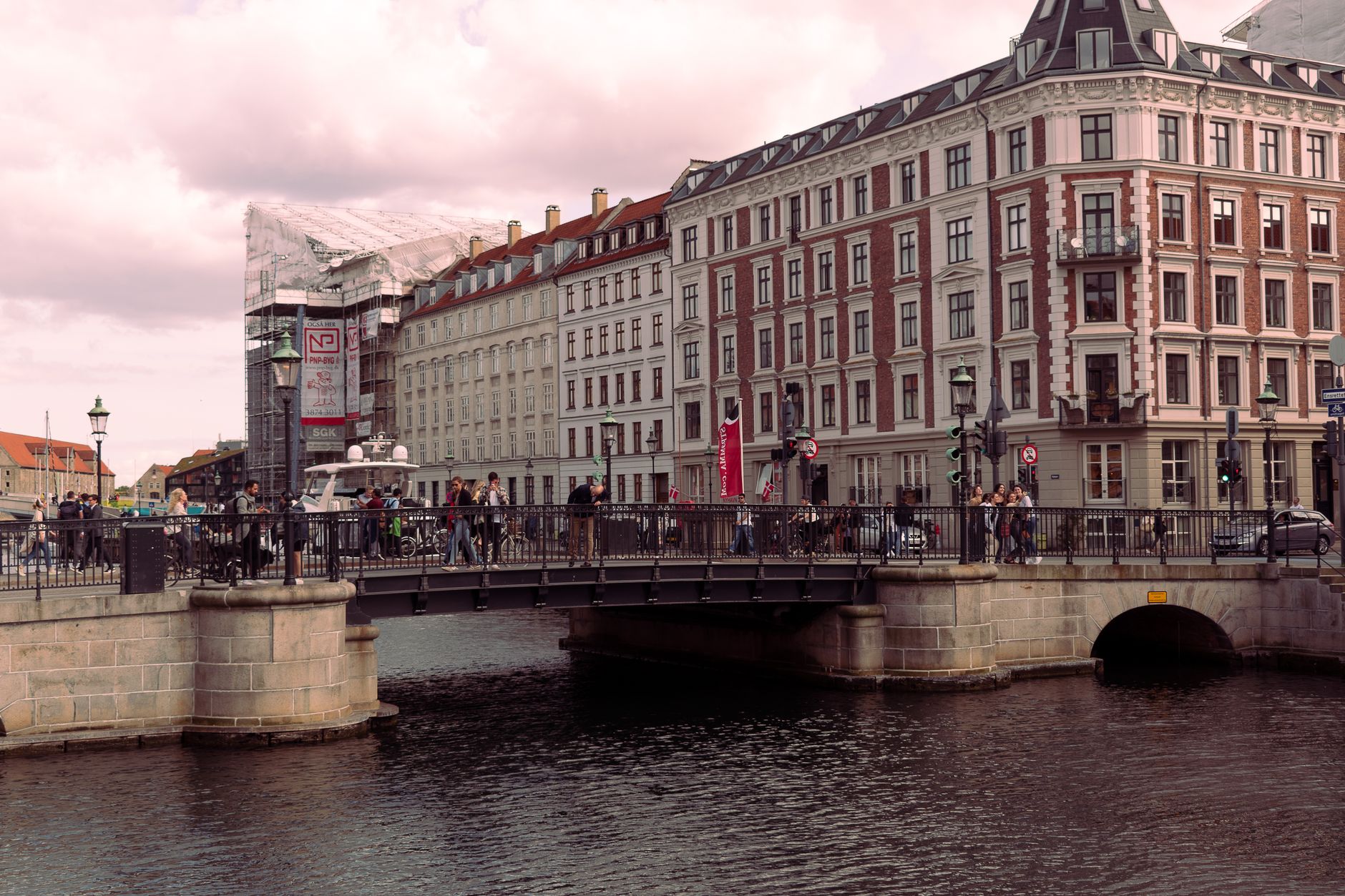
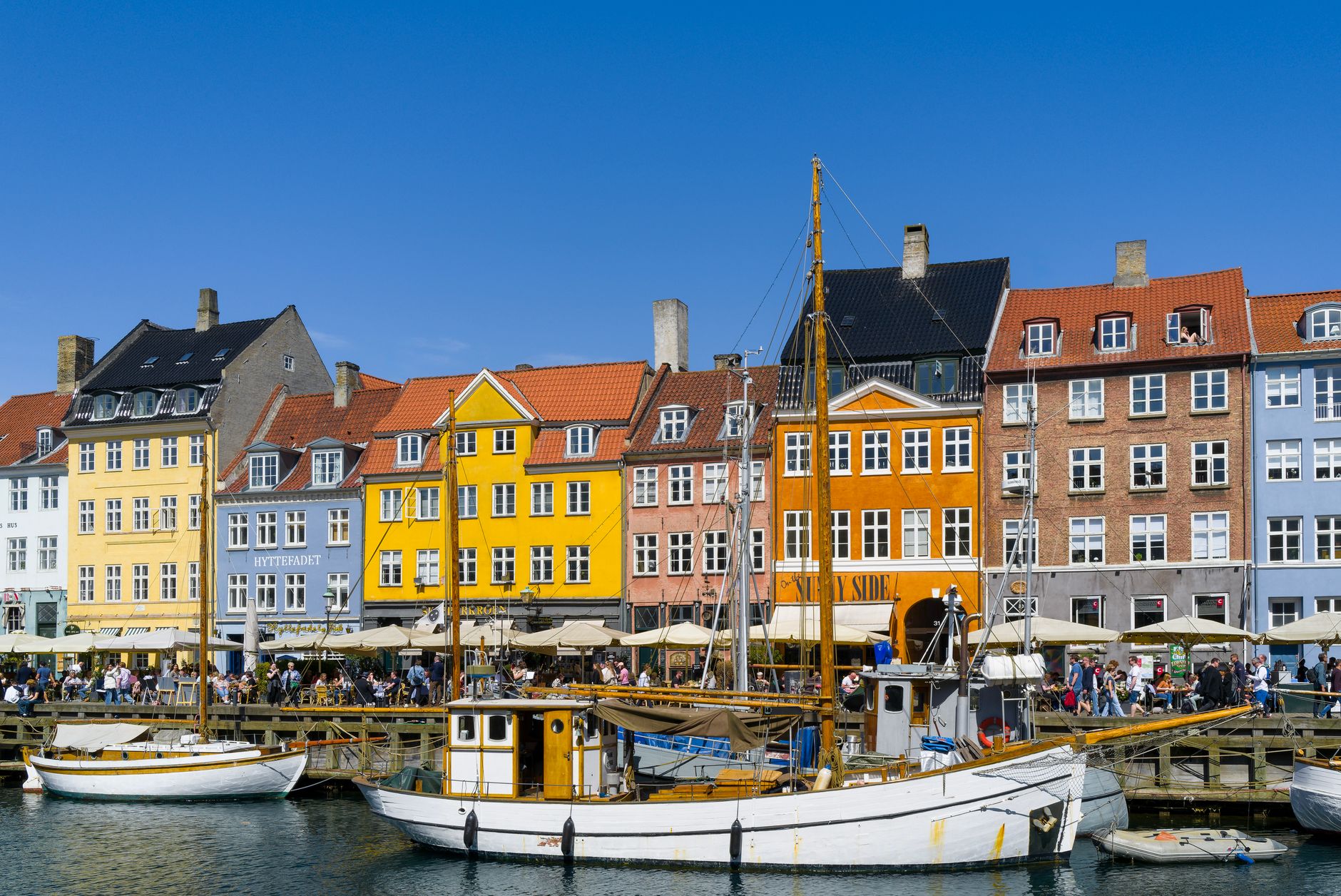
Denmark is a small country that punches well above its size. It occupies the Jutland peninsula and a scattering of islands in the North Sea and Baltic, and its capital, Copenhagen, holds much of what draws people here — a waterfront lined with 17th-century townhouses at Nyhavn, crown jewels in a castle basement, a sculpture of a mermaid that has been sitting on her harbour rock for over a century.

But Denmark is also the country that turned cycling and pedestrian-scale streets into a design philosophy, where a Neoclassical sculptor named Thorvaldsen came home from Rome and built a museum for his own work, and where a library nicknamed the Black Diamond reflects the sea from a waterfront façade.

Good to know
Copenhagen's airport connects to the city centre by Metro or regional train in under 15 minutes; a three-zone ticket costs around DKK 36. The Metro runs every four to six minutes during the day. Summer (June–August) draws the most visitors; spring and early autumn offer cooler, quieter conditions.
Tips

Experiences you don't want to miss

All tips →

Deals in Denmark

Book directly at the provider
The story

How Denmark came to be

The first historically recognised Danish ruler, Gorm the Old, came to power around 936. Two centuries later, Bishop Absalon and King Valdemar the Great rebuilt and stabilised the kingdom — and it was Absalon who, in 1167, oversaw the construction of a castle at the village of Havn, laying the foundation for what would become Copenhagen.

Denmark's reach once extended far. In 1397, the Kalmar Union brought Denmark, Norway, Sweden, Finland, Iceland, Greenland and the Faroe Islands under a single Danish crown. The Reformation arrived in 1536, establishing a national Lutheran church. By 1849, a liberal movement had succeeded in replacing royal autocracy with a constitutional monarchy — King Frederik VII signed the first Constitution on 5 June that year. Denmark was occupied by Nazi Germany in 1940 and liberated in May 1945, then became a founding NATO member in 1949 and joined the European Economic Community in 1972.

People & landmarks

Who and what shaped it

People who shaped it

Gorm the Old
First historically recognized ruler of Denmark, reigned c. 936–958.
Valdemar the Great
12th-century king who stabilized and reorganized the Danish kingdom.
Absalon
Bishop of Roskilde from 1158; oversaw construction of castle at Havn in 1167, foundation of Copenhagen.
King Christian IV
Built Rosenborg Castle (1606–34) as a Dutch Renaissance pleasure palace.
King Frederik VII
Signed Denmark's first Constitution on 5 June 1849, establishing constitutional monarchy.
Bertel Thorvaldsen
Neoclassical sculptor born in Copenhagen; returned from Rome in 1838 to found a museum of his work.
Jan Gehl
Danish architect who pioneered pedestrian and cyclist-focused urban design in the 1970s.

Landmark buildings

Rosenborg Castle
Dutch Renaissance palace built 1606–34 by Christian IV; houses Danish crown jewels in basement.
Roskilde Cathedral
12th-century cathedral in Roskilde, one of Denmark's oldest religious structures.
Christiansborg Palace
Seat of Danish parliament, Prime Minister's office, and Supreme Court; most important building in Denmark.
Tivoli Gardens
Copenhagen's most visited landmark; second oldest amusement park in the world.
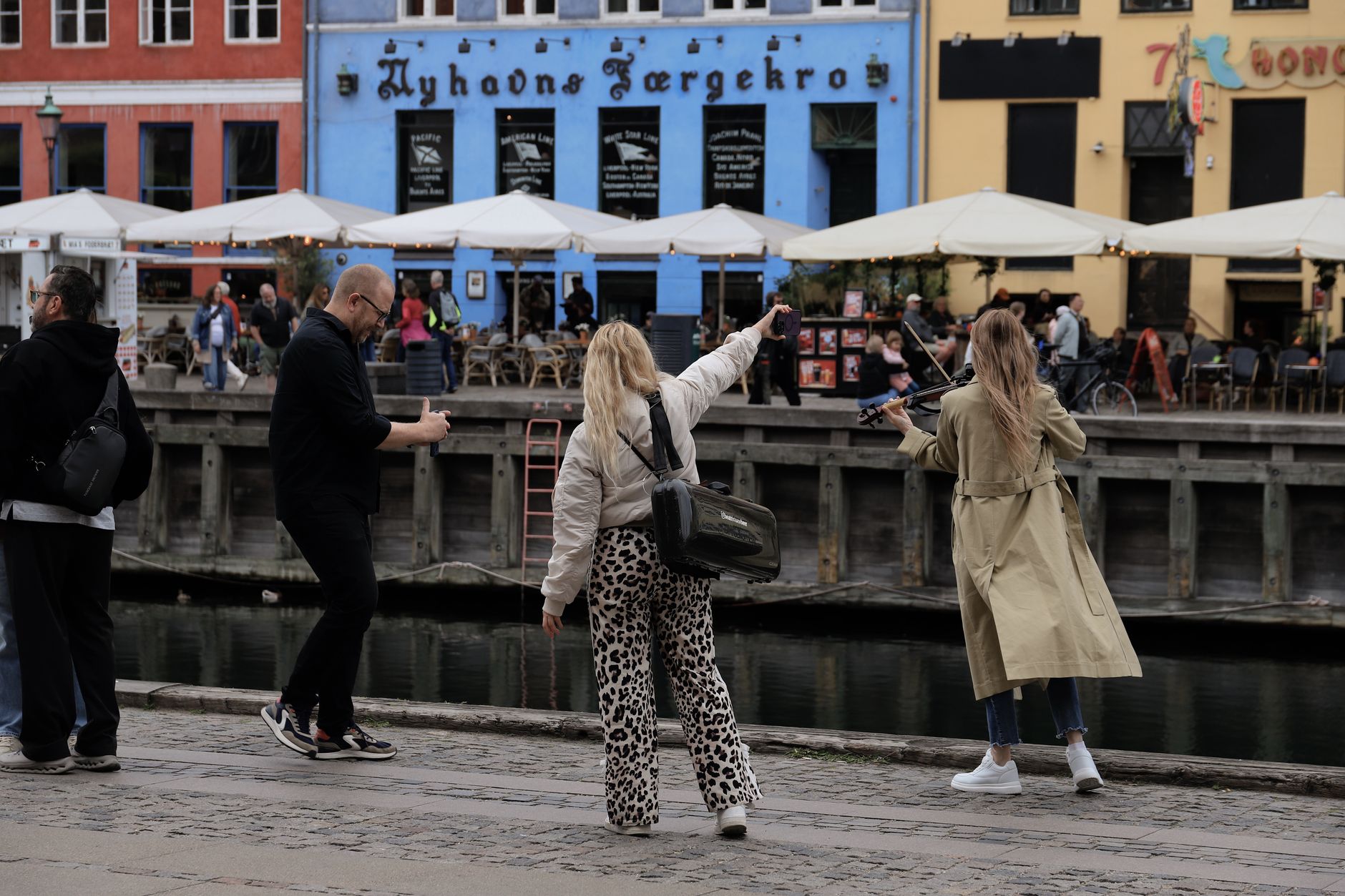
Nyhavn
17th-century waterfront district with vibrant townhouses, historic wooden ships, and lively atmosphere.
The Little Mermaid
Iconic sculpture on Copenhagen harbour; top tourist attraction for over 100 years.
Copenhagen City Hall (Rådhus)
Completed 1905 in National Romantic style; inspired by Siena's city hall, built with local brick and granite.
Copenhagen Opera House
Neo-Futurist architectural landmark completed with cost exceeding $500 million; one of world's most modern opera houses.
Royal Library
Finished 1999; nicknamed 'The Black Diamond' for its dark faceted shape reflecting sea and sky from waterfront.
Round Tower
One of Denmark's most iconic landmarks in central Copenhagen; admission 60 DKK for adults.
Watch

See Denmark in motion

Practical

Plan your visit

On the map

When to go

Summers are mild and long-lit, with temperatures typically in the high teens to low twenties Celsius — good for being outdoors, though rain is always possible. Winters are cold, dark and damp, but the cities stay lively; spring and early autumn sit comfortably in between.

Right now

🌧️
18°C
Rain
Fri
🌧️
26°
17°
Sat
21°
15°
Sun
🌧️
15°
14°
Mon
20°
13°
Weather data: Open-Meteo
Theme

↡ Cities

No places match these filters.


Background & history adapted from Wikipedia (CC BY-SA) · specs from Wikidata (CC0) · weather from Open-Meteo · map data © OpenStreetMap contributors · photos from Wikimedia Commons / Unsplash with per-image credit. No third-party reviews or social posts reproduced.

Top