
Copenhagen
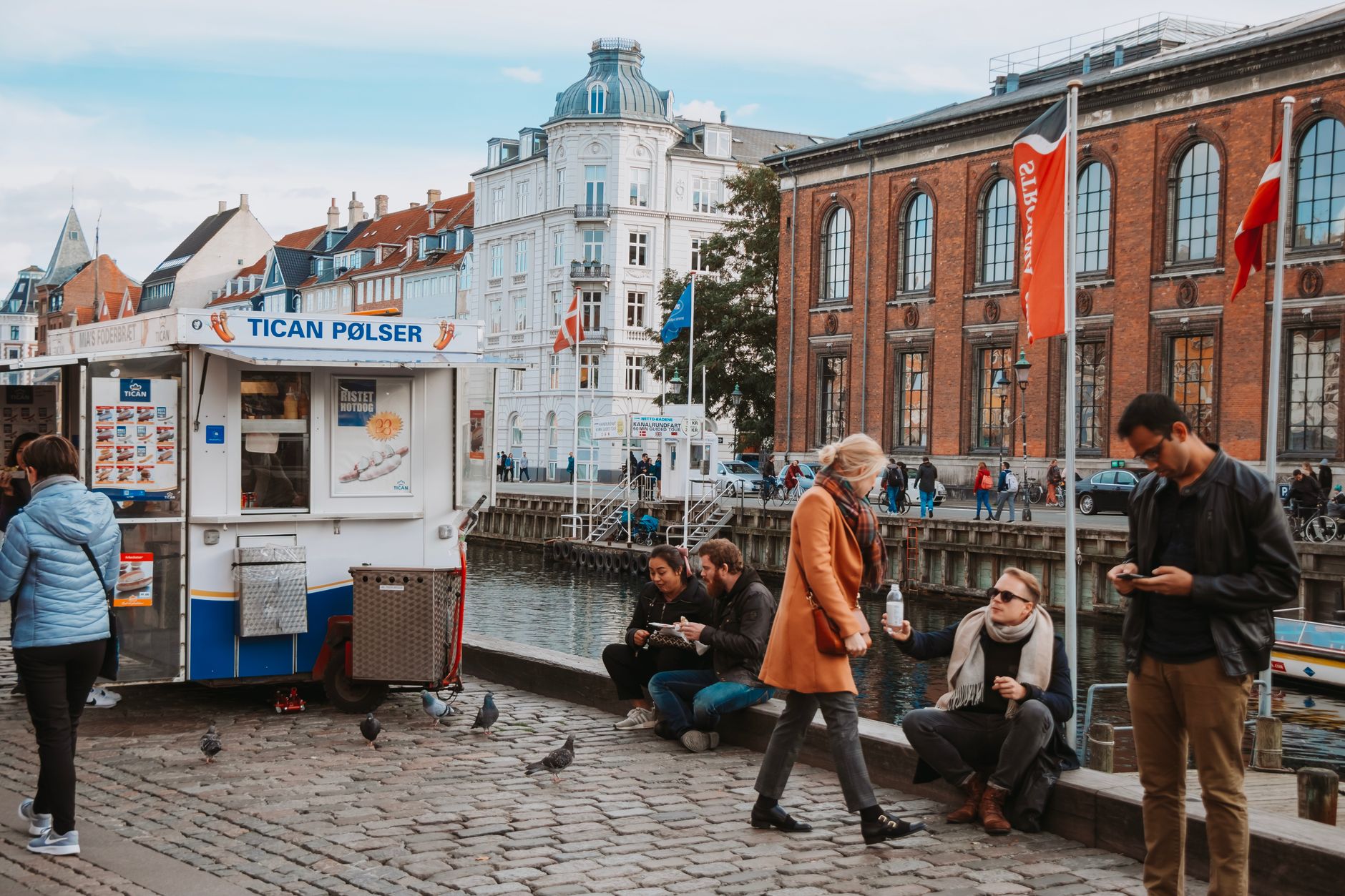
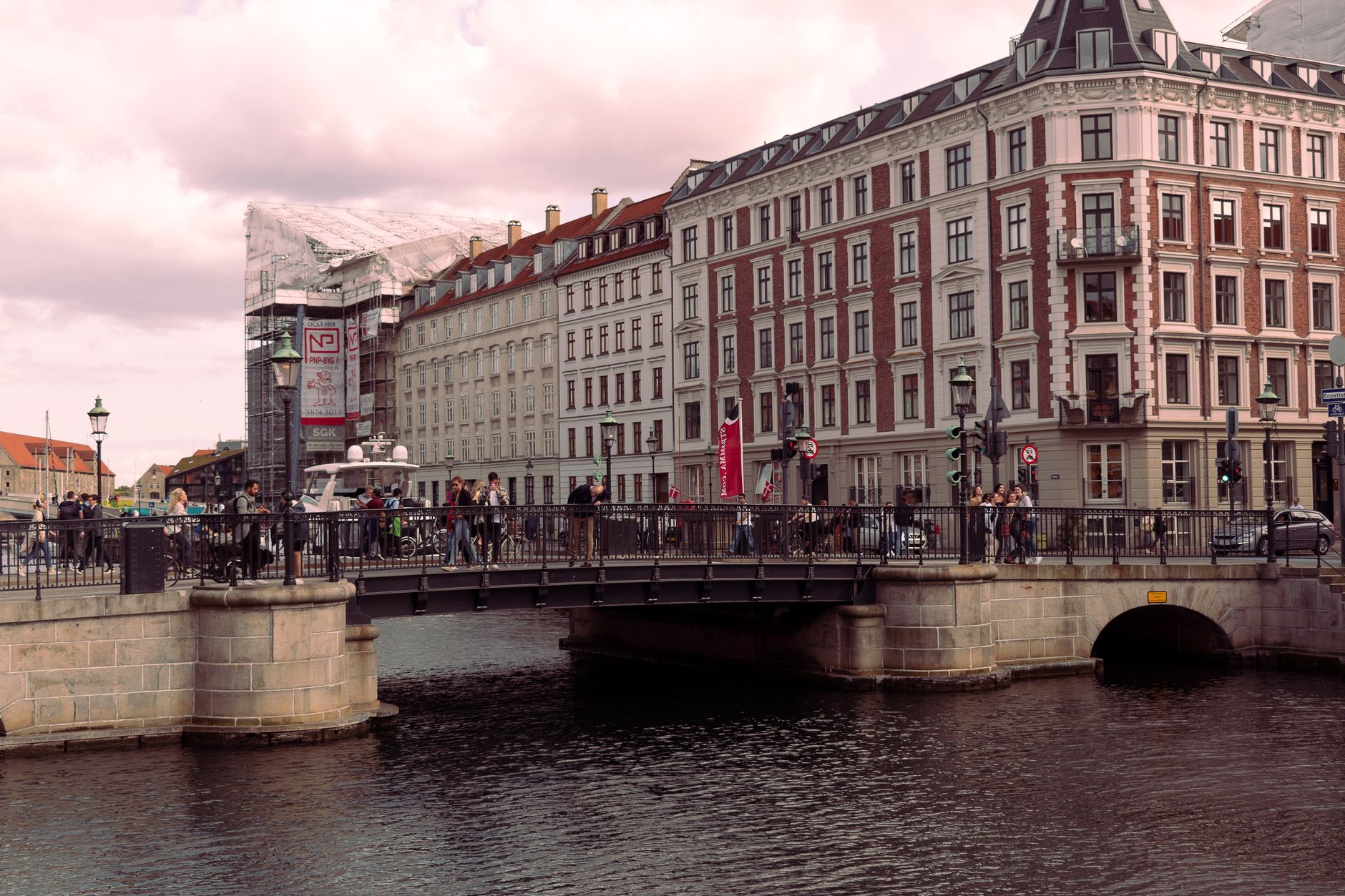
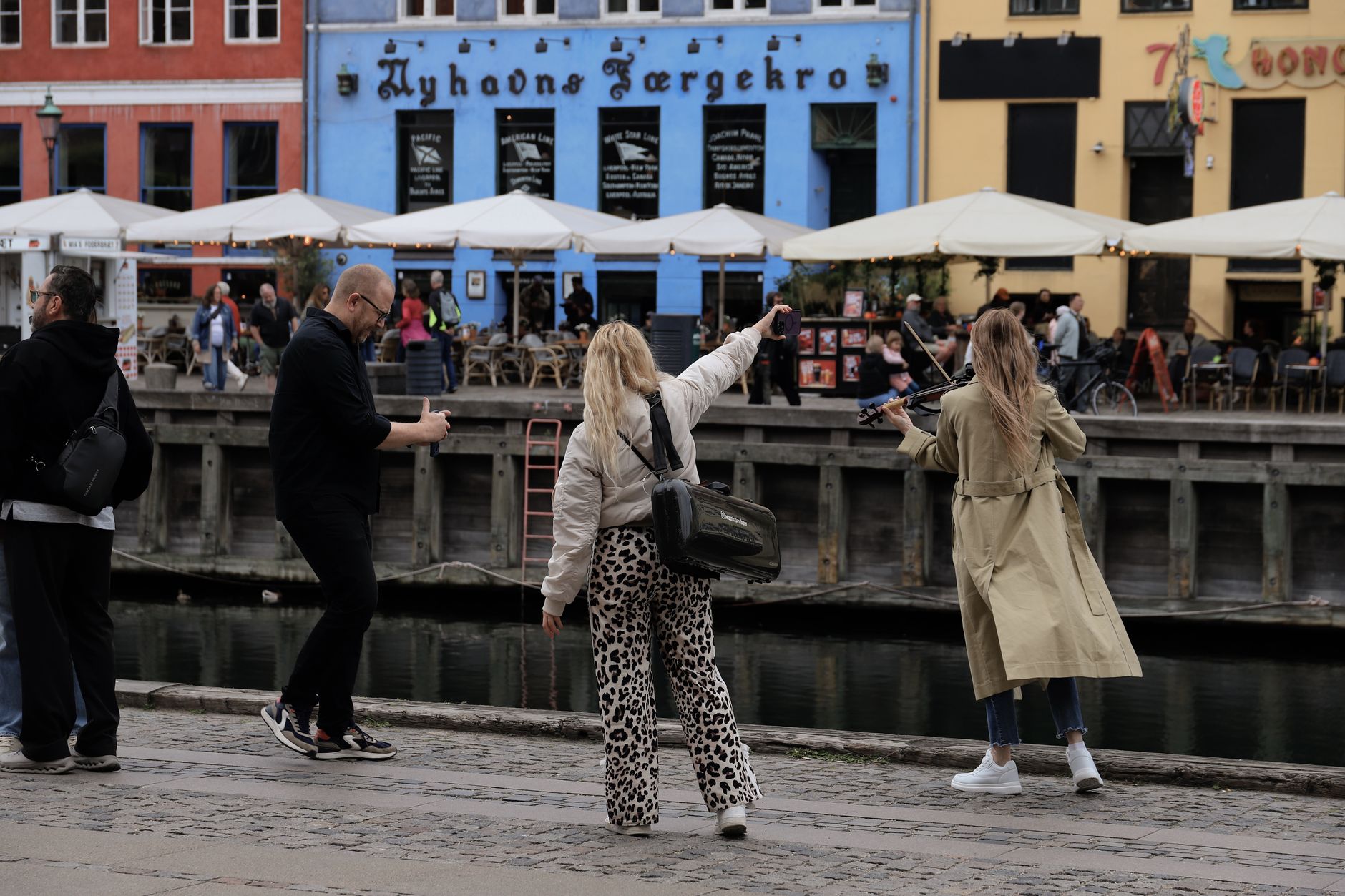
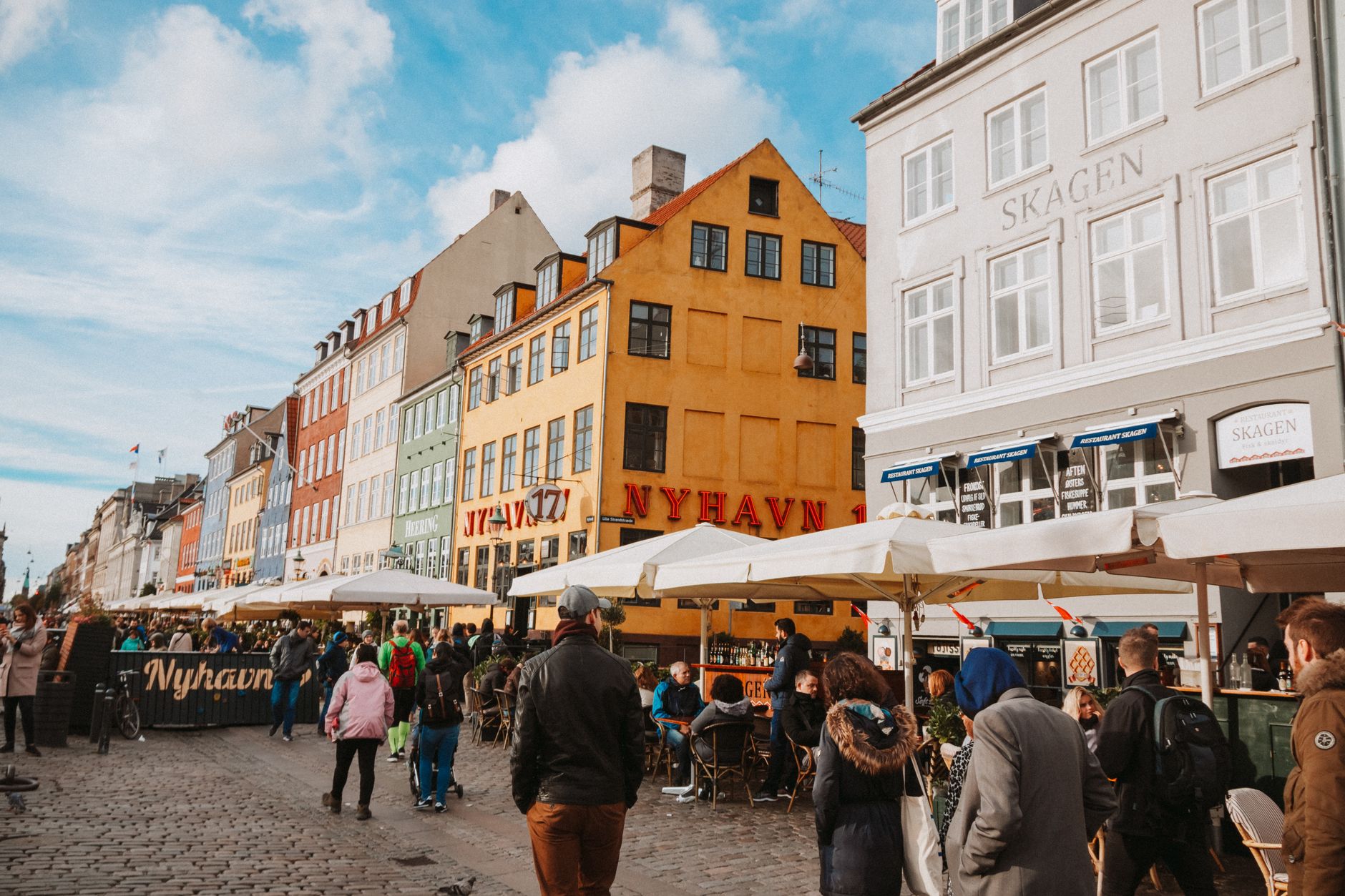
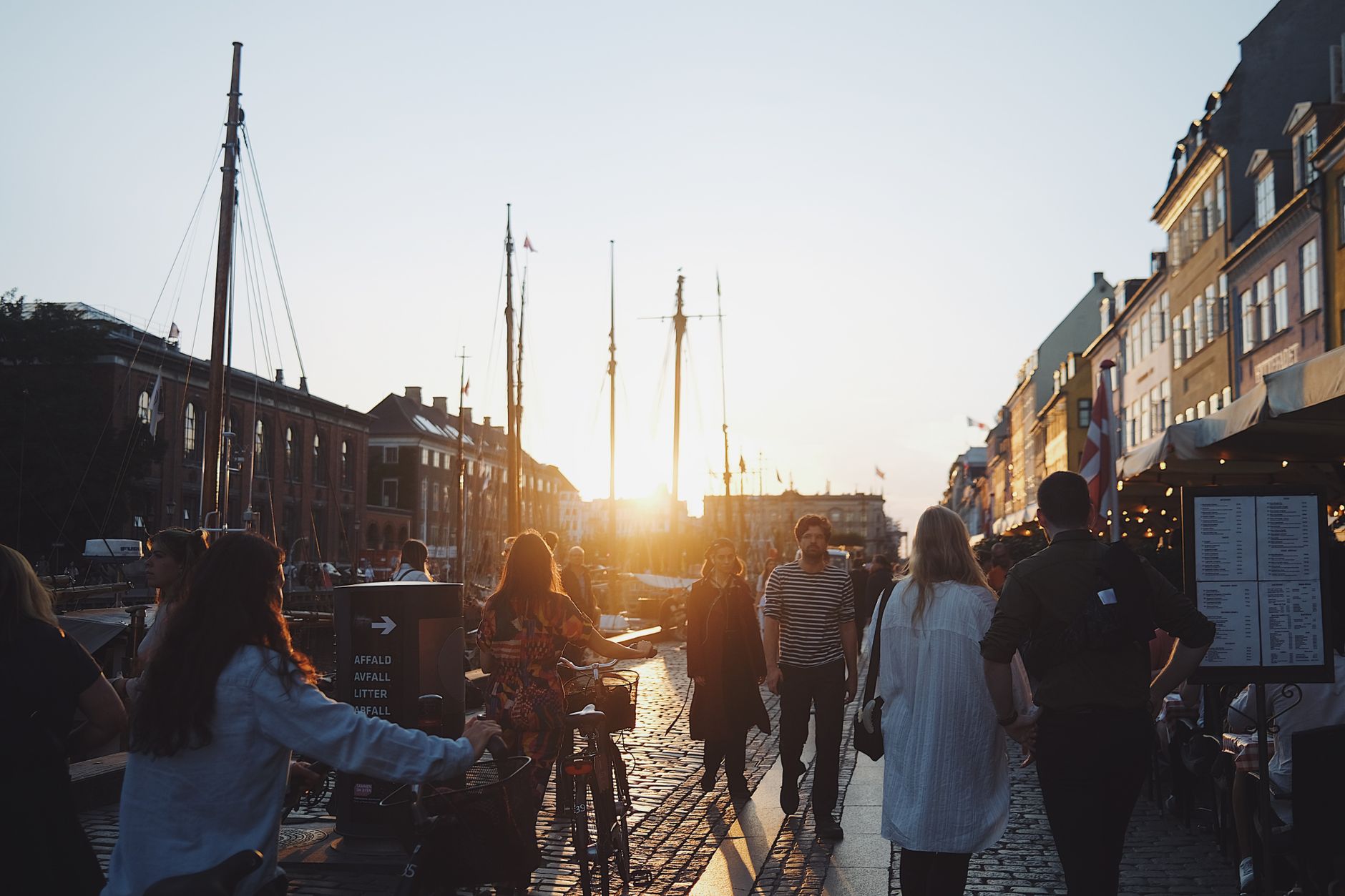
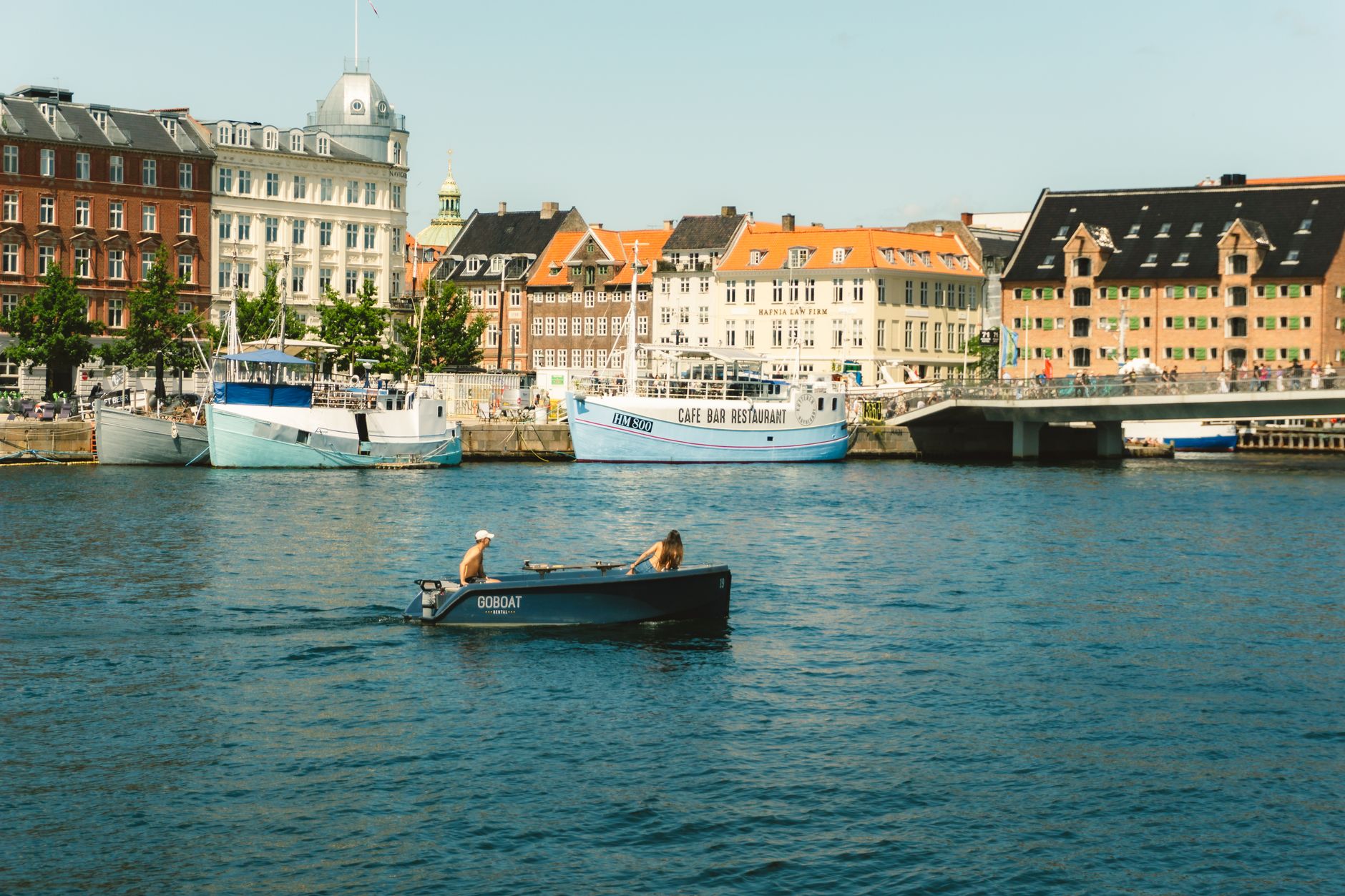
Copenhagen runs on a particular kind of quiet confidence. The metro — driverless, 24 hours a day, one of only three rapid-transit systems in the world to operate around the clock — slides between 44 stations without fuss, and that efficiency is something you feel everywhere: in the cycling infrastructure, in the integrated ticketing that covers bus, train and metro on a single 60-minute stamp, in the way the city simply works.
At its centre is Slotsholmen, the island where Bishop Absalon raised a fortress in 1167 and set the whole thing in motion. The city that grew from those two 11th-century settlements now holds Baroque churches, a Rococo palace complex, an artificial ski slope on a waste-to-energy plant, and the house where Kierkegaard worked out the terms of human existence.
💛 What travellers fall for
People who keep coming back tend to make the Round Tower a first-morning ritual — up the spiral ramp before the tour groups arrive, then coffee somewhere near Nørreport. They also mention that children under 12 ride the metro free, two per adult, which changes the arithmetic of a family trip considerably.
Deals in Copenhagen
Book directly at the provider


How Copenhagen came to be
The city traces its official birth to 1167, when Bishop Absalon — archbishop of Roskilde and chief adviser to King Valdemar I — built a fortress on the island of Slotsholmen. Archaeological traces suggest earlier settlements from the 11th century, but written records are thin. Copenhagen received its first municipal charter in 1254, passed to the Danish Crown in 1417, and was named capital of Denmark in 1443. The University of Copenhagen opened in 1479.
King Christian IV left the deepest architectural mark, commissioning the Round Tower between 1637 and 1642 and establishing Rosenborg Castle as a country retreat as early as 1624. The current Christiansborg Palace — seat of parliament — dates only to 1928, two fires having consumed its predecessors. The Øresund Bridge, opened in 2000, stitched the city to Malmö and, in a practical sense, to continental Europe.
Who and what shaped it
People who shaped it
Landmark buildings
See Copenhagen in motion
Plan your visit
On the map
When to go
February is the coldest month, averaging around 2°C, while summer settles into a reliable 20–25°C with long daylight hours. Spring and autumn are mild — roughly 5–15°C and 10–15°C respectively — and tend to suit those who prefer the city with fewer crowds.
Right now
Background & history adapted from Wikipedia (CC BY-SA) · specs from Wikidata (CC0) · weather from Open-Meteo · map data © OpenStreetMap contributors · photos from Wikimedia Commons / Unsplash with per-image credit. No third-party reviews or social posts reproduced.