
Bahamas
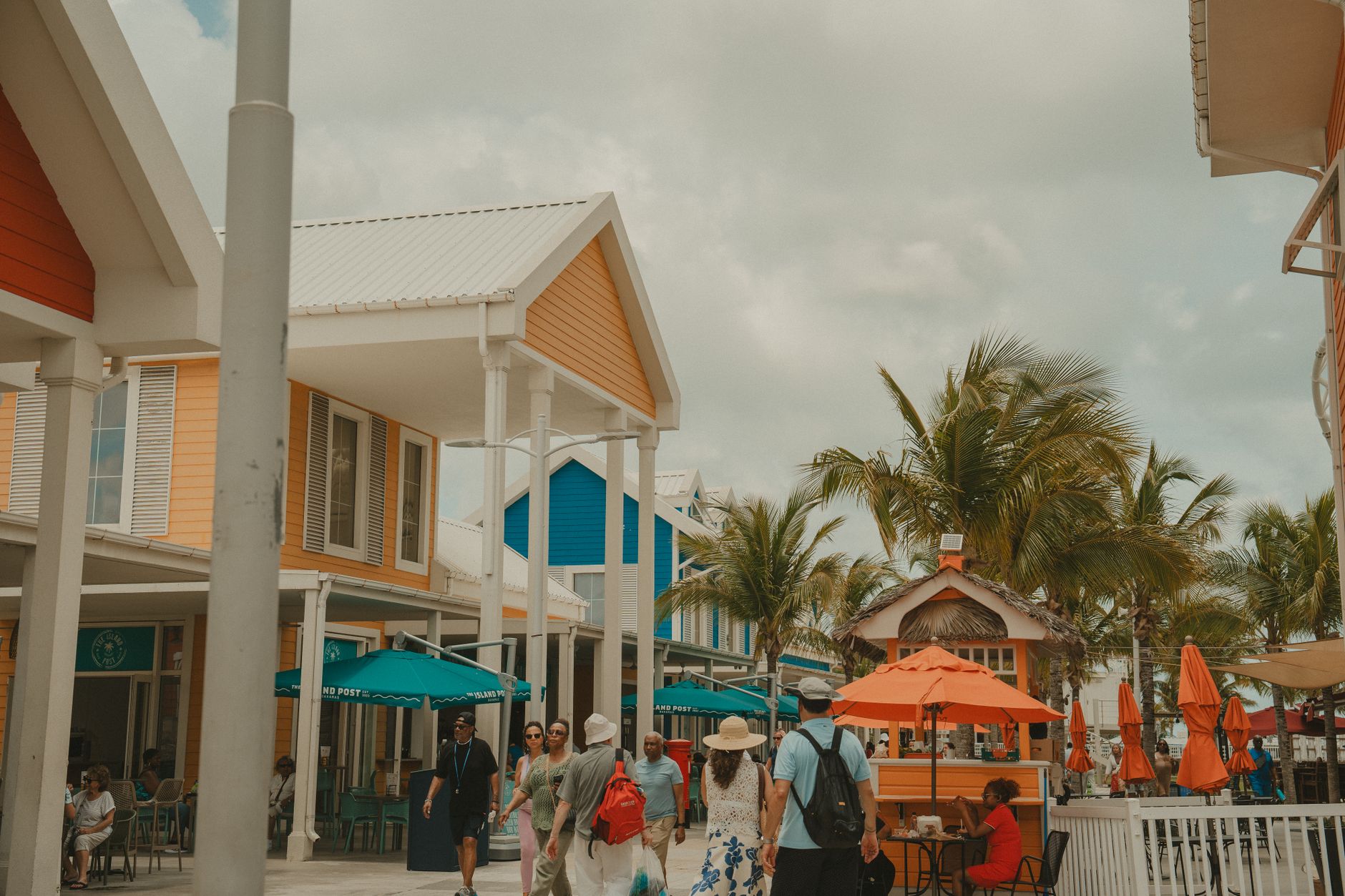
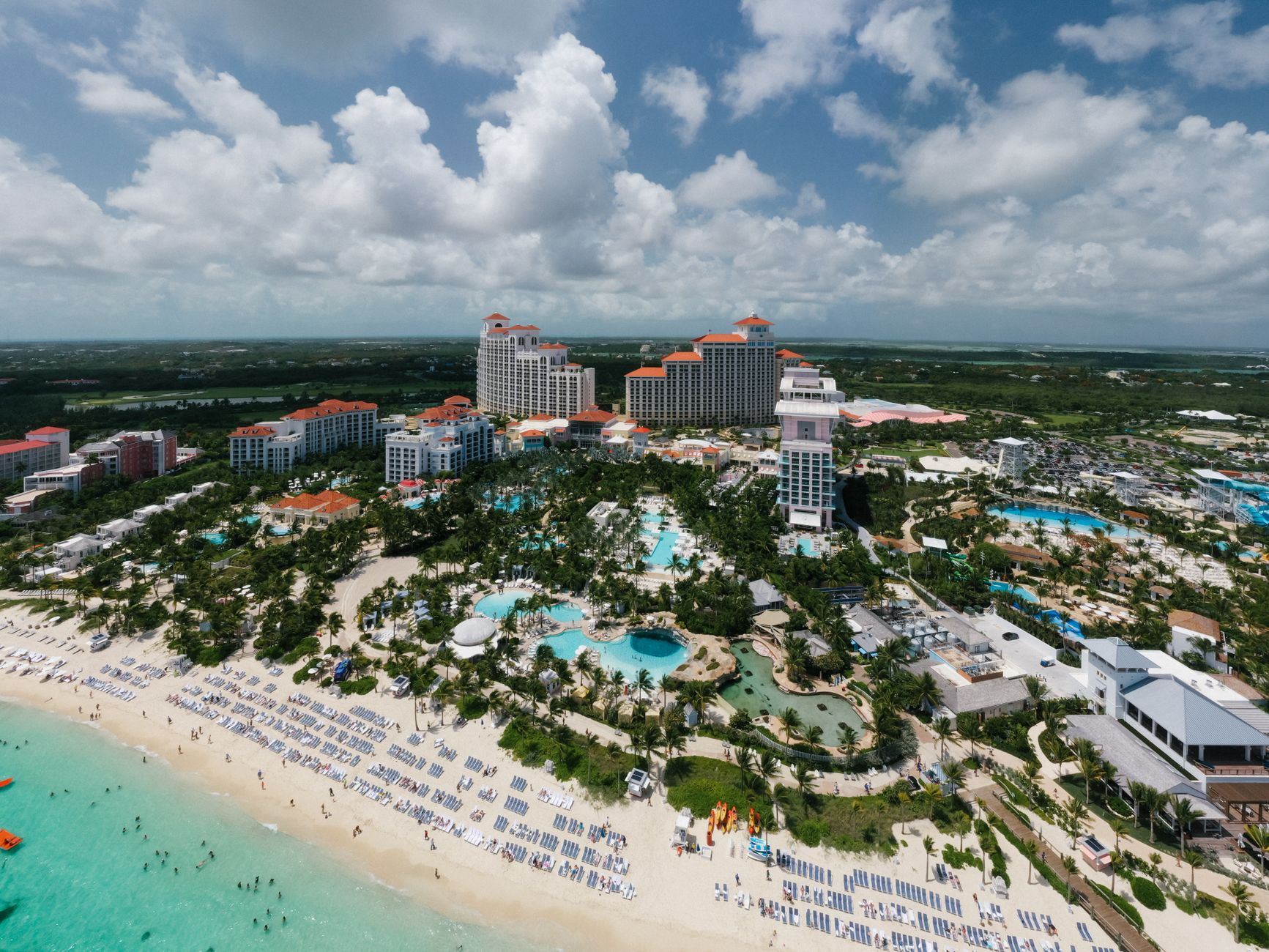
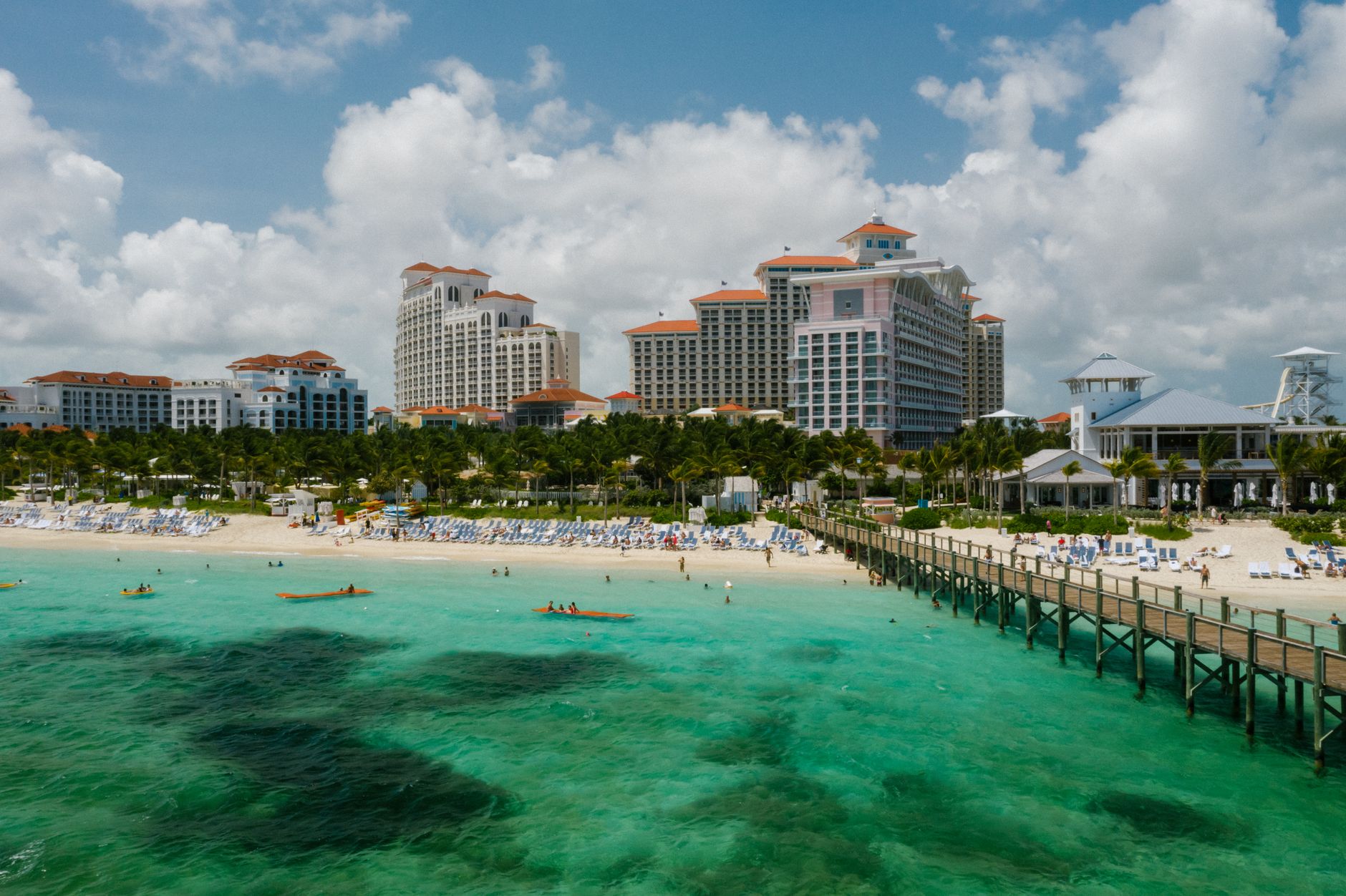
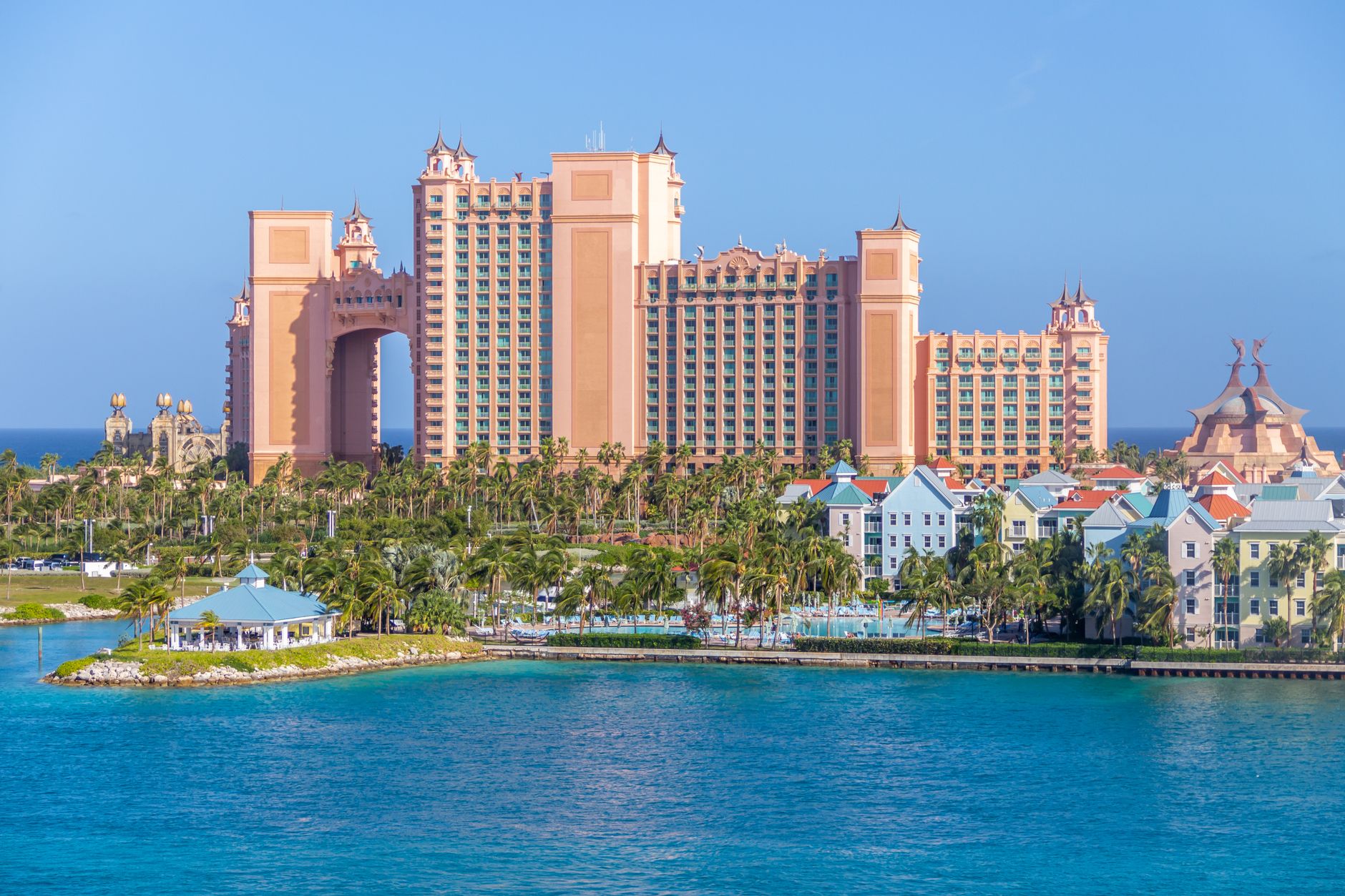
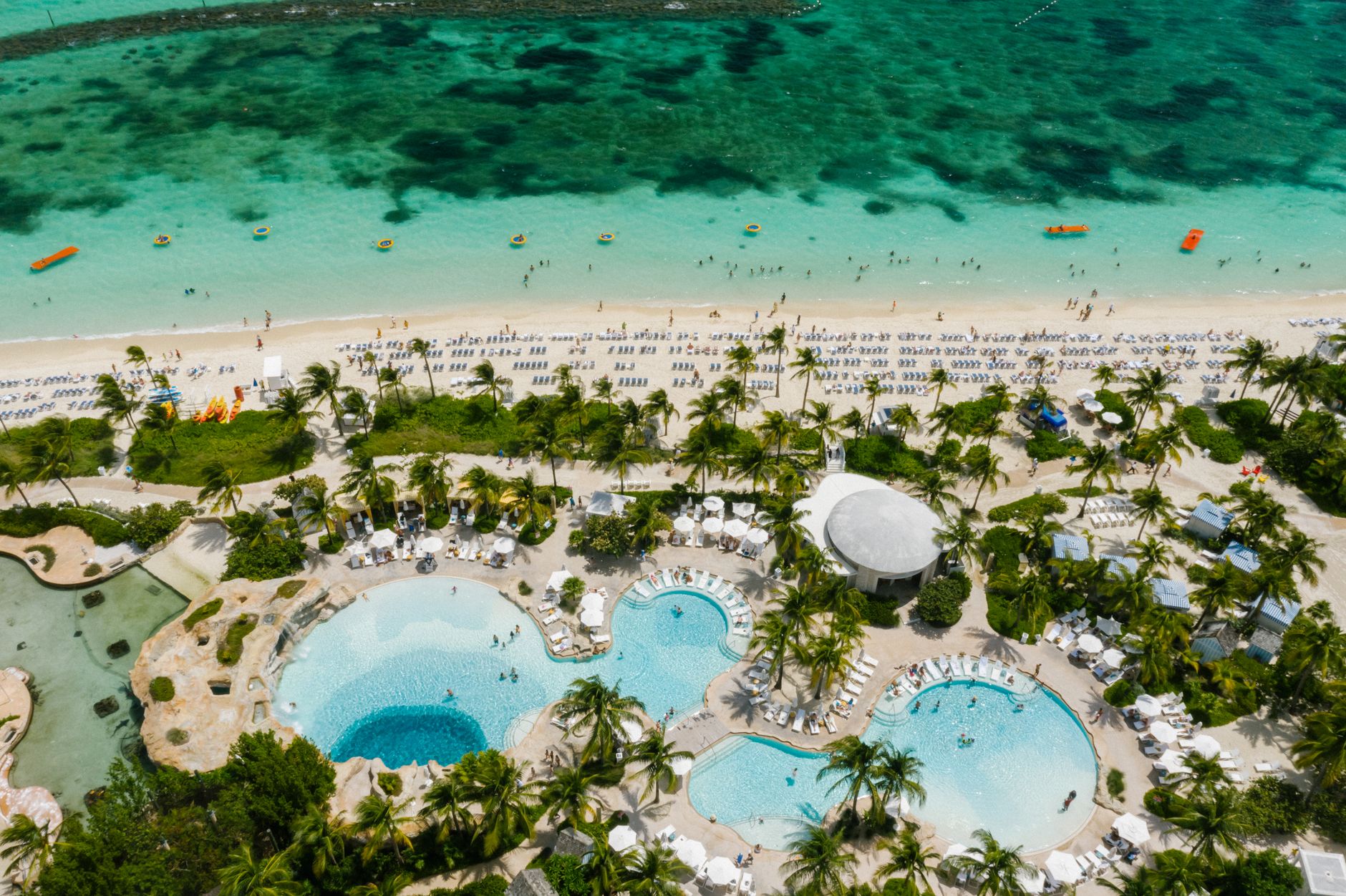
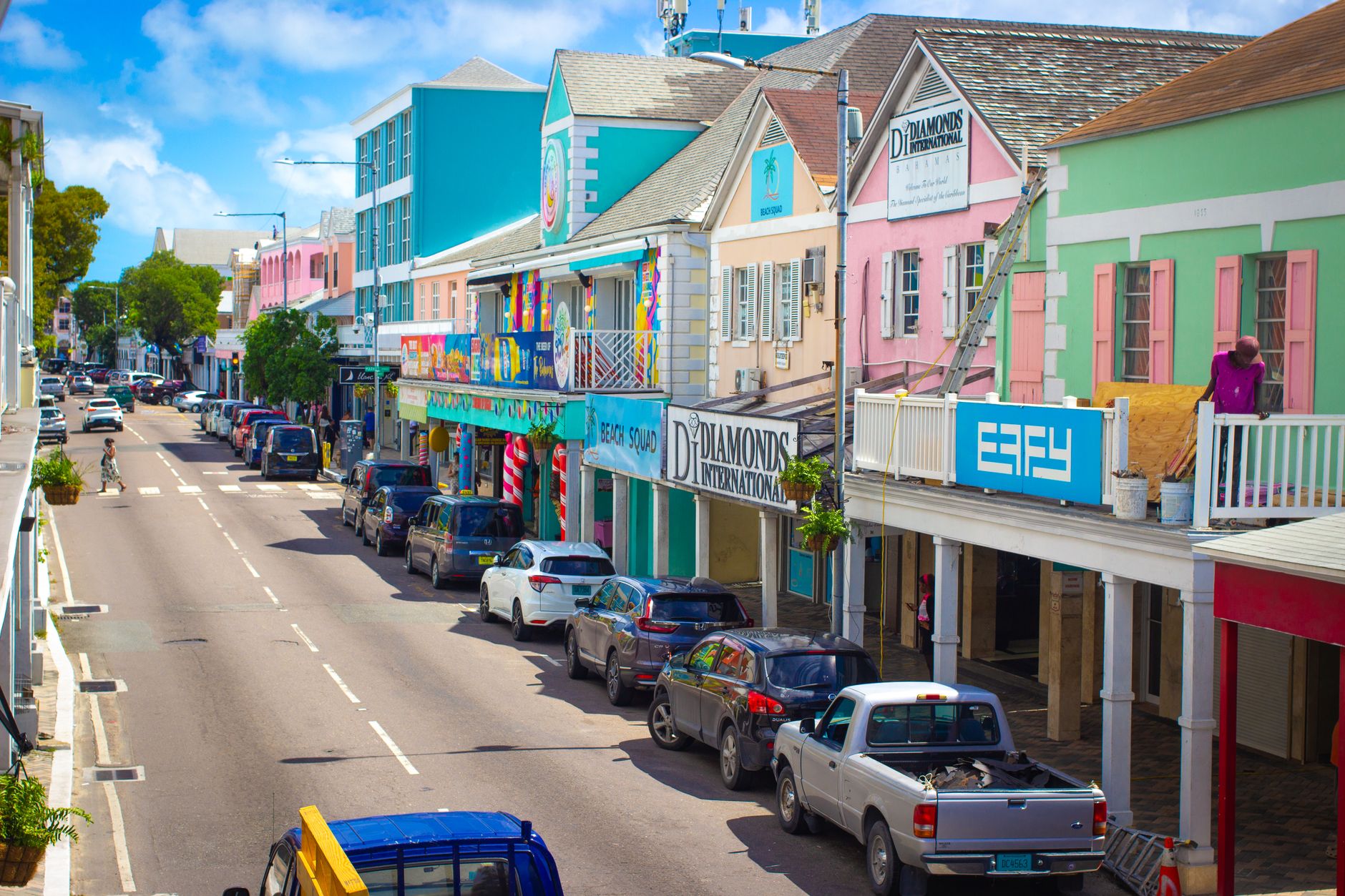
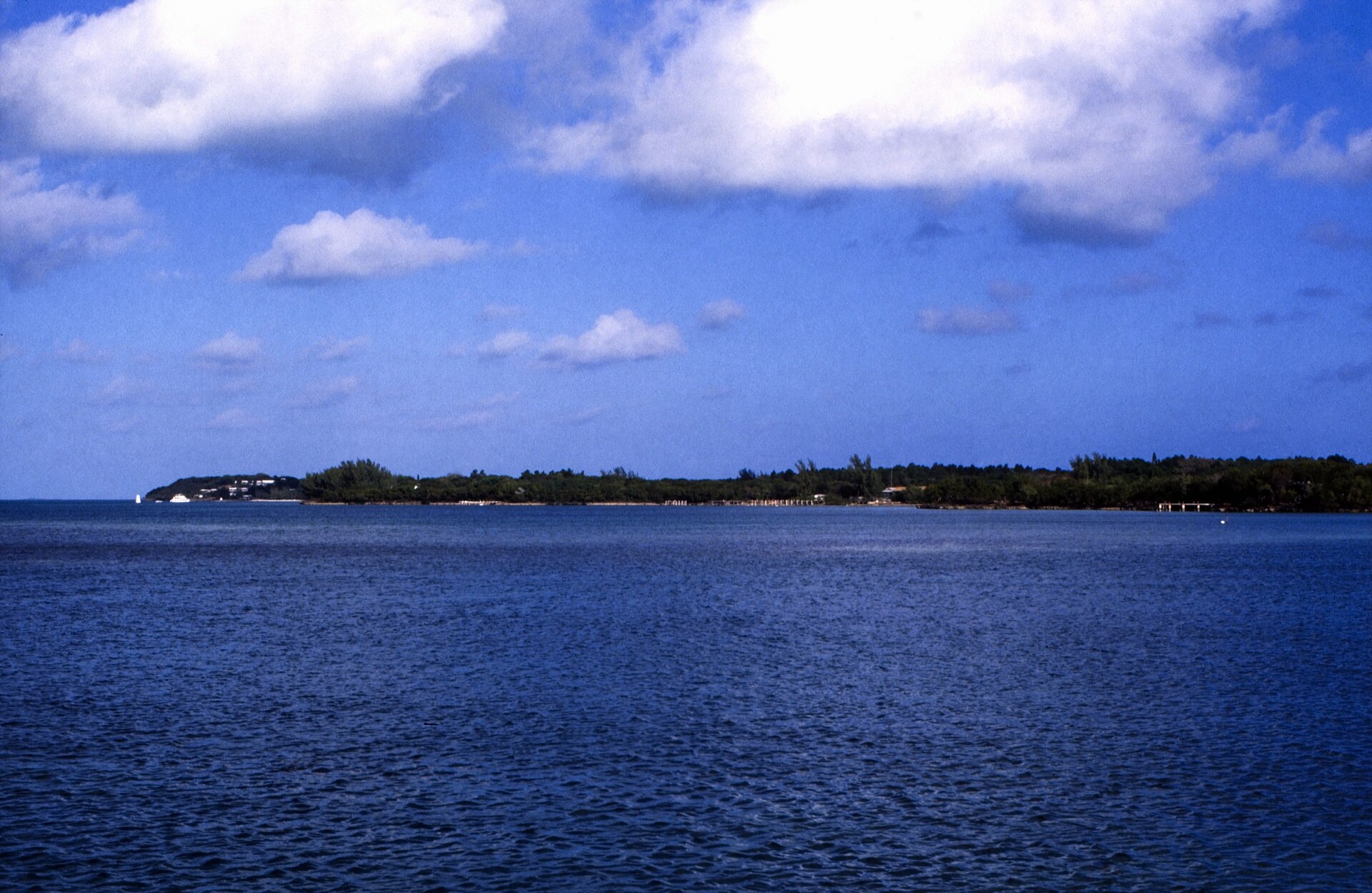
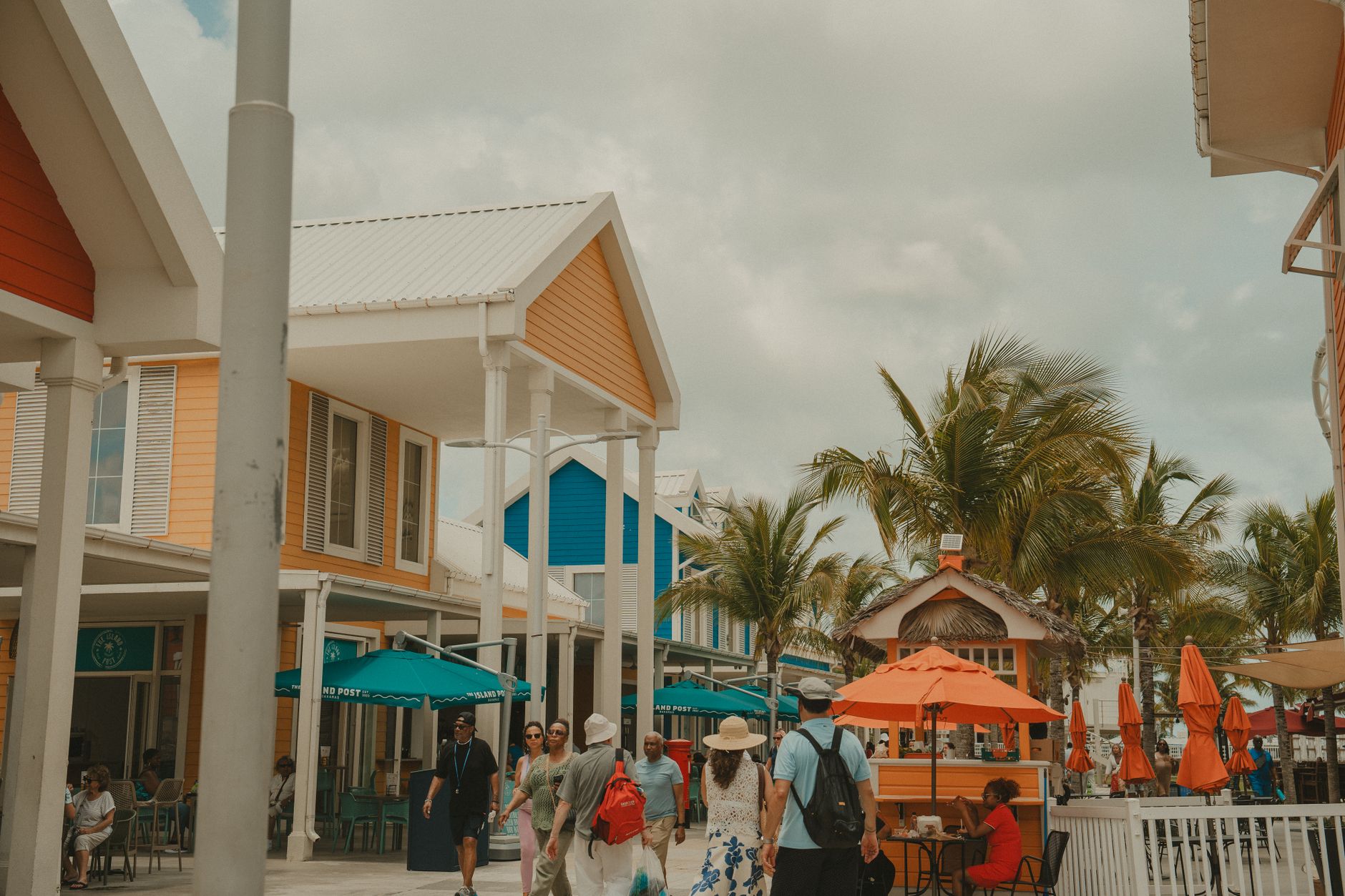
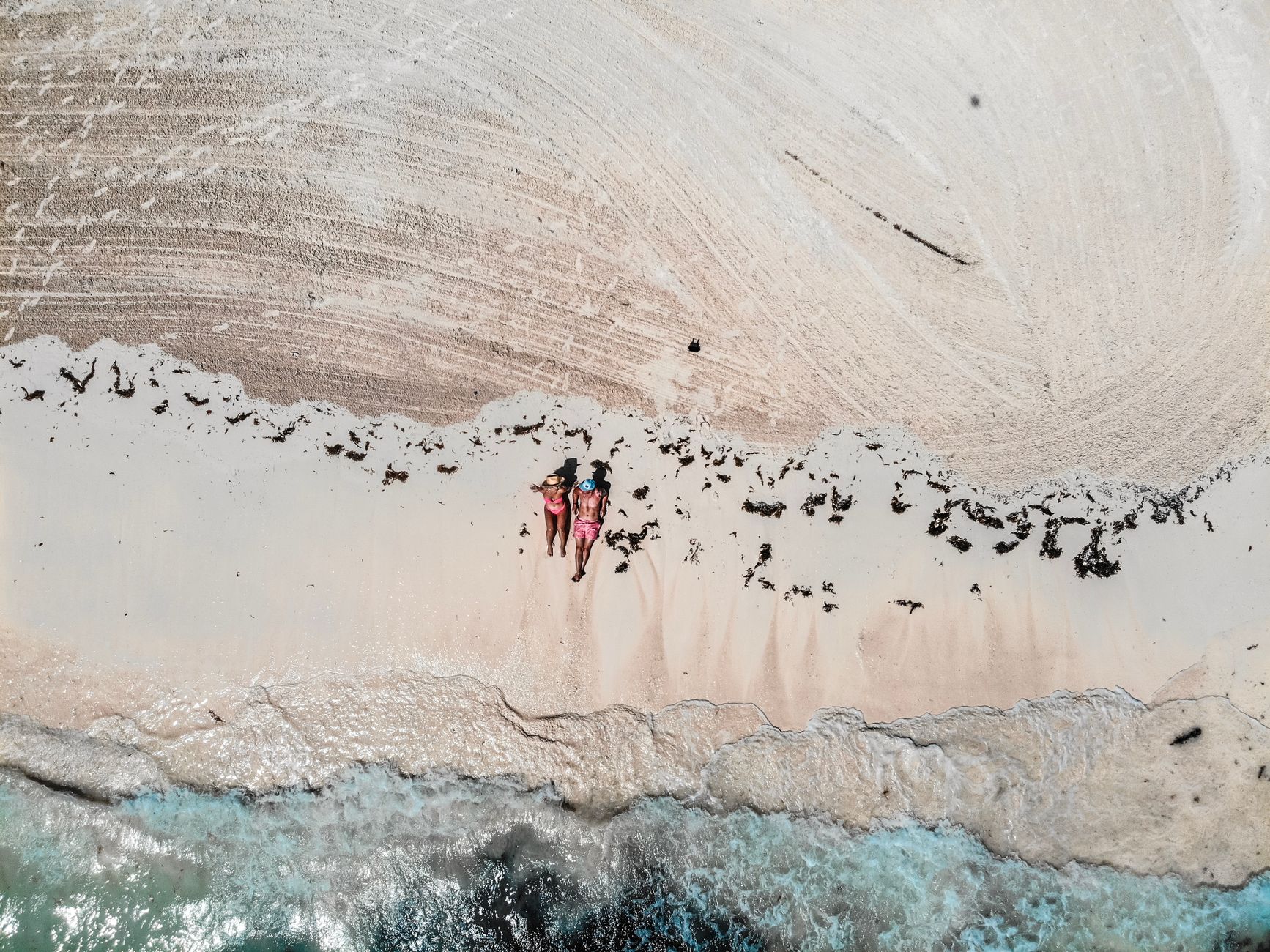
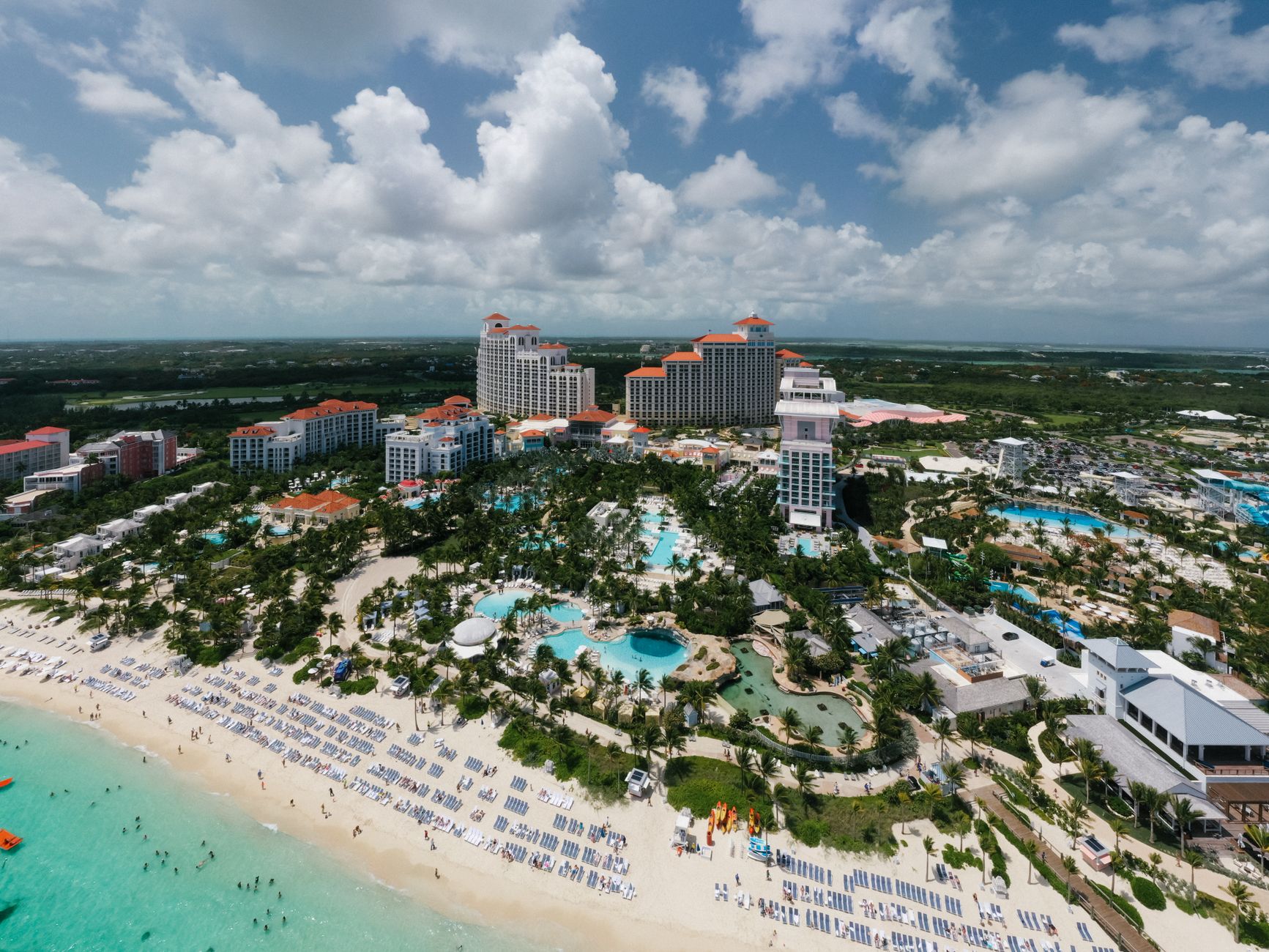
The Bahamas is an archipelago of about 700 islands strung across 100,000 square miles of the Atlantic, though only a few dozen are inhabited. Nassau, on New Providence, is where most visitors land — a city where pink colonial buildings face the harbor and hand-carved limestone staircases climb the hillside. But the country's real range lies in what comes after: the bone-fishing flats of Andros, the pink-sand beaches of Harbour Island, the Exumas' shallow turquoise channels.
Getting between islands is part of the experience. You'll take small prop planes or slow ferries, and each island runs at its own pace. Nassau is the logical base, but it's also just the beginning of what the Bahamas actually is.
Popular regions in Bahamas
💛 What travellers fall for
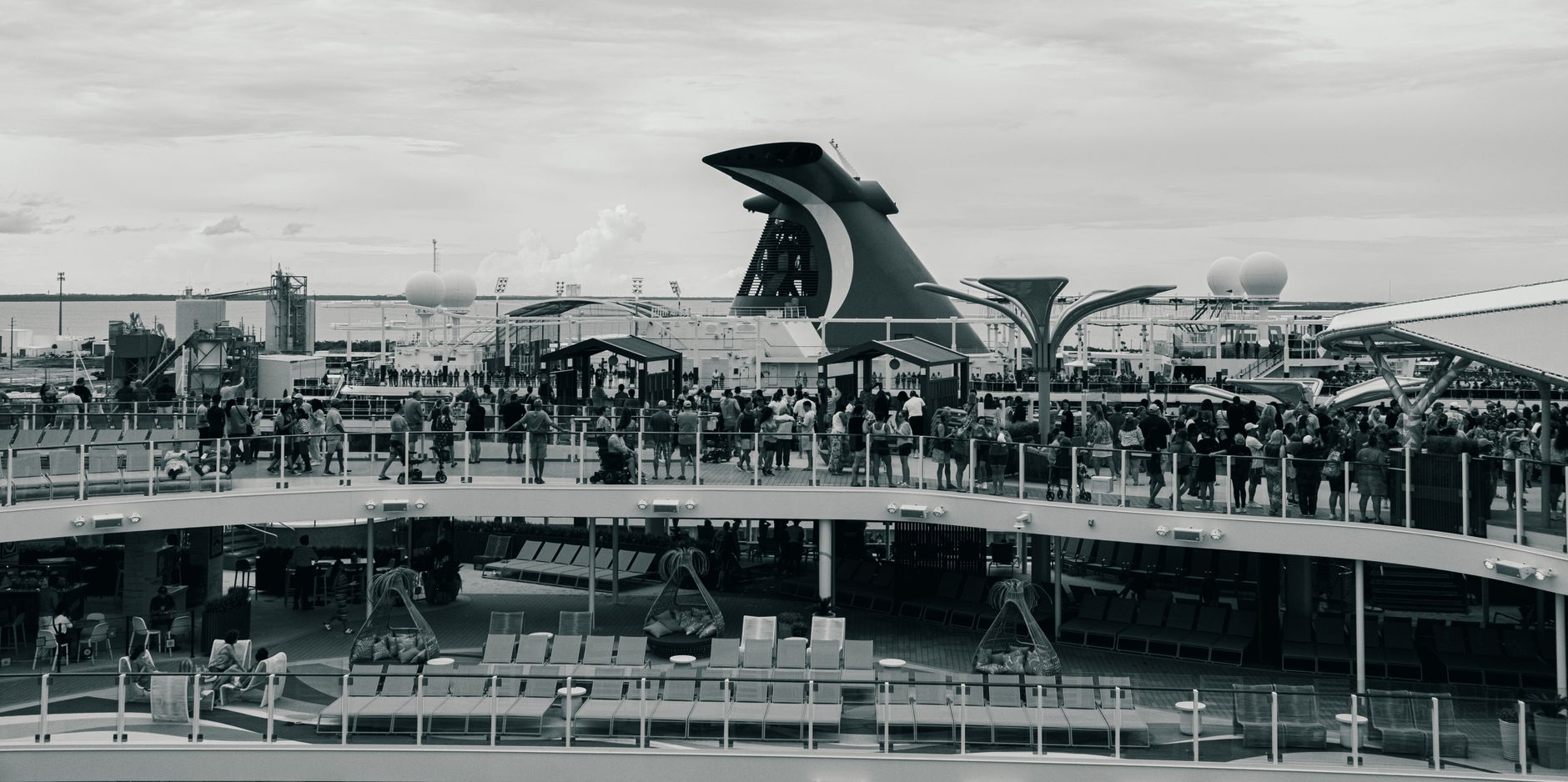
People who keep coming back tend to skip the cruise-ship crowds on Bay Street by mid-morning and head instead to the jitneys — $1.50 gets you most of downtown. The ferry to Paradise Island costs $7 and leaves from Woodes Rogers Wharf. Those who plan ahead book inter-island flights early; seats on the short hops to Harbour Island or the Exumas fill faster than you'd expect.
Experiences you don't want to miss



Deals in Bahamas
Book directly at the provider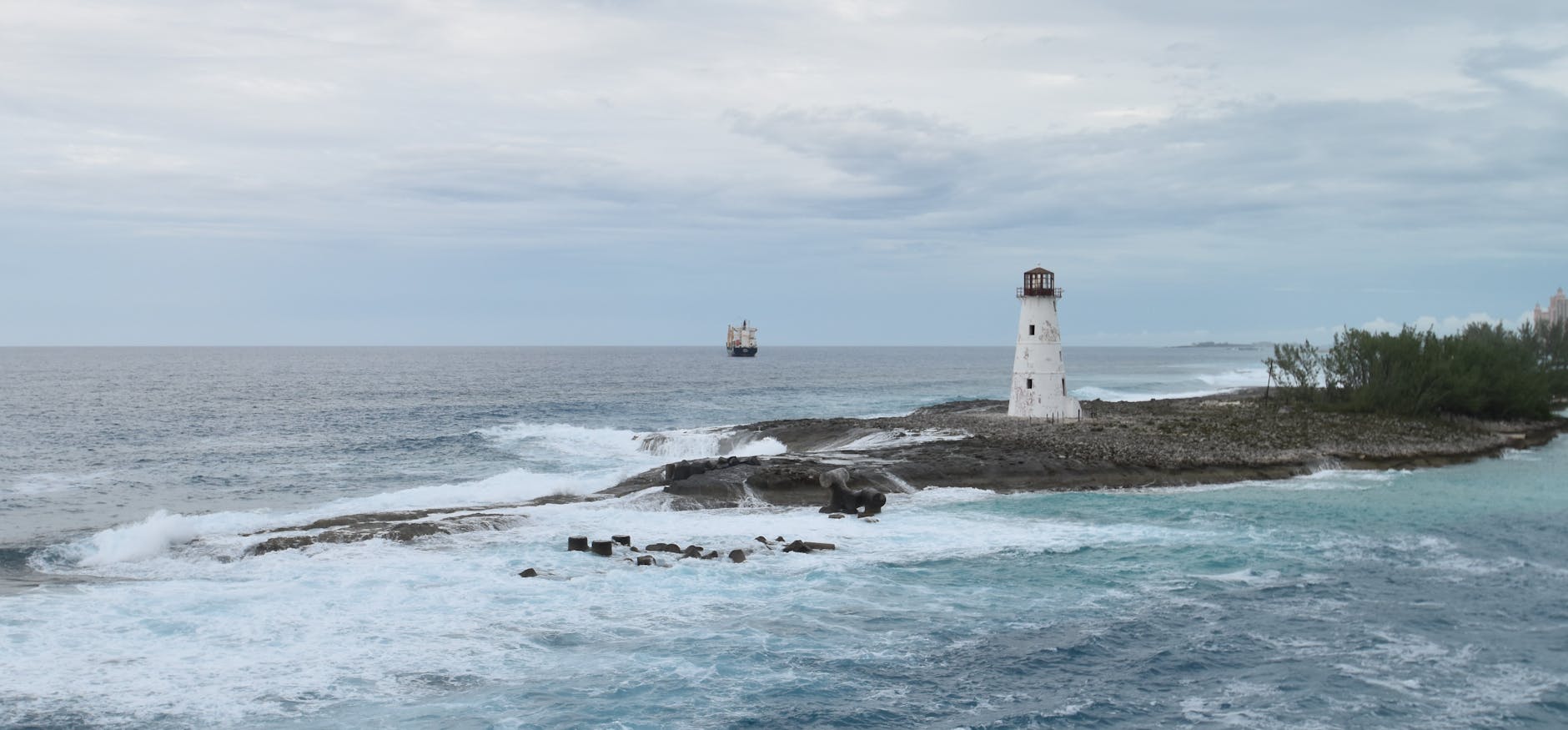


How Bahamas came to be
On 12 October 1492, Columbus made his first landfall in the Americas on the island the Lucayan people called Guanahani — now San Salvador. European settlement came later and harder: the first permanent British colony was established on Eleuthera in 1648. For decades the islands were a haven for pirates, including Blackbeard, operating from Nassau's harbor.
In 1718, the British Crown sent Woodes Rogers as governor with a mandate to end piracy and bring order. He did, and the Bahamas became a crown colony. Independence came on 10 July 1973, with Lynden Pindling as the country's first prime minister — his name now on the international airport.
Who and what shaped it
People who shaped it
Landmark buildings
See Bahamas in motion
Plan your visit
On the map
When to go
The dry season from late November to mid-April brings warm, lower-humidity days — highs around 22–25°C (72–77°F) in Nassau — and is the most comfortable time to visit. Summer months are hotter and wetter, with daily averages climbing to 28–29°C (82–84°F) and hurricane risk running through November.
Right now
↡ Regions


No places match these filters.
Background & history adapted from Wikipedia (CC BY-SA) · specs from Wikidata (CC0) · weather from Open-Meteo · map data © OpenStreetMap contributors · photos from Wikimedia Commons / Unsplash with per-image credit. No third-party reviews or social posts reproduced.