
Abaco Islands
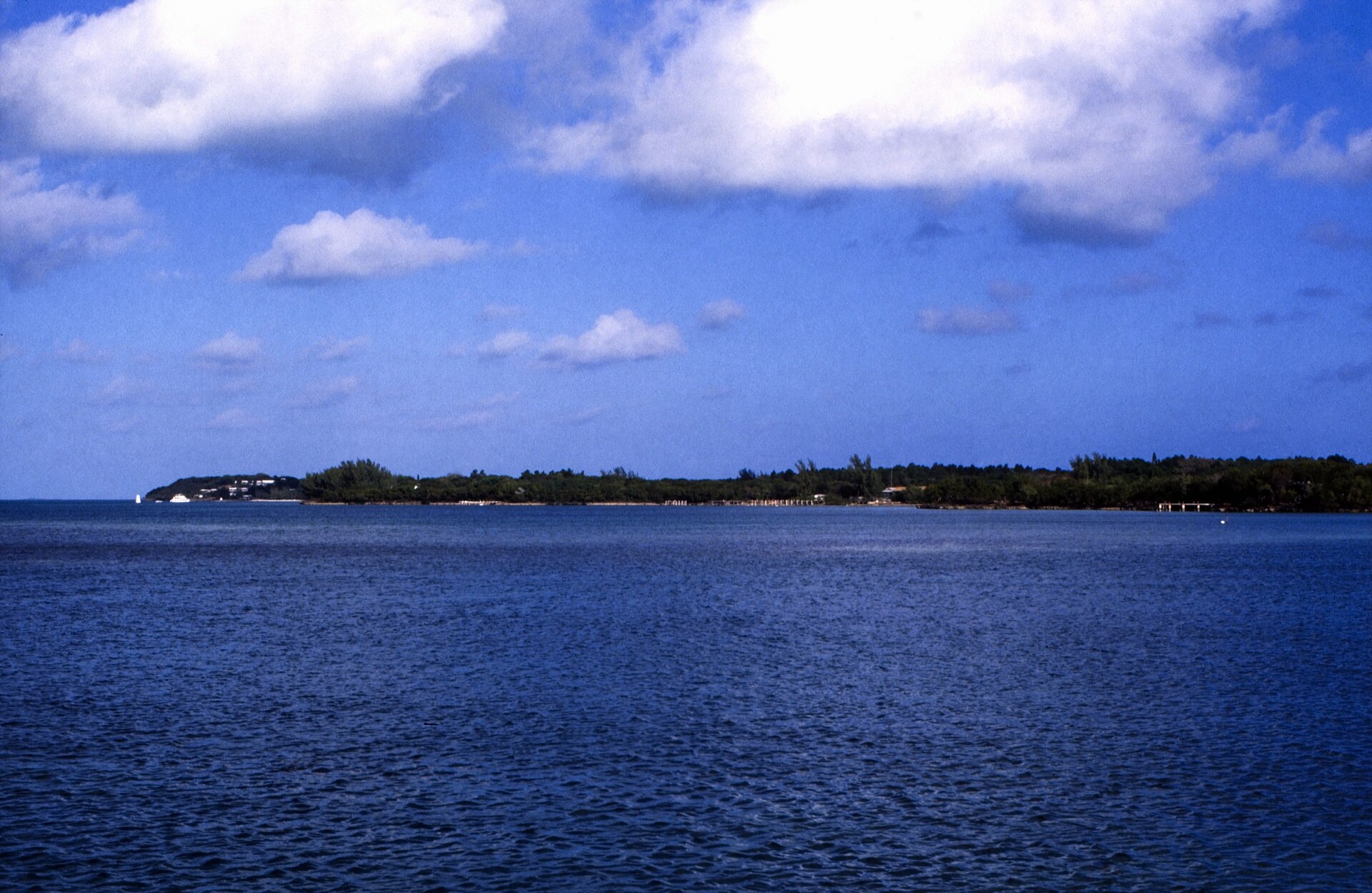
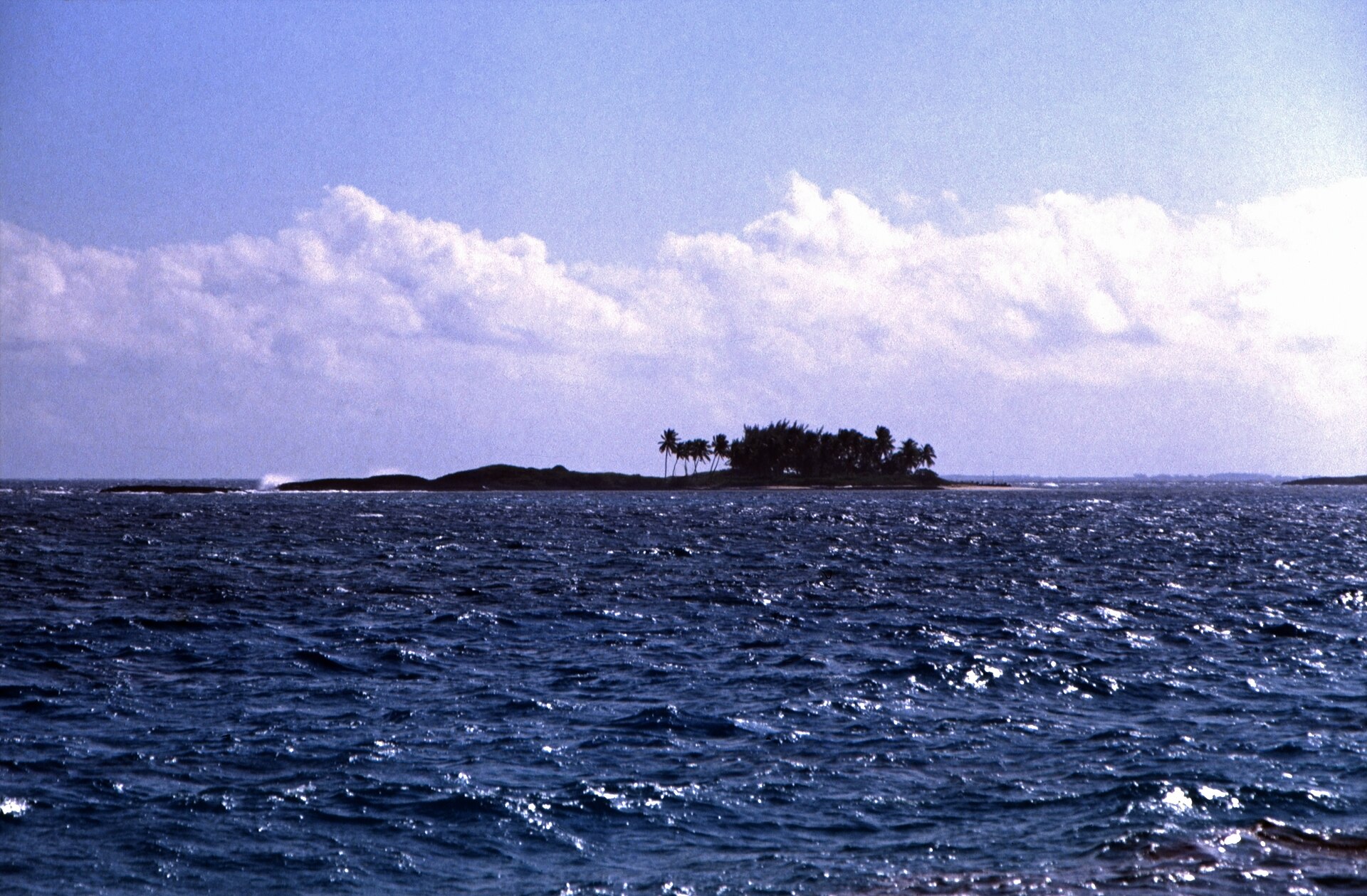
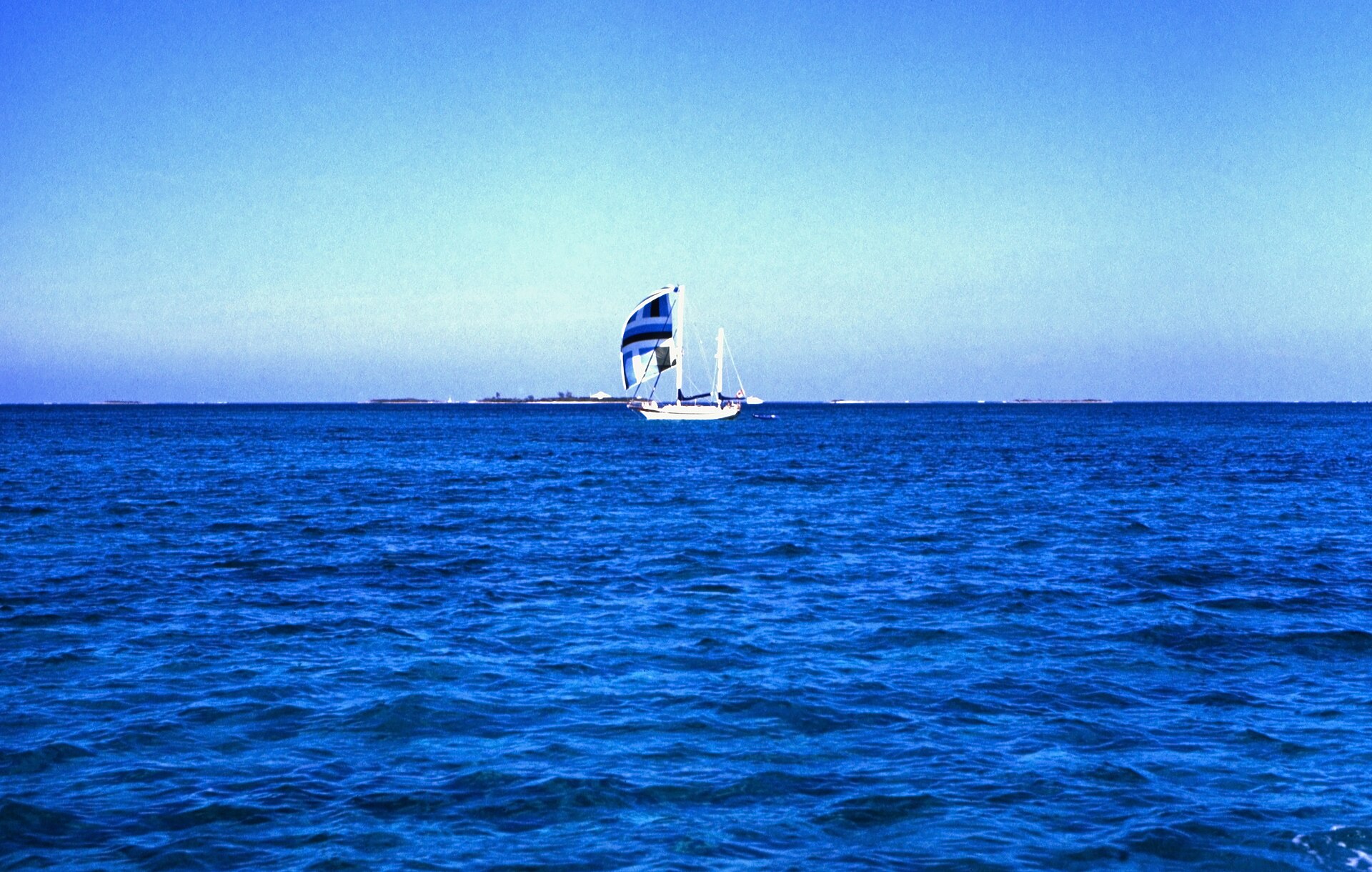
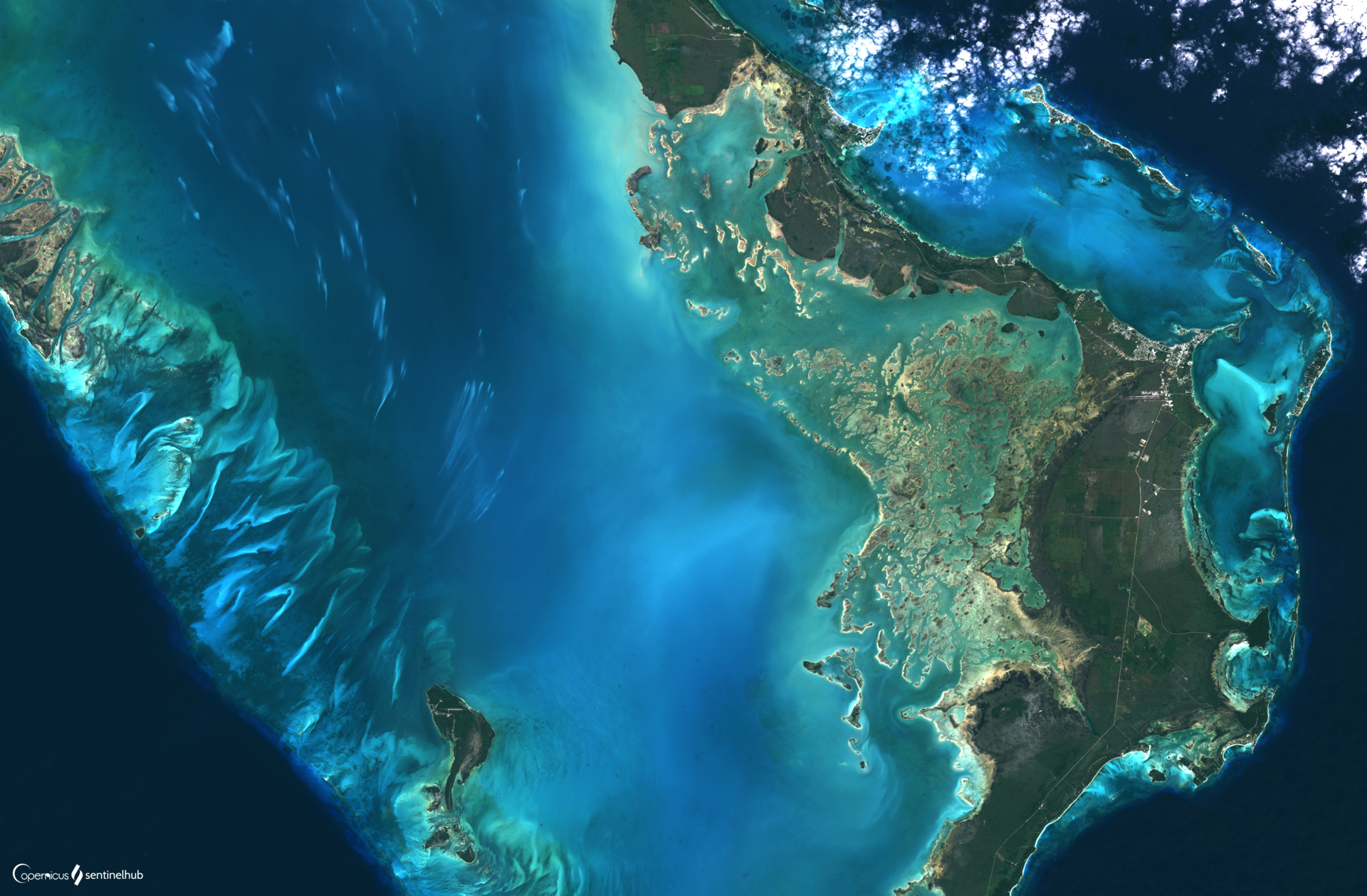
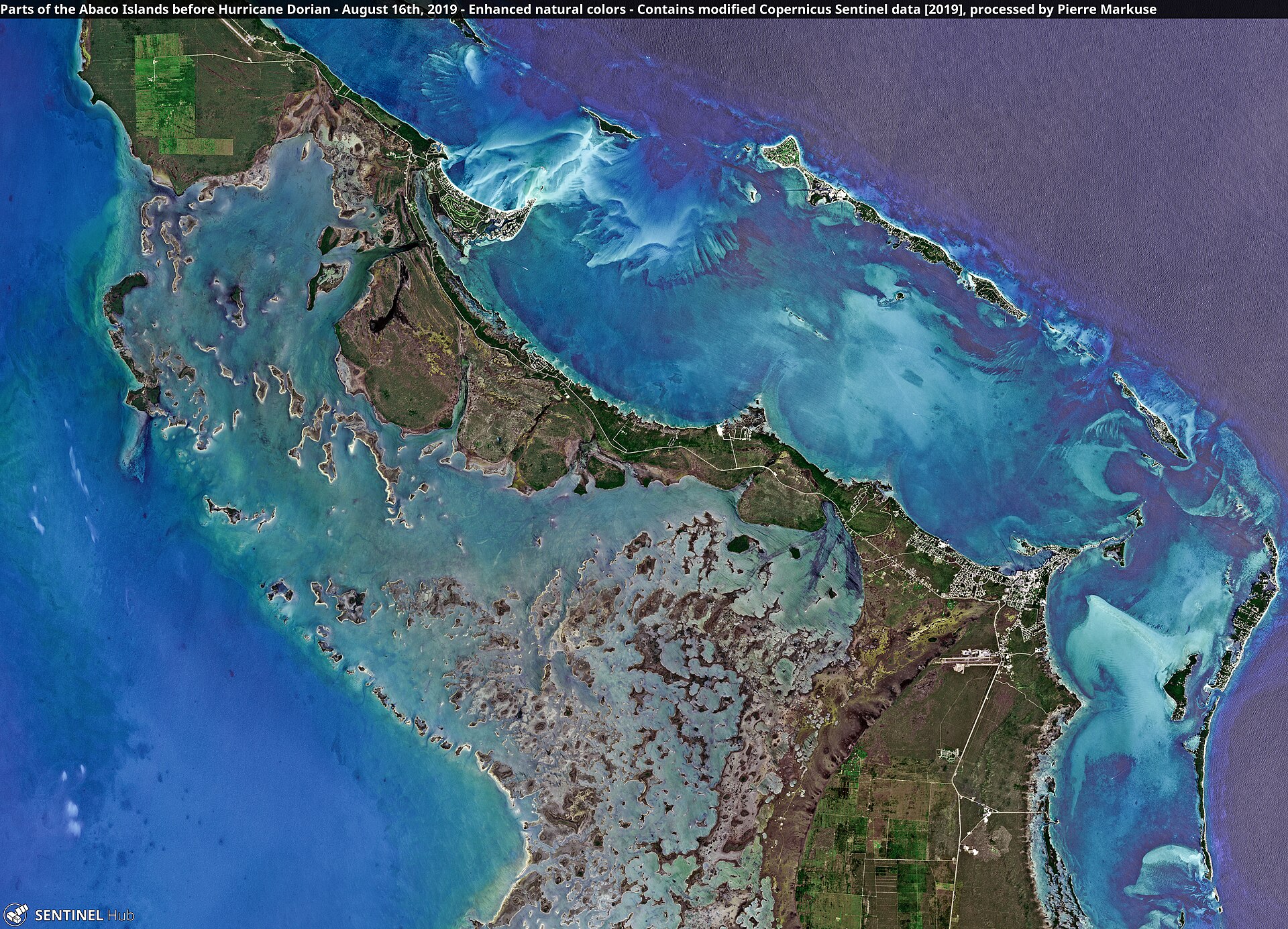
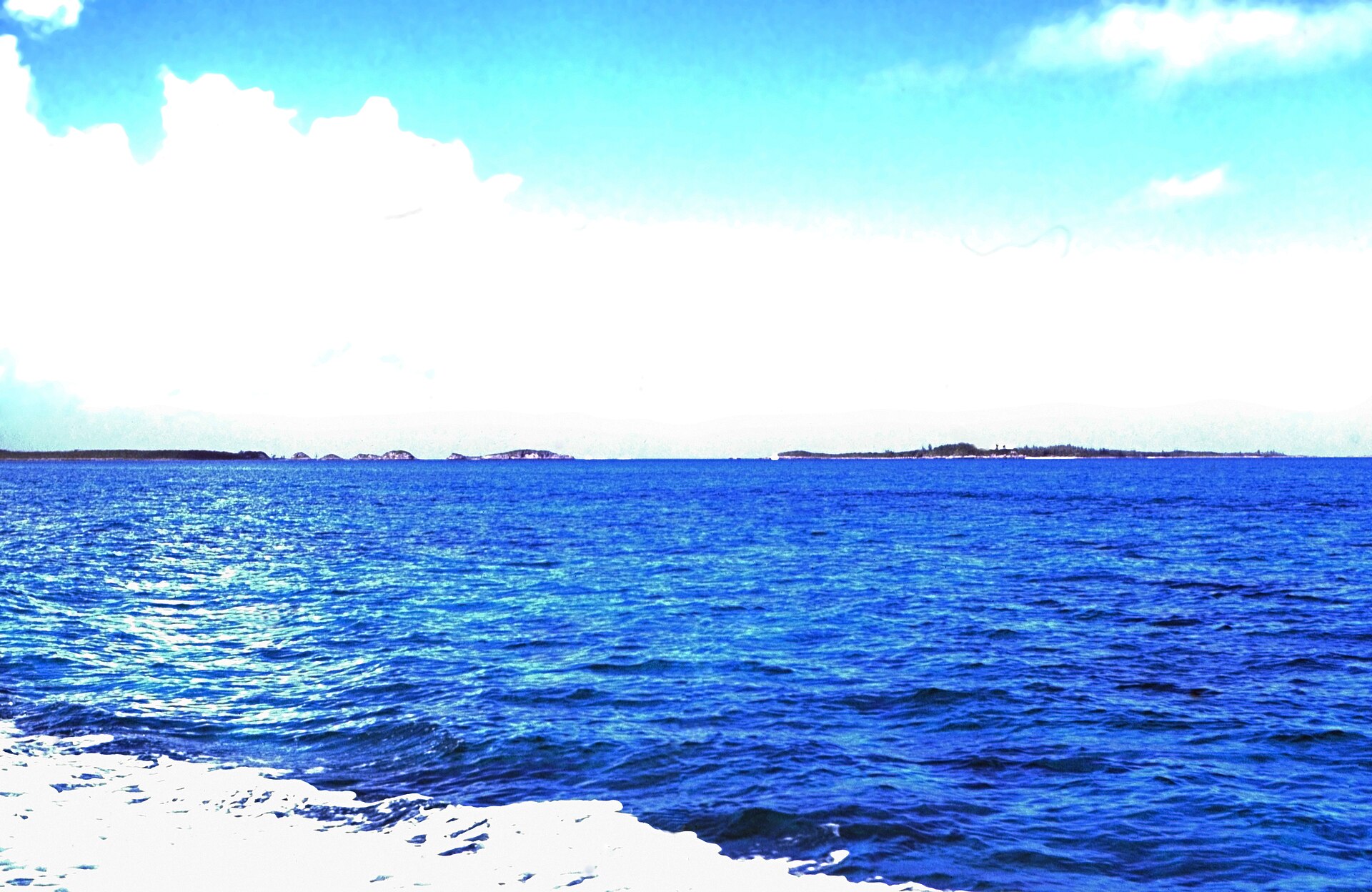
The Abaco Islands run in a loose arc about 175 miles east of Florida — a chain of cays where the Atlantic deepens from turquoise to indigo just beyond the reef. What sets Abaco apart from much of the Bahamas is its scale: you can island-hop by ferry in the morning, watch a bronze pour at a working foundry in the afternoon, and still be back on a dock somewhere quiet before dark.
Marsh Harbour is the practical hub, but the character of the place lives out on the cays — Hope Town with its candy-striped lighthouse and pastel gingerbread cottages, Man-O-War with its boat-building tradition, and the southern stretches where 20,500 acres of pine forest shelter one of the last populations of the Bahama Parrot.
💛 What travellers fall for
People who come back tend to sort themselves by rhythm: some anchor in Hope Town and let the Albury's ferry handle everything; others rent a skiff and work their way south toward Hole-in-the-Wall. Either way, the detail they mention most is Little Harbour — Randolph Johnston's old foundry, still running, still pouring bronze at the edge of the sea.
How Abaco Islands came to be
The Lucayans — who called these waters Lucayoneque — were gone within decades of European contact, enslaved and removed by the Spanish; by 1520 the Bahamas were largely empty. The Abacos' modern character was shaped by a different displacement: in August 1783, roughly 1,500 American Loyalists sailed from New York and founded the settlement of Carleton, named for British commander Sir Guy Carleton, near what is now Treasure Cay. They planted sea island cotton, watched the 1788 crop fail to caterpillars, and gradually adapted.
Later arrivals from the Carolinas founded Cherokee Sound in the 1790s. By 1908 the logging town of Wilson City had electricity — the same year as Nassau. Regular mail-boat service from Nassau didn't arrive until 1923, aboard the diesel-powered Priscilla. When the Bahamas became independent in July 1973, a small political party called the Abaco Independence Movement briefly pushed back, but the moment passed.
Who and what shaped it
People who shaped it
Landmark buildings
See Abaco Islands in motion
Plan your visit
On the map
When to go
Temperatures stay remarkably steady — around 27°C (81°F) year-round, nudging up to 30°C in August and dropping to a mild 24°C in January. The dry season runs roughly December through April, which is also when trade winds keep the heat manageable; summer and early autumn bring higher humidity and the possibility of tropical storms.
Right now
Background & history adapted from Wikipedia (CC BY-SA) · specs from Wikidata (CC0) · weather from Open-Meteo · map data © OpenStreetMap contributors · photos from Wikimedia Commons / Unsplash with per-image credit. No third-party reviews or social posts reproduced.