Country

Morocco

Morocco
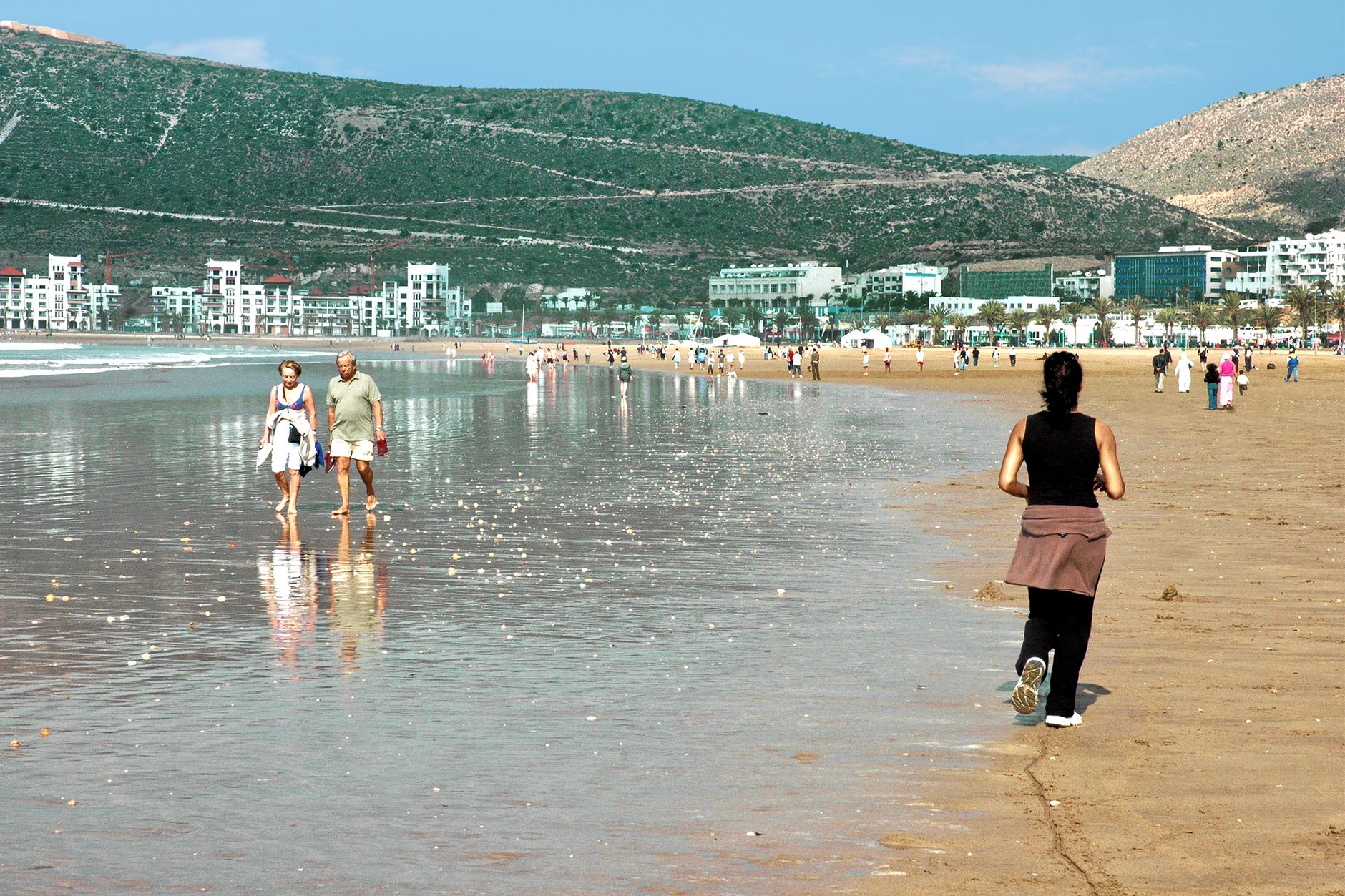
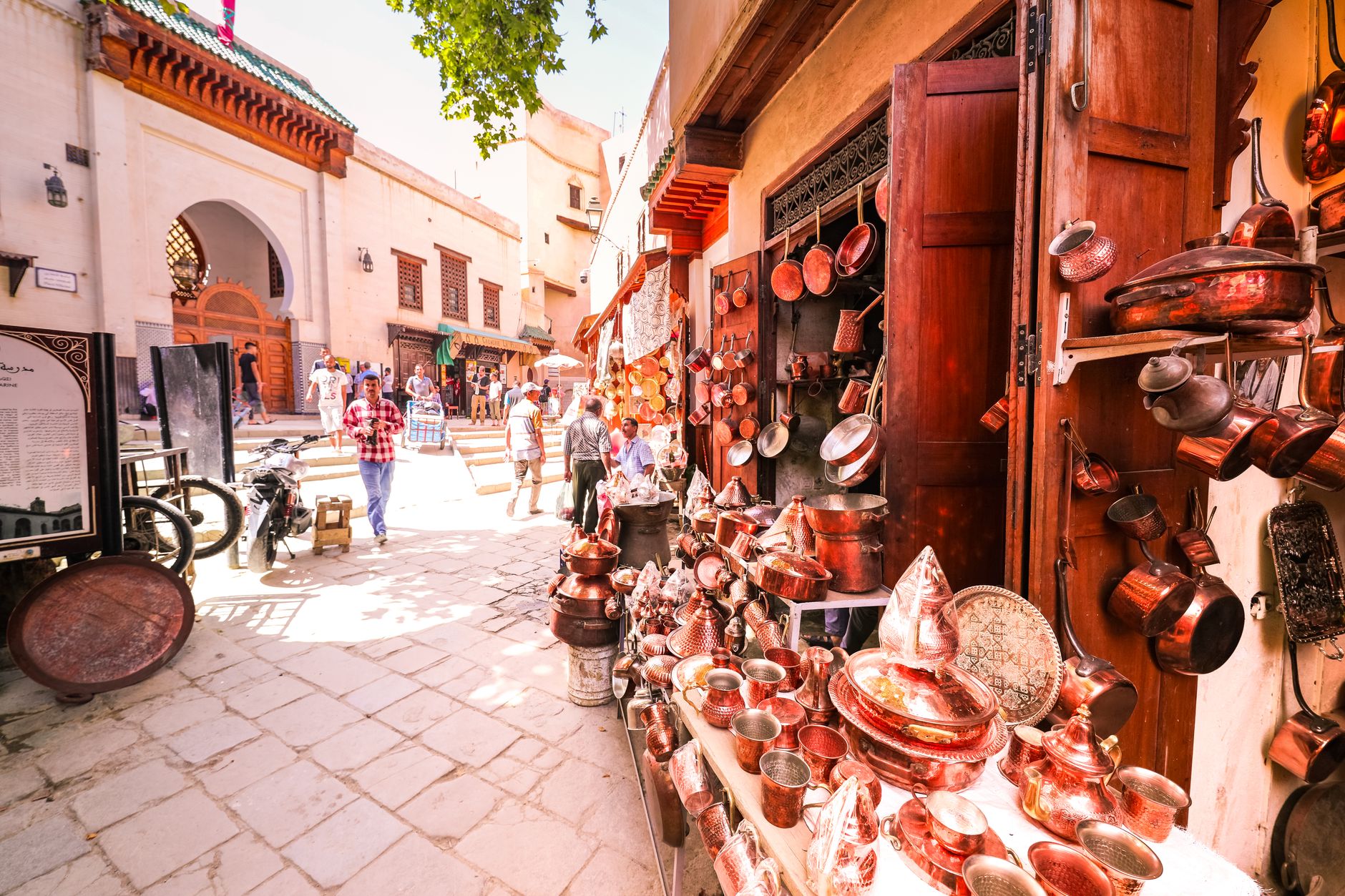
Photo by Valentin Vesa on Pexels
Morocco
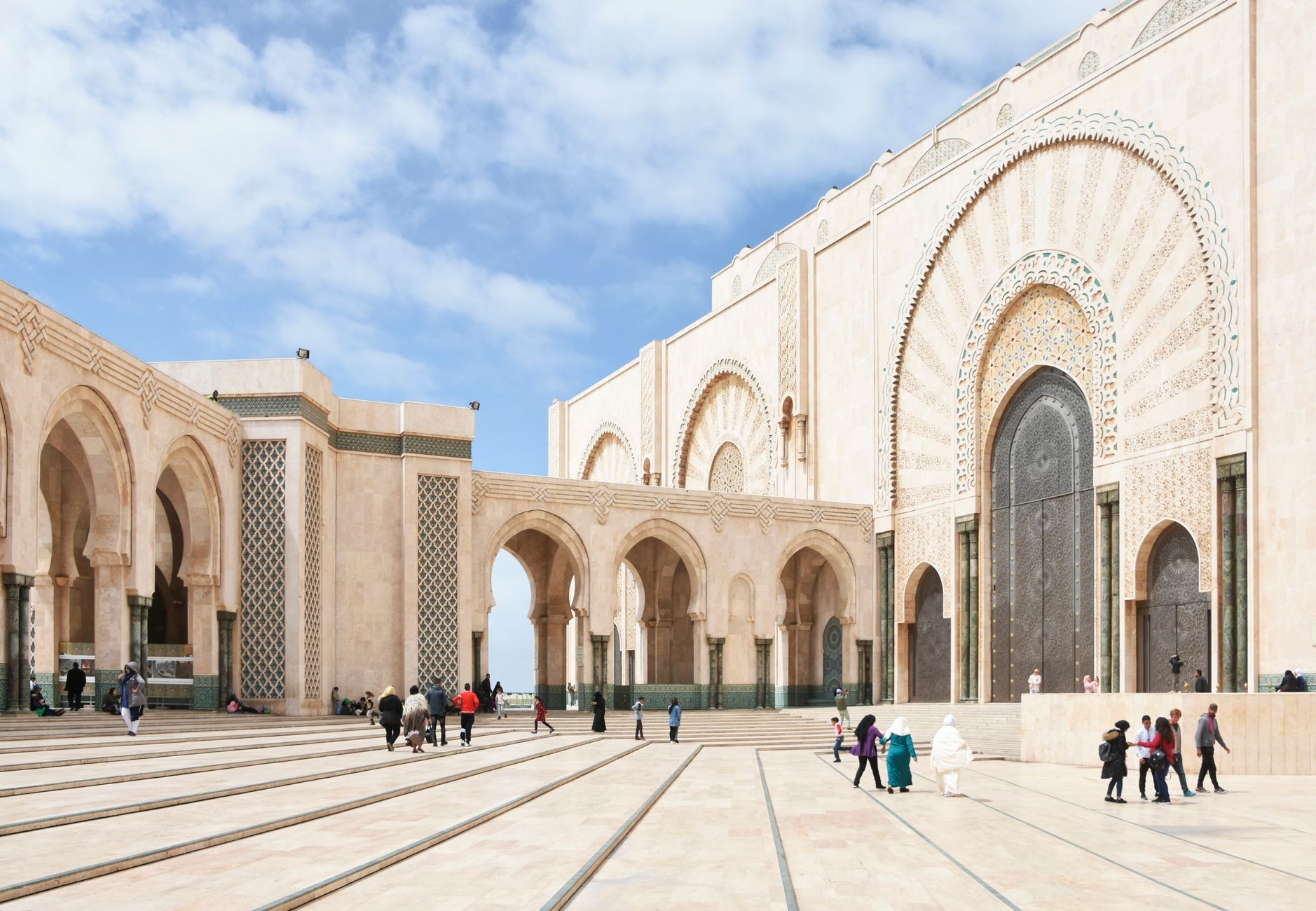
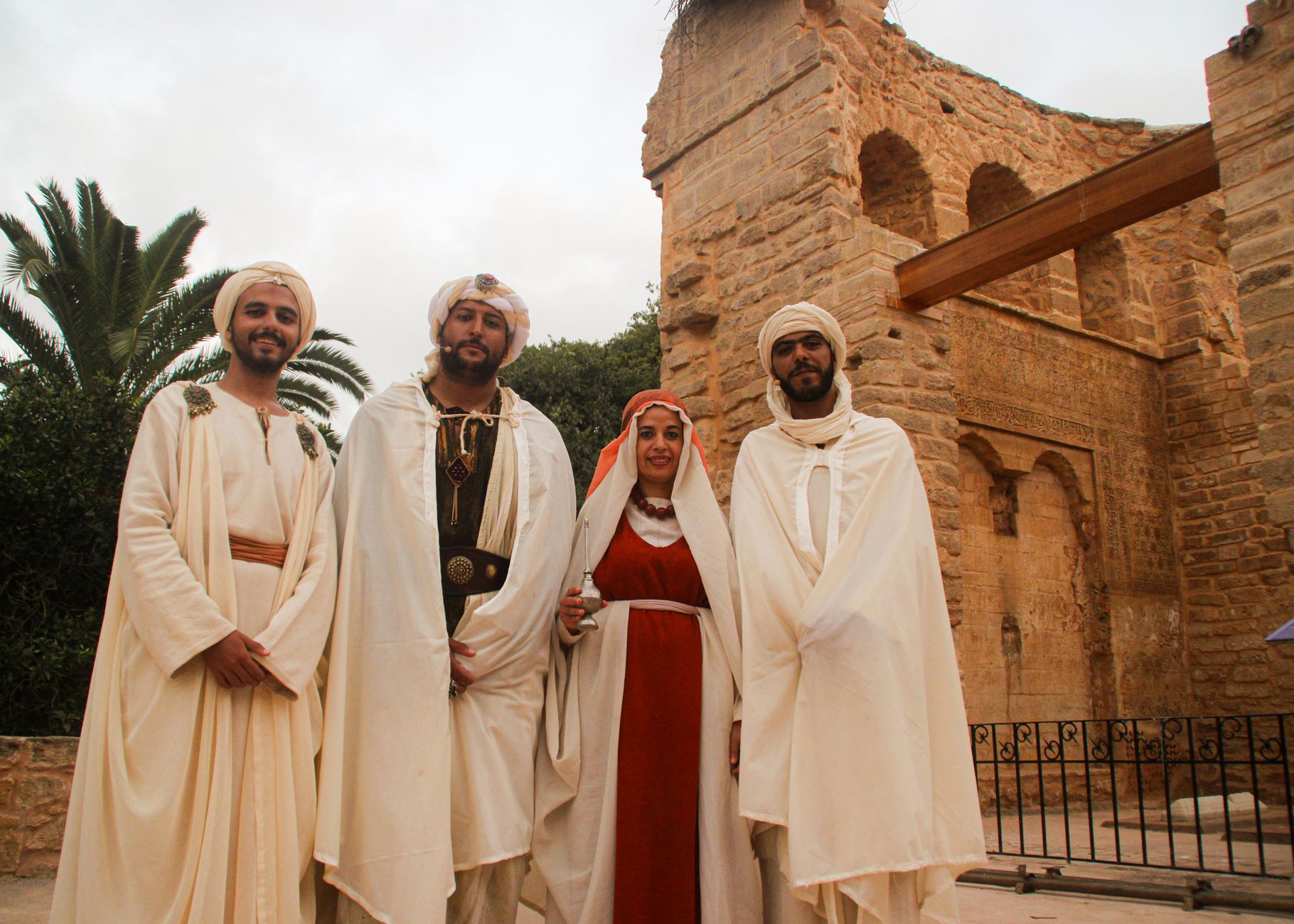
Photo by Abduljaleel tijjani Muhammad on Pexels
Morocco
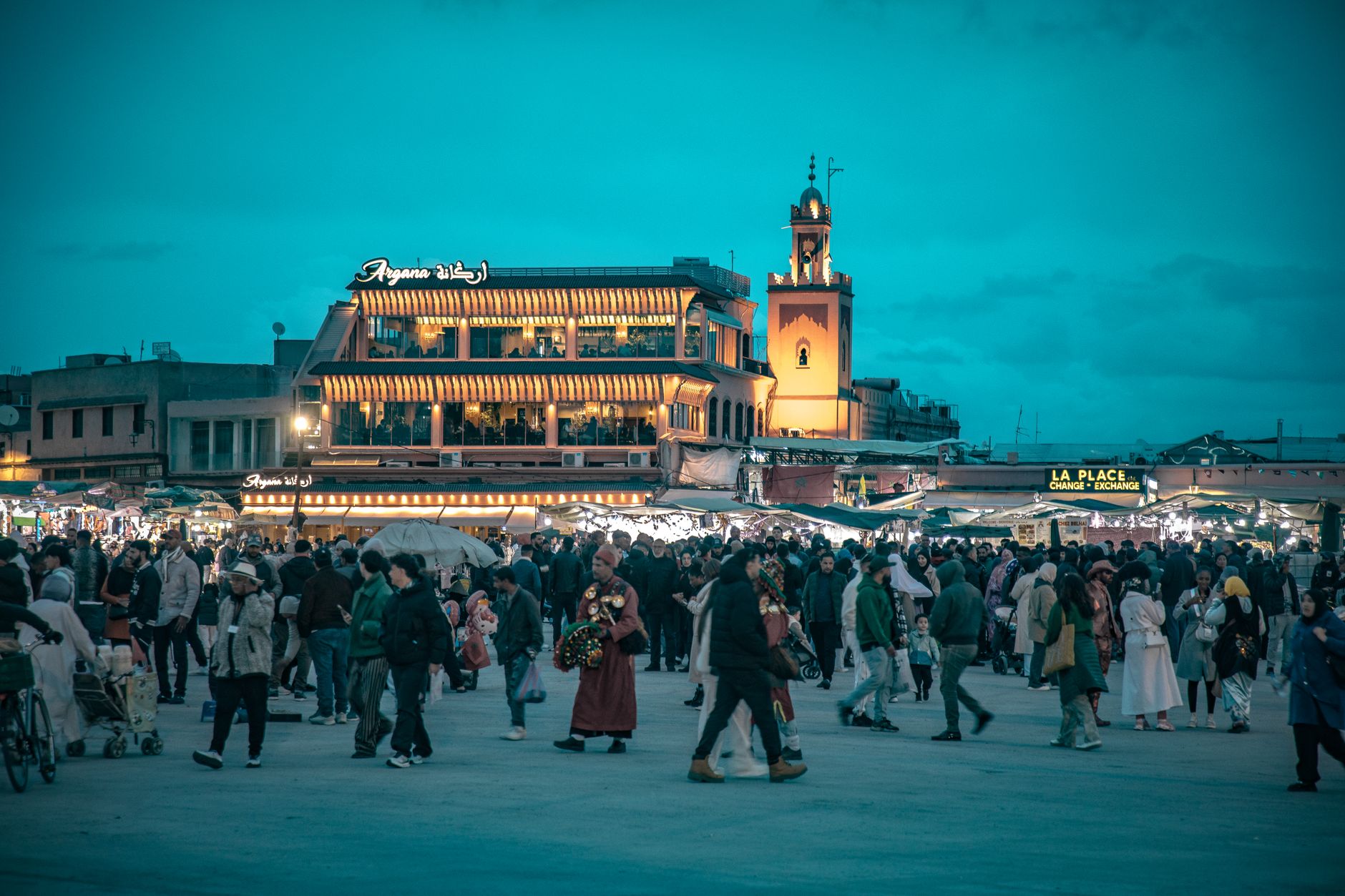
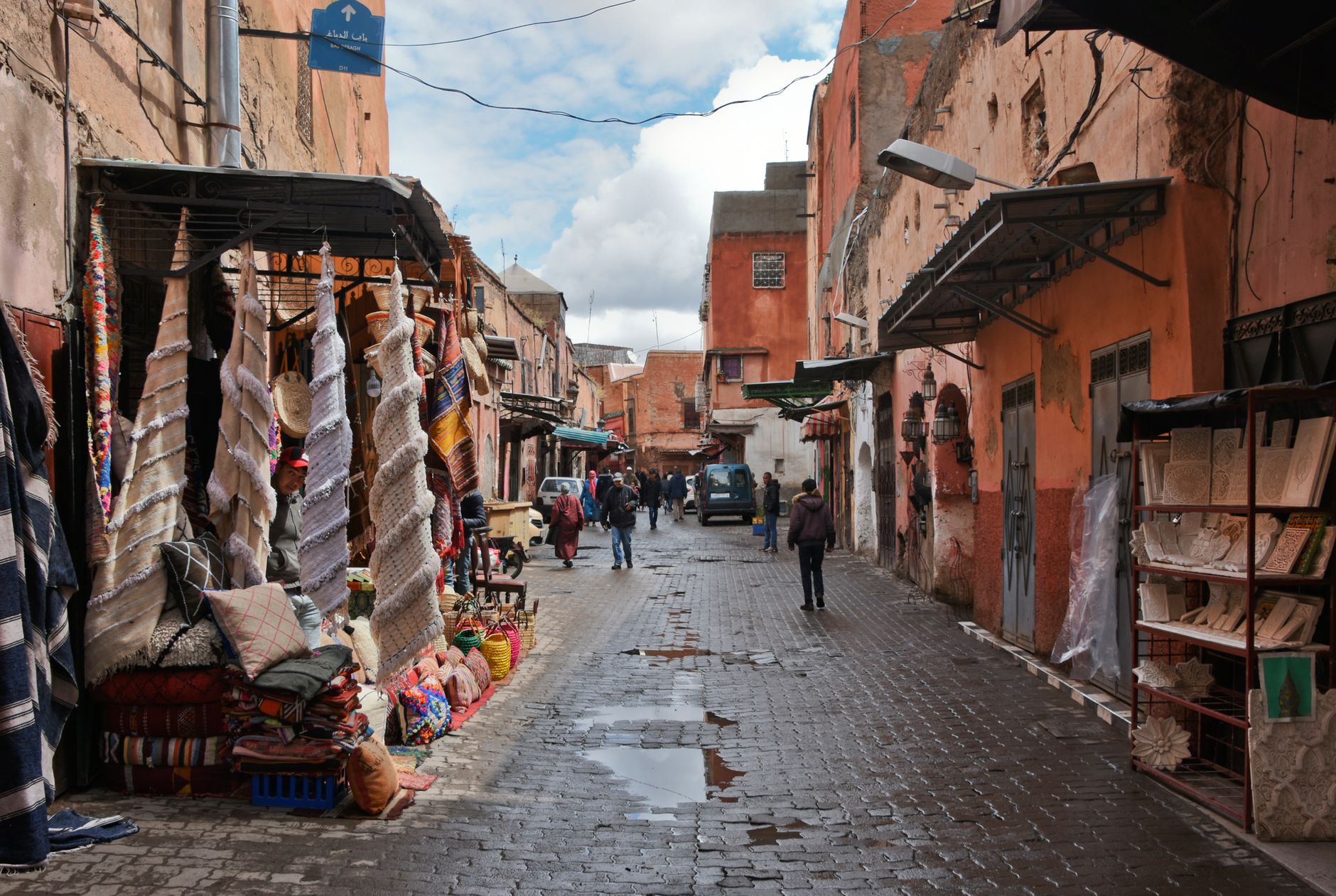
Photo by MELIANI Driss on Pexels
Morocco
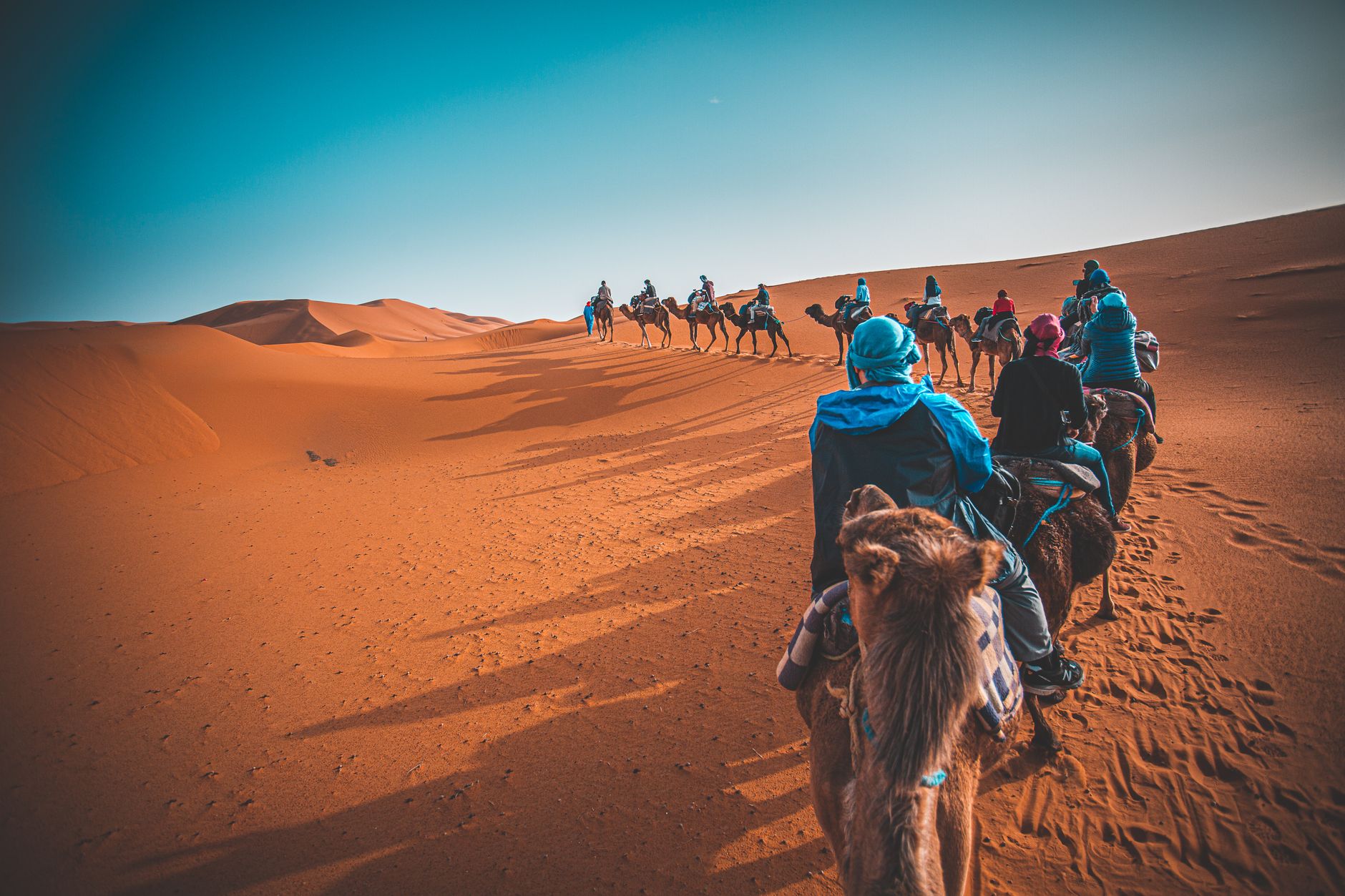
Photo by Zak Chapman on Pexels
Morocco
Photo by Mehdi Batal on Pexels
Morocco
Photo by Tom D'Arby on Pexels
Culture & history Food & drink Adventure & active

Morocco sits at a crossing point — between the Mediterranean and the Sahara, between Arab, Amazigh and sub-Saharan worlds, between a very old past and a country still working out what it wants to be. The Atlantic coast, the High Atlas, the pre-Saharan plains around Ouarzazate: these are not backdrops but distinct places with distinct light and distinct people, and moving between them takes more time than first-time visitors usually allow.

The country rewards specificity. The square in Marrakech, the Roman columns at Volubilis, the green-tiled roofs of Al-Karaouine in Fes — each carries enough detail to hold your attention for longer than the itinerary suggests. Come with room to slow down.

💛 What travellers fall for

People who return tend to say the same thing: give each city its own trip. Fes and Marrakech are often bundled together, but they ask for different rhythms. The Al Boraq train between Tangier and Casablanca is genuinely fast and comfortable — a better introduction to the north than any rental car on a tight schedule.

Good to know
Mohammed V International Airport in Casablanca handles most international arrivals; Marrakech's Menara Airport is the main entry point for the south. The ONCF rail network and Supratours buses connect the major cities reliably. Spring (March–May) and autumn (September–November) are the most practical times to visit across regions.

Deals in Morocco

Book directly at the provider
The story

How Morocco came to be

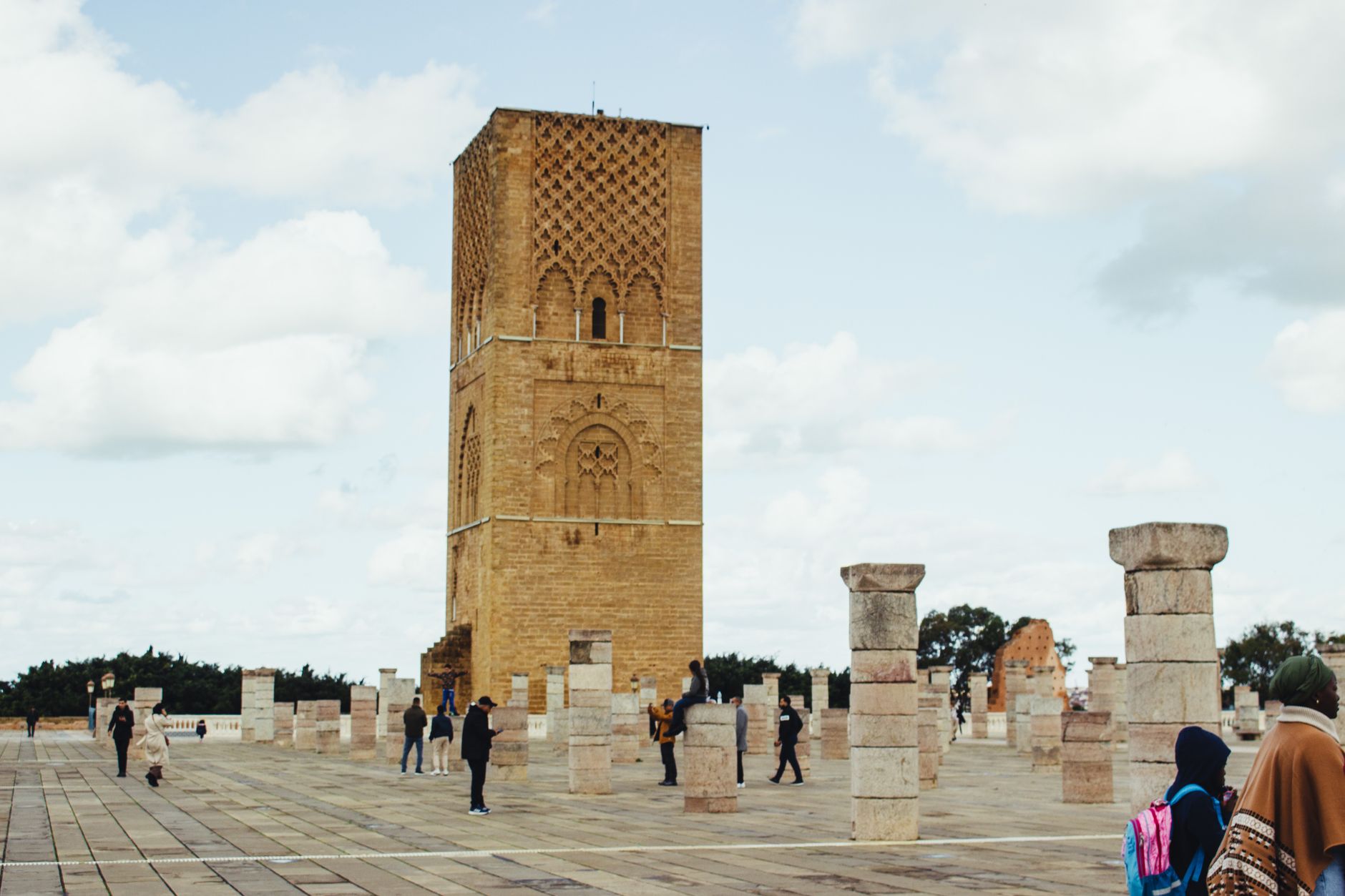
The first Moroccan state took shape under Idriss I, who arrived in 788 after fleeing Abbasid persecution and persuaded the Amazigh Awraba tribes to break from the caliphate. The Almoravids founded Marrakech in 1062; the Almohads raised the Koutoubia's 77-metre minaret and commissioned the unfinished Hassan Tower in Rabat before the sultan's death halted it in 1199. The Marinids built their administrative city at Fes Jdid in 1276.

The Alaouite dynasty came to power in 1631 and its line continues today. France established a protectorate through the Treaty of Fez in 1912, but Sultan Mohammed V steadily distanced himself from colonial authority — encouraged in part by a conversation with Franklin Roosevelt in 1943 — until Morocco gained independence on 2 March 1956.

People & landmarks

Who and what shaped it

People who shaped it

Idris ibn Abdallah
Fled Abbasid persecution in 788, founded Idrisid dynasty and first Moroccan state after convincing Awraba Berber tribes to break from caliphate.
Ibn Tumart
Founded Almohad doctrine among Masmuda Berber tribes; established Berber state in Tinmel, Atlas Mountains, around 1120.
Mohammed V
Sultan who distanced Morocco from French protectorate after 1947; encouraged by Franklin Roosevelt in 1943; led country to independence on 2 March 1956.
Mohamed VI
Current monarch; inherited throne upon father Hassan II's death in July 1999; of Alaouite dynasty descent.

Landmark buildings

Hassan Tower
Unfinished mosque complex in Rabat commissioned by Sultan Yacoub al-Mansur in late 12th century; intended as world's tallest minaret at ~44 metres, halted by sultan's death in 1199.
Mausoleum of Mohammed V
White building with green tiled crown in Rabat; commissioned by King Hassan II in 1962, completed 1971; free admission, open 8:00–18:30.
Hassan II Mosque
Casablanca; completed August 30, 1993; 7th largest and largest functioning mosque in Africa; holds 25,000 worshippers; 200-metre minaret; half built over Atlantic Ocean.
Koutoubia Mosque
Built 12th century during Almohad Caliphate in Marrakech; minaret stands 77 metres tall.
Al-Karaouine
Founded 9th century in Fes; oldest continually operating university in Africa and world; distinctive green ceramic tiled roofs.
Volubilis
UNESCO-listed ancient Roman site near Meknes with ruins from first century BC; includes Triumphal Arch of Caracalla (217 AD); designated World Heritage Site 1997.
Aït Ben Haddou
UNESCO World Heritage site since 1987 in Ouarzazate region; fortified village from 11th century; most buildings date 1800s; built from rammed earth, brick and wood.
El Badi Palace
Sixteenth-century lavish complex in Marrakech; took 25 years to build; over 350 rooms, courtyards, gardens, large pool.
Bahia Palace
Marrakech palace; construction began 1860s, continued until 1900; spans nearly 20 acres; renowned for decorative details.
Jemaa el-Fna
Marrakech square; UNESCO designated as immaterial cultural heritage of humanity in 2001.
Bab Mansour
Gate in Meknes completed 1732; embellished with white and green Zellij tiles and elaborate Koranic script.
Watch

See Morocco in motion

Practical

Plan your visit

On the map

When to go

The coasts and northern cities are mild in spring and autumn but can be genuinely hot inland from June through August; the Saharan south sees extreme heat in summer and cold desert nights in winter. The High Atlas holds snow from roughly November to April.

Right now

38°C
Partly cloudy
Fri
38°
21°
Sat
37°
21°
Sun
36°
22°
Mon
36°
20°
Weather data: Open-Meteo
Theme

↡ Cities

No places match these filters.


Background & history adapted from Wikipedia (CC BY-SA) · specs from Wikidata (CC0) · weather from Open-Meteo · map data © OpenStreetMap contributors · photos from Wikimedia Commons / Unsplash with per-image credit. No third-party reviews or social posts reproduced.

Top