
Rabat
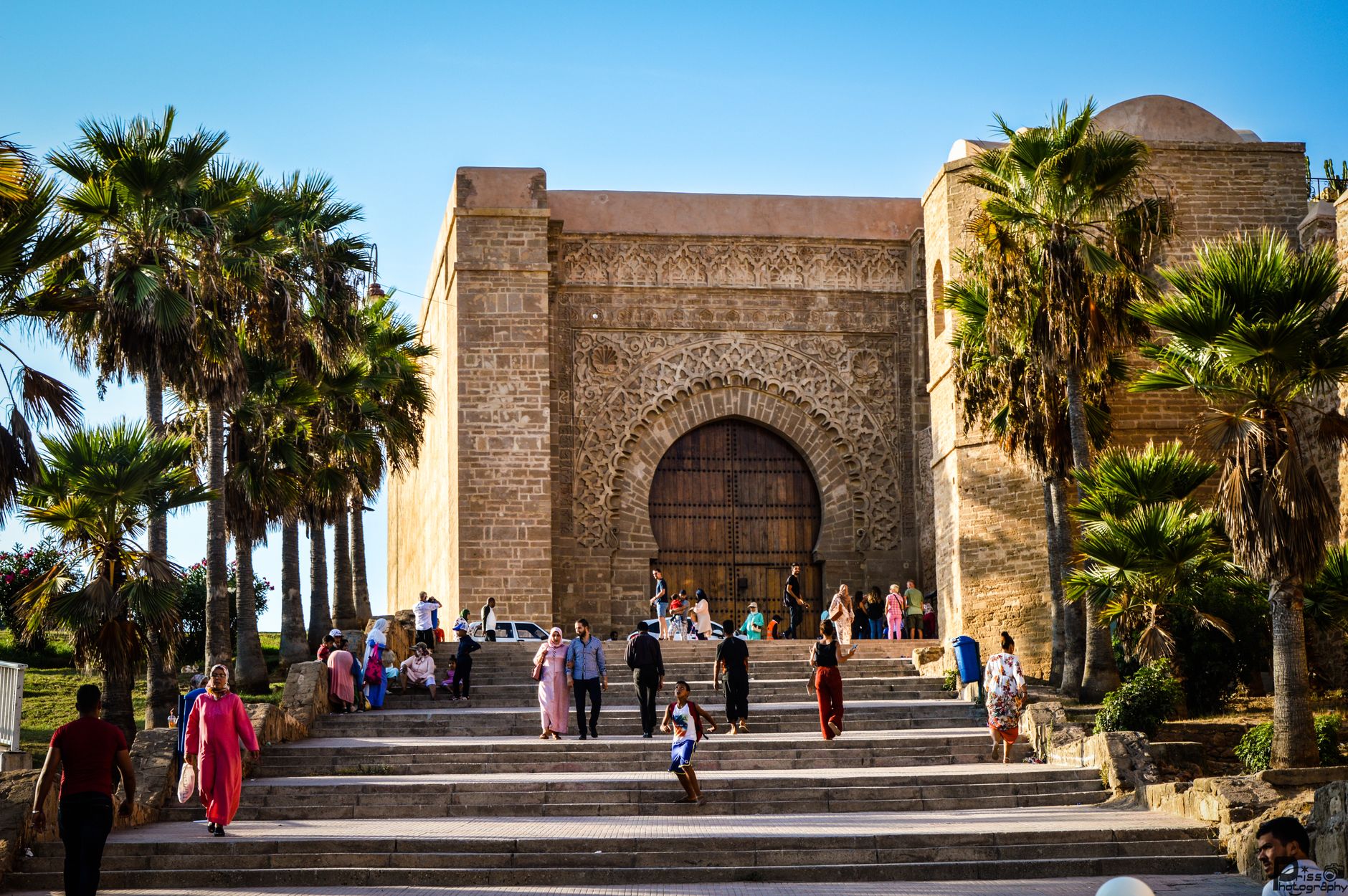
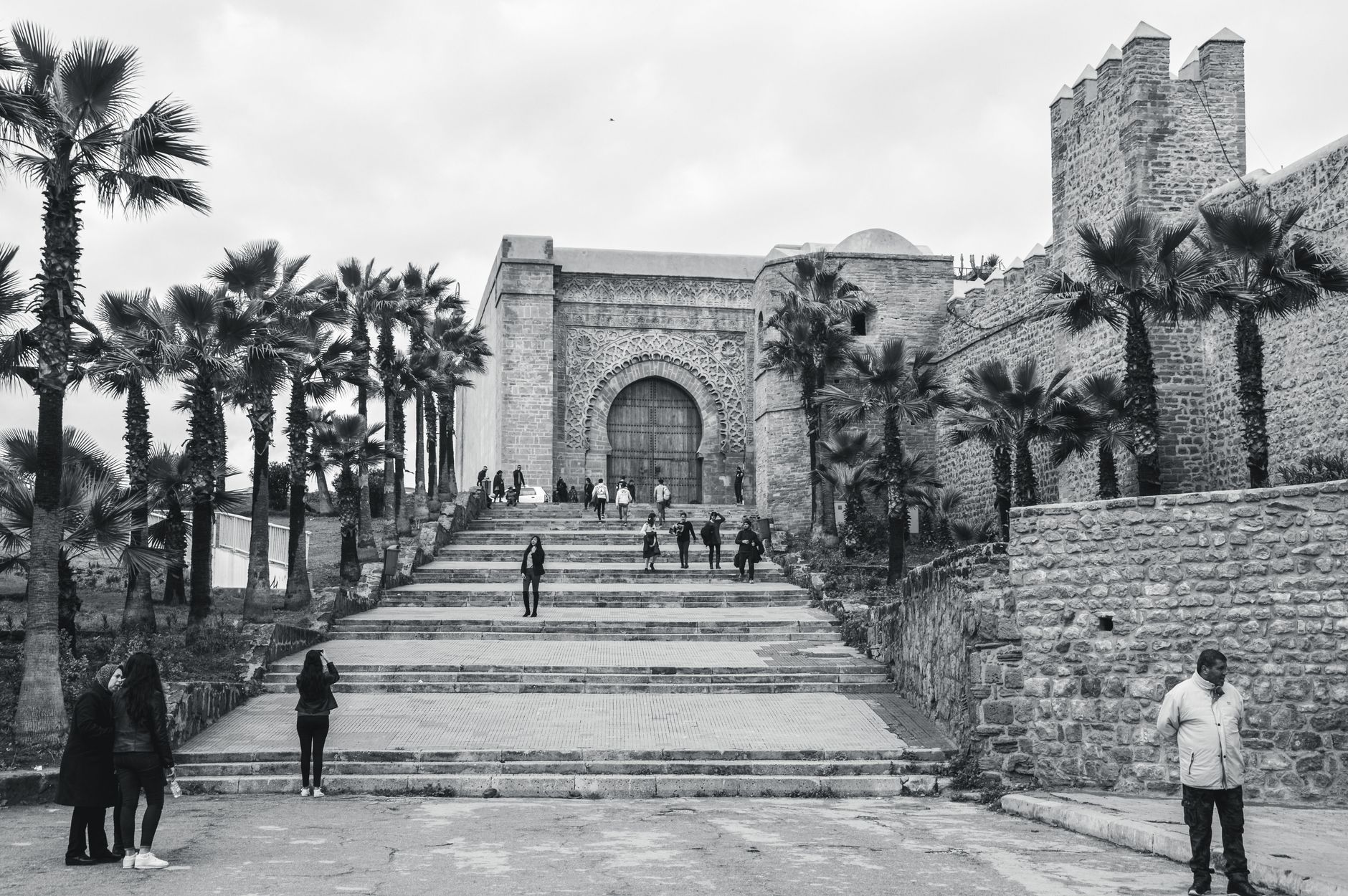
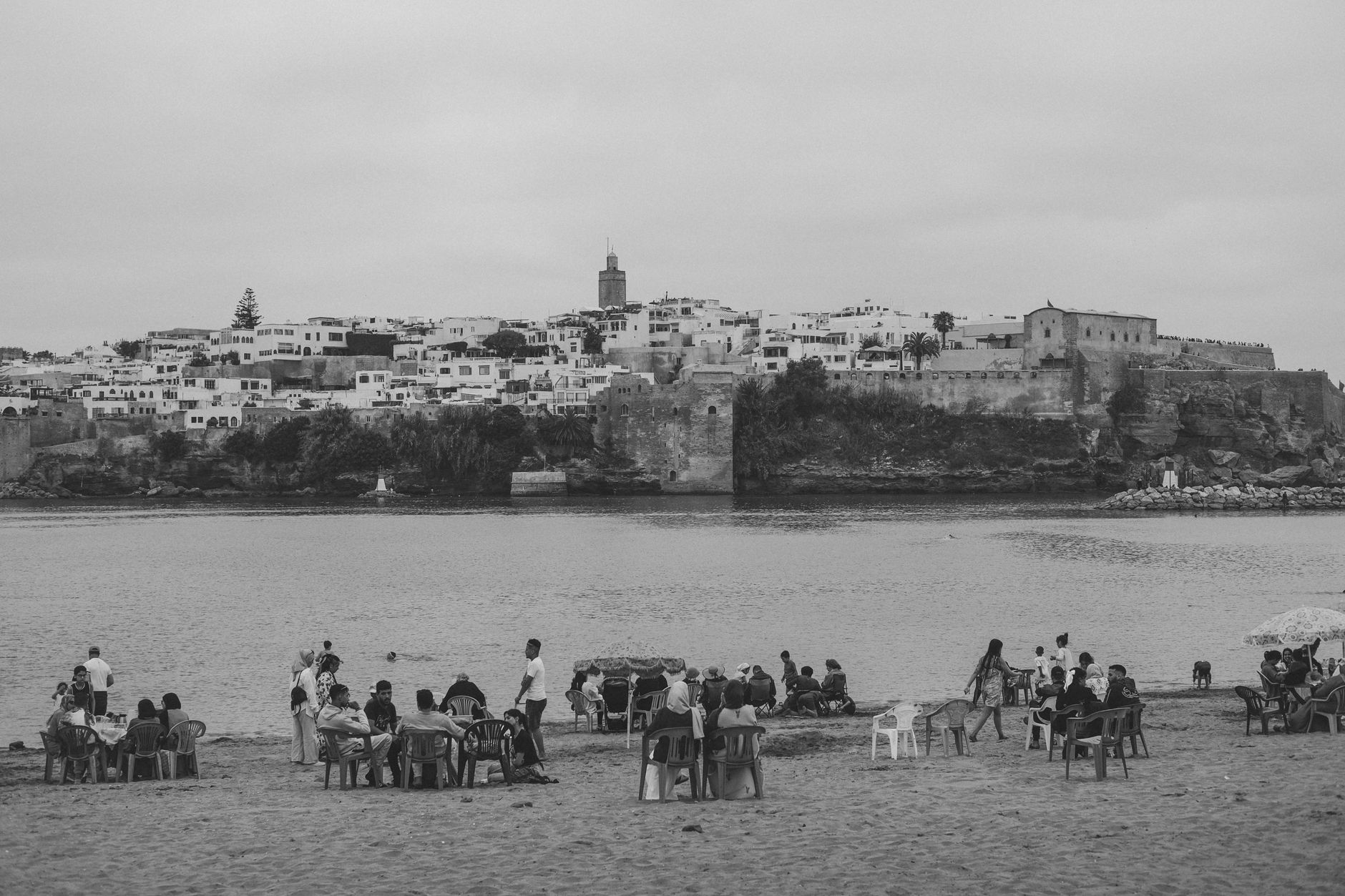
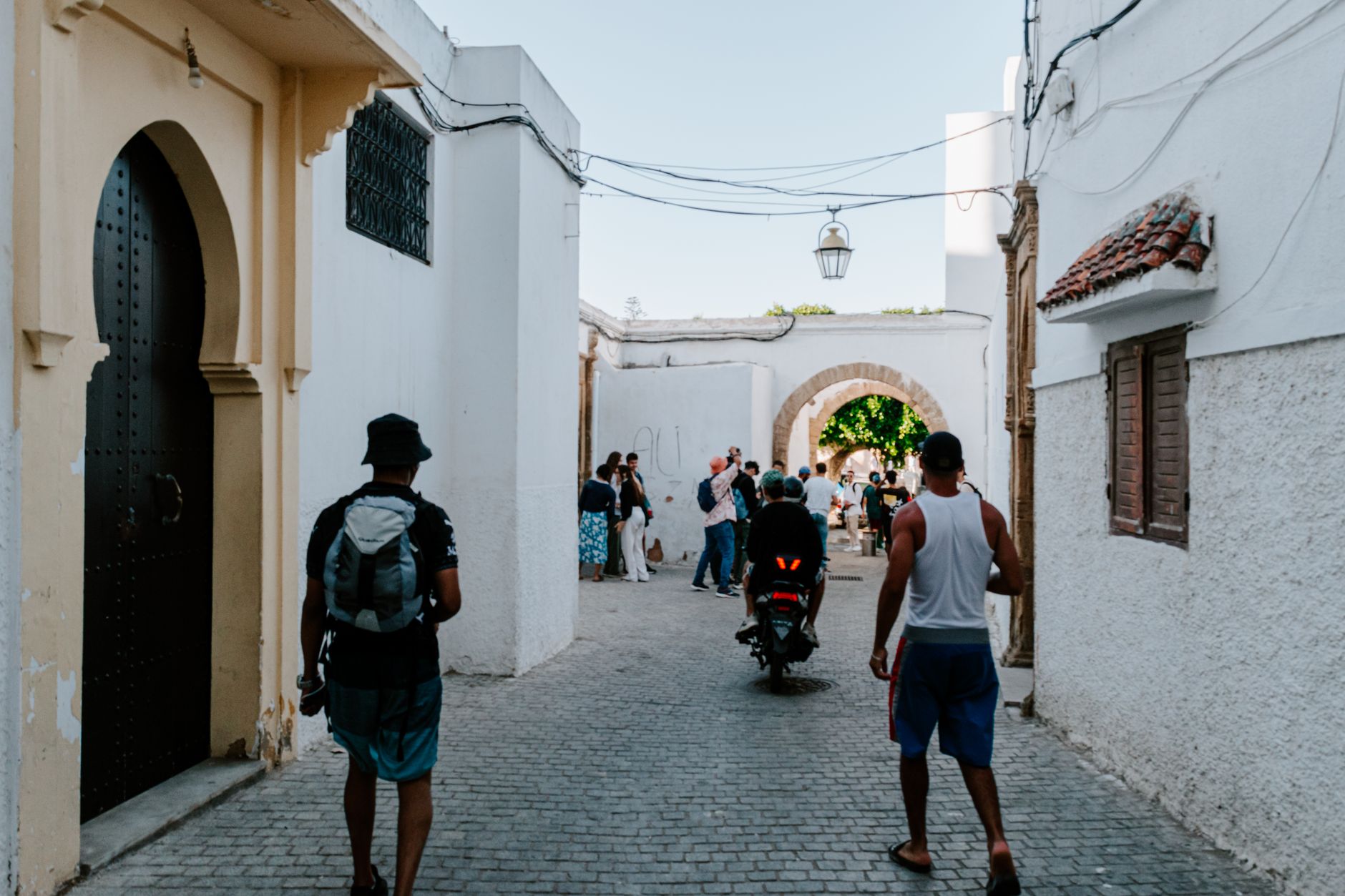
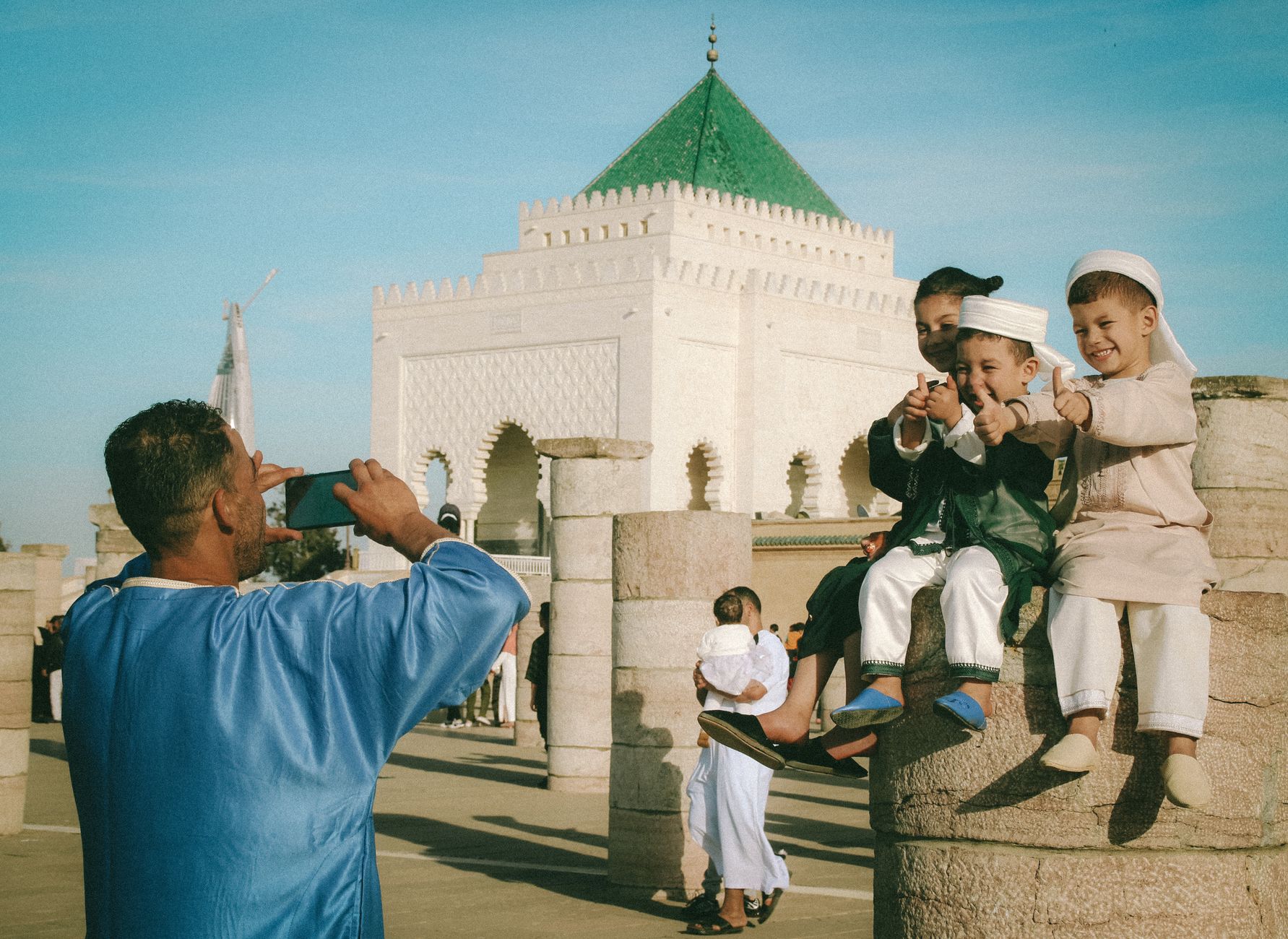
Rabat works differently from Morocco's other imperial cities. The souks are quieter, the streets more navigable, and the pace — for a national capital — is unhurried enough that you can sit in the Kasbah of the Udayas and watch the Bou Regreg slide toward the sea without anyone trying to sell you anything.
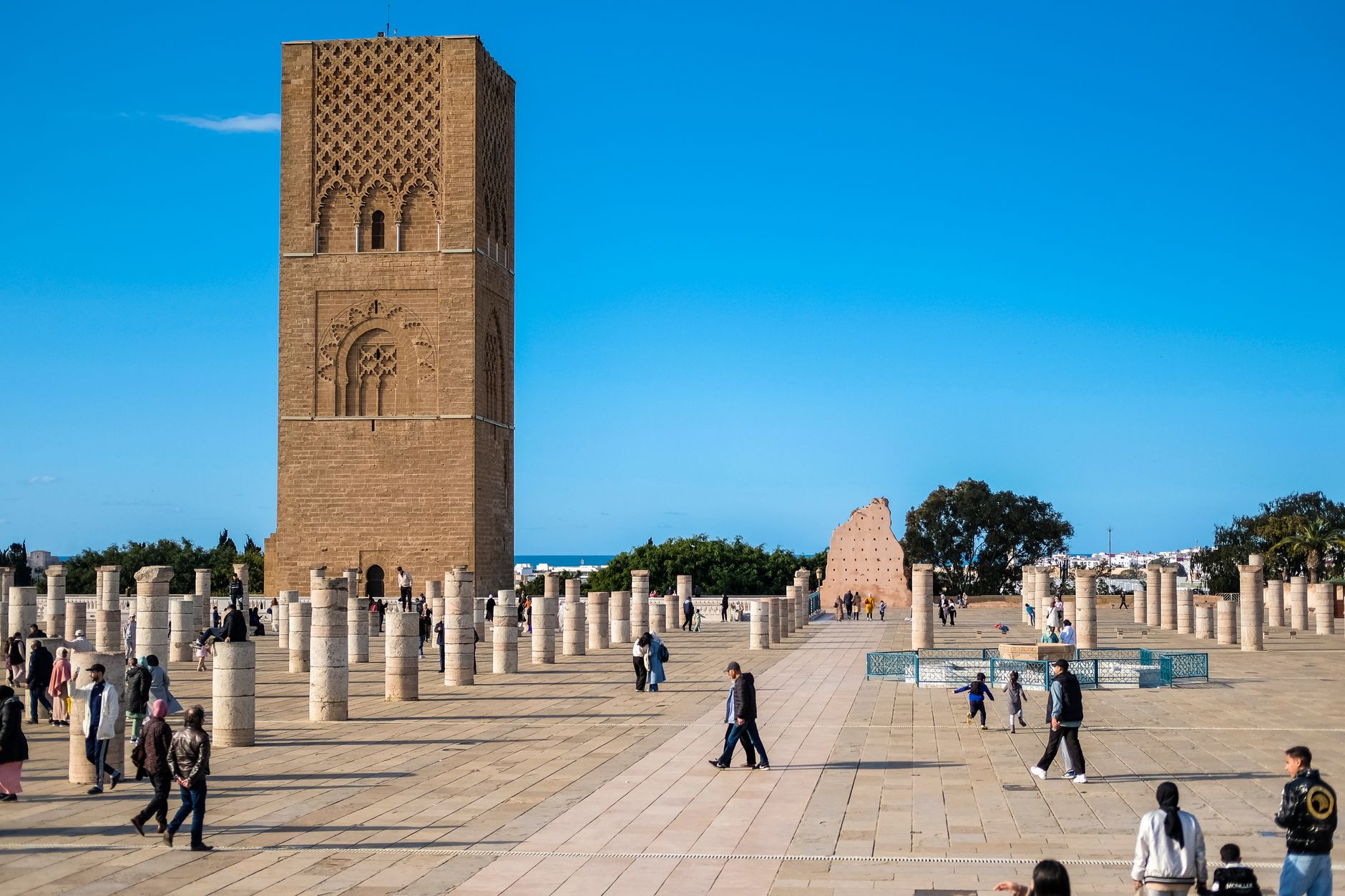
The city holds its history in layers: a 12th-century Almohad minaret rising 44 metres from the rubble of a mosque that was never finished, a Roman city folded inside a medieval necropolis, and a 17th-century medina built by Moroccan exiles from Spain. Zaha Hadid's Grand Théâtre sits a few kilometres away from all of it, unapologetically itself.
💛 What travellers fall for
People who come back tend to mention two things: the flouka crossing — a shared wooden rowing boat over the Bouregreg to the sister city of Salé — and Rue des Consuls at dusk, when the jewelry sellers in Souk Tahti are wrapping up and the old diplomatic residences go golden in the last light.
Deals in Rabat
Book directly at the provider


How Rabat came to be
Rabat began as a military camp. In 1150 the Almohad dynasty established a fortified ribāṭ here — a garrisoned monastery used to stage campaigns across the Strait of Gibraltar. The third Almohad sultan, Abū Yūsuf Yaʿqūb al-Manṣūr, gave it the name Ribāṭ al-Fatḥ, the Camp of Conquest, and commissioned the Hassan Tower as the minaret of what he intended to be one of the world's great mosques. He died before it was completed. The 1755 Lisbon earthquake brought down most of what had been built.
By the 16th century the city had largely emptied. It filled again after 1609, when Spain expelled its Morisco population — around 13,000 exiles resettled here, building the medina that still stands. France made Rabat its administrative capital when it occupied Morocco in 1912, and the city became capital of the independent kingdom in 1956 under King Mohammed V.
Who and what shaped it
People who shaped it
Landmark buildings
See Rabat in motion
Plan your visit
On the map
When to go
Winters are mild and wet, with temperatures hovering between 8°C and 17°C — cool enough for a jacket in the evenings. Summers run warm rather than fierce, rarely climbing far above 28°C, and the Atlantic keeps things from tipping into the heat you'd feel inland.
Right now
Background & history adapted from Wikipedia (CC BY-SA) · specs from Wikidata (CC0) · weather from Open-Meteo · map data © OpenStreetMap contributors · photos from Wikimedia Commons / Unsplash with per-image credit. No third-party reviews or social posts reproduced.