
Casablanca
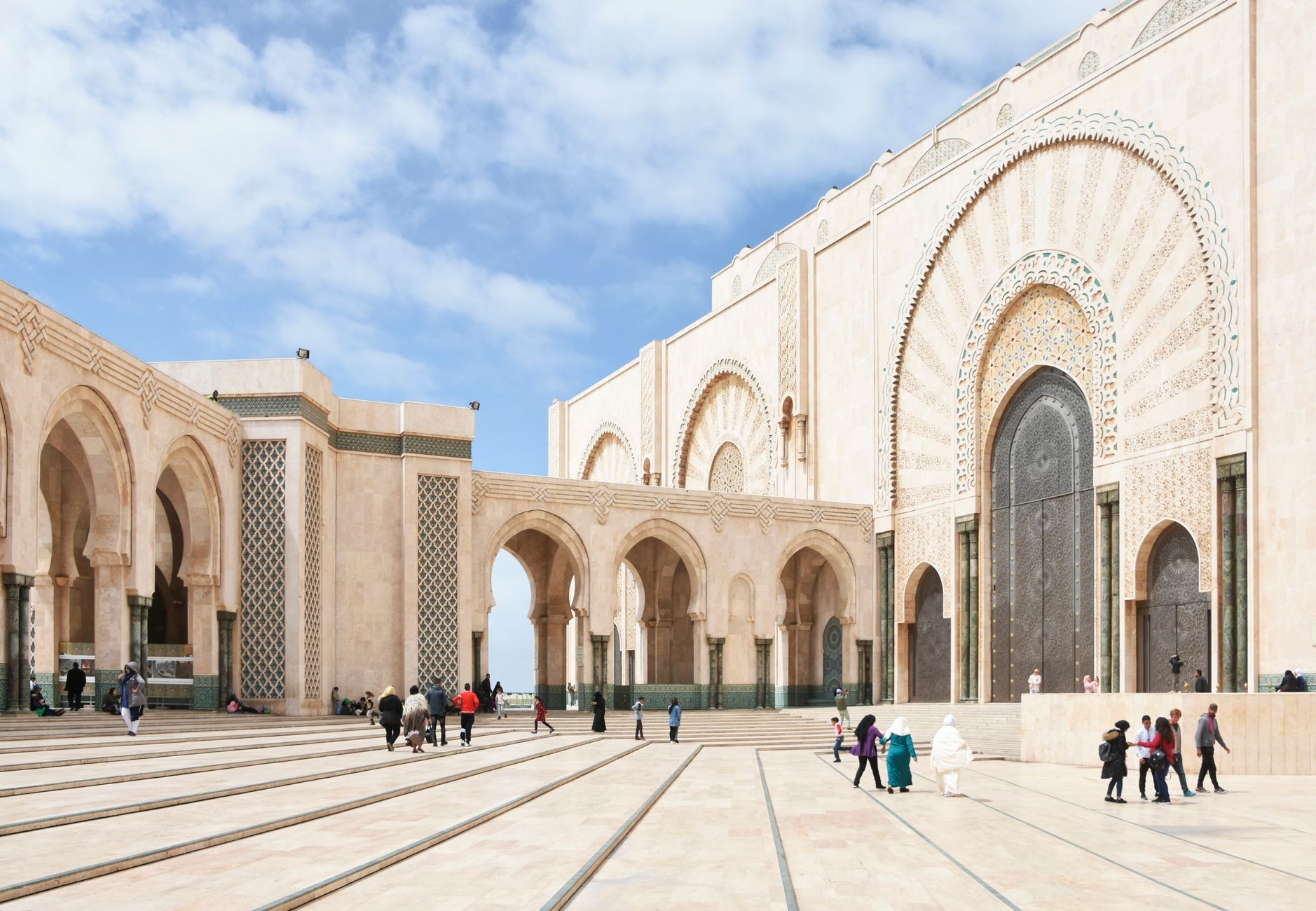
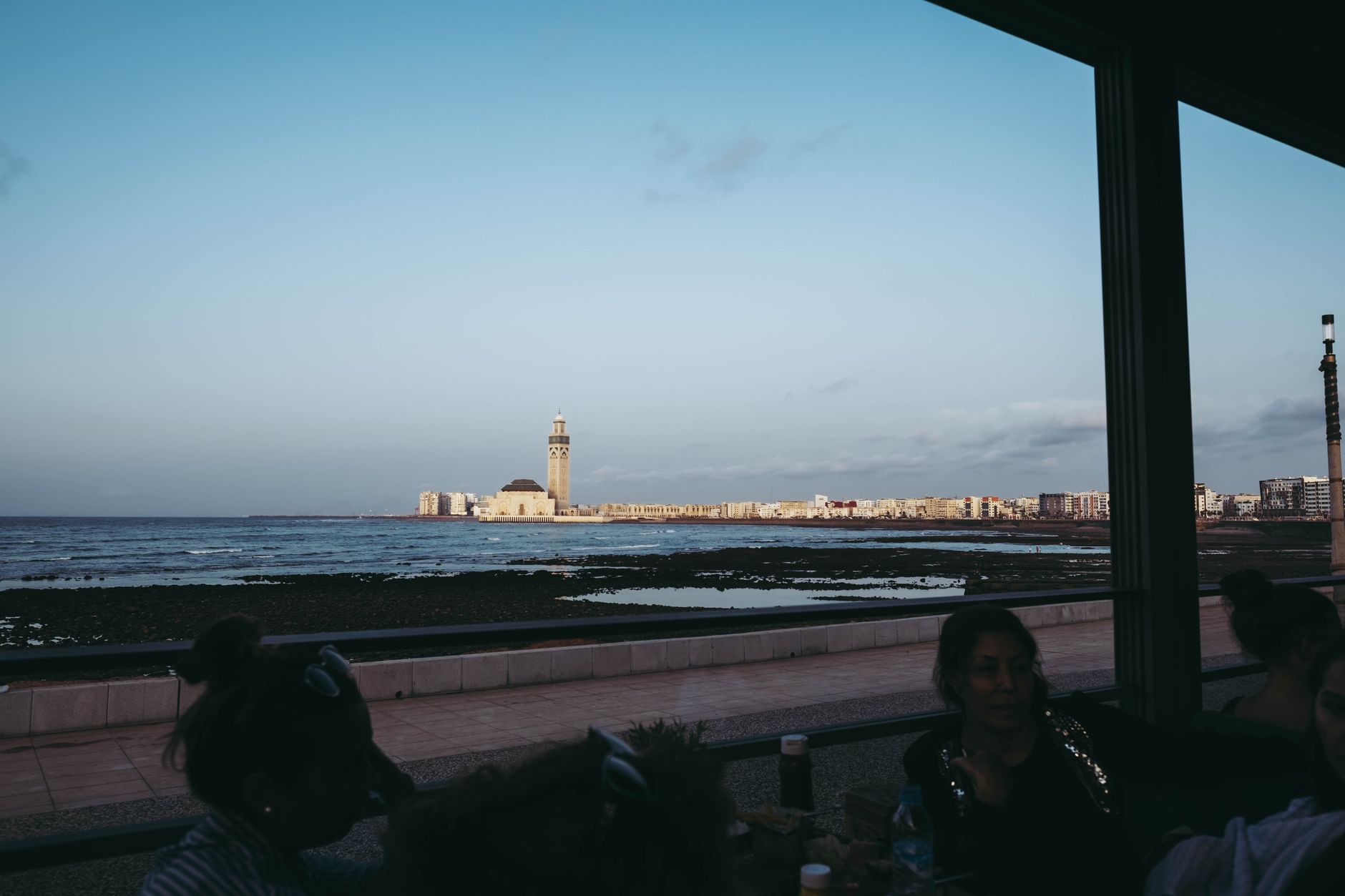
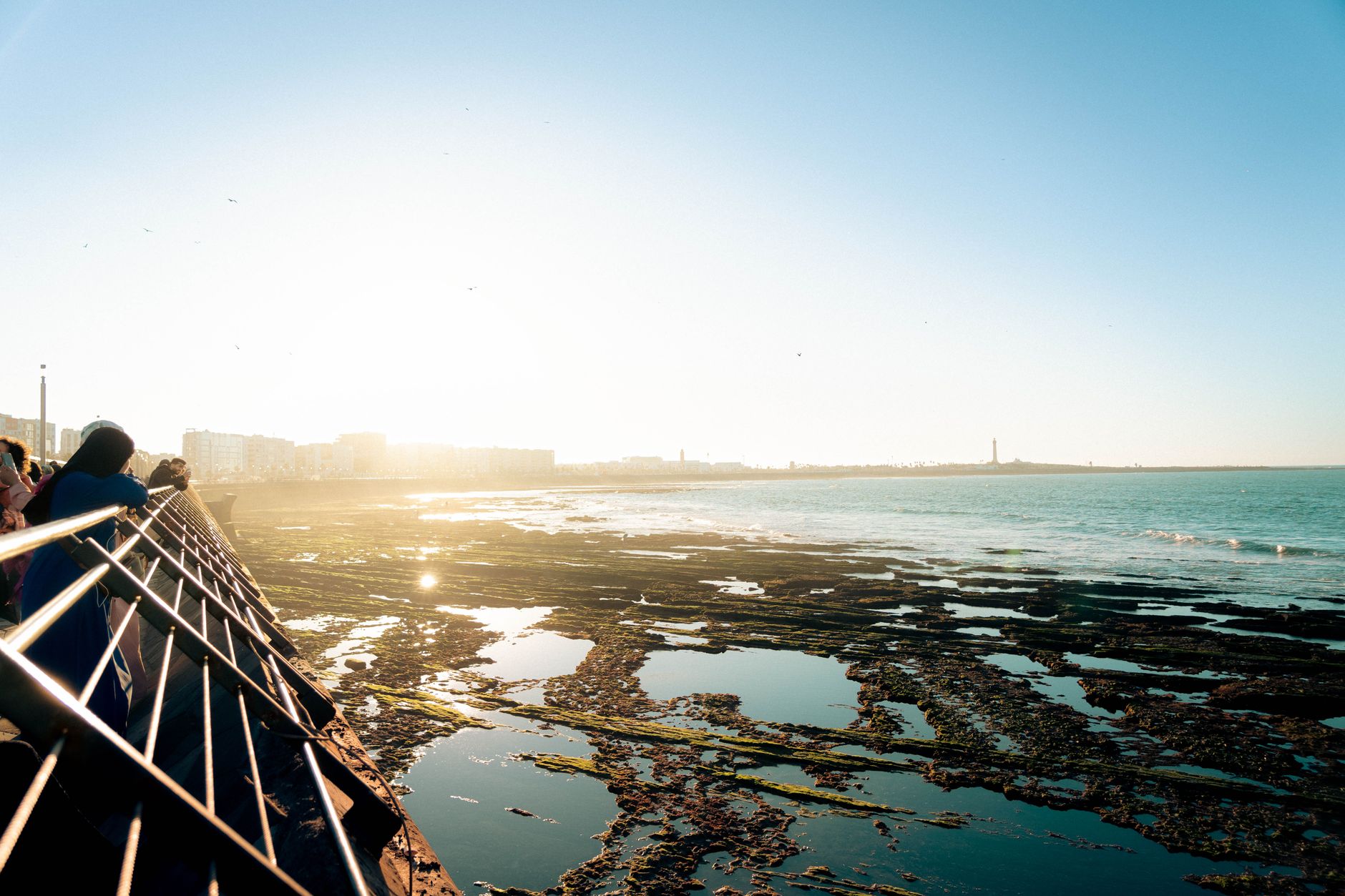
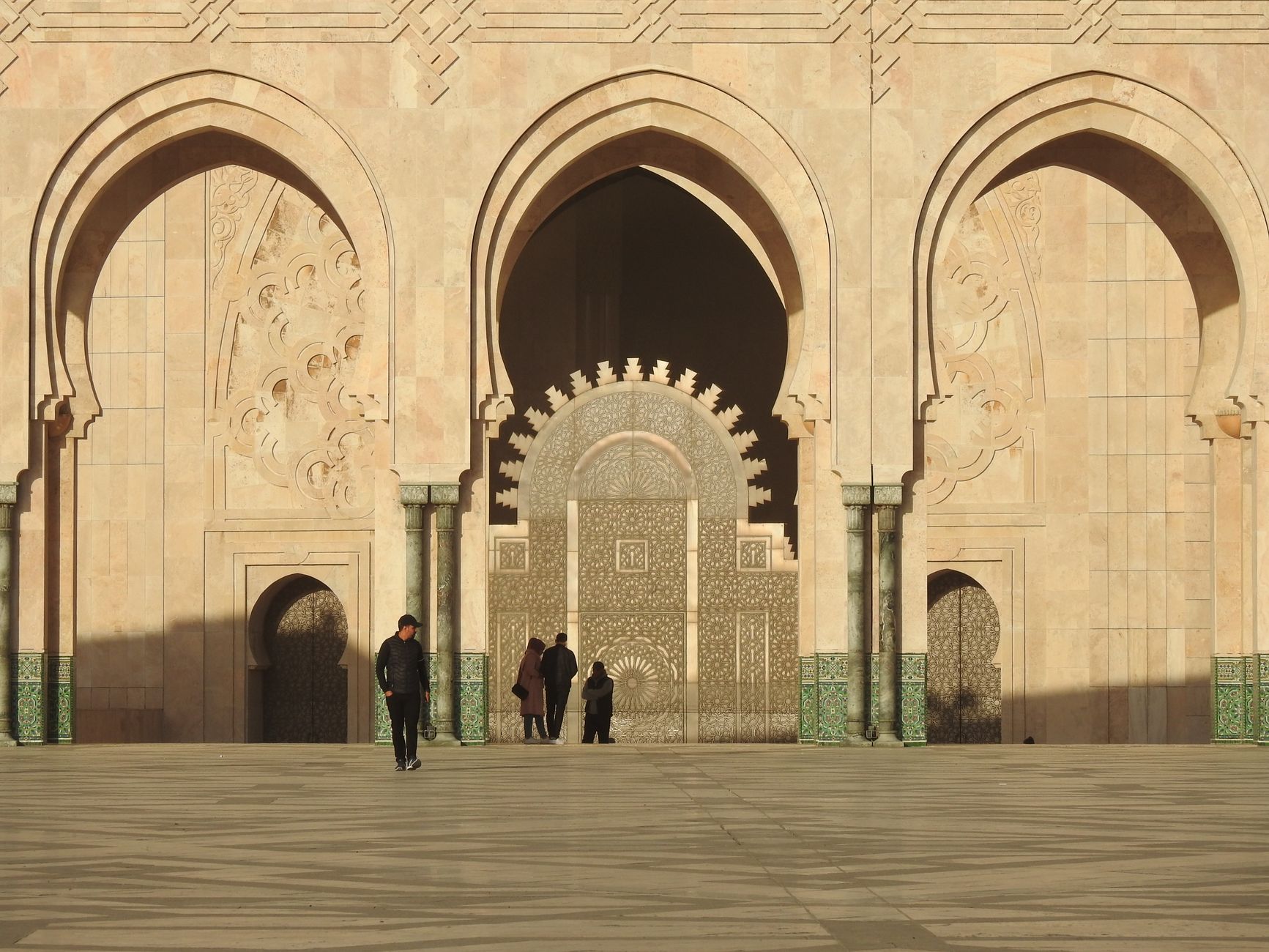
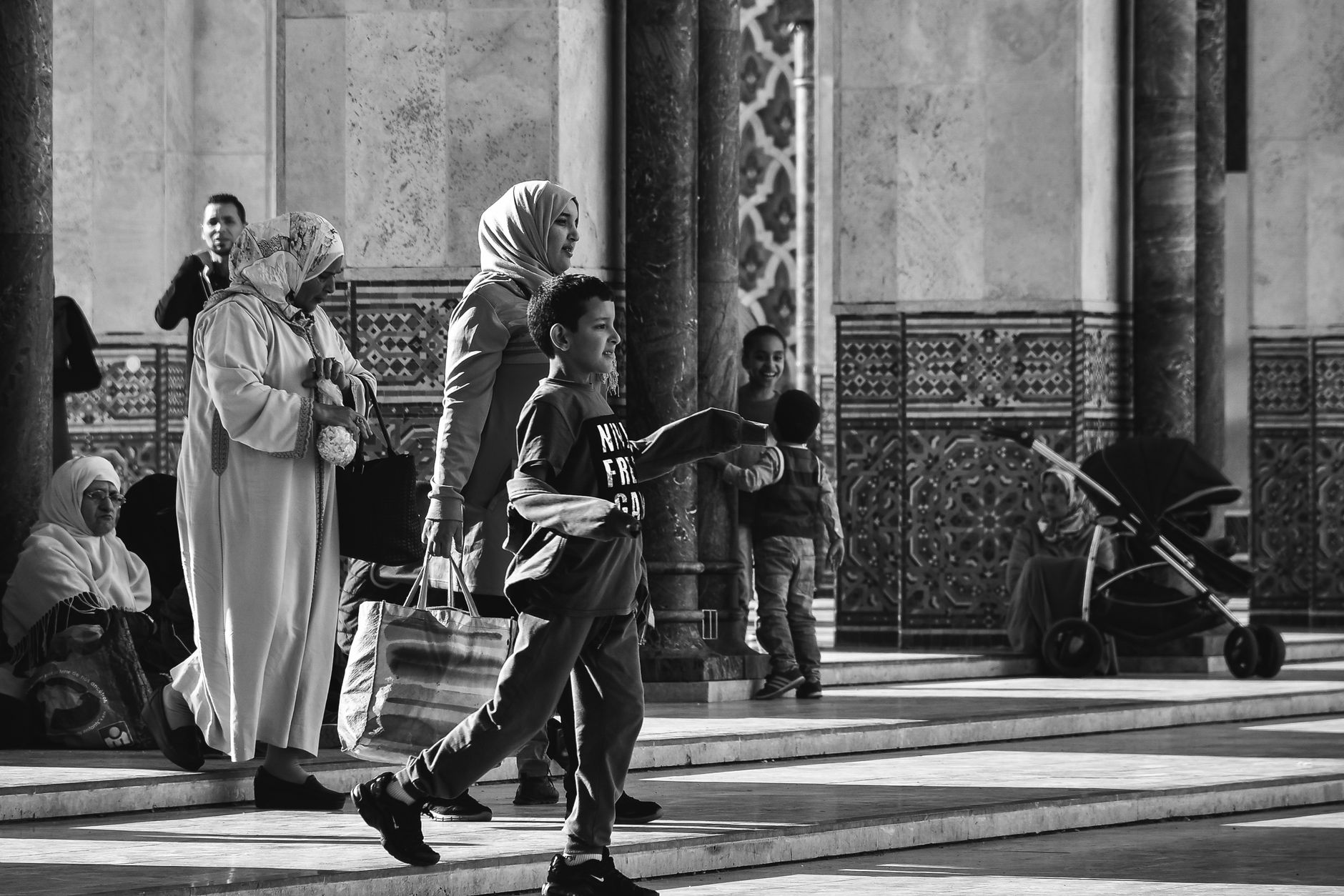
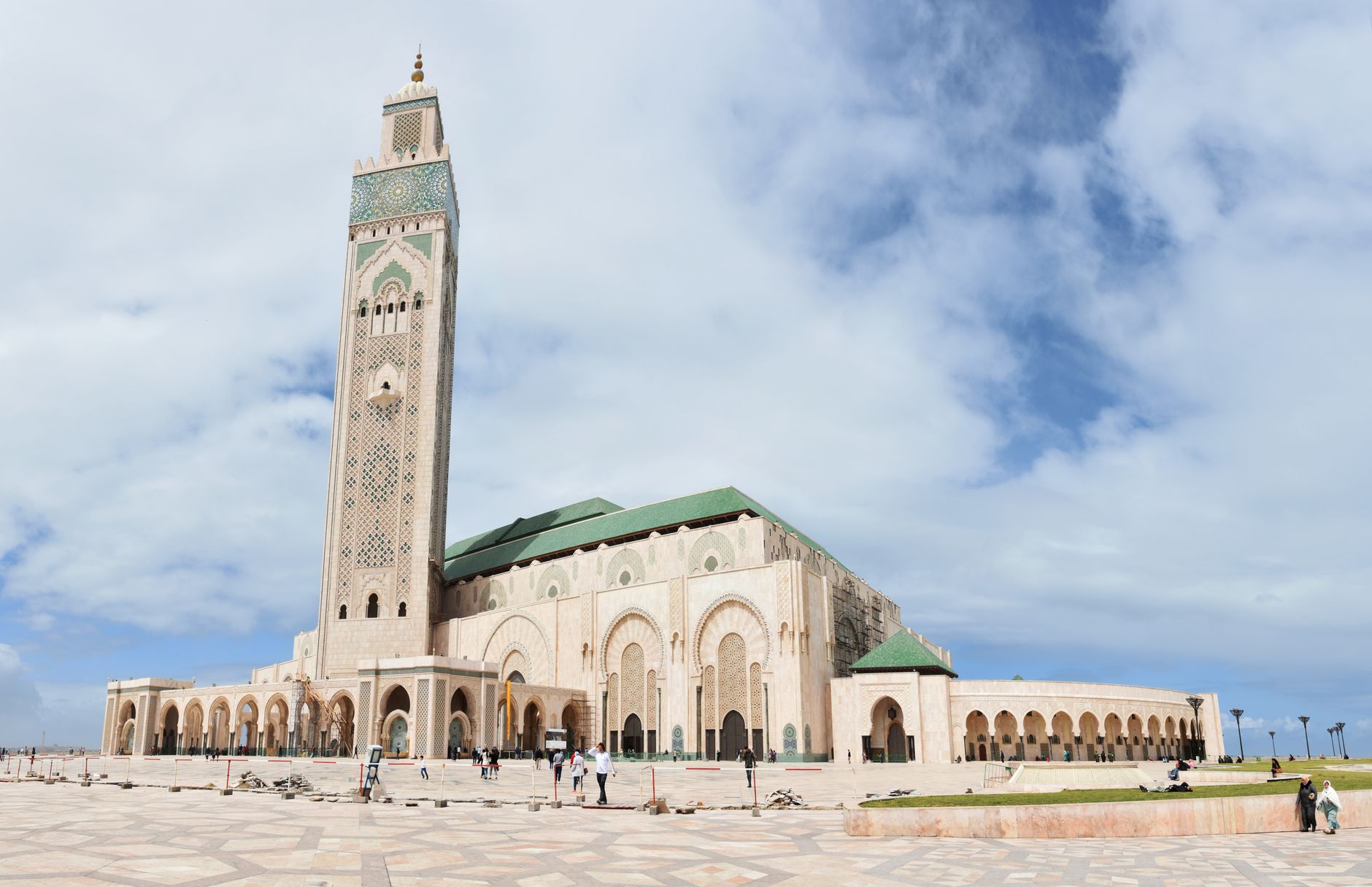
The Hassan II Mosque sits with its feet in the Atlantic — literally. Part of its floor is built over open water, and on a clear morning you can watch waves move beneath the glass panels underfoot while the 210-metre minaret throws a shadow across the sea. That particular detail says something about Casablanca: it is a city that does things at scale, and on its own terms.
This is Morocco's economic engine, not its postcard. The medina dates to 1770, the Art Deco boulevards to the French protectorate, the tram network to the present decade. The layers sit close together and reward the unhurried walker.
💛 What travellers fall for
People who come back tend to go straight to the Old Medina before the morning gets away from them — the rampart walls and whitewashed lanes are quieter early. They also figure out the red petit taxis fast: shared, cheap, and far quicker than the bus for short hops across the centre.
Deals in Casablanca
Book directly at the provider


How Casablanca came to be
The site has been a port since Phoenician and Roman times, and the Berber city of Anfa stood here from at least the 8th century AD. The Portuguese razed it in 1468, rebuilt it in 1515 as Casa Branca, then lost it to an earthquake in 1755. Sultan Mohammed ben Abdallah cleared the rubble and raised a new medina, giving the city its Arabic name — ad-Dār al-Bayḍāʾ, the White House — which the Spanish and French simply translated back.
France occupied the port in 1907 and, under the protectorate from 1912, architect Henri Prost laid out the wide boulevards and European-inflected buildings that still define the city centre. In January 1943, Roosevelt, Churchill, and de Gaulle met here to chart the next phase of the Second World War. Morocco regained independence in 1956; Casablanca kept its role as the country's commercial capital.
Who and what shaped it
People who shaped it
Landmark buildings
See Casablanca in motion
Plan your visit
On the map
When to go
Summers are warm and almost entirely dry, with the cold Atlantic current holding temperatures in the low-to-mid twenties Celsius and pushing morning fog through the streets before it burns off. Winters are mild by most standards — rarely below 8°C — but genuinely rainy from October through April.
Right now
Background & history adapted from Wikipedia (CC BY-SA) · specs from Wikidata (CC0) · weather from Open-Meteo · map data © OpenStreetMap contributors · photos from Wikimedia Commons / Unsplash with per-image credit. No third-party reviews or social posts reproduced.