
Inagua
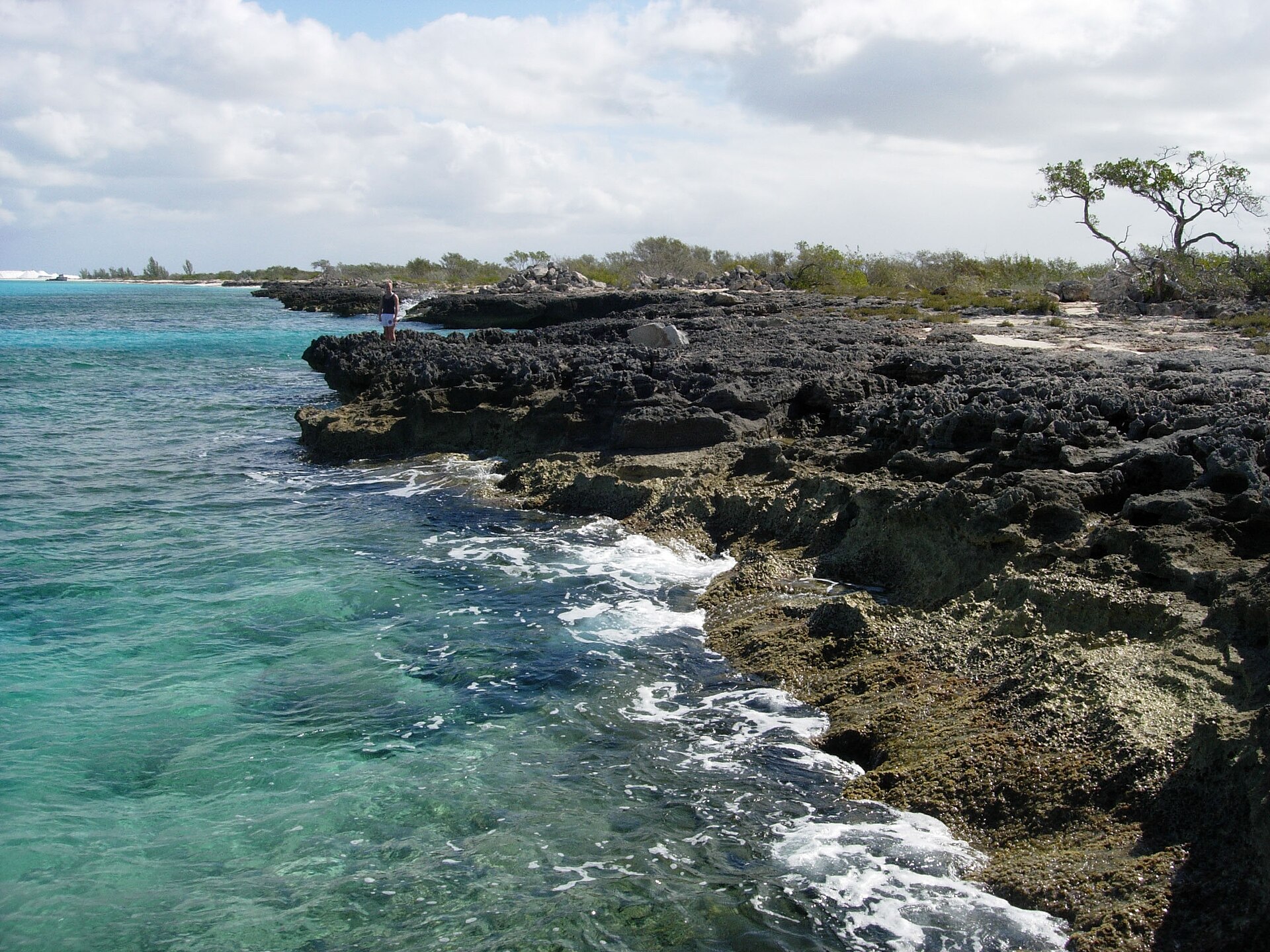

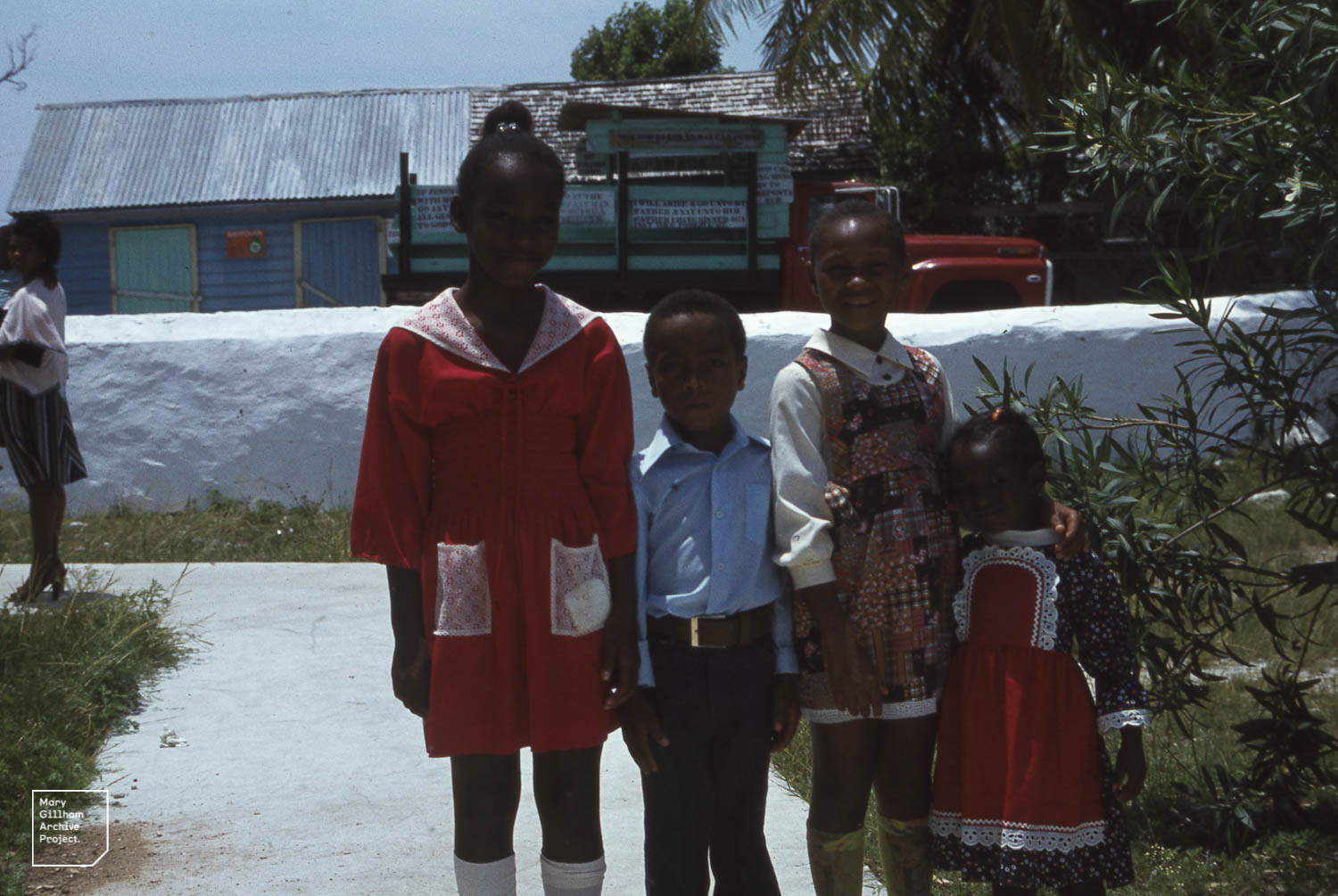
At the southern edge of the Bahamas, closer to Cuba than to Nassau, Inagua is where the archipelago runs out of pretense. The island's interior is mostly salt pan and shallow lake — Lake Windsor alone stretches twelve miles across — and the air smells faintly of brine on still mornings. What draws people here is specific: the largest breeding colony of West Indian flamingos in the world, a Morton Salt operation that covers more than eighty ponds, and a quiet so complete it takes a day or two to stop listening for something to fill it.
Matthew Town, the only settlement, has a functioning 1870 lighthouse, an Anglican church from 1855, and very little else in the way of tourism infrastructure. There is no tourism office, no restaurant row. You figure things out by talking to people.
How Inagua came to be
The Lucayan people settled Inagua somewhere between 500 and 800 CE, and the name itself may echo that era — Heneagua, possibly from a Spanish rendering of a phrase meaning 'water is to be found there.' Matthew Town was laid out between 1844 and 1848 under Governor George Matthew, who also lent the town his name, and the jailhouse went up in 1849.
The island's modern economy pivoted on salt. In 1935, the Erickson brothers from Massachusetts revived the abandoned saltworks, though a violent riot in August 1937 drove them out. Morton Salt took over in the mid-1950s and has run the operation since — a two-year solar evaporation process across more than eighty ponds, now the second largest saline operation in North America. Conservation arrived in parallel: in 1952, ornithologist Robert Porter Allen and local guide Sam Nixon located over a thousand flamingos at the Upper Lakes, leading to Nixon's appointment as the island's first flamingo warden. Inagua National Park, 183,740 acres of it, was formally established in 1965.
Who and what shaped it
People who shaped it
Landmark buildings
See Inagua in motion
Plan your visit
On the map
When to go
Inagua sits at the drier end of the Bahamian spectrum — annual rainfall barely reaches 650 mm — with year-round temperatures averaging around 27°C. December through March brings the most agreeable conditions, with daily highs around 24–25°C; July and August push into the low 30s with high humidity. Hurricane season runs June to November, with peak risk between July and October.
Right now
Background & history adapted from Wikipedia (CC BY-SA) · specs from Wikidata (CC0) · weather from Open-Meteo · map data © OpenStreetMap contributors · photos from Wikimedia Commons / Unsplash with per-image credit. No third-party reviews or social posts reproduced.