
Bimini
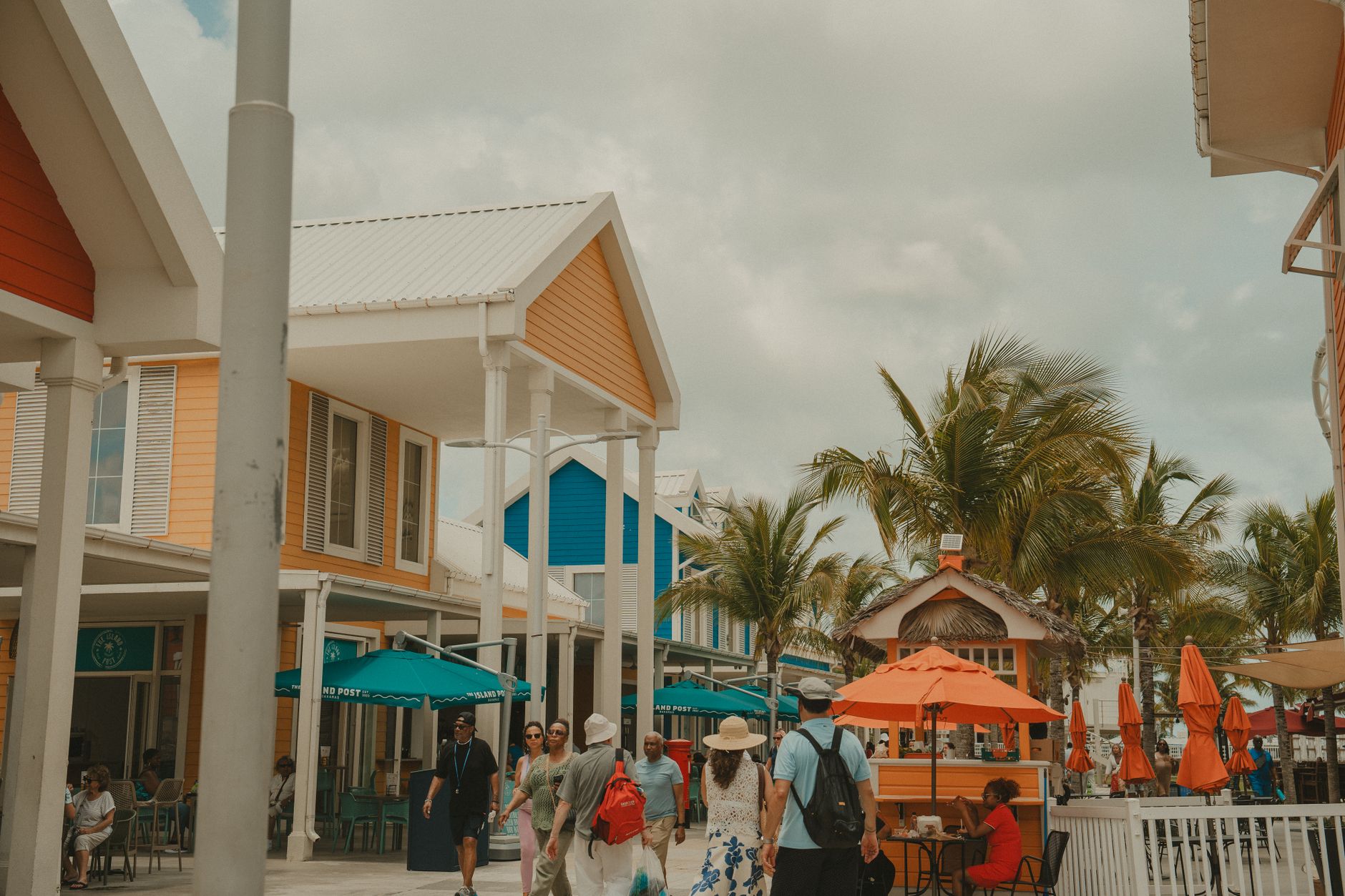
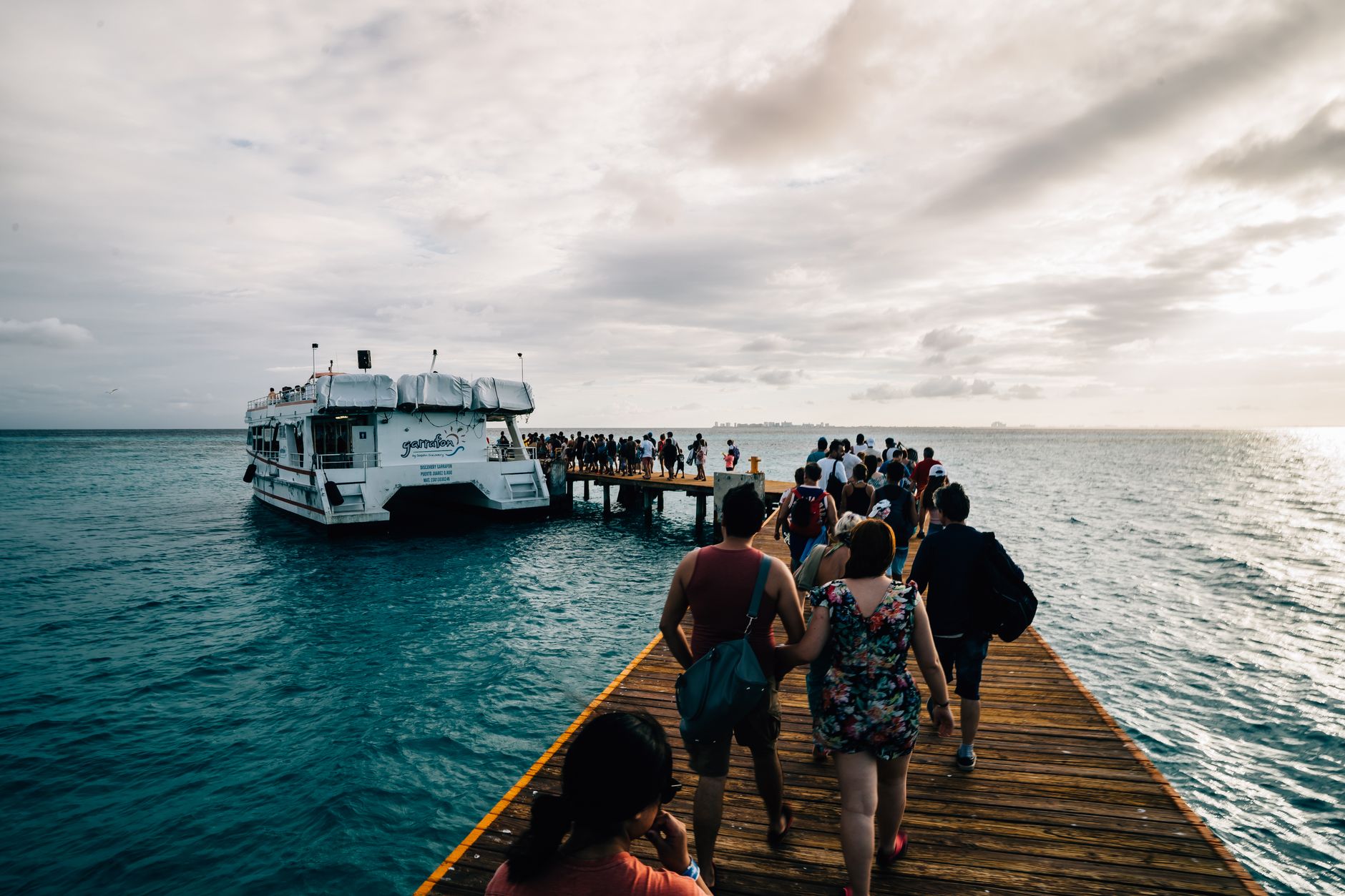
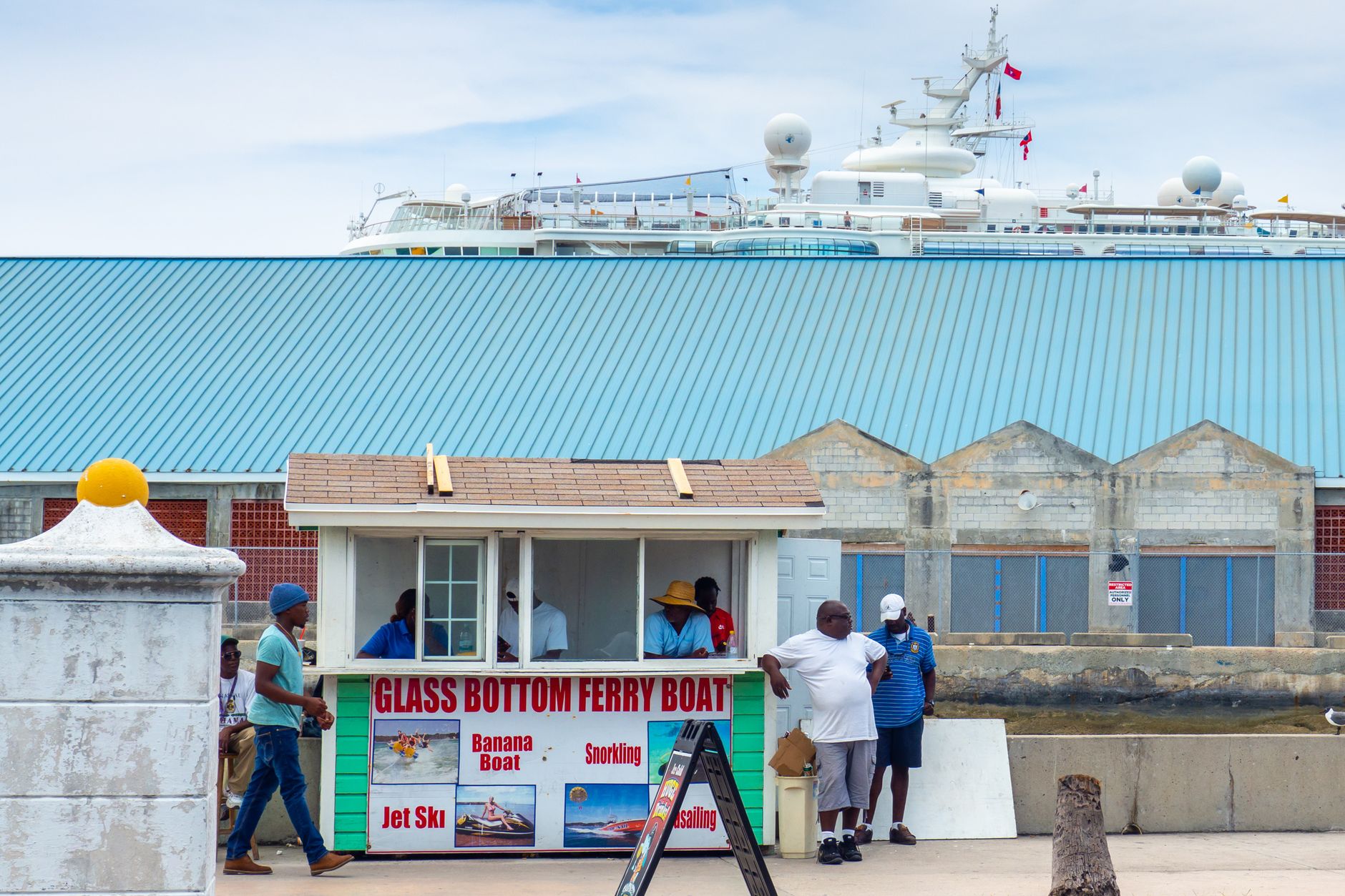
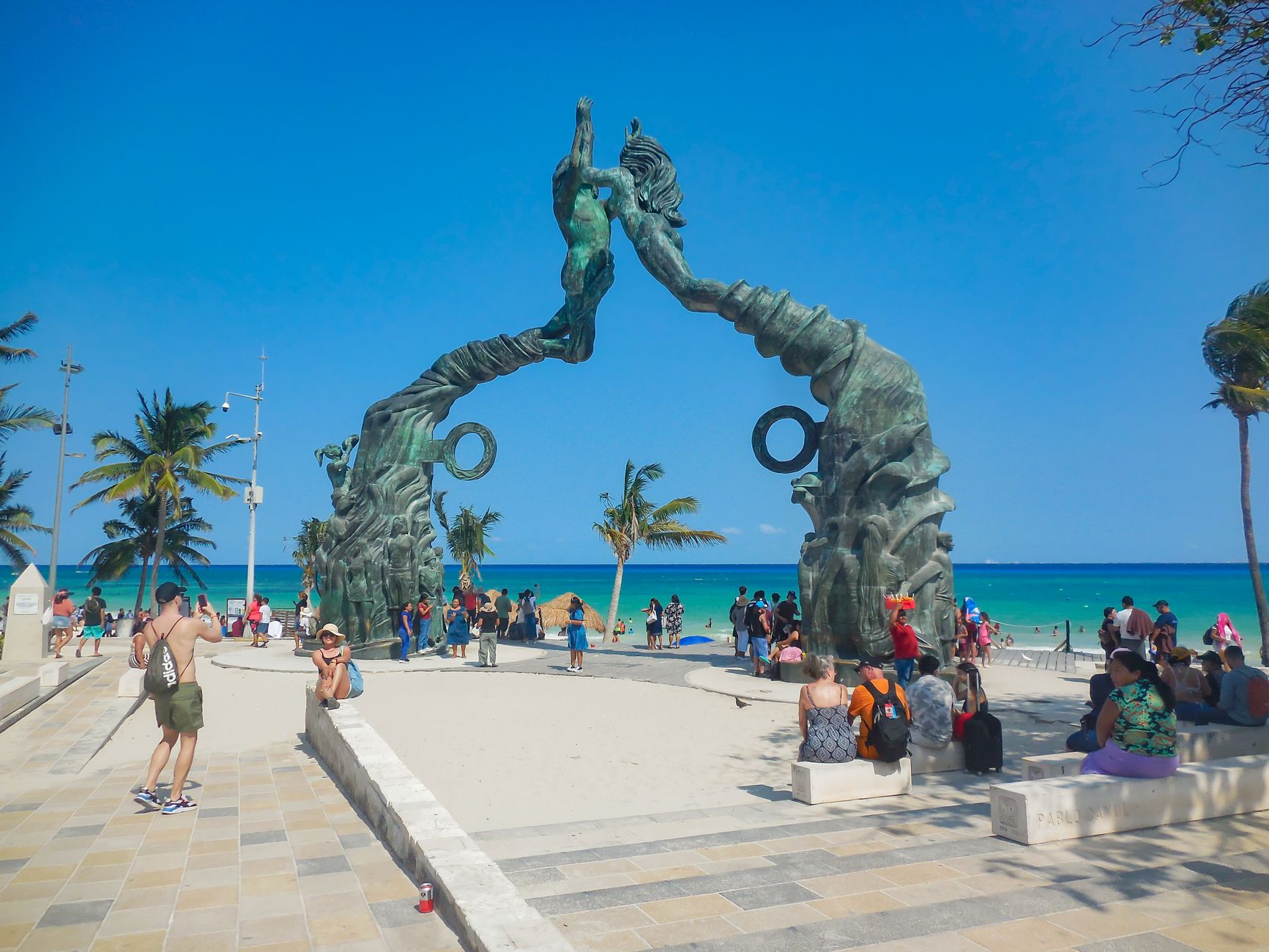
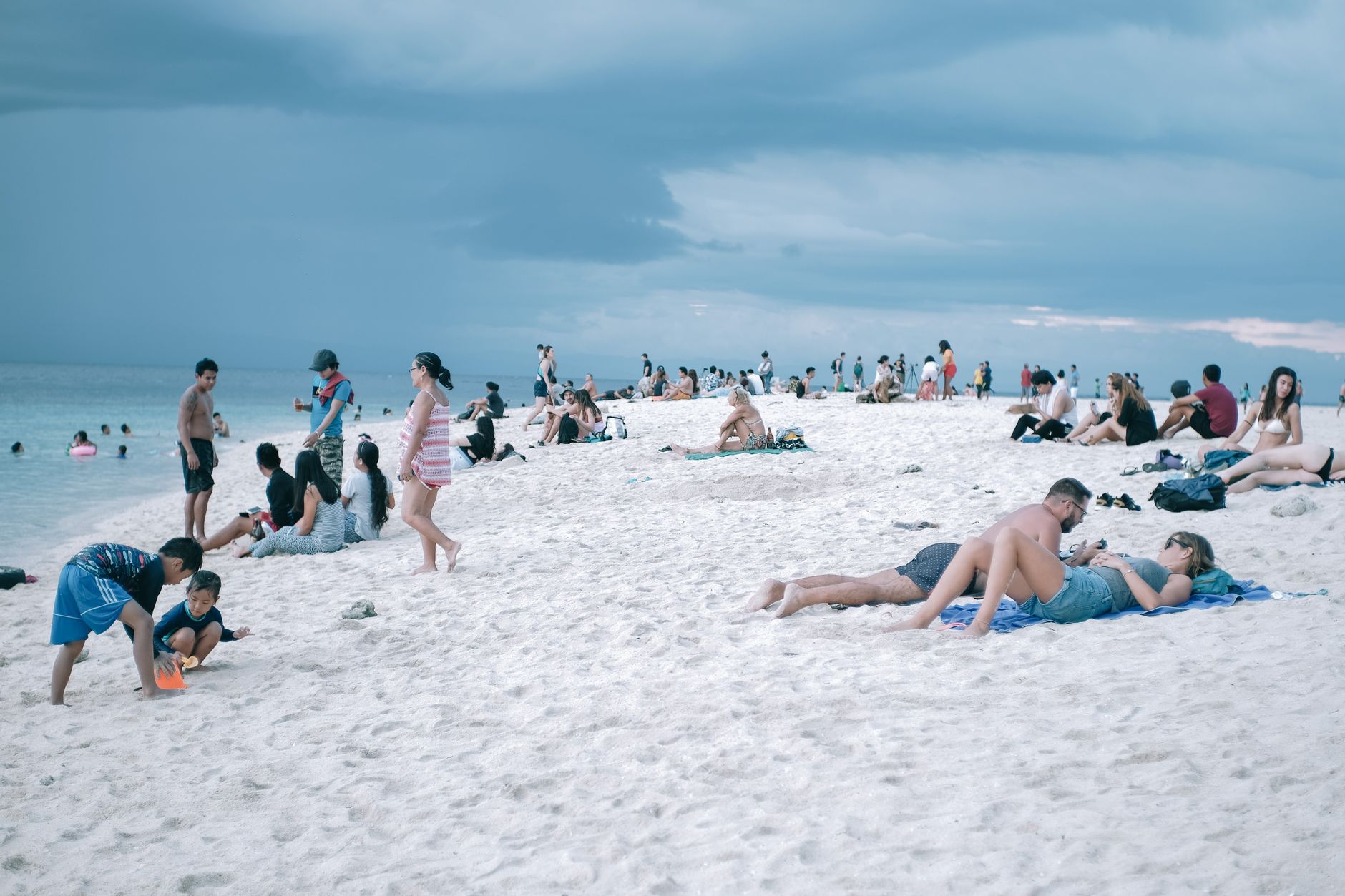
Bimini sits just fifty miles east of Miami, close enough that you can watch the Florida coastline fade behind you on the ferry, yet the two places share almost nothing in tempo or scale. The whole island chain holds fewer than 2,500 people. What it holds in outsized proportion: deep blue water that drops off fast, a reef system that draws sharks and divers in equal measure, and a freight of story — rum-runners, a Nobel laureate composing a speech, a novelist fighting tuna from the deck of his boat.
The pace here is unhurried in the way that comes from geography rather than design. You walk the length of Alice Town in twenty minutes. The Shark Lab is conducting real research on lemon sharks a short ride south. Somewhere offshore, a half-mile of limestone blocks sits in sixty feet of water, drawing divers who want to make up their own minds about what it is.
💛 What travellers fall for
People who keep coming back tend to say the same thing: go to the Shark Lab on South Bimini at least once, even if marine biology isn't your thing — Dr. Gruber's team has been working here since 1990 and the guides are genuinely obsessed. Early mornings on the water beat afternoons. The ferry crossing from Fort Lauderdale is smoother than you'd expect.
How Bimini came to be
The Lucayan-Taíno used Bimini as a fishing camp for centuries before Ponce de León stopped here in 1513, nominally searching for the legendary fountain of youth while more practically enslaving the people he found. Pirates and privateers followed, valuing the island's freshwater springs as a resupply stop while lying in wait for Spanish treasure ships. By 1835, Bimini's permanent population was fourteen — five families of formerly enslaved people who had moved from New Providence and held wrecking licenses.
Prohibition transformed the place. Schooners anchored off Gun Cay and Cat Cay acted as floating warehouses for American rum-runners, and in 1920 a three-story hotel and casino called the Bimini Bay Rod and Gun Club opened — the first casino in the Bahamas. A 1926 hurricane took the hotel and also wrecked the concrete steamship Sapona, which still sits in fifteen feet of water south of the island. Ernest Hemingway arrived in 1935, staying at the Compleat Angler Hotel and fishing for bluefin tuna aboard his boat Pilar; that hotel burned down in 2006, the same year Chalk's Flying Service — which had been running seaplanes to Miami since 1919 — ended after a fatal crash.
Who and what shaped it
People who shaped it
Landmark buildings
See Bimini in motion
Plan your visit
On the map
When to go
Winters are warm and dry, with temperatures in the low-to-mid 70s Fahrenheit and reliable trade winds — the most comfortable time to be here. Summer brings heat, humidity, and the possibility of tropical storms from June through November; the ocean stays swimmable year-round.
Right now
Background & history adapted from Wikipedia (CC BY-SA) · specs from Wikidata (CC0) · weather from Open-Meteo · map data © OpenStreetMap contributors · photos from Wikimedia Commons / Unsplash with per-image credit. No third-party reviews or social posts reproduced.