
Region

San Salvador Island

San Salvador Island
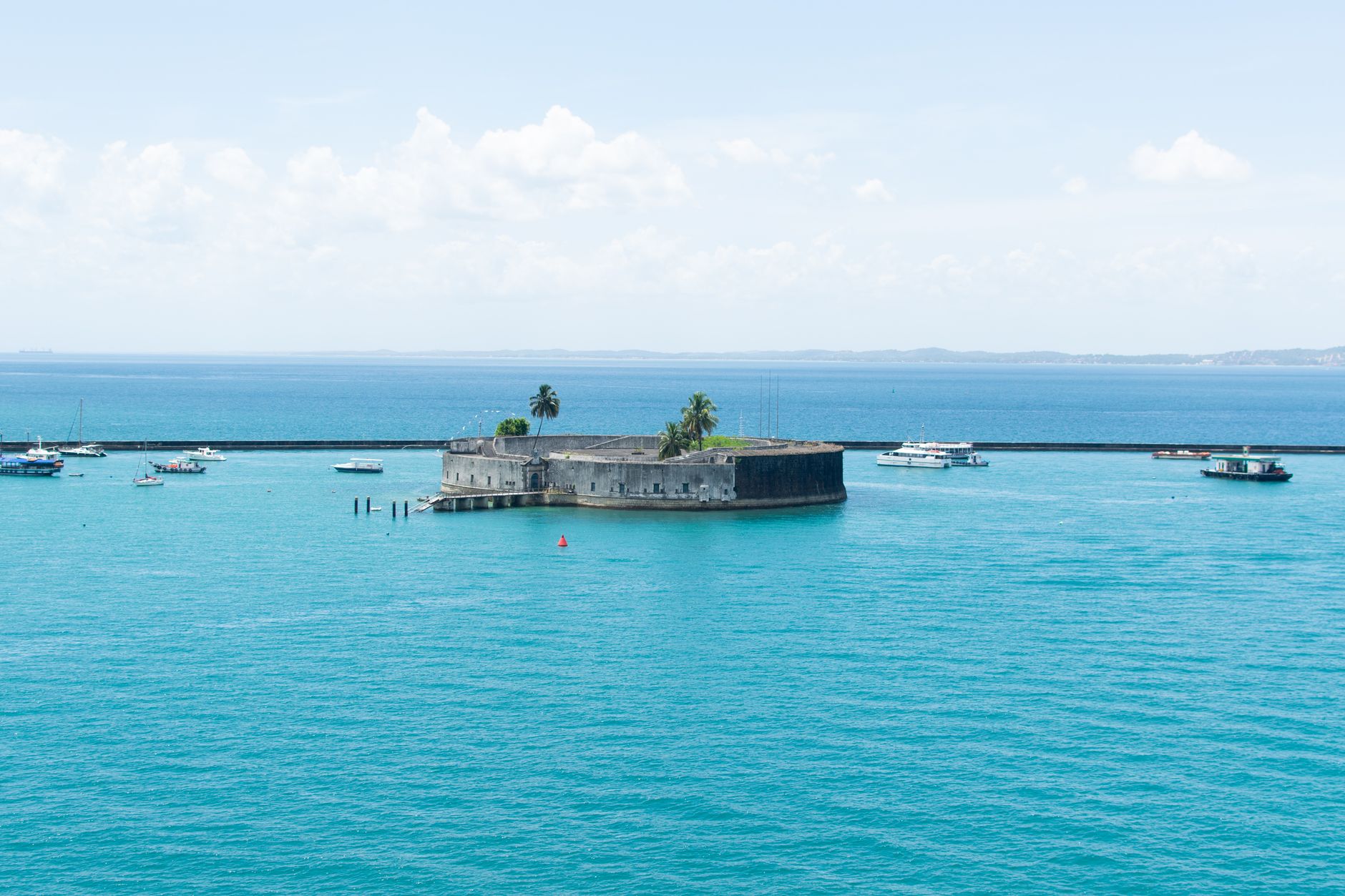
Photo by Vinícius Vieira ft on Pexels
San Salvador Island
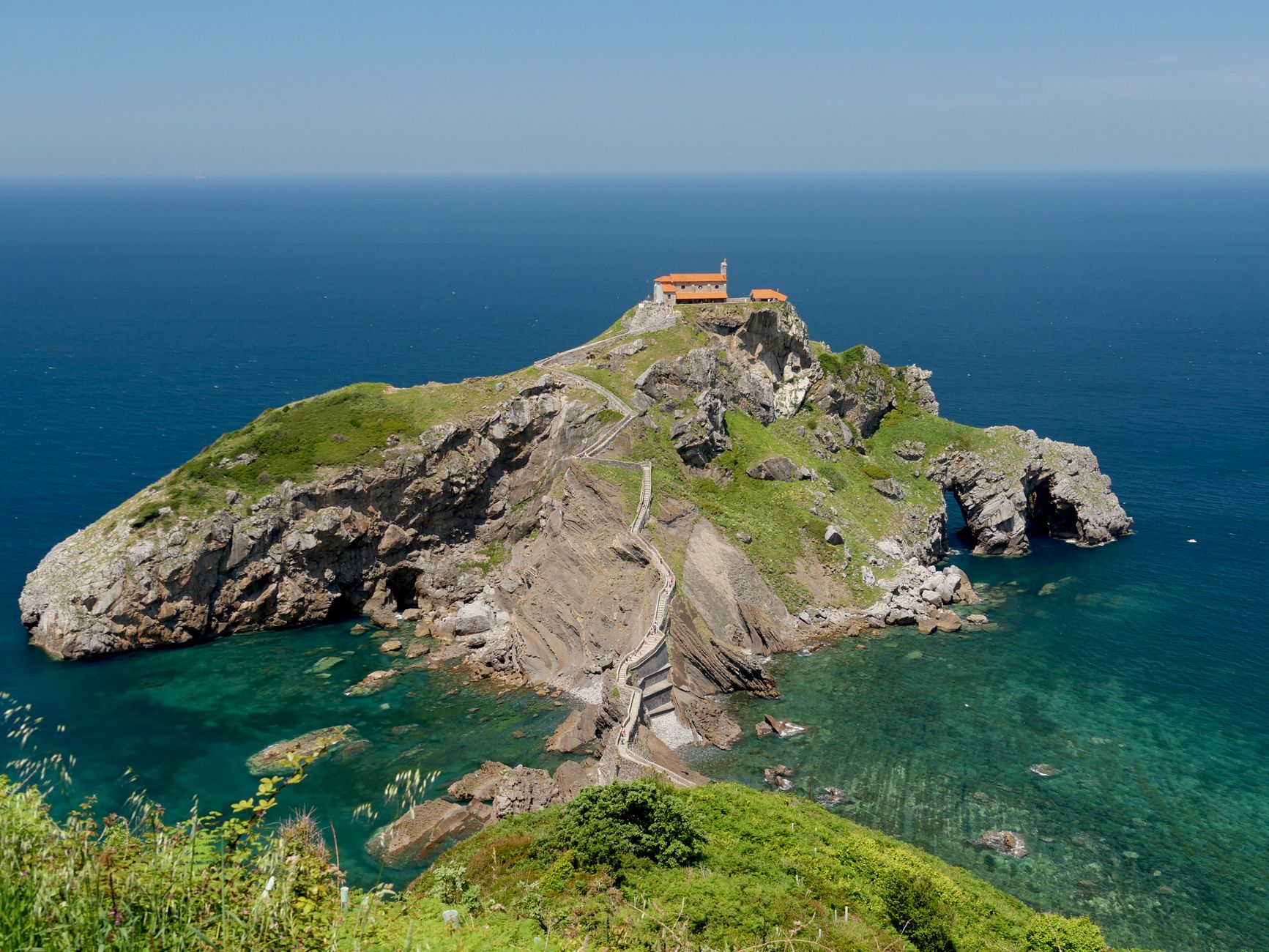
Photo by Edu Raw on Pexels
San Salvador Island
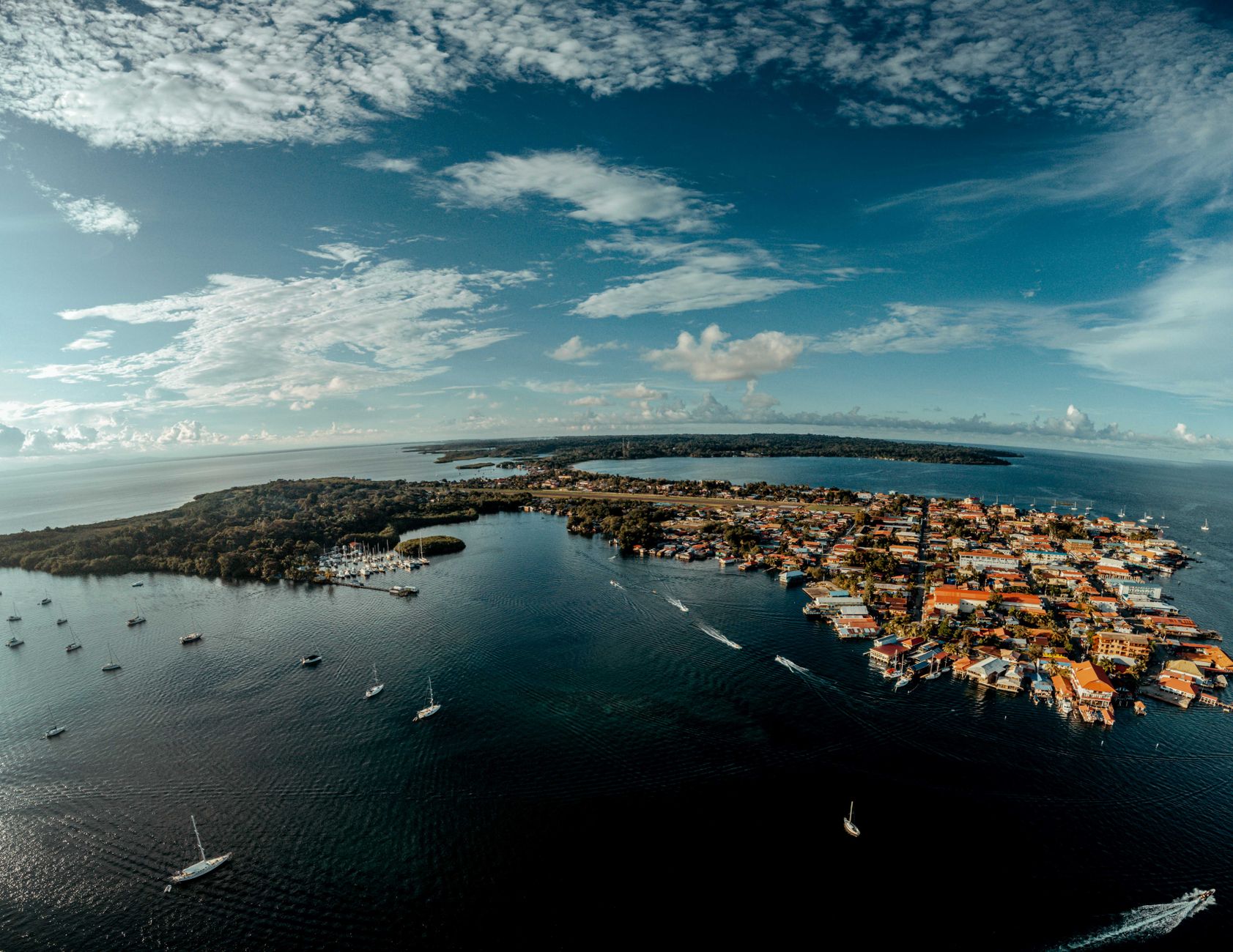
Photo by Bráulio jardim on Pexels
San Salvador Island
Photo by Dirk Pothen on Pexels
San Salvador Island
Photo by JohnEGo! on Pexels
San Salvador Island
Photo by ZaetaFlow Sec on Pexels
Culture & history Islands & tropical Beach & sun

San Salvador is the island where, on 12 October 1492, Christopher Columbus stepped ashore and called the land San Salvador — Holy Savior — though the Lucayan people who greeted him had always known it as Guanahani. That moment left a strange gravity here: a small, quiet place carrying one of history's largest footnotes.

Today the island runs to roughly a thousand people, a ring road, a lighthouse you can see for miles, and reef diving that draws serious underwater photographers from across the Atlantic seaboard. Four monuments mark the probable landing site at Long Bay, each erected by a different hand across different centuries — a quietly odd assembly that tells you something true about how the world has argued over this shore.

Good to know
Flights connect from Nassau (about an hour on Bahamasair, most days except Thursday) and from Miami once a week. The island is small enough to circle by car in a morning. Club Med Columbus Isle handles most tourist accommodation; book ahead, as options are limited. Divers should come between December and April for the clearest water.
The story

How San Salvador Island came to be

The Lucayan Indians lived on Guanahani for centuries before Columbus arrived in 1492 and renamed it. The Spanish eventually cleared the Lucayans entirely, and the island sat largely empty until the late 1600s, when an Englishman named Watling settled it — giving the island a name it held officially until 1926, when a sustained scholarly campaign by historians, naval officers and a Benedictine priest named Chrysostom Schreiner restored Columbus's original name.

British Loyalists arrived after the American Revolution, cleared the ancient forests and tried cotton. The soil failed them within a generation. Their enslaved workers stayed; their descendants are the island's population today. In 1951 the U.S. military built a missile-tracking station, a Coast Guard post and a paved airstrip — infrastructure that still underpins the island's function long after the Americans left in the late 1960s.

People & landmarks

Who and what shaped it

People who shaped it

Christopher Columbus
Landed on San Salvador on 12 October 1492, marking his first arrival in the Americas; renamed the island from Guanahani to San Salvador.
Father Chrysostom Schreiner
Benedictine priest who identified San Salvador as Columbus's first landfall; conducted first Catholic service on the island in 1891; died and buried here in 1928.
Ruth Durlacher Wolper
Columbian historian who erected the Columbus Monument white cross on Christmas Day 1956 at Long Bay.

Landmark buildings

Dixon Hill Lighthouse
49-metre (160 ft) tower constructed in 1887 by the Imperial Lighthouse Service; located on the east side of the island south of Dixon Hill Settlement.
Columbus Monument (Long Bay)
White cross erected 25 December 1956 commemorating Columbus's landing on 12 October 1492 at Fernandez Bay.
Chicago Herald Monument
White cross erected in 1891 by the Chicago Herald marking Columbus's first landfall on 12 October 1492.
Mexican Monument
Monument at Long Bay that housed the Olympic flame in 1968.
Watling's Castle
Late 18th-century Loyalist plantation house in Sandy Point with ruins of three-story greathouse, kitchen, slave quarters, and restored lookout tower.
Fortune Hill Plantation
Former cotton plantation built in Georgian architectural style; believed to be the first and largest plantation on the island; remnants of great house and slave quarters remain.
San Salvador Museum
Located in Cockburn Town in a 19th-century jailhouse and Commissioner's Office; displays artefacts on Columbus, Lucayans, plantation period, and 19th-century island life.
Catholic Church (Cockburn Town)
Dedicated by the Roman Catholic Church on 12 October 1992, the 500th anniversary of Columbus's landfall.
Gerace Research Centre
University of The Bahamas facility conducting 40+ years of research in archaeology, biology, geology, and marine science.
Practical

Plan your visit

On the map

When to go

The Bahamas sit in a trade-wind belt, and San Salvador stays warm year-round, with temperatures in the mid-20s to low 30s Celsius. Hurricane season runs June through November; December to April brings drier, calmer conditions and the best visibility for diving.

Right now

29°C
Partly cloudy
Fri
32°
26°
Sat
31°
27°
Sun
🌧️
31°
27°
Mon
🌧️
28°
28°
Weather data: Open-Meteo

Background & history adapted from Wikipedia (CC BY-SA) · specs from Wikidata (CC0) · weather from Open-Meteo · map data © OpenStreetMap contributors · photos from Wikimedia Commons / Unsplash with per-image credit. No third-party reviews or social posts reproduced.

Top