
Long Island, Bahamas
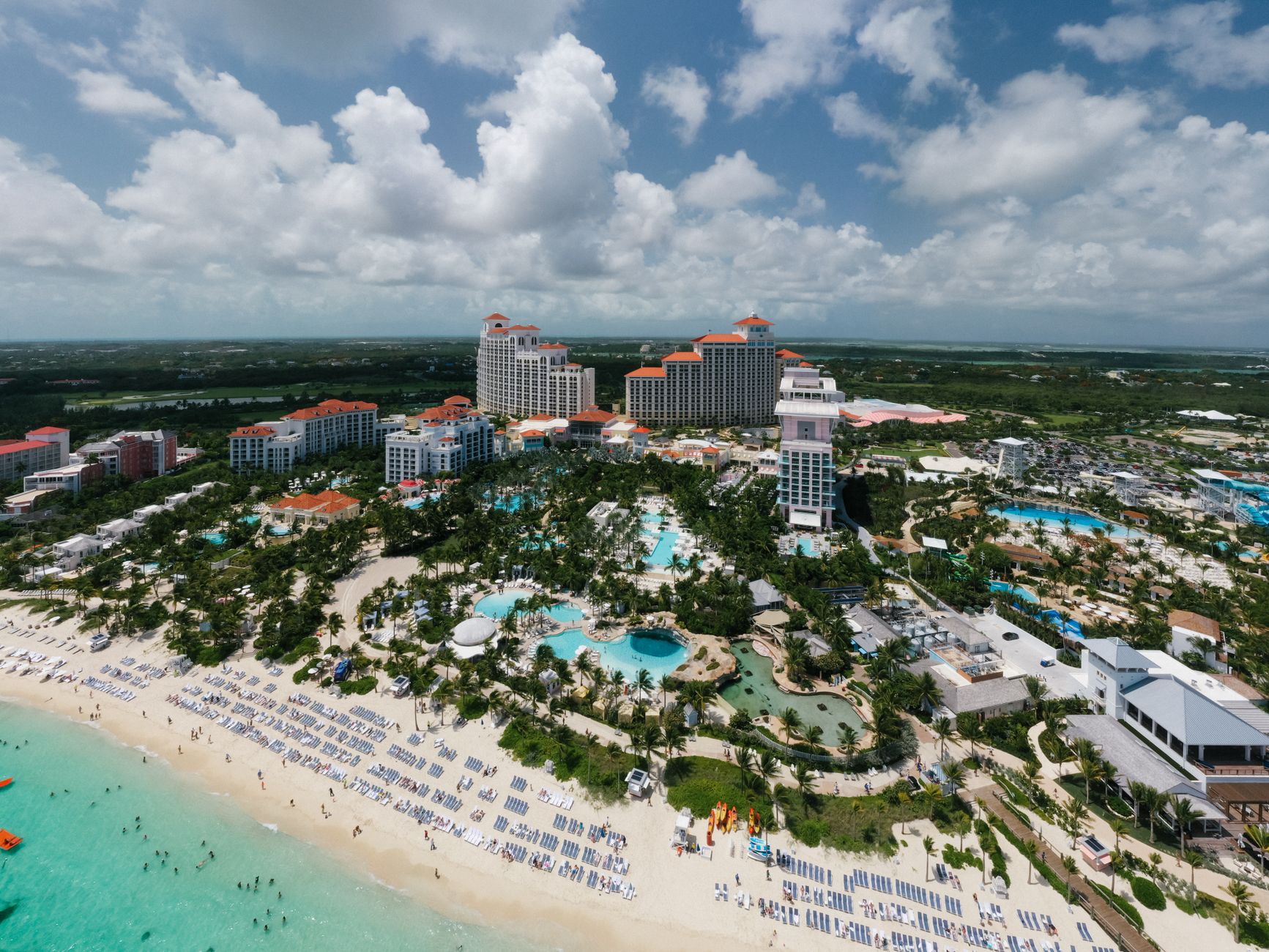
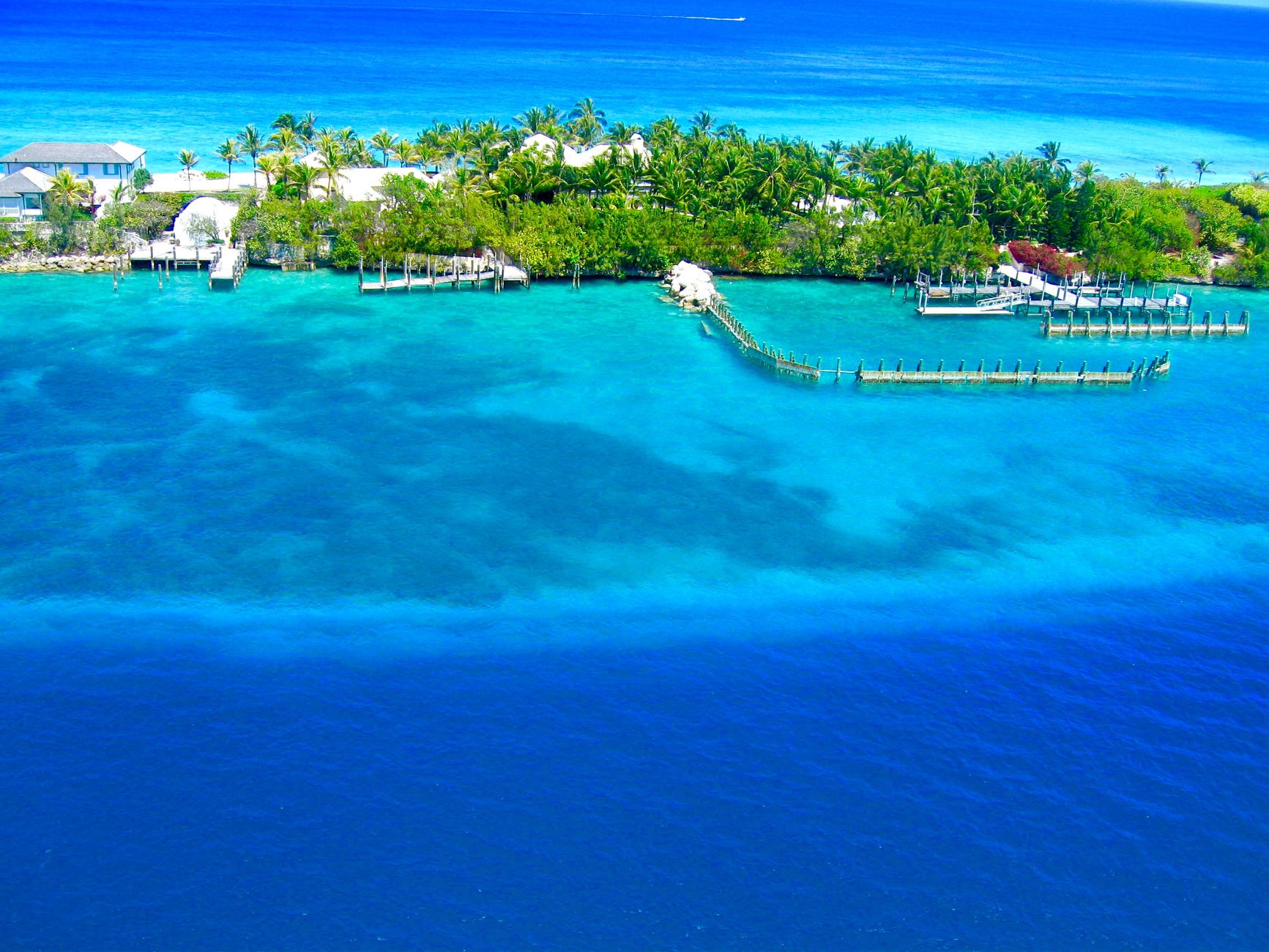
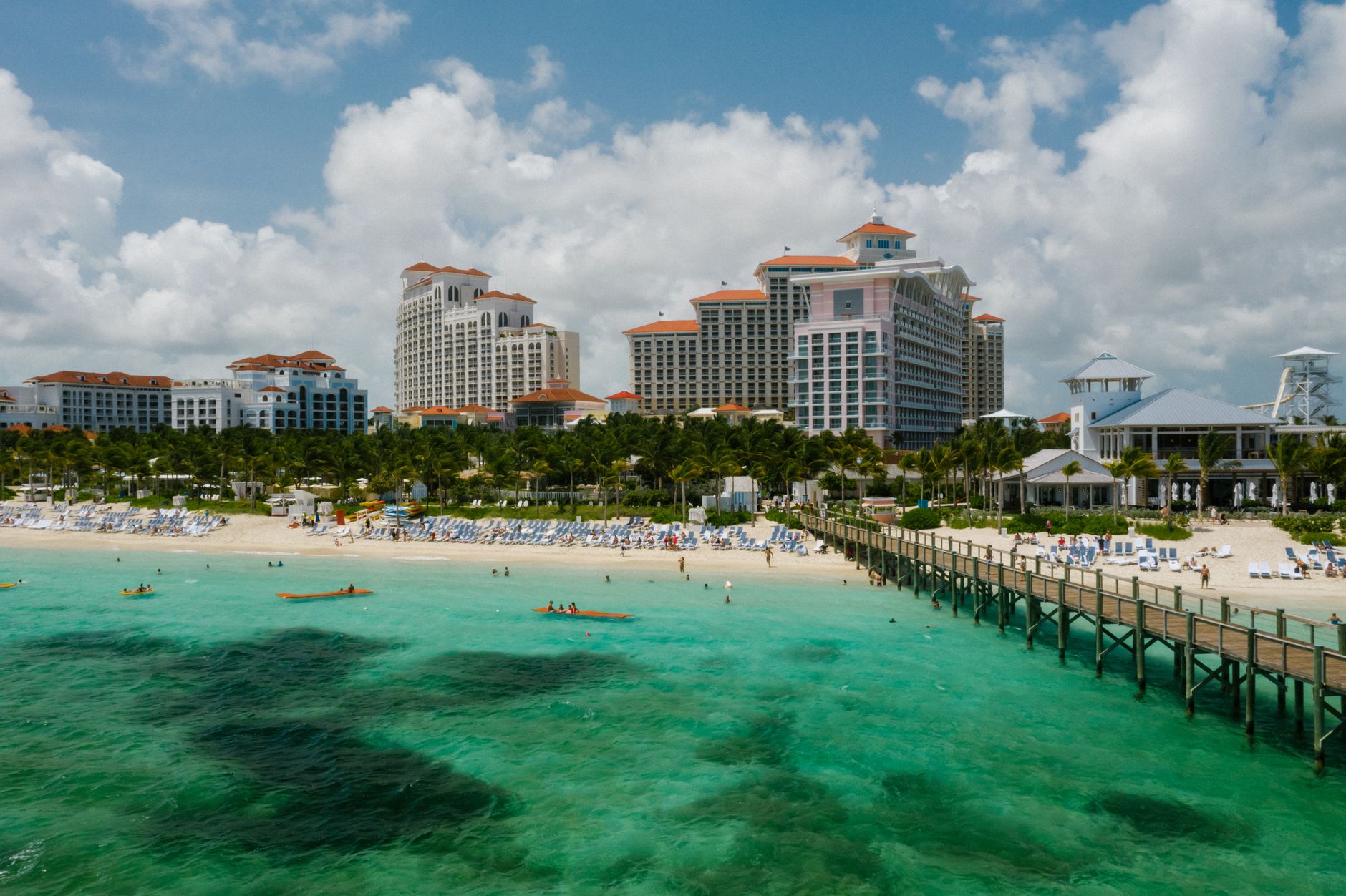
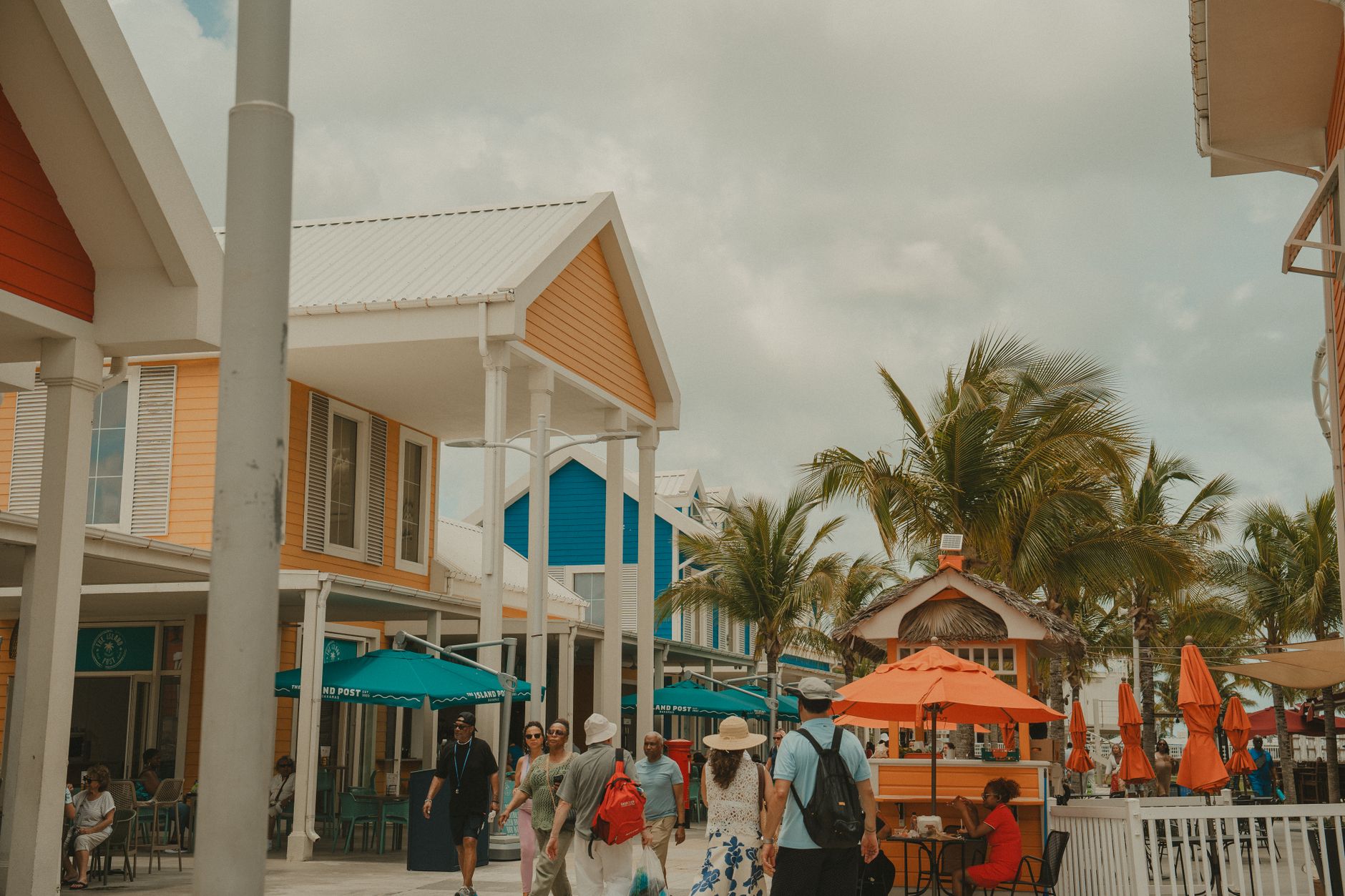
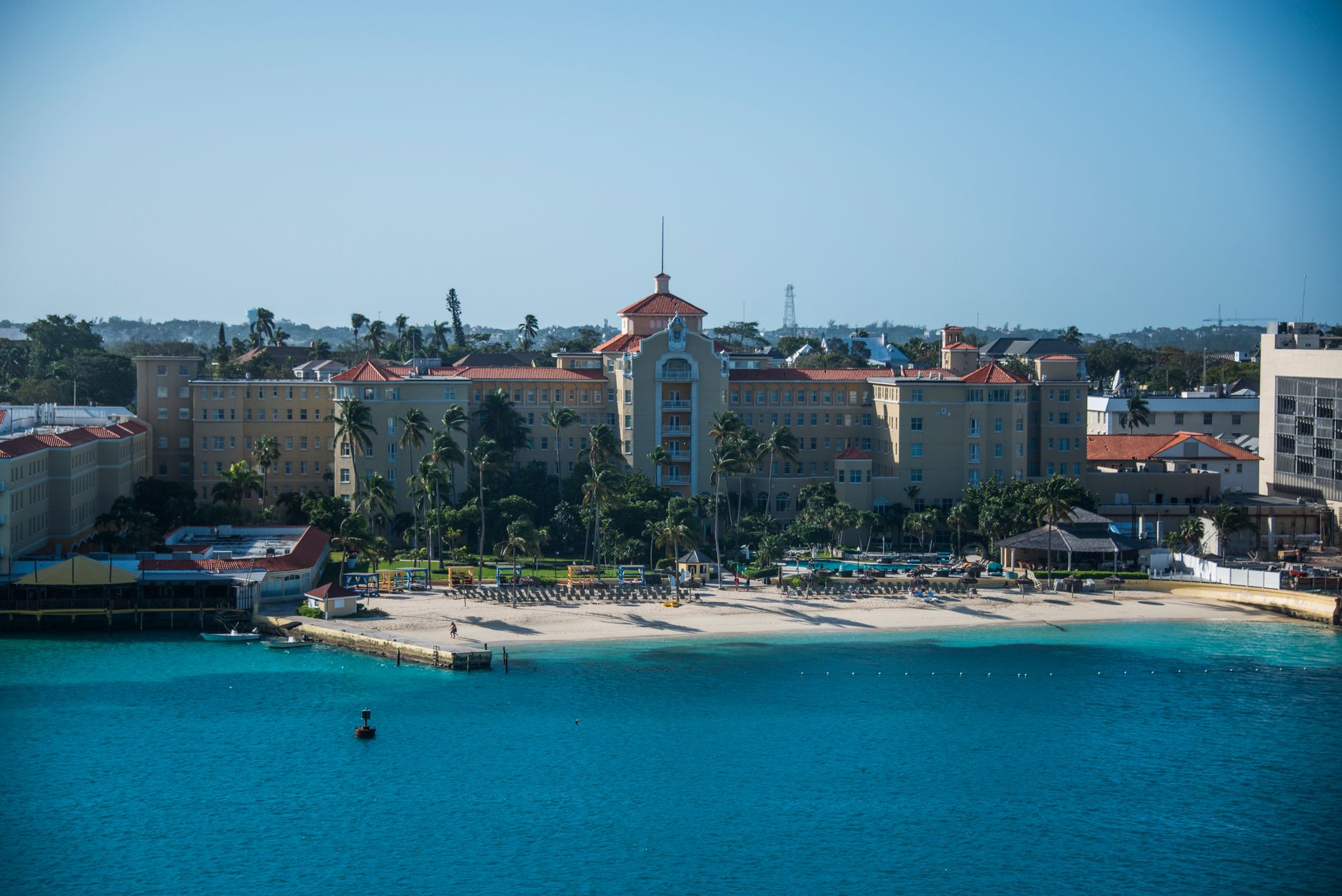

Long Island runs for about eighty miles through the southern Bahamas, narrow enough that you can stand on the ridge road and see water on both sides — the Atlantic to the east, rolling in hard and turquoise, the calmer Exuma Sound to the west. The island is thin, unhurried, and largely unbuilt, which is why the light here feels different: less filtered, more direct.
This is an island for divers, beach walkers, and people who don't need much programming. Dean's Blue Hole — the world's second deepest at over 663 feet — draws freedivers from across the globe each year. Cape Santa Maria beach in the north regularly appears on lists of the finest beaches anywhere. Neither one is crowded.
💛 What travellers fall for
People who come back tend to rent a car from the start — the island is long and taxis thin on the ground between Stella Maris and Clarence Town. They also time a morning at Hamilton's Cave early in the trip, before the heat builds. And they eat wherever the hand-painted signs point.
How Long Island, Bahamas came to be
The Lucayan Taíno knew the island as Yuma — 'middle high land' — and left cave drawings inside what is now the largest cave system in the Bahamas. Christopher Columbus renamed it Fernandina on his 1492 voyage, and some historians identify it as his third landfall in the New World. After the Spanish removed the Lucayan population as enslaved labour by the 1540s, the island sat largely empty for nearly two centuries.
Settlement resumed slowly: the Simms family arrived in 1720, and by the 1790s Loyalists fleeing the American Revolution had established cotton plantations across the island. Those plantations collapsed within a generation, and by the abolition of slavery in 1834 most had been abandoned. Their overgrown stone ruins still surface along the bush roads today.
Who and what shaped it
People who shaped it
Landmark buildings
See Long Island, Bahamas in motion
Plan your visit
On the map
When to go
December through April brings reliable trade winds, lower humidity, and clear water visibility — the preferred season for diving and beach walking. Summer is hotter and more humid, with the Atlantic hurricane season running June through November.
Right now
Background & history adapted from Wikipedia (CC BY-SA) · specs from Wikidata (CC0) · weather from Open-Meteo · map data © OpenStreetMap contributors · photos from Wikimedia Commons / Unsplash with per-image credit. No third-party reviews or social posts reproduced.