
Adelaide
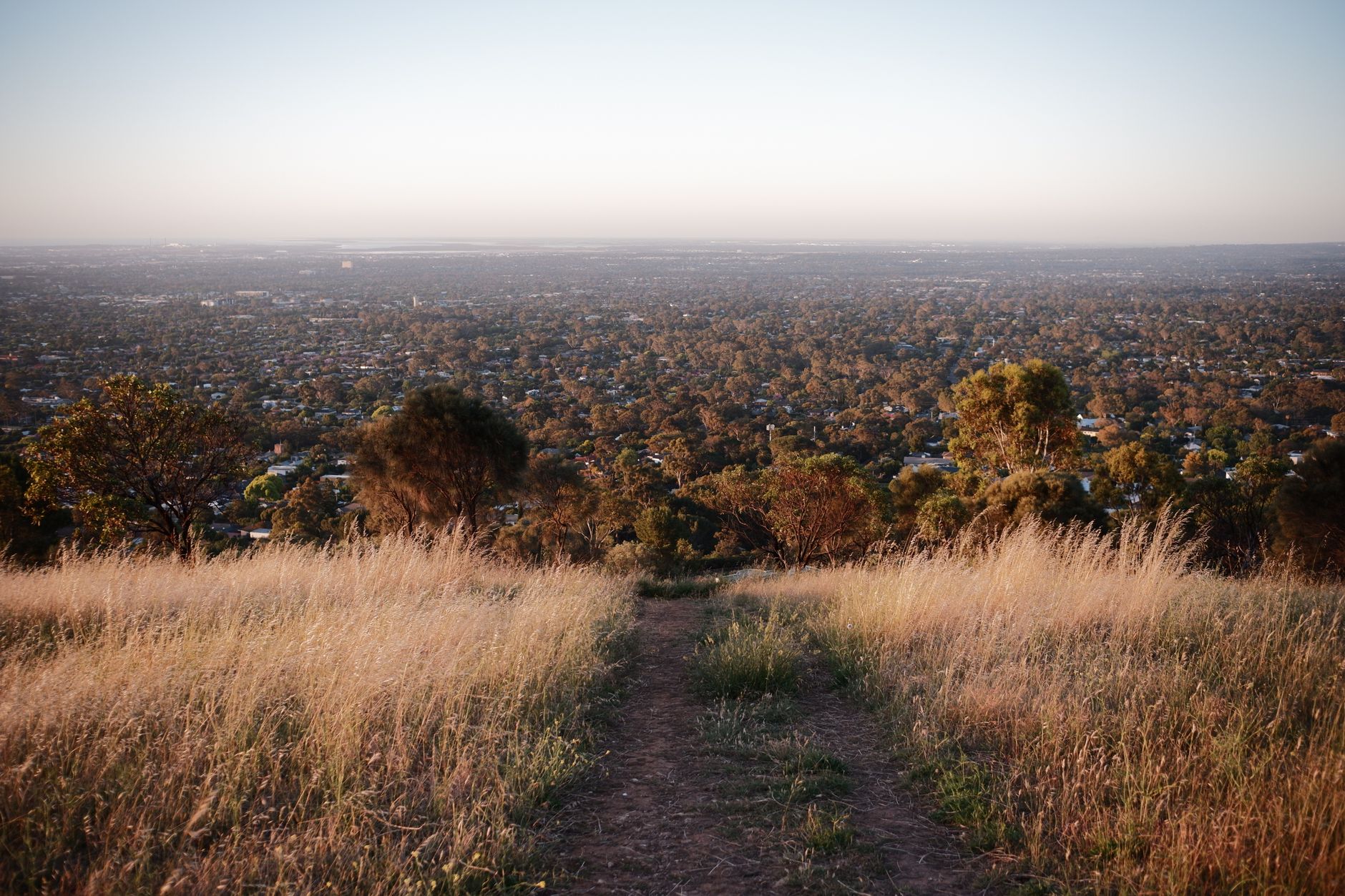
Adelaide is planned down to its bones. Colonel William Light laid out the city centre in 1836 as a strict grid of wide boulevards and public squares, then wrapped the whole thing in a belt of parklands — green space that still holds the city in a kind of deliberate embrace nearly two centuries later. That structure is still legible when you walk it: the squares, the broad terraces, the sense that someone thought hard about air and light before a single building went up.
The city that grew inside Light's frame is a layered one. Gothic Revival stonework from the 1870s stands beside Federation-era commercial buildings and a Festival Centre whose white tent-like roof catches the Torrens light.
💛 What travellers fall for
People who come back tend to mention the tram — still free within the city centre, running every ten minutes or so, and genuinely useful rather than decorative. The Central Market, trading since 1869, rewards an early arrival: the brick archways and profiled parapets haven't changed much, and neither has the logic of buying something to eat before you've decided what to do with the day.
Experiences you don't want to miss




Deals in Adelaide
Book directly at the provider
How Adelaide came to be
Adelaide was founded in 1836 not as a convict settlement but as a planned colony of free settlers — a distinction its founders made much of. Colonel William Light, Surveyor-General, chose the site close to the River Torrens and drew up what became known as Light's Vision: a gridded city centre interspersed with five public squares, encircled entirely by parklands. The colonial government formally commenced on 28 December 1836. Light died in 1839 and was buried at Thebarton, the only person interred within the original square mile.
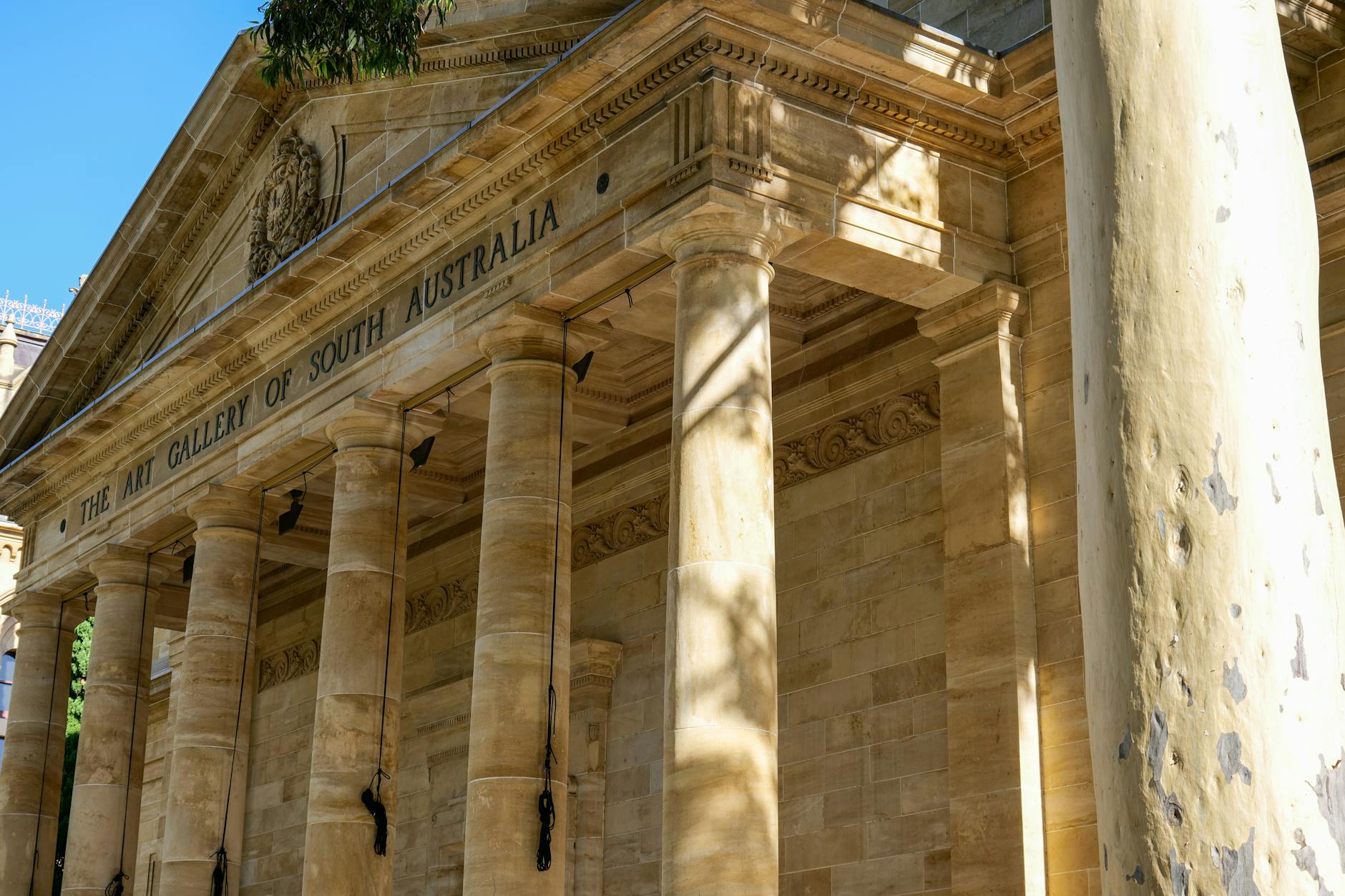
The city's institutional fabric followed quickly. The University of Adelaide was established in 1874; its Mitchell Building, a Gothic Revival centrepiece designed by James MacGeorge after a competition in 1877, still anchors the North Terrace cultural corridor. The South Australian Art Gallery opened in 1881. By 1900 the streets had electric lighting; by 1909, electric trams.
Who and what shaped it
People who shaped it
Landmark buildings
See Adelaide in motion
Plan your visit
On the map
When to go
Adelaide runs on a Mediterranean rhythm: summers are hot and dry, occasionally cresting 40°C, but with the lowest humidity of any Australian capital — heat that is easier to bear than the numbers suggest. Winters are cool and genuinely wet, with June the wettest month; spring and autumn are mild, low-rain, and the most straightforward seasons to visit.
Right now
Background & history adapted from Wikipedia (CC BY-SA) · specs from Wikidata (CC0) · weather from Open-Meteo · map data © OpenStreetMap contributors · photos from Wikimedia Commons / Unsplash with per-image credit. No third-party reviews or social posts reproduced.