
Fremantle
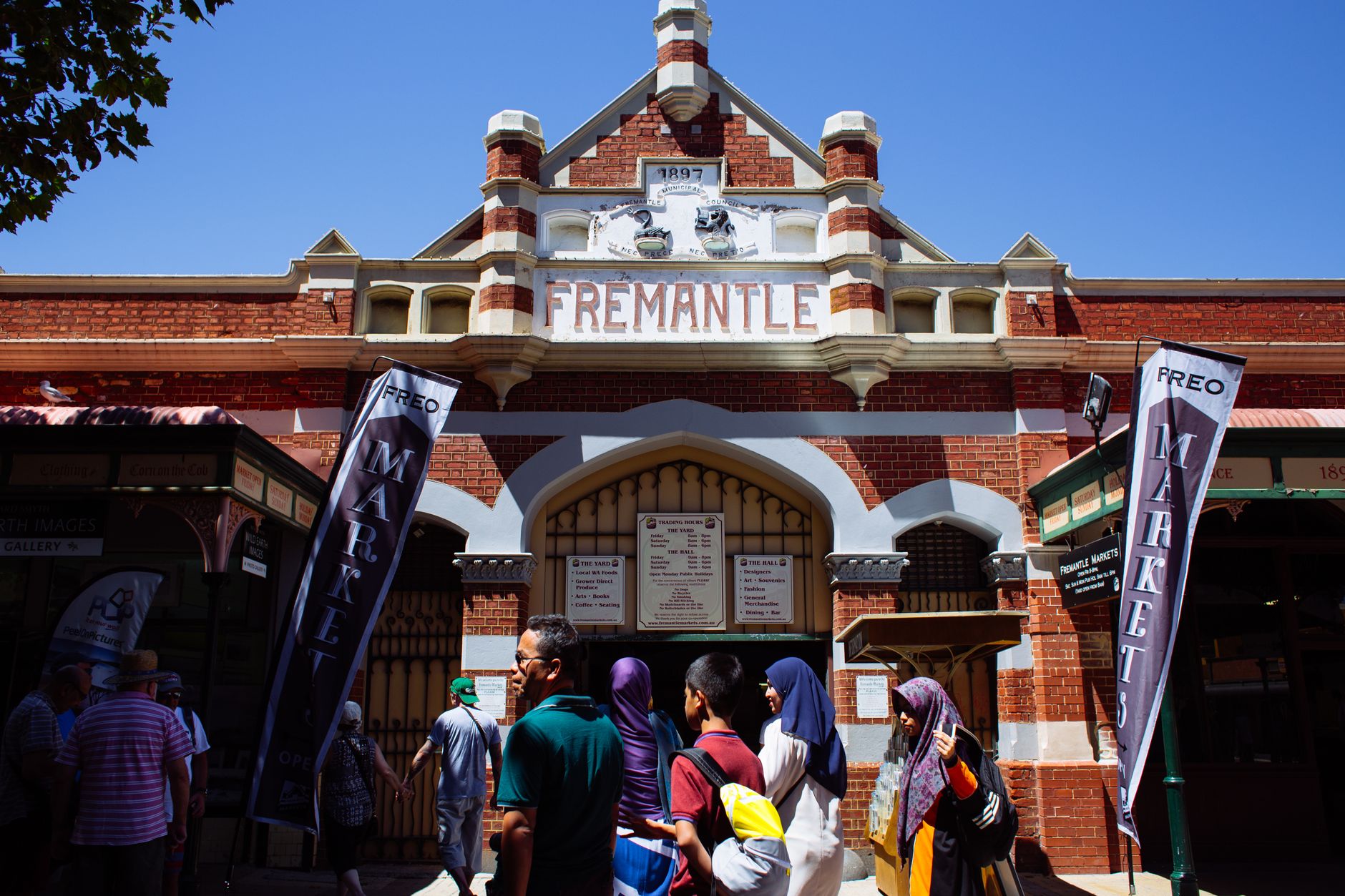
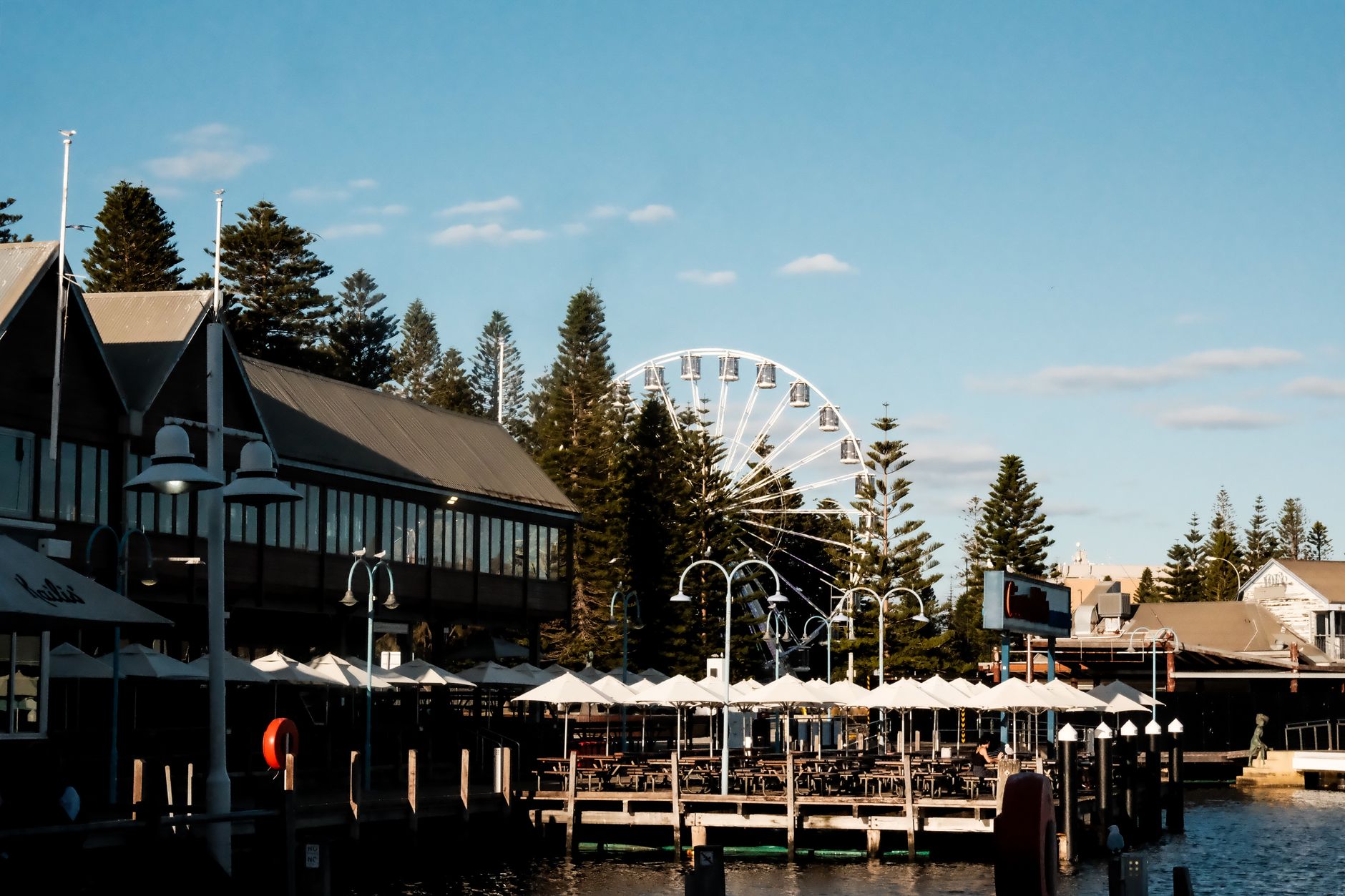
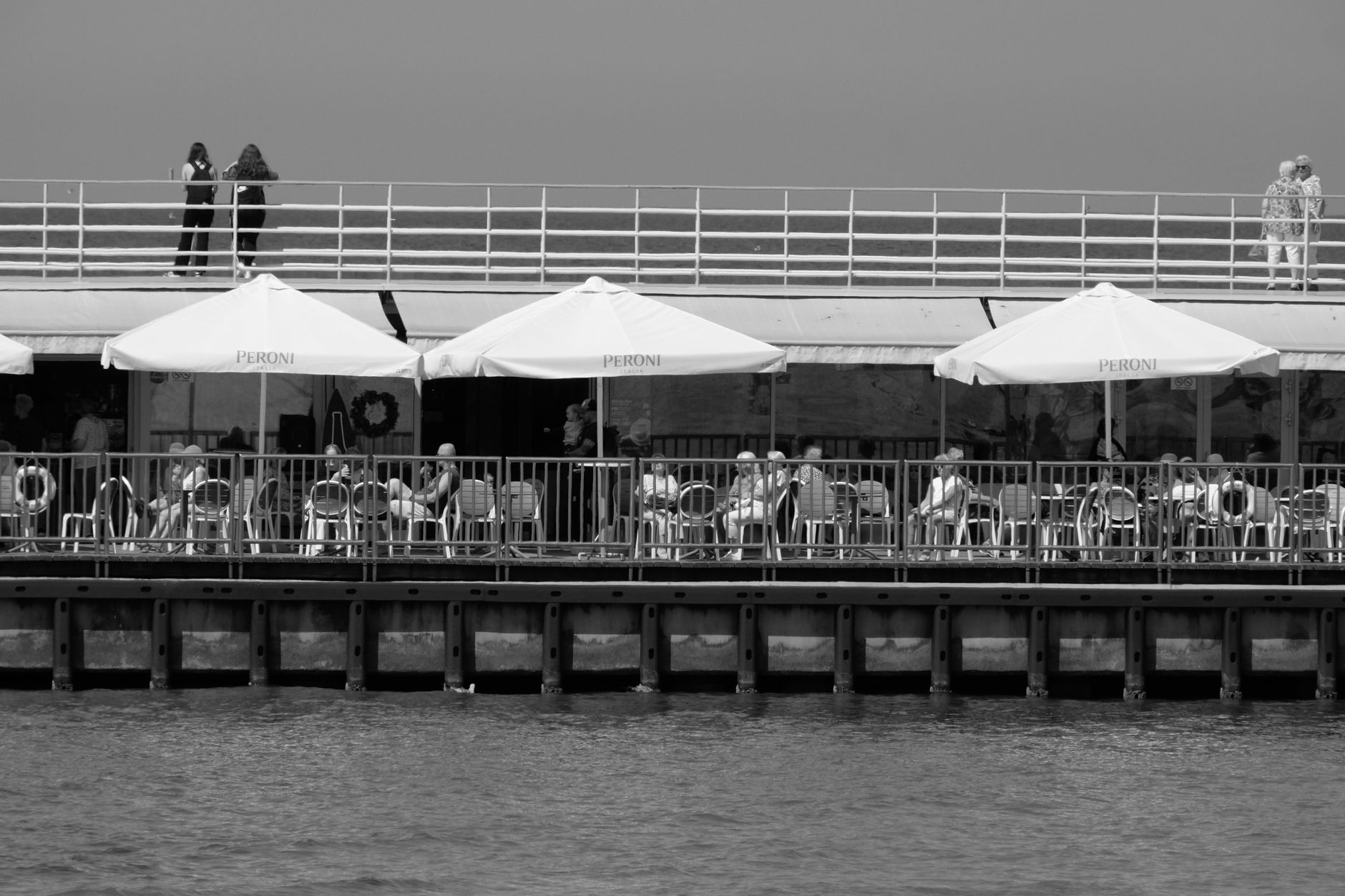
Fremantle sits at the mouth of the Swan River where the Indian Ocean begins, and the light here has a particular quality — flat and salt-bleached, bouncing off limestone buildings that have stood since the convict era. The whole West End is heritage-listed, more than 250 buildings in a single precinct, which means walking a few blocks can take you past a 19th-century prison, a former lunatic asylum turned arts centre, and a market hall that has been trading since 1897.
This is a working port city that learned to wear its history lightly. The docks still operate. The pubs still fill. And the WA Maritime Museum sits precisely where the first settlers landed in 1829.
💛 What travellers fall for
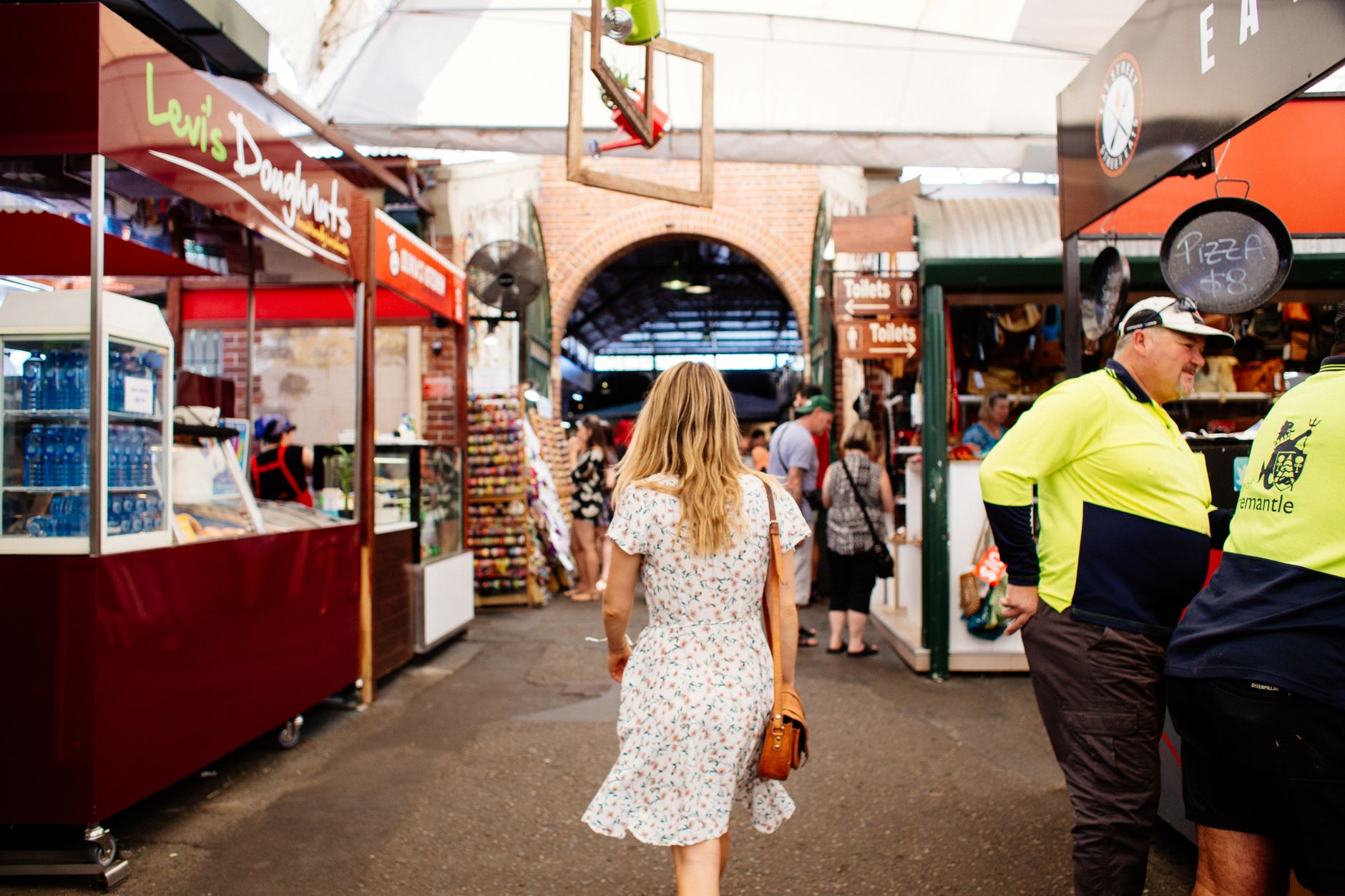
People who keep coming back tend to anchor their days at the Fremantle Markets on a weekend morning, then walk it off along Victoria Quay before the tour groups arrive at the Prison. The free CAT buses mean you can cover more ground than you'd expect without a car — and the train back to Perth takes under half an hour.
Deals in Fremantle
Book directly at the provider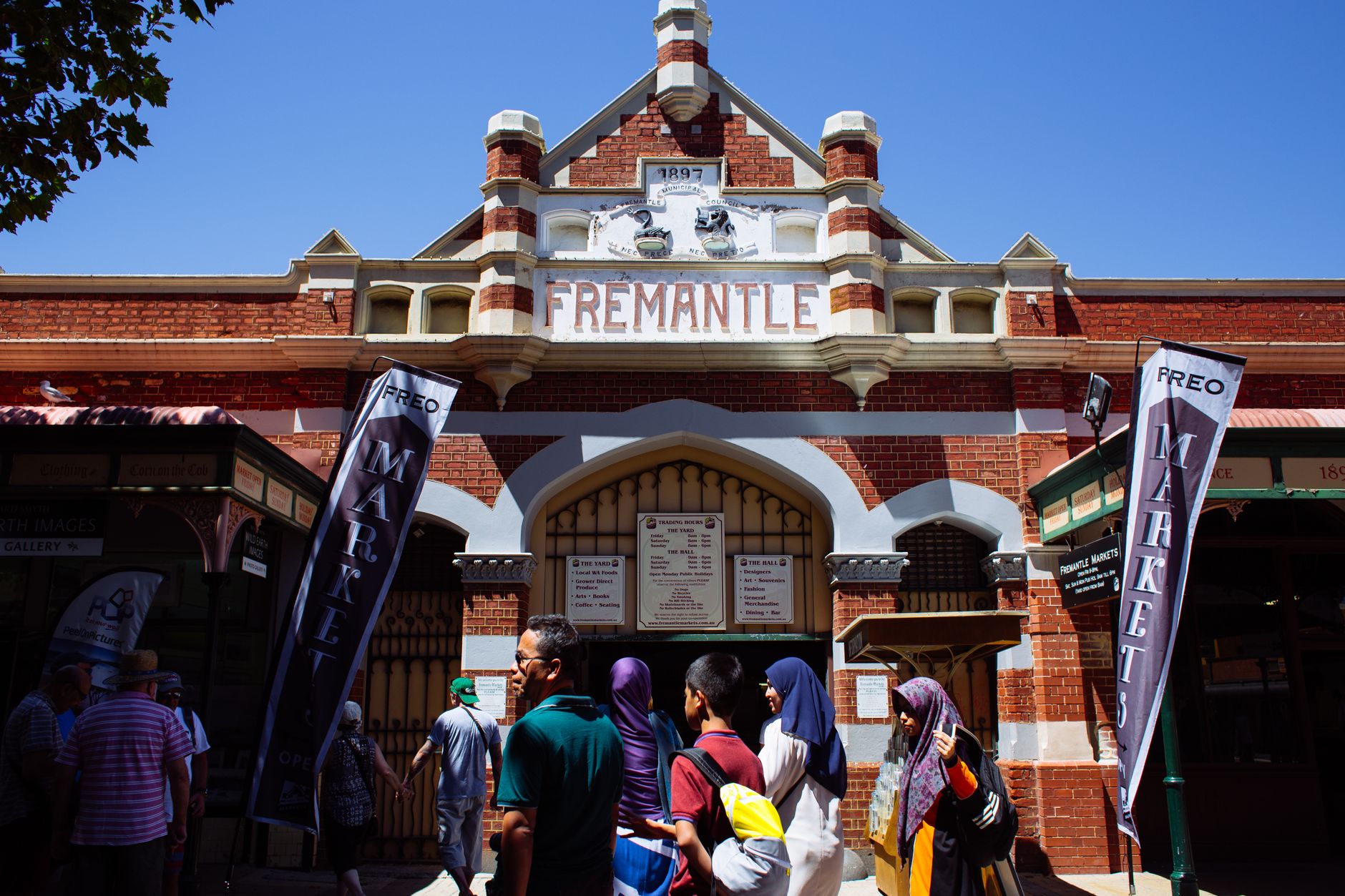

How Fremantle came to be
On 2 May 1829, Captain Charles Fremantle raised the Union Flag on the western coast of what the British called New Holland, claiming it for King George IV. A month later, Captain James Stirling arrived with the first wave of settlers to establish the Swan River Colony, naming the port after Fremantle himself. It began as an optimistic free settlement, then shifted course in 1850 when the first convict ship, the Scindian, docked on 1 June — the start of nearly two decades of transportation that would end with the Hougoumont in 1868.
The convict labour that built Fremantle Prison and the Round House also shaped the city's bones. The gold rushes of the 1890s turned the port into a gateway for tens of thousands heading to the Coolgardie-Kalgoorlie goldfields, and harbour improvements by 1901 made Fremantle the dominant port in Western Australia. A slower period followed, until the 1987 America's Cup — held in the waters just offshore — drew international attention and accelerated the preservation and renewal of the West End.
Who and what shaped it
People who shaped it
Landmark buildings
See Fremantle in motion
Plan your visit
On the map
When to go
Summers (December–February) are hot and dry, often above 30°C, with a reliable afternoon sea breeze locals call the Fremantle Doctor that takes the edge off. Winter (June–August) is mild and occasionally rainy — cool enough for a jacket in the evenings but rarely cold, and the city is noticeably quieter.
Right now
Background & history adapted from Wikipedia (CC BY-SA) · specs from Wikidata (CC0) · weather from Open-Meteo · map data © OpenStreetMap contributors · photos from Wikimedia Commons / Unsplash with per-image credit. No third-party reviews or social posts reproduced.