
Gold Coast
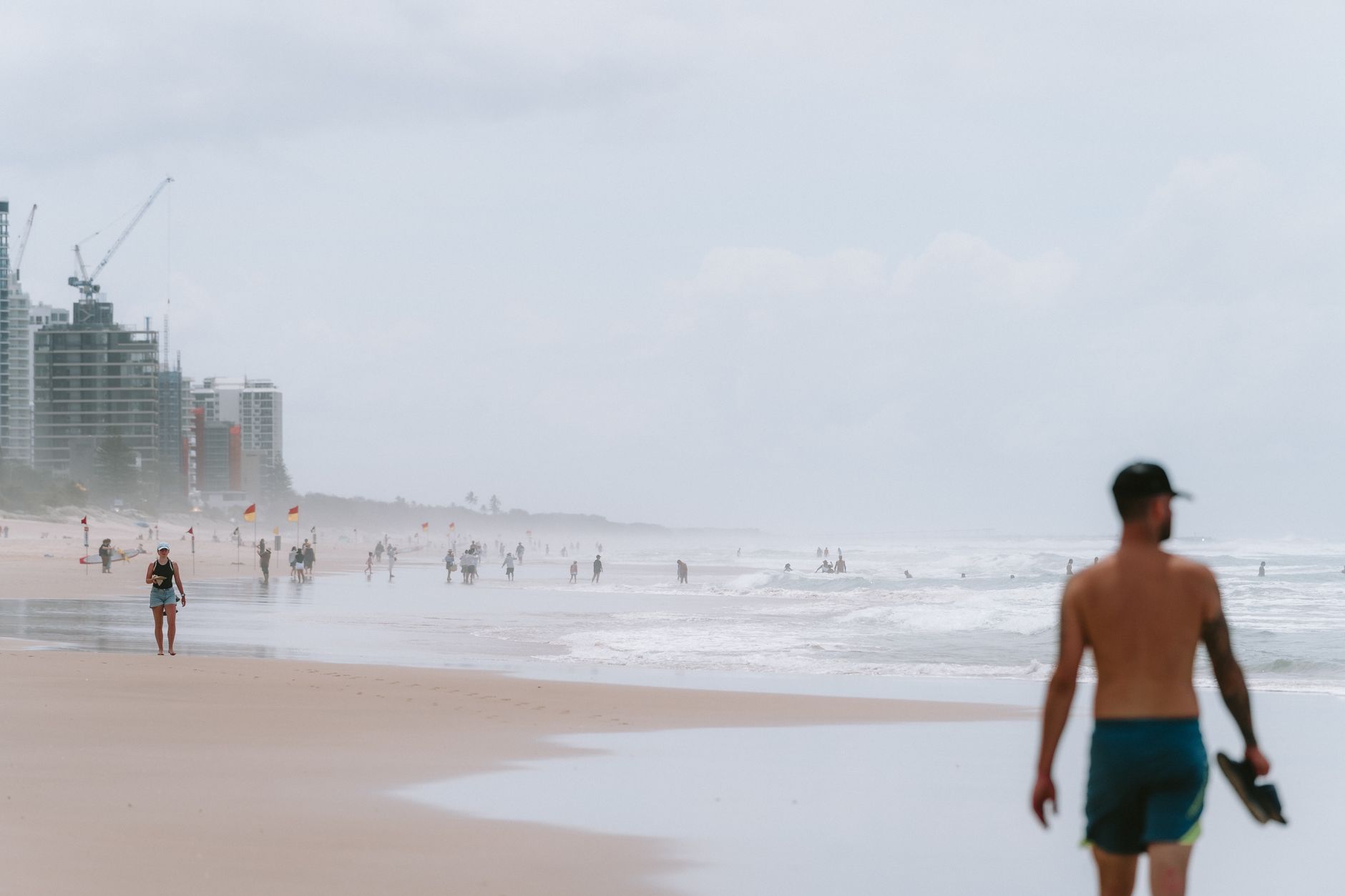
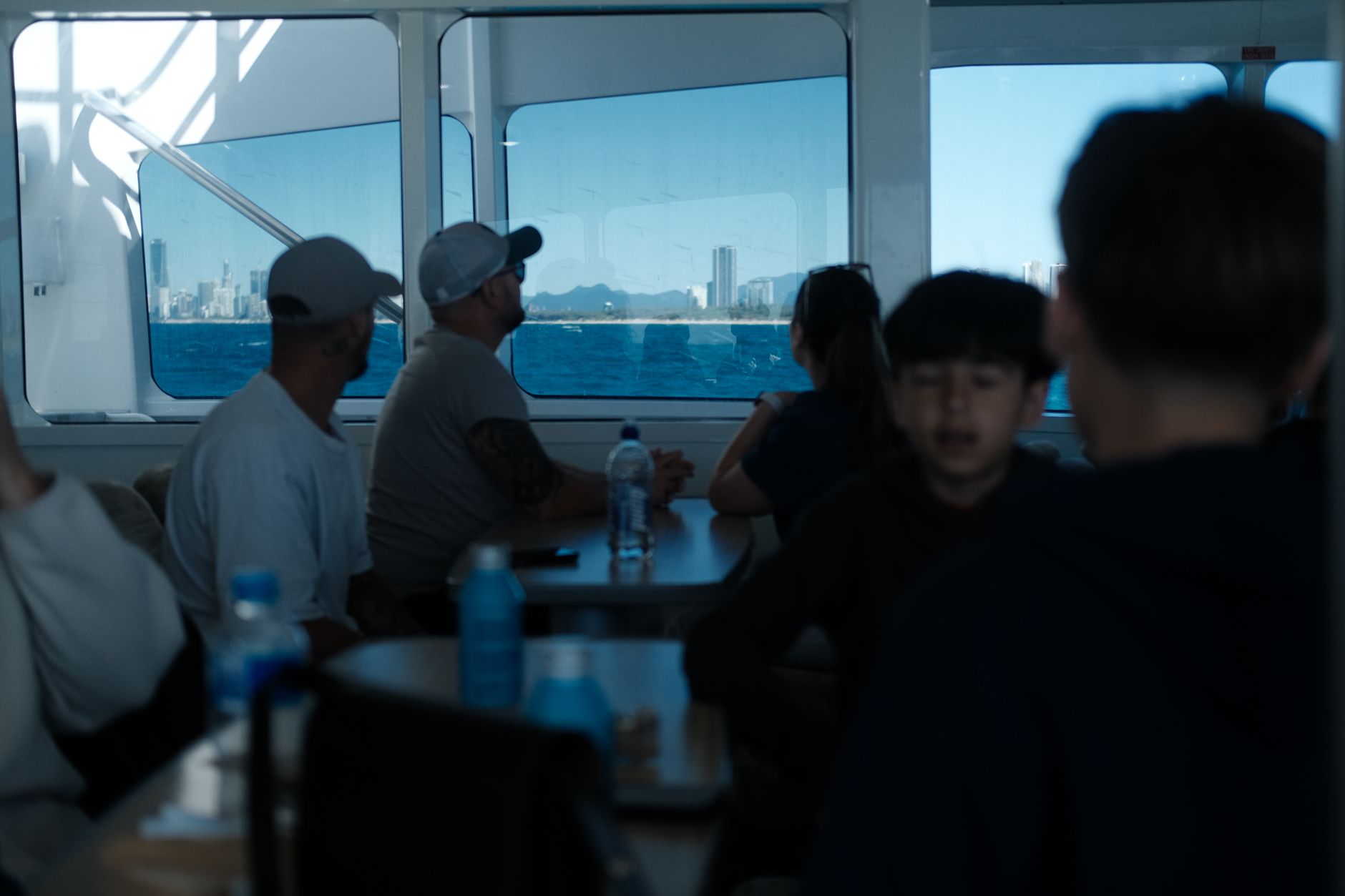
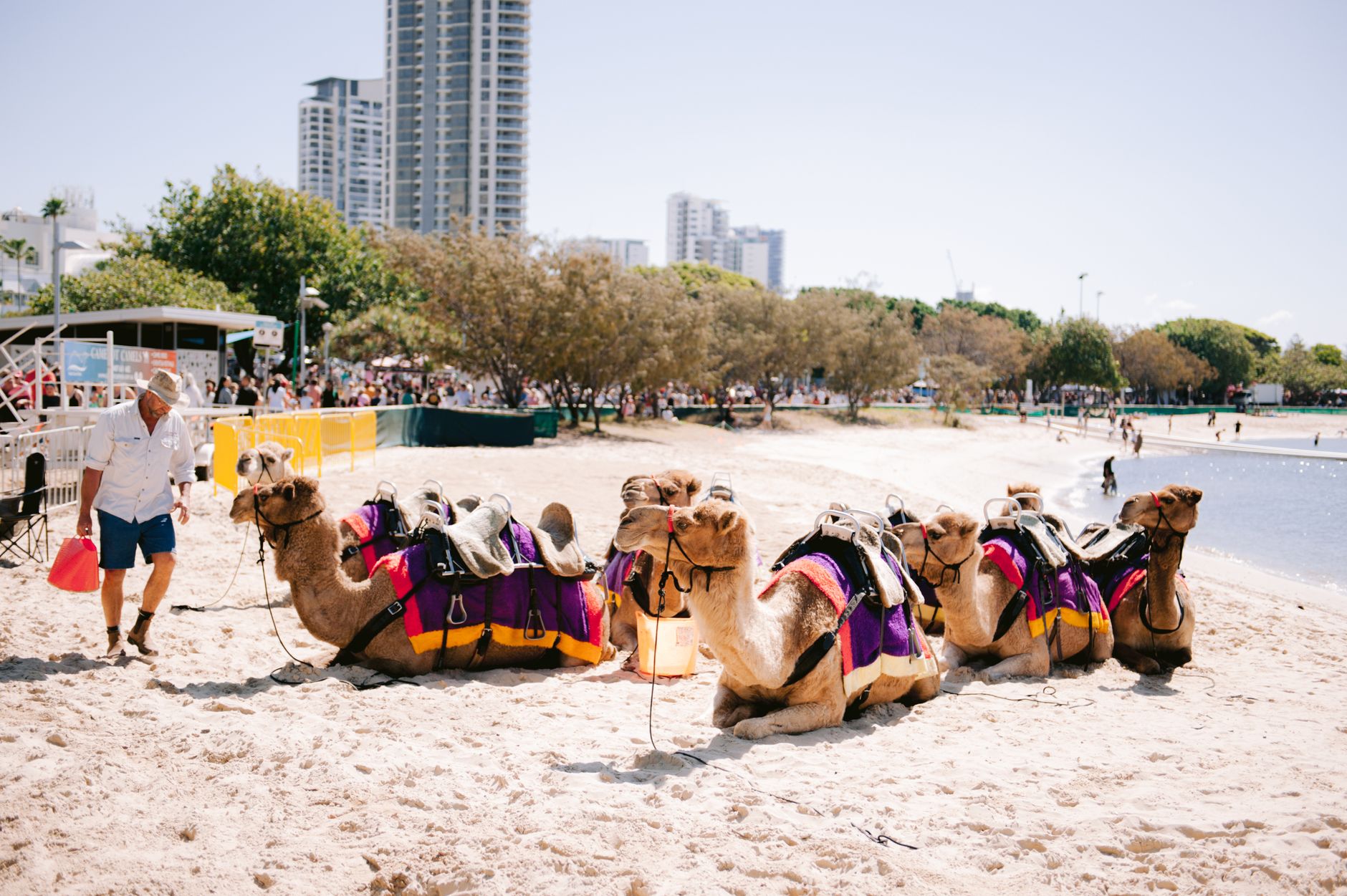
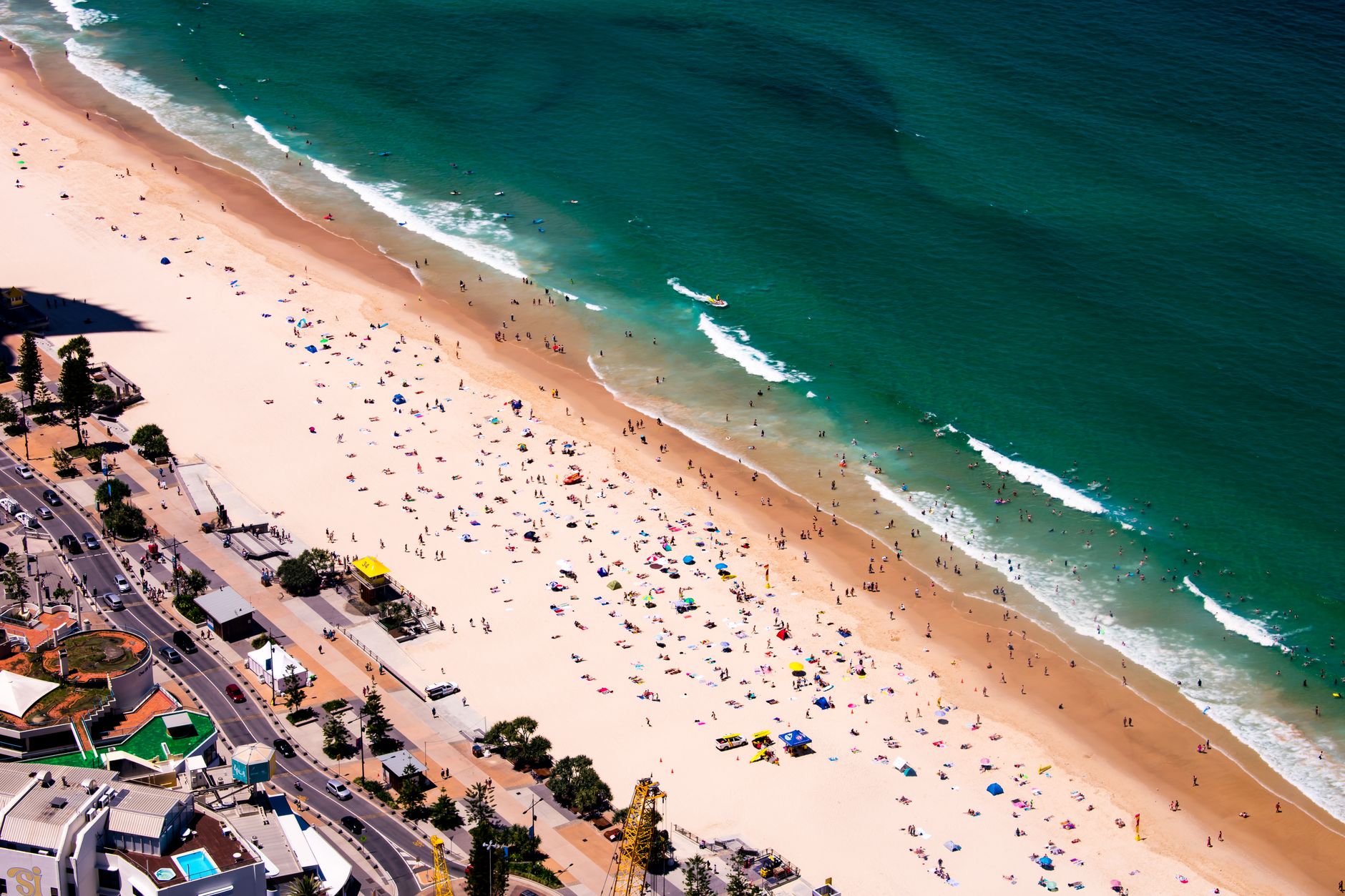
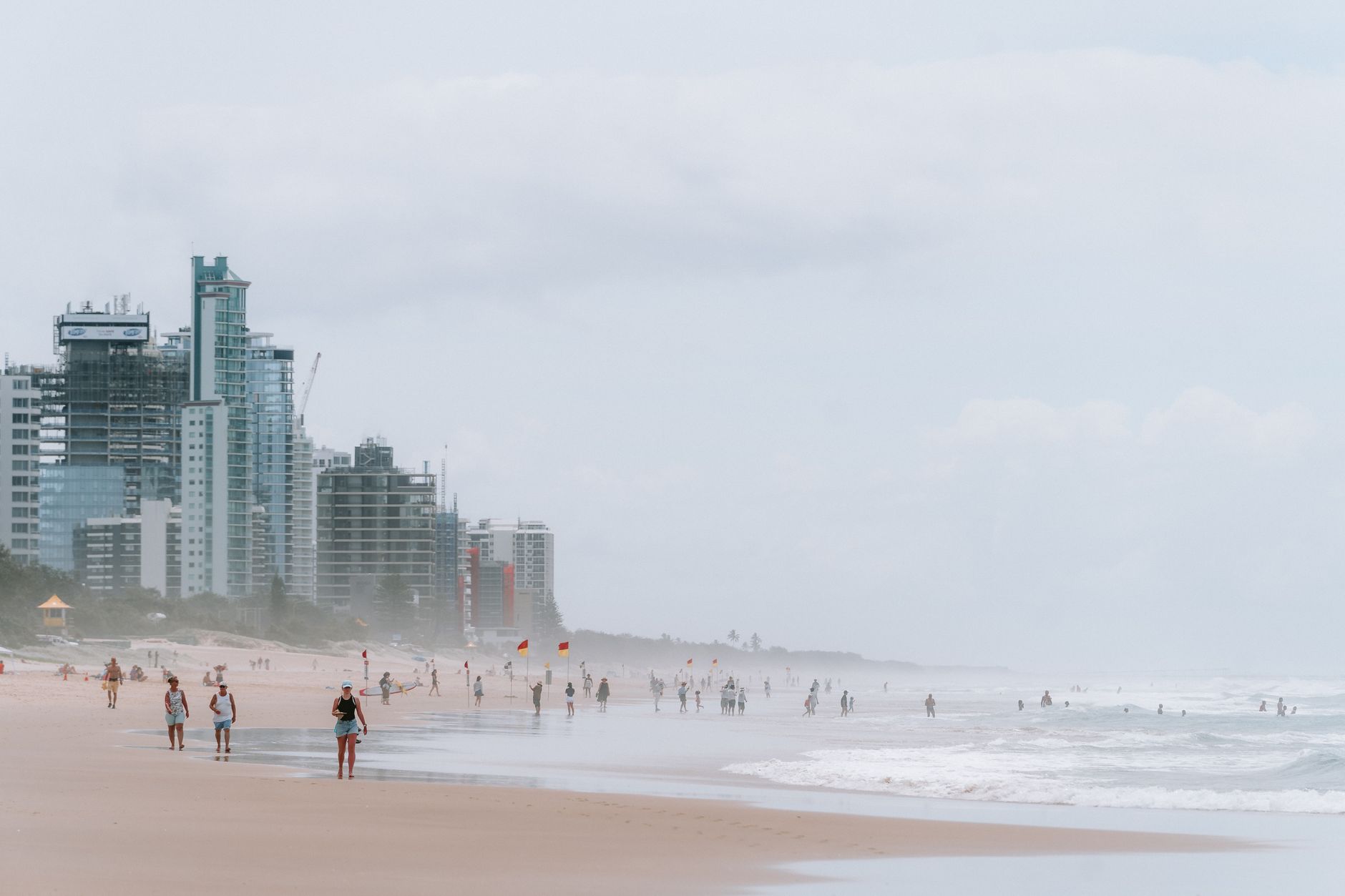
The Gold Coast announces itself with a wall of glass towers rising straight from the sand — a skyline that looks borrowed from Miami but belongs entirely to Queensland. At its peak, Q1 scrapes 323 metres into the subtropical sky, still the tallest building in Australia, its slanted roofline a deliberate nod to the Sydney Opera House and the torch from the 2000 Olympics.
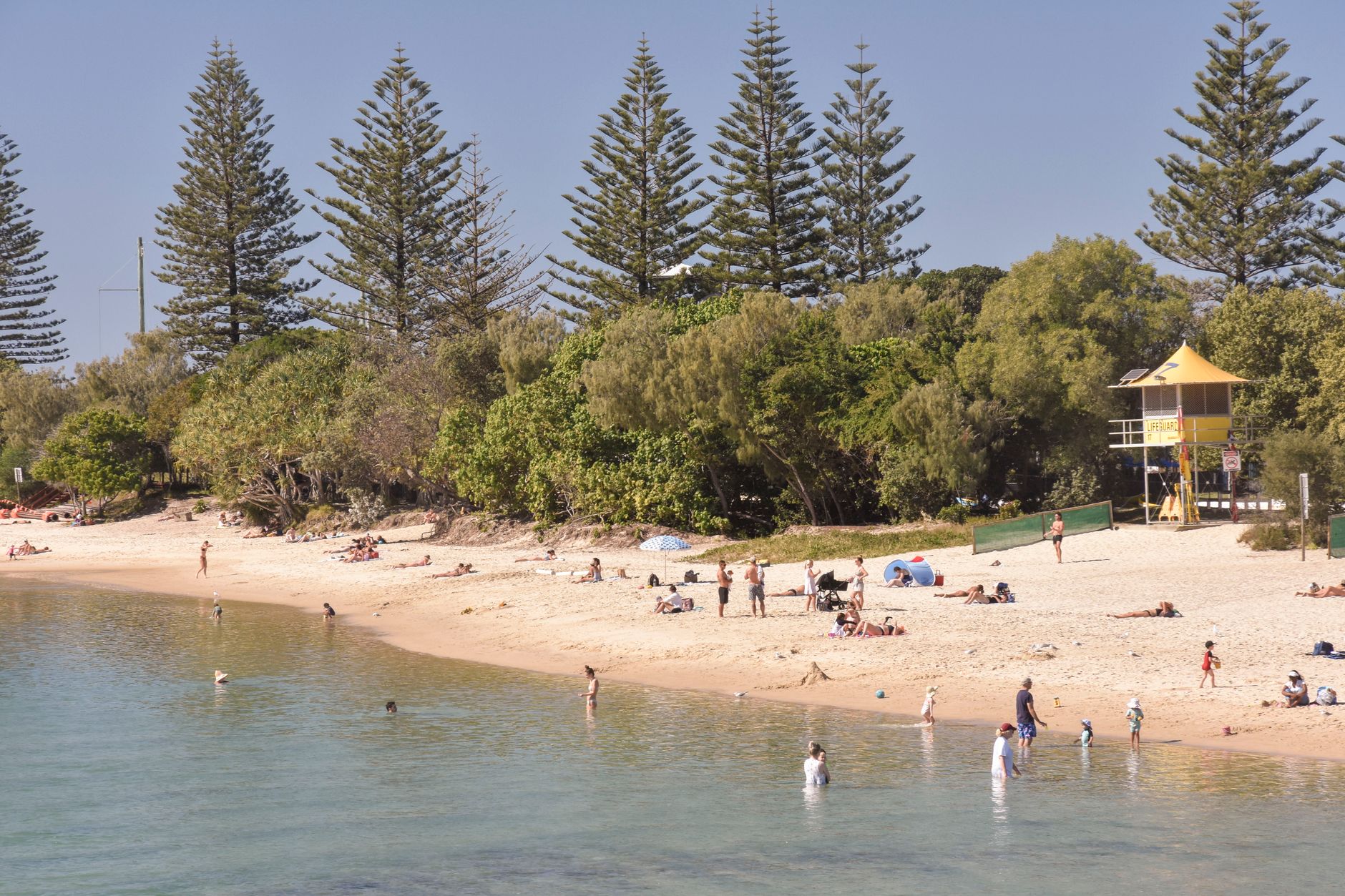
Below all that concrete and ambition, the city runs on a simple premise: sun, surf, and the particular pleasure of doing very little very well. Surfers Paradise is the loud, neon-lit centre of it all, but the Gold Coast sprawls — north through Broadbeach, south to Coolangatta on the New South Wales border — and rewards the people who bother to move through it.
💛 What travellers fall for
Regulars will tell you to load a go card the moment you land — as of 2025, every Translink bus and tram trip costs fifty cents flat. They'll also tell you the SkyPoint Observation Deck at Q1 is worth it on a clear morning before the crowds arrive, and that HOTA's gallery is a genuinely good reason to leave the beach.
Deals in Gold Coast
Book directly at the provider

How Gold Coast came to be
People have lived along this stretch of coast for at least 23,000 years. European contact came late and briefly: Captain Cook passed in 1770, naming Point Danger and Mount Warning from the deck of the Endeavour. John Oxley landed at Mermaid Beach in 1823, and by 1875 Southport had been surveyed and was quietly drawing wealthy Brisbane families south for the sea air.
The modern city is largely the invention of one entrepreneur. In 1925, Jim Cavill opened the Surfers Paradise Hotel in the then-obscure district of Elston and spent the following years lobbying to rename it — succeeding in 1933. The broader region picked up its gold-plated nickname around 1950, reflecting the inflated cost of everything, and was proclaimed a city on 16 May 1959. Japanese investment in the 1980s drove the skyline upward almost overnight, and the theme parks — Sea World from 1972, Dreamworld and Movie World following — cemented the city's identity as a place built explicitly for pleasure.
Who and what shaped it
People who shaped it
Landmark buildings
See Gold Coast in motion
Plan your visit
On the map
When to go
Summers (December to February) are hot, humid and prone to afternoon storms; the water is warm and the days long, but the humidity is real. Winter (June to August) is the locals' favourite season — clear skies, temperatures in the low twenties, and far fewer crowds.
Right now
Background & history adapted from Wikipedia (CC BY-SA) · specs from Wikidata (CC0) · weather from Open-Meteo · map data © OpenStreetMap contributors · photos from Wikimedia Commons / Unsplash with per-image credit. No third-party reviews or social posts reproduced.