
Brisbane
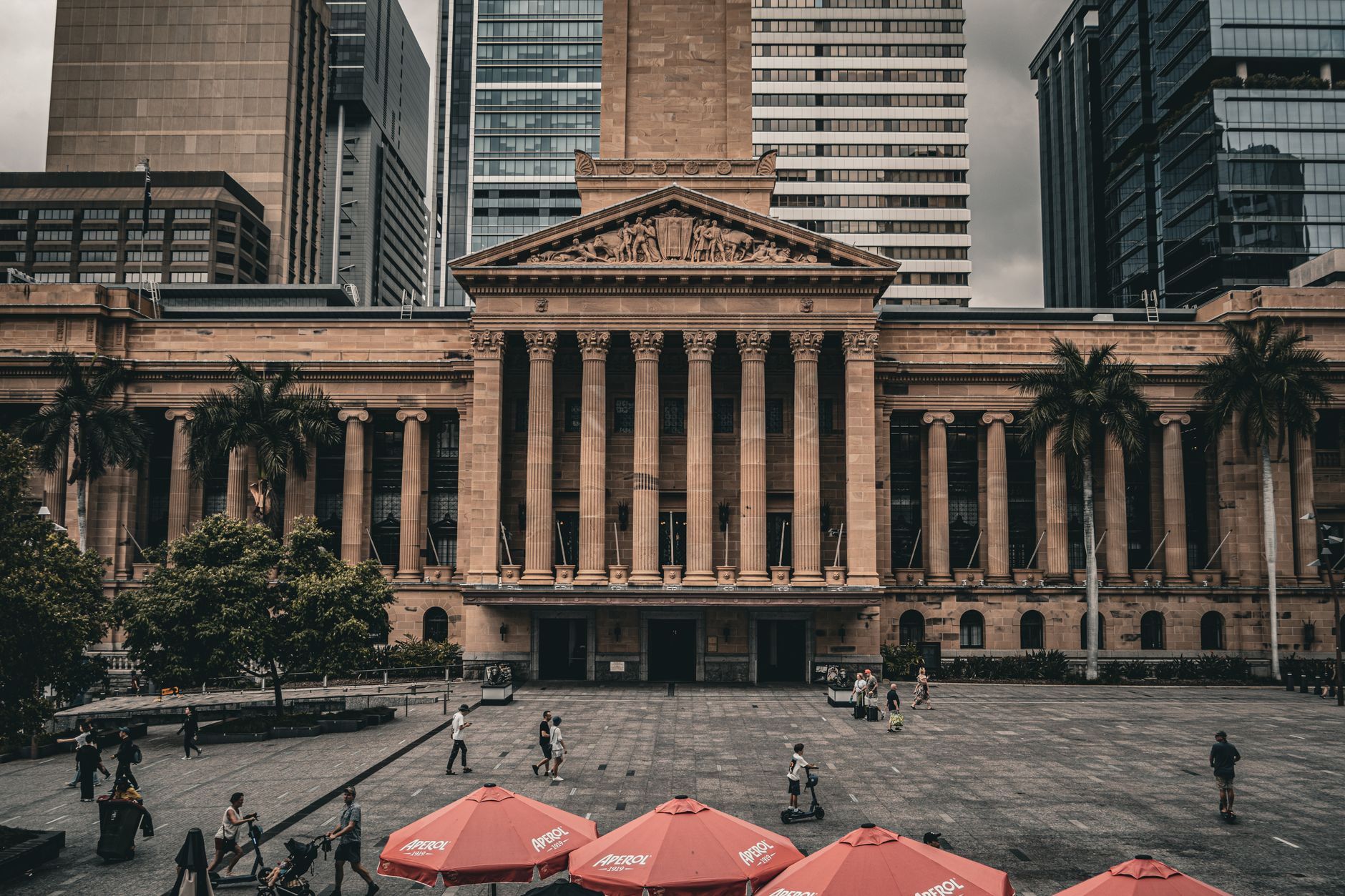
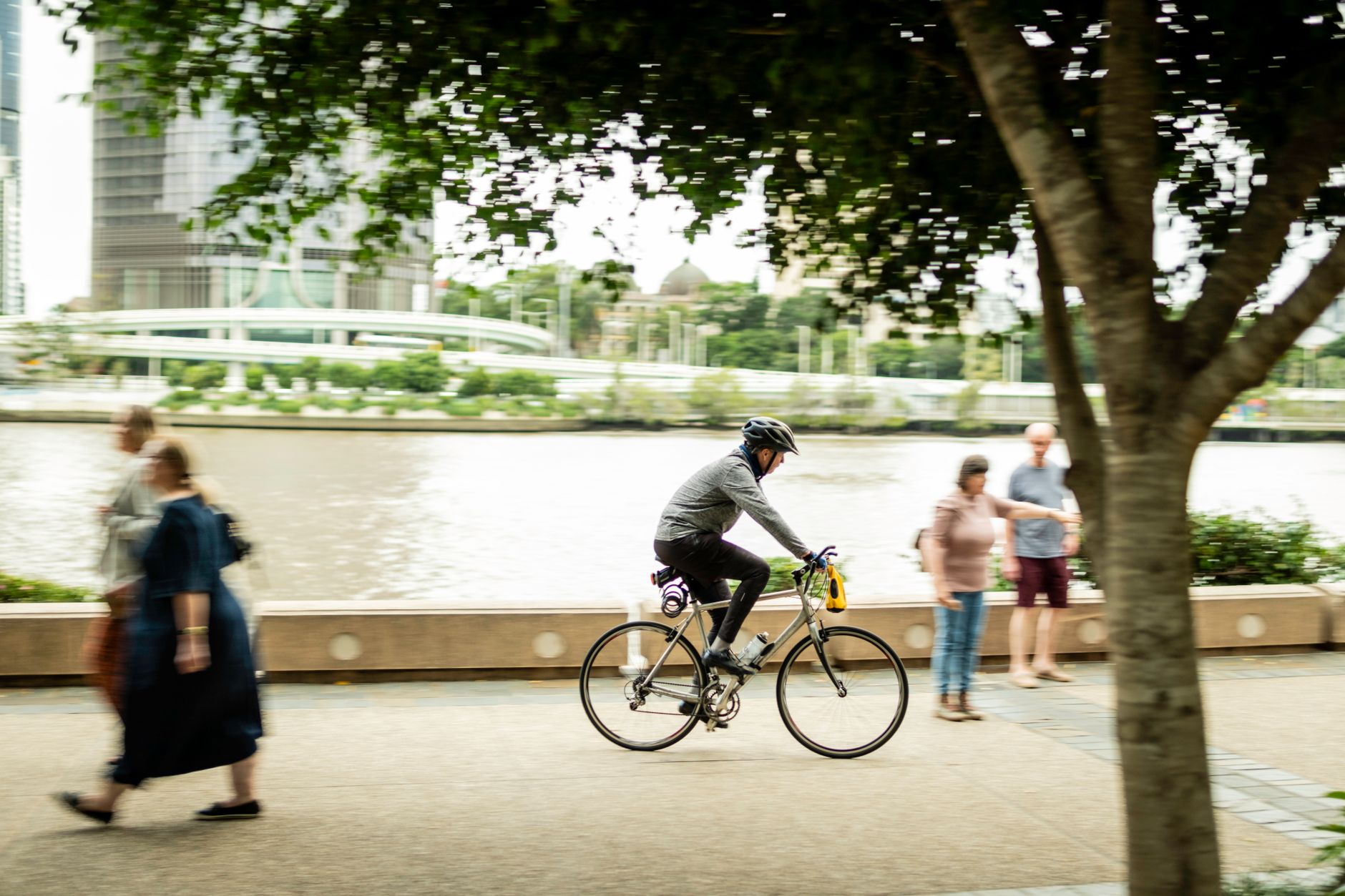
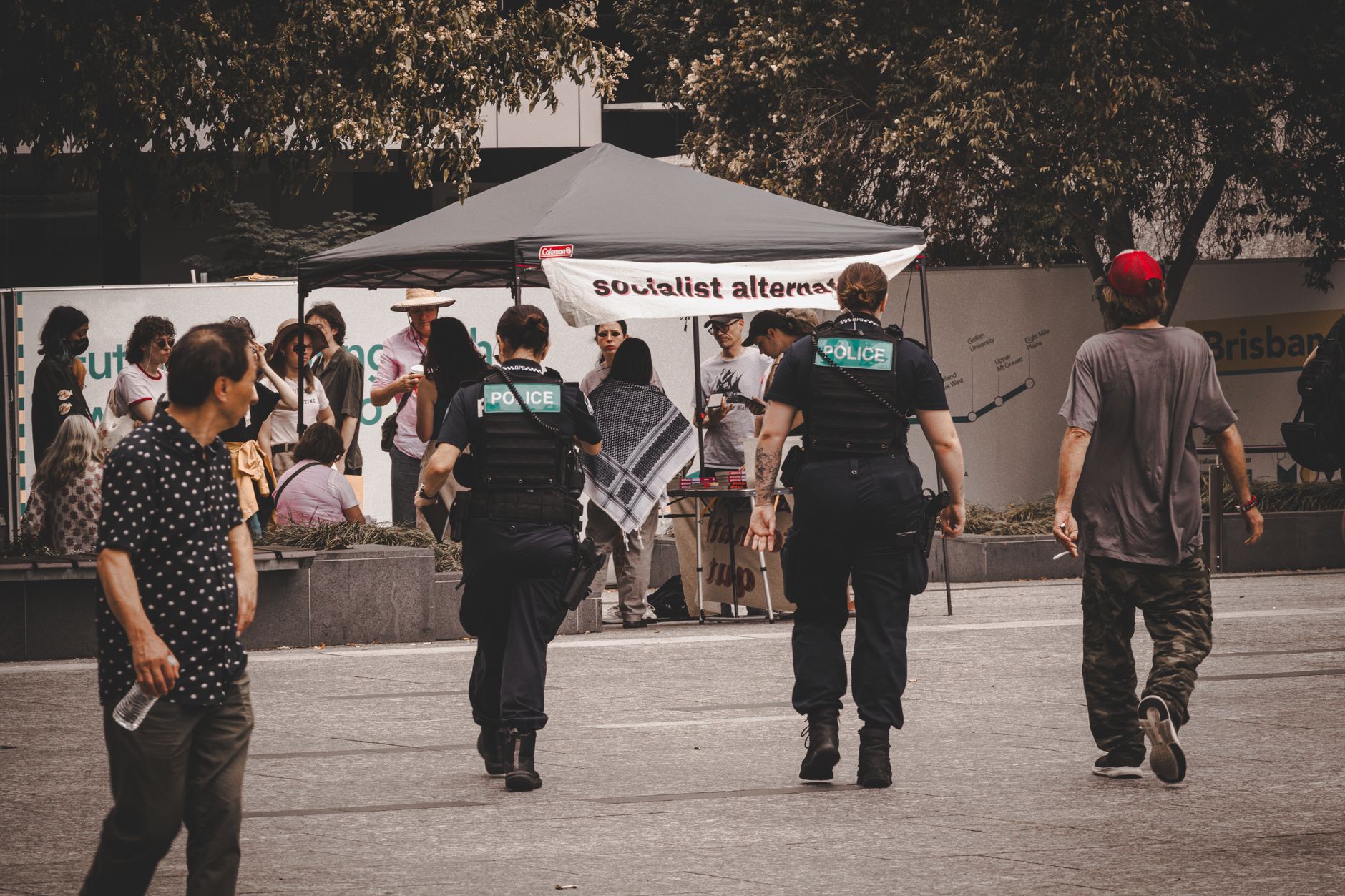
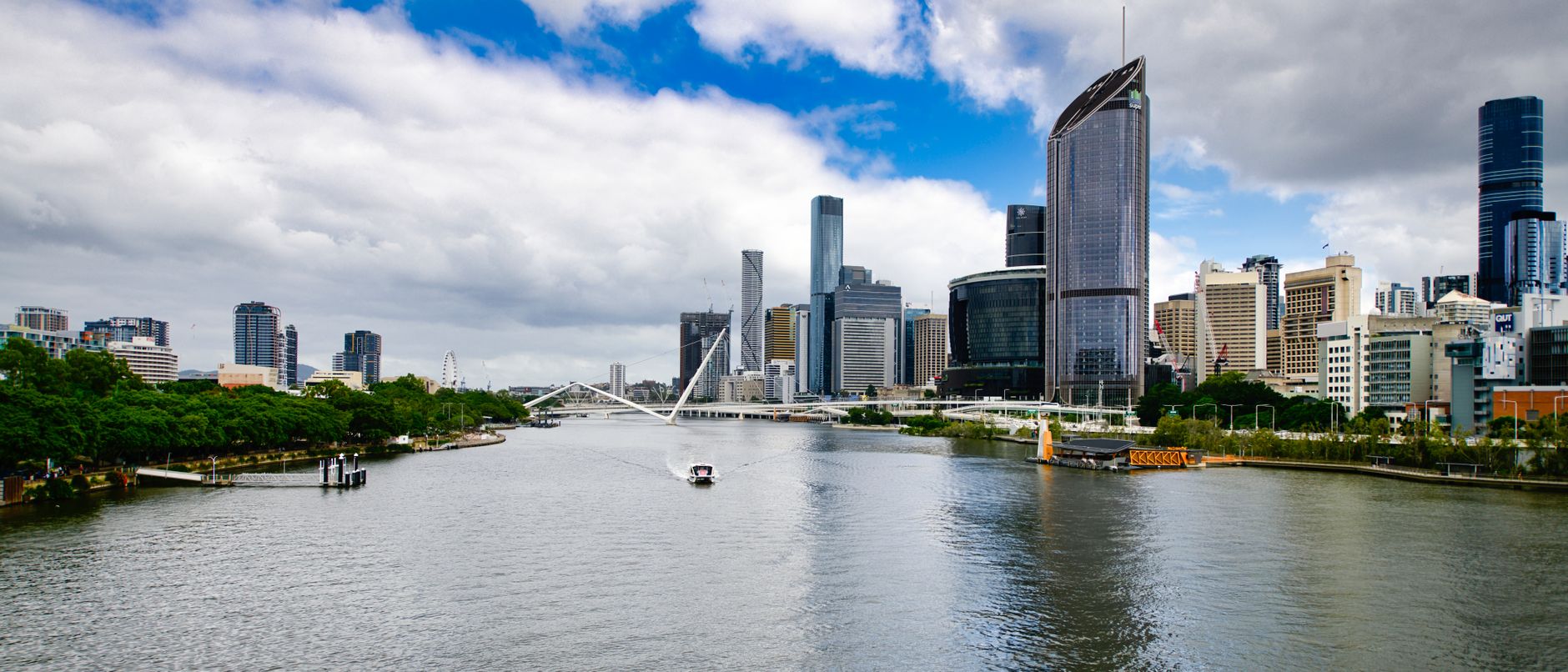
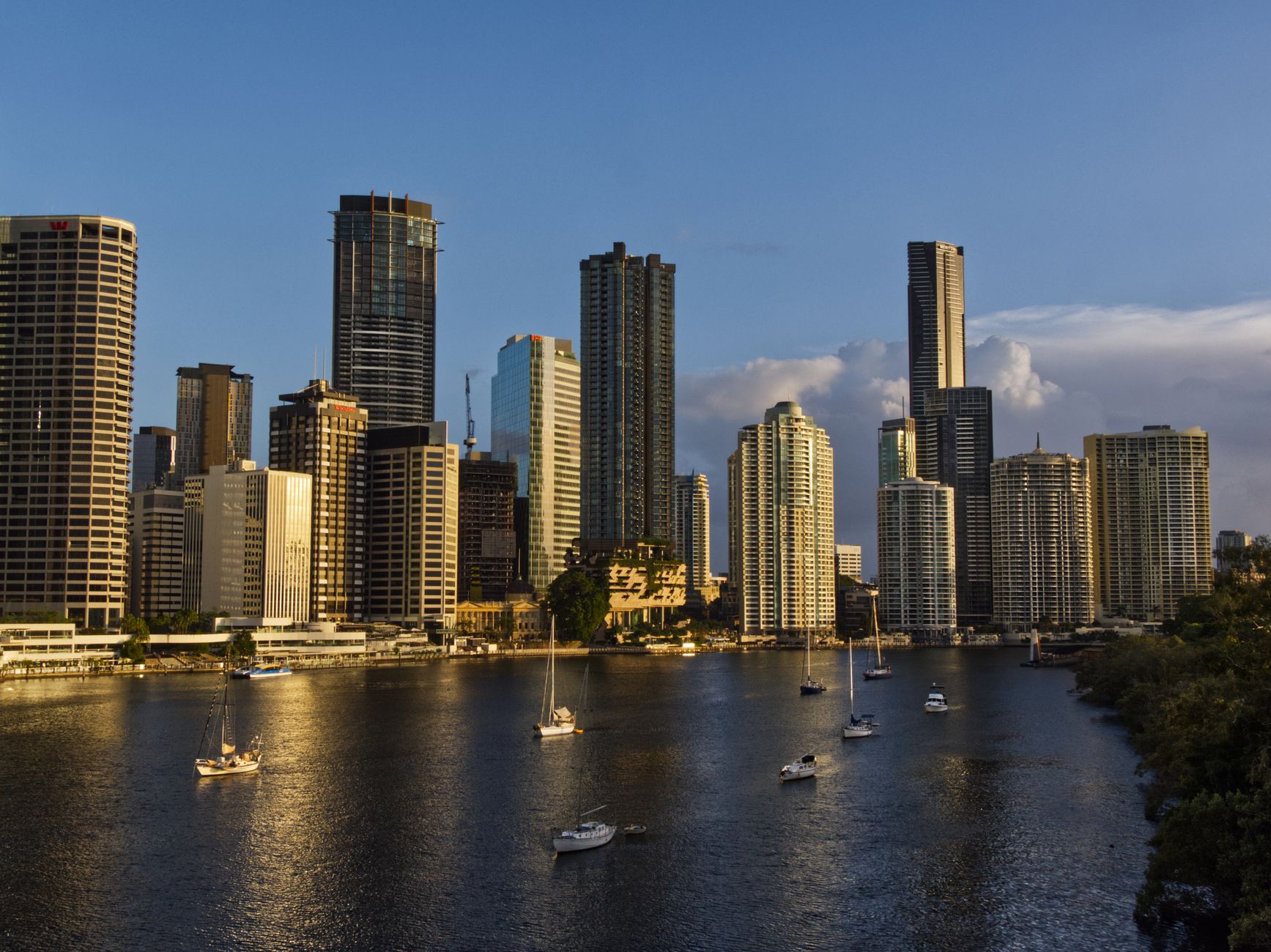
The Brisbane River bends through the city in long, unhurried curves, and the skyline that has grown up around it still carries traces of its convict-built bones — a sandstone windmill on Spring Hill, a grain store on William Street, both raised by men who had no choice in the matter. This is a city that took its name from a colonial governor who never actually lived here, grew from a penal outpost into a Queensland capital, and spent most of the twentieth century being underestimated by the cities to its south.
What you find now is a place that has stopped trying to be Sydney or Melbourne and is more interesting for it. The river is central to almost everything — how people move, where they eat, what the light does in the late afternoon.
💛 What travellers fall for
People who come back regularly tend to sort out the Airtrain early — twenty minutes from the airport to the CBD, every fifteen to thirty minutes — and they book City Hall clock tower passes online before they arrive, because the timed tickets go fast on weekends. The Museum of Brisbane downstairs is free and consistently worth an hour.
Experiences you don't want to miss


Deals in Brisbane
Book directly at the provider


How Brisbane came to be
The land the city stands on was Turrbal country, known as Meeanjin. In September 1824, the British established a penal outpost at Redcliffe, then relocated it eight months later to the river site selected by Commandant Miller and pilot John Gray. Captain Patrick Logan, who took command in March 1826, pushed the settlement toward permanence — replacing timber with stone, commissioning the grain store on William Street that still stands, and overseeing the construction of the windmill at Spring Hill around 1828, built by convict labour and now Brisbane's oldest surviving structure.
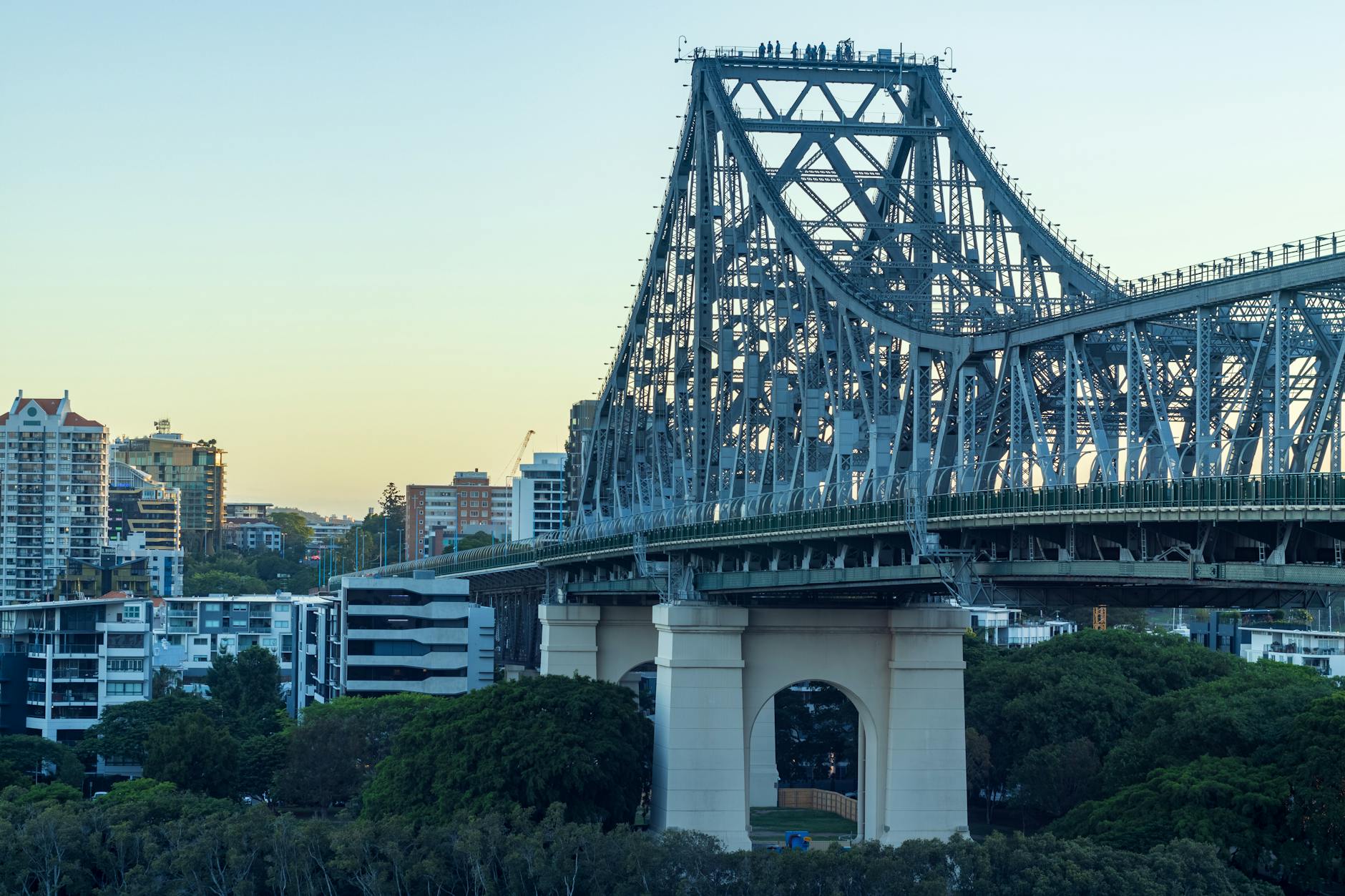
The penal settlement was abolished in February 1842. Queensland separated from New South Wales in 1859, with Brisbane as its capital. The city formalised its boundaries in 1902 and drew twenty separate municipalities into Greater Brisbane in 1925. The Story Bridge — the longest cantilevered bridge in Australia — was finished in 1940, engineered by John Bradfield, who had done the same job on the Sydney Harbour Bridge.
Who and what shaped it
People who shaped it
Landmark buildings
See Brisbane in motion
Plan your visit
On the map
When to go
Brisbane runs warm year-round — a humid subtropical climate with summer (December to February) bringing heat, heavy rain and afternoon thunderstorms, and winter (June to August) offering dry, clear days between roughly 10 and 22 degrees Celsius. If you want to spend time outside, winter is the easier choice.
Right now
Background & history adapted from Wikipedia (CC BY-SA) · specs from Wikidata (CC0) · weather from Open-Meteo · map data © OpenStreetMap contributors · photos from Wikimedia Commons / Unsplash with per-image credit. No third-party reviews or social posts reproduced.