
Melbourne
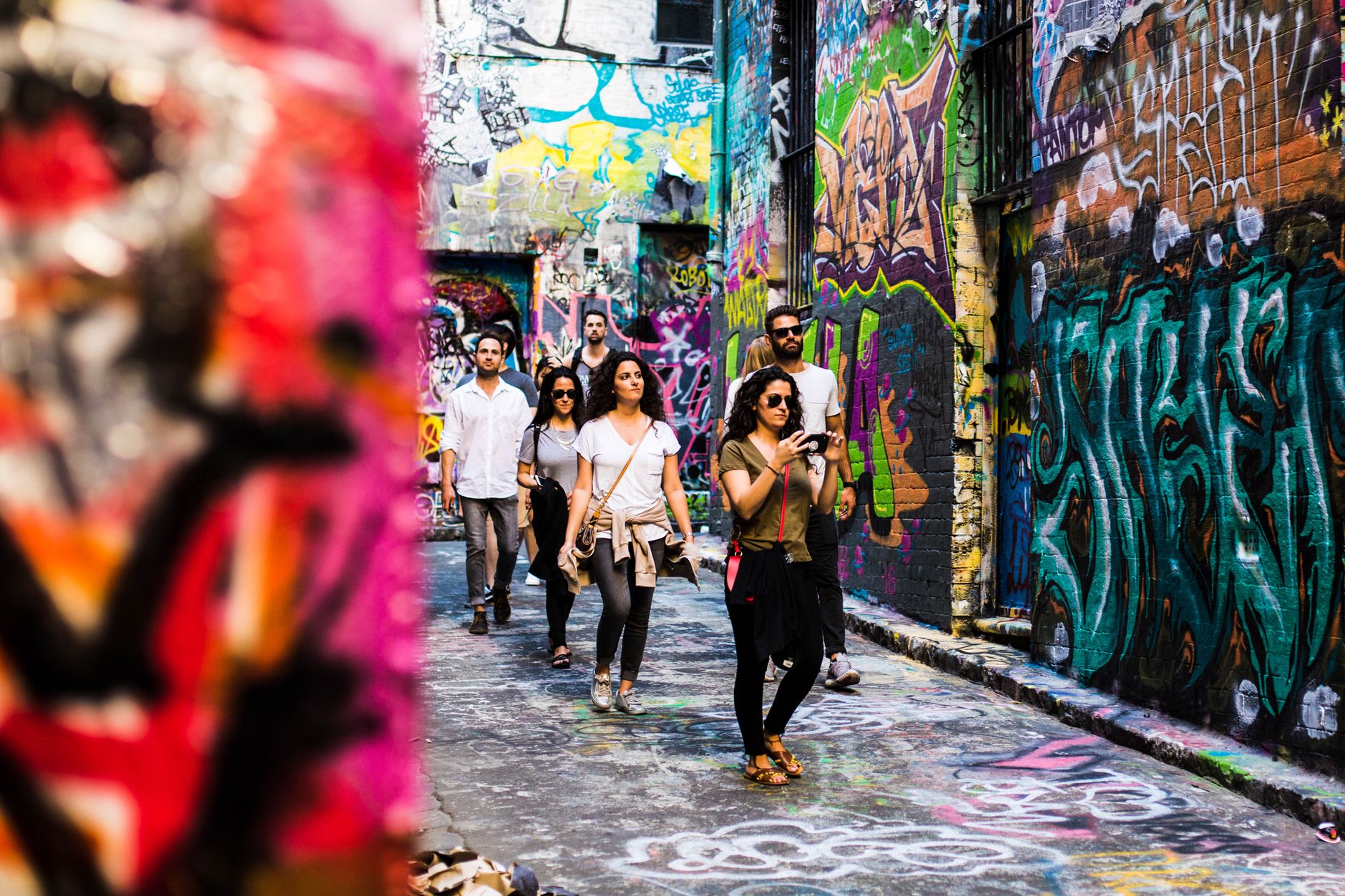
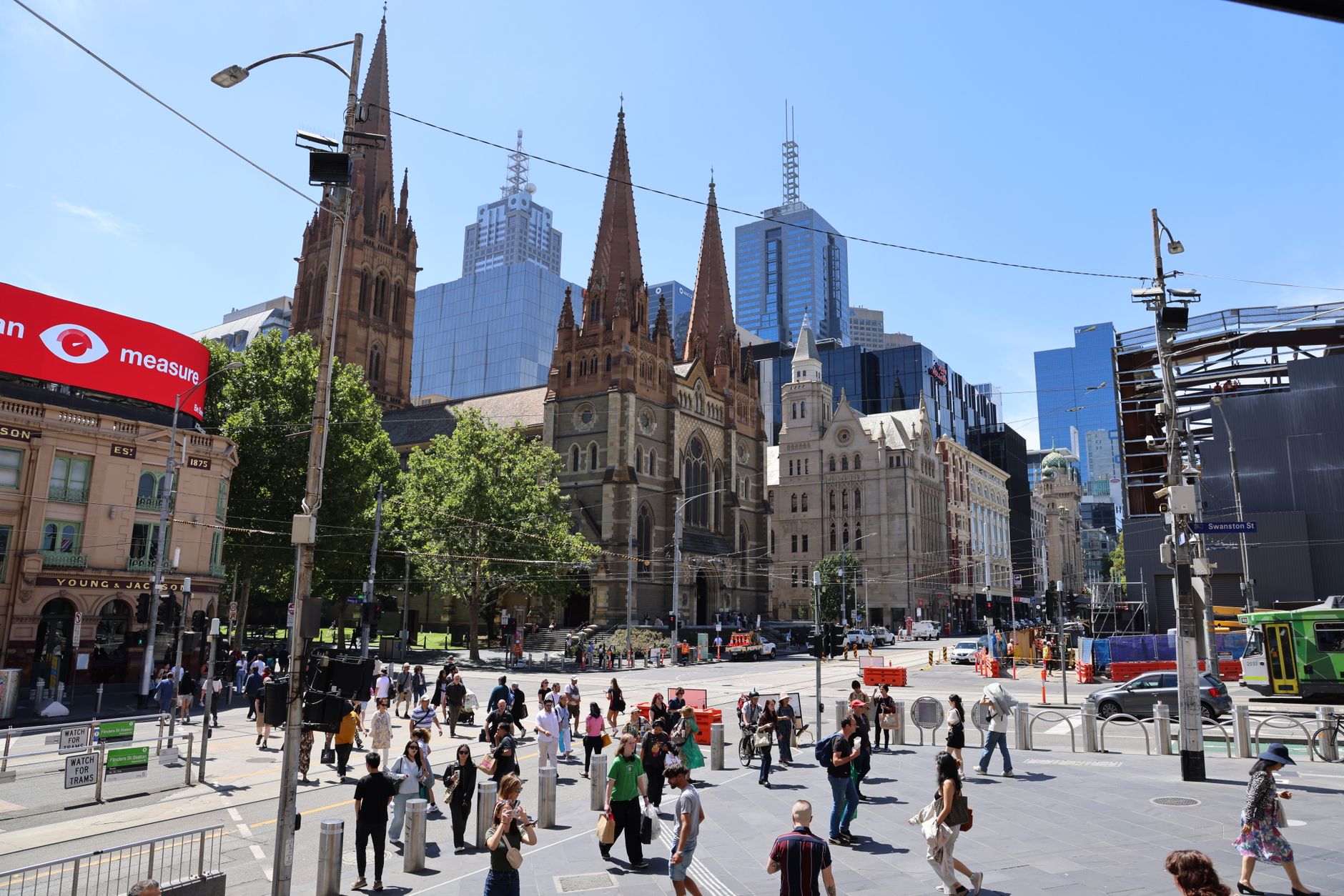
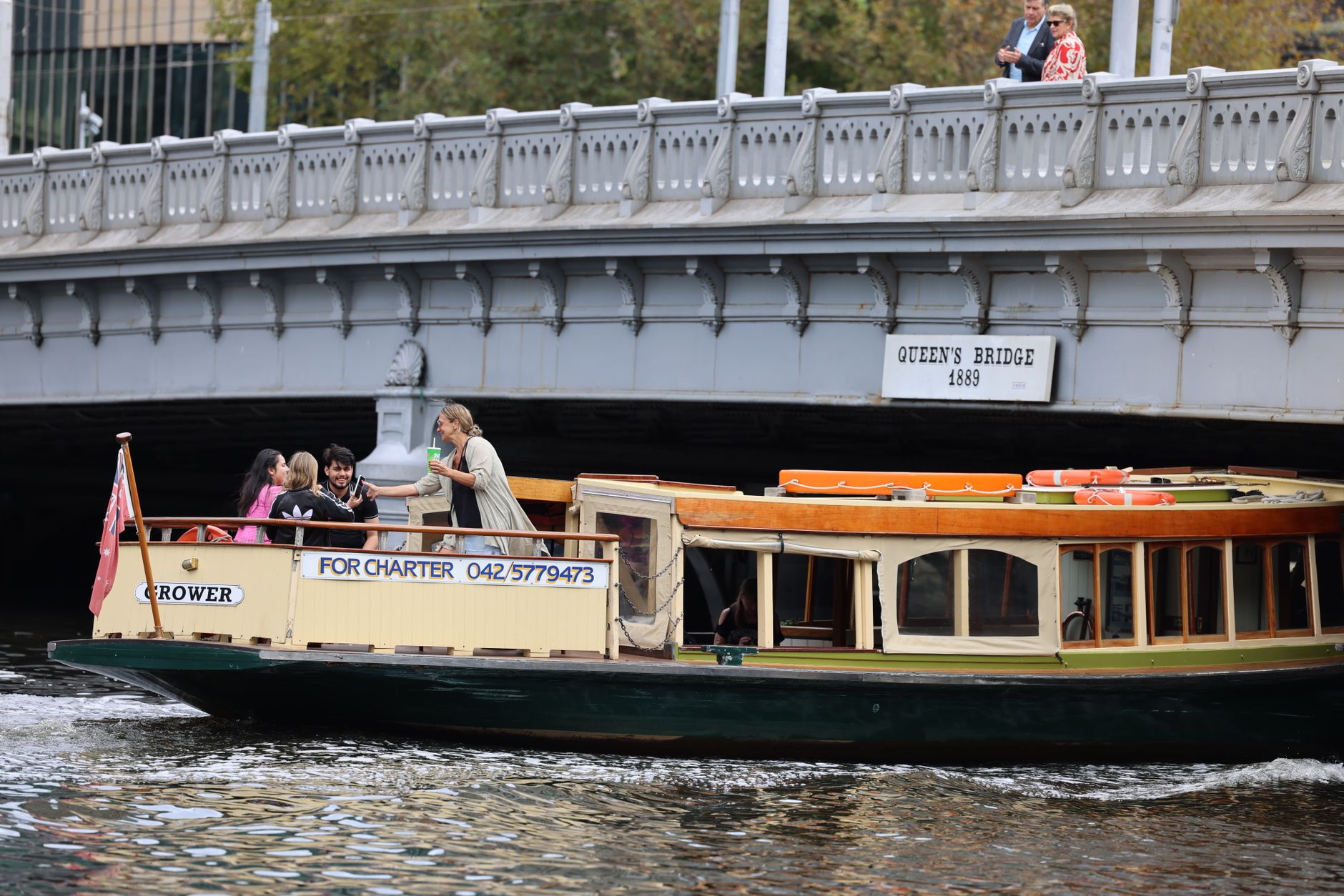
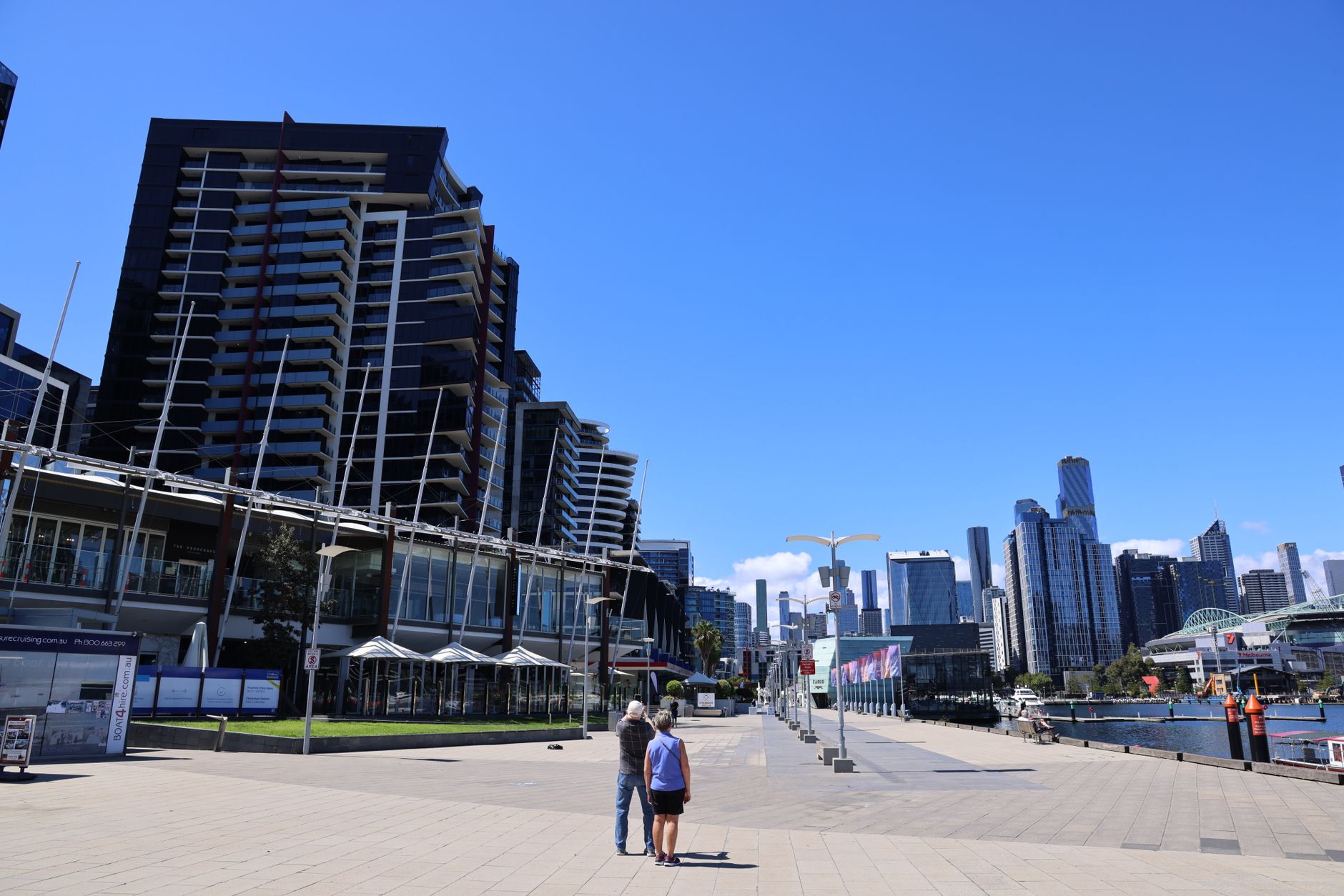
The first thing you notice on the tram is that nobody is going the same direction for the same reason. Melbourne runs on that kind of plurality — a city that built itself fast on gold-rush money, then spent the next century and a half arguing about what it wanted to be, and ended up somewhere genuinely its own. The Yarra divides it imperfectly; the Hoddle Grid holds the CBD in a tight, walkable geometry; and somewhere between the bluestone laneways and the world's largest urban tram network, a rhythm emerges that rewards slow attention.
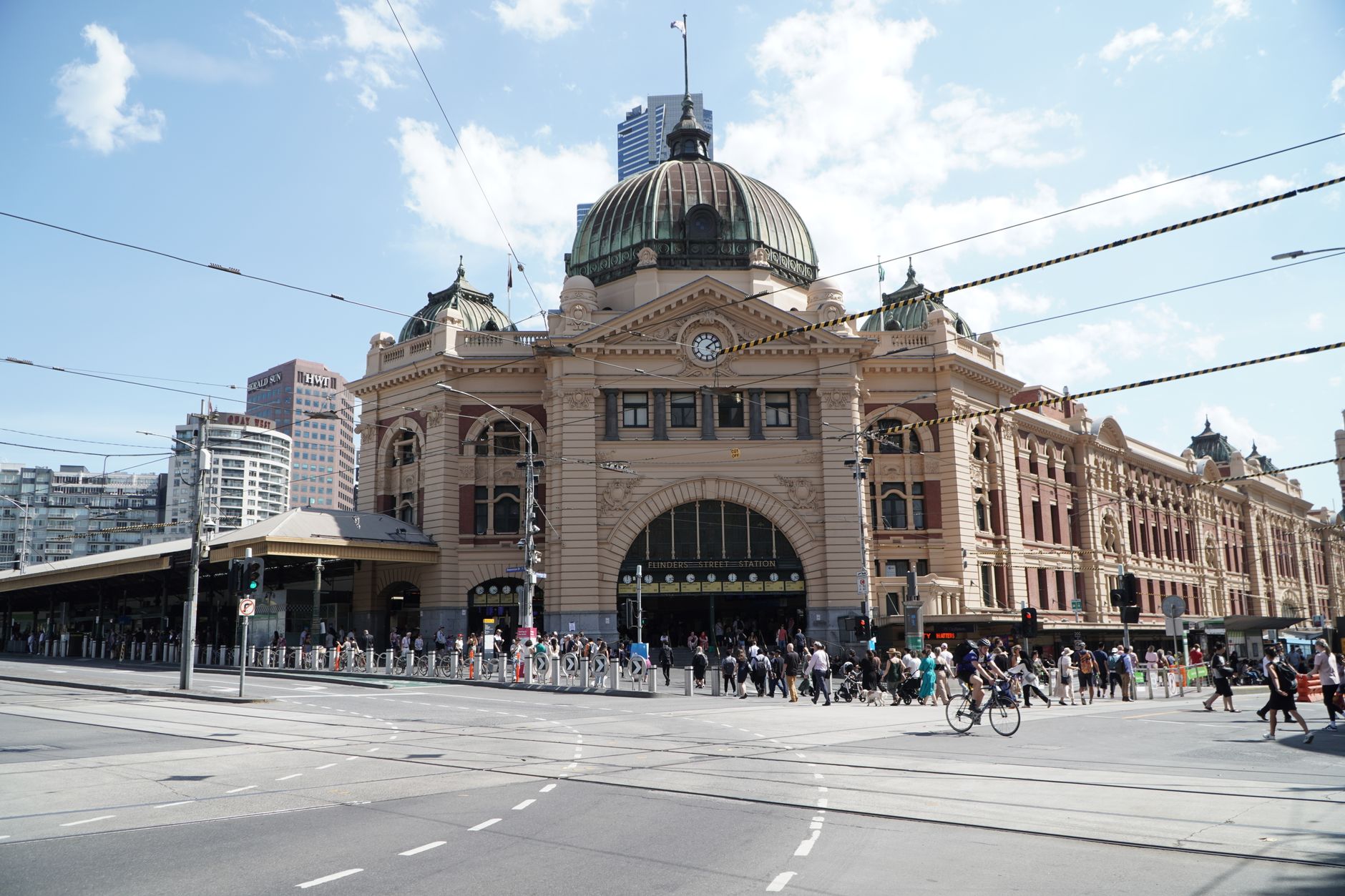
The architecture alone tells several histories at once: Joseph Reed's Royal Exhibition Building still standing World Heritage-listed in Carlton Gardens, Flinders Street Station's copper dome anchoring the river end of Swanston Street, and the 2006 Eureka Tower catching the late afternoon light nearly 300 metres up.
💛 What travellers fall for
People who come back tend to say the same thing: stay central enough to walk the laneways at your own pace, load a myki card for anything beyond the Free Tram Zone, and take the City Circle tram at least once — not for the commentary, but for the unhurried window onto the CBD's Victorian-era streetscape that you'd otherwise walk straight past.
Deals in Melbourne
Book directly at the provider


How Melbourne came to be
On 30 August 1835, goods were unloaded on the north bank of the Yarra by a party led by John Batman, who had sailed across Bass Strait the previous April. John Pascoe Fawkner's group followed weeks later in September. Governor Richard Bourke named the settlement Melbourne on 10 April 1837 — after the British Prime Minister — and the same year commissioned surveyor Robert Hoddle to lay out the grid that still defines the CBD.
The gold rush of the 1850s transformed a colonial outpost into one of the wealthiest cities in the world. By 1890, Melbourne had one of the most extensive cable tramway systems on earth. That era of ambition left a dense physical record: John James Clark's Old Treasury building (1858–62), Reed's Town Hall and State Library, the Hotel Windsor (1884), and the Block Arcade (1891) are all still in daily use.
Who and what shaped it
People who shaped it
Landmark buildings
See Melbourne in motion
Plan your visit
On the map
When to go
Melbourne summers run warm to occasionally hot (up to the mid-twenties and beyond), with dry stretches that can break suddenly; the city's reputation for four seasons in one day is not exaggerated, so layers are useful year-round. Winters are cool and overcast rather than harsh, with average highs around 14°C — fine for walking, but pack something waterproof.
Right now
Background & history adapted from Wikipedia (CC BY-SA) · specs from Wikidata (CC0) · weather from Open-Meteo · map data © OpenStreetMap contributors · photos from Wikimedia Commons / Unsplash with per-image credit. No third-party reviews or social posts reproduced.