
Sydney
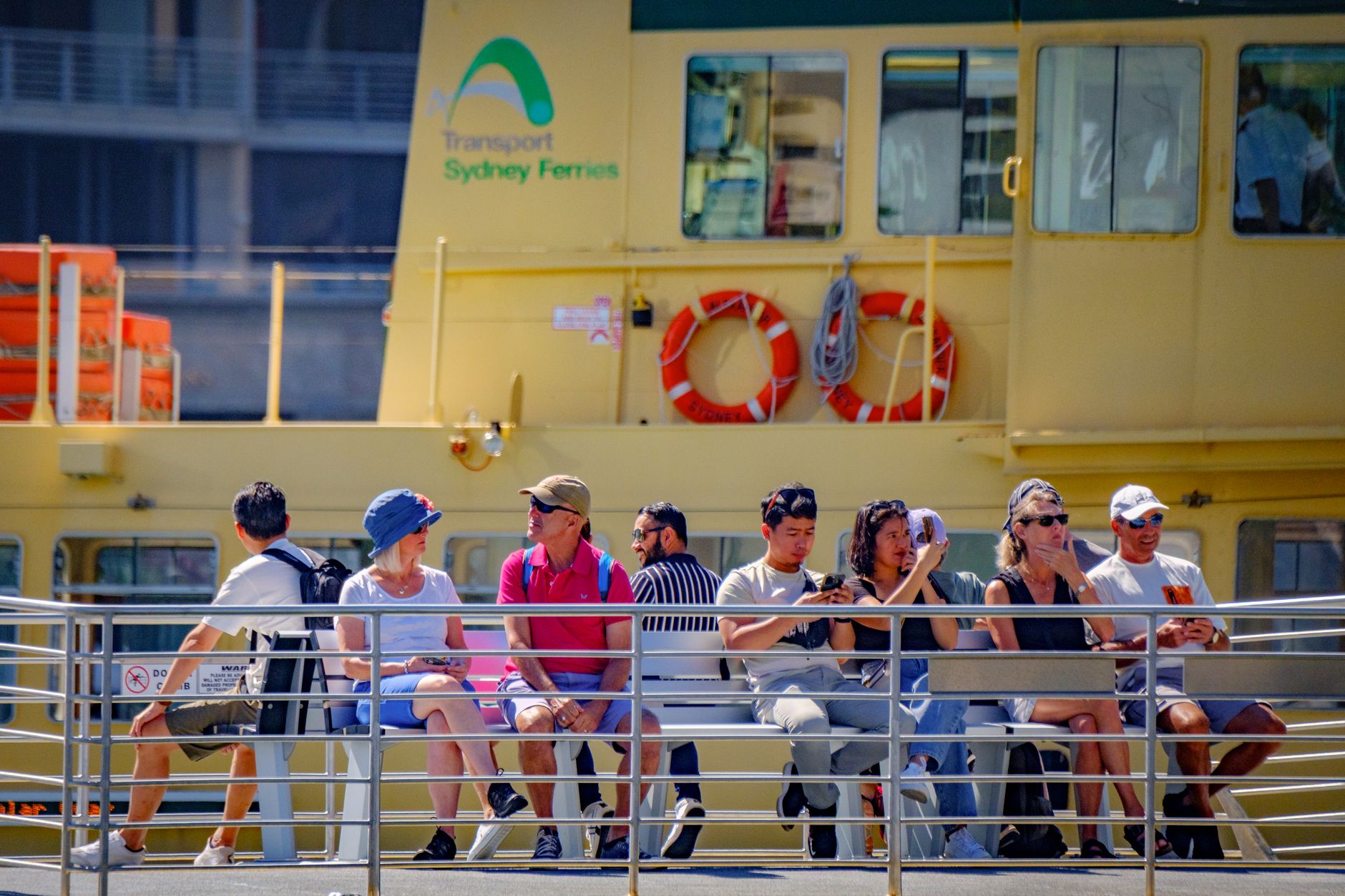
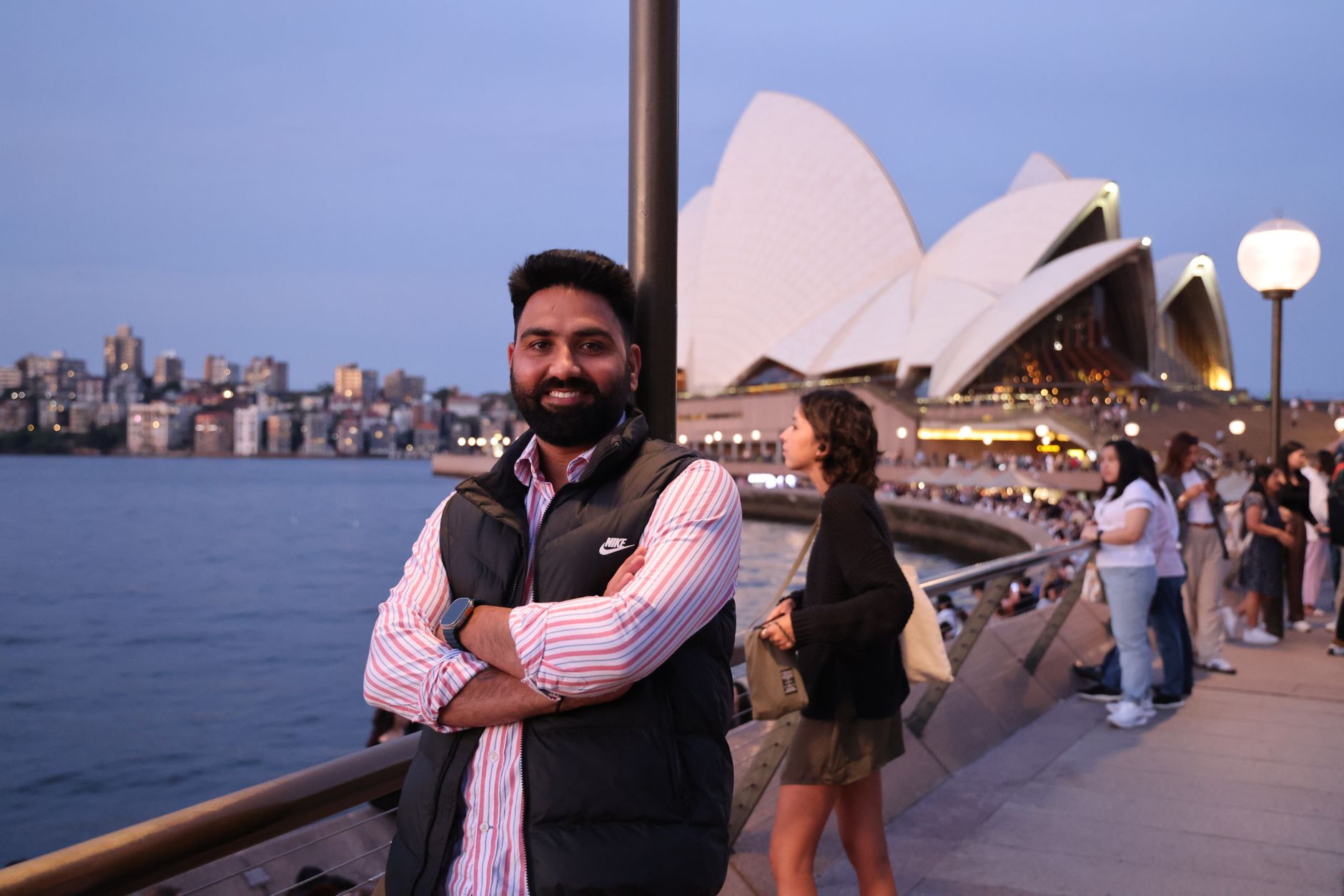
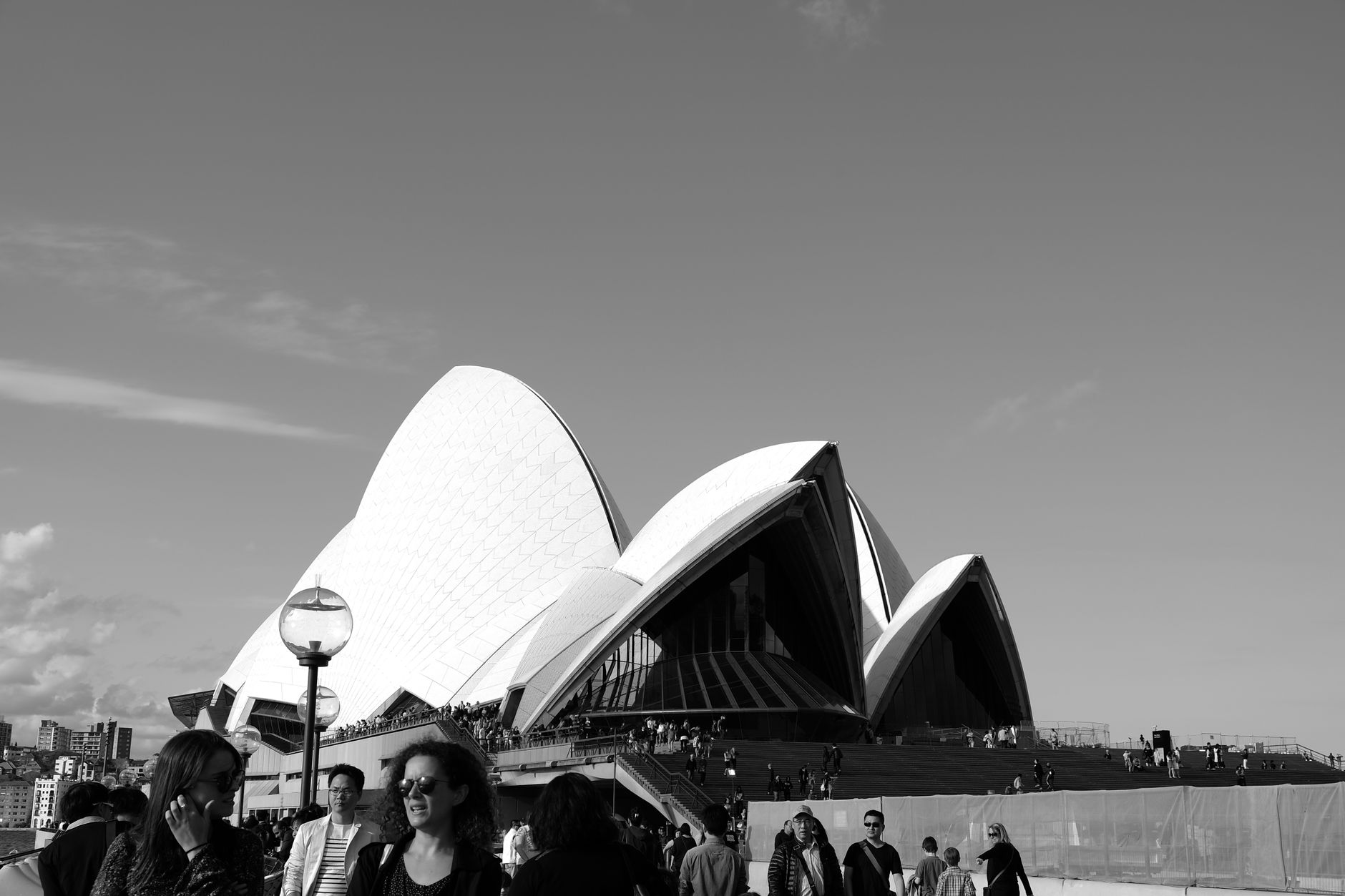
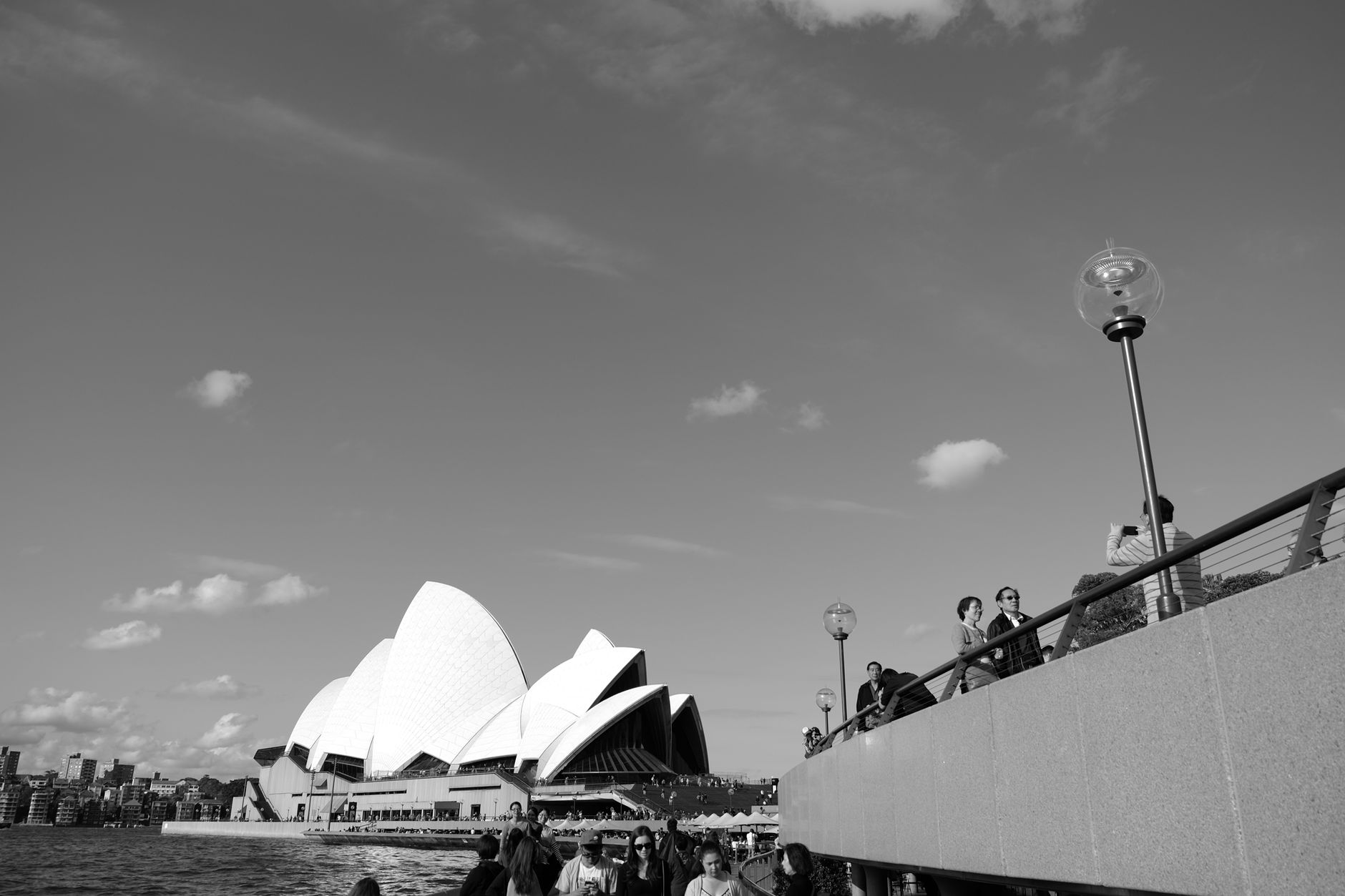
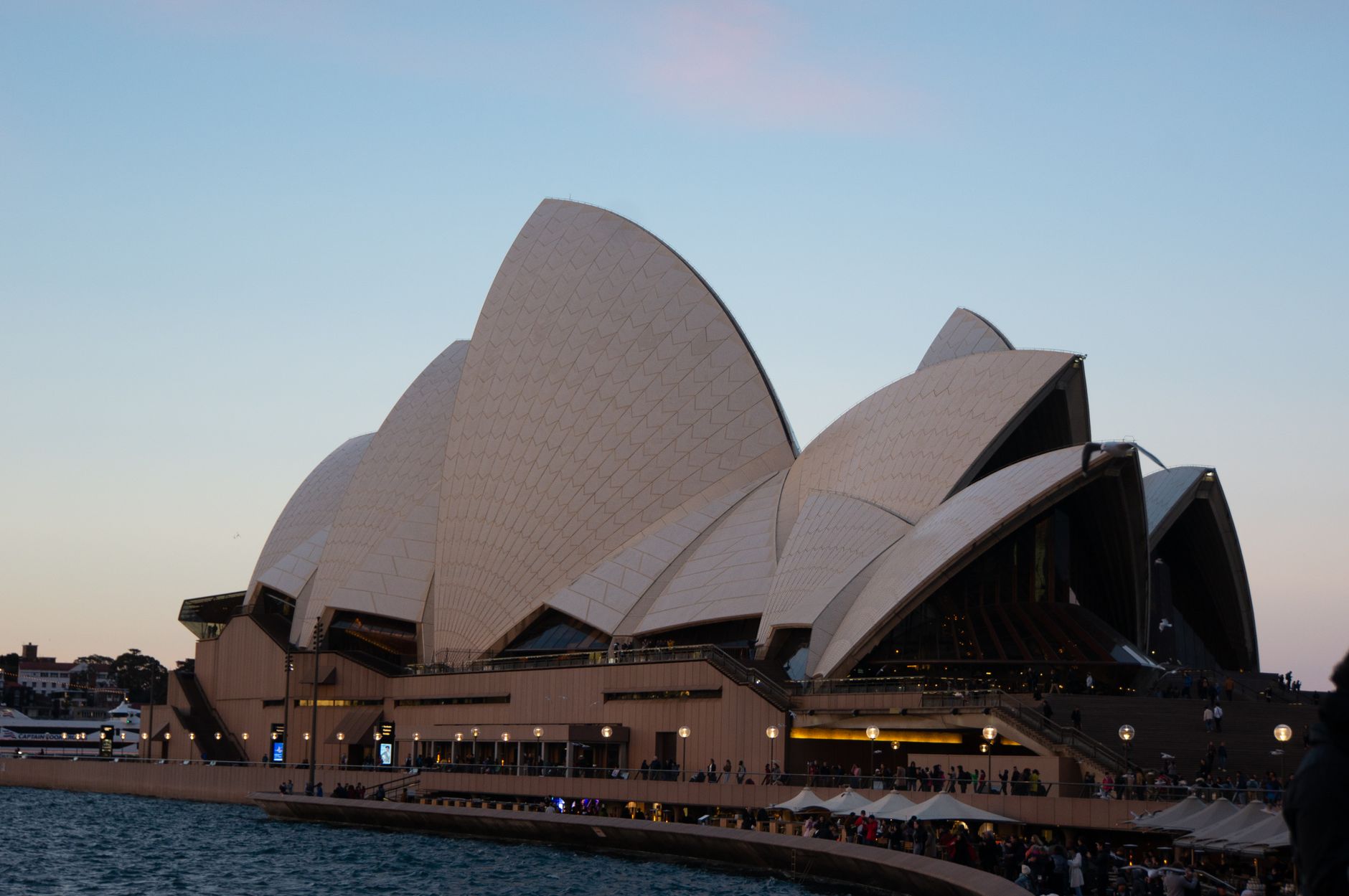
Sydney announces itself with water. The harbour cuts deep into the city, and you end up orienting yourself by it whether you intend to or not — the bridge to the northwest, the Opera House on its point to the east, ferries crossing in every direction. The shells of Jørn Utzon's concert halls, formally opened in October 1973 after a construction saga that ran fourteen years over schedule and roughly $95 million over budget, have become so familiar they risk looking inevitable. They aren't. Walk around Bennelong Point at dusk and that strangeness comes back.
Below all of it runs a deeper history. The Darug, Dharawal and Eora peoples lived across this harbour country for at least 30,000 years before British ships anchored at Sydney Cove in January 1788. That layering — ancient country, colonial foundation, immigrant city — is what gives Sydney its particular texture.
💛 What travellers fall for
People who keep coming back tend to sort themselves by neighbourhood early. Newtown for the long lunch, Surry Hills for the wine list, the Manly ferry for the crossing itself rather than the destination. The weekend transit cap of $8.90 is genuinely useful — you can ride the T8 out to the airport terminals and back for less than a coffee.
Deals in Sydney
Book directly at the provider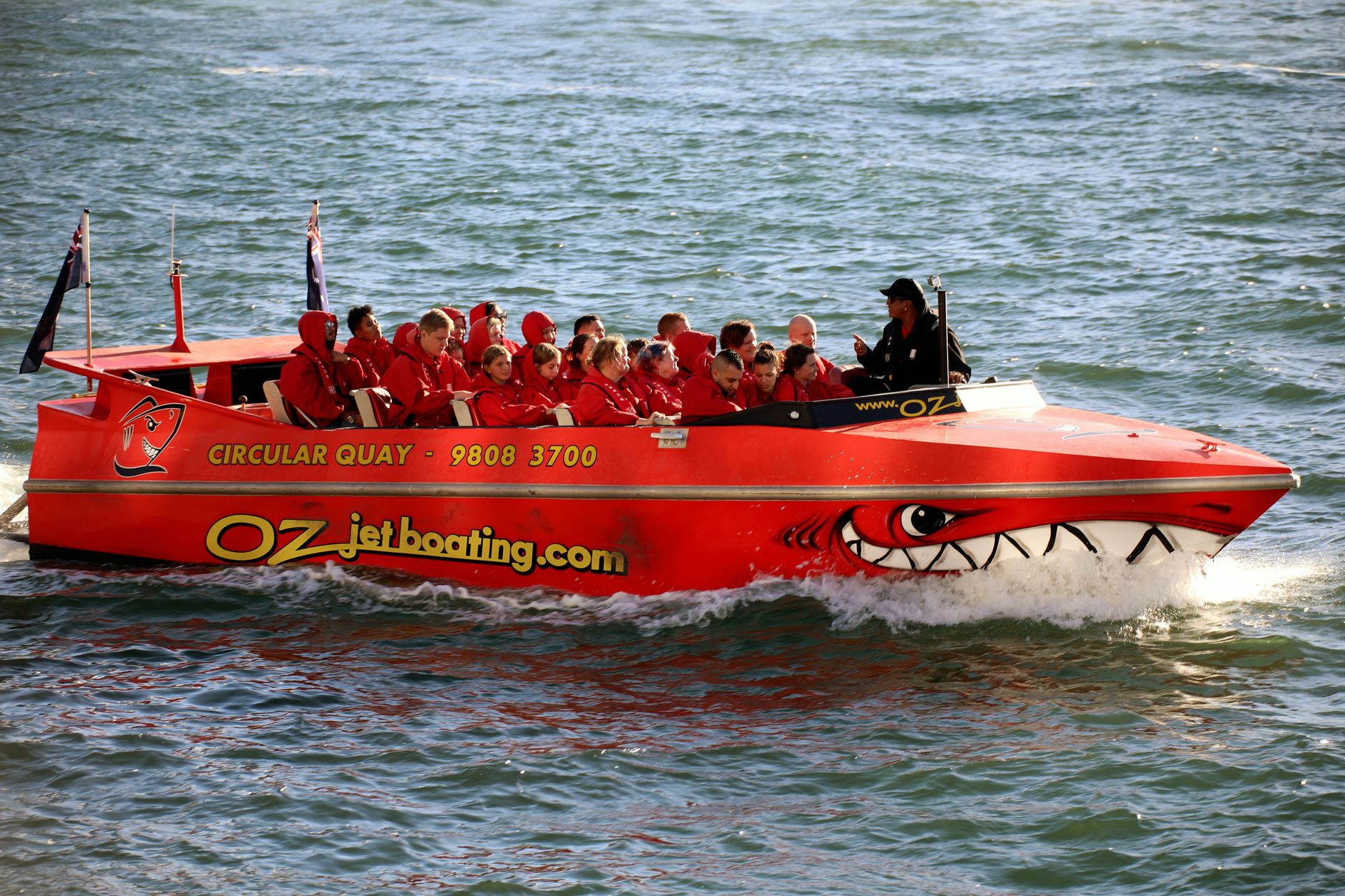


How Sydney came to be
On 26 January 1788, Captain Arthur Phillip led the First Fleet into Sydney Cove and established a British penal colony on land the Eora, Darug and Dharawal peoples had inhabited for tens of thousands of years. The settlement was named after Thomas Townshend, Lord Sydney, the Secretary of State who had authorised the venture. For its first decades it remained a rough outpost, until Governor Lachlan Macquarie — in office from 1810 to 1821 — commissioned roads, hospitals and public buildings that began the transformation from gaol to city. Sydney was formally declared a city in 1842.
The twentieth century added the two structures that now define the skyline. The Harbour Bridge, designed and built by the British firm Dorman Long of Middlesbrough, opened in 1932 after eight years and more than 2,000 workers. The Opera House followed a more turbulent path: Utzon won the international design competition in 1957, construction began in 1959, and the building — completed by an Australian team led by Peter Hall after Utzon's acrimonious departure — was opened by Queen Elizabeth II in October 1973.
Who and what shaped it
People who shaped it
Landmark buildings
See Sydney in motion
Plan your visit
On the map
When to go
Sydney summers (December to February) run warm to genuinely hot, with averages around 26°C but frequent stretches into the high 30s; the harbour keeps things from tipping into the unbearable. Autumn is the quiet sweet spot — temperatures between roughly 15 and 22°C, humidity falling, and the city less crowded than in the peak December–January school-holiday season.
Right now
Background & history adapted from Wikipedia (CC BY-SA) · specs from Wikidata (CC0) · weather from Open-Meteo · map data © OpenStreetMap contributors · photos from Wikimedia Commons / Unsplash with per-image credit. No third-party reviews or social posts reproduced.