
Hua Hin
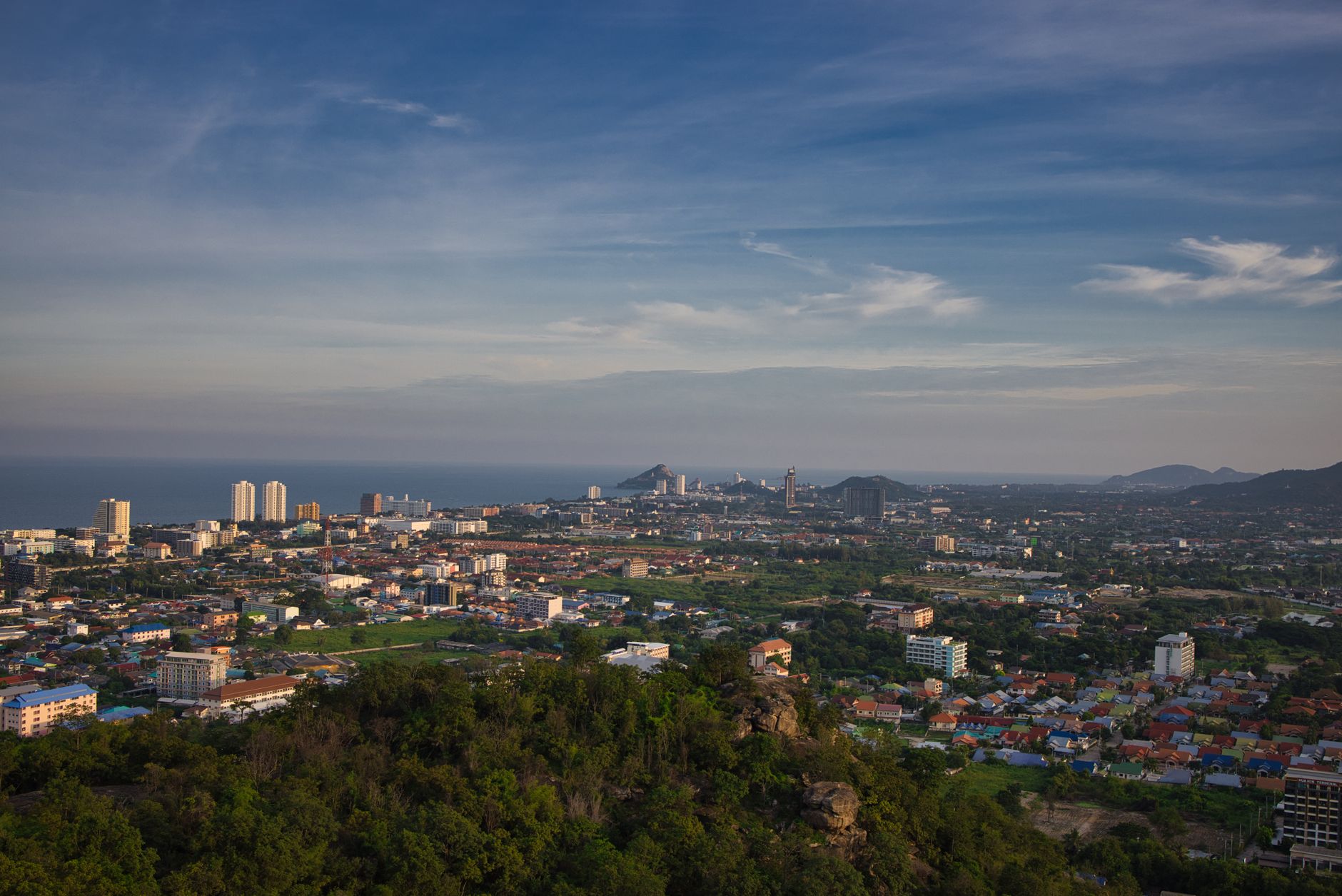
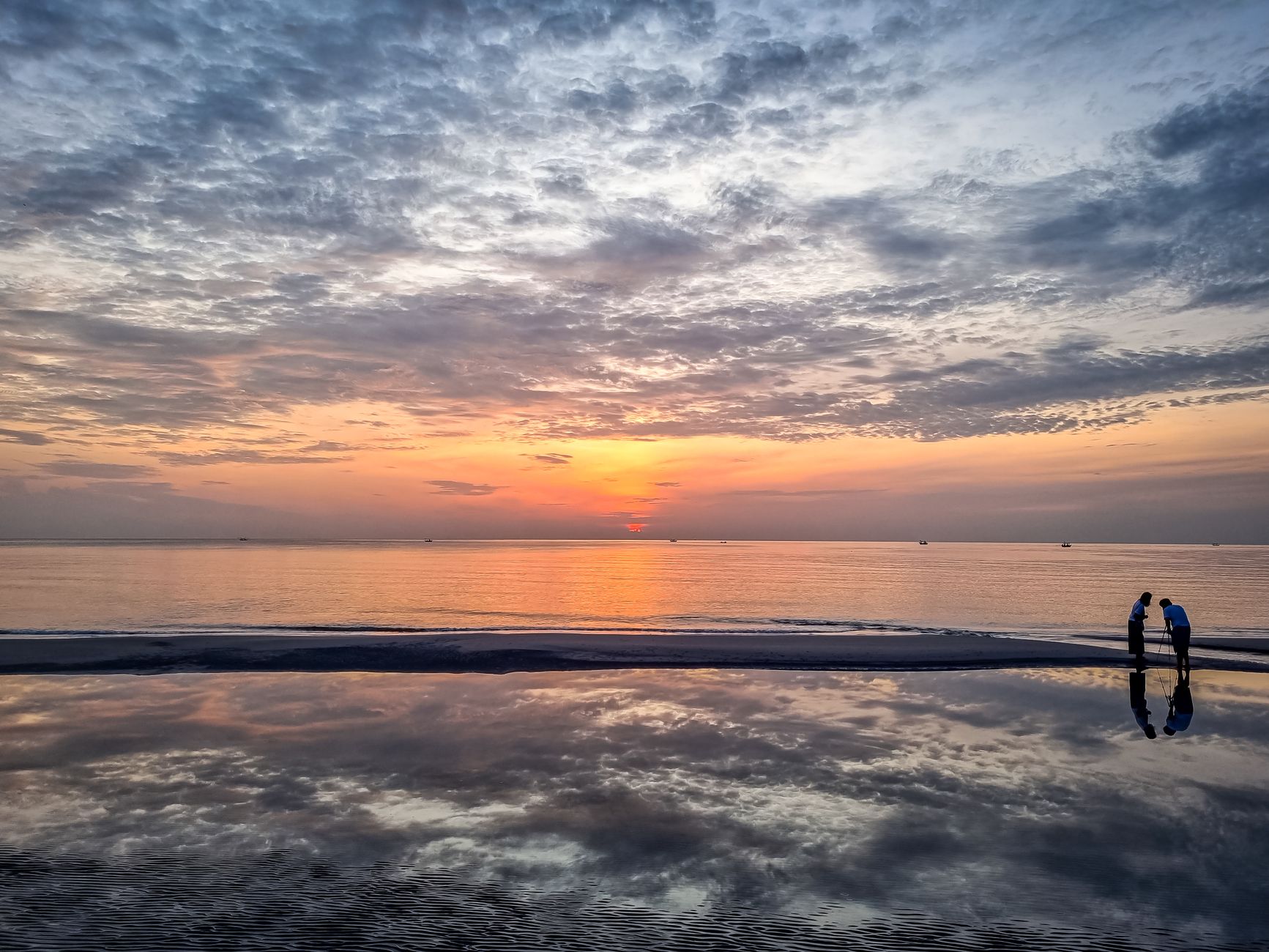




The old Railway Hotel — now a Sofitel, but still wearing its original bones — tells you a lot about Hua Hin. This is Thailand's first proper beach resort, a place the Thai royal family effectively invented for leisure, and it has never quite lost that unhurried, slightly aristocratic air. The beach is long and wide, the town compact enough to walk, and the gulf water warm enough for swimming most of the year.
Unlike the island destinations to the south, Hua Hin sits on the mainland, connected to Bangkok by rail since 1911. That railway link shaped everything: the hotels, the golf course, the royal palaces strung along the coast. It still shapes the pace of the place today.
💛 What travellers fall for
Regulars tend to arrive by train on purpose — the old wooden station, rebuilt in 1926 in a Victorian-Thai style that shouldn't work but does, is worth the slower journey. They stay near the night market on Dechanuchit Road, eat grilled seafood at the stalls there, and save Khao Takiab for late afternoon when the light is good and the tour groups have thinned.
How Hua Hin came to be
The area now called Hua Hin was settled around 1834 by farmers from Phetchaburi who named it Samoe Riang — rows of rocks — for the stone-studded coastline. It might have stayed a quiet fishing village had a British engineer named Henry Gittins not surveyed it in 1909 as a potential railway stop. The line from Bangkok arrived in 1911, the town was officially renamed Hua Hin (stone head), and the transformation began.
King Rama VI gave the place its defining character: his Royal State Railways built the Railway Hotel and Thailand's oldest golf course in 1922, and a teak summer palace — Marukhathayawan — was completed on the beach in 1924. His successor, Rama VII, built the still-active royal residence Klai Kangwon, 'Far from Worries', three kilometres north of town. The royal connection has kept Hua Hin quieter and more composed than its coastal rivals ever since.
Who and what shaped it
People who shaped it
Landmark buildings
See Hua Hin in motion
Plan your visit
On the map
When to go
Hua Hin sits on the Gulf of Thailand's western shore, which means its wet season runs roughly from May through October, with September and October the heaviest months. November through February brings reliably dry, cooler days — the most comfortable time to visit — while March and April are hot and humid before the rains return.
Right now
Background & history adapted from Wikipedia (CC BY-SA) · specs from Wikidata (CC0) · weather from Open-Meteo · map data © OpenStreetMap contributors · photos from Wikimedia Commons / Unsplash with per-image credit. No third-party reviews or social posts reproduced.