
Koh Phangan
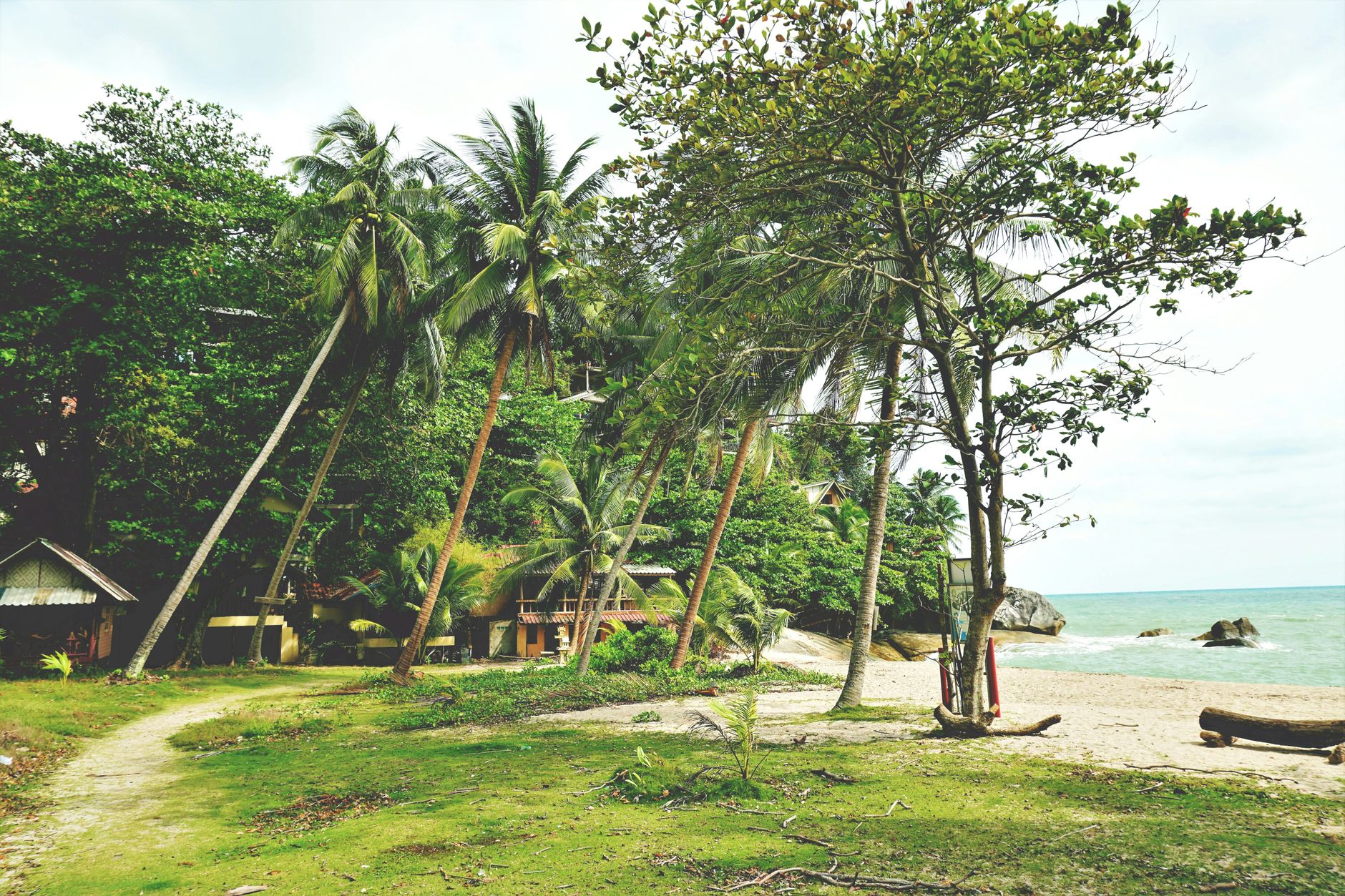
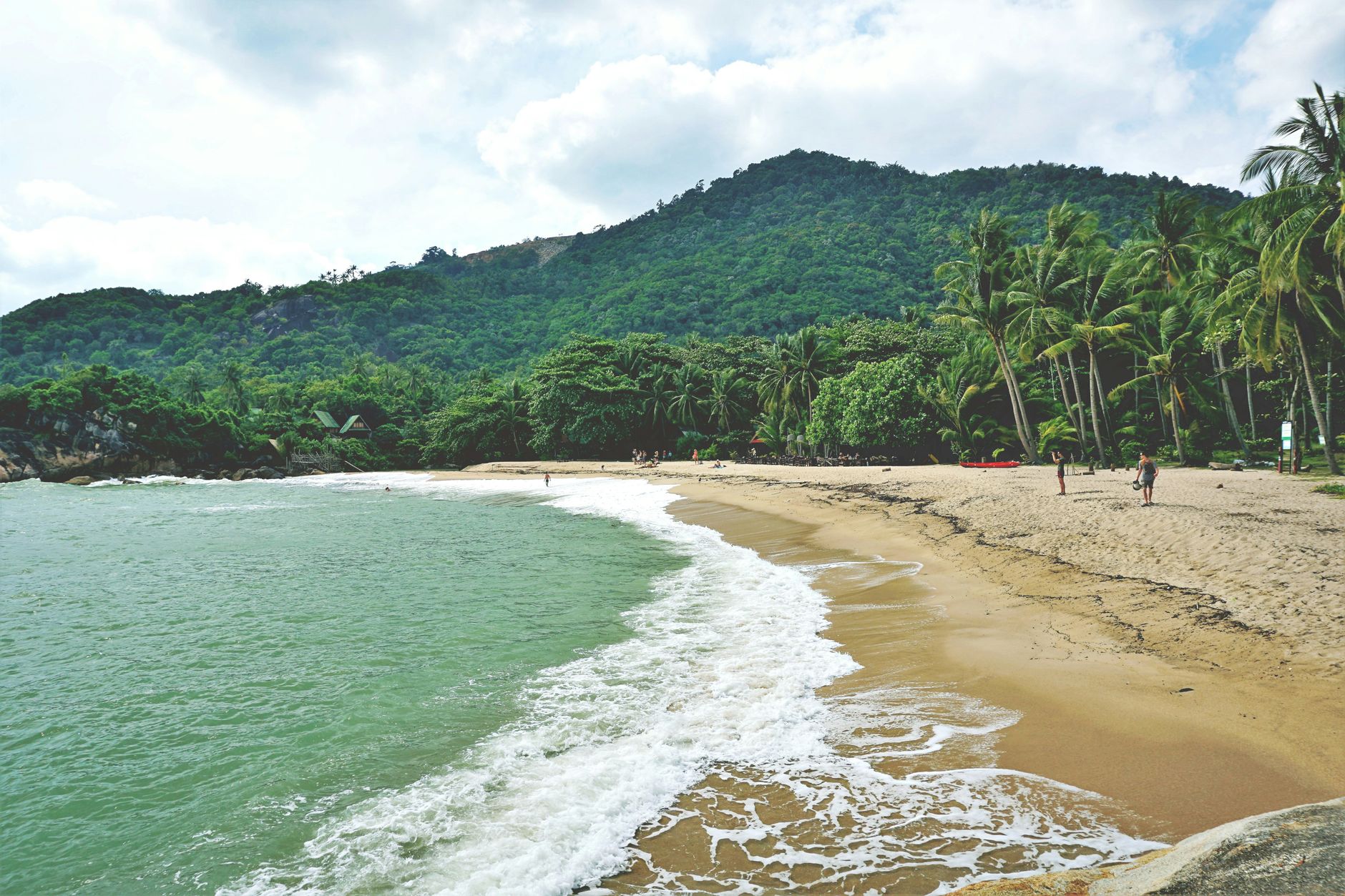
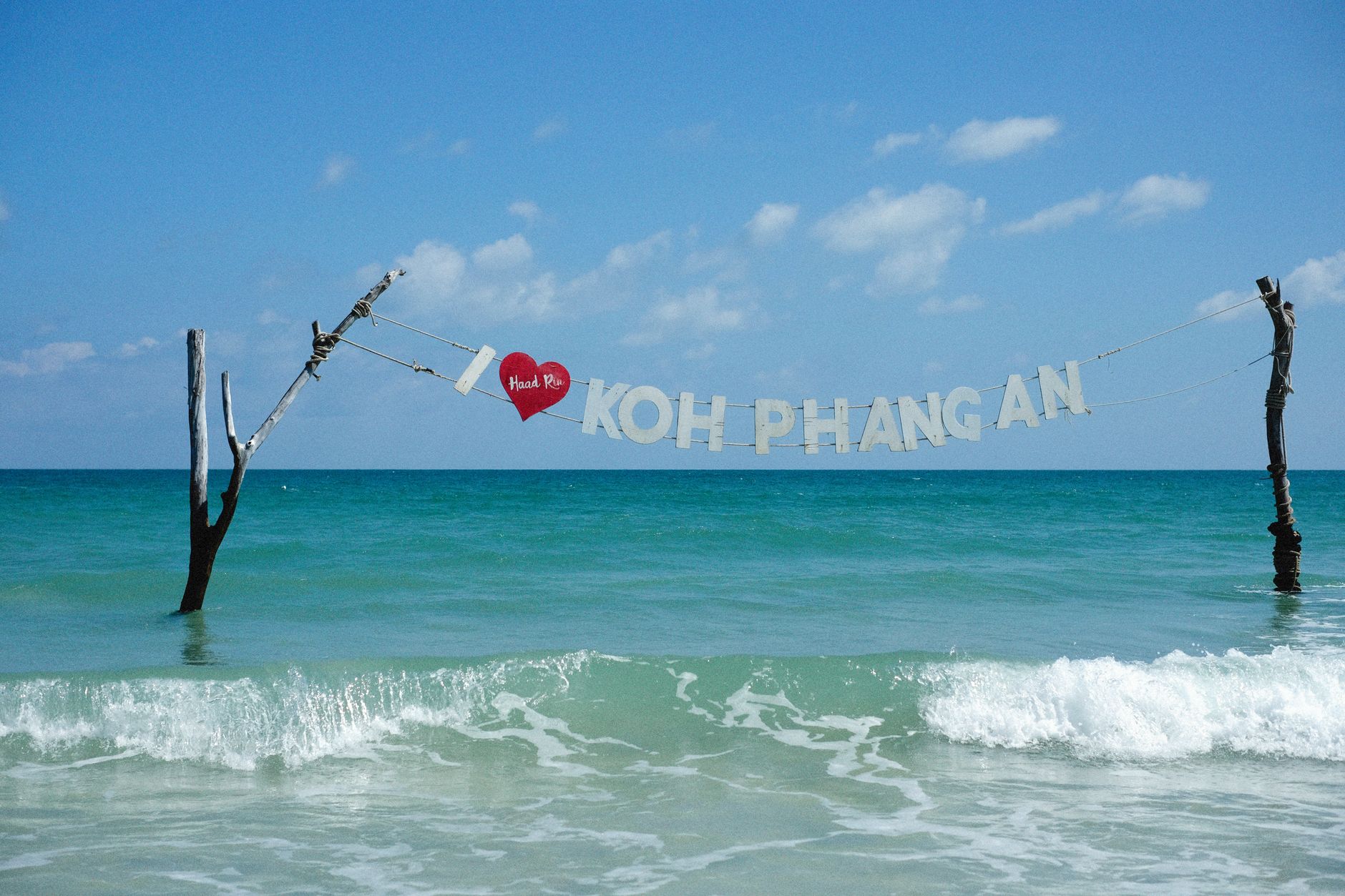
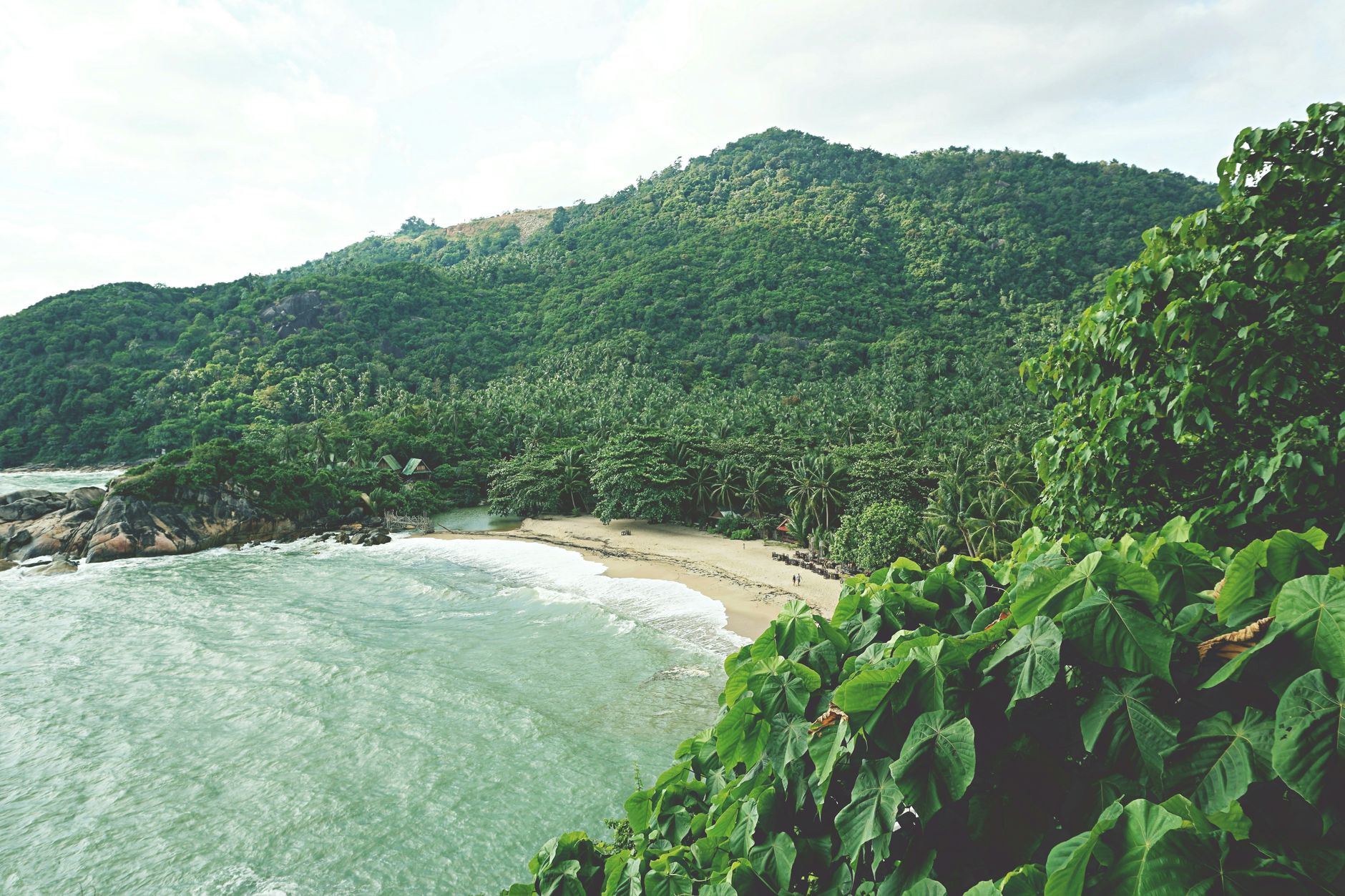
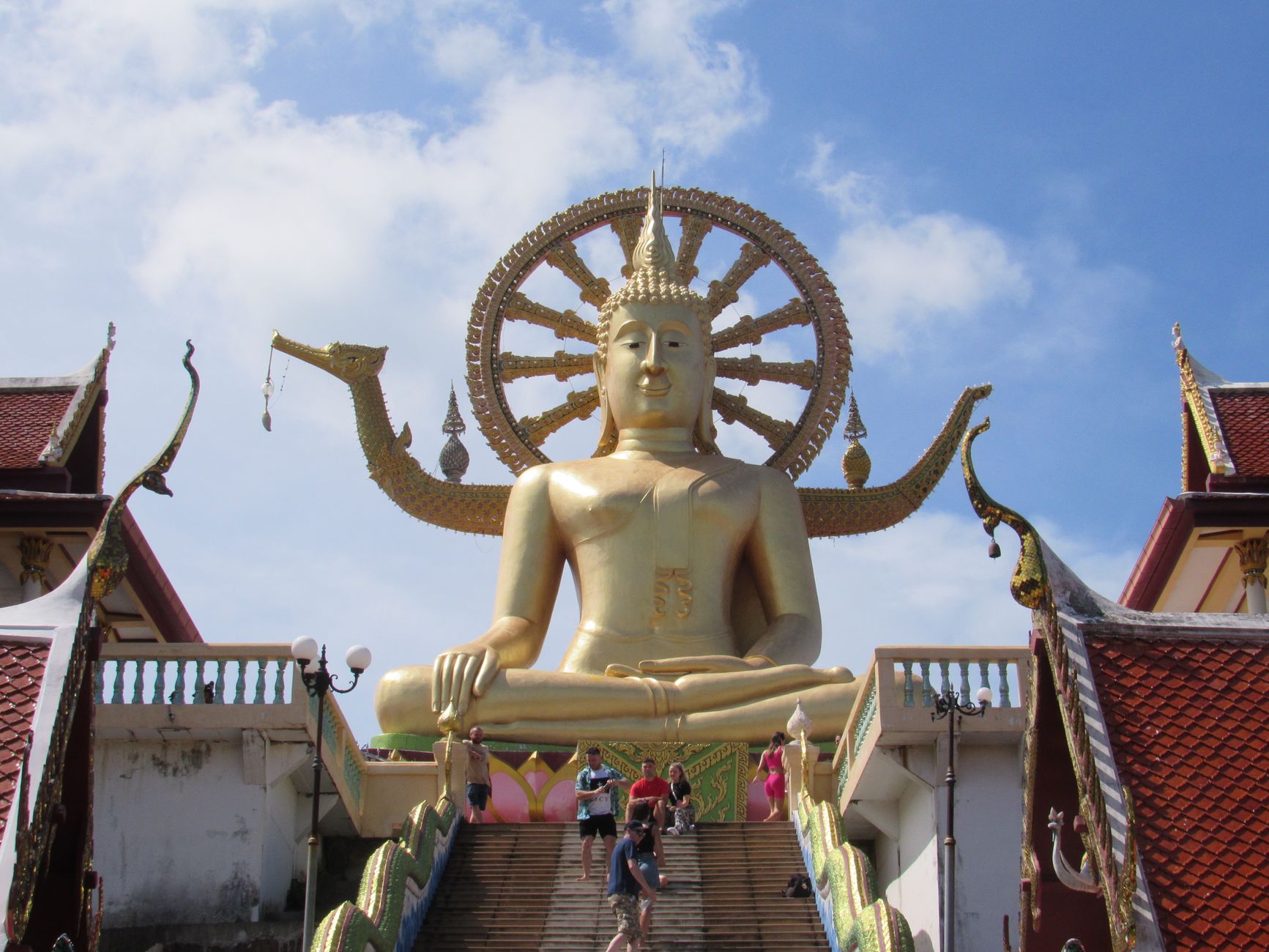
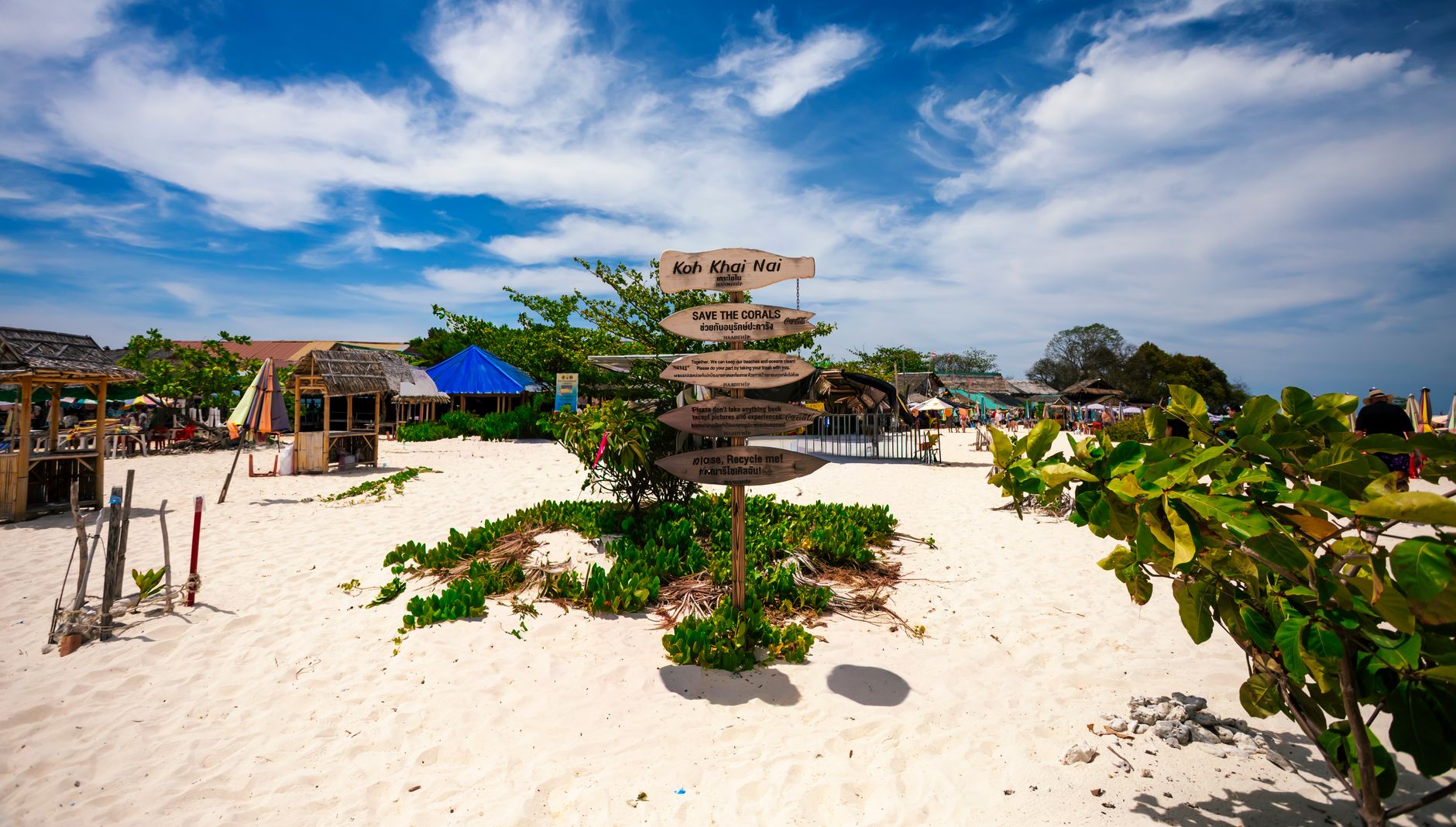
Koh Phangan sits in the Gulf of Thailand about thirty minutes by speedboat from Koh Samui, and its reputation tends to arrive before you do — the Full Moon Party, thirty thousand people on a beach, ferries running through the night. That part is real. So is everything else: the island has more than twenty temples, a forested interior, waterfalls, and a north coast that feels genuinely quiet on most days of the month.
What surprises people is the scale of the place. Koh Phangan is large enough that you can be completely removed from the party circuit while still on the same island. The main pier at Thong Sala connects you by songthaew to beaches, jungle trails, and villages that run at an entirely different pace.
💛 What travellers fall for
People who come back tend to time their return around the moon — either for the party itself or deliberately against it, arriving mid-month when the beaches empty out. Repeat visitors often base themselves away from Haad Rin entirely, using Thong Sala as a practical hub and working outward from there each day.
How Koh Phangan came to be
People have been living on Koh Phangan for at least two thousand years — a bronze drum from the Dongson culture, dated between 500 and 100 BCE, points to early habitation across these islands. The first sustained settlements are thought to have been established by Austronesian peoples arriving from the Malay Peninsula, though some historians also point to sea nomads and Tamil seafarers as early visitors.
For most of its recorded history the island was a coconut plantation, cleared and cultivated around two to three hundred years ago. Tin mining followed in the early twentieth century and had largely exhausted itself by the 1970s. King Chulalongkorn visited fourteen times during his reign and left a rock inscription at Than Sadet — a detail that still draws visitors to the waterfall. Backpackers arrived in the 1980s, and by the 1990s the Full Moon Party had grown from a small beach gathering into one of the largest recurring parties on earth.
Who and what shaped it
People who shaped it
Landmark buildings
See Koh Phangan in motion
Plan your visit
On the map
When to go
The Gulf of Thailand coast sees its wet season roughly from October through December, when short heavy rains are common and some ferry services reduce. The driest and most reliable months run from January through August, with March to June generally offering calm seas and clear skies.
Right now
Background & history adapted from Wikipedia (CC BY-SA) · specs from Wikidata (CC0) · weather from Open-Meteo · map data © OpenStreetMap contributors · photos from Wikimedia Commons / Unsplash with per-image credit. No third-party reviews or social posts reproduced.