
Phuket
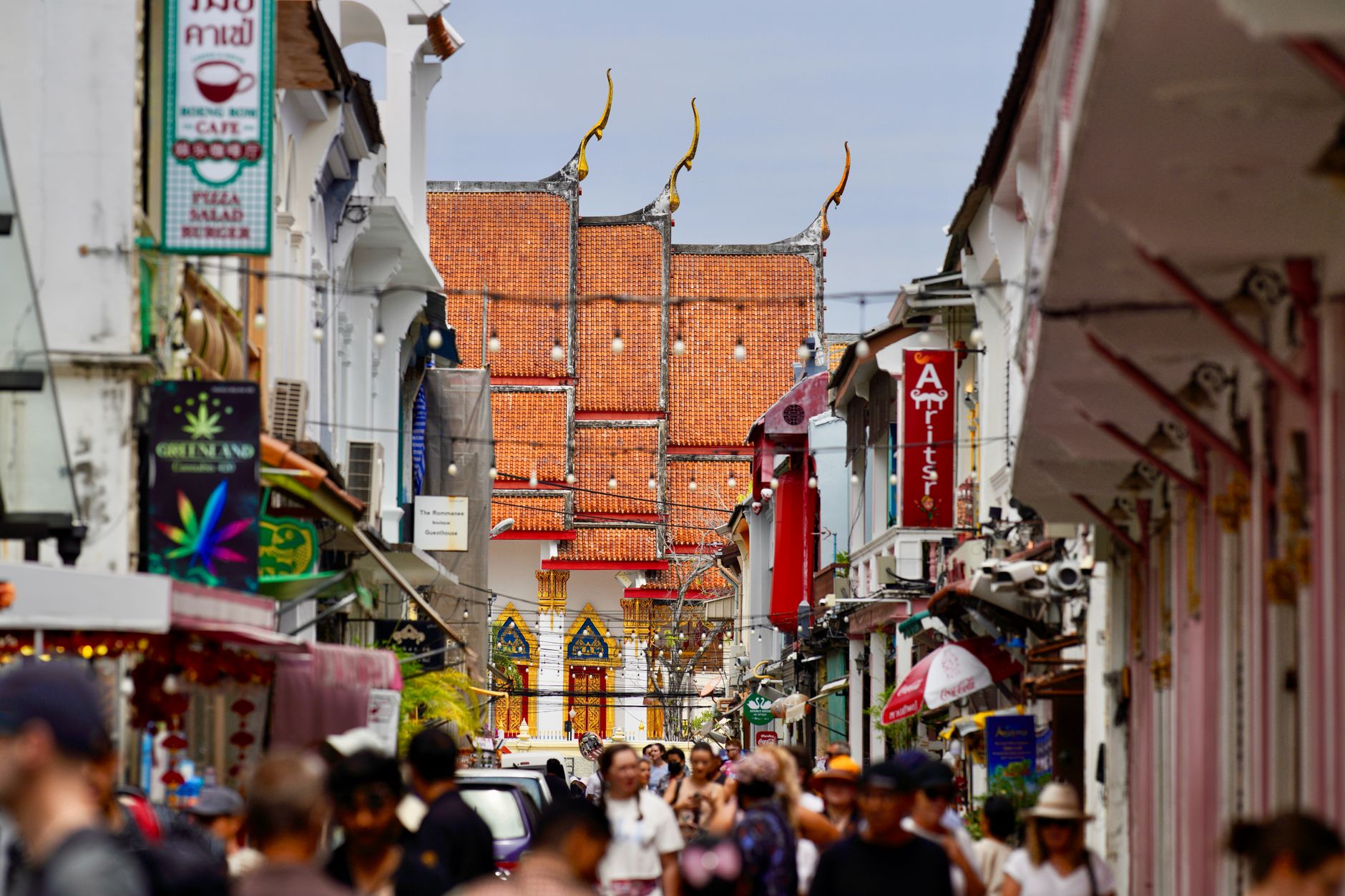
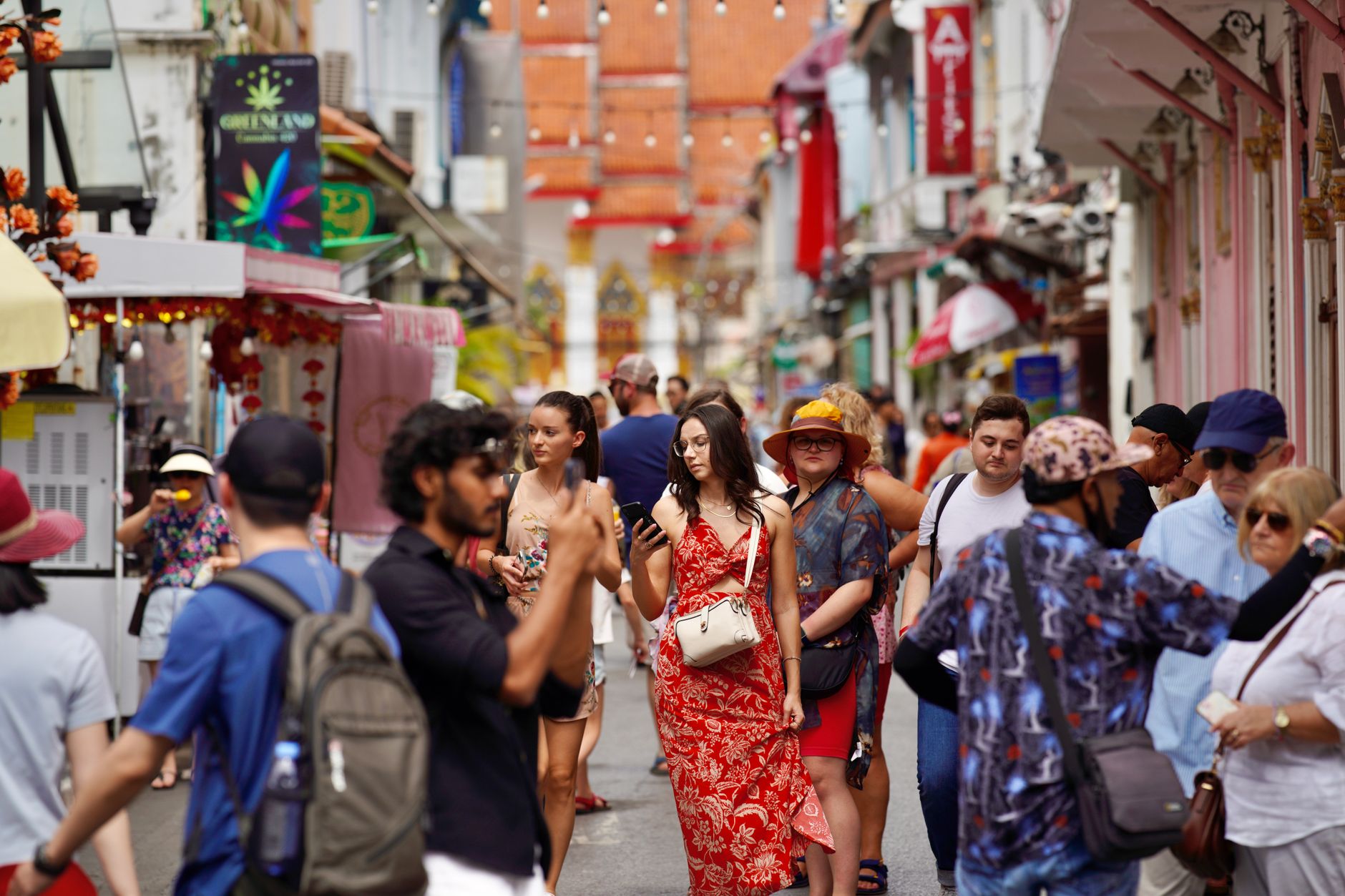
Phuket is Thailand's smallest province by area but carries an outsized weight of history — tin-mining wealth, Hokkien Chinese migration, a Burmese siege held off by two women in 1785. The beaches came later, starting with a few bungalows at Patong in the 1970s, and the island has been reinventing itself around tourism ever since.
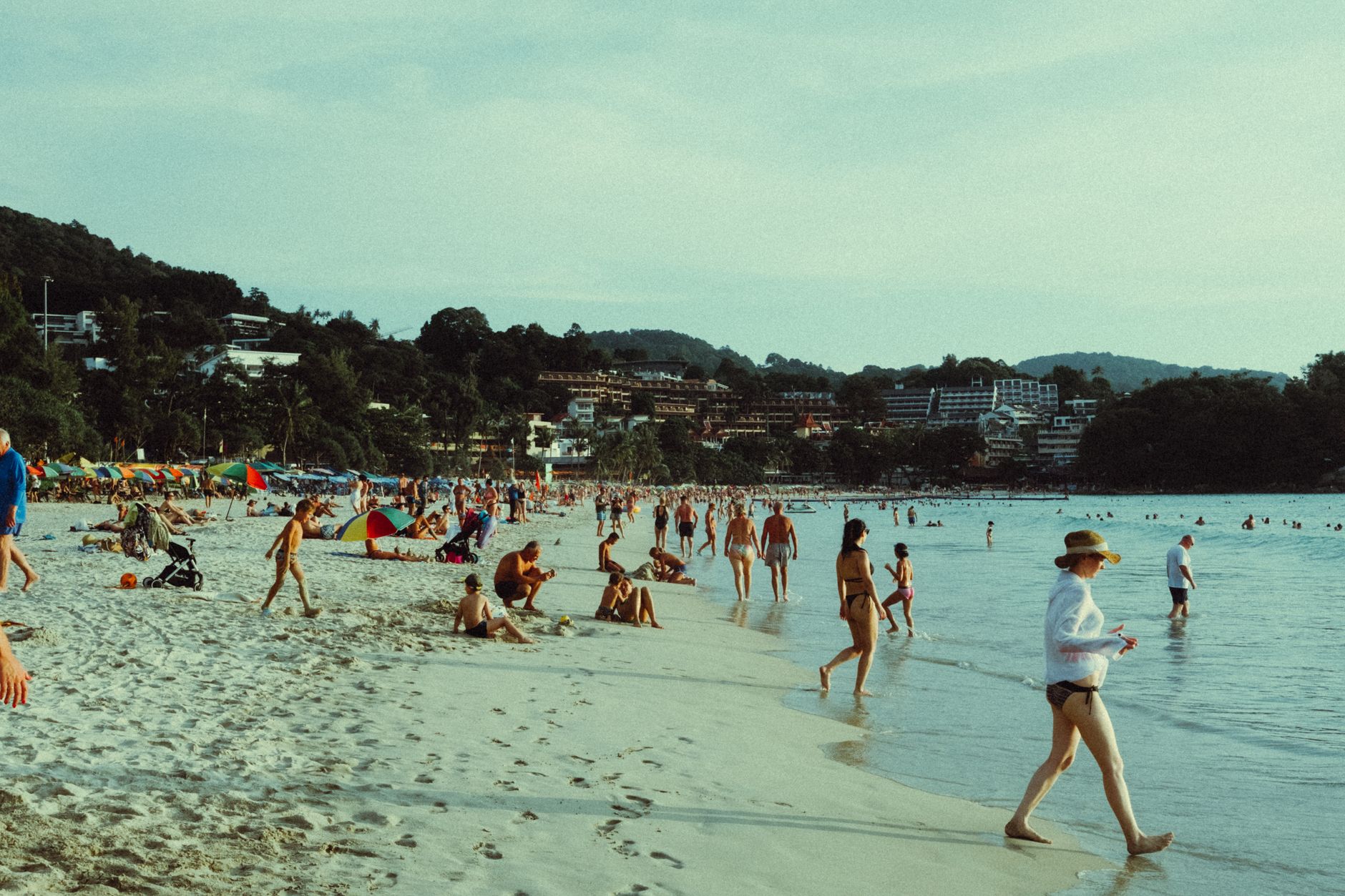
At 547 square kilometres, it's compact enough to cross in an afternoon but varied enough to absorb a week without repetition. Limestone hills, Chinese shophouse streets in Phuket Town, and a string of west-coast beaches that face the Andaman Sea — each with a different character, crowd and swell.
💛 What travellers fall for
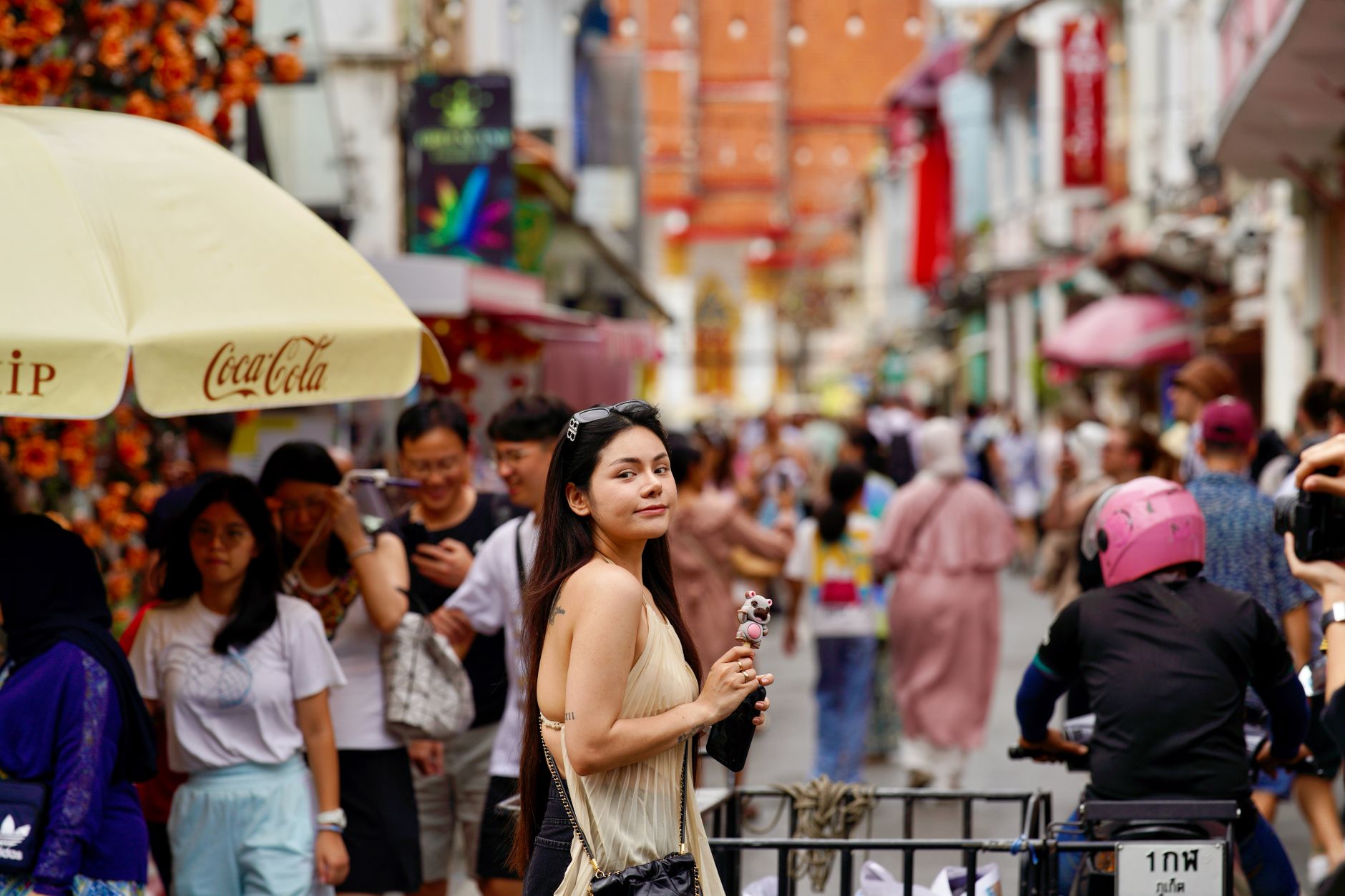
People who come back tend to spend less time on the beach and more in Phuket Town. The Sino-Portuguese streets around Thalang Road repay slow walking. They also make a point of reaching the Big Buddha early, before the tour groups arrive, when the marble catches the morning light and Ao Chalong Bay is still hazy below.
How Phuket came to be
Phuket was a trading stop as far back as the 1st century BCE, and by the 16th century it was already known across the region as a source of tin. The modern town dates to 1827, built on mining wealth and the labour of Hokkien Chinese migrants who arrived in large numbers through the 19th century. That community left a permanent mark on the architecture and the religious calendar.
The island's most celebrated episode came earlier, in 1785, when a Burmese force besieged the town. Lady Chan and her sister Lady Muk — the Two Heroines commemorated by a monument in Thalang District today — organised the defence and broke the siege. Tourism arrived nearly two centuries later, quietly, with the first beach bungalows at Patong and an airport opened in the mid-1970s.
Who and what shaped it
People who shaped it
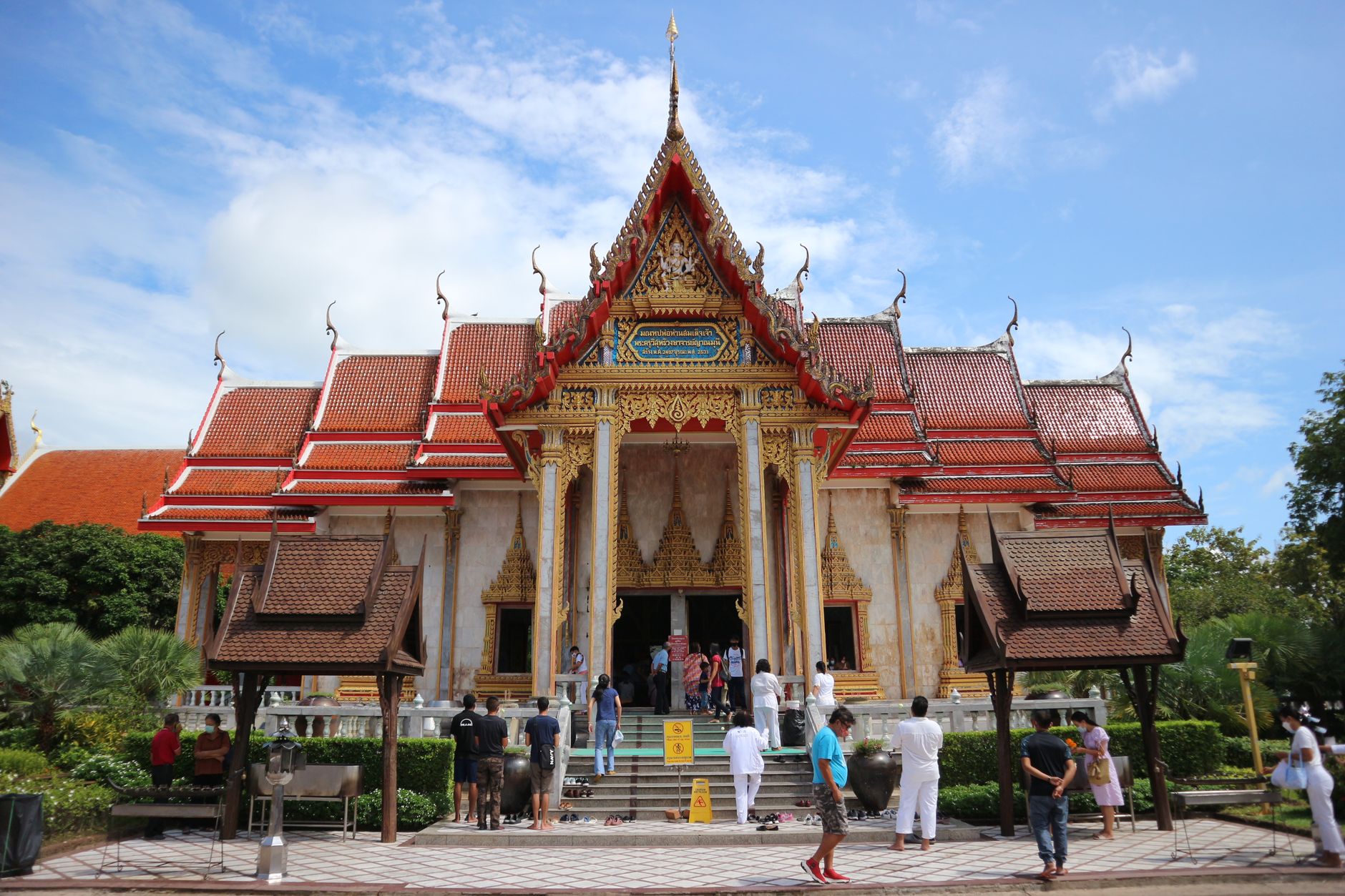
Landmark buildings
See Phuket in motion
Plan your visit
On the map
When to go
The dry season runs roughly December to March, when skies are clear and seas are calm — the window most visitors aim for. From May through October the southwest monsoon brings heavy rain and rougher surf; the west-coast beaches are swimmable on good days, but surfers prefer this season for the larger waves.
Right now
Background & history adapted from Wikipedia (CC BY-SA) · specs from Wikidata (CC0) · weather from Open-Meteo · map data © OpenStreetMap contributors · photos from Wikimedia Commons / Unsplash with per-image credit. No third-party reviews or social posts reproduced.