
Pattaya
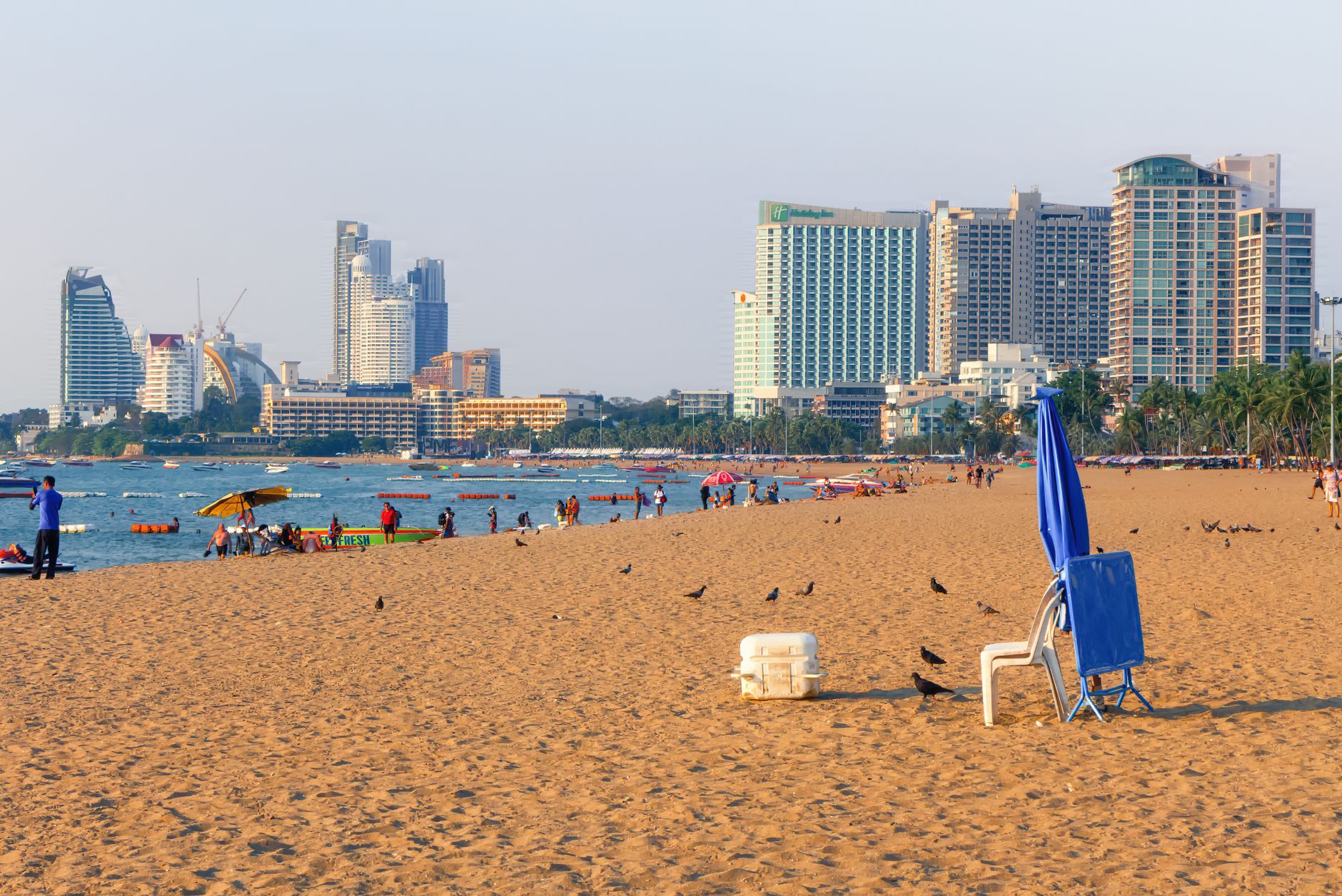
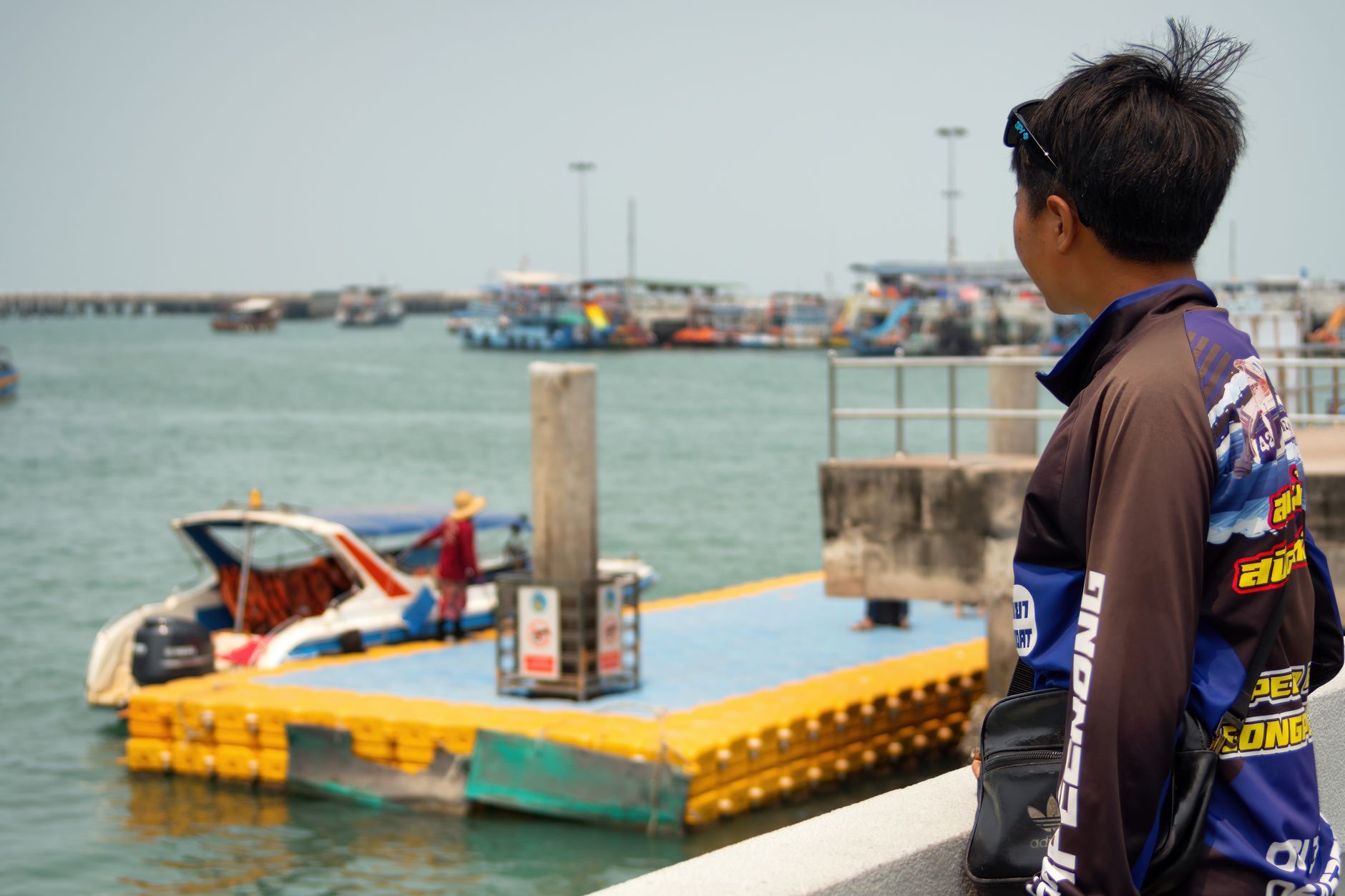

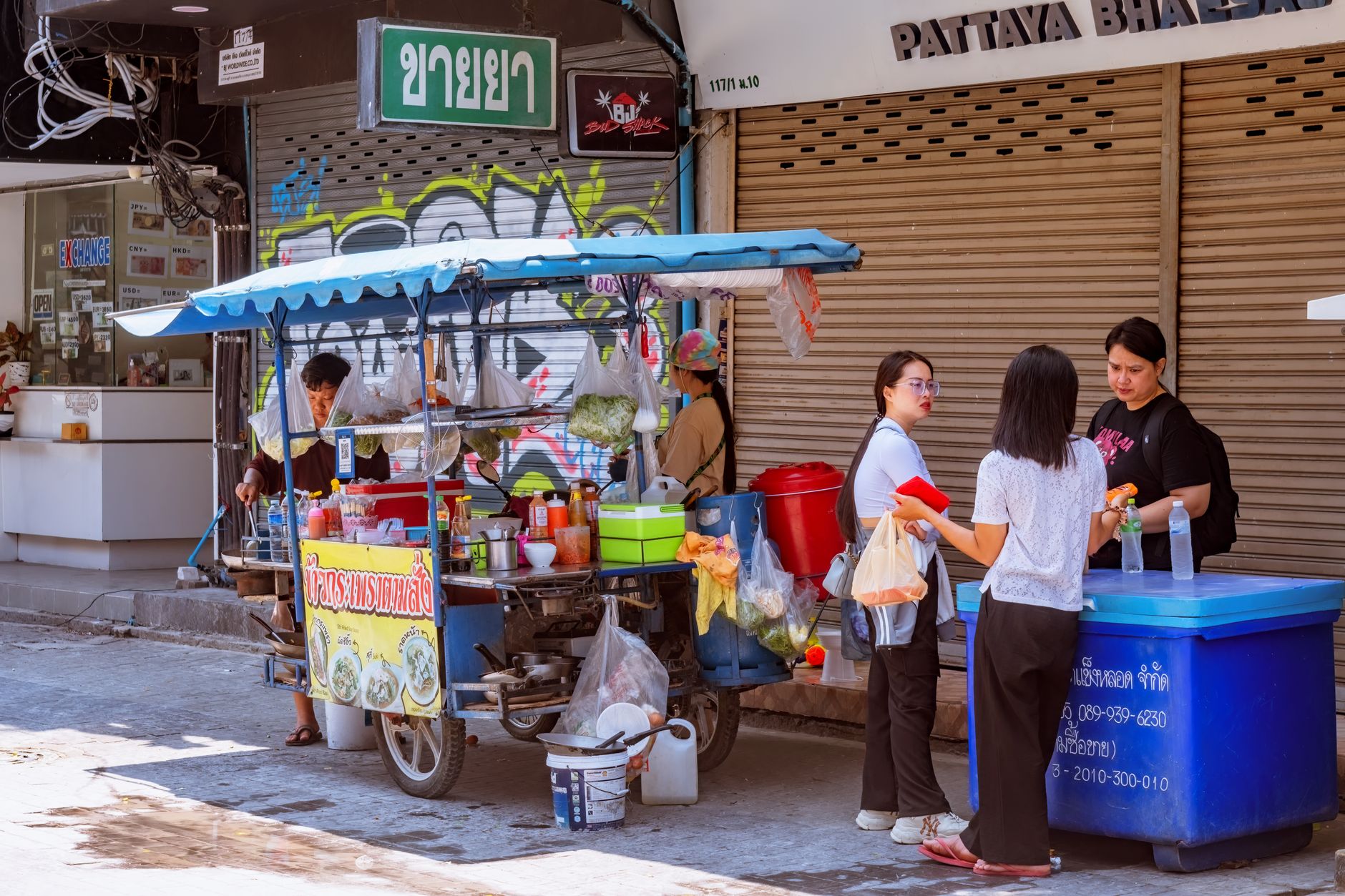
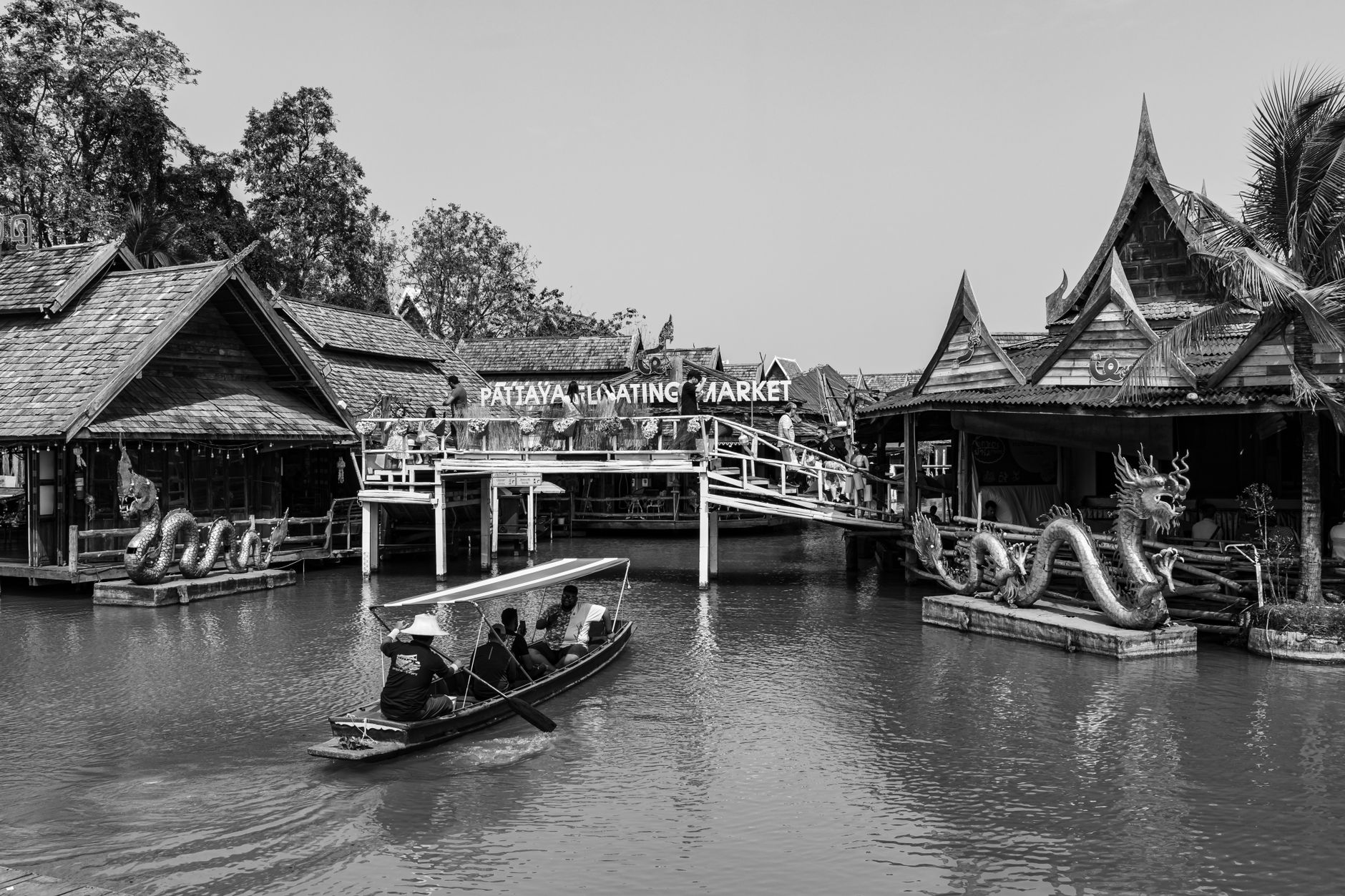
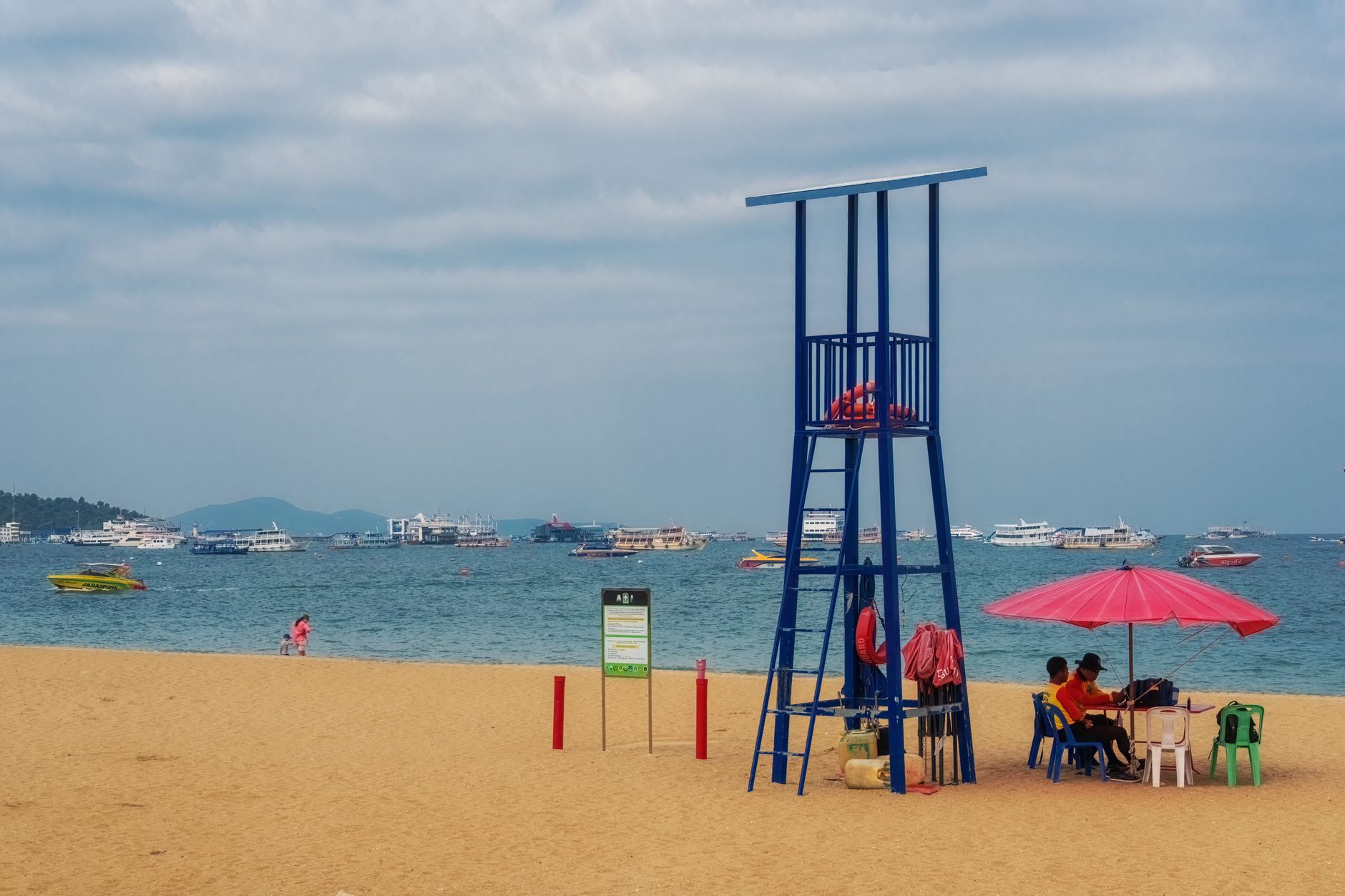
Pattaya runs along a crescent of the Gulf of Thailand about 150 kilometres southeast of Bangkok, and it has never been shy about what it is. The beach itself — Pattaya Beach — stretches 2.7 kilometres from north to south, though erosion has gnawed it down to a few metres of sand in places, which is why a 429-million-baht restoration scheme went in during 2018.
Beyond the shoreline and the well-documented nightlife of Walking Street, there are working temples worth your morning hours: the all-teak Sanctuary of Truth has been under continuous construction since 1981 and still isn't finished, which tells you something about the ambition of the thing. Pattaya rewards the curious traveller who shows up without a fixed idea of what it's supposed to be.
💛 What travellers fall for
People who keep coming back tend to catch the first songthaew of the morning out to Wat Yansangwararam — 58 hectares of grounds, almost no one there at 8am, free entry. The 31-baht train from Bangkok on weekends is another open secret: it deposits you inland, which means you arrive without the highway traffic.
How Pattaya came to be
The name traces back to 1787, when Phraya Tak — later King Taksin — met the Burmese leader Nai Klom here in a bloodless encounter. The place was called Thap Phraya, meaning Army of the Phraya, and over time the pronunciation softened into Pattaya. For the next two centuries it remained a fishing village.
The modern city was essentially invented by the Vietnam War. On 29 April 1961, around a hundred American servicemen arrived for R&R, and once the U.S. military gained access to U-Tapao airbase in the early 1960s, Pattaya became the main rest stop for troops. The first hotel, Nipa Lodge, opened in 1965. By 1980 there were roughly 7,000 hotel rooms. When American forces withdrew in 1976, visitor numbers halved almost overnight — but the infrastructure was already there, and international tourism moved in to fill the gap.
Who and what shaped it
People who shaped it
Landmark buildings
See Pattaya in motion
Plan your visit
On the map
When to go
The cool, dry season from November to February is the most comfortable time to visit, with lower humidity and reliable sunshine. March through May turns hot before the southwest monsoon arrives around June, bringing afternoon downpours that can last through October.
Right now
Background & history adapted from Wikipedia (CC BY-SA) · specs from Wikidata (CC0) · weather from Open-Meteo · map data © OpenStreetMap contributors · photos from Wikimedia Commons / Unsplash with per-image credit. No third-party reviews or social posts reproduced.