
Chiang Mai
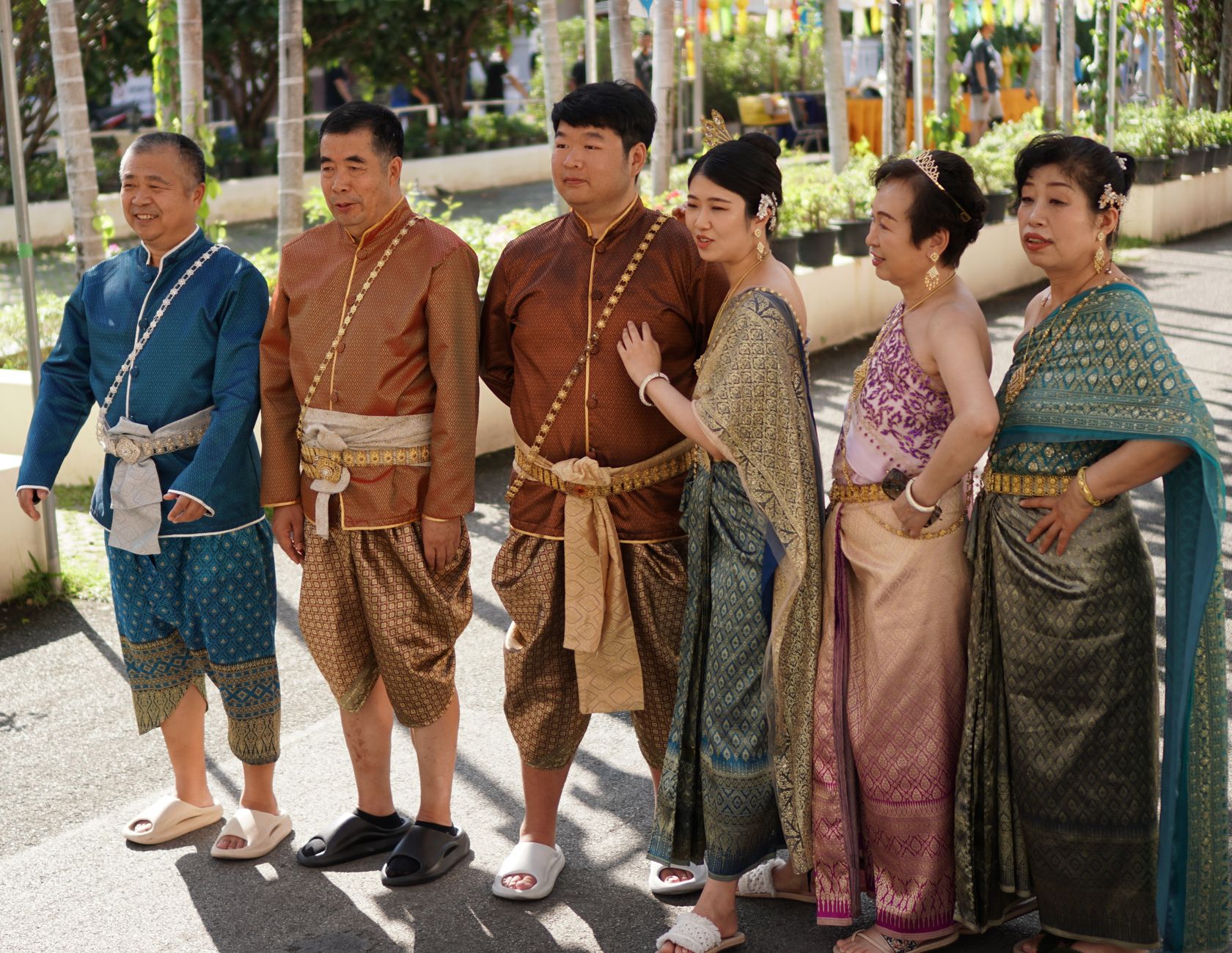
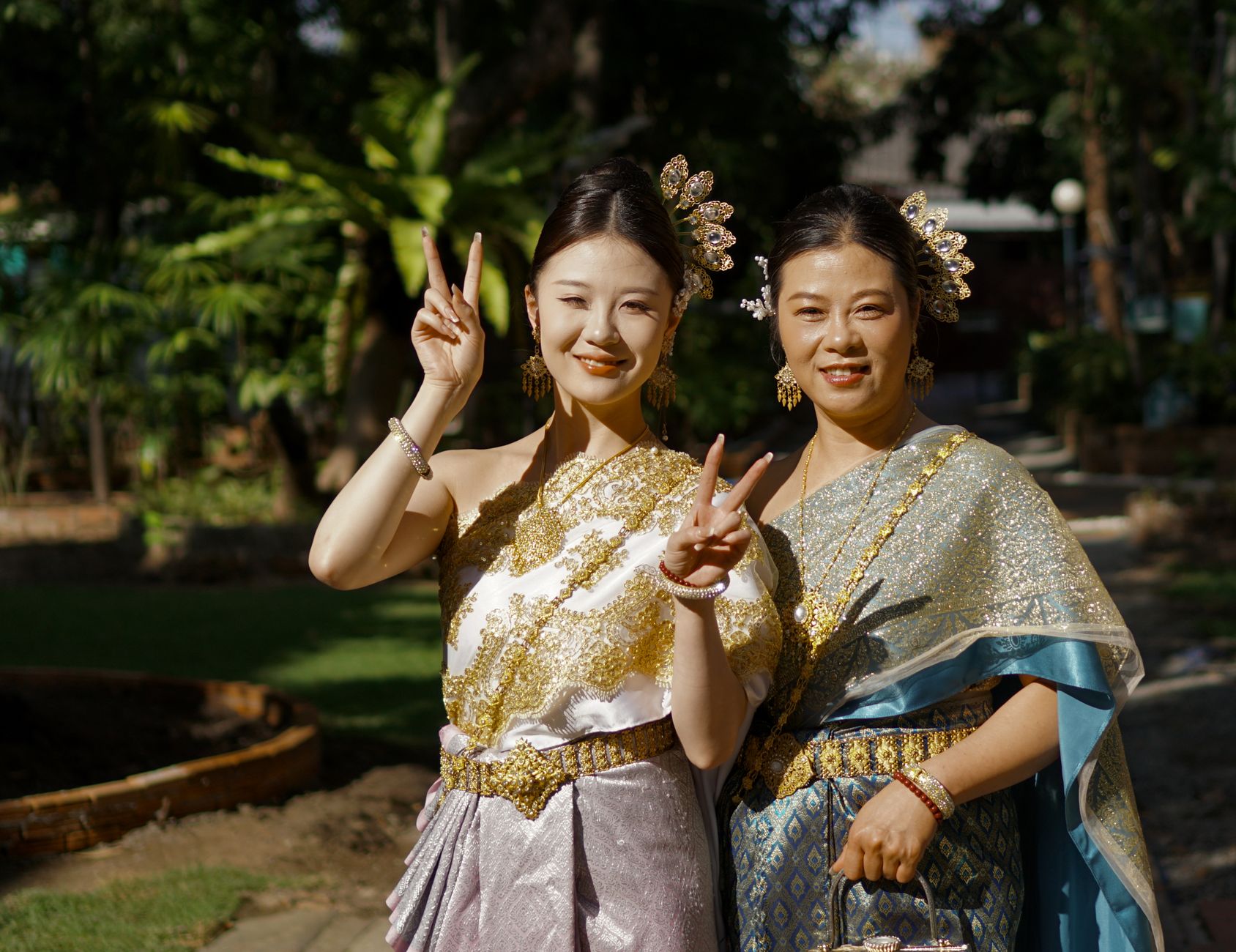
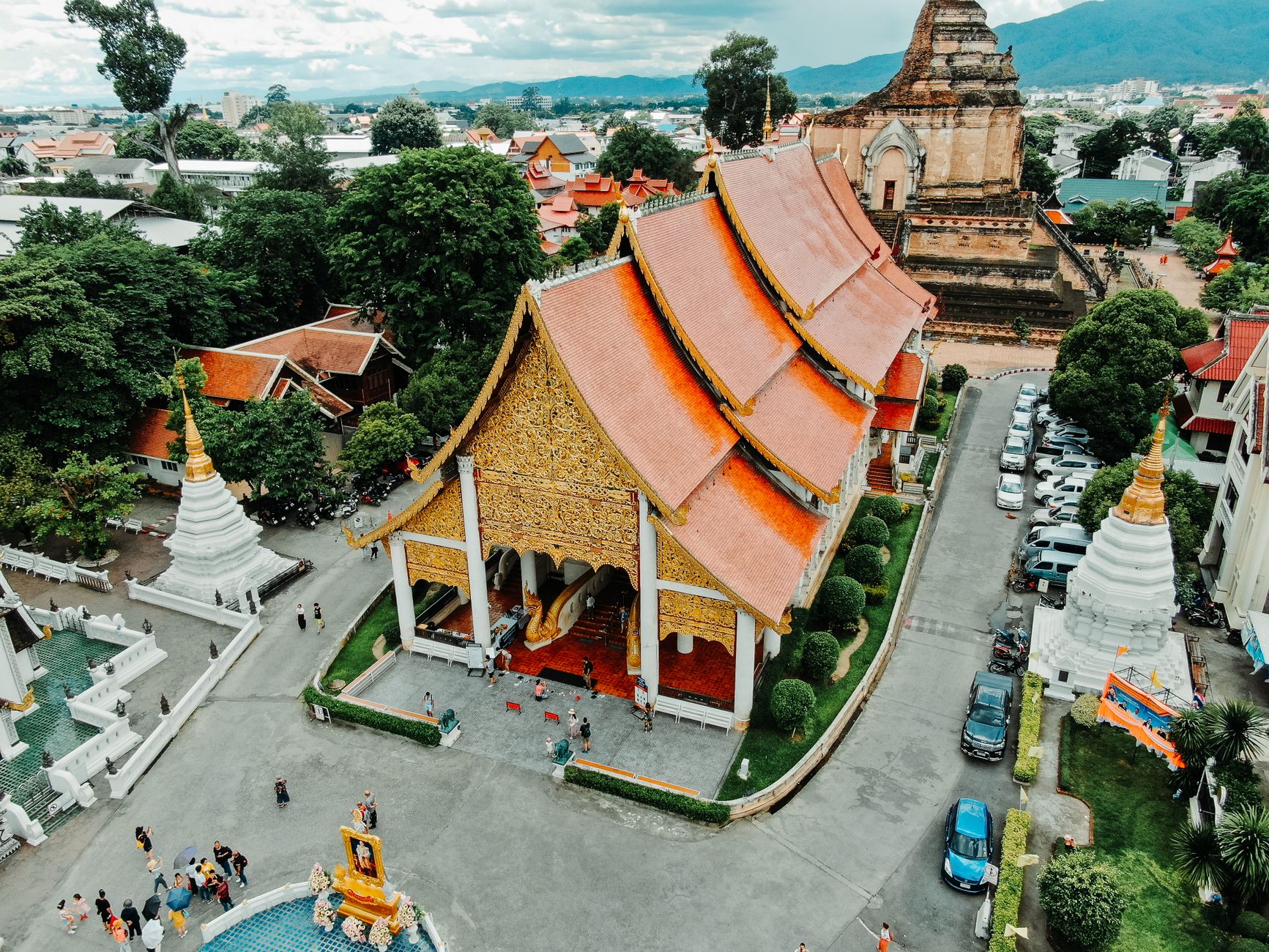
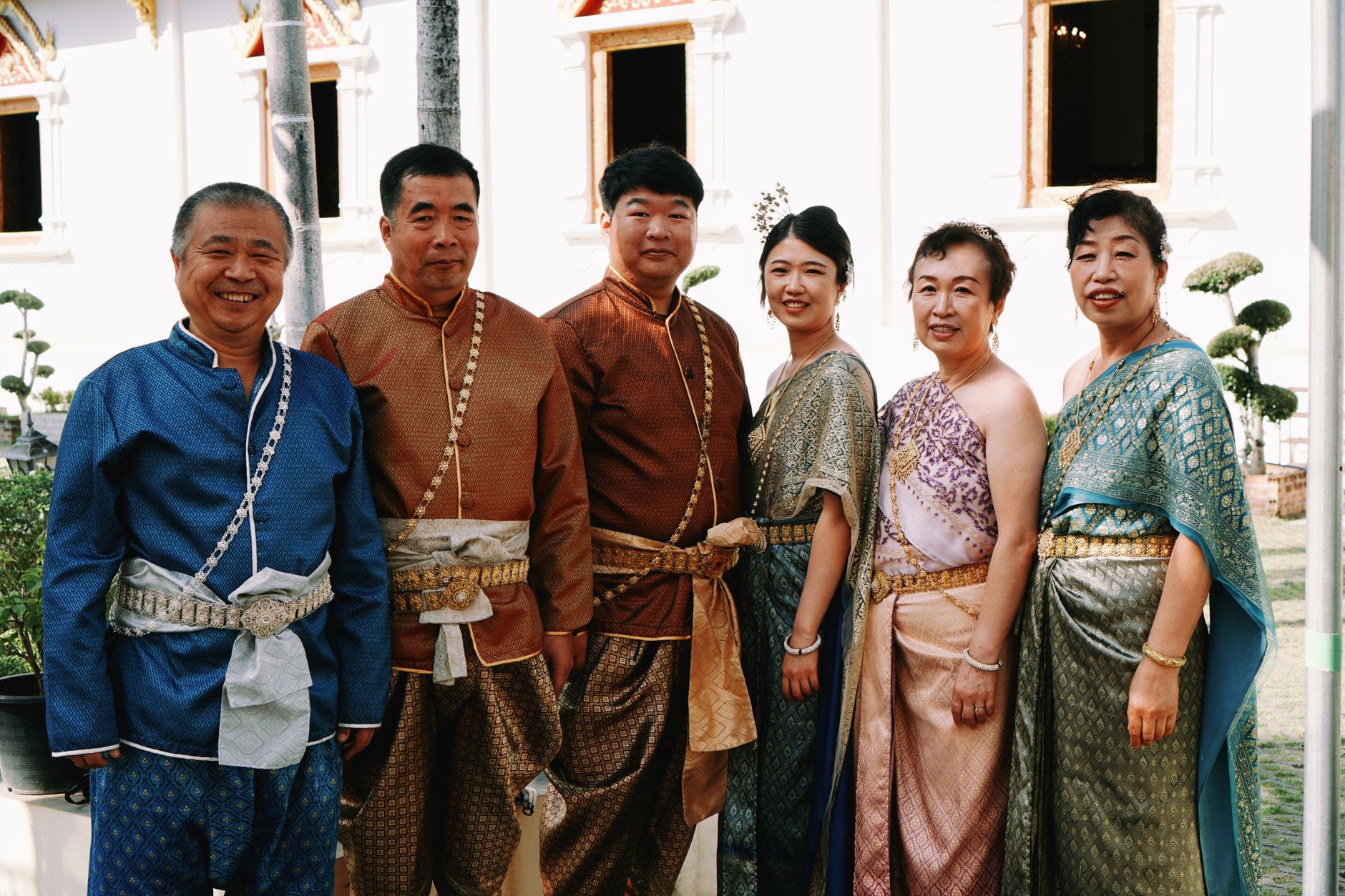
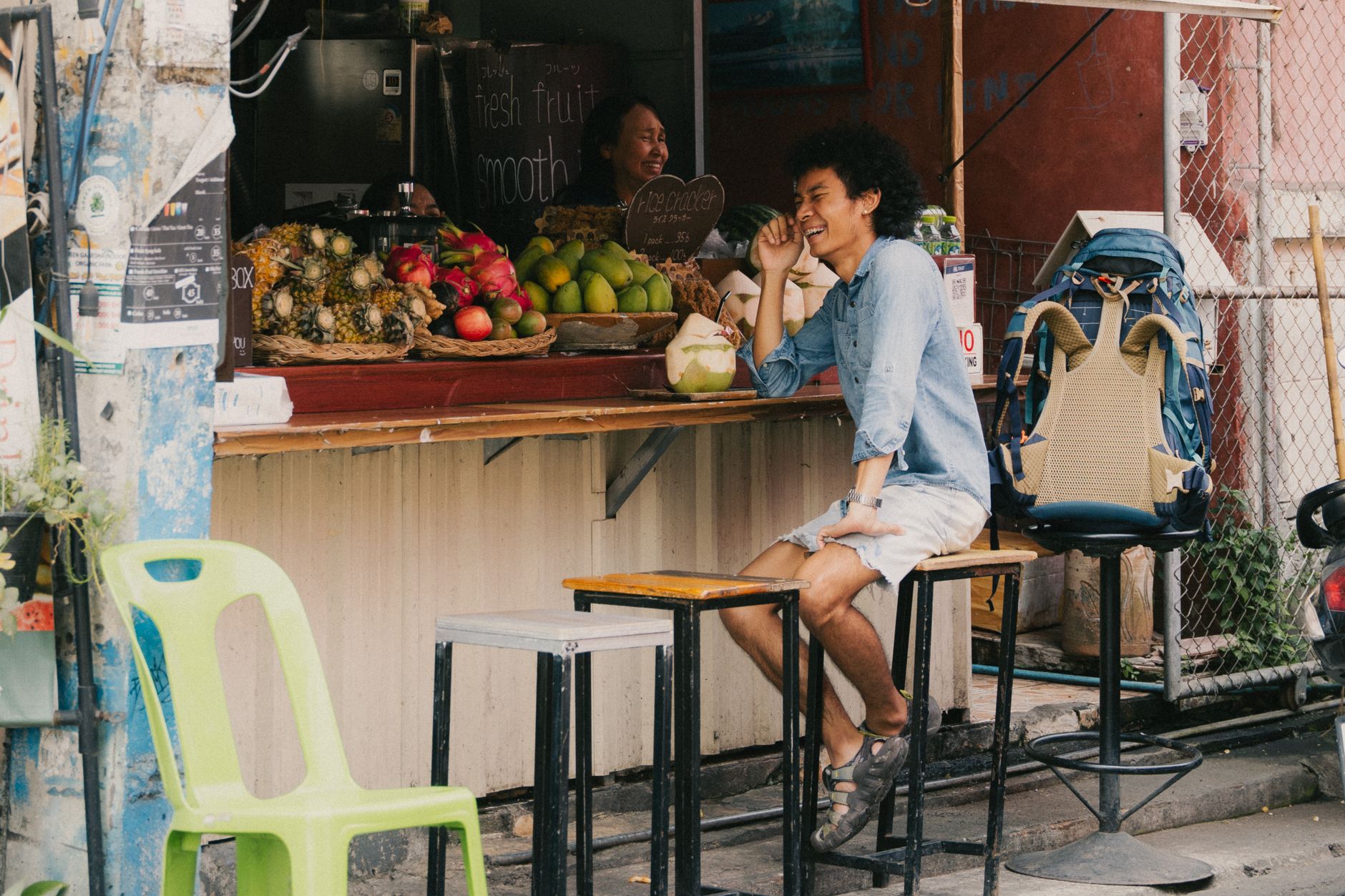
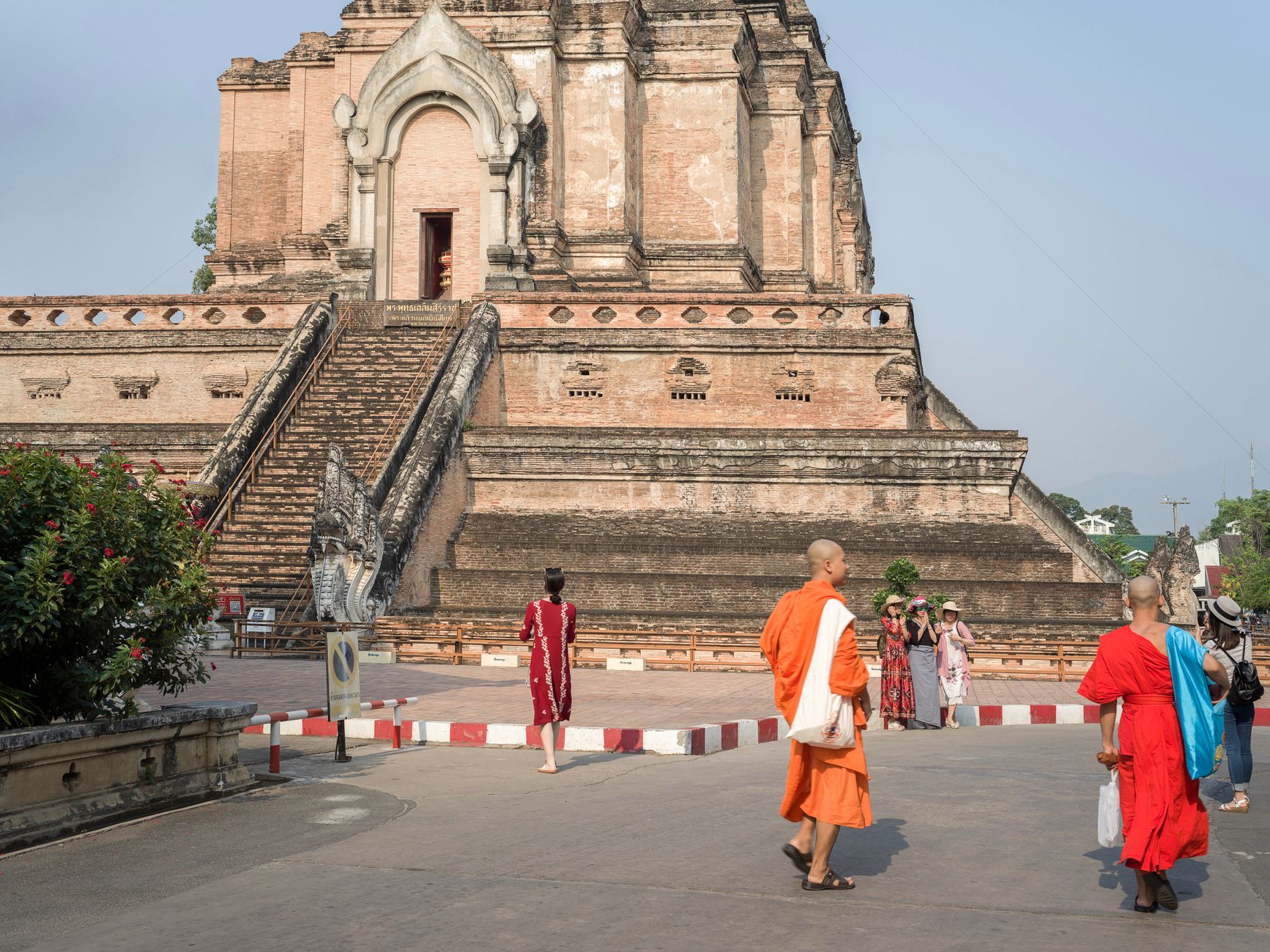
Chiang Mai is where the moat still traces the shape of a 13th-century capital, and where you can walk from a temple courtyard to a specialty coffee bar in under two minutes. The old city sits inside an almost-perfect square of water and crumbling wall, and within it — and radiating outward — are more than three hundred temples, each with its own logic and light.
The airport is ten minutes from the gate at Tha Phae. Red songthaew trucks circle the city without fixed routes; you flag one down and tell the driver where you're going. The pace here is slower than Bangkok in a way that's structural, not accidental.
Popular cities in Chiang Mai
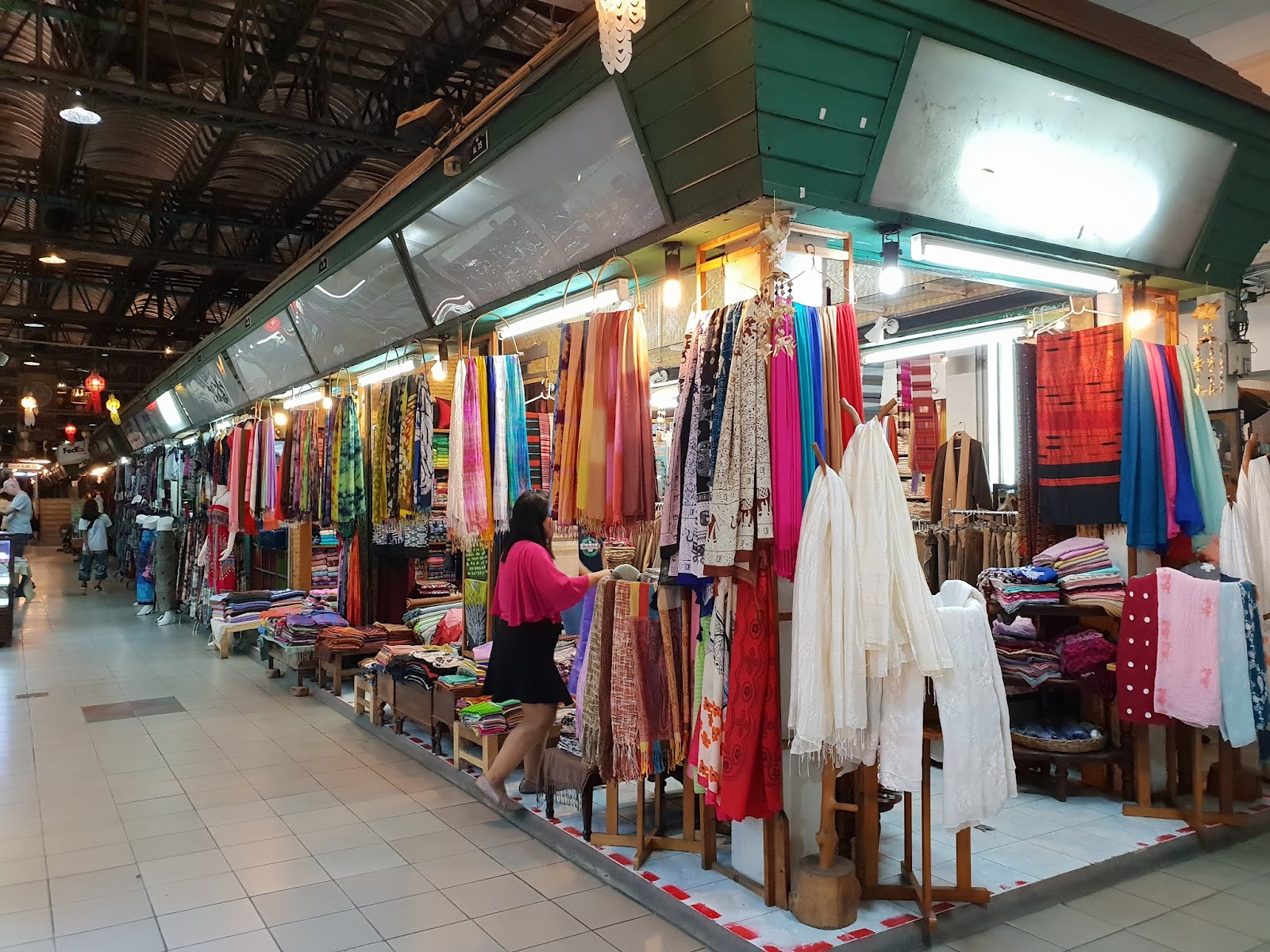 Chiang Mai Night Bazaar
 Chiang Mai Old City (Walled City)
 Chiang Mai Sunday Walking Street
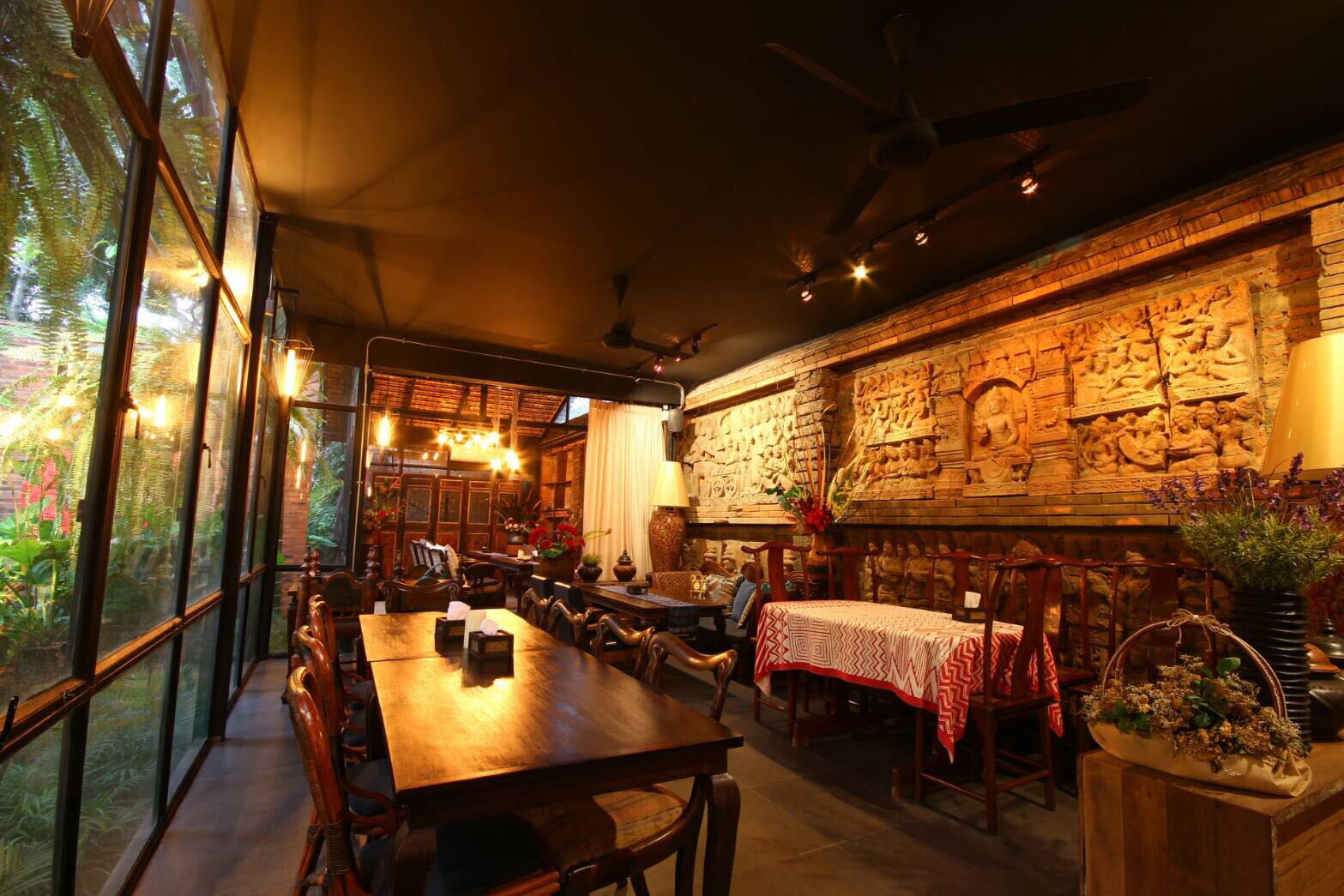 Faces Restaurant
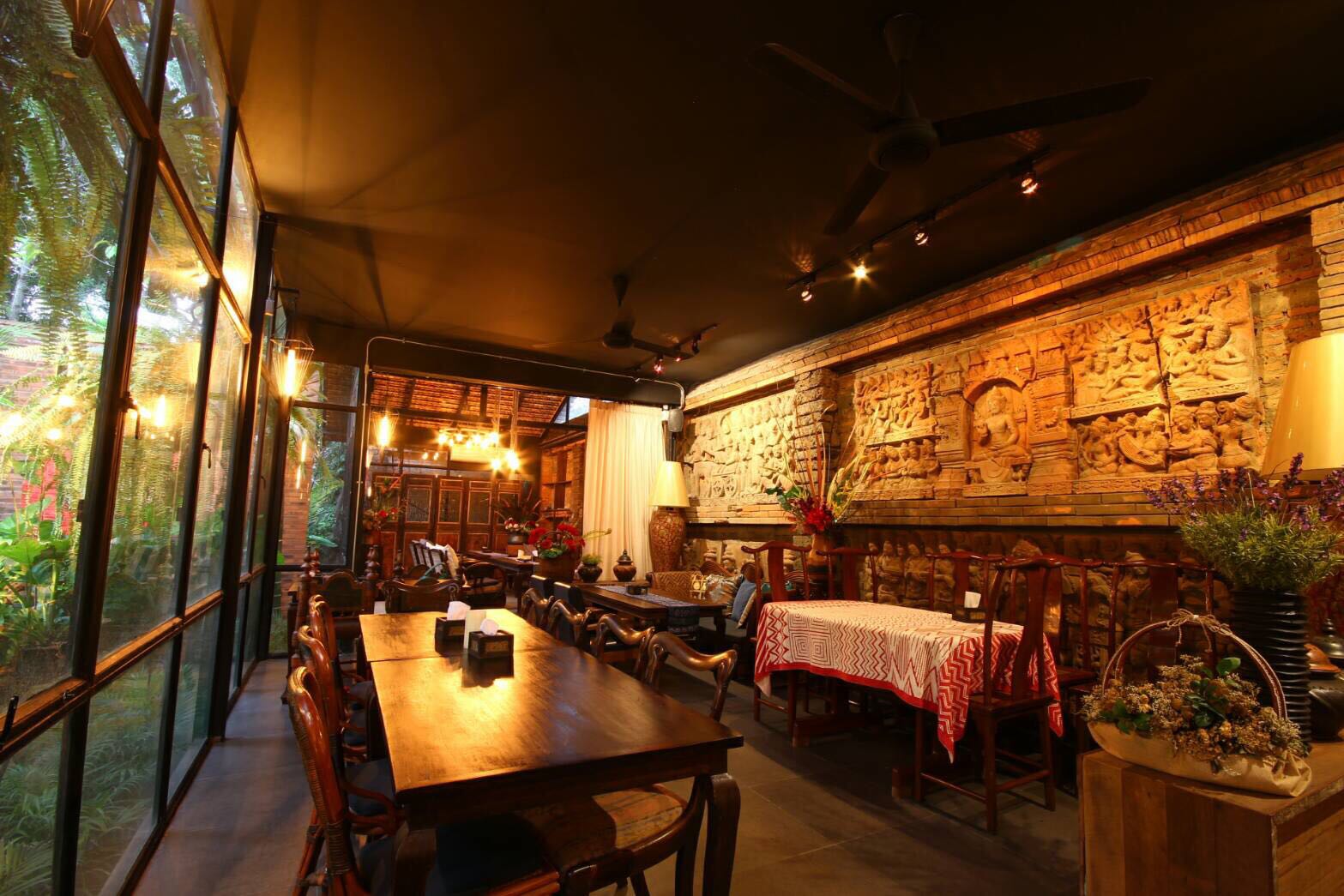 Faces Restaurant Chiang Mai
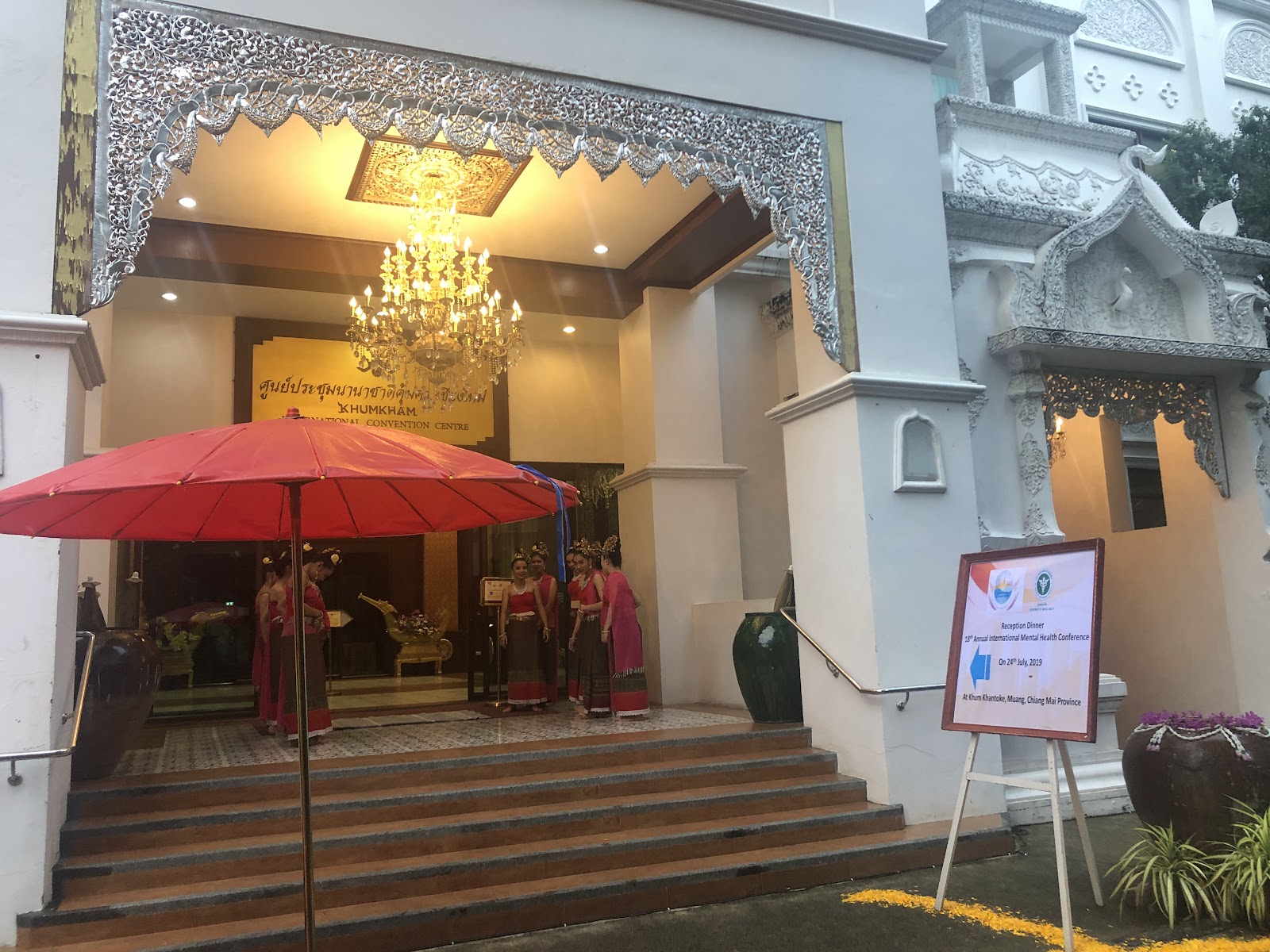 Khantoke dinner (traditional Lanna cuisine)
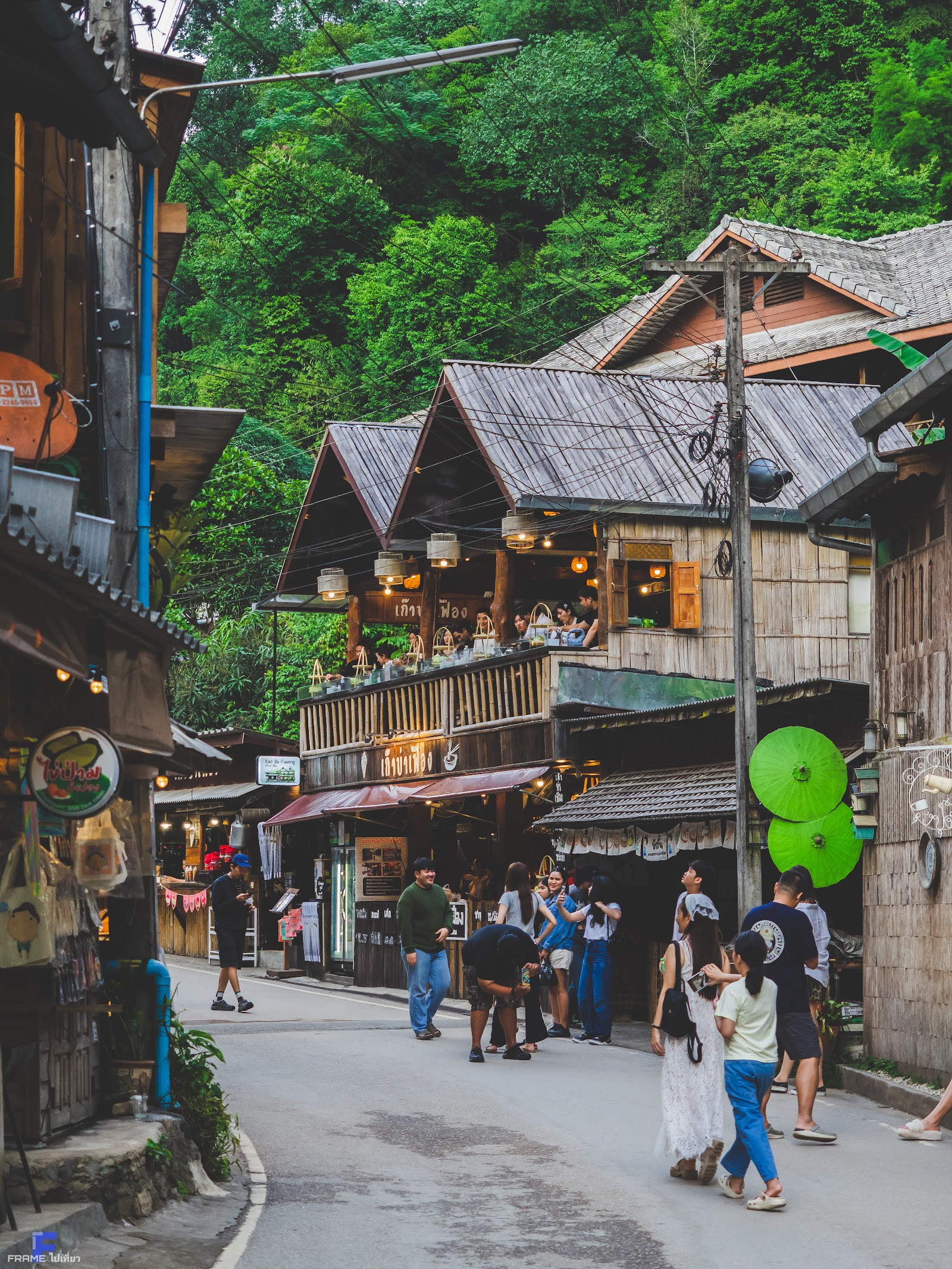 Mae Kampong Village
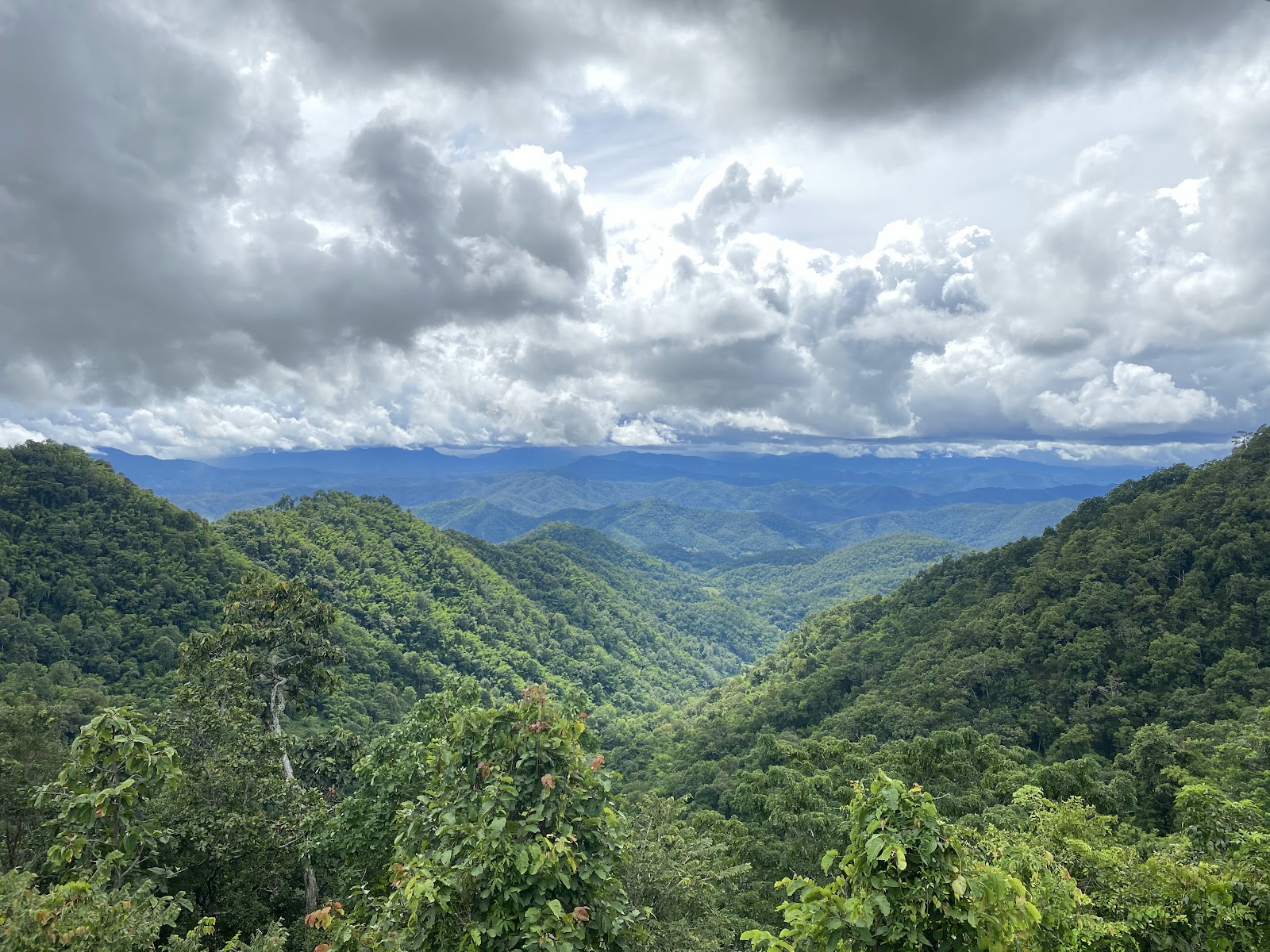 Samoeng Loop
 Sunday Walking Street
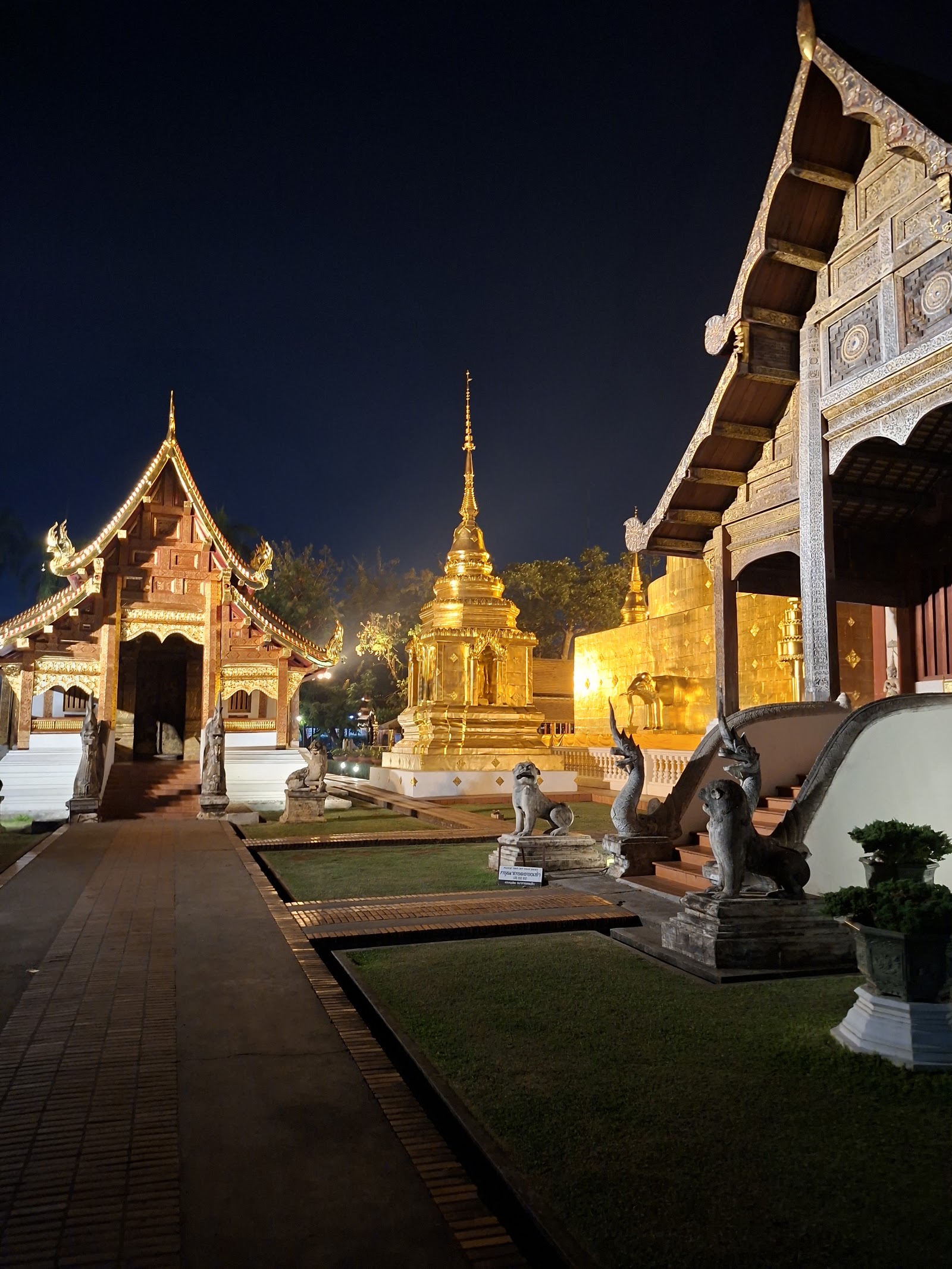
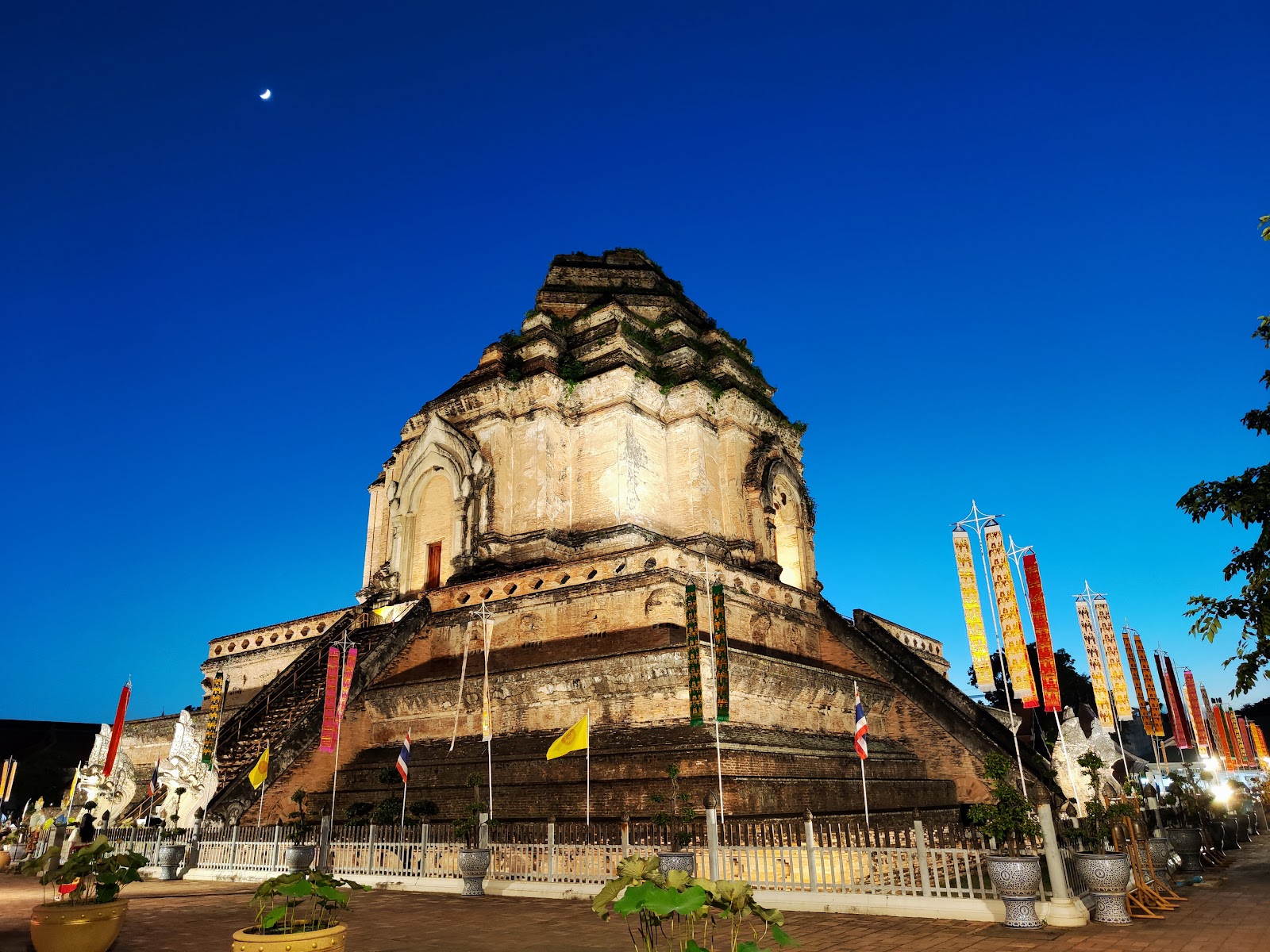 Wat Chedi Luang Varavihara
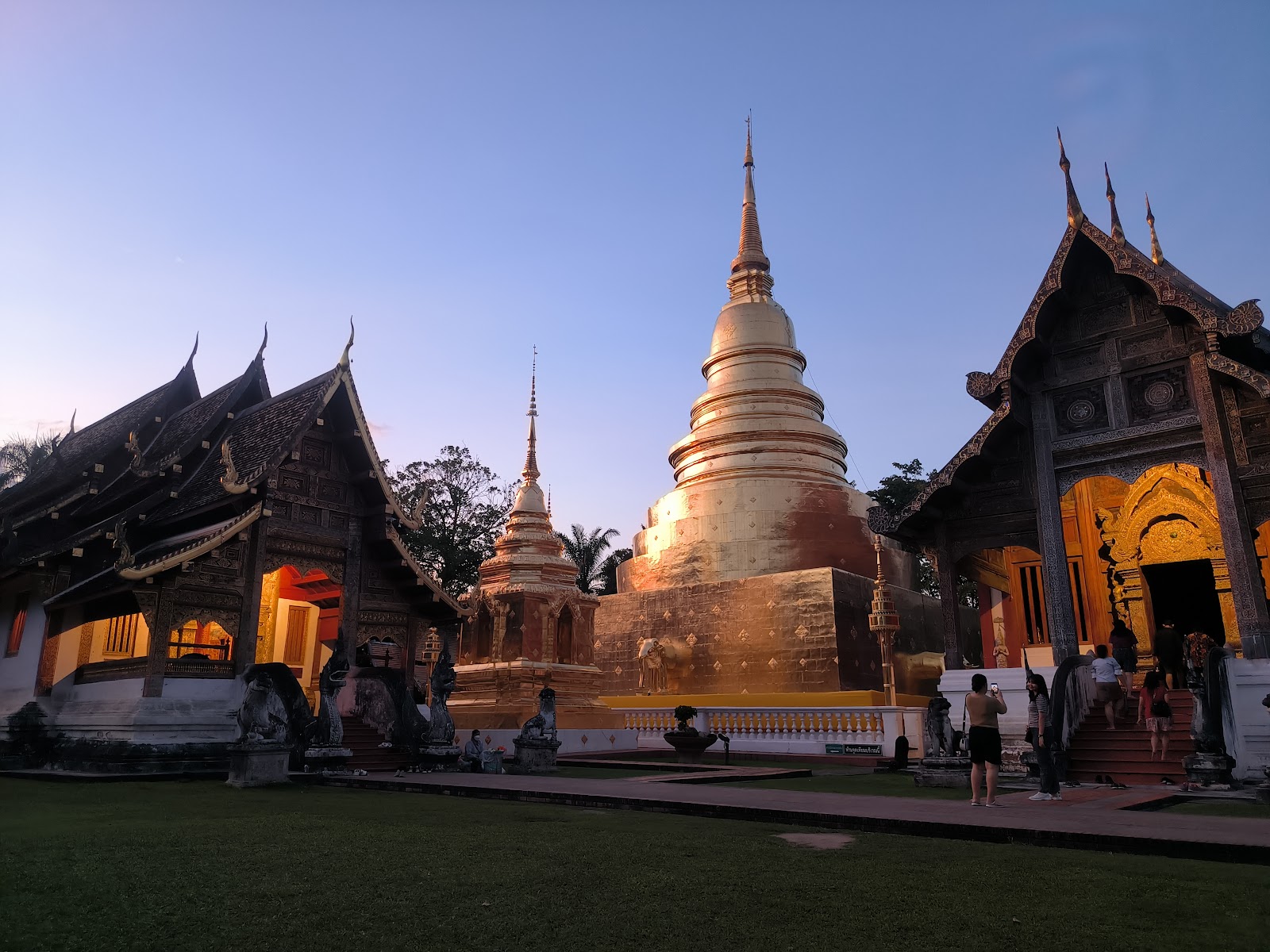 Wat Phra Singh
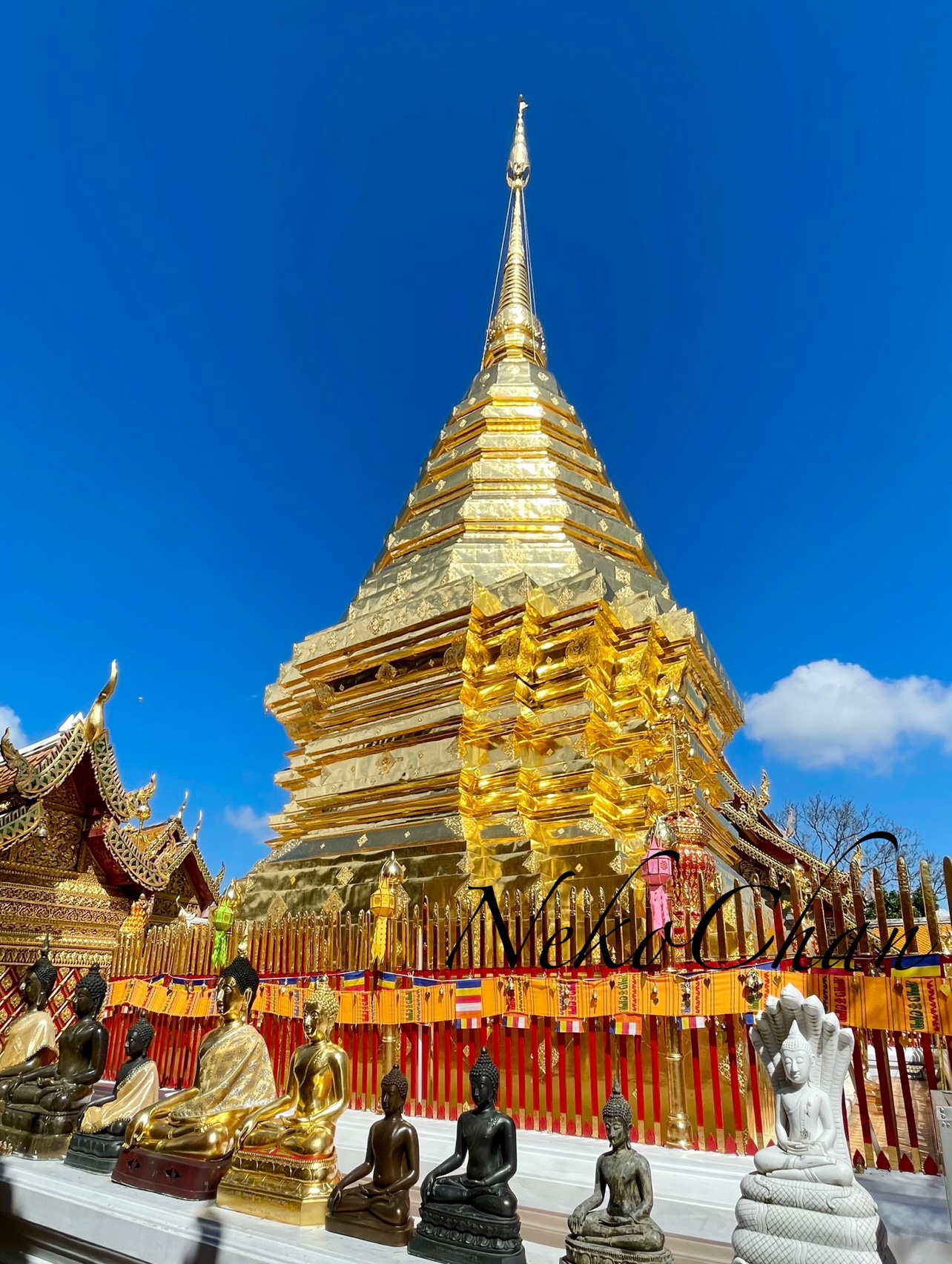 Wat Phra That Doi Suthep
💛 What travellers fall for
People who come back tend to anchor their mornings at Wat Chiang Man before the tour groups arrive — it's the oldest temple in the city and, at that hour, often nearly empty. They also figure out the songthaew system fast: ฿20–30 for most rides, no app required, and the drivers know every temple and market lane.
How Chiang Mai came to be
King Mengrai founded Chiang Mai on 12 April 1296, establishing it as the capital of the Lan Na kingdom on a site the Lawa people had already named Wiang Nopburi. He lived on the grounds of what is now Wat Chiang Man while the city was being built. Later rulers deepened the city's Buddhist foundations — King Ku Na invited the monk Sumana from Sukhothai in the 14th century, and Wat Phra Singh was raised in 1345 by King Phayu in honor of his father.
The city's fortunes shifted hard. The Toungoo Empire occupied it in 1556, and by the late 18th century Chiang Mai had been abandoned entirely — left empty from 1776 to 1791. It was the ruler Kawila, working with King Taksin's forces, who negotiated its return to Thai sovereignty and began the slow work of repopulation. The modern municipality wasn't formally established until 1935.
Who and what shaped it
People who shaped it
Landmark buildings
See Chiang Mai in motion
Plan your visit
On the map
When to go
November through February is cool and dry — the most comfortable time to be here, with clear skies and temperatures that drop noticeably at night. March to May brings heat and, often, smoke haze from agricultural burning in the surrounding hills. The rainy season runs roughly June through October: afternoons are wet, mornings are usually clear.
Right now
↡ Attractions
Background & history adapted from Wikipedia (CC BY-SA) · specs from Wikidata (CC0) · weather from Open-Meteo · map data © OpenStreetMap contributors · photos from Wikimedia Commons / Unsplash with per-image credit. No third-party reviews or social posts reproduced.