
Bangkok
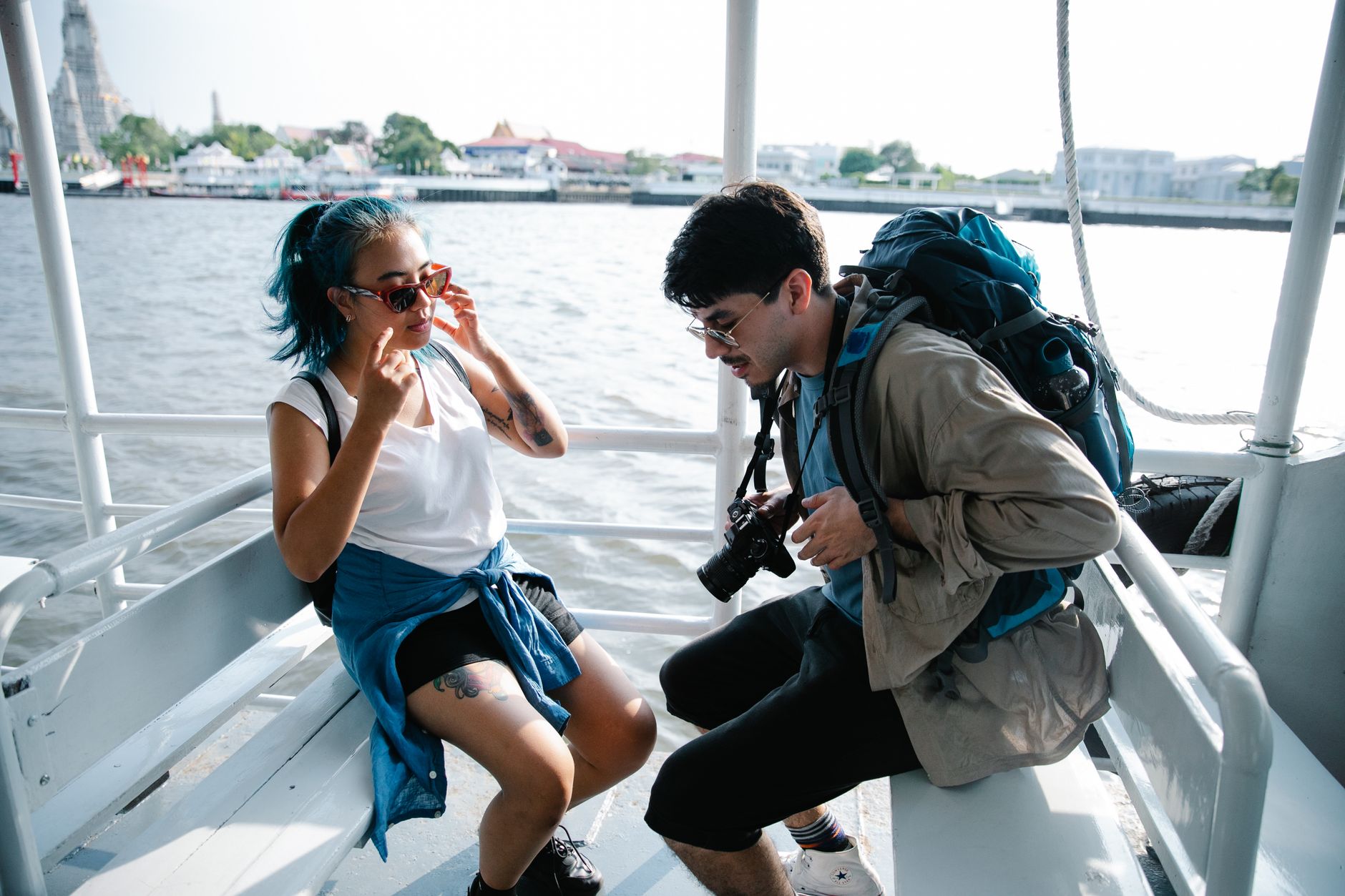
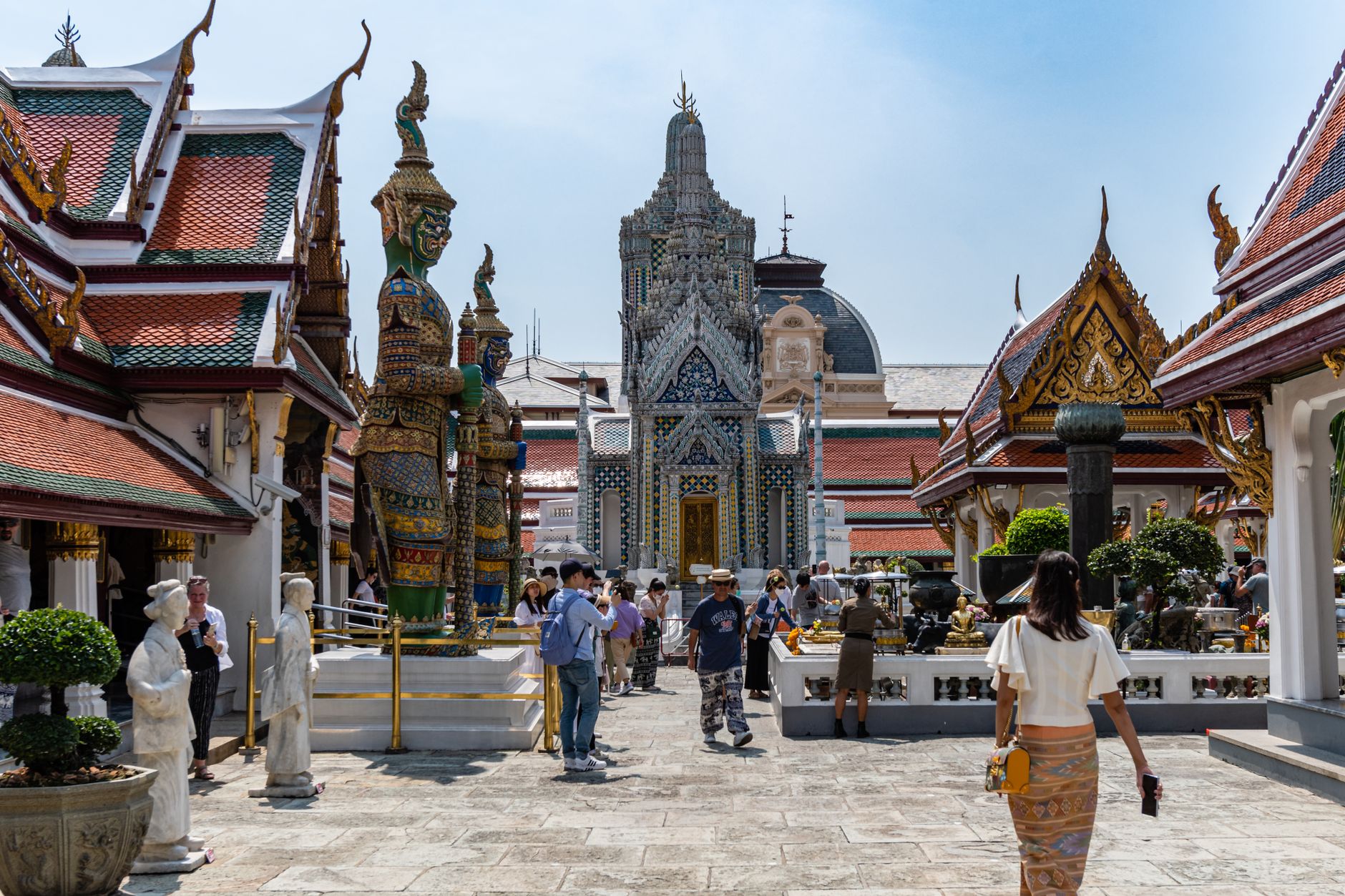
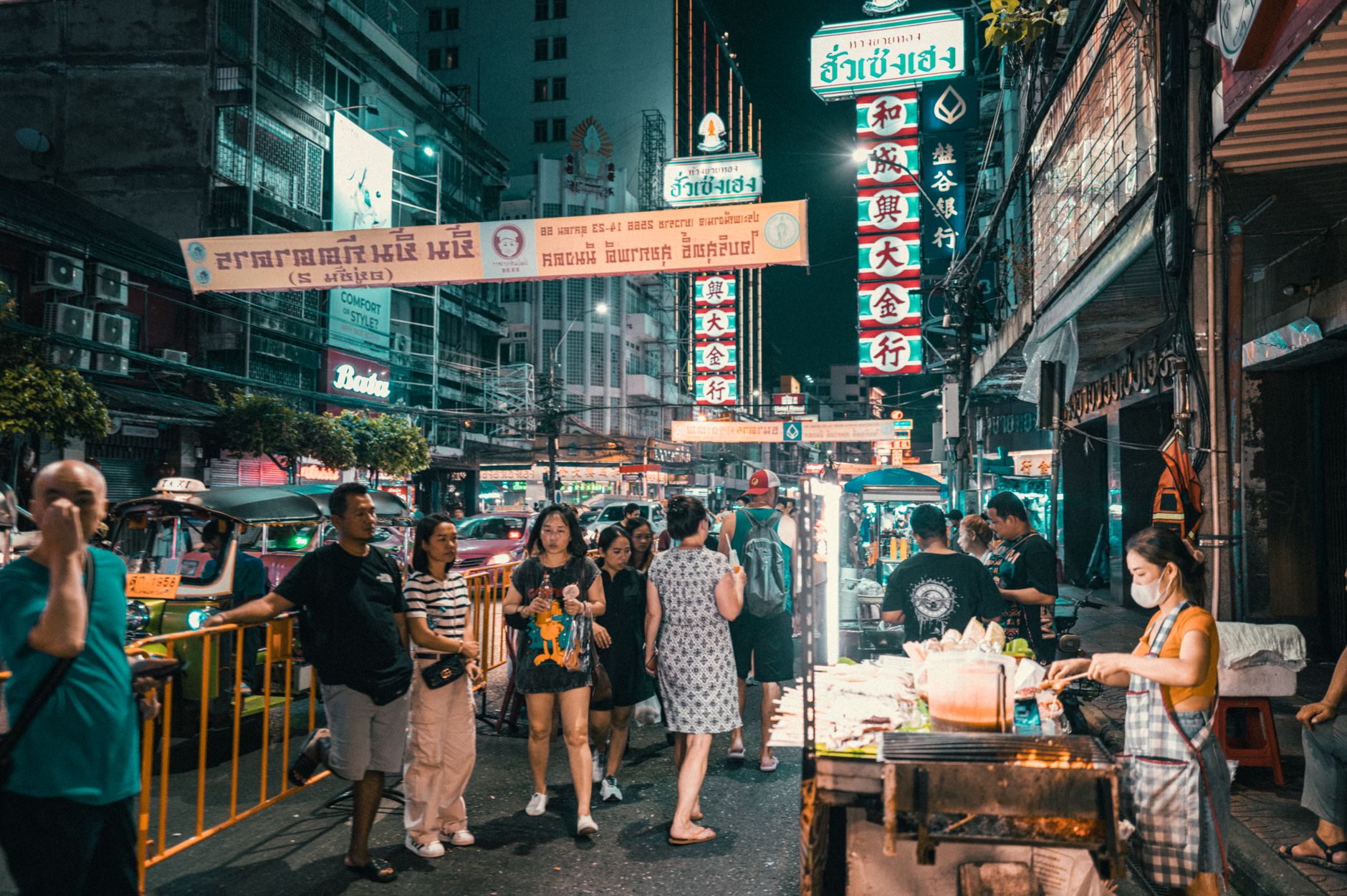
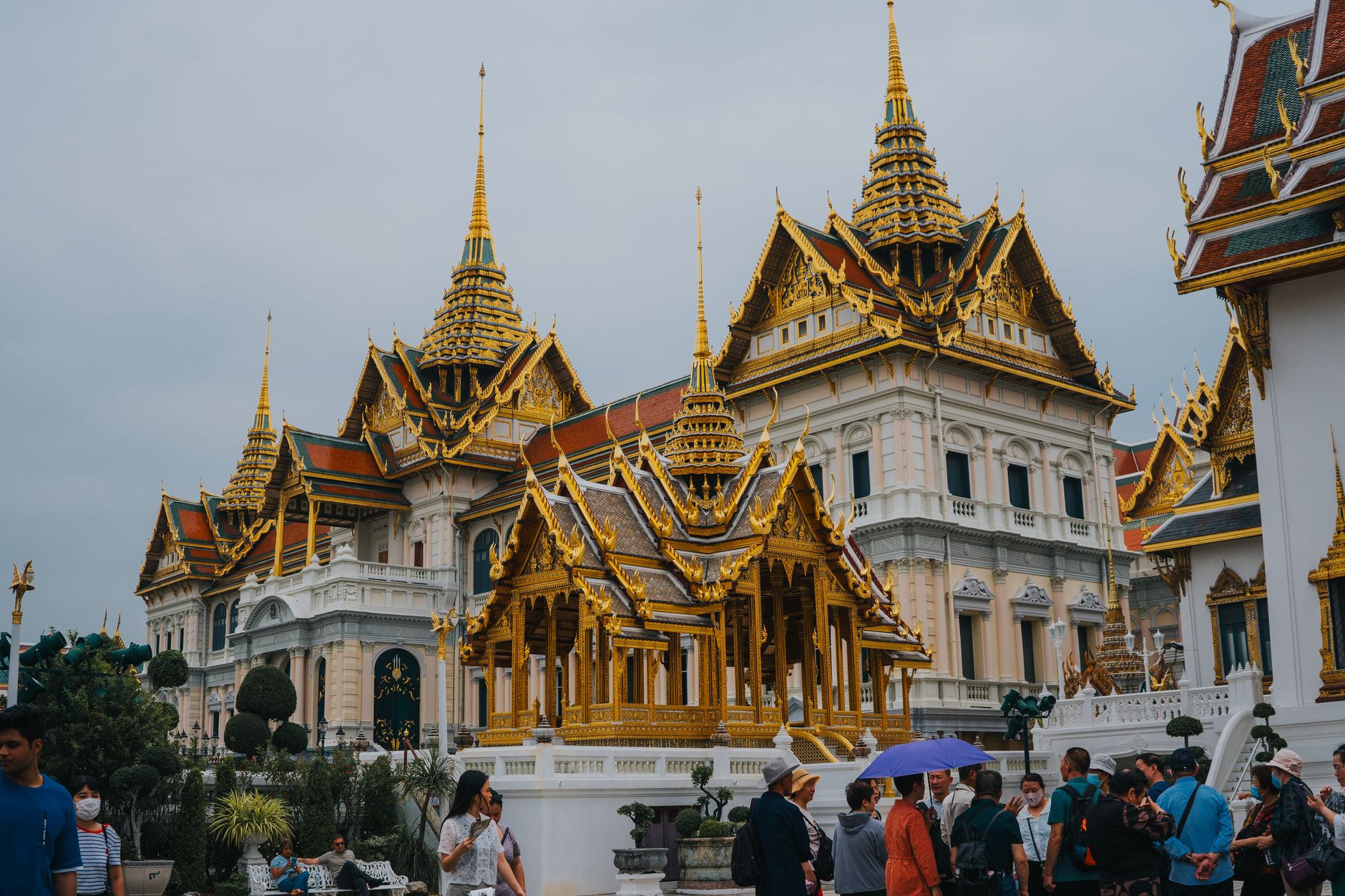
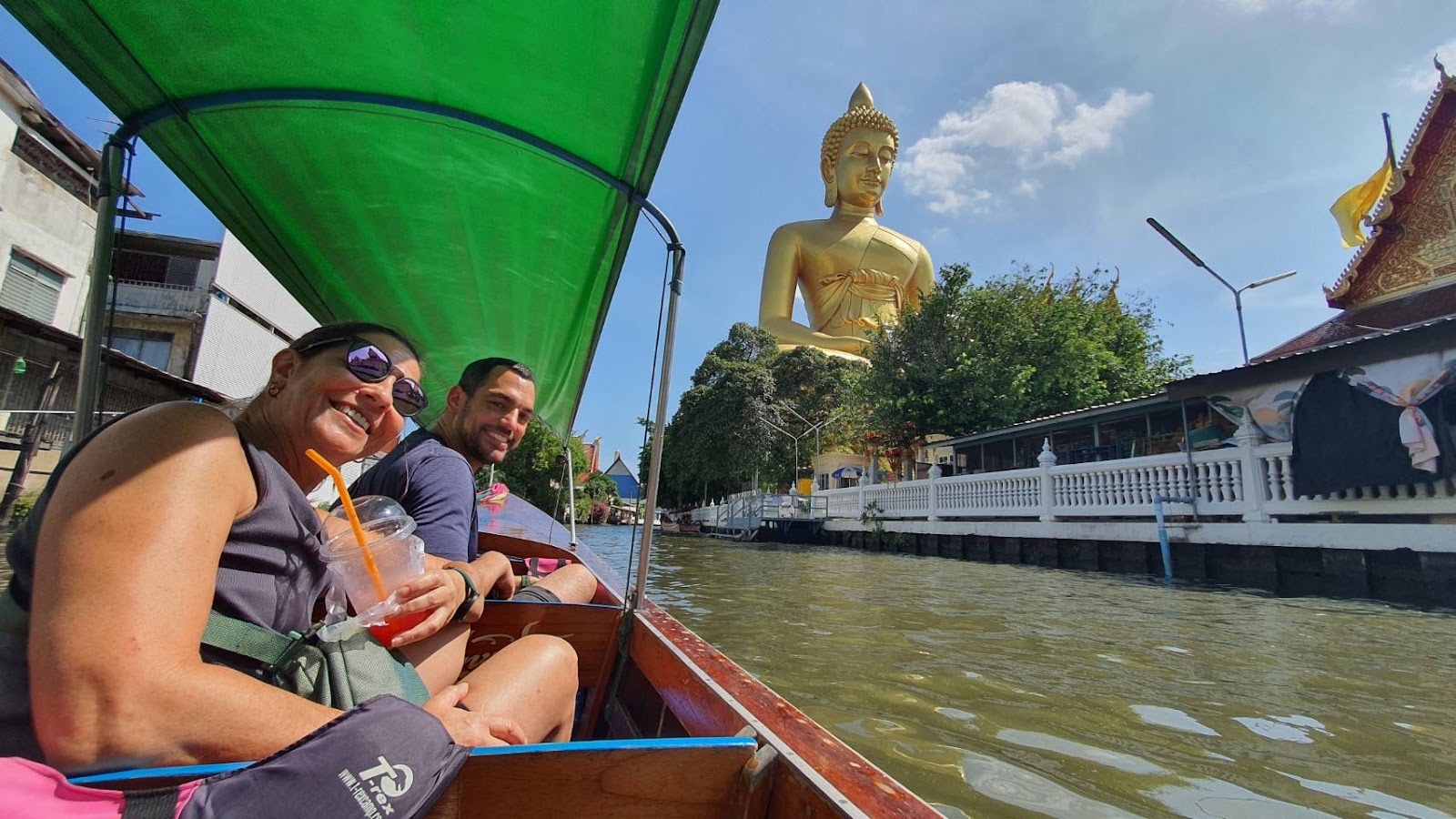
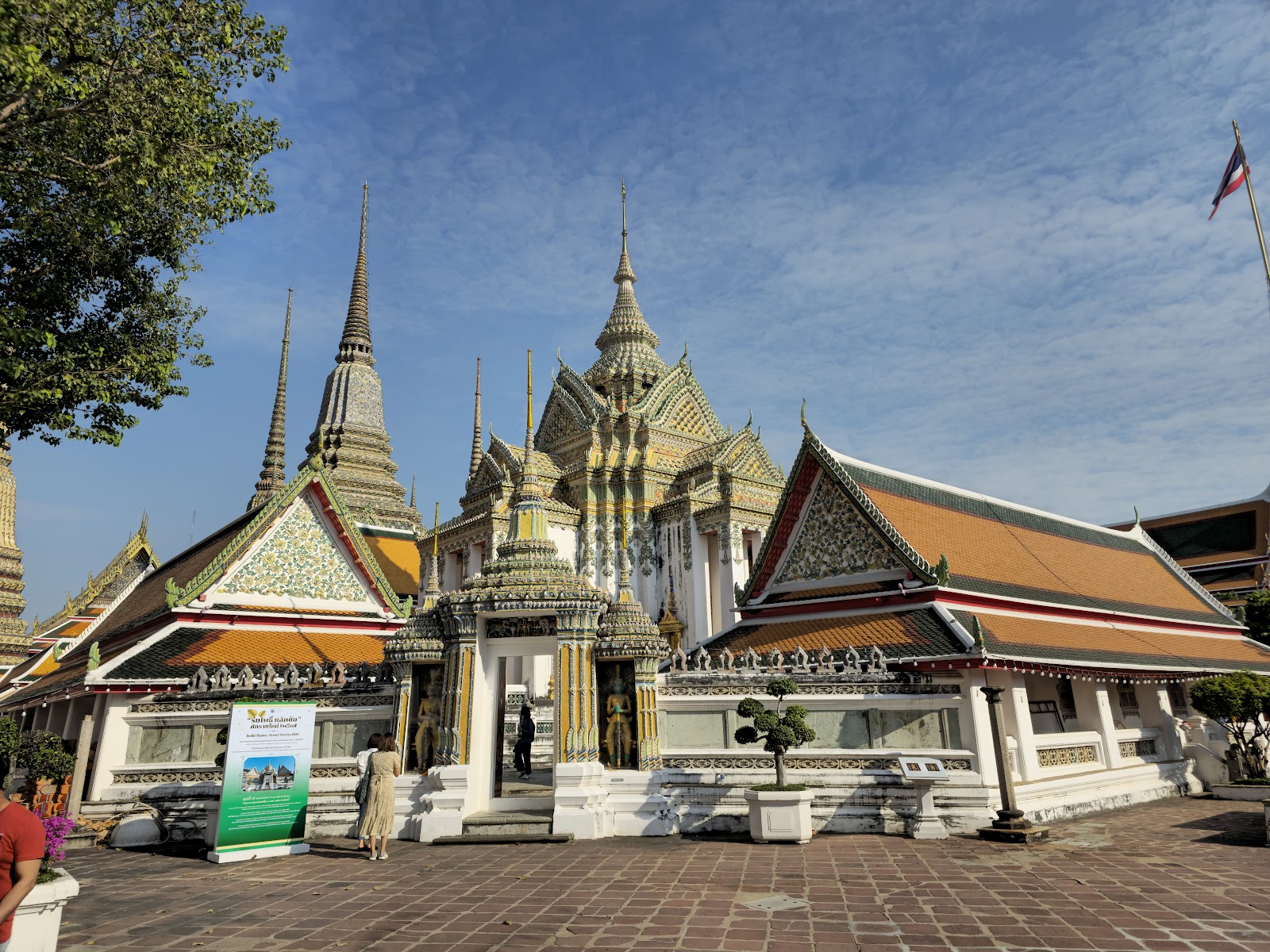
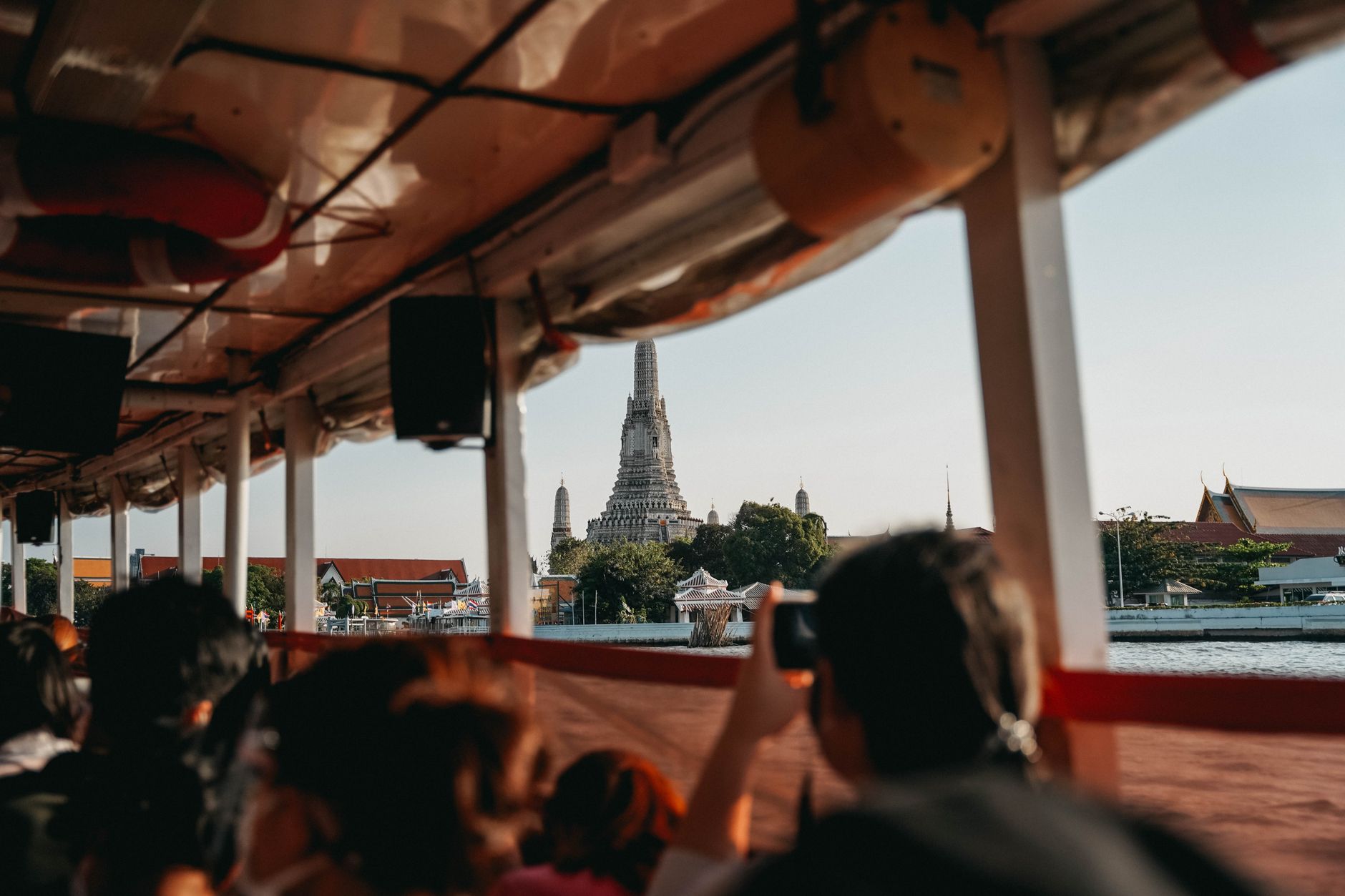
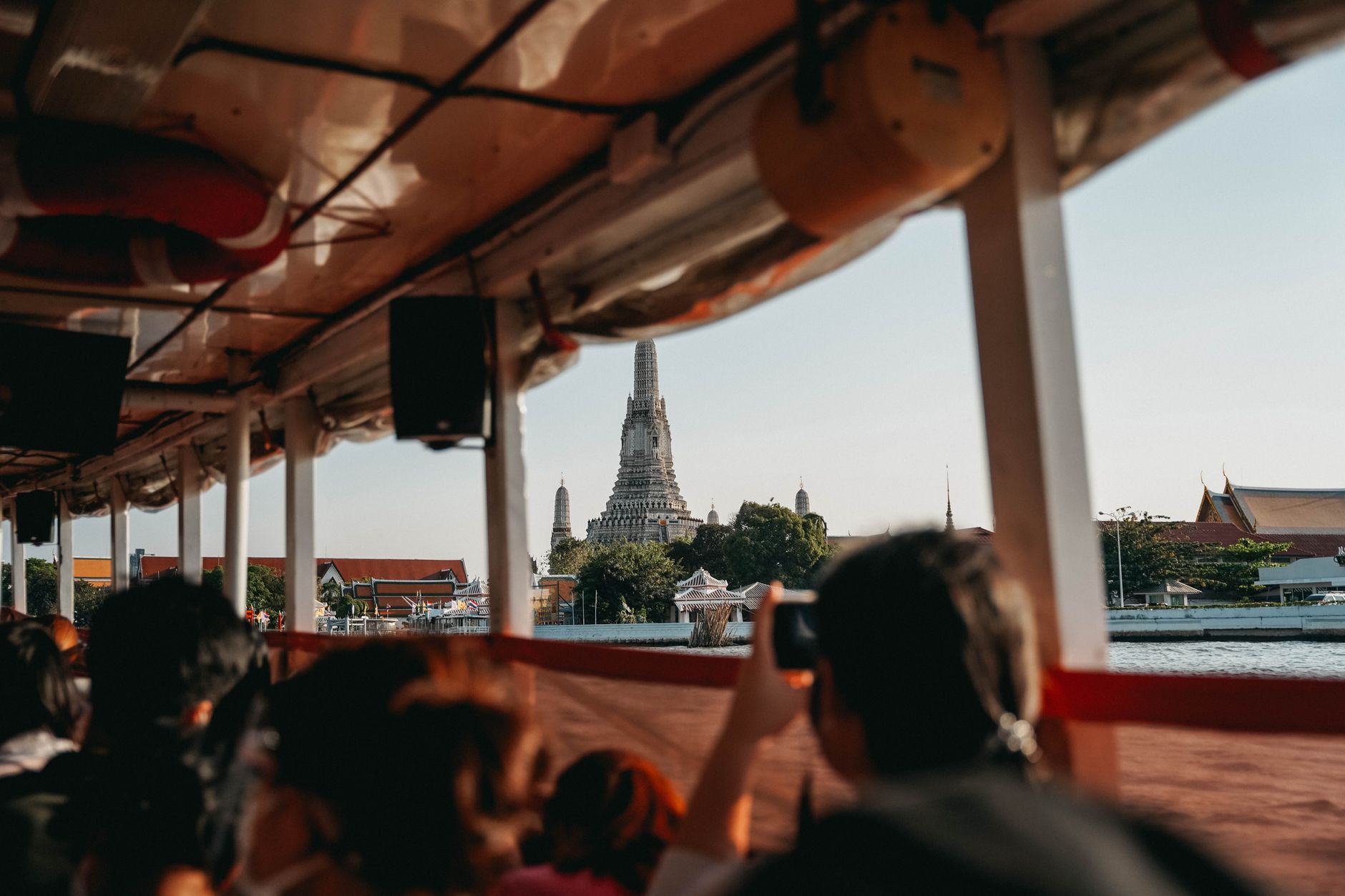
Bangkok announces itself through the Chao Phraya River long before you've oriented yourself on a map. Ferries cut across the brown water past temple spires and container barges, and the scale of the city — one of Southeast Asia's largest — becomes legible from the deck in a way it never quite does from a taxi. The Grand Palace, Wat Pho's 46-metre reclining Buddha, and Wat Arun's mosaic-covered spire all sit within a short walk of each other on the river's east bank, roughly where the city was formally founded in 1782.
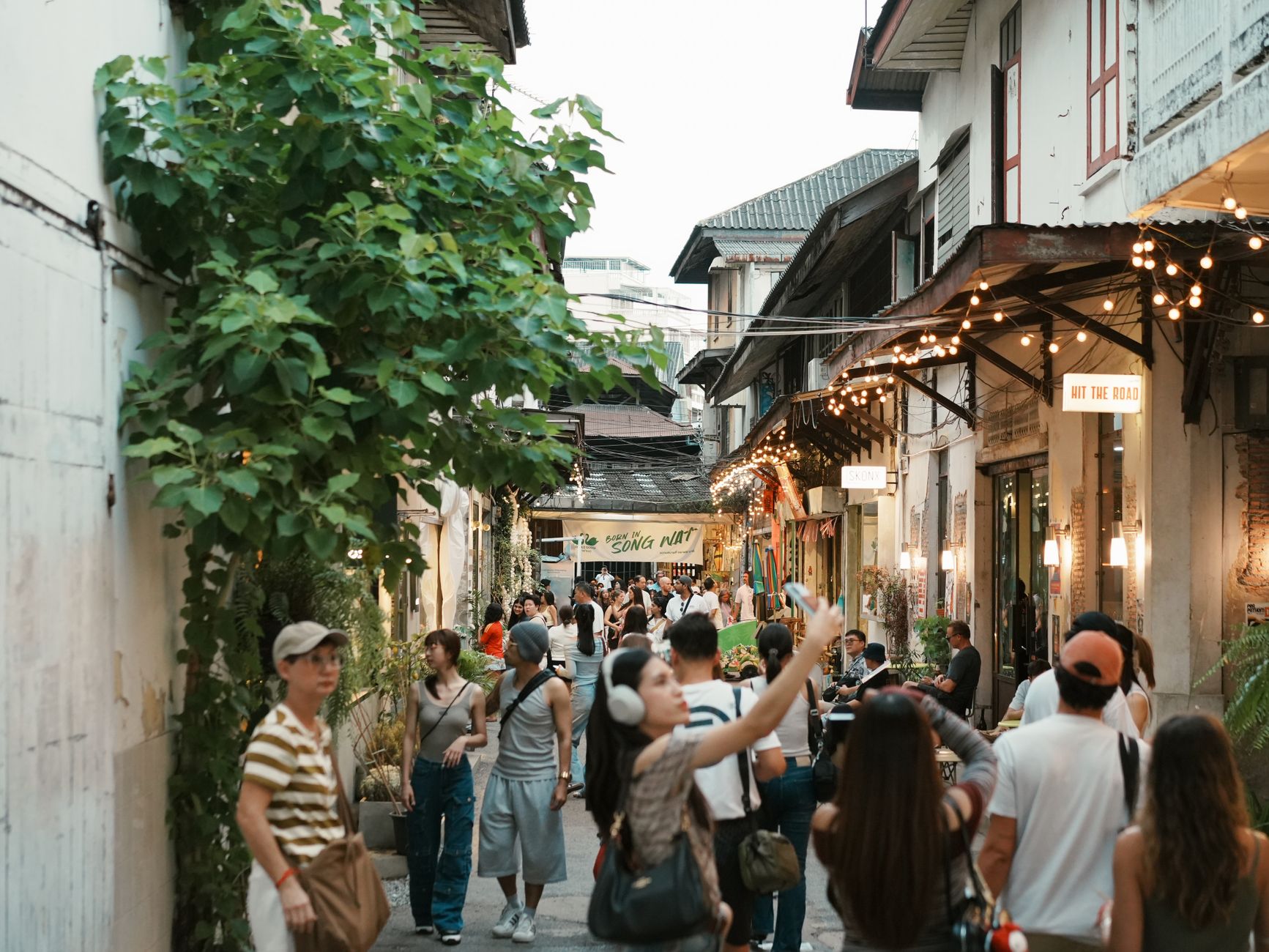
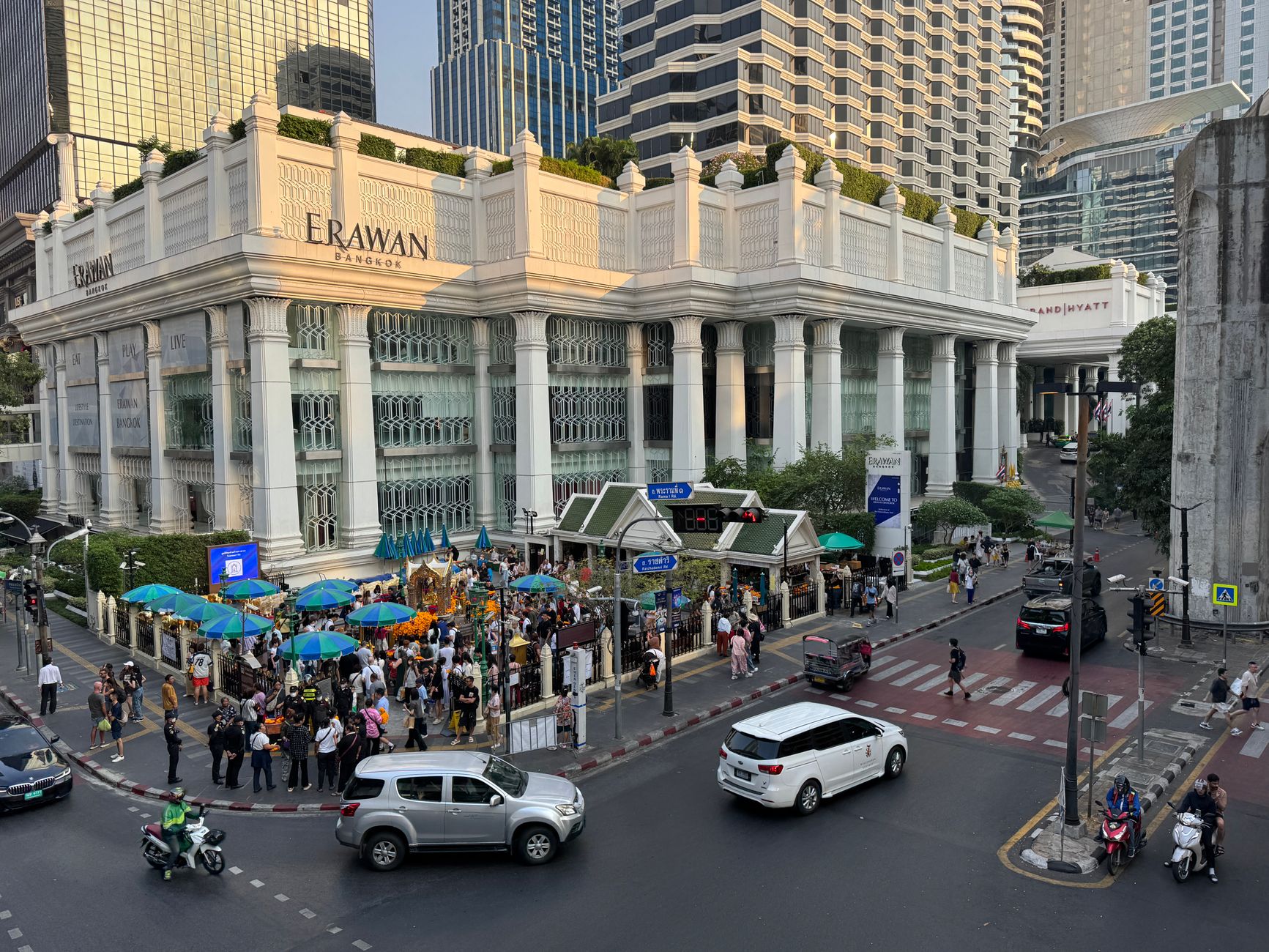
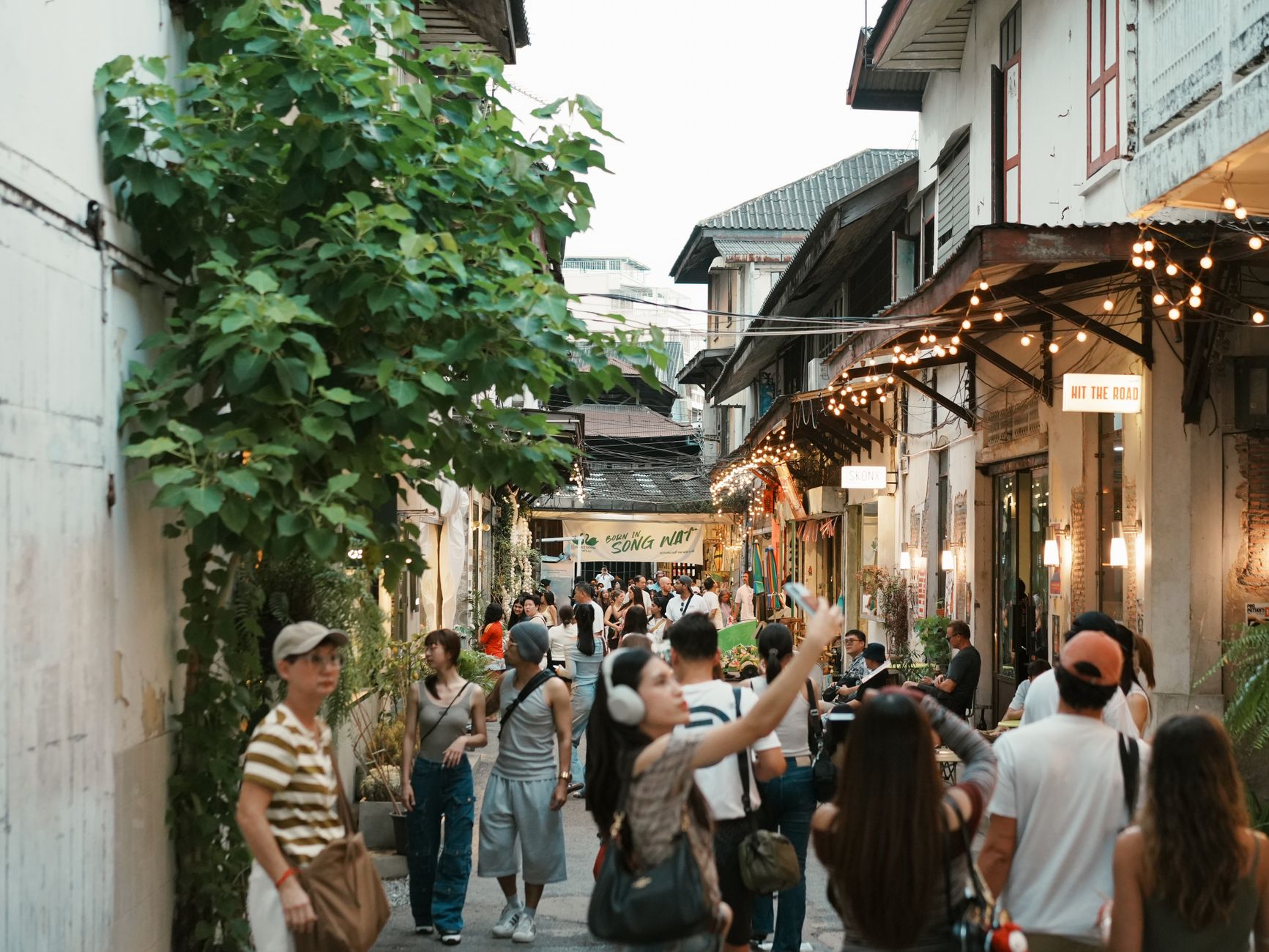
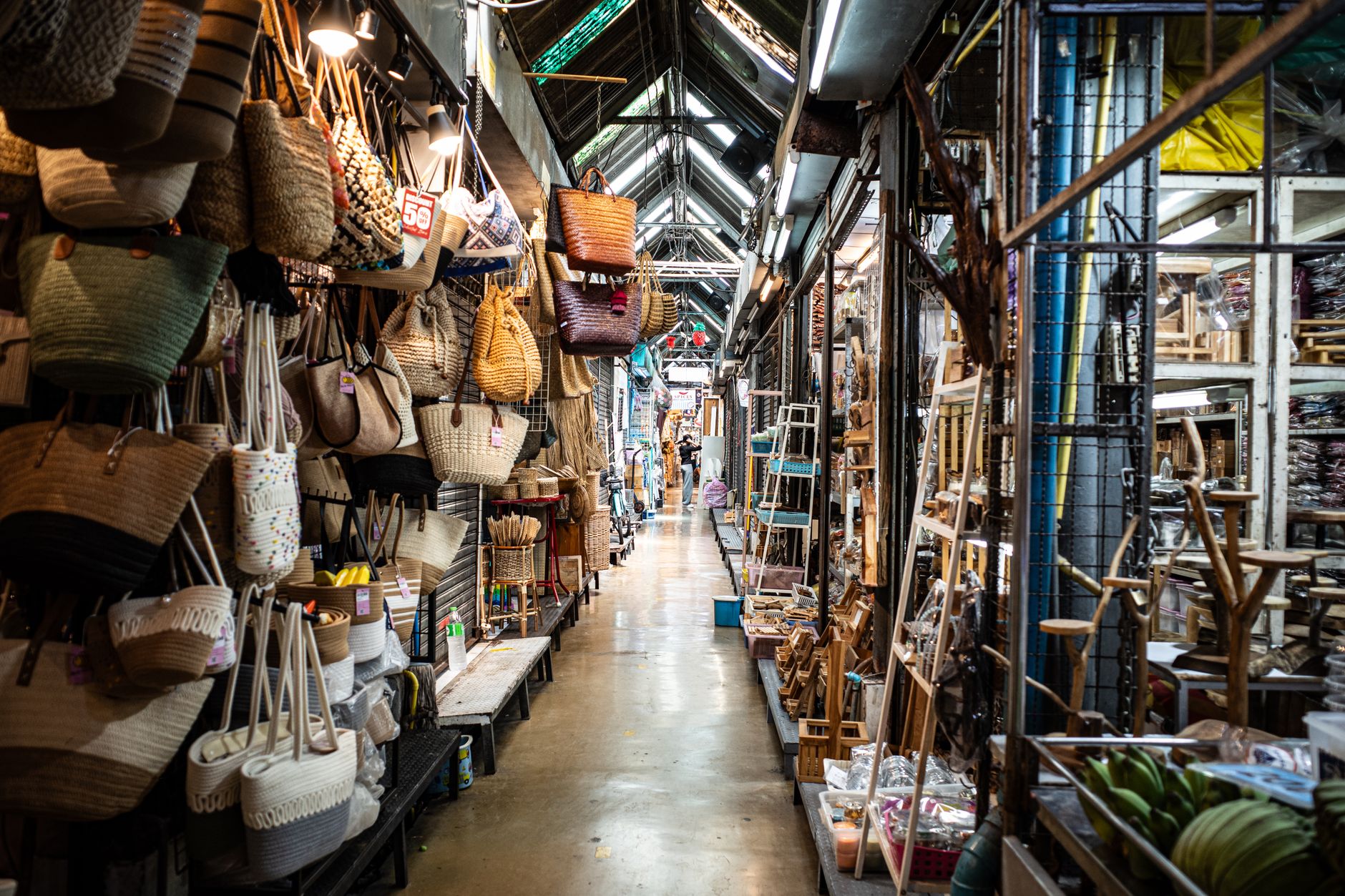
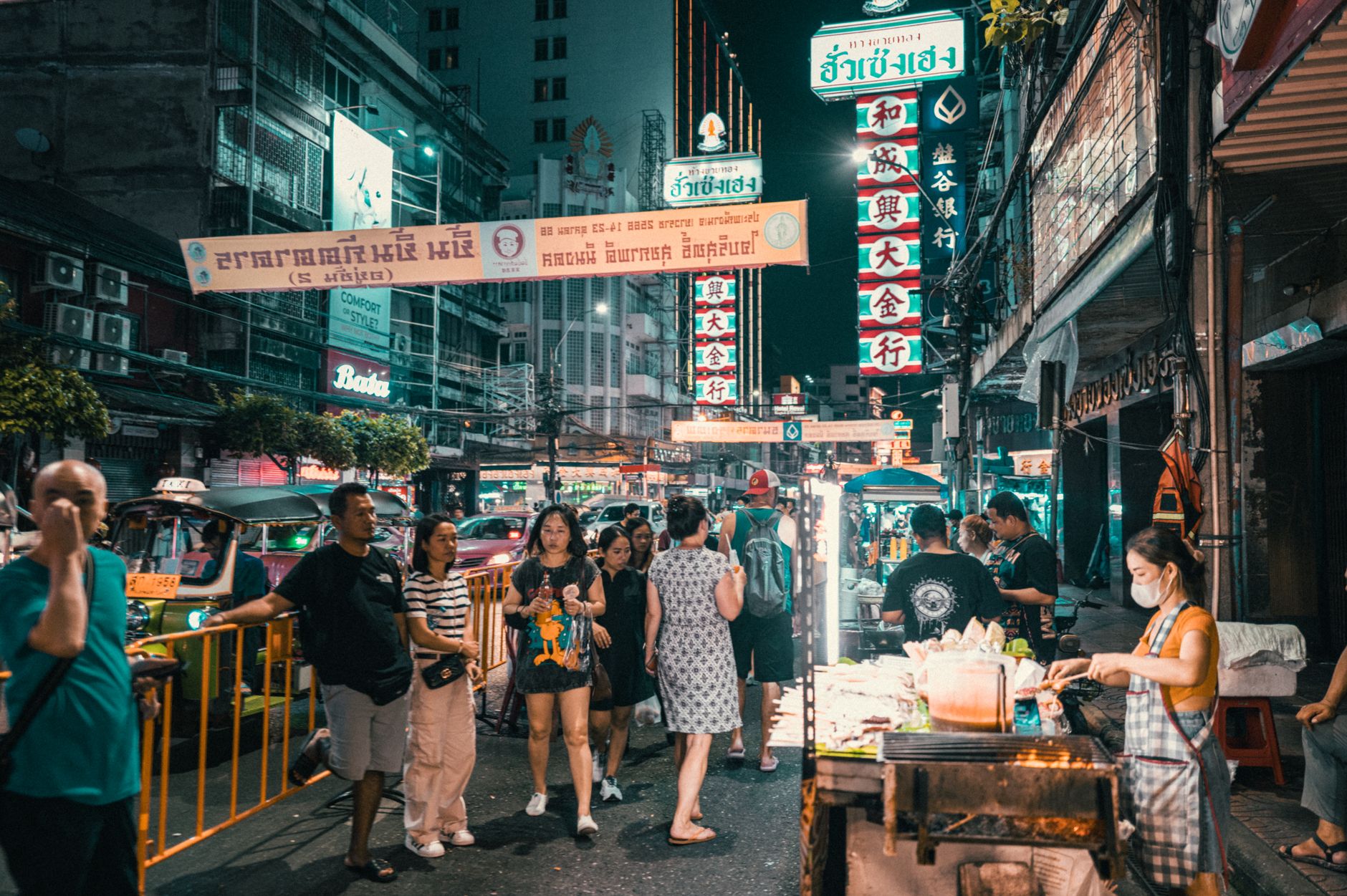
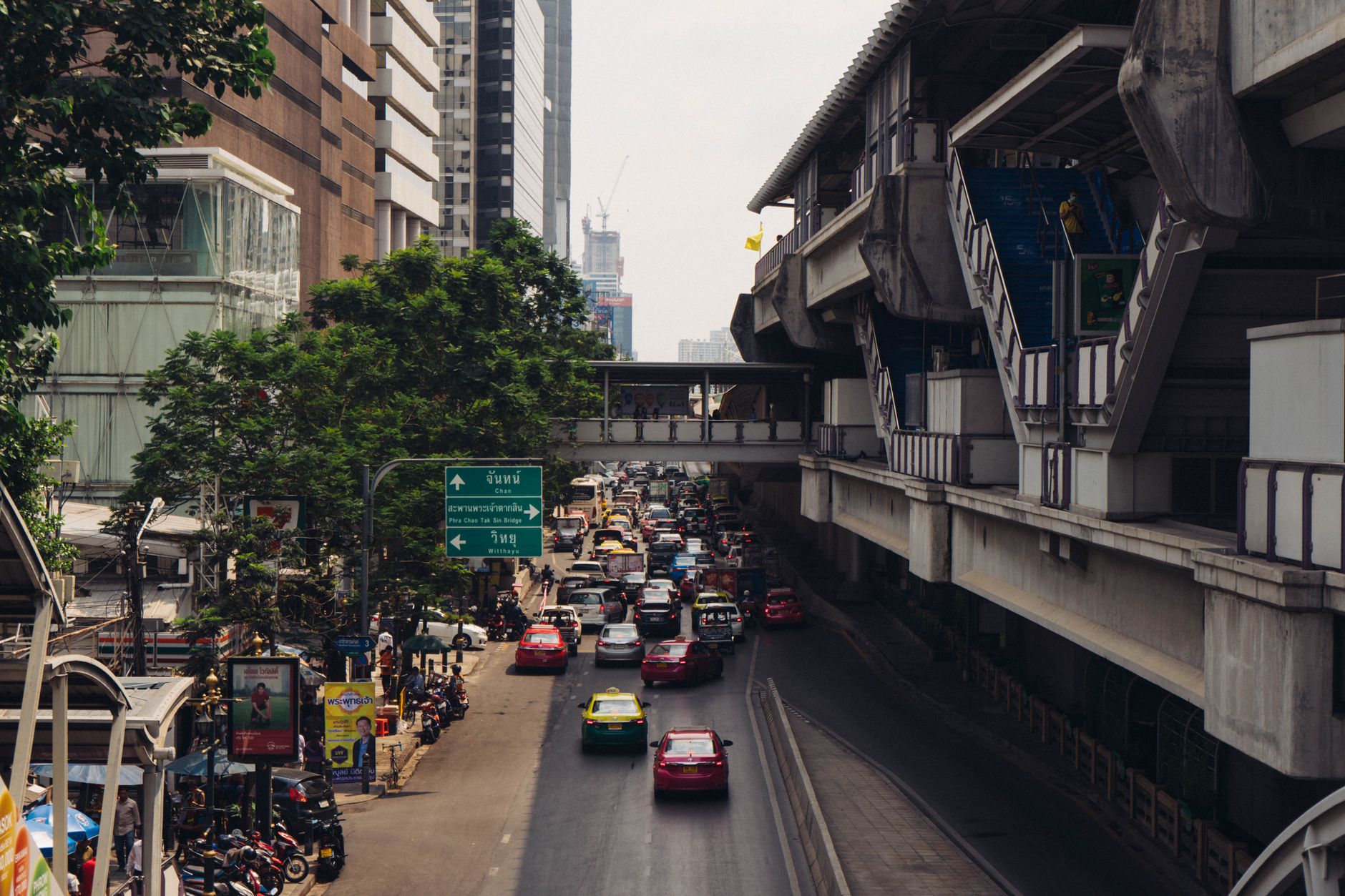
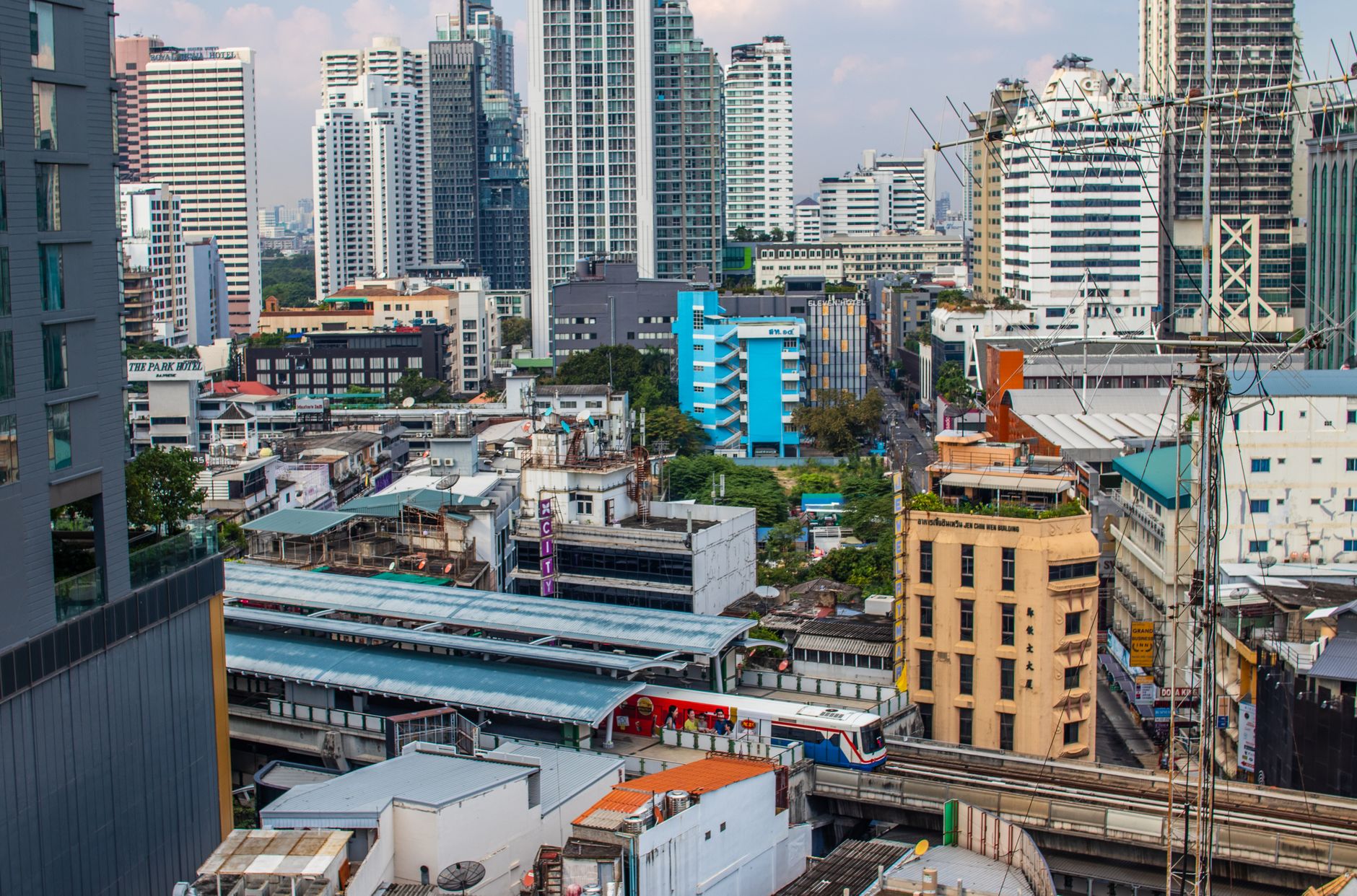
Beyond those landmarks, Bangkok rewards the kind of travel that has no fixed itinerary — a morning market, an afternoon in an air-conditioned gallery, an evening on a rooftop watching the MahaNakhon Tower's pixelated facade catch the last light. The BTS Skytrain and MRT metro cover a surprising amount of ground between them, though the river boats often move faster.
Popular cities in Bangkok
💛 What travellers fall for
People who keep coming back to Bangkok tend to figure out the transit early. The BTS and MRT don't share tickets, so buy a stored-value card for each. Regulars also swear by the Chao Phraya Express boats — hop on at Tha Tien pier after the Grand Palace and you're on the water inside two minutes, which beats any taxi at midday.
How Bangkok came to be
The site that became Bangkok was already a trading settlement under the Ayutthaya kingdom by the early 15th century, its position near the mouth of the Chao Phraya making it strategically useful. After Ayutthaya fell, King Taksin established a new capital at Thonburi on the river's west bank. His successor, General Chao Phraya Chakkri — who took the throne as Rama I, founder of the Chakkri dynasty — moved the court across the river to the east bank in 1782. The formal date of the city's establishment is 21 April of that year, when the city pillar was erected.
The city's Thai name, Krung Thep Maha Nakhon, dates from that same founding. What the world calls Bangkok derives from Bang Ko, meaning 'island village'. The transformation into a modern capital accelerated under Rama V, King Chulalongkorn, whose reign from 1868 to 1910 brought sweeping public works — including the Ananta Samakhom Throne Hall, completed in 1915 to a Renaissance Revival design by Italian architect Mario Tamagno.
Who and what shaped it
People who shaped it
Landmark buildings
See Bangkok in motion
Plan your visit
On the map
When to go
Bangkok is hot year-round, with the dry season running November to April and the monsoon arriving roughly mid-May through October. November to February offers the most temperate conditions; April, just before the rains, is the hottest and most humid stretch of the year.
Right now
↡ Attractions




↡ Cities
No places match these filters.
Background & history adapted from Wikipedia (CC BY-SA) · specs from Wikidata (CC0) · weather from Open-Meteo · map data © OpenStreetMap contributors · photos from Wikimedia Commons / Unsplash with per-image credit. No third-party reviews or social posts reproduced.