
Chitwan National Park
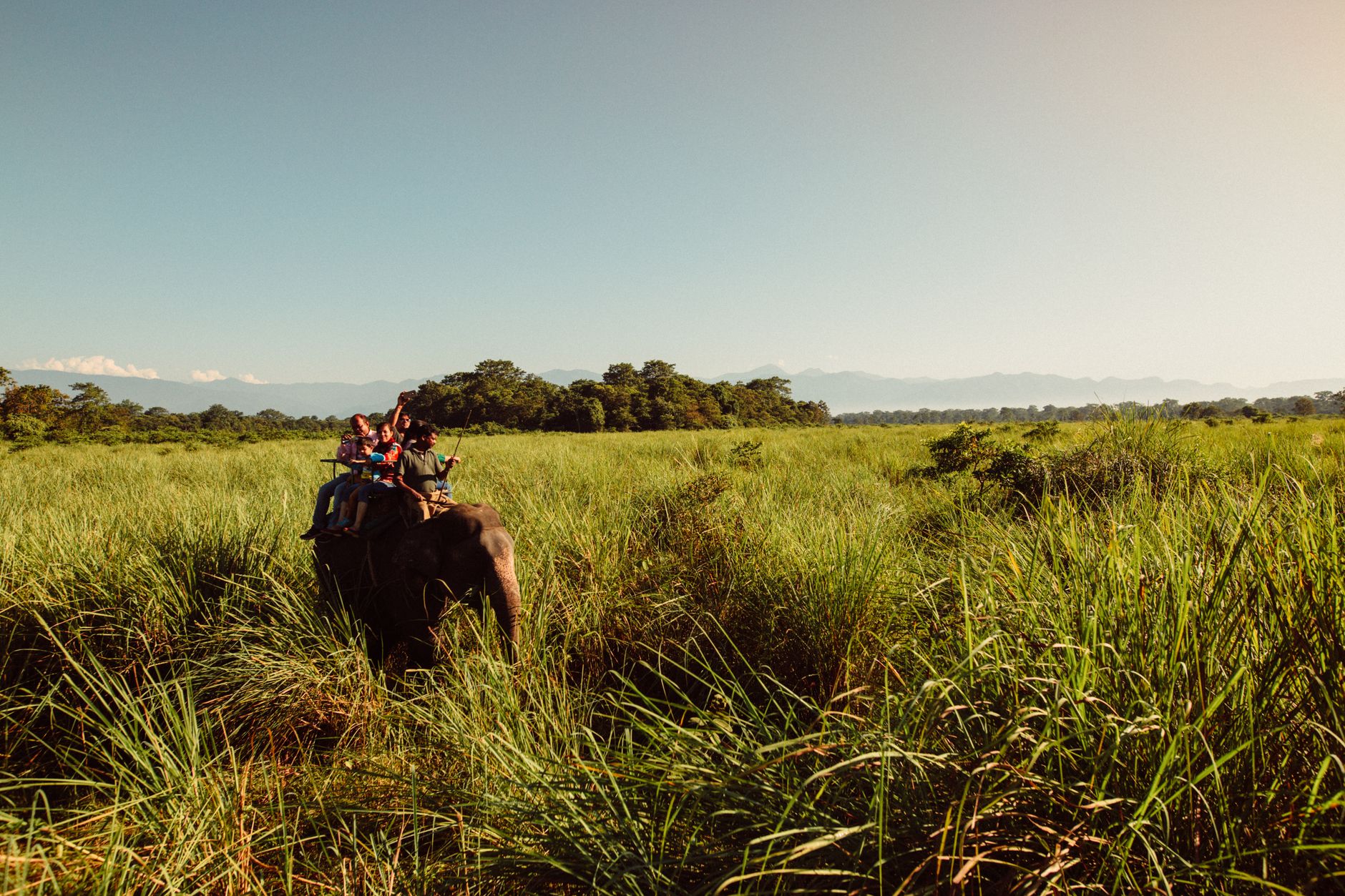
The name Chitwan translates roughly as 'heart of jungle,' and the phrase earns its keep. Sal trees cover around seventy percent of the park, their canopy thick and close on well-drained ground, and beneath them the East Rapti River moves slowly enough that mugger crocodiles haul themselves onto the banks to dry out in the morning light. This is Nepal's first national park — 932 square kilometres of lowland Terai — and it operates at a pace that has nothing to do with altitude or exertion.
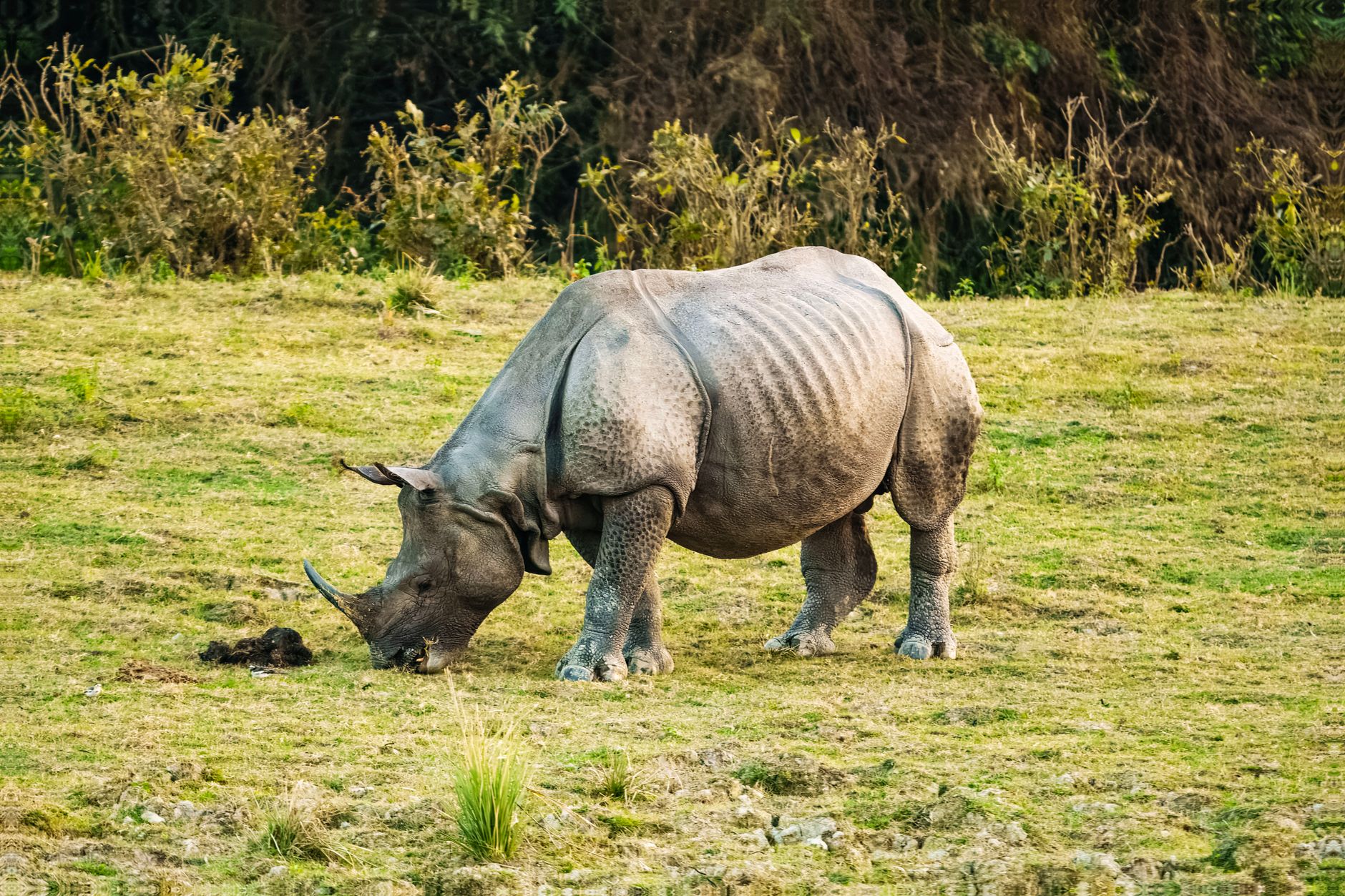
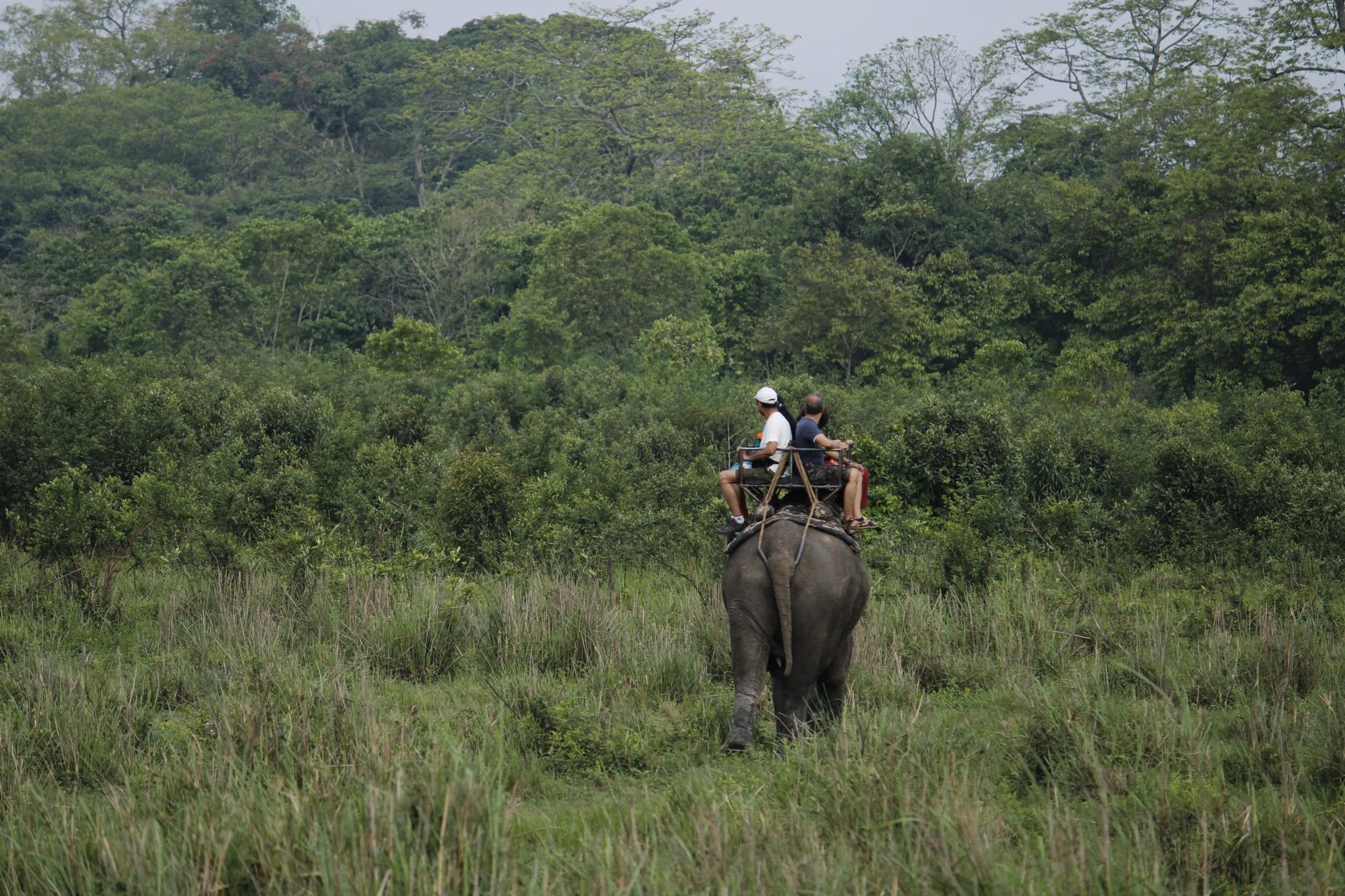
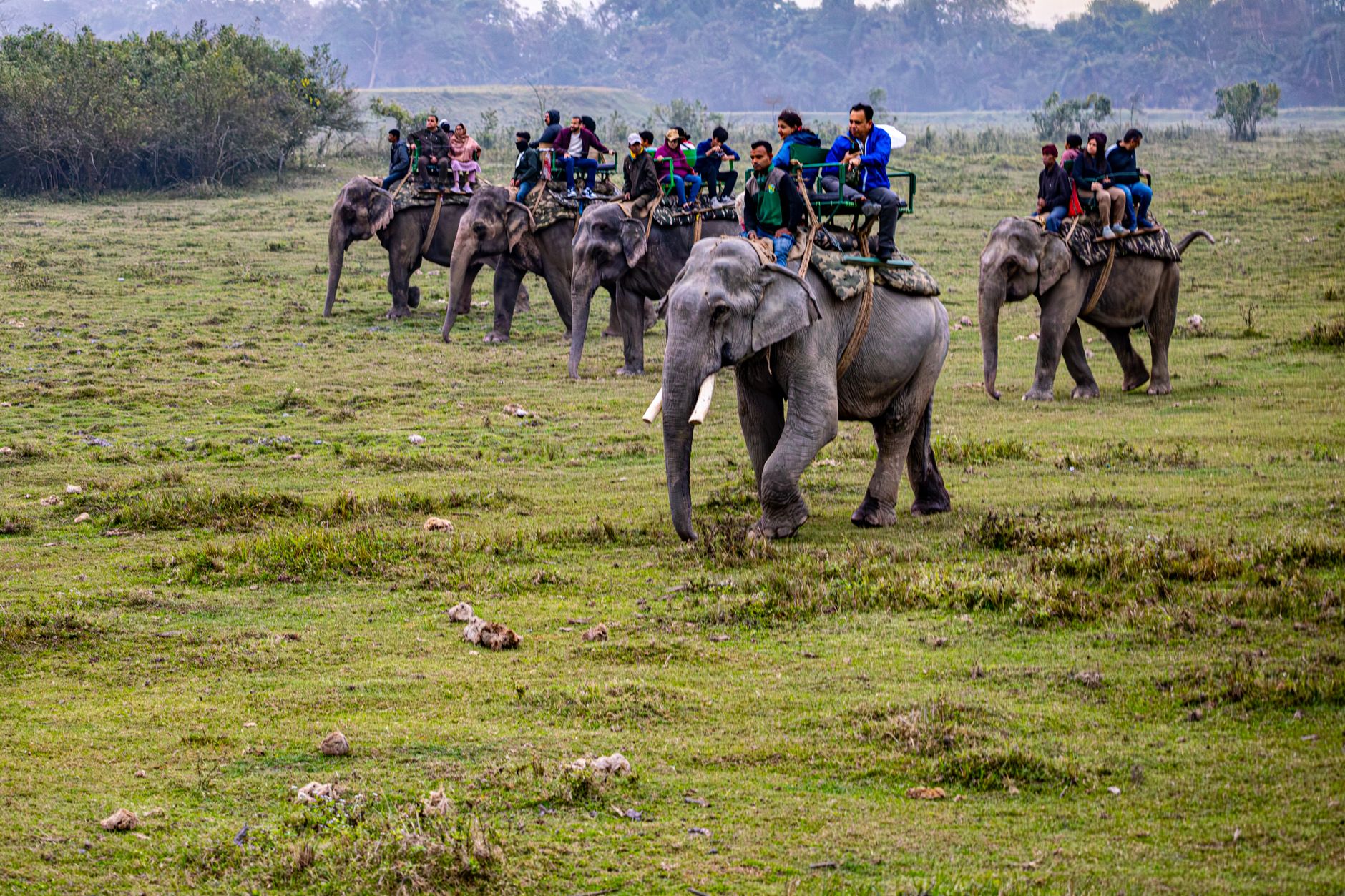
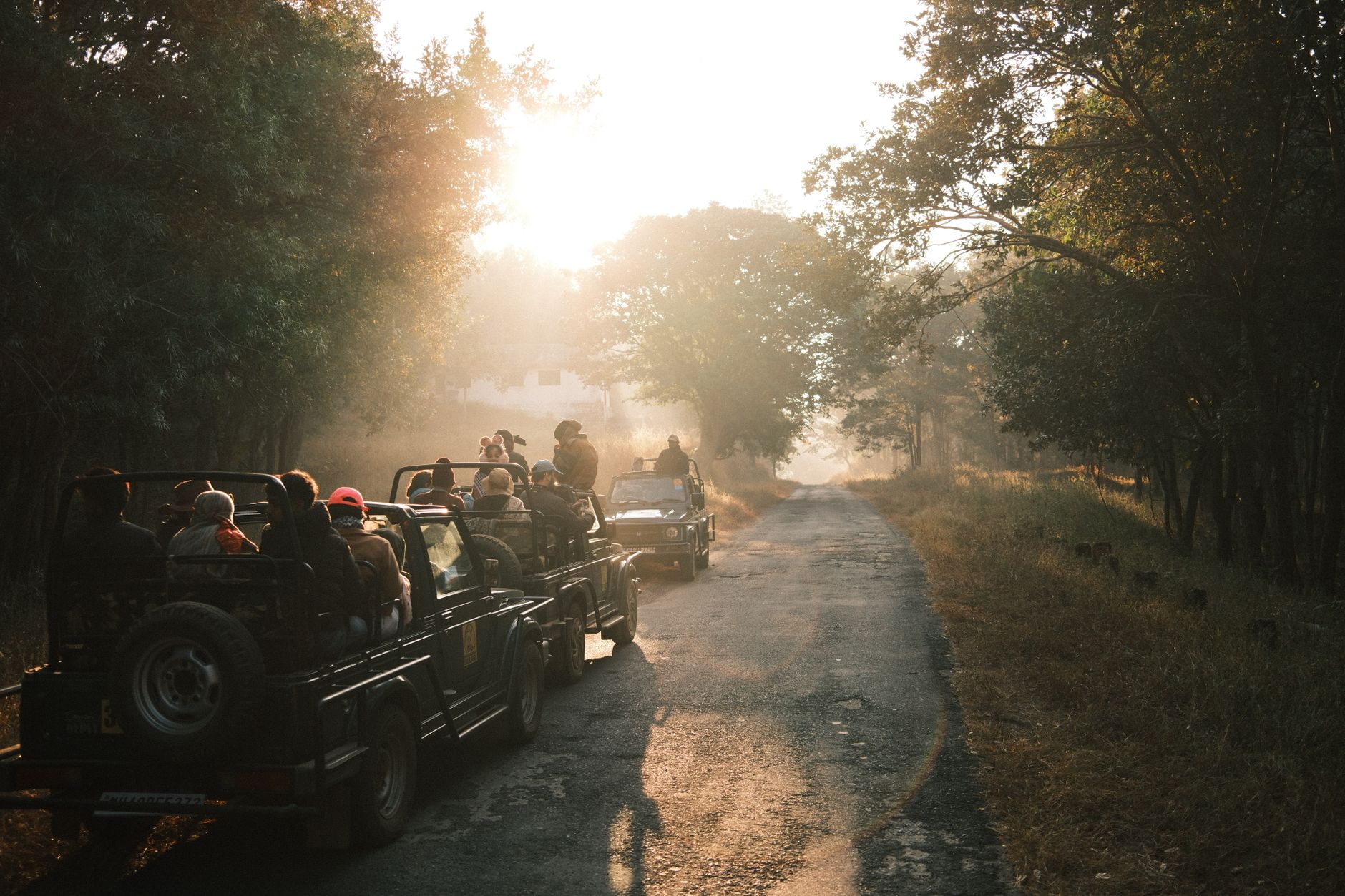
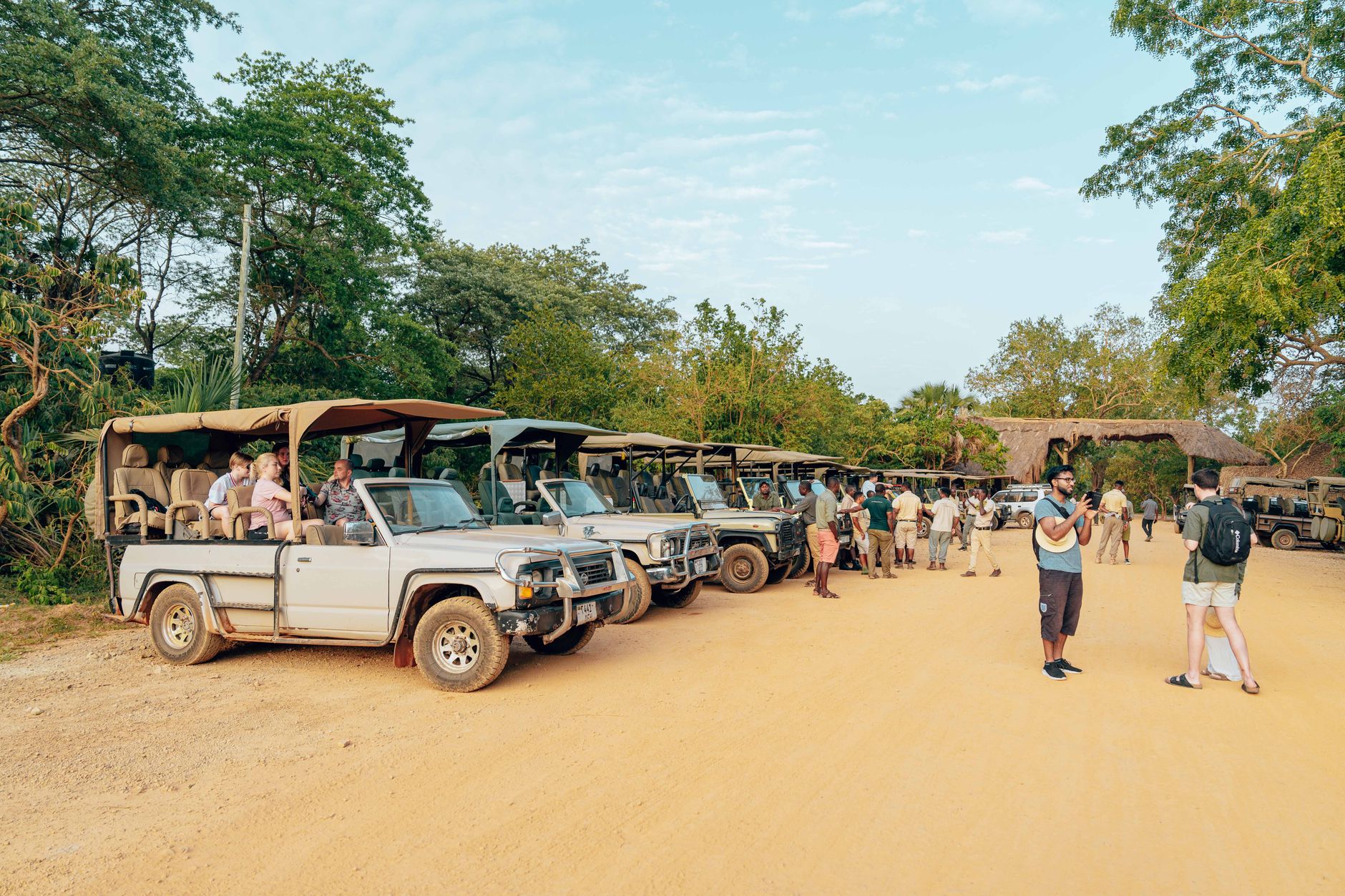
Jeep safaris and canoe trips on the Rapti are the ways most people move through the park now, and they work. In late January, local villagers are permitted to cut thatch grasses from the floodplain, which opens up sight lines that the rest of the year the vegetation keeps closed. Rhinos, gharial, leopards, sloth bears, and Bengal tigers all live here — not as rumour, but as daily fact.
💛 What travellers fall for
People who come back tend to stay in Megauli rather than Sauraha on a second trip — quieter, fewer guesthouses, and the western reaches of the park feel less trafficked. The Gharial Breeding Centre near Kasara is worth the short walk from park headquarters; most visitors skip it and miss something genuinely strange and worth seeing.
How Chitwan National Park came to be
By the late 1960s, roughly seventy percent of Chitwan's jungle had been cleared following the eradication of malaria, and settlers had moved in fast. The rhino population had fallen to around ninety-five animals. King Mahendra approved the establishment of a protected area in December 1970; borders were drawn in 1971, and the park was formally gazetted in 1973 as Nepal's first national park. UNESCO added it to the World Heritage list in 1984.
The park's creation came at a cost that rarely appears in the official account. The Tharu people, who had lived in and around Chitwan for generations, were displaced from their traditional lands when the boundaries were drawn, denied land ownership rights, and pushed into economic hardship. The Khorsor Elephant Breeding Centre opened in 1985, a vulture breeding centre followed in 2008, and a Gharial and Turtle Conservation Breeding Centre operates near the park headquarters at Kasara — each one a response to pressures the park itself didn't fully prevent.
Who and what shaped it
People who shaped it
Landmark buildings
See Chitwan National Park in motion
Plan your visit
On the map
When to go
October through March is the clearest window — dry, with daytime temperatures between 20°C and 25°C, though January nights can drop close to zero. Avoid the monsoon months of June through September: rivers flood, roads become impassable, leeches are abundant, and wildlife retreats into cover that makes sightings rare.
Right now
Background & history adapted from Wikipedia (CC BY-SA) · specs from Wikidata (CC0) · weather from Open-Meteo · map data © OpenStreetMap contributors · photos from Wikimedia Commons / Unsplash with per-image credit. No third-party reviews or social posts reproduced.