
Region

Bhaktapur

Bhaktapur
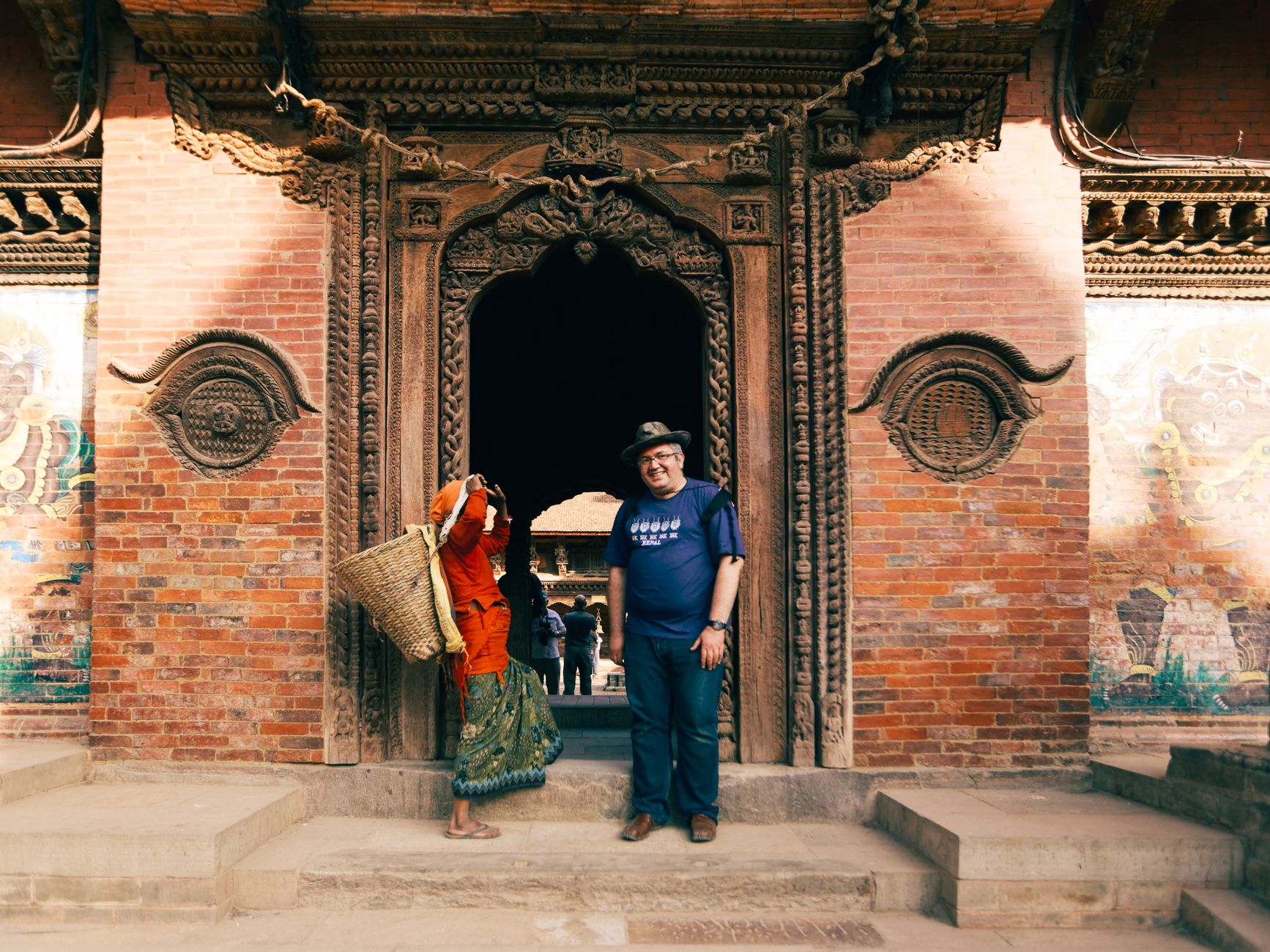
Photo by Mehmet Turgut Kirkgoz on Pexels
Bhaktapur
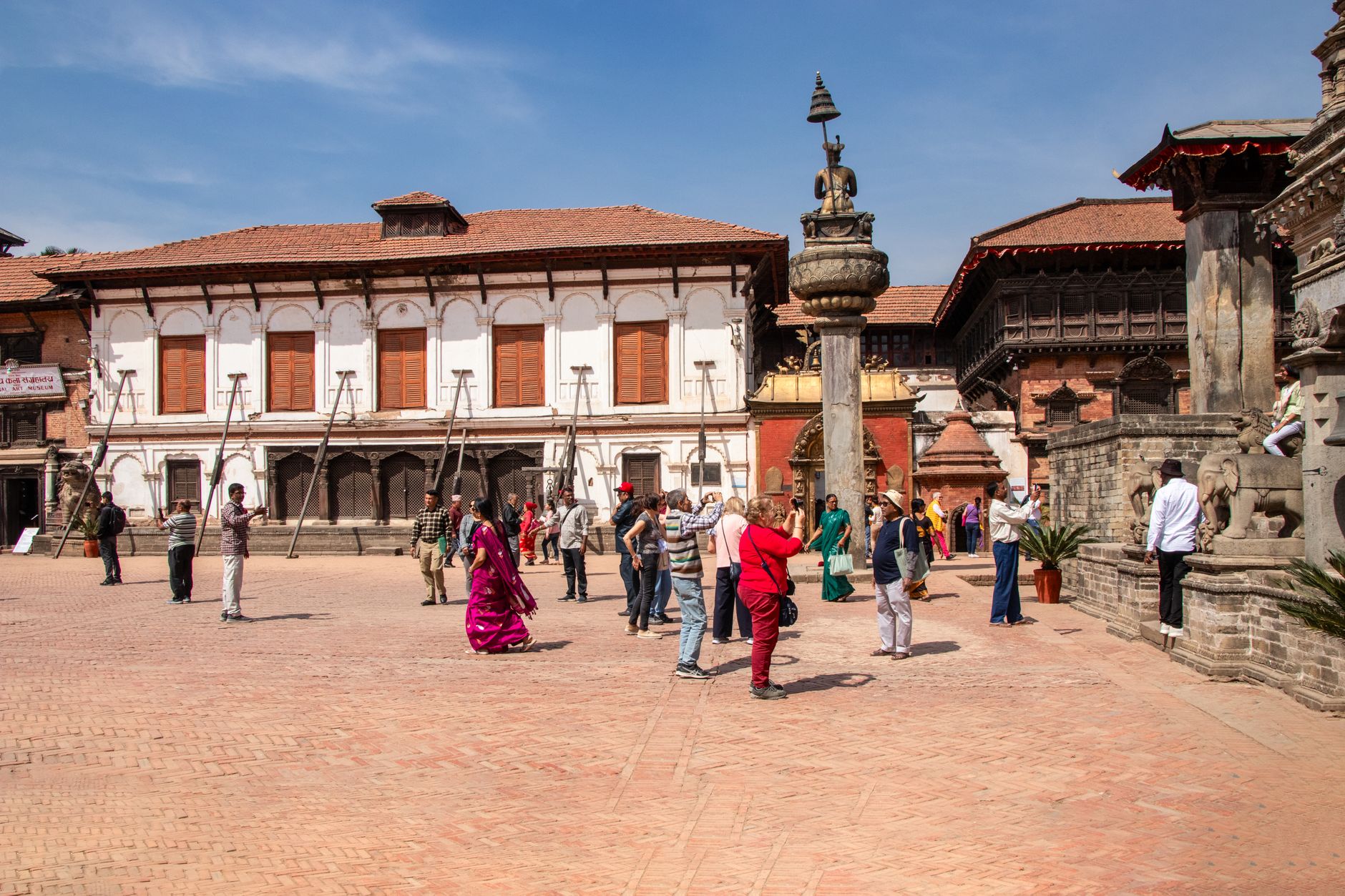
Photo by Chandi Saha on Pexels
Bhaktapur
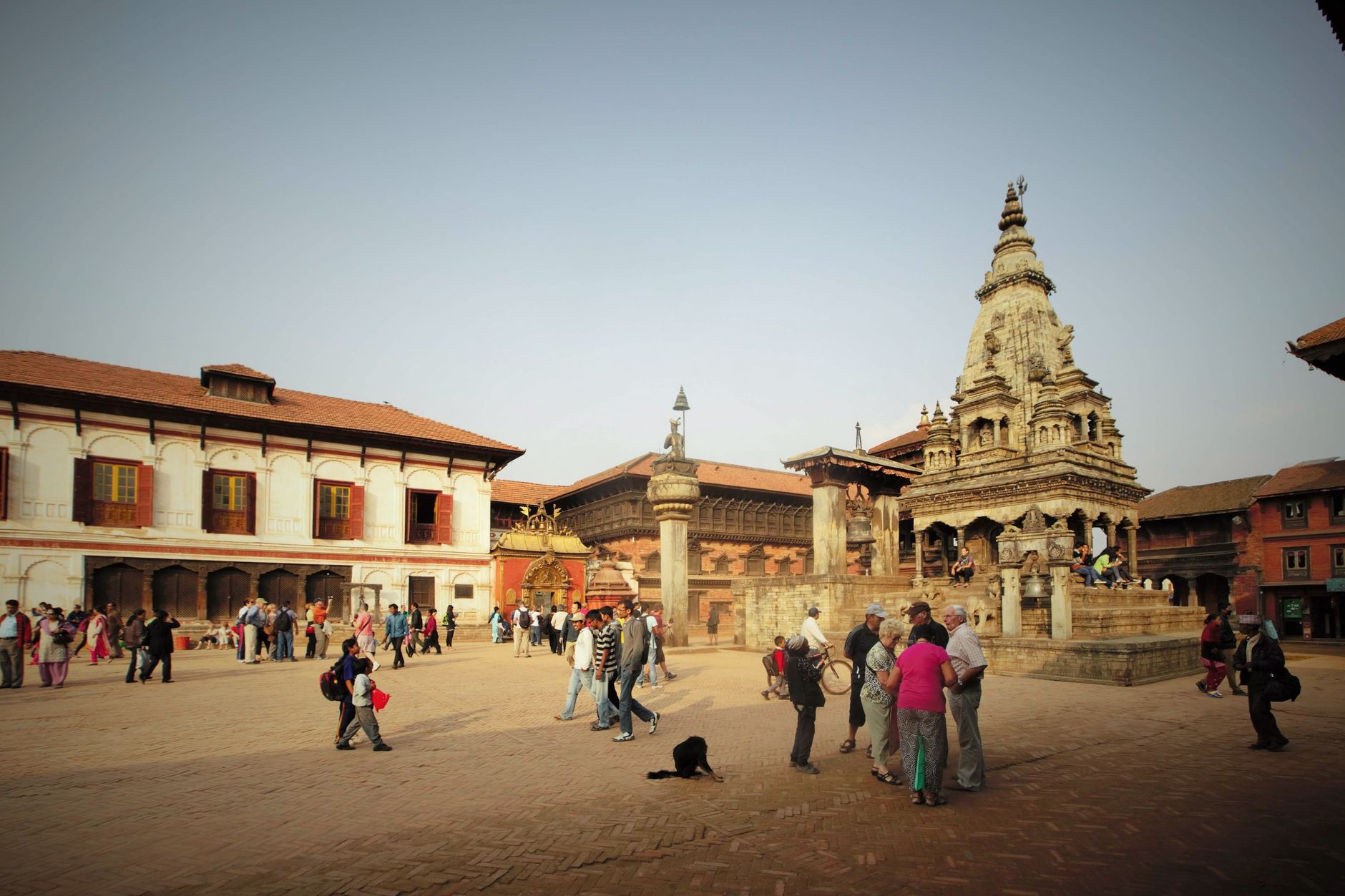
Photo by Mehmet Turgut Kirkgoz on Pexels
Bhaktapur
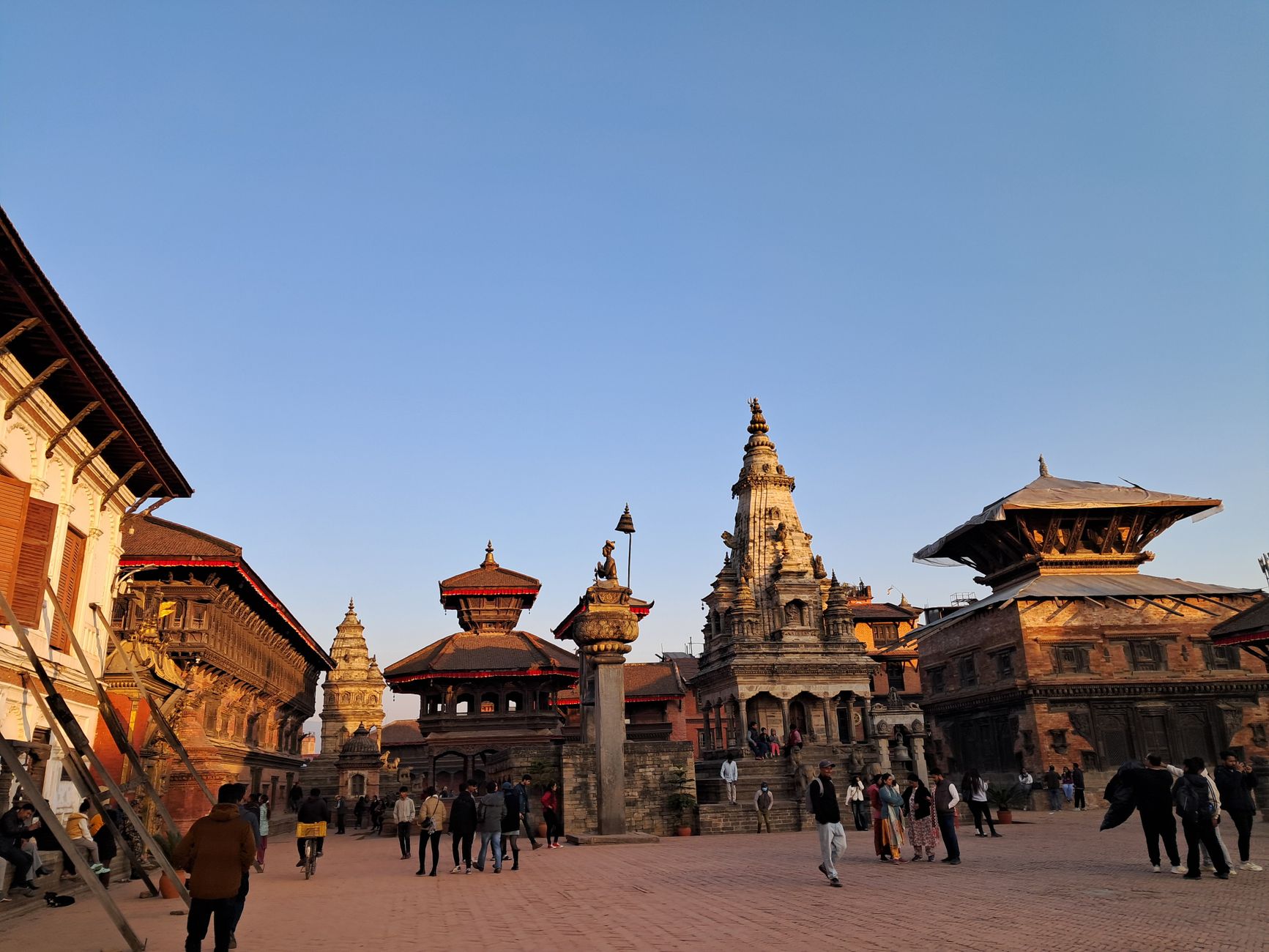
Photo by Krishna Bhattacharya on Pexels
Bhaktapur
Photo by Mehmet Turgut Kirkgoz on Pexels
Bhaktapur
Photo by Mehmet Turgut Kirkgoz on Pexels
City break Culture & history

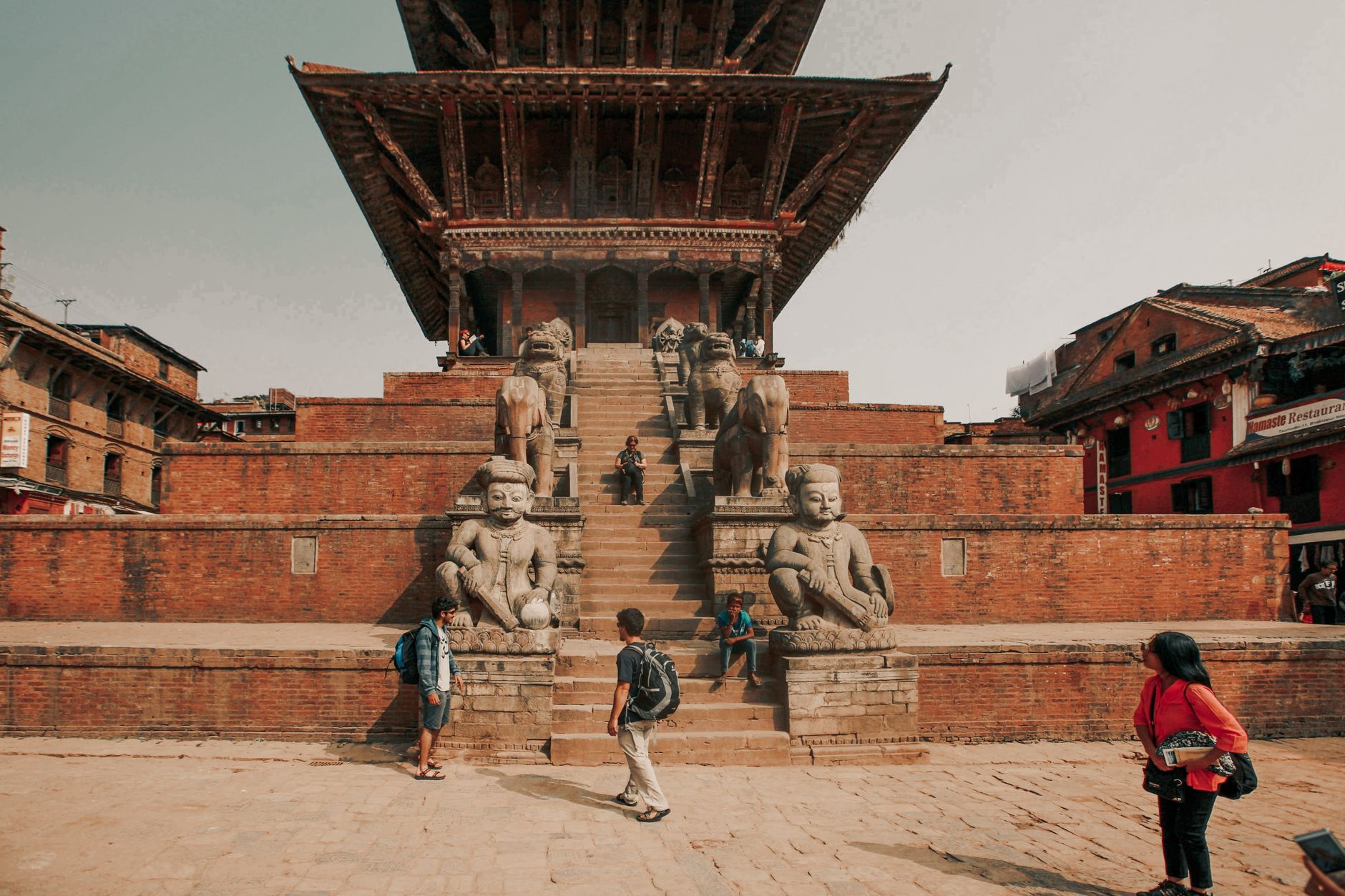
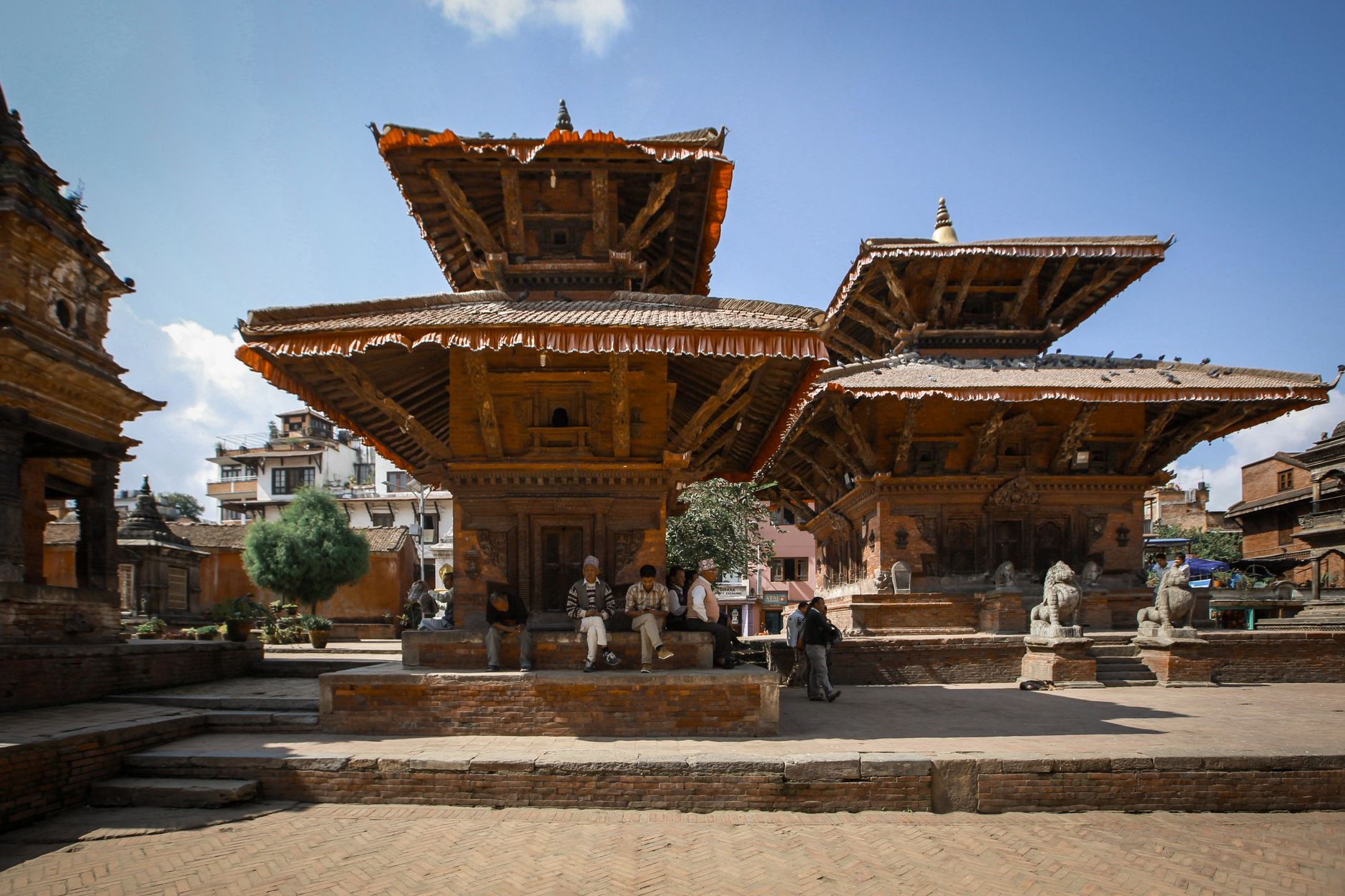
Bhaktapur earns its place on the map with a single square of medieval architecture that has outlasted kingdoms, earthquakes and centuries of Himalayan weather. The five-tiered Nyatapola Temple rises above Taumadhi Square with a composure that makes the chaos of the valley feel distant — its pagoda silhouette still the tallest of its kind in Nepal.

The city sits about 13 kilometres east of Kathmandu, but it runs at a different pace entirely. Potters work the wheel on Pottery Square, wood-carvers keep the same joinery traditions alive that shaped the 55-window palace, and the entry fee — paid at the gate — quietly limits the foot traffic that has softened other valley towns.

💛 What travellers fall for

People who come back tend to time their return around a festival — Bisket Jatra in April pulls the city into a week of chariot processions and street ritual that changes the geometry of every square. They also learn early to carry the day-ticket and ask for the passport extension: a week costs nothing extra and earns you the slow mornings.

Good to know
Foreigners pay 1,800 NPR at the entrance to the heritage area; show your passport for a free week-long extension if you're staying on. October through December gives clear skies and manageable temperatures. The city is walkable — most major squares connect on foot within twenty minutes.
The story

How Bhaktapur came to be

The city's founding is disputed in the sources: one tradition credits Raja Ananda Deva, who ruled from 1146 to 1167, with establishing a royal court called Tripura Rājkula here and declaring it capital of Nepal Mandala. When King Yaksha Malla died in 1482, his sons divided the valley into four kingdoms — Bhaktapur, Kantipur, Patan and Banepa — and Bhaktapur entered its most architecturally fertile period.

The reign of King Bhupatindra Malla, who ruled for 26 years from 1674, produced the Palace of 55 Windows and the Nyatapola Temple, completed in 1702. The Malla dynasty ended in 1769 when Prithvi Narayan Shah's Gorkha campaign defeated the last Malla king, Ranjit Malla. Earthquakes in 1934 and 2015 took a heavy toll on Durbar Square, though Nyatapola — remarkably — survived the 1934 event intact.

People & landmarks

Who and what shaped it

People who shaped it

King Ananda Deva
Ruled 1146–1167; credited with establishing Bhaktapur and founding the royal court Tripura Rājkula.
King Bhupatindra Malla
Ruled 26 years from 1674; commissioned the Palace of 55 Windows and Nyatapola Temple during his reign.
King Yaksha Malla
His death in 1482 led to the division of Nepal Mandala into four kingdoms, including Bhaktapur.
King Ranjit Malla
Last Malla ruler of Bhaktapur; defeated and overthrown by Prithvi Narayan Shah in 1769.

Landmark buildings

Nyatapola Temple
Five-story pagoda temple built 1702 by King Bhupatindra Malla; tallest of its kind in Nepal and survived the 1934 earthquake.
Palace of 55 Windows
Three-story palace built in the 17th century under King Bhupatindra Malla; named for its 55 intricately carved windows.
Bhairavnath Temple
Three-story temple dedicated to Bhairav; two additional storeys added in 1717 by King Bhupatindra Malla.
Dattatreya Temple
Dedicated to the three-headed deity combining Brahma, Vishnu and Shiva; said to be built from a single tree trunk.
Golden Gate
Masterpiece in repoussé art established by King Yaksha Malla in the early 1400s.
Bhaktapur Durbar Square
Medieval open square with buildings from the 13th–18th centuries; heavily damaged by earthquakes in 1833, 1934 and 2015.
Siddhi Lakshmi Temple
Notable for guardian statues including figures with animals and mythical beasts; located in Durbar Square.
Lion Gate
17th-century structure with two large lion statues; built to protect the ancient city.
Taleju Bhawani Temple
Dedicated to Goddess Bhawani; built by the Malla Kings to ward off evil and stands in Durbar Square.
Siddha Pokhari
Built in the 15th century during the rule of King Yakshya Malla.
Peacock Window
Traditional window design from 1750; the most popular architectural window style from Bhaktapur.
Watch

See Bhaktapur in motion

Practical

Plan your visit

On the map

When to go

October to December is the clearest window: post-monsoon skies, cool air and good light for the carved courtyards and temple tiers. The monsoon (June to September) brings daily rain and lush green hills around the valley, but stone surfaces stay slick and some lanes flood.

Right now

22°C
Partly cloudy
Sat
⛈️
27°
21°
Sun
⛈️
26°
21°
Mon
⛈️
27°
20°
Tue
⛈️
28°
20°
Weather data: Open-Meteo

Background & history adapted from Wikipedia (CC BY-SA) · specs from Wikidata (CC0) · weather from Open-Meteo · map data © OpenStreetMap contributors · photos from Wikimedia Commons / Unsplash with per-image credit. No third-party reviews or social posts reproduced.

Top