
Lumbini
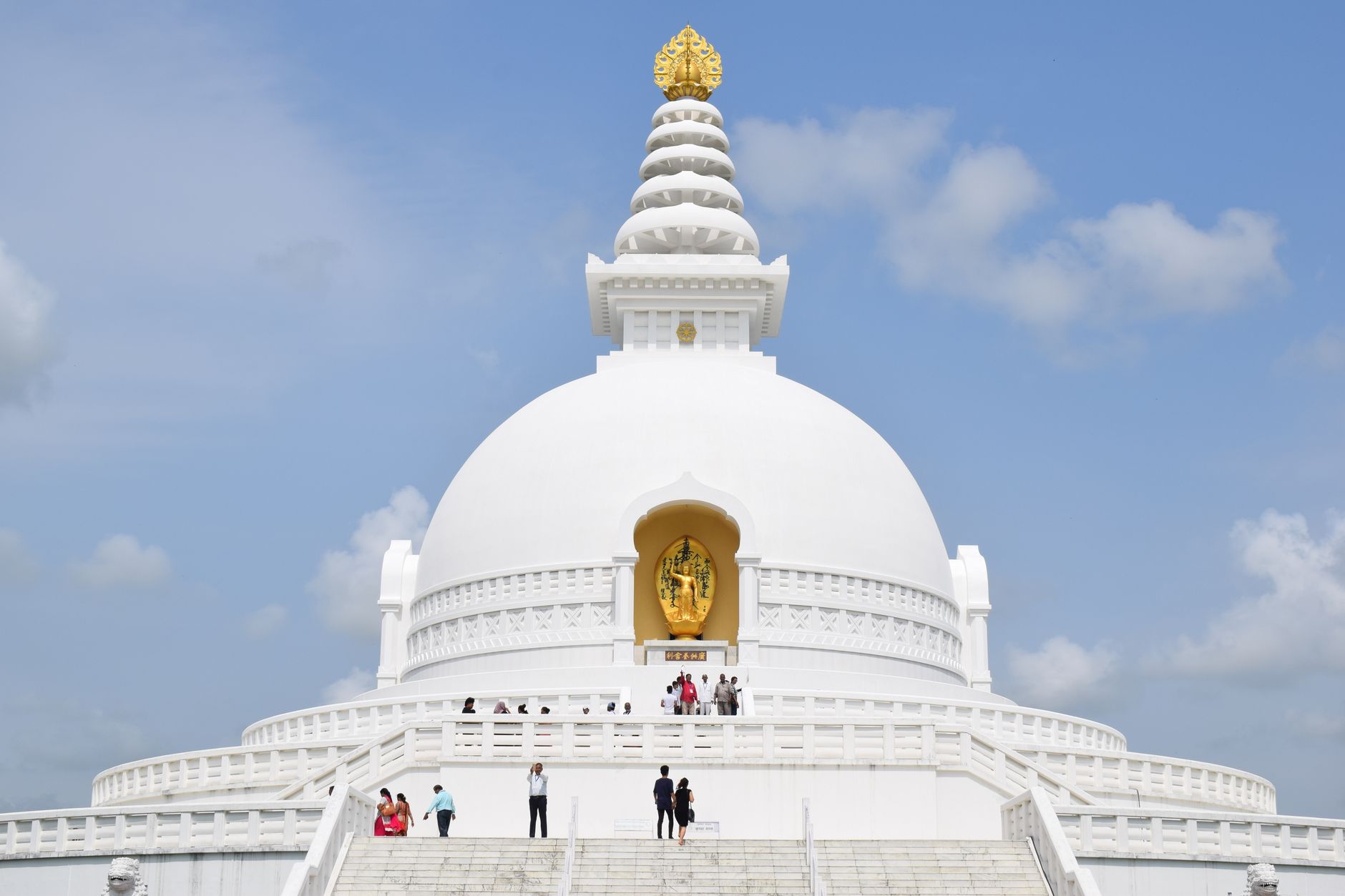
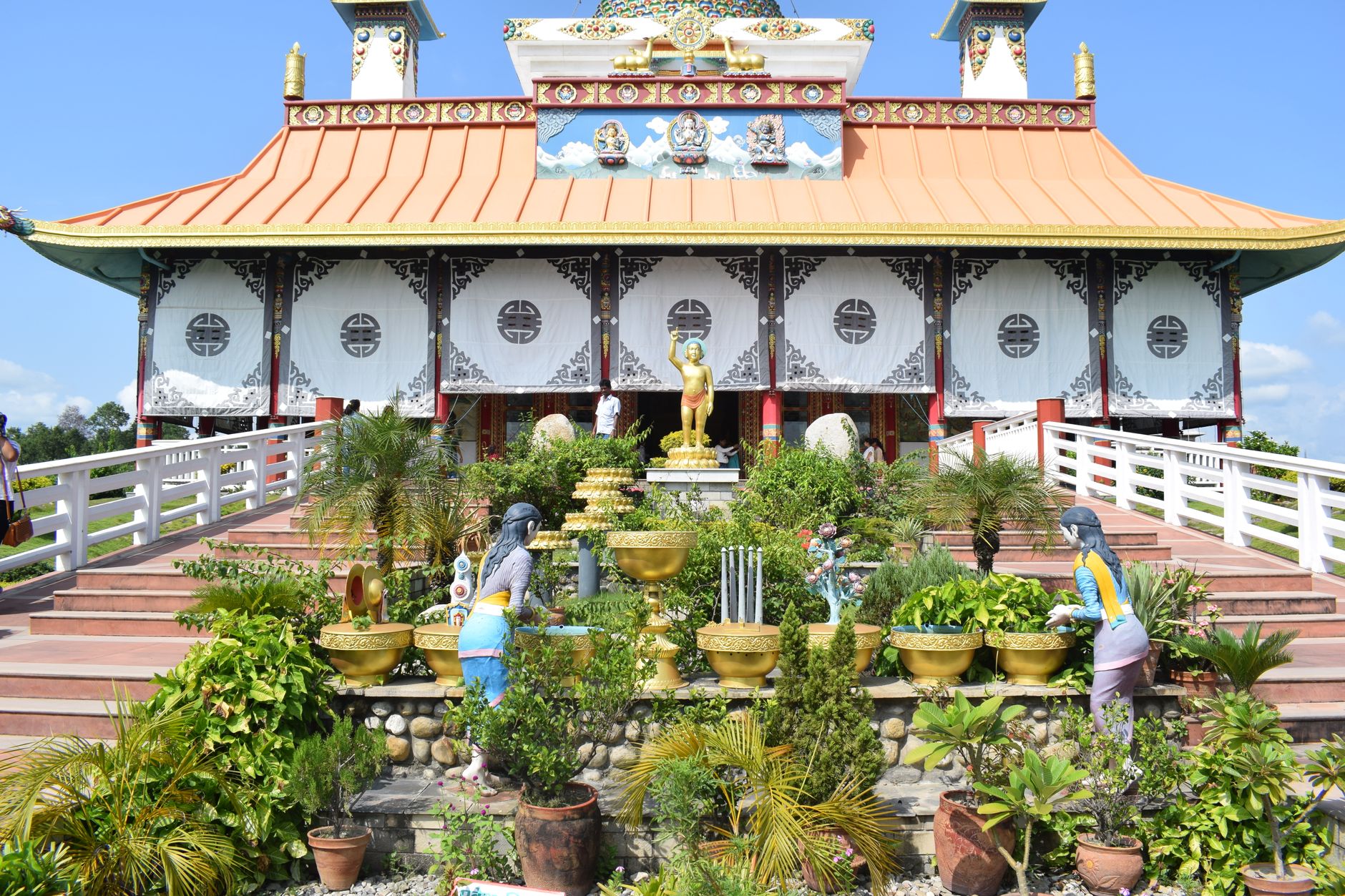
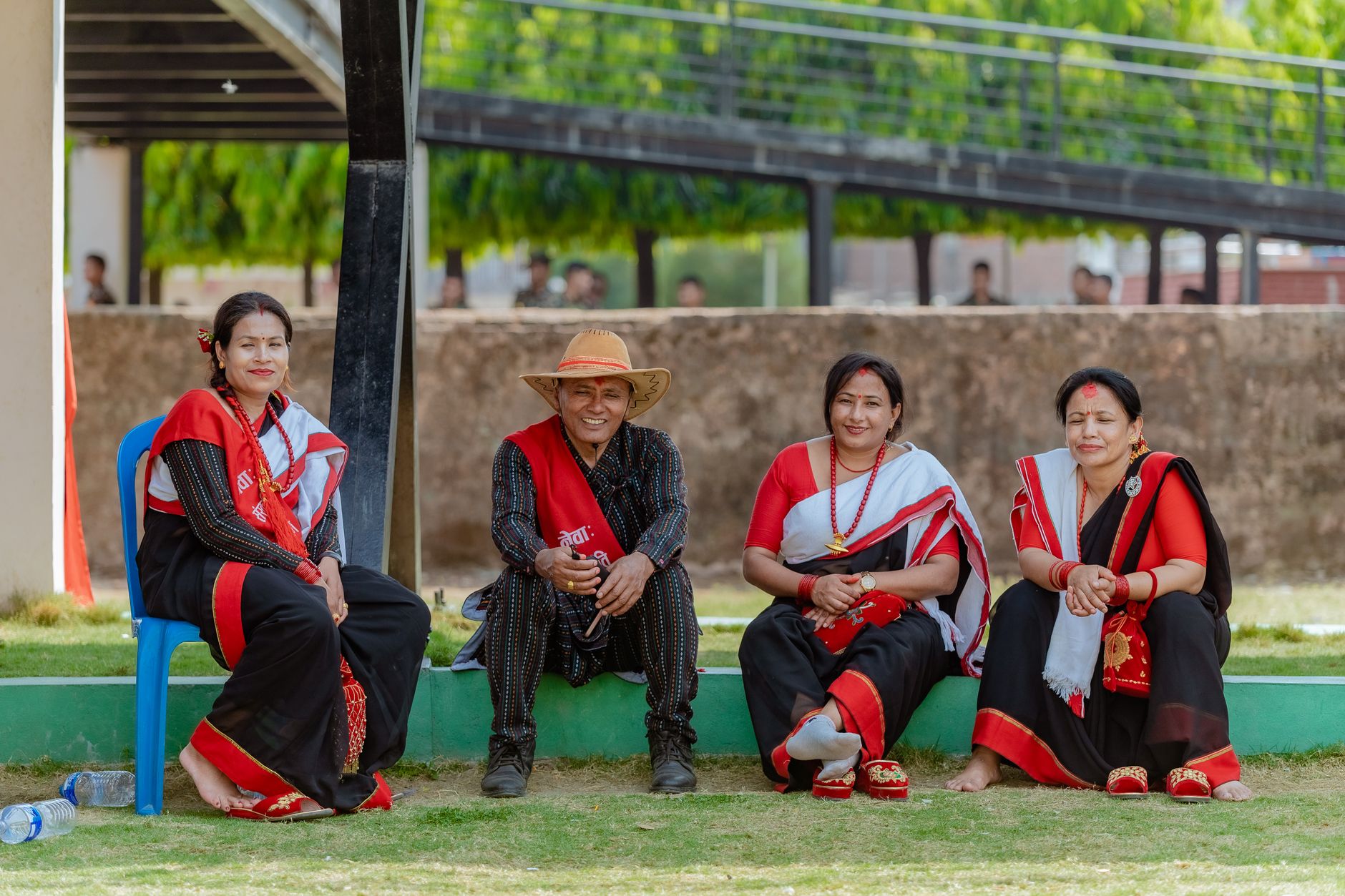
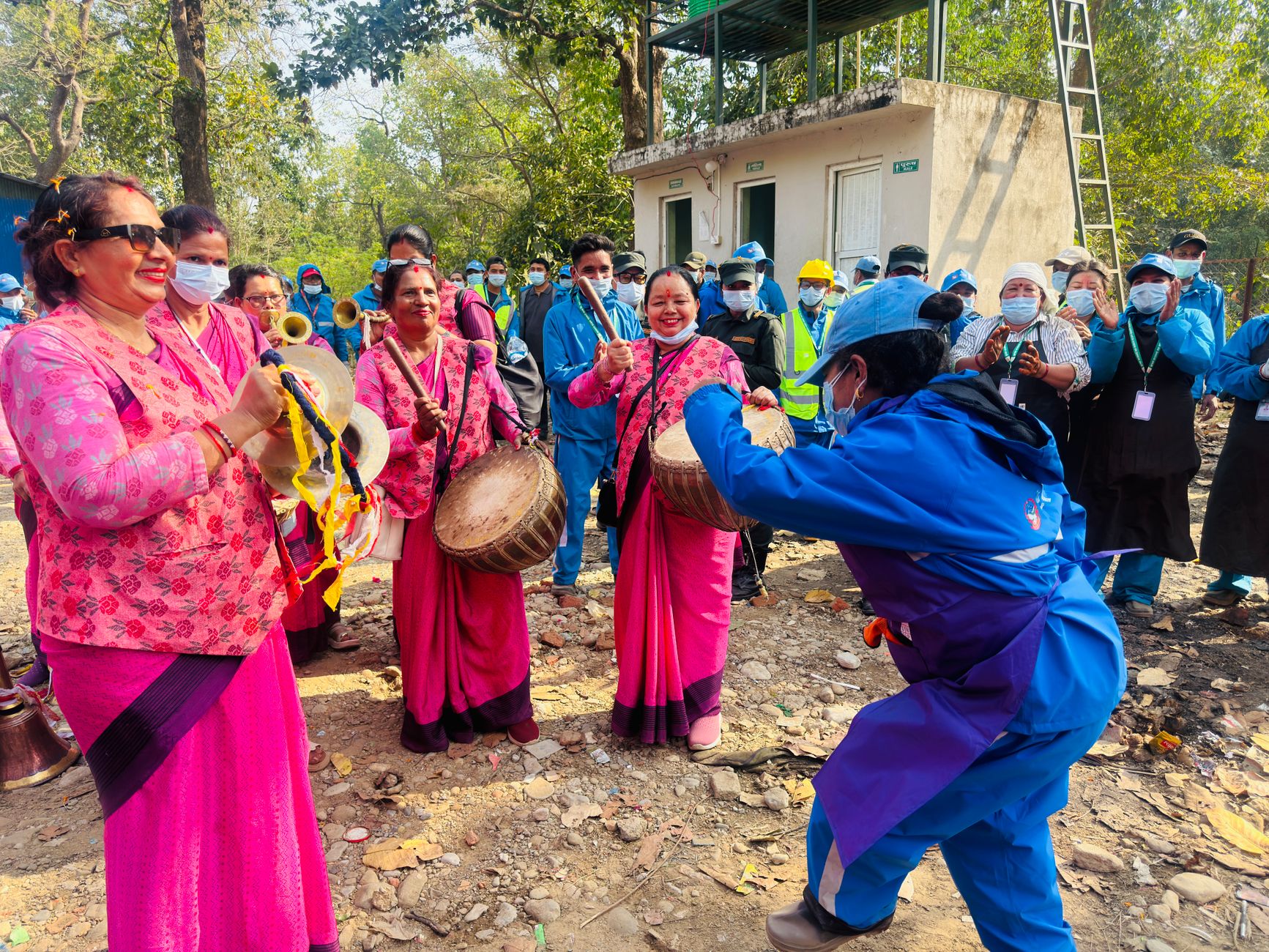
The marker stone beneath the Mayadevi Temple is small — easy to walk past if you don't know to look down. But that modest slab, unearthed by a joint UNESCO team in 1996, marks the precise spot where Siddhartha Gautama was born in 623 BCE, making this flat stretch of the Terai lowlands one of the most consequential pieces of ground on earth.
Lumbini is a pilgrimage site first, a tourist destination second. Monks from Vietnam, France, Sri Lanka and Myanmar have each built monasteries within the planned Monastic Zone, so the soundscape shifts as you walk — a chant here, a bell there, the rustle of prayer flags over the Sacred Pond where Queen Mayadevi bathed before the birth.
How Lumbini came to be
Emperor Ashoka made the journey to Lumbini in 249 BCE and left behind a stone pillar whose inscription — 'Buddha Sakyamuni having been born here' — remains one of the oldest written records in South Asian history. The site was then largely forgotten to the wider world until 1896, when archaeologist Alois Anton Führer and former Nepalese Army General Khadga Shamsher Jang Bahadur Rana located the pillar at Rupandehi, guided by accounts left by the Chinese monk-pilgrims Faxian and Xuanzang centuries earlier.
Modern Lumbini took shape through a master plan commissioned by the United Nations and carried out by Japanese architect Kenzo Tange between 1972 and 1978 — the formal geometry of canals and zones laid over ancient ground. UNESCO designated the site a World Heritage property in 1997.
Who and what shaped it
People who shaped it
Landmark buildings
See Lumbini in motion
Plan your visit
On the map
When to go
October through March brings dry, mild weather and clear skies — the most comfortable window for walking the open grounds. April and May grow hot and hazy; the monsoon arrives in June and lingers through September, turning the gardens lush but the paths muddy.
Right now
Background & history adapted from Wikipedia (CC BY-SA) · specs from Wikidata (CC0) · weather from Open-Meteo · map data © OpenStreetMap contributors · photos from Wikimedia Commons / Unsplash with per-image credit. No third-party reviews or social posts reproduced.