
Łódź
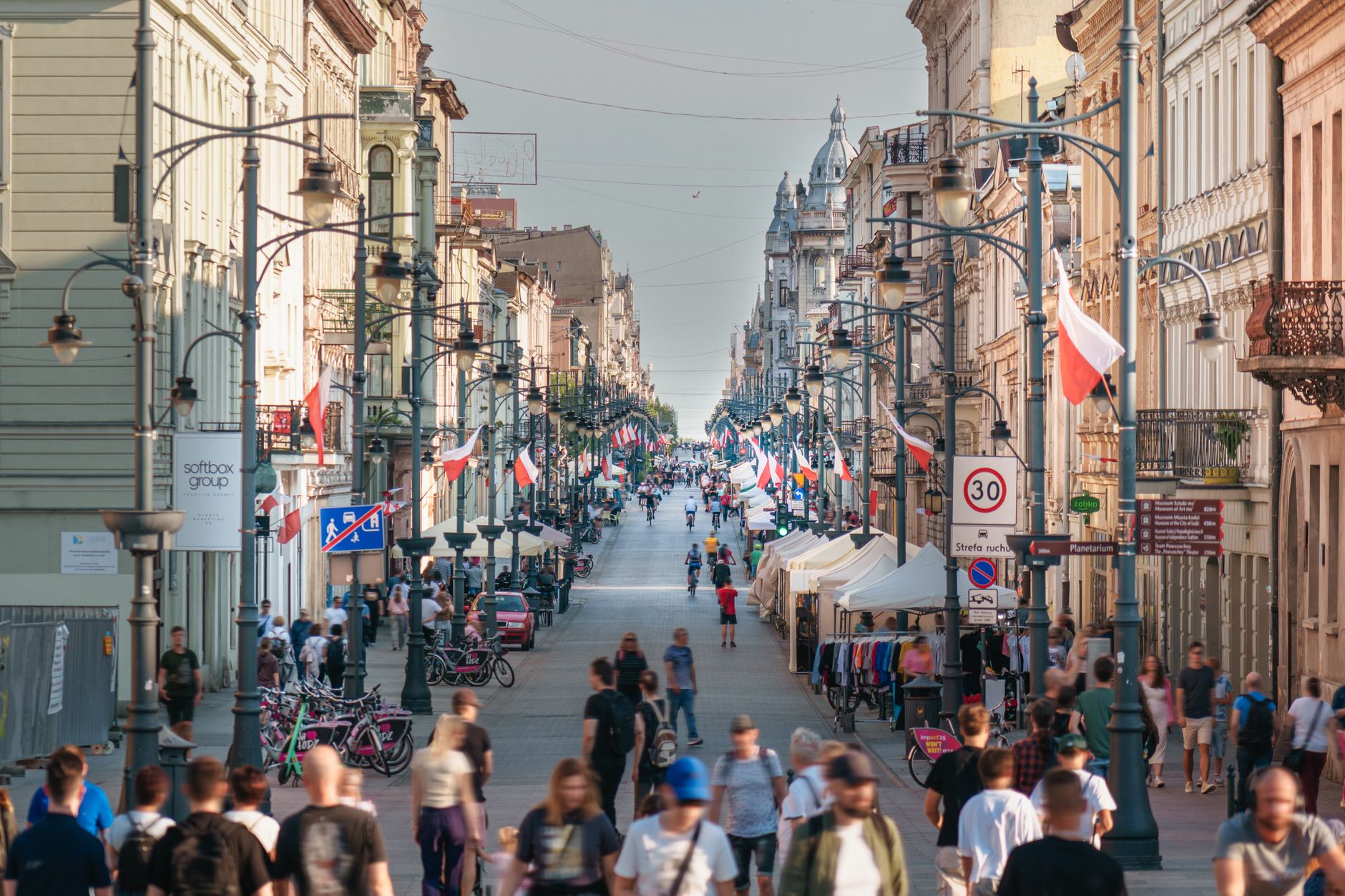
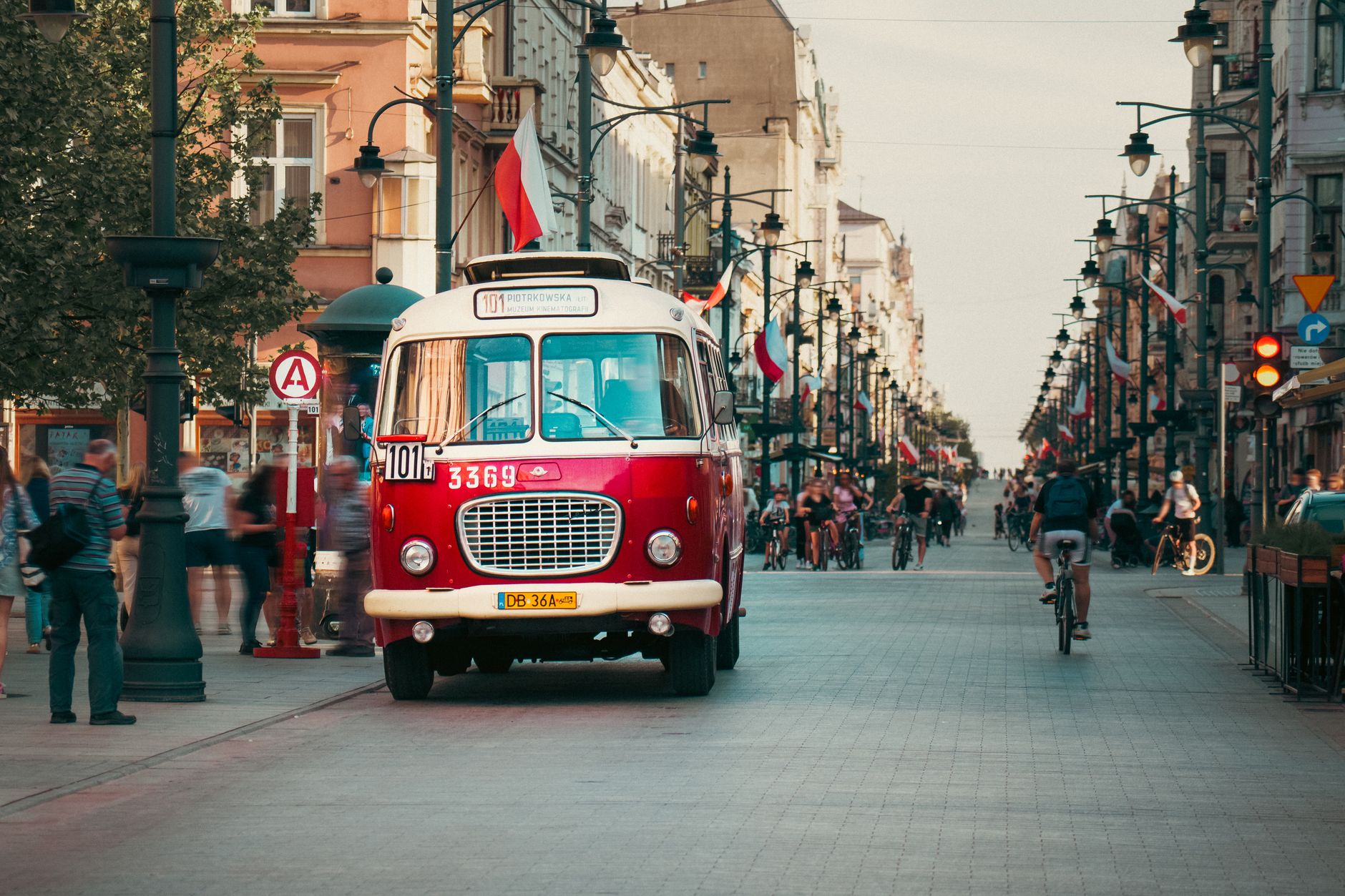
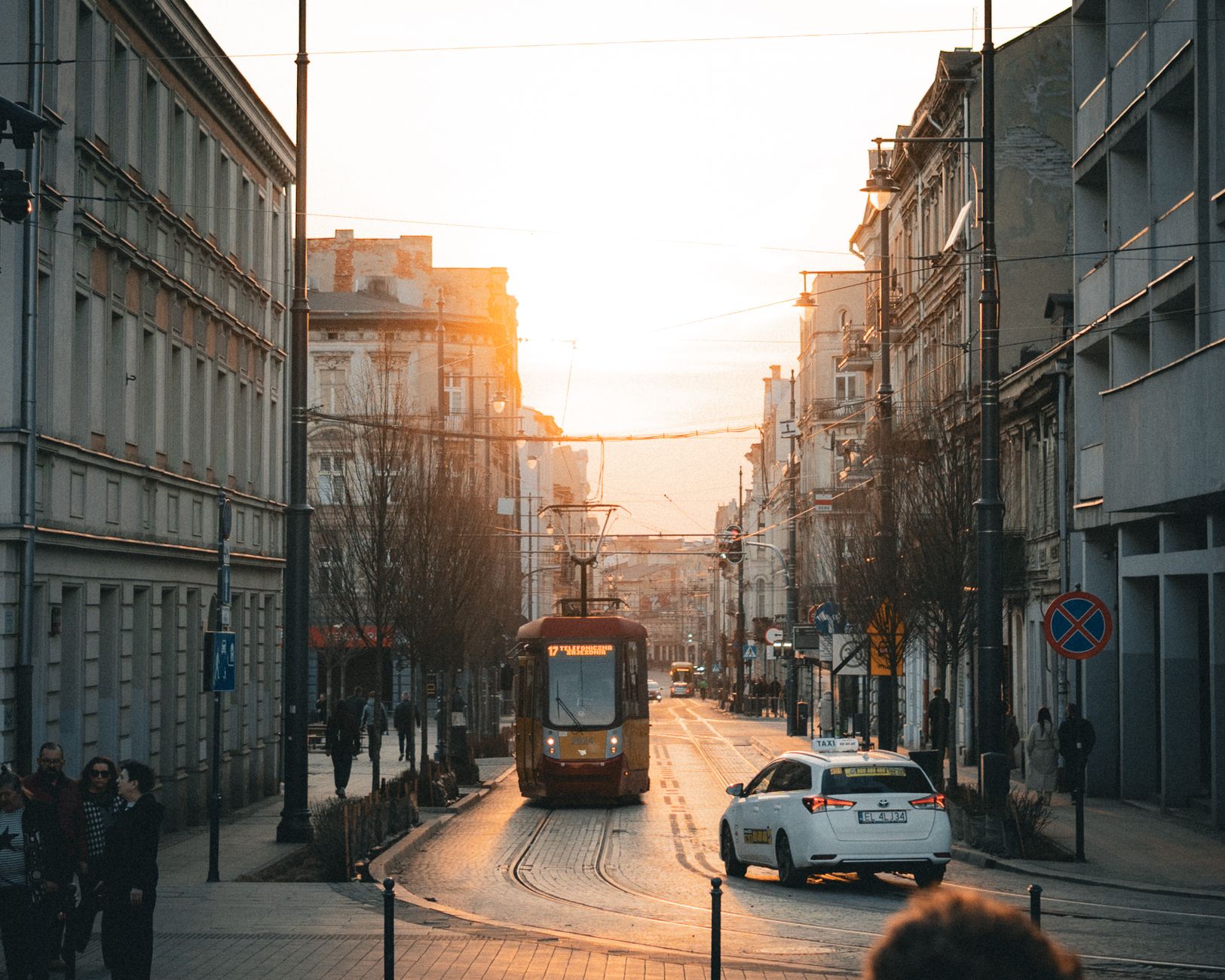
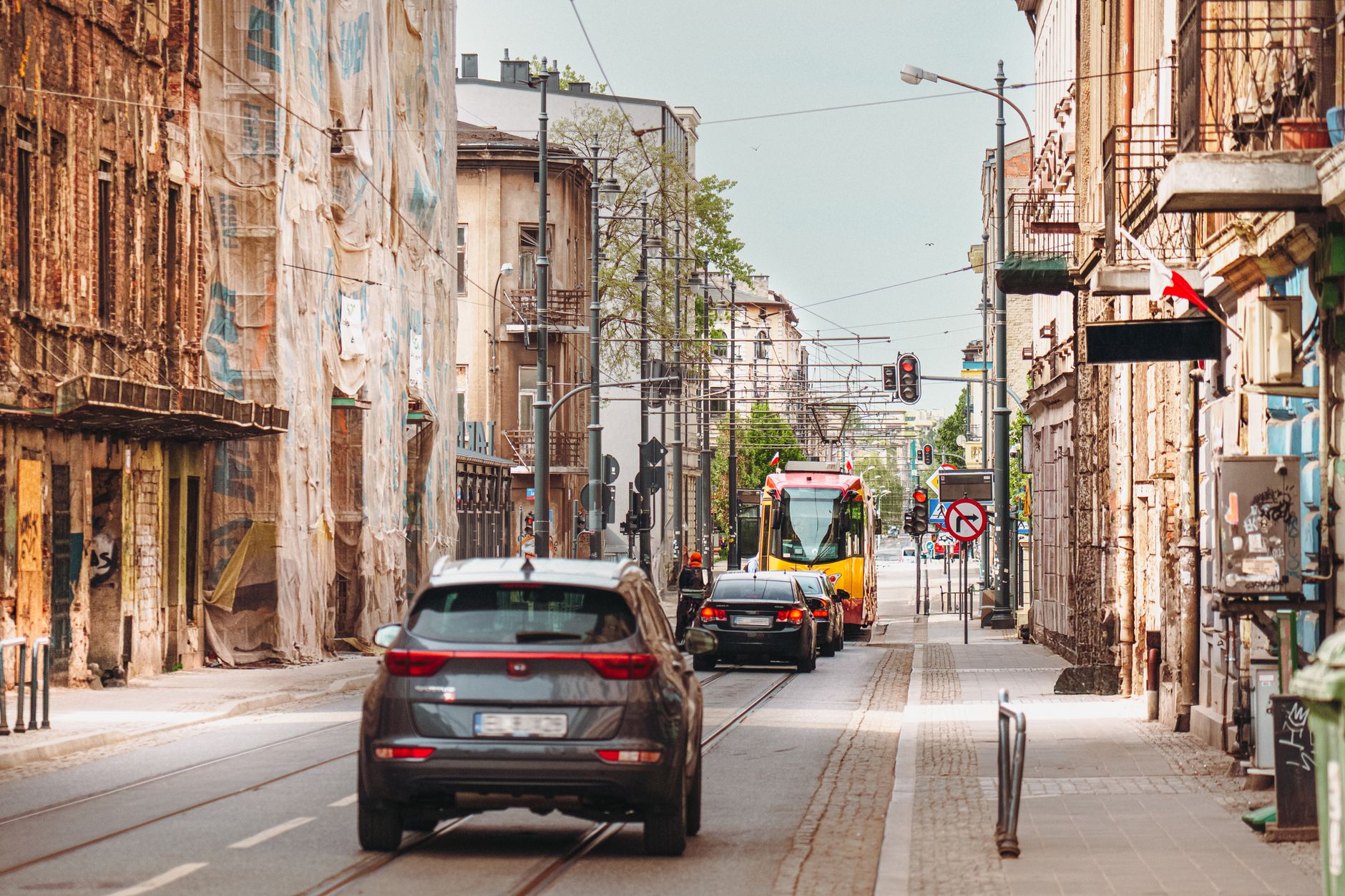
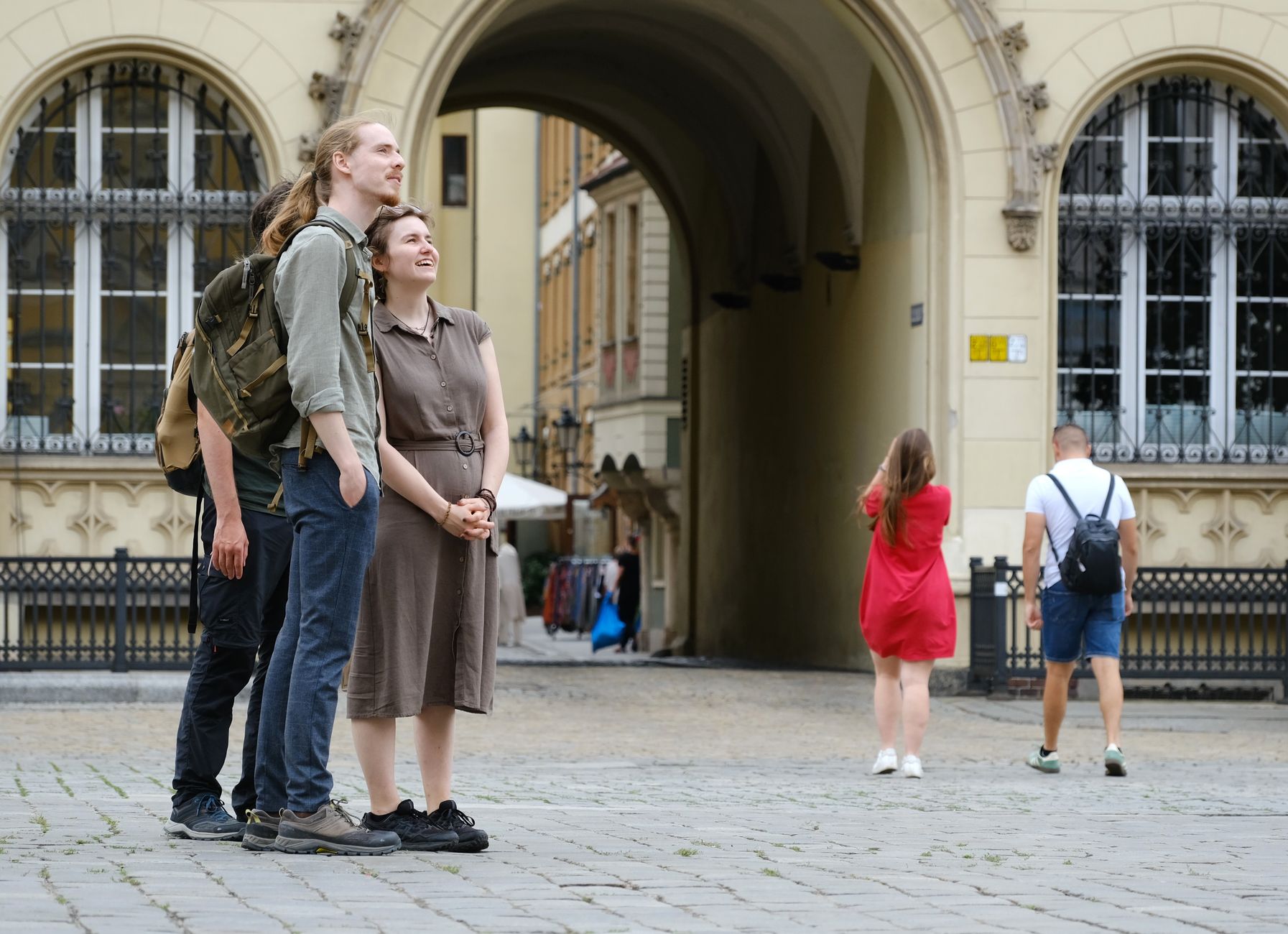
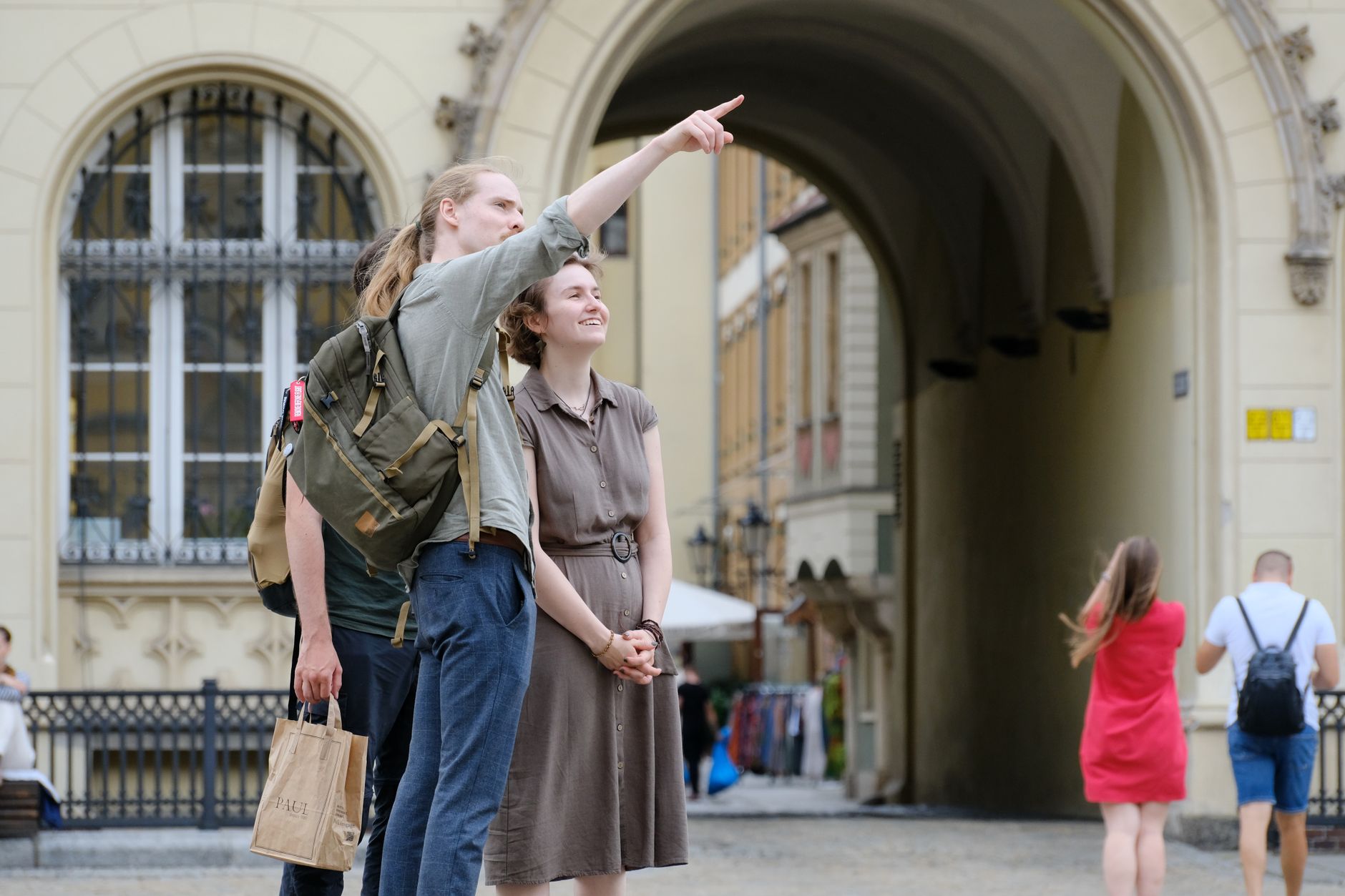
Łódź built its fortune in cotton. Walk Piotrkowska Street — over five kilometres of renovated 19th-century façades, Art Nouveau ironwork, and the odd surviving factory gate — and the scale of that industrial ambition becomes physical. This was a city that grew from a small bishop's town to half a million people in under a century, driven by looms and the families who owned them.
What remained after the mills fell quiet was an extraordinary inventory of palaces, workers' tenements, and brick factory complexes that other Polish cities simply don't have. Artur Rubinstein was born here. Roman Polański studied here. The oldest modern-art museum in Europe opened here in 1931. Łódź rewards the curious traveller who looks past the first impression.
💛 What travellers fall for
People who come back tend to make straight for Księży Młyn — the old factory district where the brick is warm in the afternoon light and the cafés sit inside what were once spinning sheds. The Jewish Cemetery on Bracka Street, nearly 40 hectares of tilting stones beneath old trees, asks for a quiet hour that most visitors don't give it.
How Łódź came to be
The settlement was recorded in 1332, when a Polish duke transferred the village of Łodzia to the Bishopric of Włocławek. A market square was laid out in 1414, and in 1423 King Władysław II Jagiełło granted city rights. For four more centuries it stayed small.
The transformation came fast and deliberately. In 1820 the Congress Kingdom of Poland designated Łódź a textile centre and recruited foreign weavers to settle. The first cotton mill opened in 1825. By 1913 the population stood at 500,000 — a growth rate that left the city with an architectural layer cake of industrial palaces, factory complexes, and workers' housing, almost all built within a single lifetime. After World War II, Łódź served briefly as Poland's administrative capital until Warsaw was rebuilt enough to reclaim the role in 1948.
Who and what shaped it
People who shaped it
Landmark buildings
See Łódź in motion
Plan your visit
On the map
When to go
Łódź has a continental climate with cold winters, often below freezing from December through February, and warm summers that can reach the mid-twenties Celsius. Spring and autumn bring mild temperatures and manageable crowds — the better seasons for long walks along Piotrkowska.
Right now
Background & history adapted from Wikipedia (CC BY-SA) · specs from Wikidata (CC0) · weather from Open-Meteo · map data © OpenStreetMap contributors · photos from Wikimedia Commons / Unsplash with per-image credit. No third-party reviews or social posts reproduced.