
Warsaw
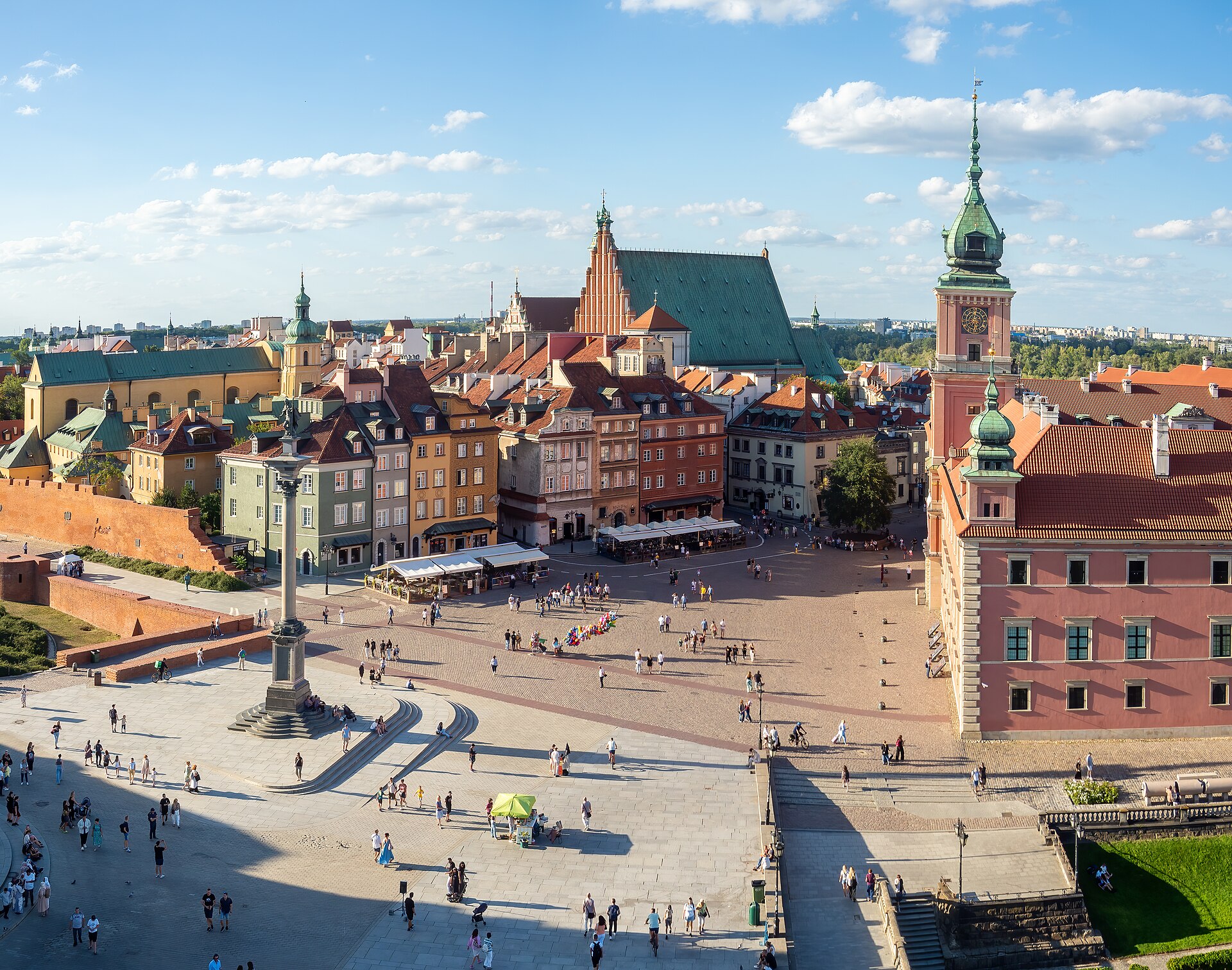
Warsaw is a city that was almost entirely erased and then, brick by brick, willed back into existence. The Old Town you walk through today was rebuilt from historical blueprints and the paintings of Bernardo Bellotto — a reconstruction so thorough and so deliberate that UNESCO gave it World Heritage status in 1980, a recognition essentially invented for this place. The Royal Castle, blown up by the Nazis in 1944, was raised again between 1971 and 1988 on public donations collected from across the country.
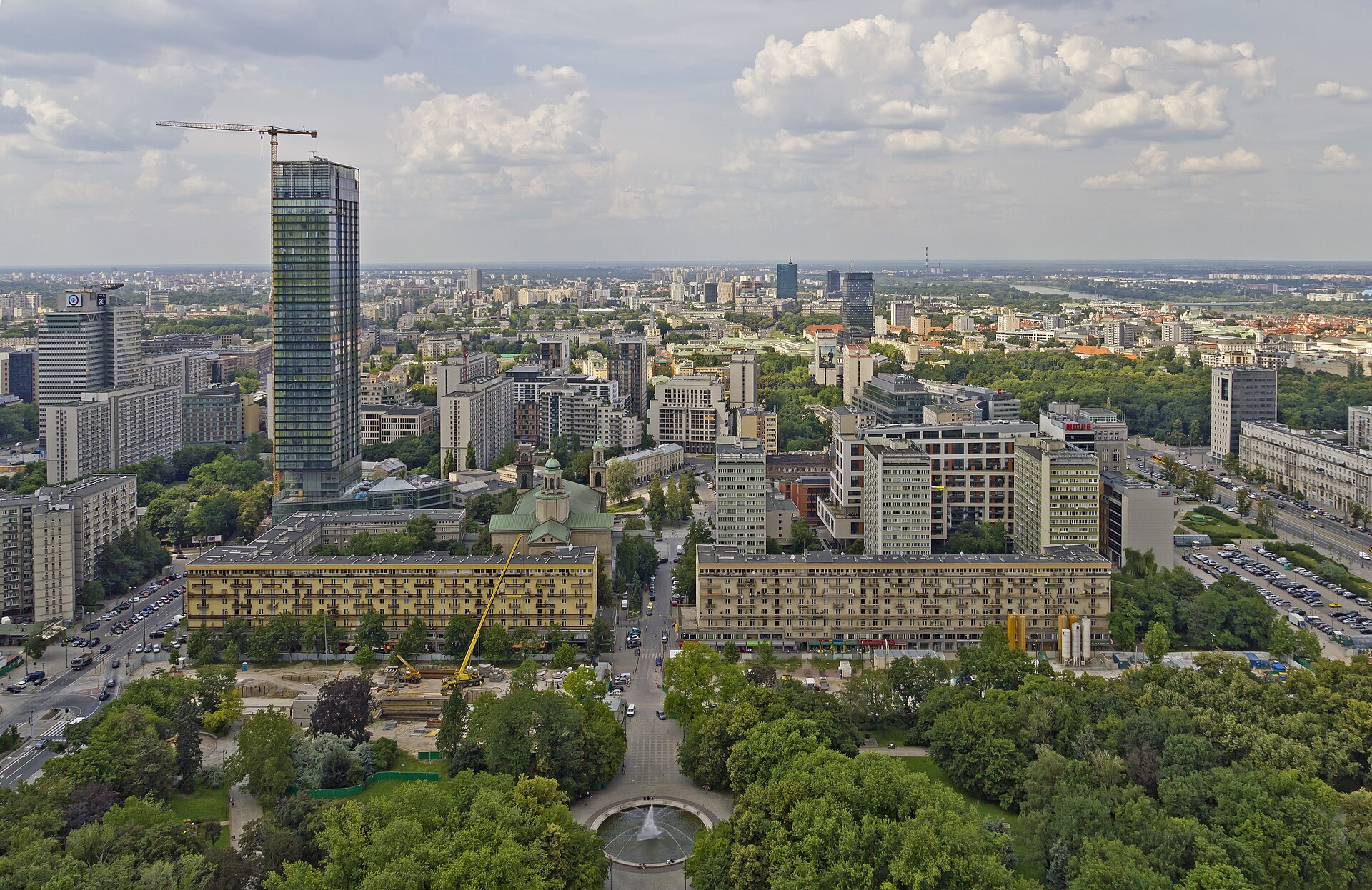
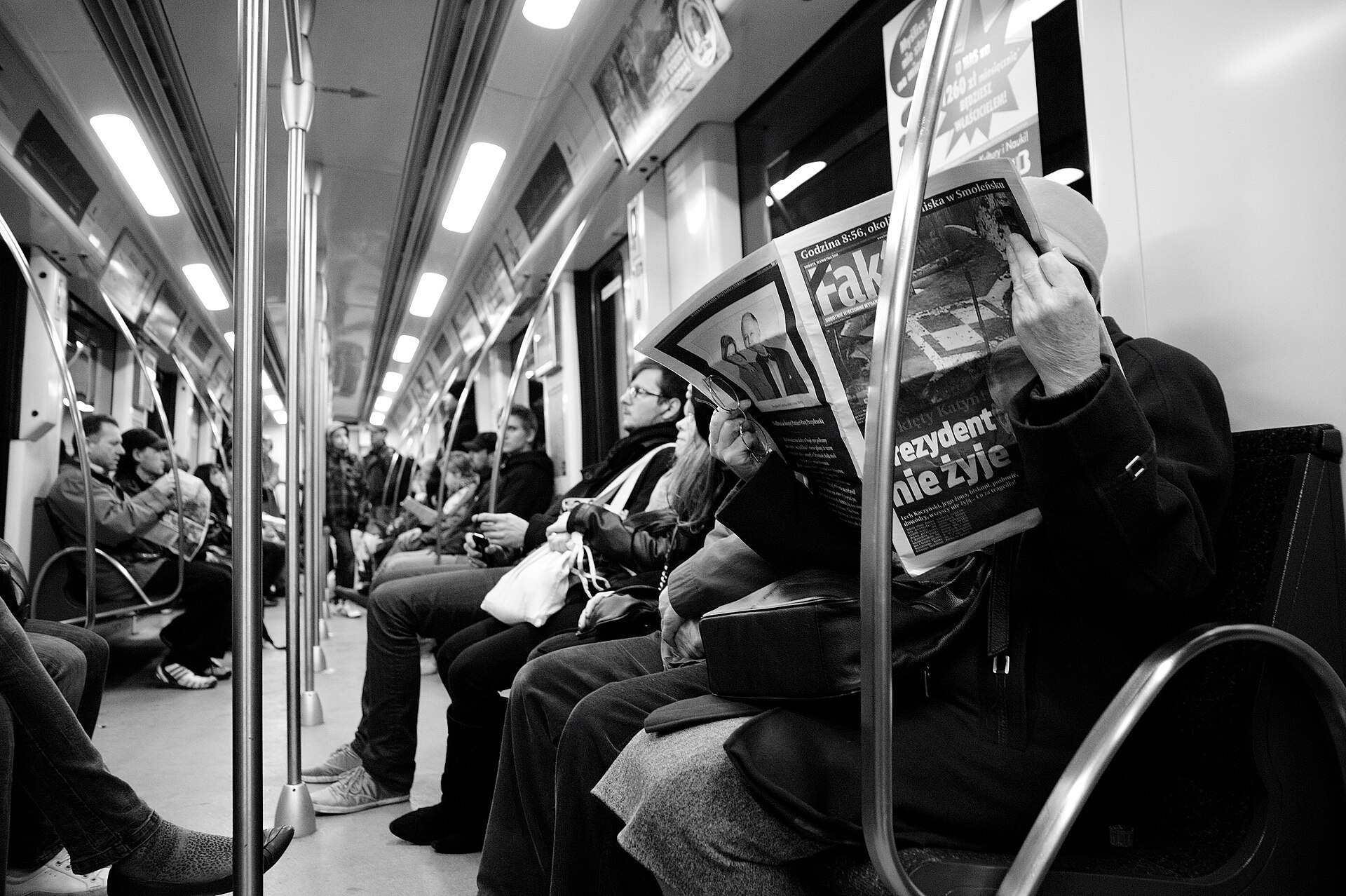
That tension — between what was lost and what was reclaimed — gives Warsaw a particular quality. The Palace of Culture and Science, Stalin's 237-metre 'gift' of 1955, still dominates the skyline. The metro is cheap and runs late. The city repays slow attention.
How Warsaw came to be
Warsaw grew from a fishing settlement on the Vistula, with written records from 1313. It became capital of the Duchy of Masovia in 1413, then folded into the Kingdom of Poland in 1526. The decisive shift came in 1596, when King Sigismund III Vasa relocated the royal court from Kraków after a fire at Wawel Castle — a practical decision that made Warsaw the centre of Polish political life.
The Constitution of 3 May 1791, the first of its kind in Europe and the world's second-oldest codified national constitution, was drafted in the Royal Castle. A century later, under Russian-appointed Mayor Sokrates Starynkiewicz, the city got its first modern water and sewer systems, designed by English engineer William Lindley and his son. Then came the near-total destruction of World War II, and the long, collective work of rebuilding.
Who and what shaped it
People who shaped it
Landmark buildings
See Warsaw in motion
Plan your visit
On the map
When to go
Winters run cold — often below freezing from December through February, with occasional snow. Summers are warm and mostly pleasant, hovering around 23°C, though July can bring heavy rain and occasional heat waves have pushed temperatures past 30°C.
Right now
Background & history adapted from Wikipedia (CC BY-SA) · specs from Wikidata (CC0) · weather from Open-Meteo · map data © OpenStreetMap contributors · photos from Wikimedia Commons / Unsplash with per-image credit. No third-party reviews or social posts reproduced.