
Wieliczka Salt Mine

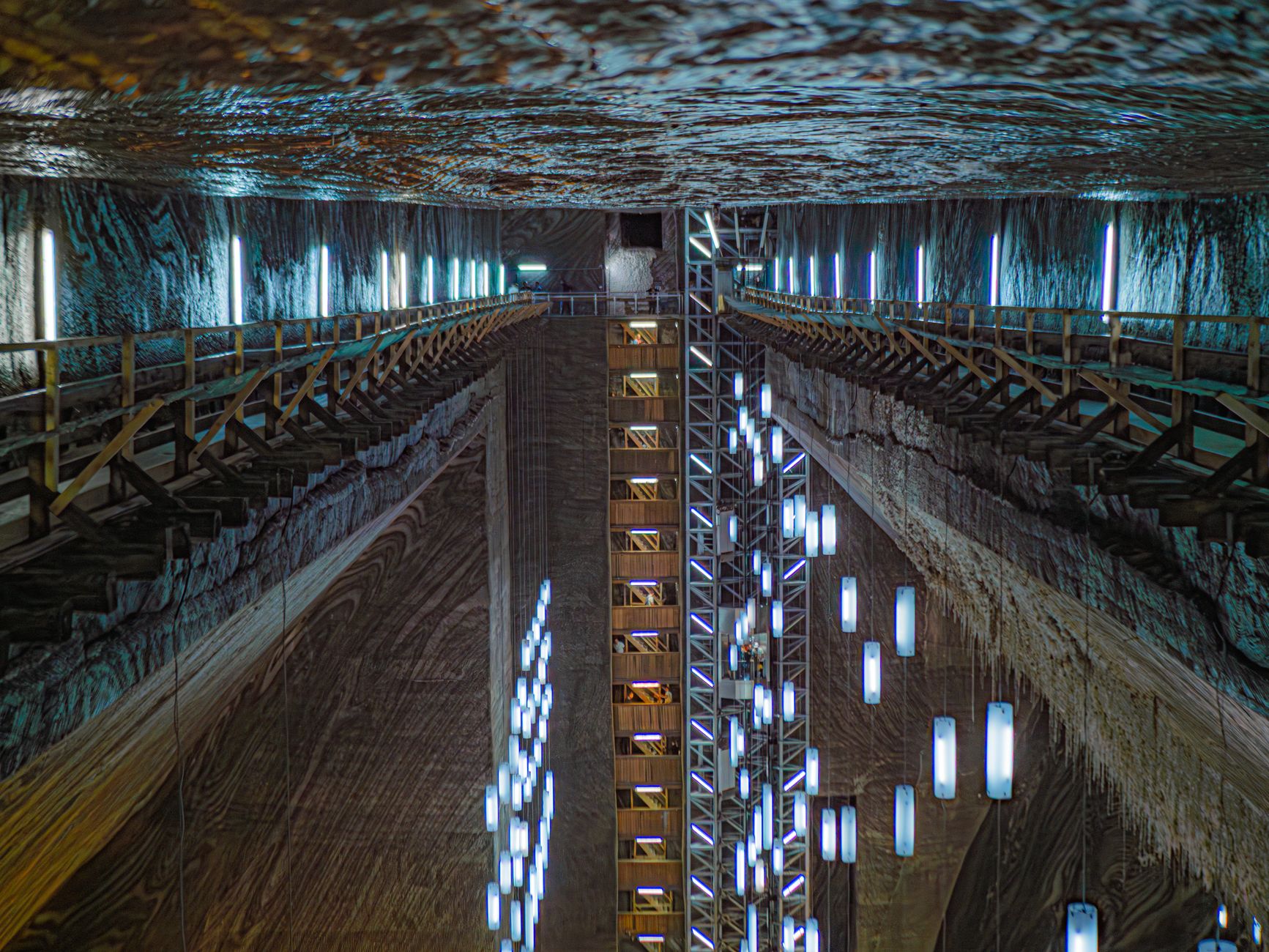
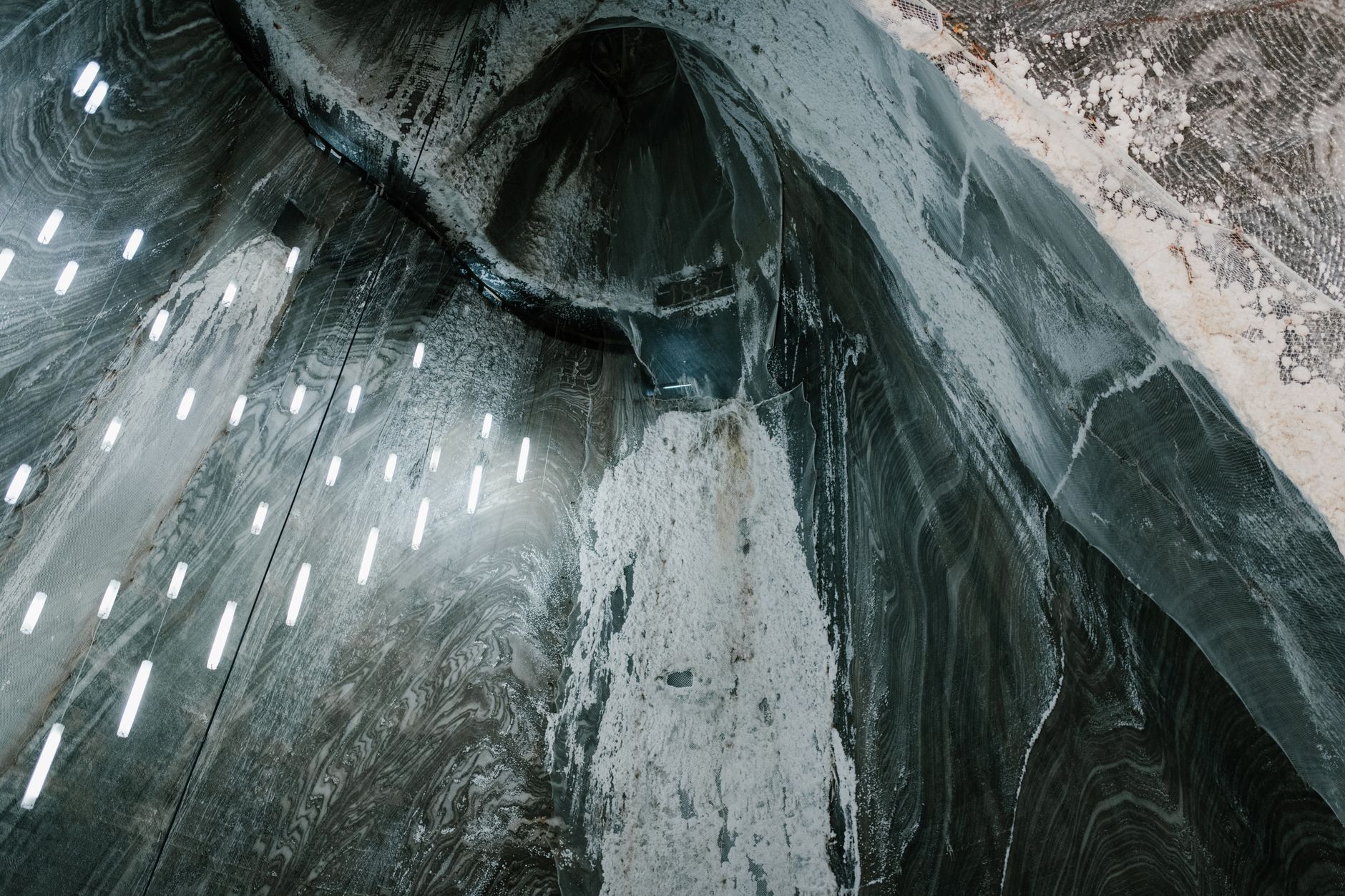
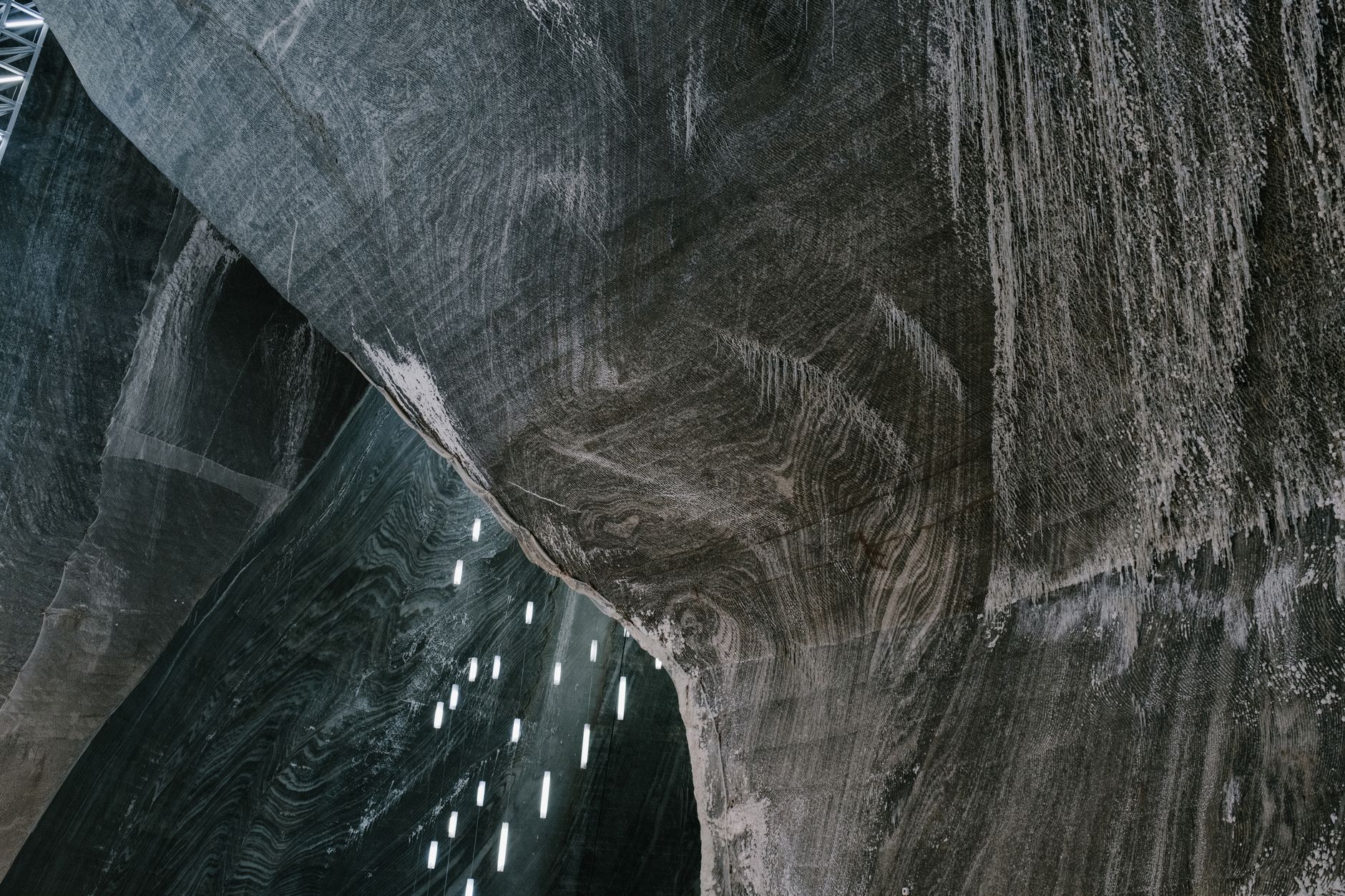
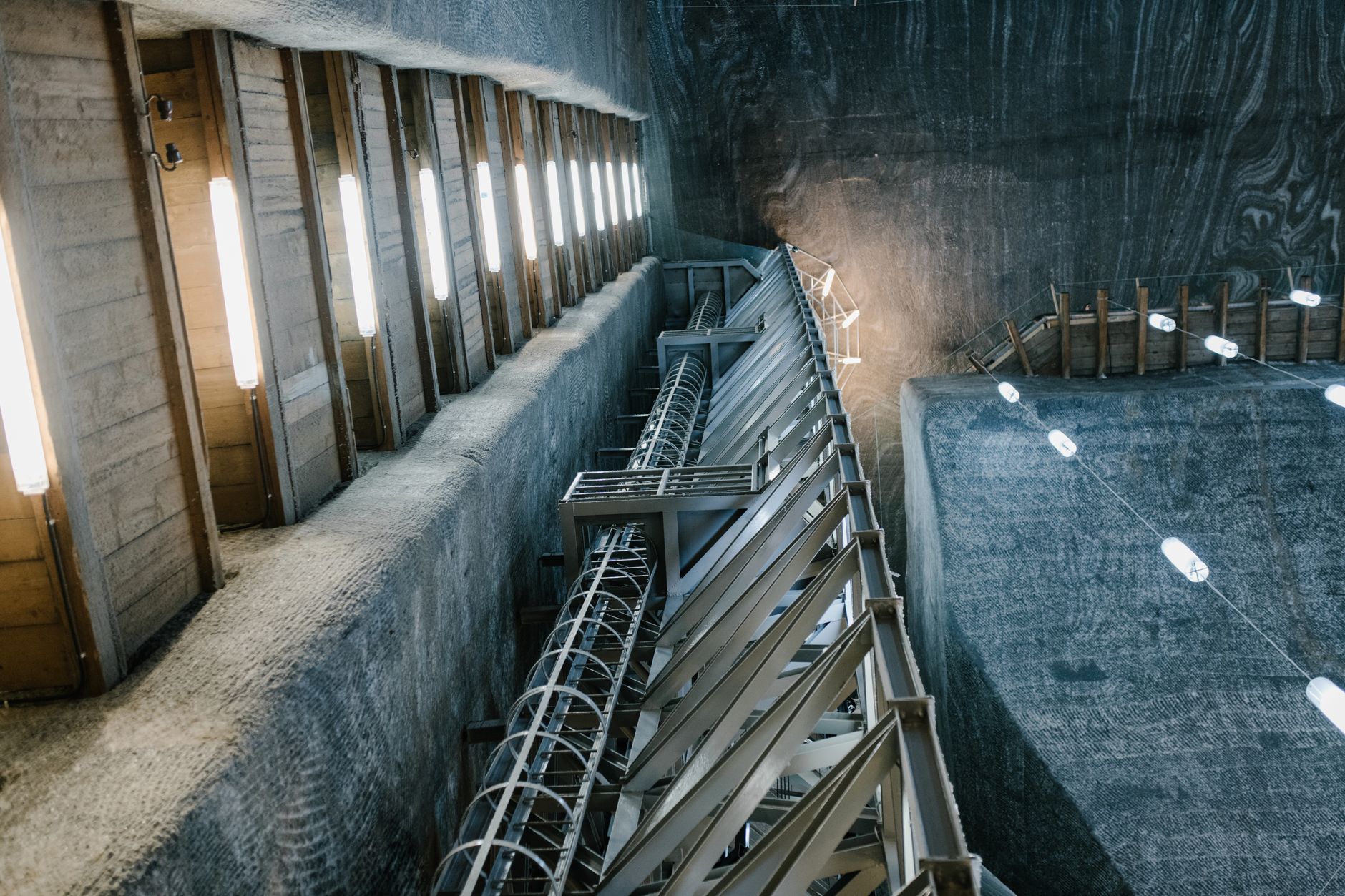
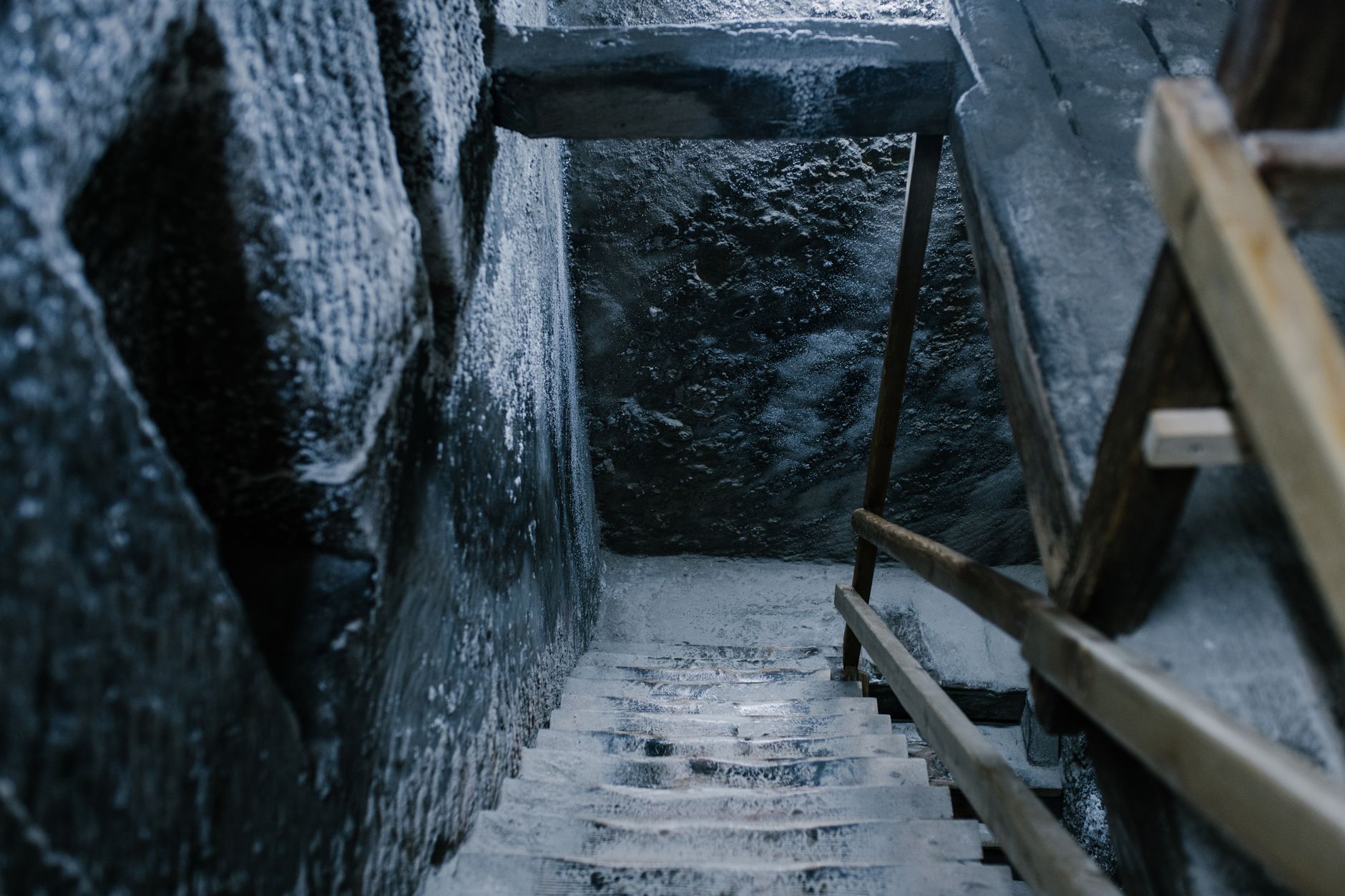
At 101 metres below ground, the Chapel of St. Kinga is lit by chandeliers carved from salt crystal — walls, altarpiece, floor, everything salt. It takes a moment to adjust to the idea that miners built this over decades, not as a tourist attraction but as an act of devotion. The chapel is the centrepiece, but it's one room inside a mine that runs 327 metres deep and stretches more than 287 kilometres horizontally, with 2,040 chambers in total.
Wieliczka has been producing salt since the 13th century and kept going, without interruption, until 1996. The visitors' route covers just under two percent of the total passages, which gives you a sense of what remains in the dark.
How Wieliczka Salt Mine came to be
Salt made Poland wealthy. By the mid-14th century the Wieliczka mine alone accounted for roughly a third of the kingdom's income, which is why King Casimir III the Great took such a personal interest — granting the miners privileges, founding a hospital near the site in 1363, and codifying the rules of mining and salt sales in the Saltworks Statute of 1368. The mine had been documented as far back as 1044, but large-scale rock-salt extraction began in earnest in the 1280s.
Over the following centuries, the mine drew visitors as much as it drew revenue. Goethe came in 1790 with the Grand Duke of Saxe-Weimar, drawn partly by an interest in mineralogy. Chopin passed through in 1828. The novelist Bolesław Prus wrote three detailed articles about his 1878 visit. Commercial salt production finally stopped in 1996 after flooding and falling prices made it unviable. Wieliczka had been on the original UNESCO World Heritage List since 1978.
Who and what shaped it
People who shaped it
Landmark buildings
See Wieliczka Salt Mine in motion
Plan your visit
On the map
When to go
Right now
Background & history adapted from Wikipedia (CC BY-SA) · specs from Wikidata (CC0) · weather from Open-Meteo · map data © OpenStreetMap contributors · photos from Wikimedia Commons / Unsplash with per-image credit. No third-party reviews or social posts reproduced.