
Auschwitz-Birkenau (Oświęcim)

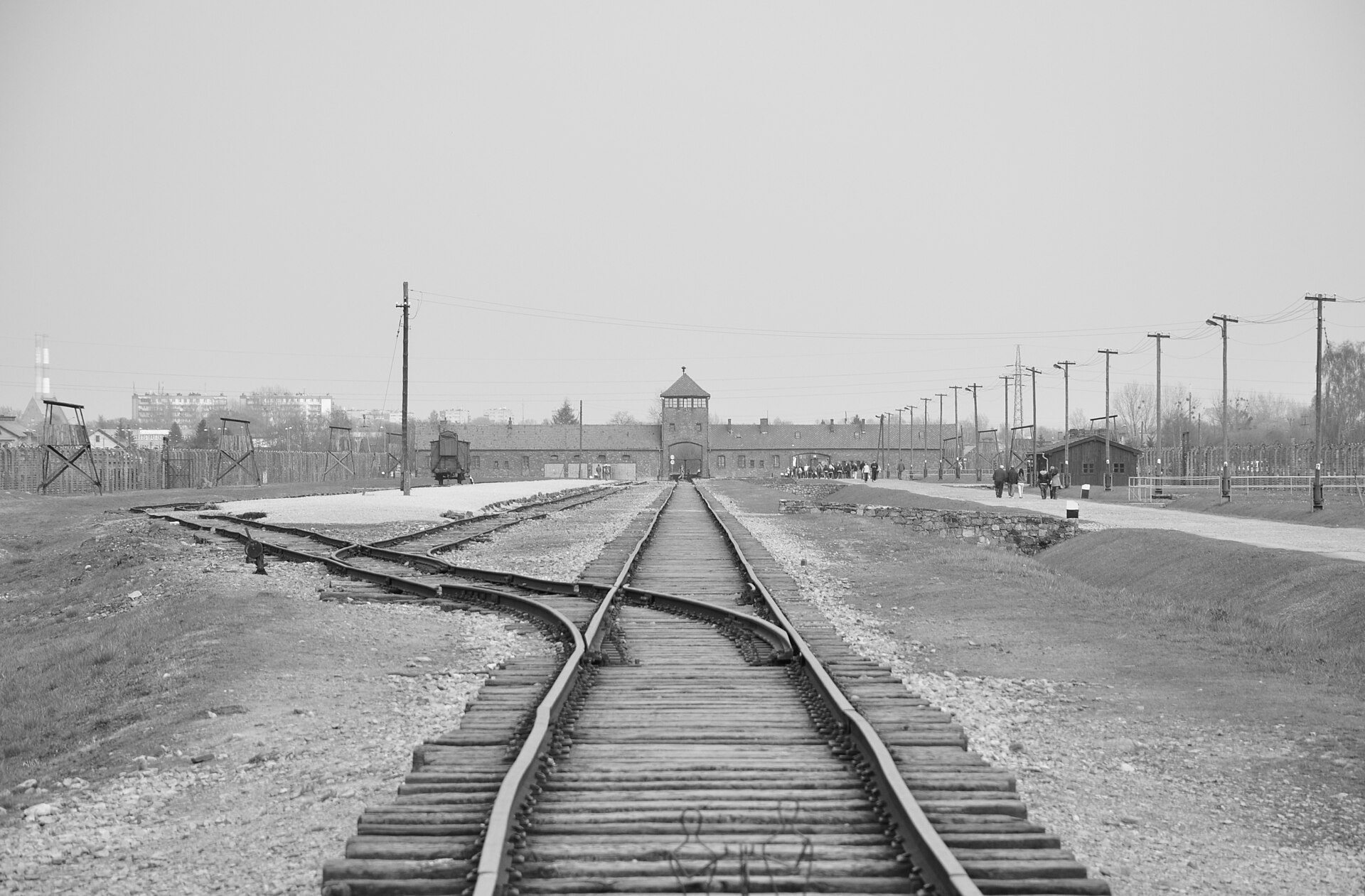
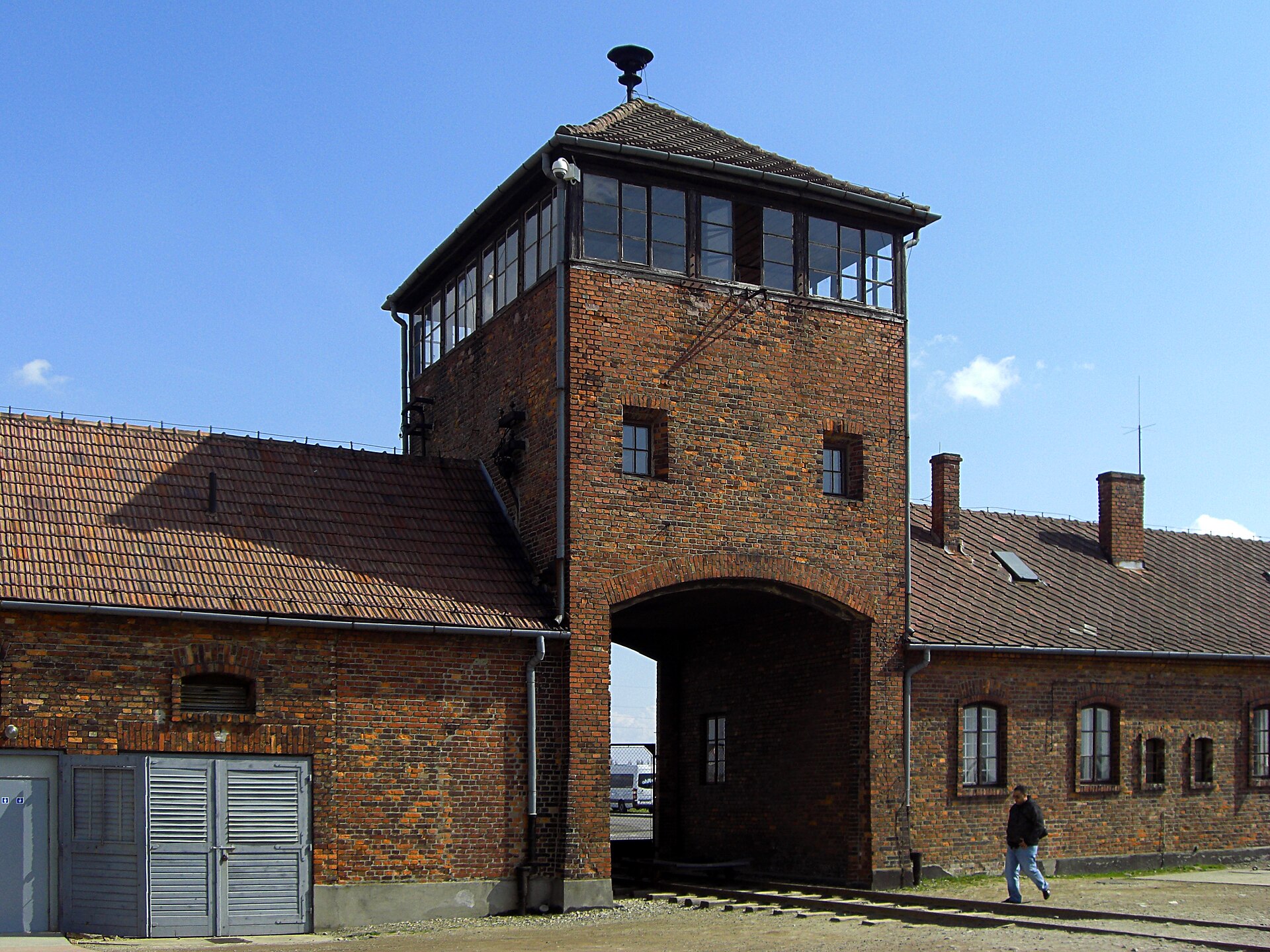
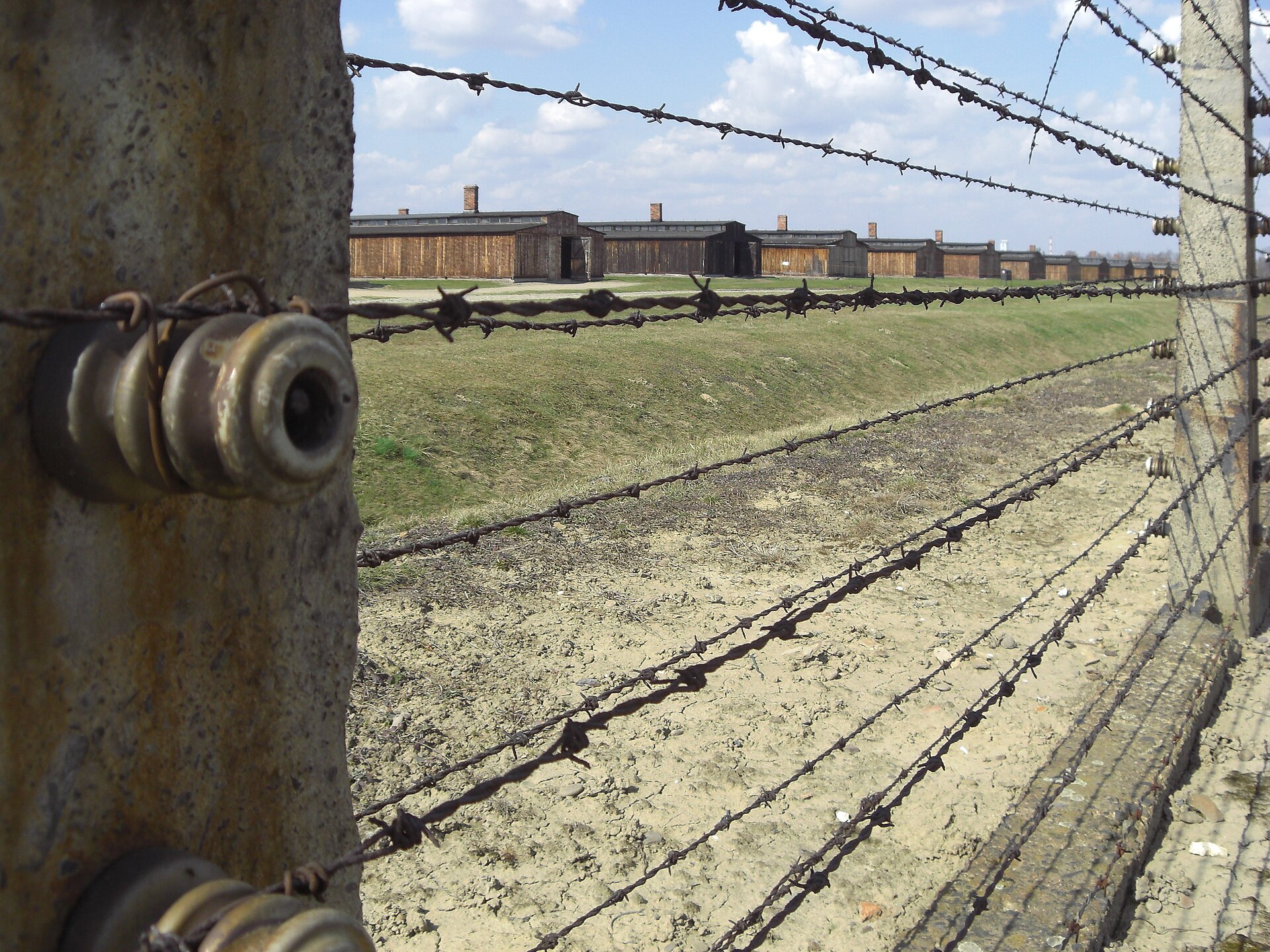


The gate at Auschwitz I still carries the wrought-iron letters *Arbeit Macht Frei* — work sets you free — and walking beneath them, you understand immediately that language was among the first things destroyed here. The Auschwitz-Birkenau Memorial and Museum occupies the actual sites of the Nazi German concentration and extermination camps established in occupied Poland, where between 1940 and 1945 more than a million people, the overwhelming majority of them Jewish, were killed.
This is not a destination in the usual sense. It is a place of record, preserved so that the physical facts remain visible: the barracks, the ruins of the gas chambers at Birkenau, the warehouses where victims' belongings were catalogued. You come because bearing witness — to scale, to specificity, to the evidence of individual lives — is something that photographs and books, however good, cannot fully replace.
How Auschwitz-Birkenau (Oświęcim) came to be
On 27 April 1940, Heinrich Himmler ordered the conversion of a former Polish army barracks in Oświęcim — a town annexed into the Reich — into a prisoner camp. That became Auschwitz I. Construction of Auschwitz II-Birkenau, in the nearby village of Brzezinka, began in October 1941 under SS architect and engineer Karl Bischoff; the camp opened in March 1942 and almost immediately became the centre of the systematic murder of Jews. SS architects Fritz Ertl and Walter Dejaco drew the plans: Dejaco's preliminary crematorium sketch, dated 24 October 1941, became the basis for facilities with a burning capacity exceeding 4,000 corpses a day.
Soviet troops liberated what remained on 27 January 1945. Two years later, Poland established the Auschwitz-Birkenau State Museum on the site — the earliest formal act of preservation, and the reason the physical evidence survives.
Who and what shaped it
People who shaped it
Landmark buildings
See Auschwitz-Birkenau (Oświęcim) in motion
Plan your visit
On the map
When to go
Winters are cold and often grey, with temperatures regularly below freezing from December through February; the site feels exposed in the open fields of Birkenau. Spring and early autumn offer mild, manageable conditions and fewer visitors than the peak summer months of June through August, when the days are long and the site is at its busiest.
Right now
Background & history adapted from Wikipedia (CC BY-SA) · specs from Wikidata (CC0) · weather from Open-Meteo · map data © OpenStreetMap contributors · photos from Wikimedia Commons / Unsplash with per-image credit. No third-party reviews or social posts reproduced.