
Region

Poznań

City break Culture & history

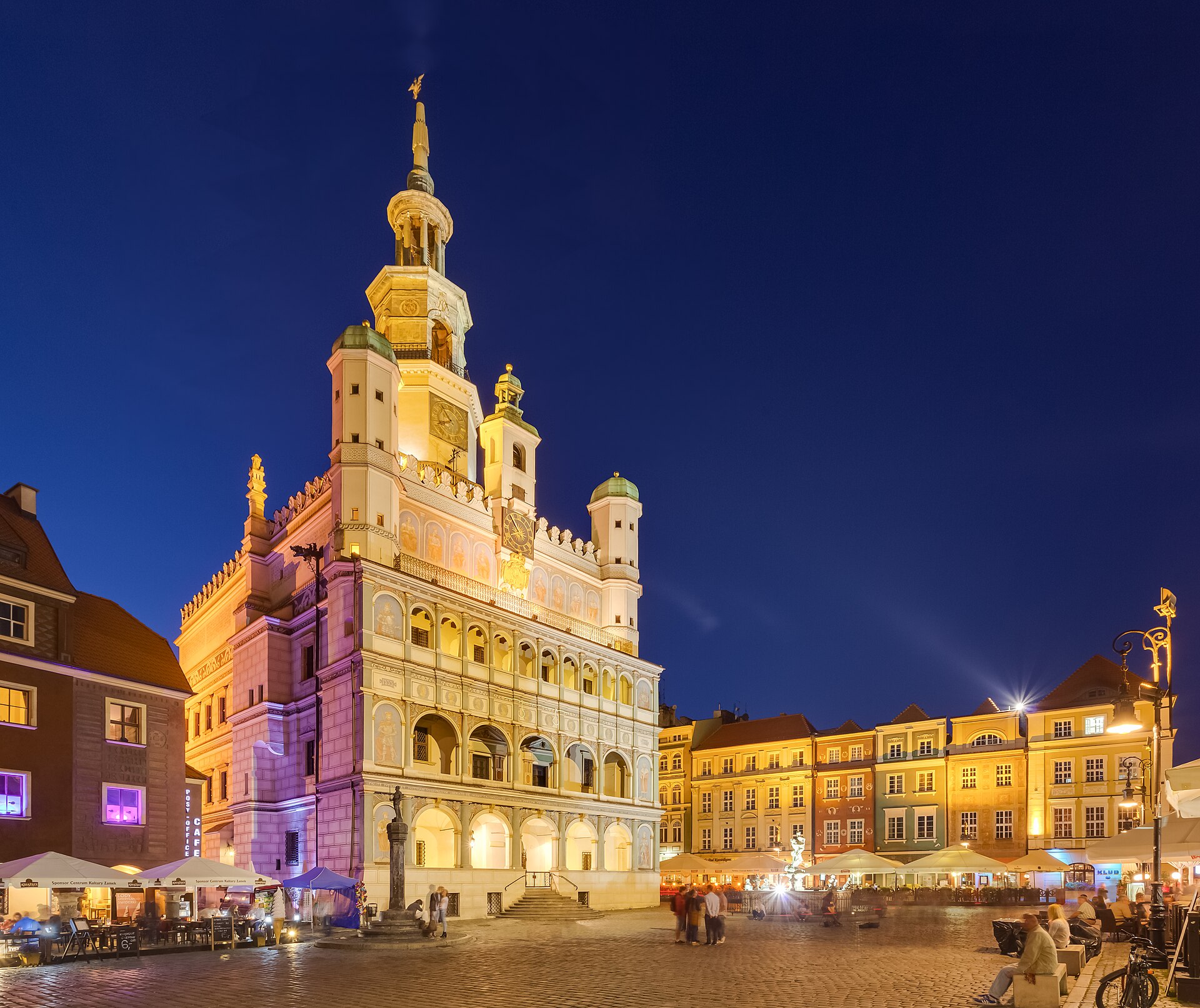
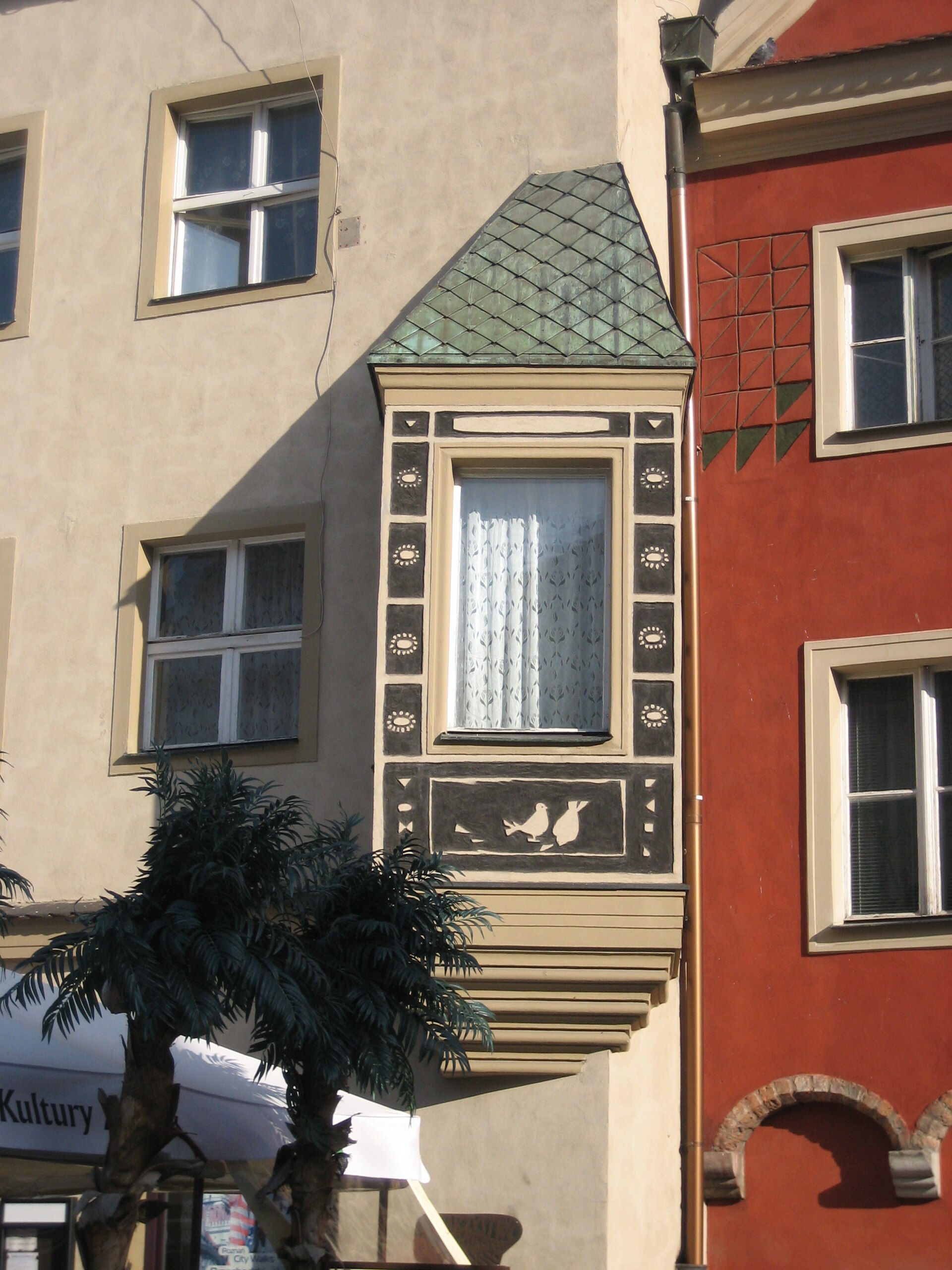
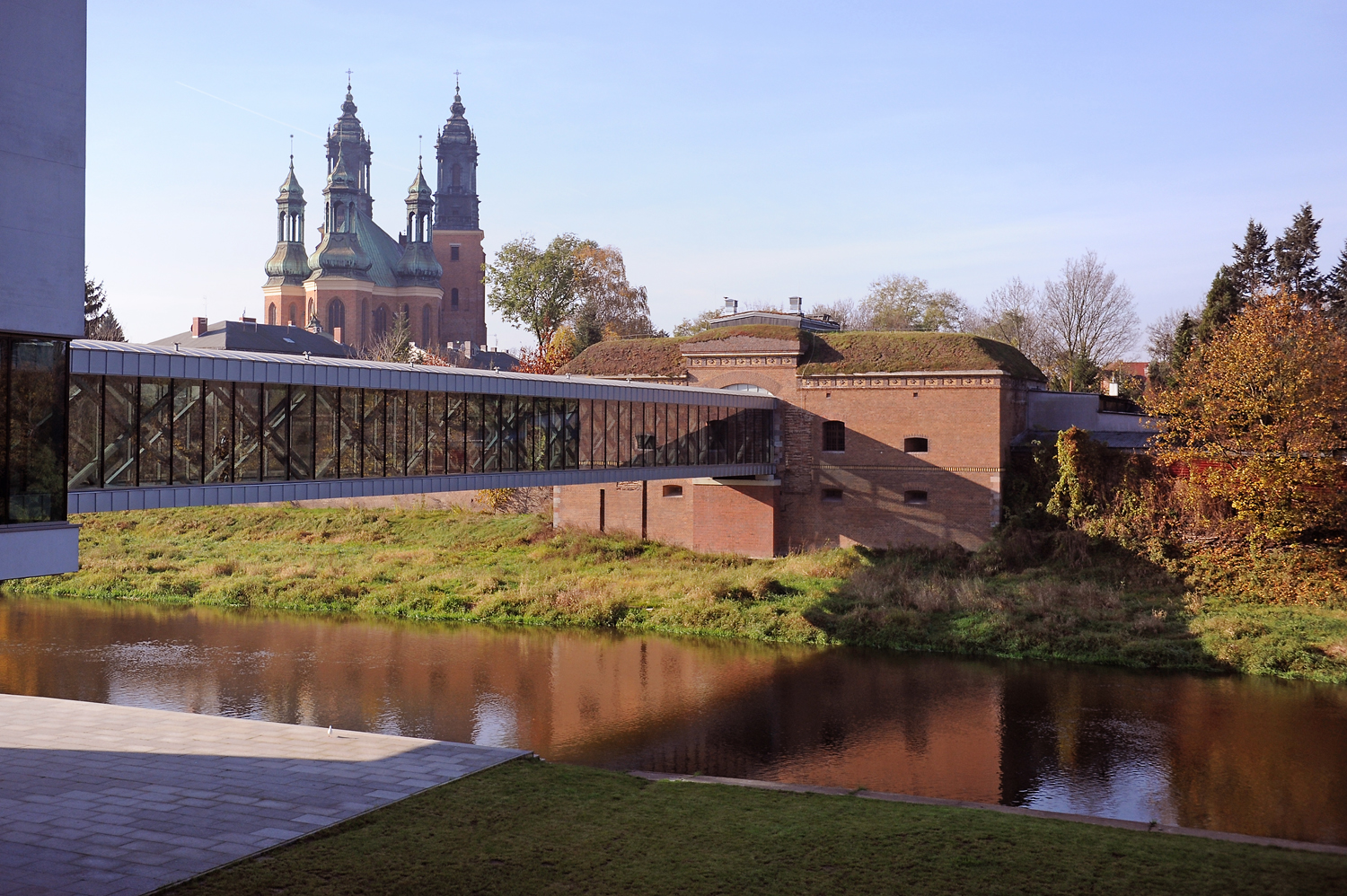
Poznań earns its place on the map twice over: once as the cradle of the Polish state — its cathedral island, Ostrów Tumski, held the country's first bishop in 968 — and again as a working city that rebuilt itself from near-total wartime ruin and got on with things. The Old Market Square, reconstructed after the war to its early-modern proportions, gives you the Renaissance town hall with its famous clock-tower goats butting heads at noon. Around it, the city layers Baroque churches, a cylindrical modernist department store, and a repurposed brewery turned art-and-commerce complex, all within easy walking distance.

This is Greater Poland's capital and the region's practical hub — a university city with a long commercial tradition and enough architectural range to reward a few days of unhurried looking.

Good to know
Poznań sits on the main Berlin–Warsaw rail line, making it straightforward to reach from either direction. Spring and early autumn offer the most comfortable walking weather. The Old Market Square rewards a slow loop at different times of day; the cathedral island, a short walk east, is often quieter in the morning.
The story

How Poznań came to be

The city started as a stronghold in the ninth century and quickly became one of the twin seats of early Polish power, alongside Gniezno. Poland's first cathedral went up here in 968. After a Bohemian raid destroyed much of the region in 1038 and the capital shifted to Kraków, Poznań regrouped: Duke Przemysł I began building the Royal Castle around 1249, and a formal town charter followed in 1253 under Magdeburg law. His successor Przemysł II was crowned king of Poland in 1295, making the castle briefly a royal residence.

The town hall — its three-story loggia and clock mechanism with mechanical goats date to a reconstruction by Italian architect Giovanni Battista di Quadro between 1550 and 1560 — survives as the square's centrepiece. Much else was destroyed in 1945, when Soviet and German forces fought through the city street by street, leaving it in ruins. The rebuilding that followed shaped the Poznań you walk through today.

People & landmarks

Who and what shaped it

People who shaped it

Mieszko I
10th-century ruler; established Poznań as seat of the Polanes.
Duke Przemysł I
Began constructing Royal Castle c. 1249; acquired settlement for town founding under Magdeburg law in 1253.
Duke Przemysł II
Crowned king of Poland in 1295; made Poznań castle a royal residence.
Giovanni Battista di Quadro
Italian architect from Lugano; directed Town Hall reconstruction 1550–1560 after 1536 fire.
Andrzej Górka
Starost General of Greater Poland; Górka Palace constructed 1545–1549 for him.
Jakub Wujek
Rector of Jesuits' College; responsible for first Polish translation of Bible.
Max Johow
Leading architect in early 20th-century Poznań; designed Johow-Gelände housing estate in Łazarz district.
Marek Leykam
Designer of Okrąglak, key example of post-war Polish modernism.

Landmark buildings

Archcathedral Basilica of St. Peter and St. Paul
Most important Gothic sacred building in Poznań; current form emerged from 14th–15th century reconstruction; Poland's first cathedral erected 968 on Ostrów Tumski.
Town Hall
Exemplary Renaissance architecture with three-story loggia and mechanical clock tower with goats; reconstructed 1550–1560 by Giovanni Battista di Quadro after 1536 fire.
Old Market Square
Laid out on square plan with 140-meter sides; almost completely destroyed in WWII; reconstructed after war to early modern proportions.
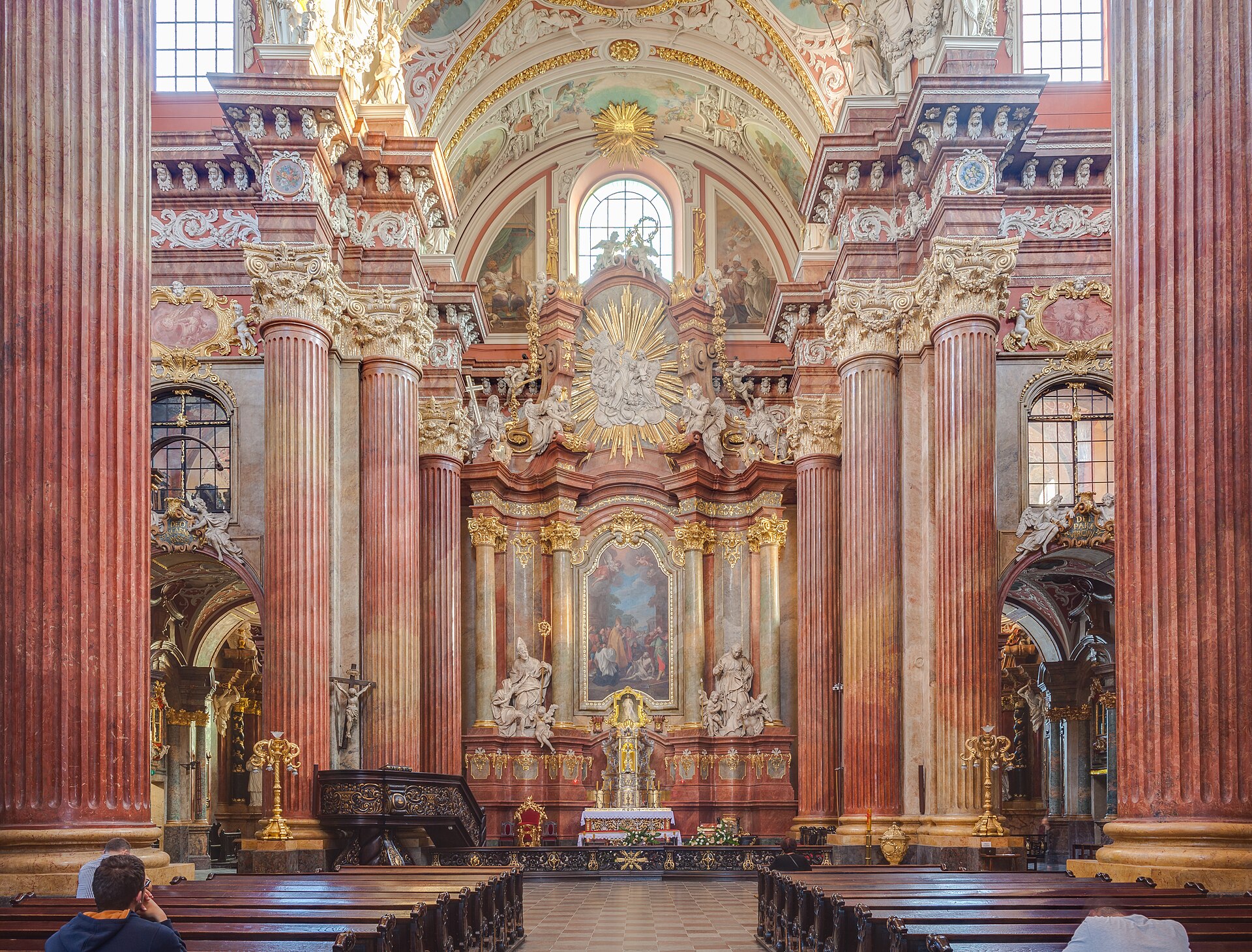
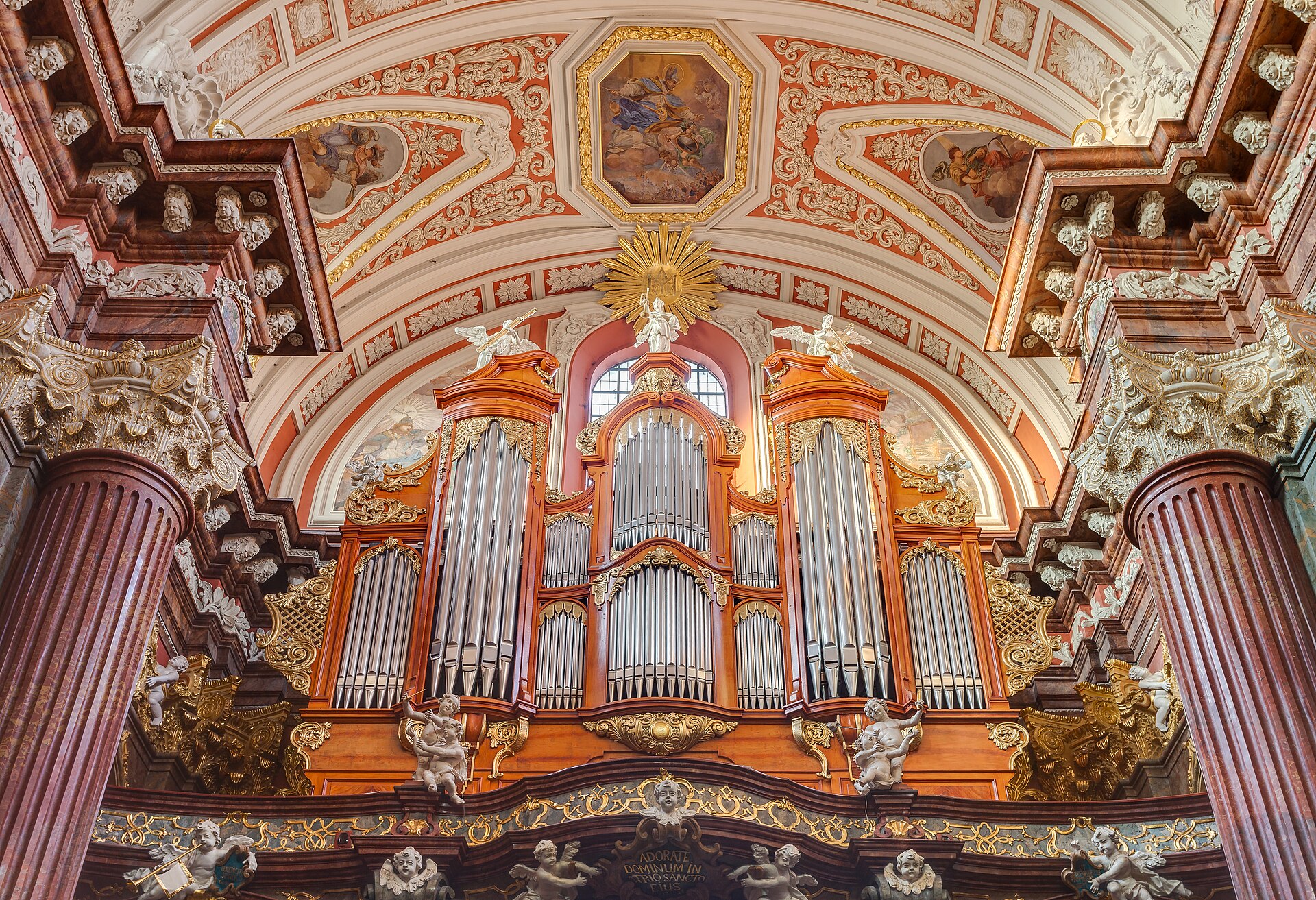
Poznań Fara (Collegiate Basilica)
Important Baroque building; construction began mid-1600s.
Jesuits' College
Founded 1571 under Jakub Wujek; gained right to award academic degrees 1611; abolished and merged with Lubrański Academy 1780.
Górka Palace
Representative Renaissance urban residence constructed 1545–1549 for Andrzej Górka from reconstructed Gothic townhouses.
Royal Castle
Construction begun c. 1249 by Duke Przemysł I on left bank of Warta; became royal residence under Przemysł II (crowned 1295).
Johow-Gelände
Housing estate in Łazarz district designed by Max Johow; dense layout with front gardens and decorated entrance halls.
Okrąglak
Iconic cylindrical building designed by Marek Leykam; key example of post-war Polish modernism; originally department store, now office space.
Poznań Arena Hall
Built 1974; dome diameter 80.5 m propped by 24 radial poles; capacity 4,200 spectators.
Stary Browar
Center of commerce and art opened 2003; won several awards for architecture.
Poznański Szybki Tramwaj (Poznań Fast Tram)
Opened 1997; 6.1 km long route.
Practical

Plan your visit

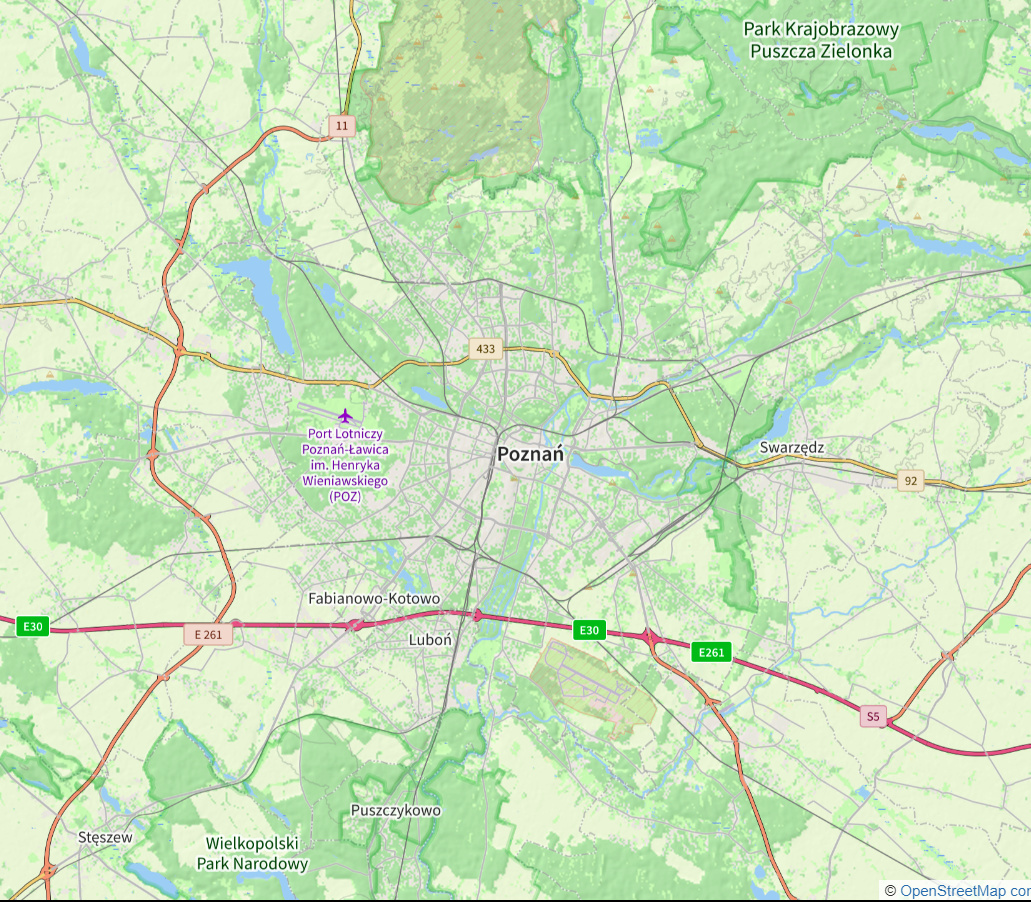
On the map

When to go

Summers are warm and occasionally humid, with long evenings good for sitting on the square; winters are cold and grey, with temperatures regularly below freezing. April through June and September through October tend to offer the most reliable conditions for being outdoors.

Right now

🌧️
22°C
Rain
Fri
🌦️
30°
19°
Sat
⛈️
27°
19°
Sun
🌦️
21°
15°
Mon
🌦️
17°
14°
Weather data: Open-Meteo

Background & history adapted from Wikipedia (CC BY-SA) · specs from Wikidata (CC0) · weather from Open-Meteo · map data © OpenStreetMap contributors · photos from Wikimedia Commons / Unsplash with per-image credit. No third-party reviews or social posts reproduced.

Top