
Wrocław
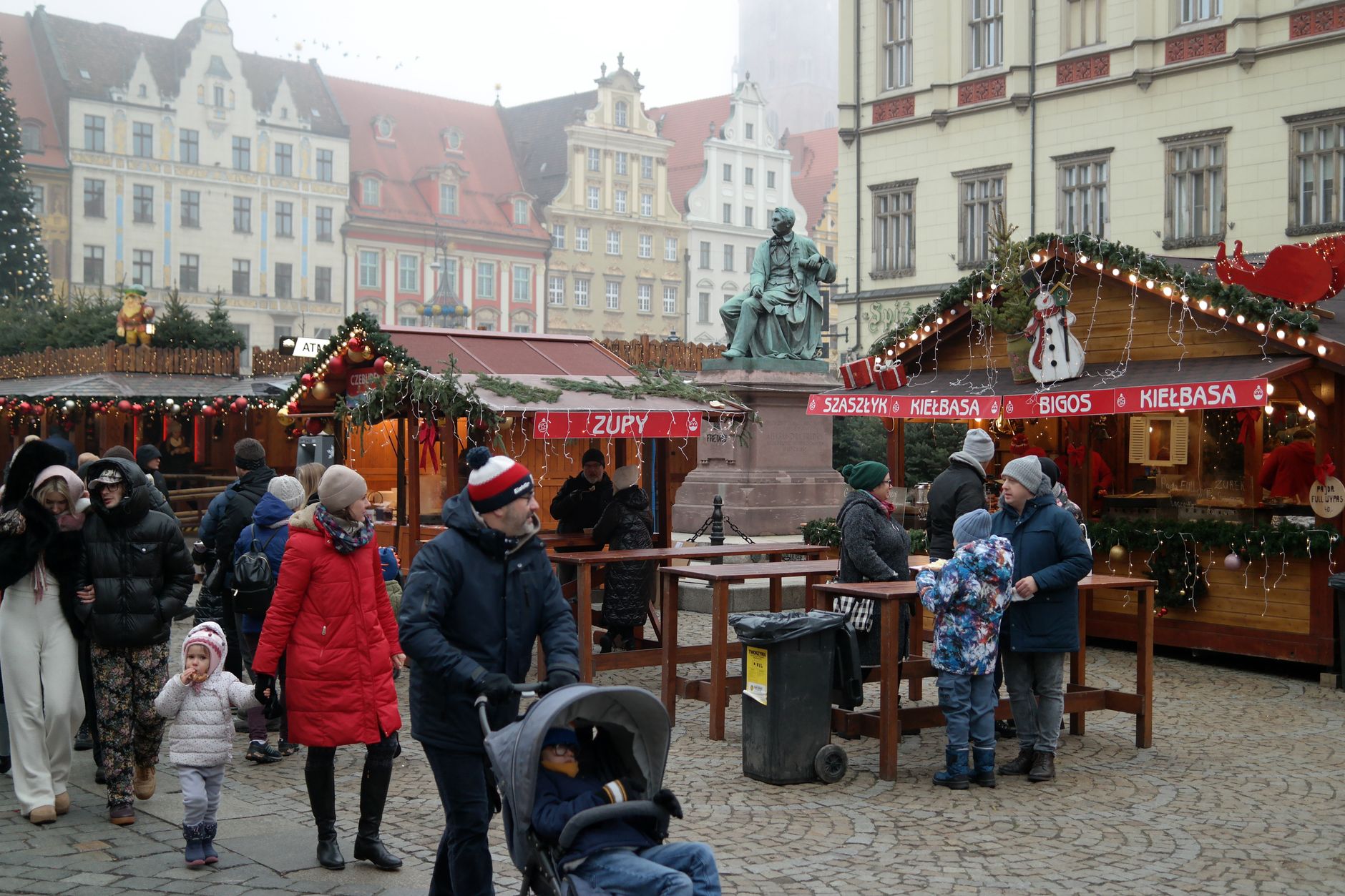
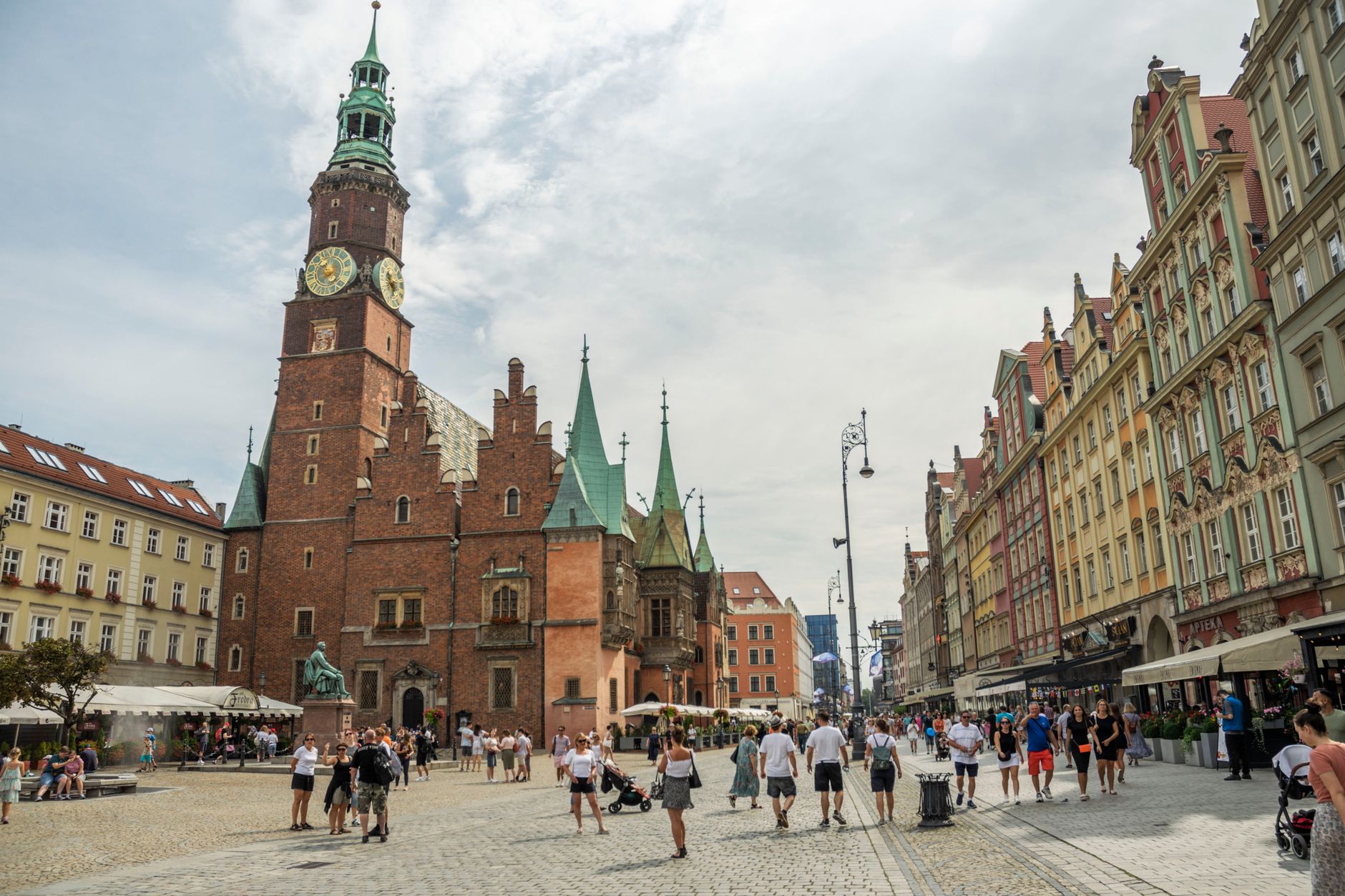
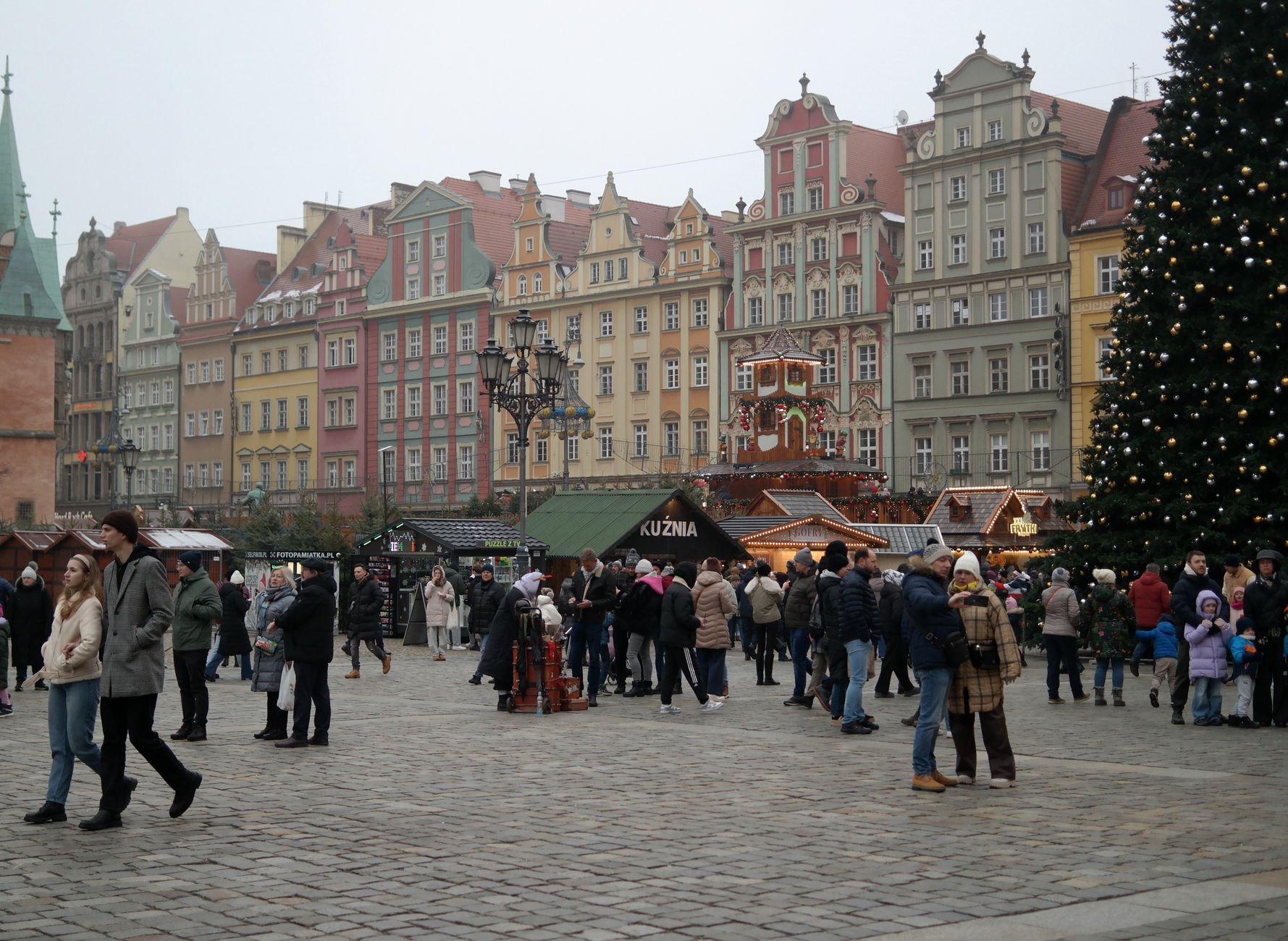
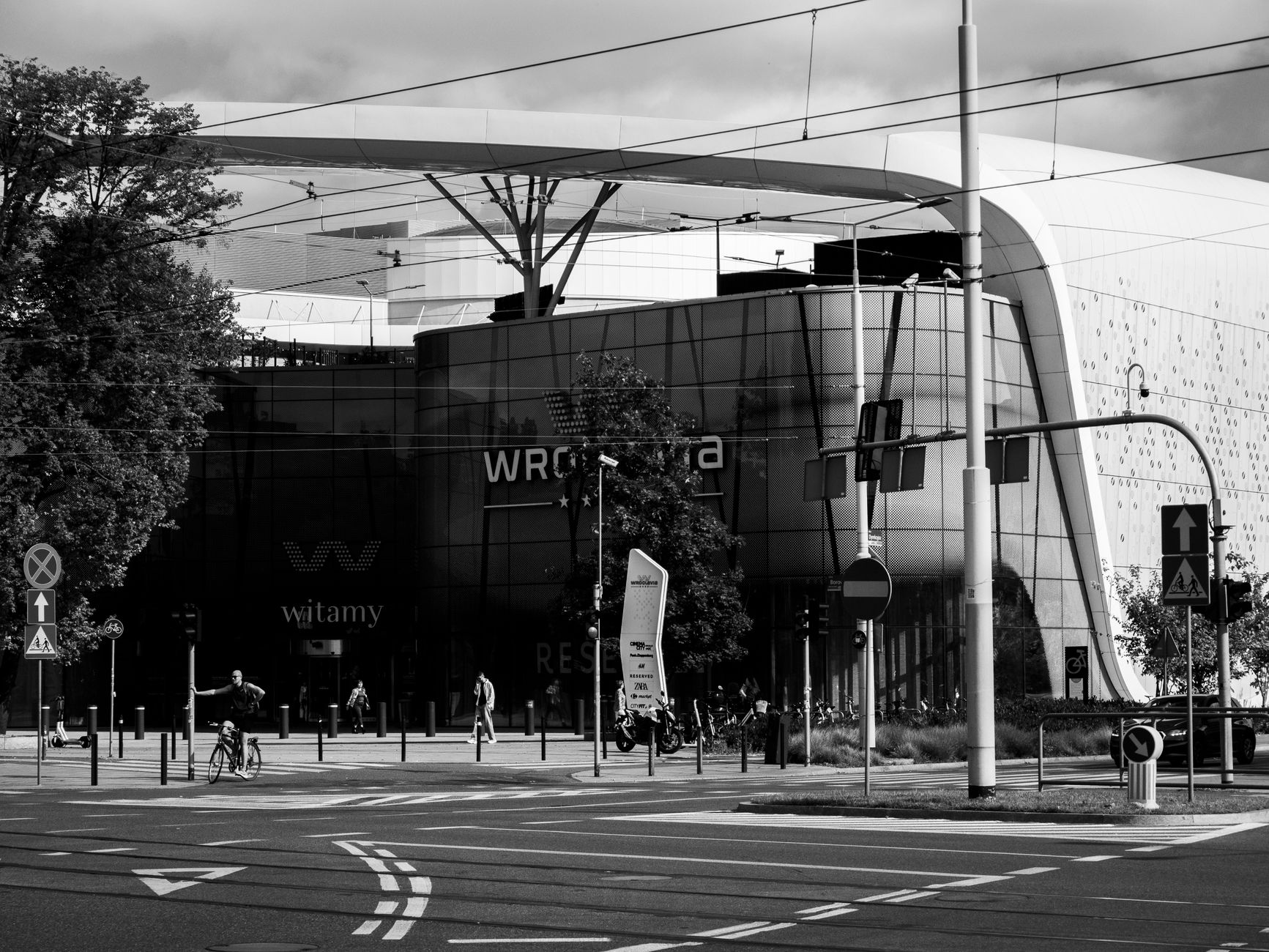
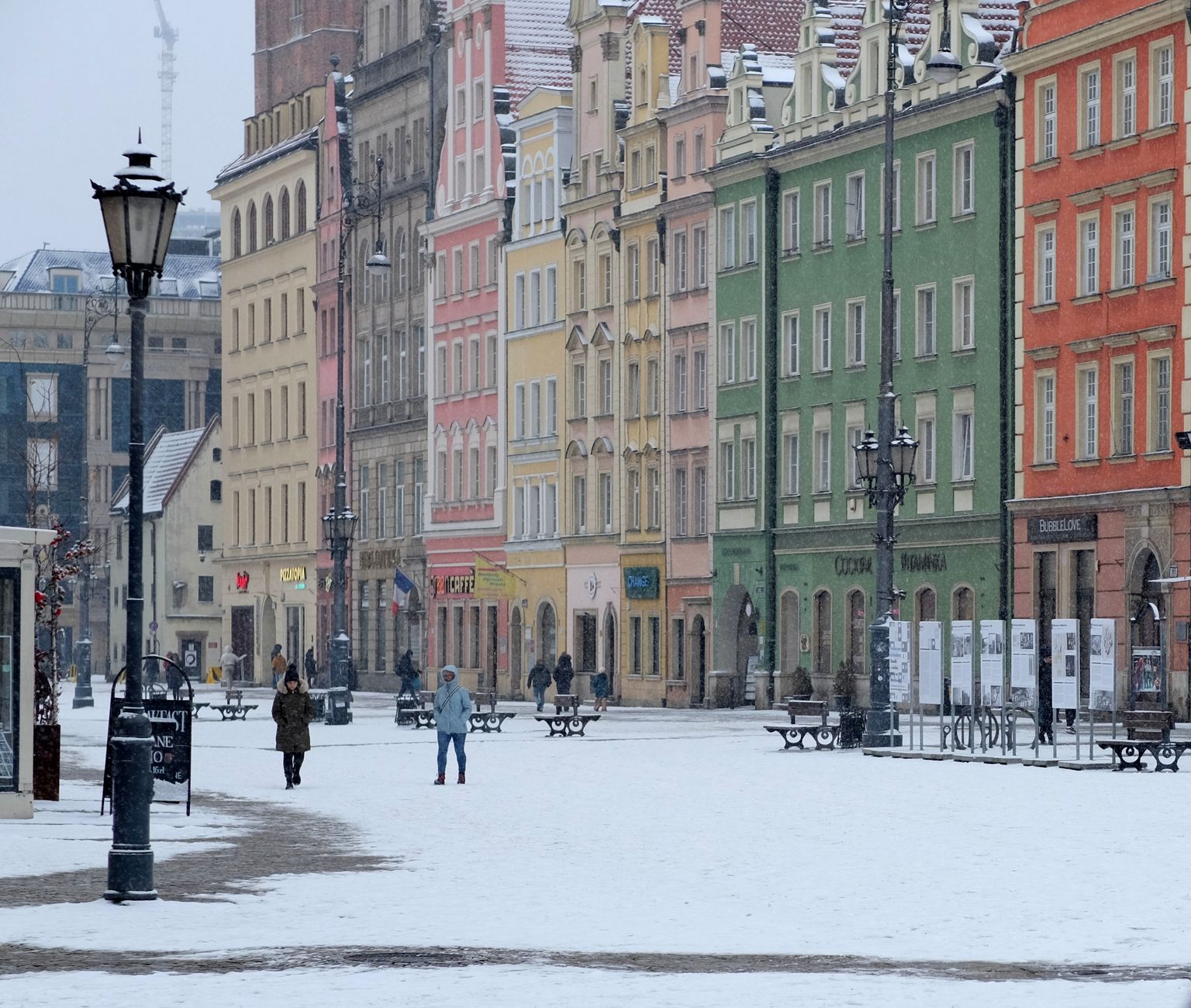
Wrocław sits at the crossing of two ancient trade routes — the Via Regia running east-west and the Amber Road heading north-south — and that position shaped everything: who arrived, who stayed, who rebuilt after the next wave of destruction. The city changed hands between Polish, Bohemian, Habsburg and Prussian rulers over the centuries, and was called Breslau for most of its modern history before being largely depopulated and rebuilt as a Polish city after 1945.
What you find now is a place of real architectural layering: Gothic town hall, Baroque churches, Wilhelmine apartment blocks, and postwar reconstruction all sharing the same streets. The Oder River splits into channels here, creating a small archipelago at the city's oldest core, Ostrów Tumski, where gas lamps are still lit by hand each evening.
💛 What travellers fall for
People who come back tend to keep score on the dwarfs — over 800 small bronze figurines scattered across pavements, walls and lampposts since 2005, each with its own character and story. Beyond that, regulars know to book the Racławice Panorama in advance; the cycloramic painting is genuinely singular and queues for weekend slots can stretch long.
How Wrocław came to be
The city traces back to around 940, founded at the intersection of two major trade routes. Duke Mieszko I reinforced its fortifications in 985, and by 1000 AD it had its own episcopal see, confirmed at the Congress of Gniezno. In 1138 it became capital of the Piast-ruled Duchy of Silesia, and received Magdeburg city rights in 1261.
Prussia annexed the city in the 1740s, and it remained Breslau through the nineteenth and early twentieth centuries — long enough to produce, among others, Alois Alzheimer, who headed the university's psychiatry department from 1912, and William Stern, who introduced the concept of IQ that same year. The Second World War left 70 percent of the residential city destroyed; reconstruction was immediate and sustained, and the population that rebuilt it was almost entirely new.
Who and what shaped it
People who shaped it
Landmark buildings
See Wrocław in motion
Plan your visit
On the map
When to go
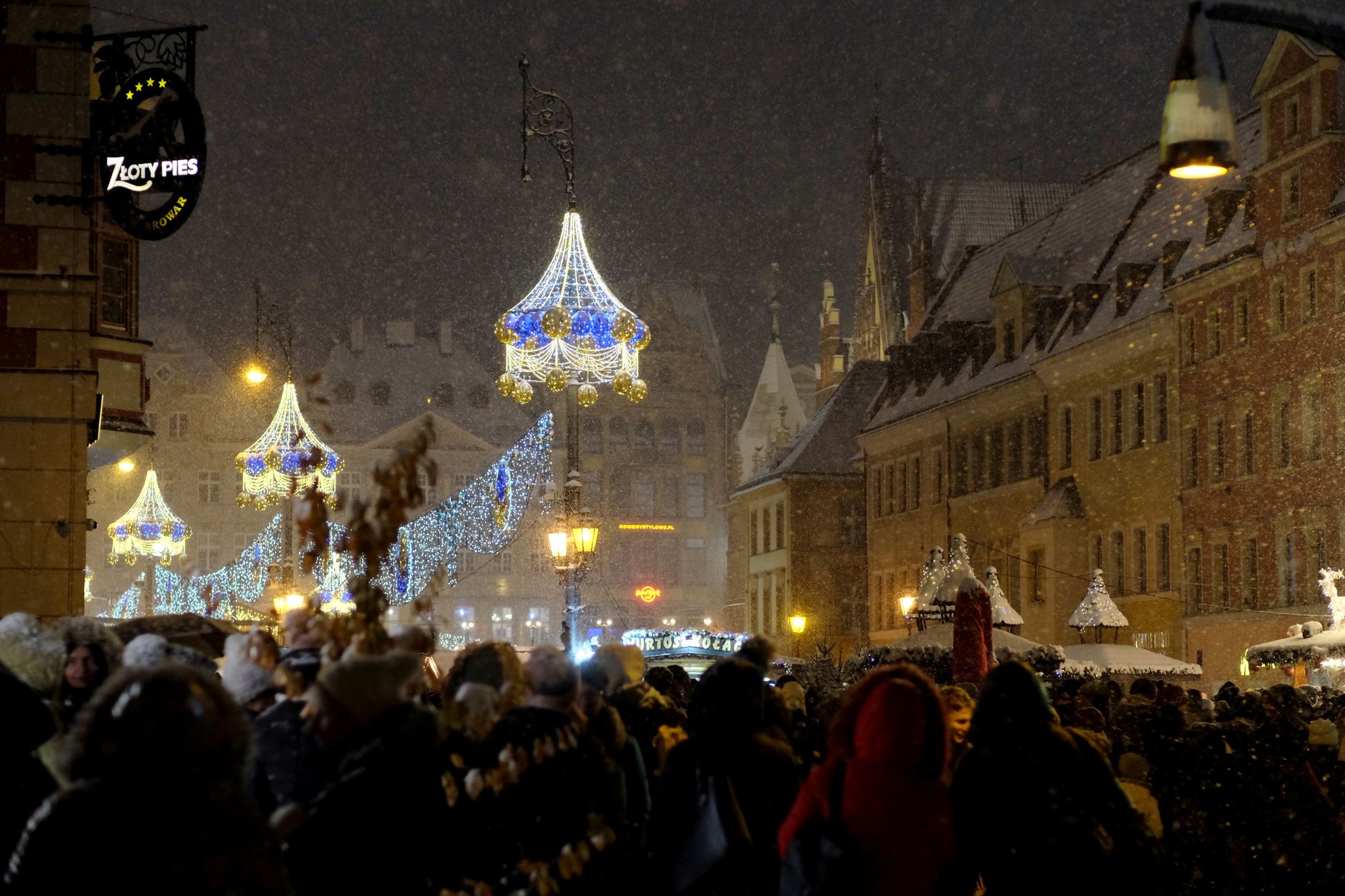
Summers are warm and occasionally humid, with long daylight hours good for walking; winters are cold and grey, with snow possible from November through March. Spring and early autumn — roughly April-May and September-October — tend to offer dry, mild days without the peak-season crowds.
Right now
Background & history adapted from Wikipedia (CC BY-SA) · specs from Wikidata (CC0) · weather from Open-Meteo · map data © OpenStreetMap contributors · photos from Wikimedia Commons / Unsplash with per-image credit. No third-party reviews or social posts reproduced.