
Kraków
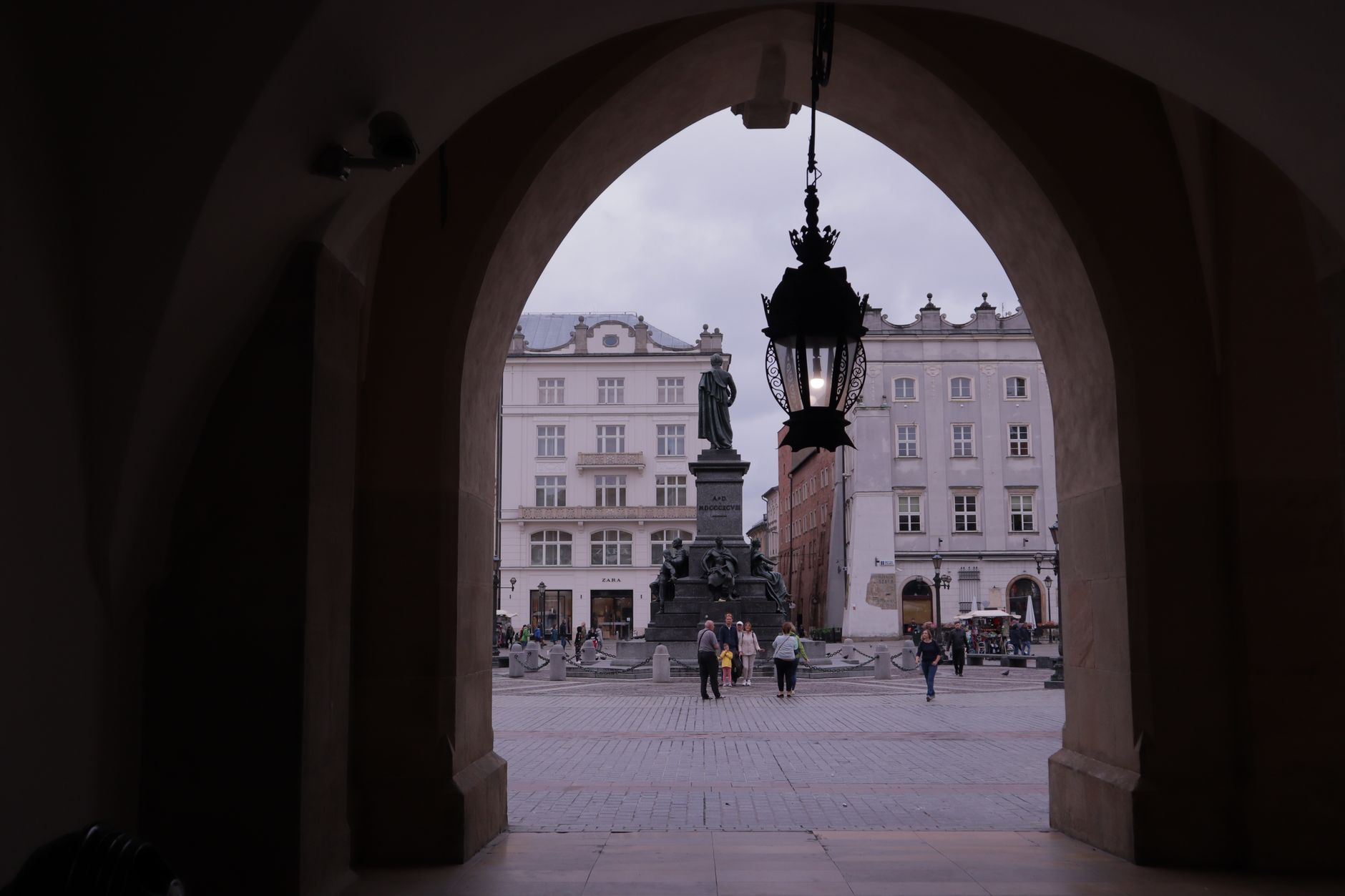
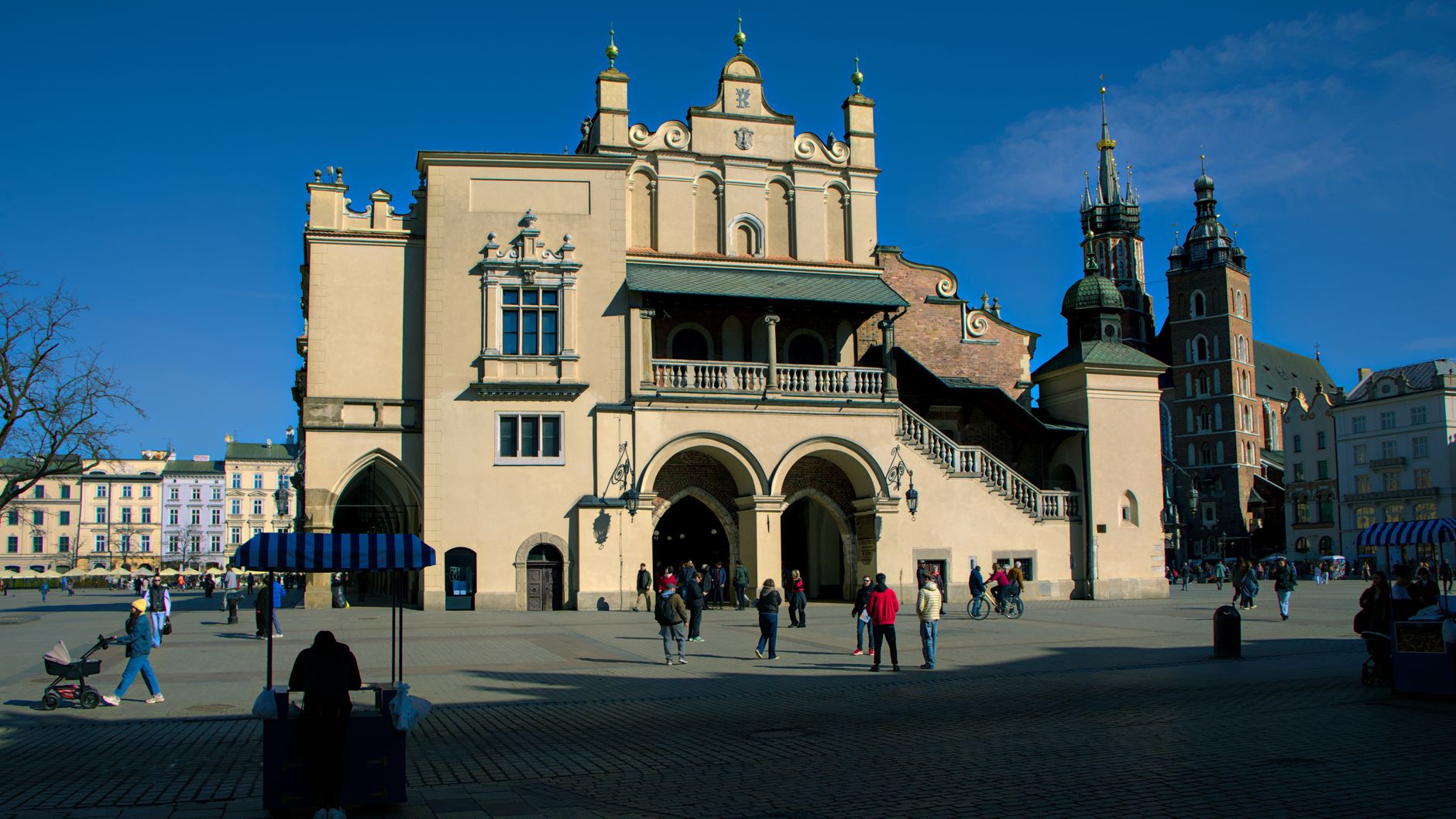
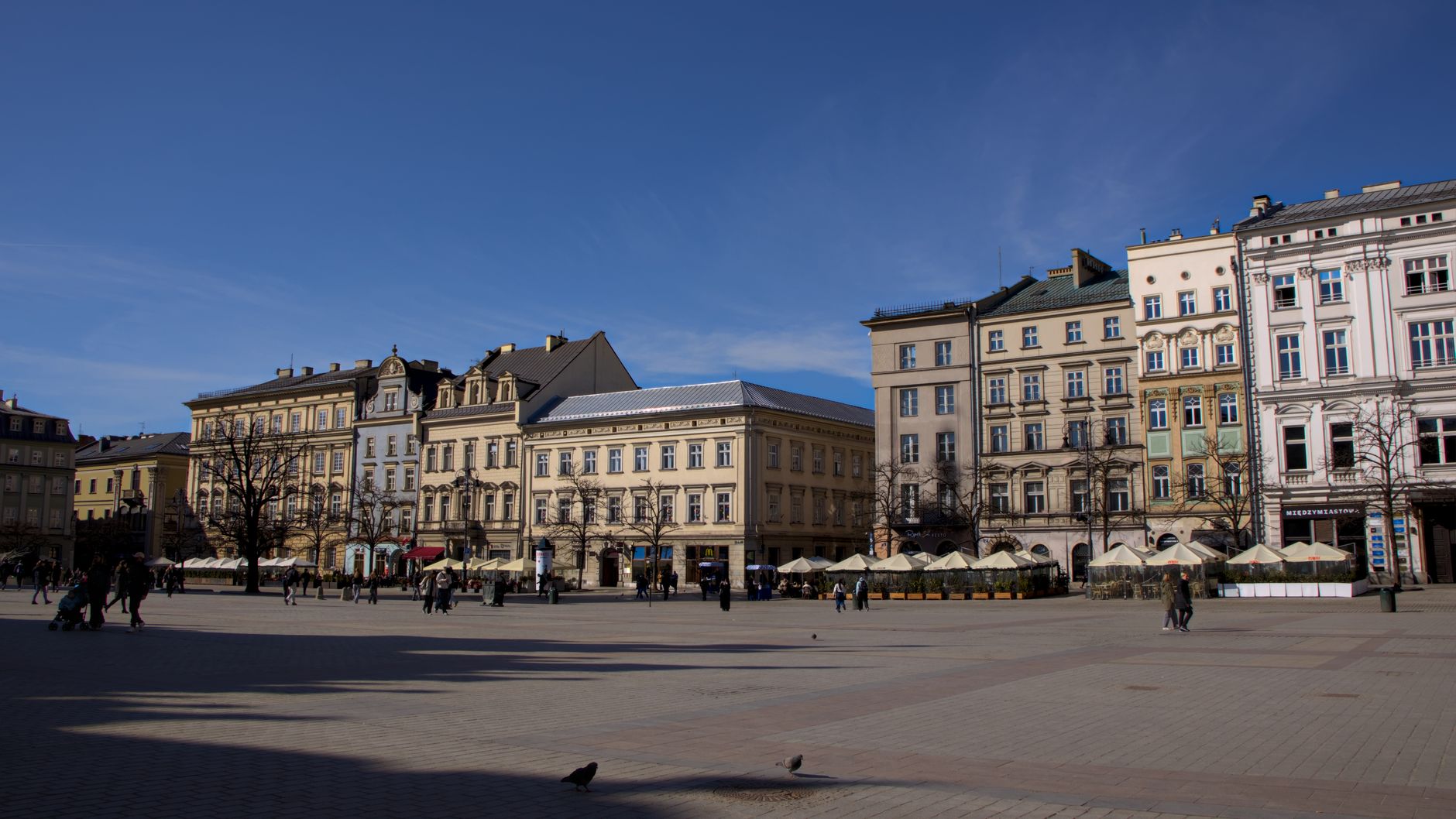
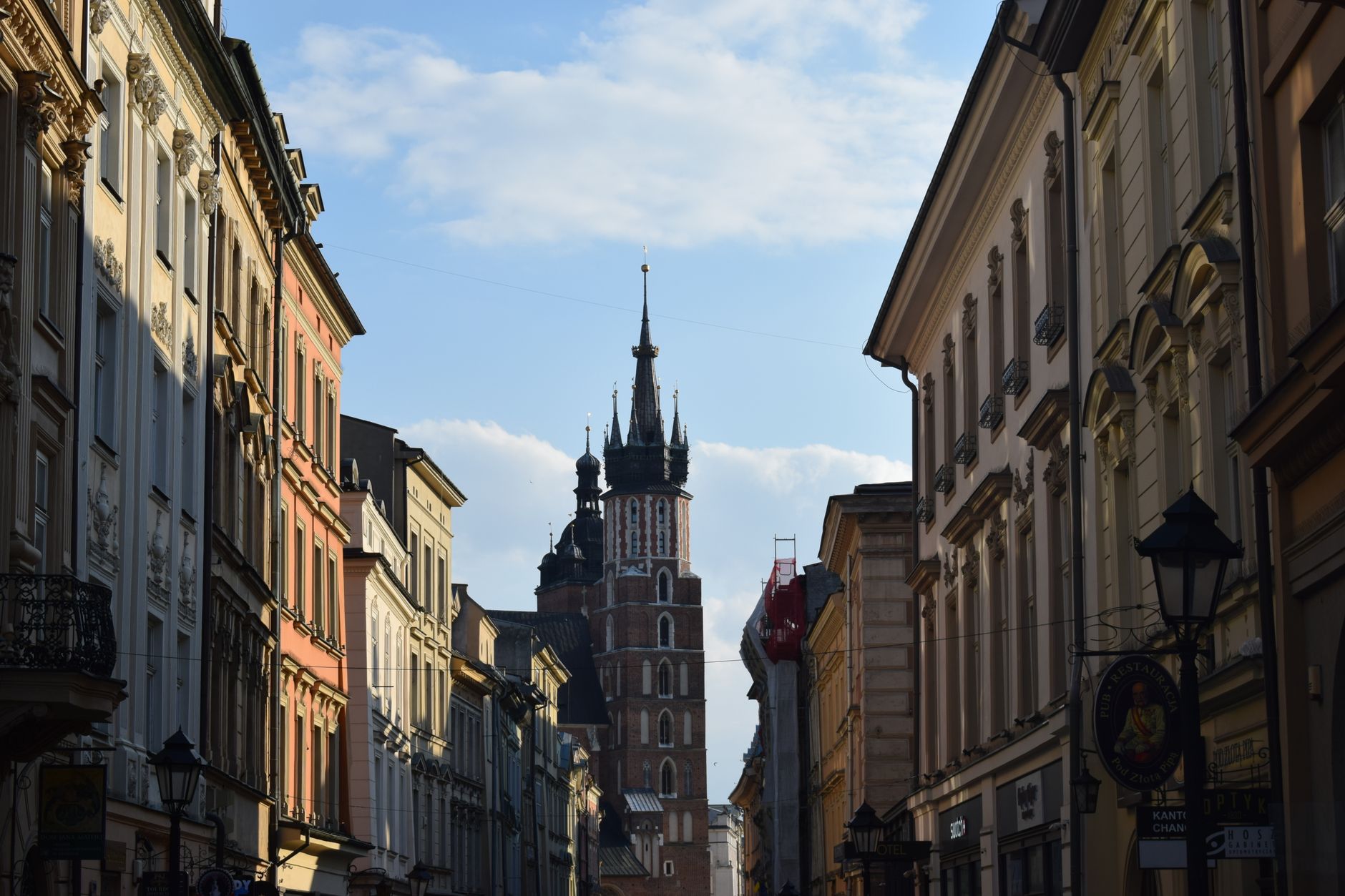
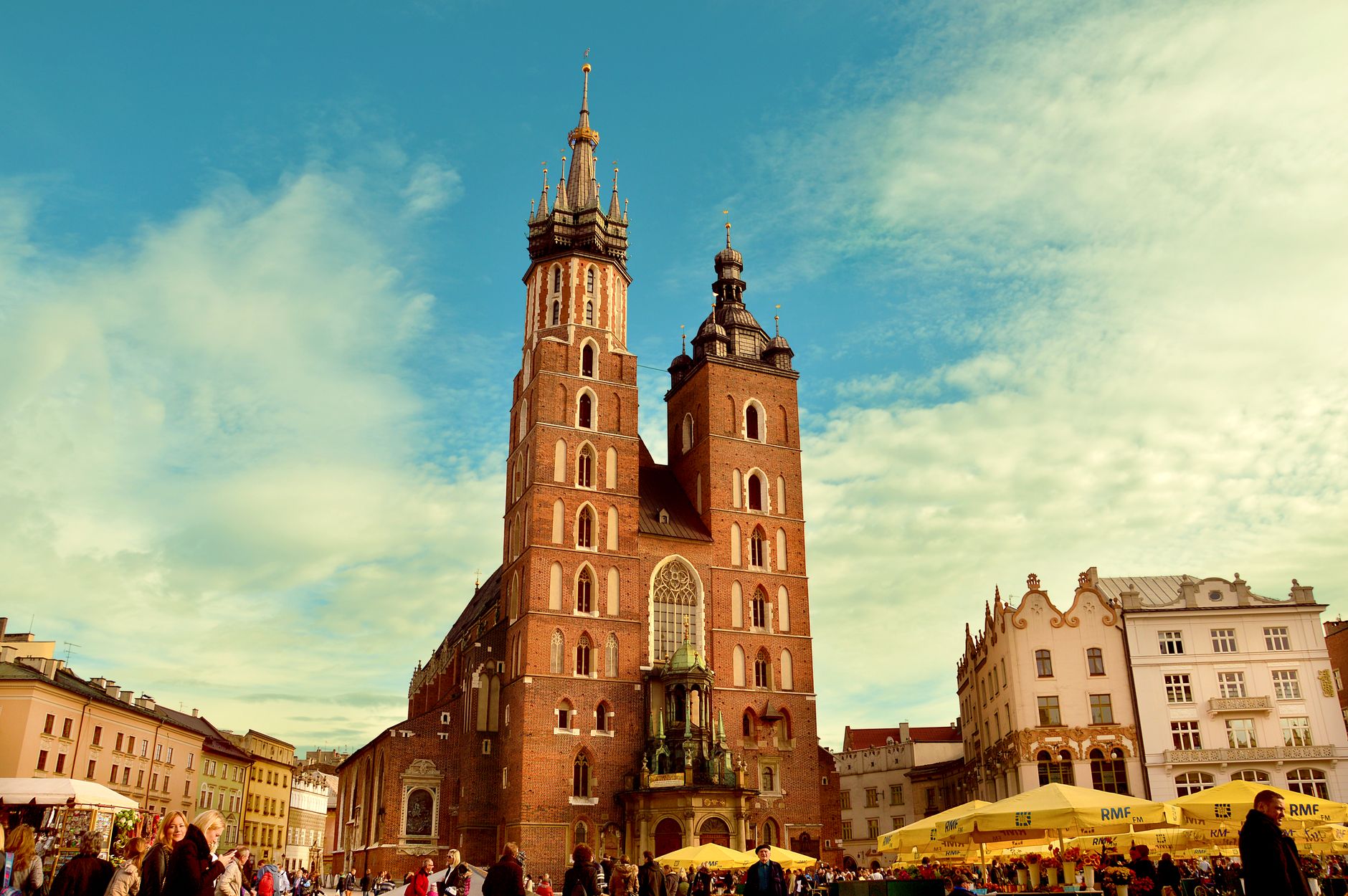
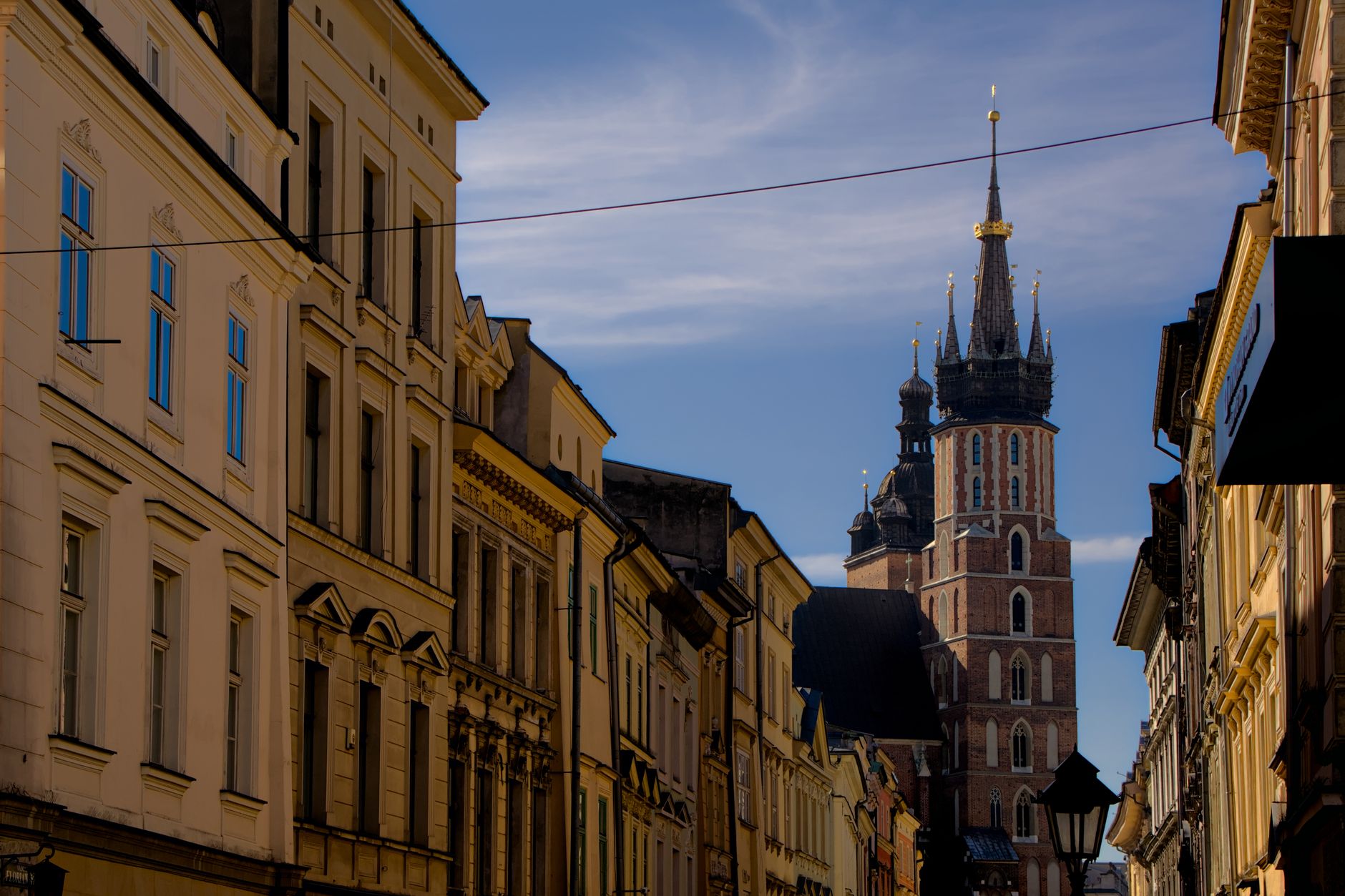
Kraków earns its reputation the slow way — through accumulation. A medieval cloth hall still occupying the centre of the main square, a trumpet call breaking from St. Mary's tower every hour on the hour, a castle on a limestone hill that was the seat of Polish kings for five centuries. The city survived the Second World War largely intact, which means you walk streets that weren't rebuilt from rubble but simply continued.
The Old Town, Kazimierz, and Wawel Hill form the core, but Kraków rewards the instinct to wander further — into Nowa Huta's Soviet-era grid, or along the Vistula bank when the light is low.
💛 What travellers fall for
People who come back tend to anchor themselves in Kazimierz rather than the Old Town centre — better coffee, quieter mornings, and the kind of courtyard you stumble into by accident. The tram system is genuinely reliable; lines 50 and 52 cut across the city faster than any taxi in traffic. And the Cloth Hall souvenirs are skippable — the amber is real, the linen less so.
How Kraków came to be
Settlement on Wawel Hill goes back to at least the fourth century, and by 966 — when the city's name first appears in writing, in a Sephardi traveller's account — Kraków was already a significant trading centre. Casimir III founded the Kraków Academy in 1364, making it the second university in central Europe after Prague. For centuries the city was the seat of Polish kings, until Sigismund III moved the government to Warsaw in 1596.
What followed were centuries of partition and occupation — Austrian rule from 1796, a brief Napoleonic interlude, a limited independence as the Free City of Kraków after 1815, and a failed uprising in 1846. Then, improbably, the medieval core came through the Second World War standing. The Soviet advance in January 1945 moved fast enough that planned demolitions never happened.
Who and what shaped it
People who shaped it
Landmark buildings
See Kraków in motion
Plan your visit
On the map
When to go
Summers are warm and occasionally humid, with July averaging around 20°C — pleasant but busy. Winters are cold and grey, with temperatures often below freezing from December through February; the city is quieter then, and the Wawel and the square take on a different quality in low light and thin crowds. Spring and September are reliably the most comfortable times to be on foot all day.
Right now
Background & history adapted from Wikipedia (CC BY-SA) · specs from Wikidata (CC0) · weather from Open-Meteo · map data © OpenStreetMap contributors · photos from Wikimedia Commons / Unsplash with per-image credit. No third-party reviews or social posts reproduced.