
Lublin
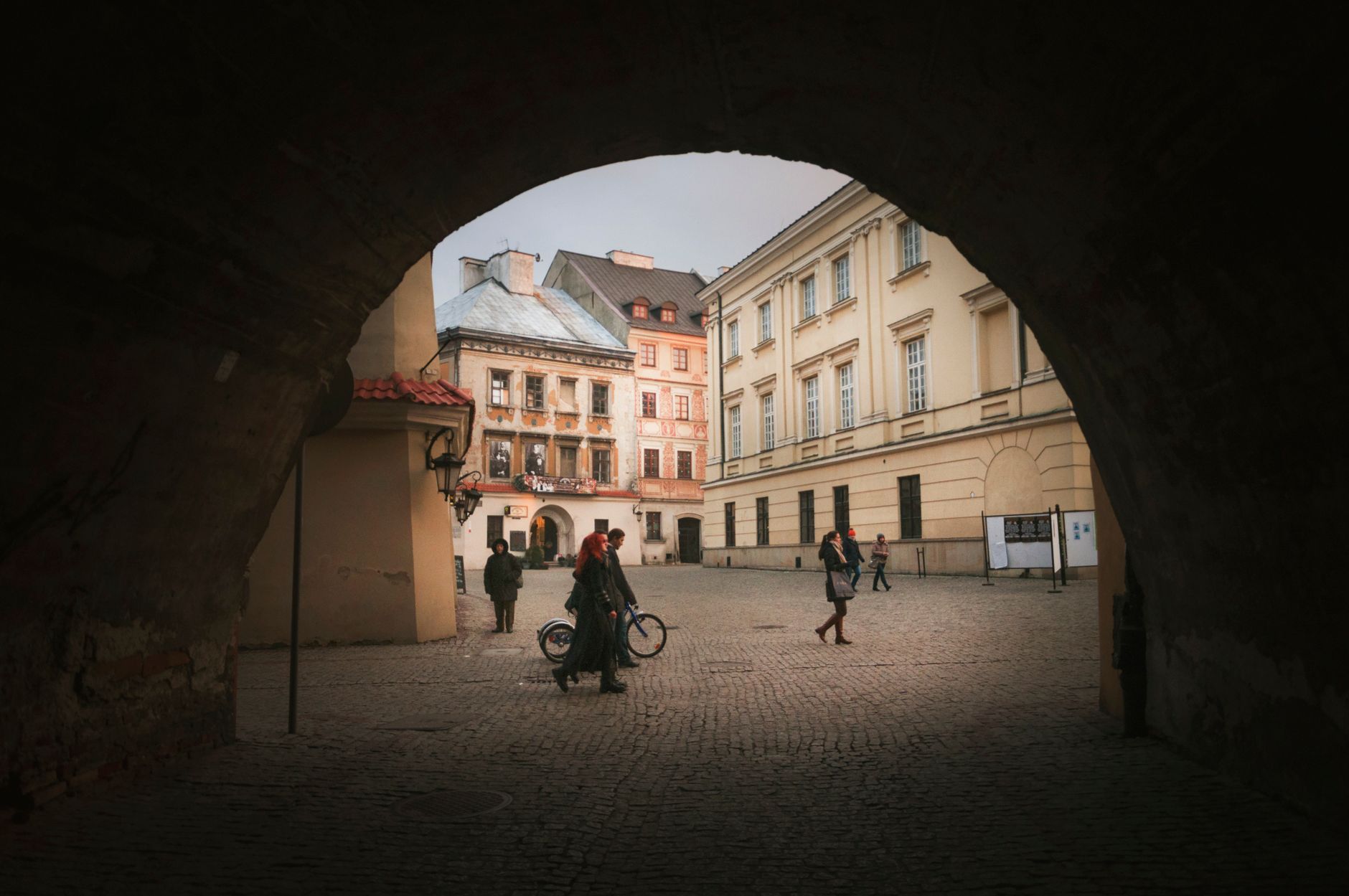
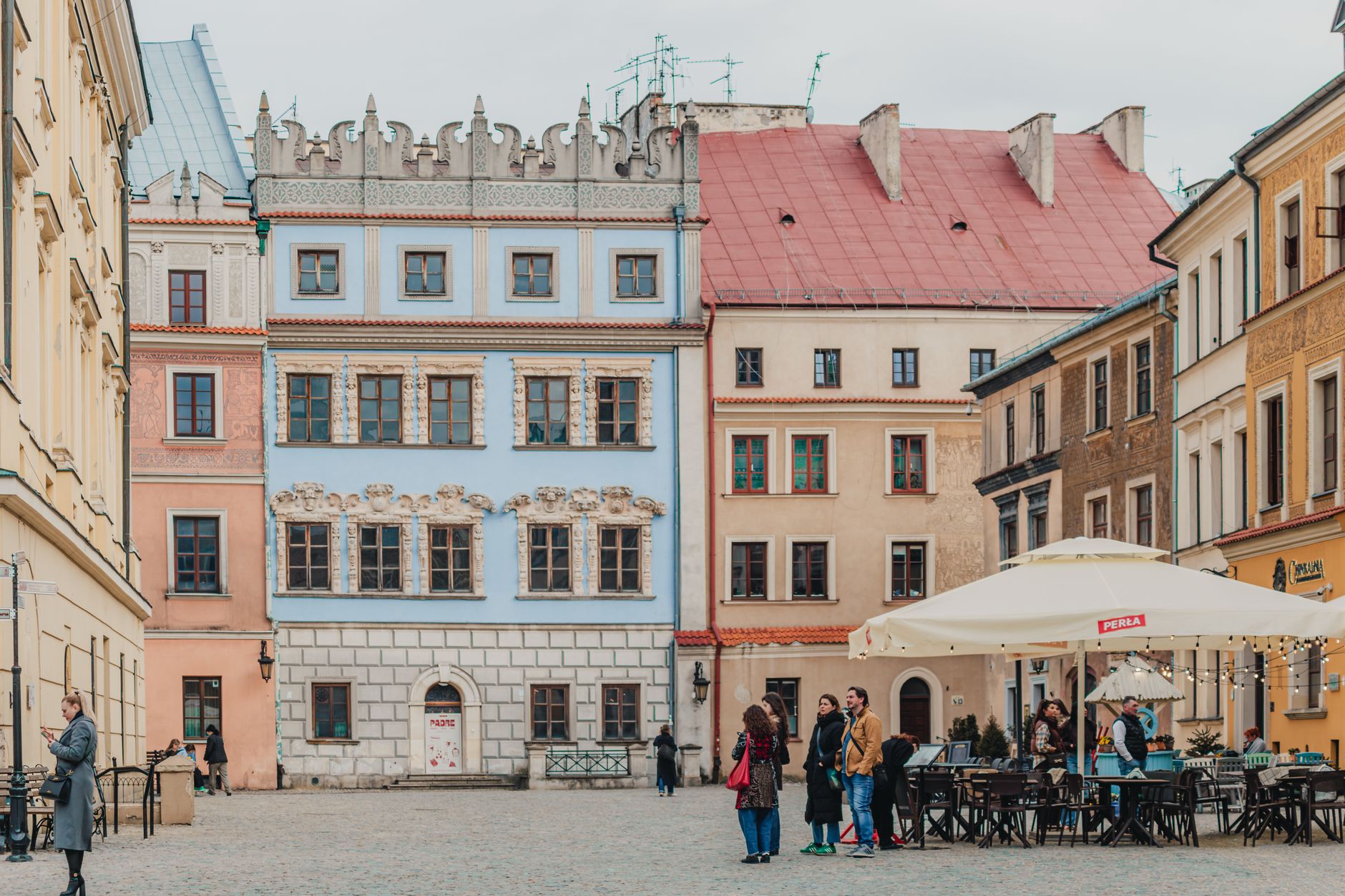
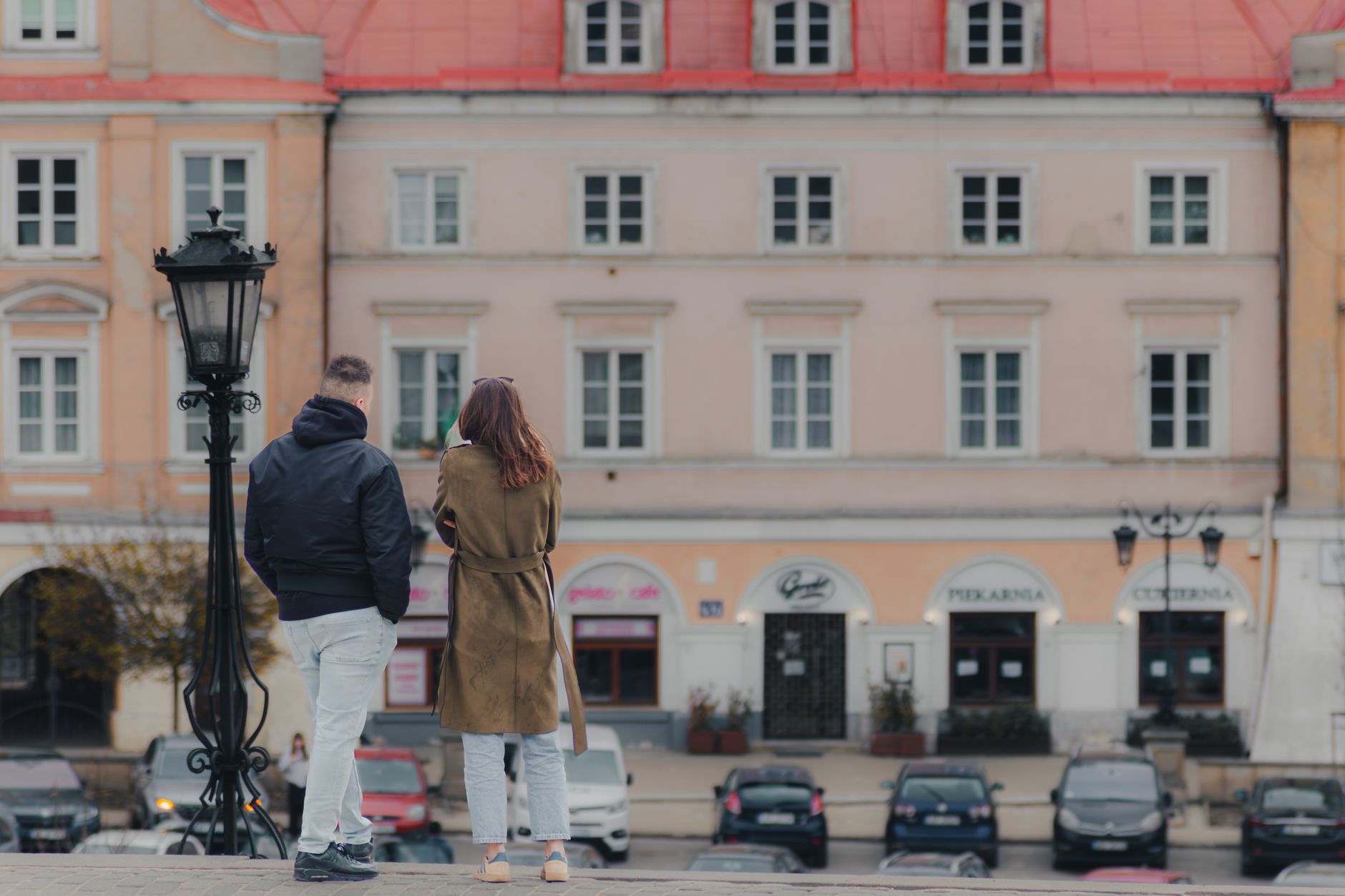
Lublin earns its place on the map with a specific piece of history: on 1 July 1569, in this city, Poland and Lithuania signed the Union of Lublin and created the Polish–Lithuanian Commonwealth, one of the largest states Europe had ever seen. That moment of consequence happened here, not in Warsaw, not in Kraków.
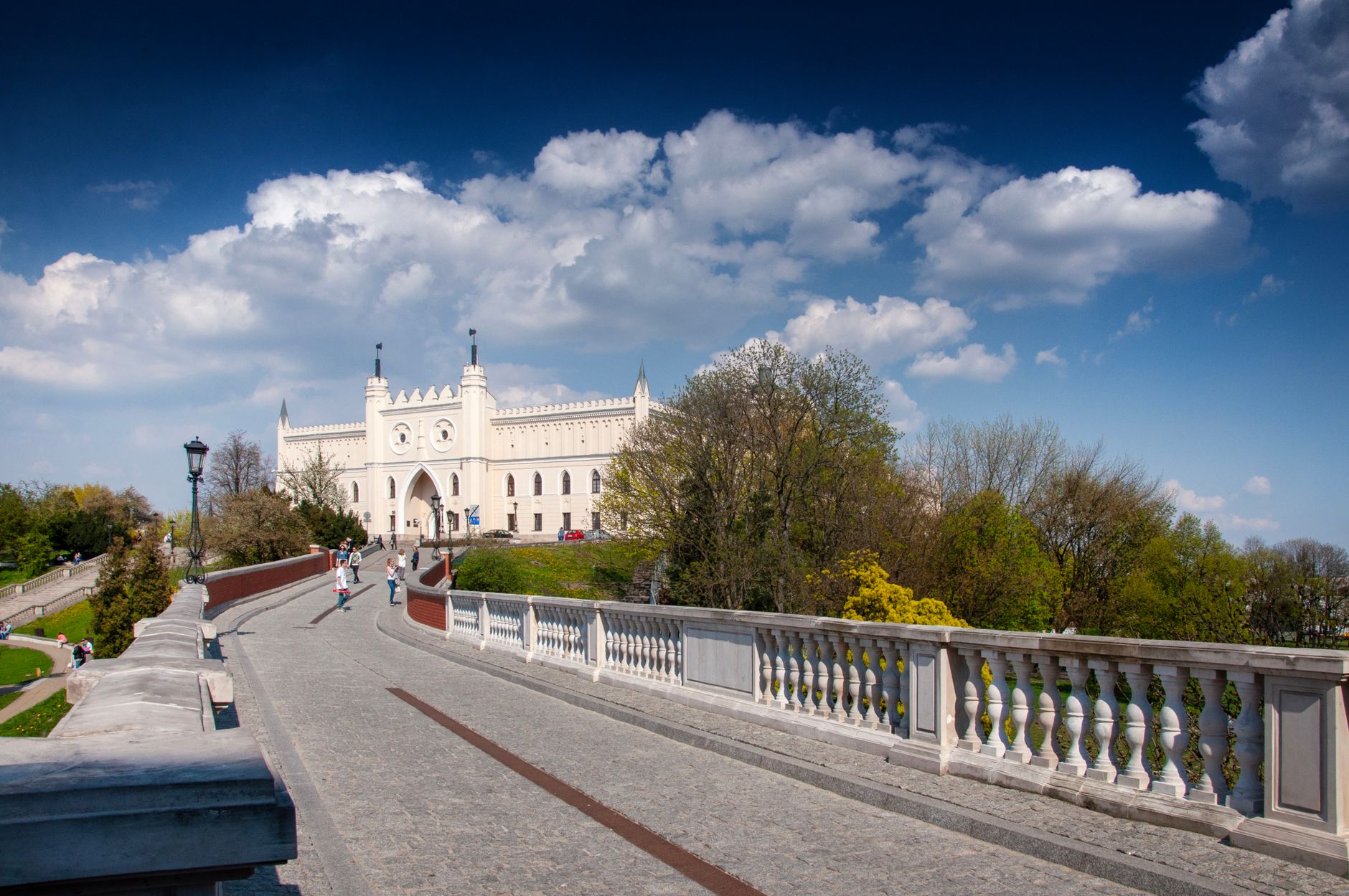
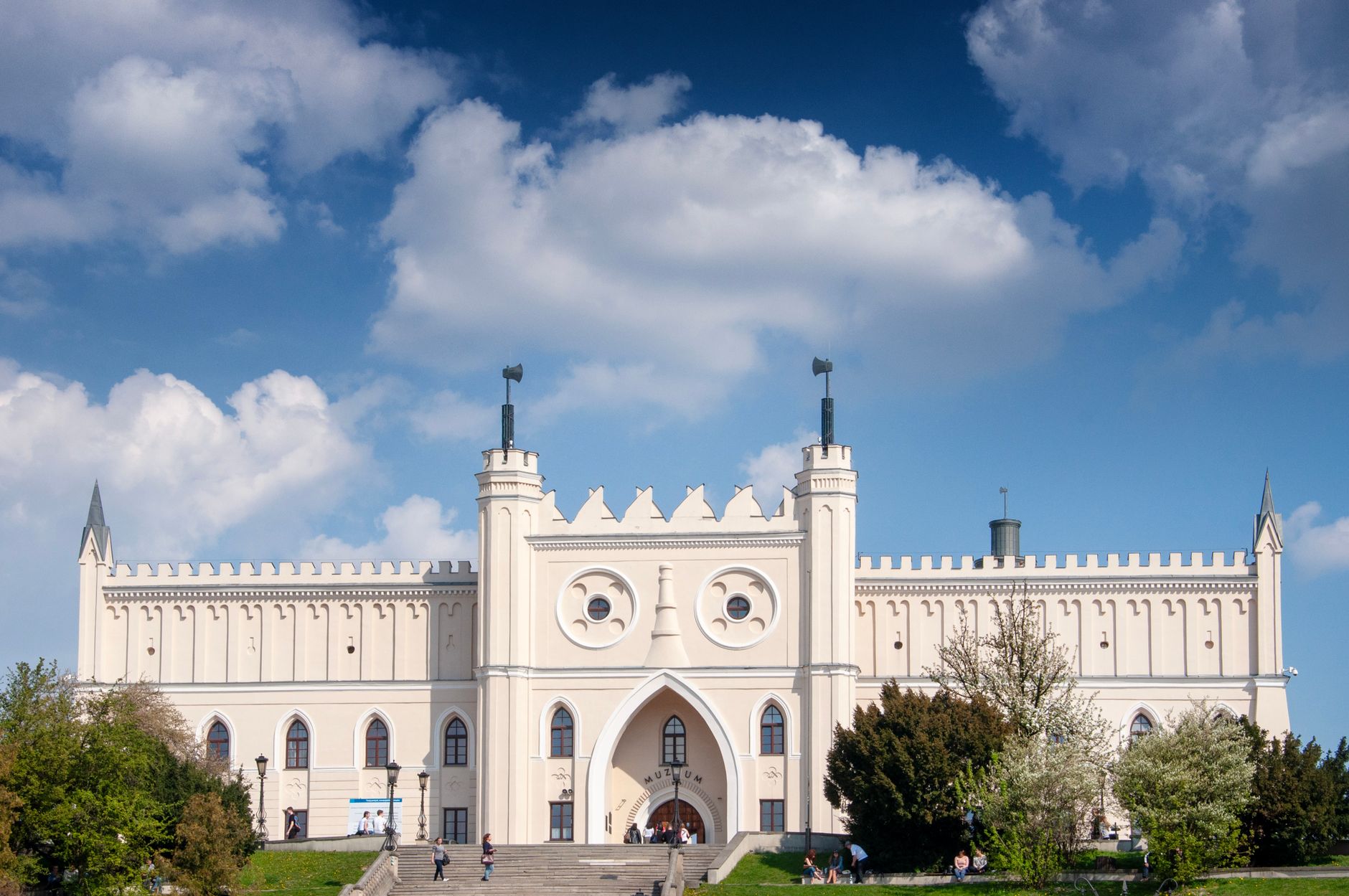
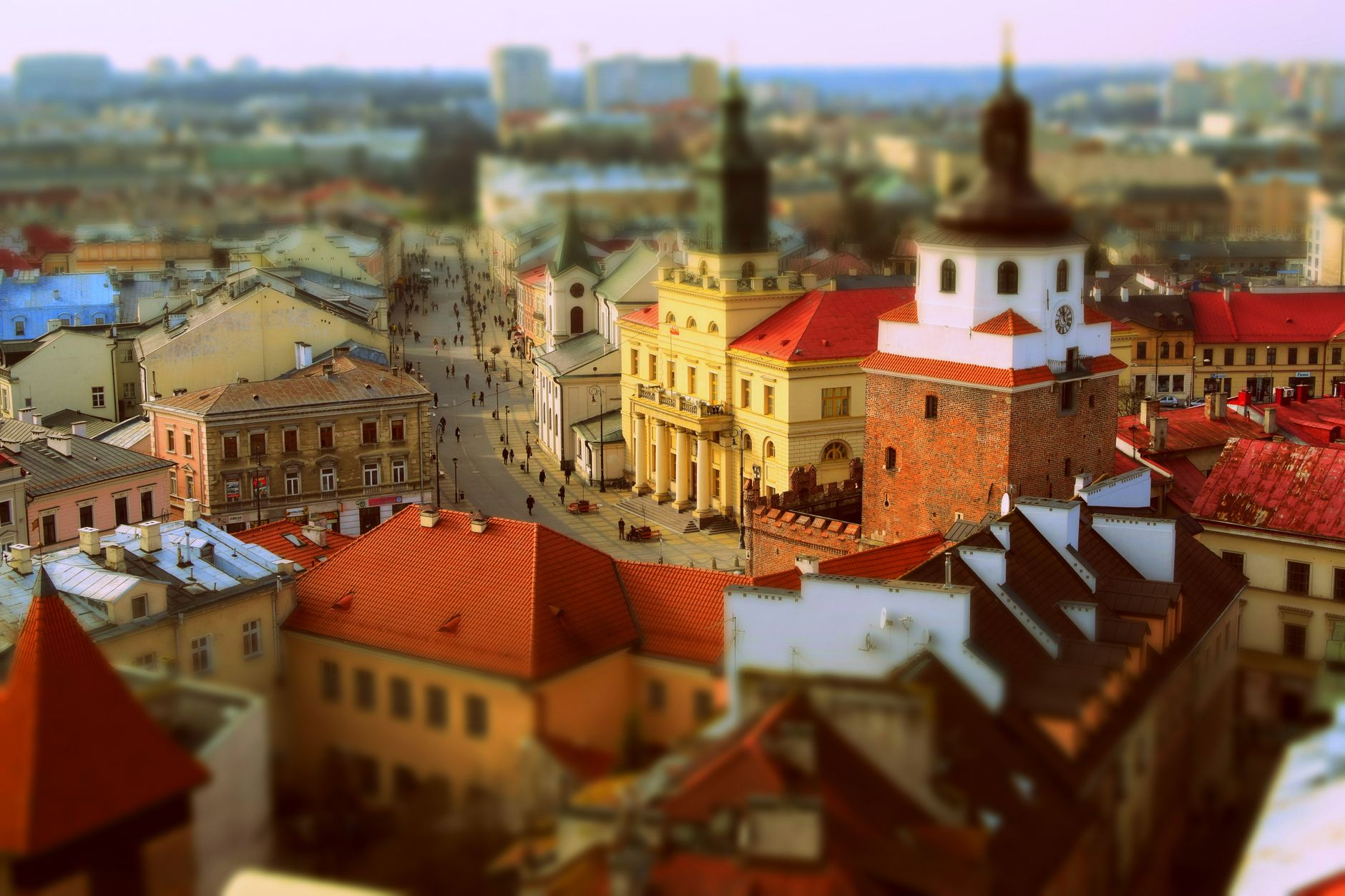
Today the Old Town still holds more than seventy percent of its original buildings across barely a square kilometre — Renaissance townhouses, a Crown Tribunal, a Baroque cathedral built by Jesuits between 1592 and 1604, and a 14th-century castle whose chapel contains Byzantine-Ruthenian frescoes commissioned by King Jagiełło in 1418. Lublin sits in eastern Poland, close enough to the Ukrainian border to feel like a different register of the country.
How Lublin came to be
Settlements on the hills that would become Lublin date to the sixth century — archaeologists found traces on Czwartek (Thursday) Hill, in what is now the city centre. The town's documented founding falls between 1258 and 1279. Casimir III the Great recognised its strategic position and in 1341 raised a masonry castle here, encircling the city with defensive walls; the round castle tower from the 13th century still stands in the courtyard. King Władysław II Jagiełło granted the city key trade privileges in 1392.
By the 16th century Lublin had become a meeting point of cultures: a renowned yeshiva founded in 1518 by Rabbi Salomon Szachna drew scholars from across Europe, and the city's Jewish community would later make it a centre of Hasidism. The Union of Lublin in 1569 gave the city its defining moment in European history. After the First World War it briefly housed the first government of an independent Poland, in 1918 — the same year the Catholic University was founded, where Karol Wojtyła would later lecture.
Who and what shaped it
People who shaped it
Landmark buildings
See Lublin in motion
Plan your visit
On the map
When to go
Lublin has a continental climate: winters are cold and often snowy, summers warm and occasionally humid. May through September is the most comfortable window for walking the city; July and August can bring sharp afternoon thunderstorms.
Right now
Background & history adapted from Wikipedia (CC BY-SA) · specs from Wikidata (CC0) · weather from Open-Meteo · map data © OpenStreetMap contributors · photos from Wikimedia Commons / Unsplash with per-image credit. No third-party reviews or social posts reproduced.