
Toruń
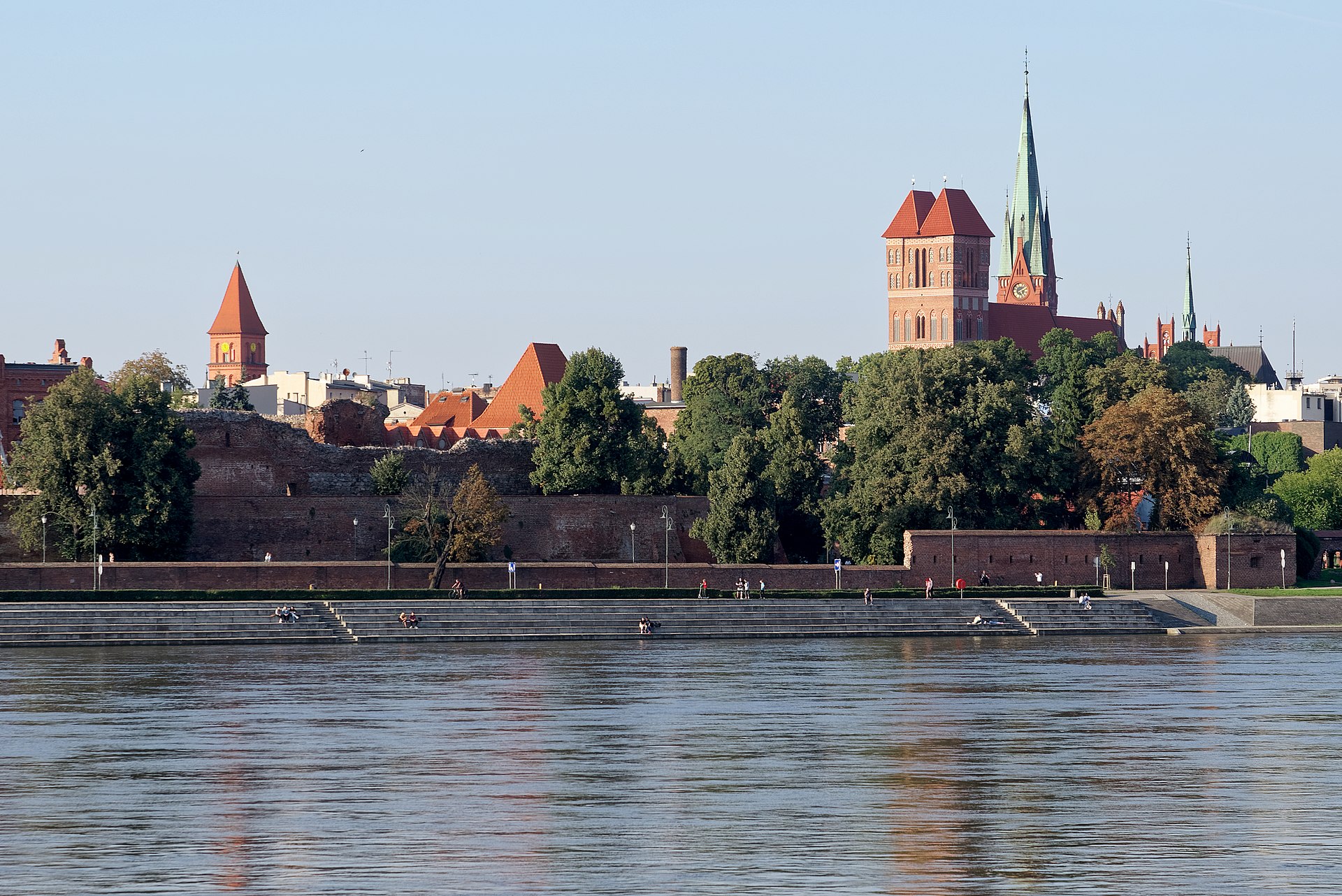
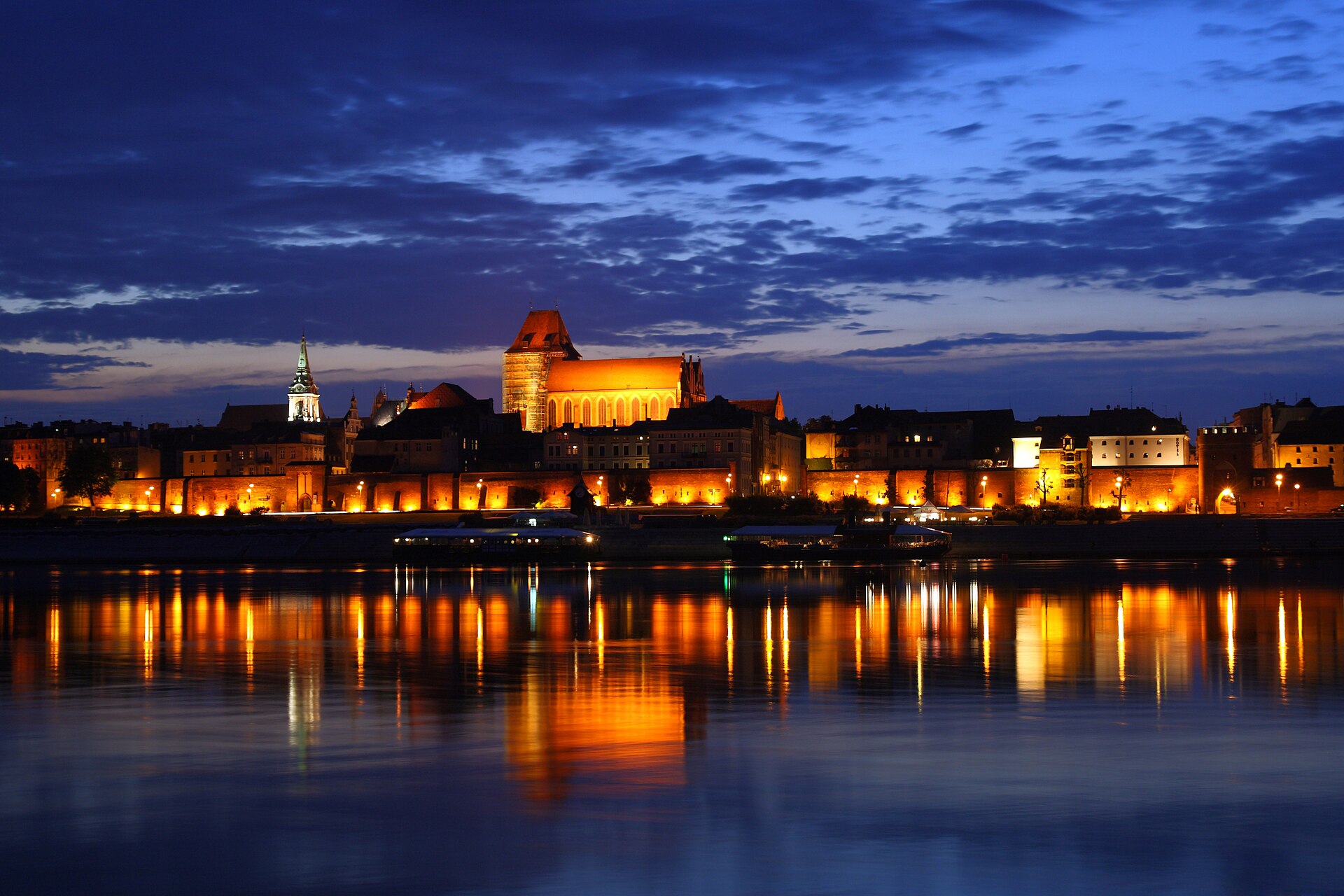
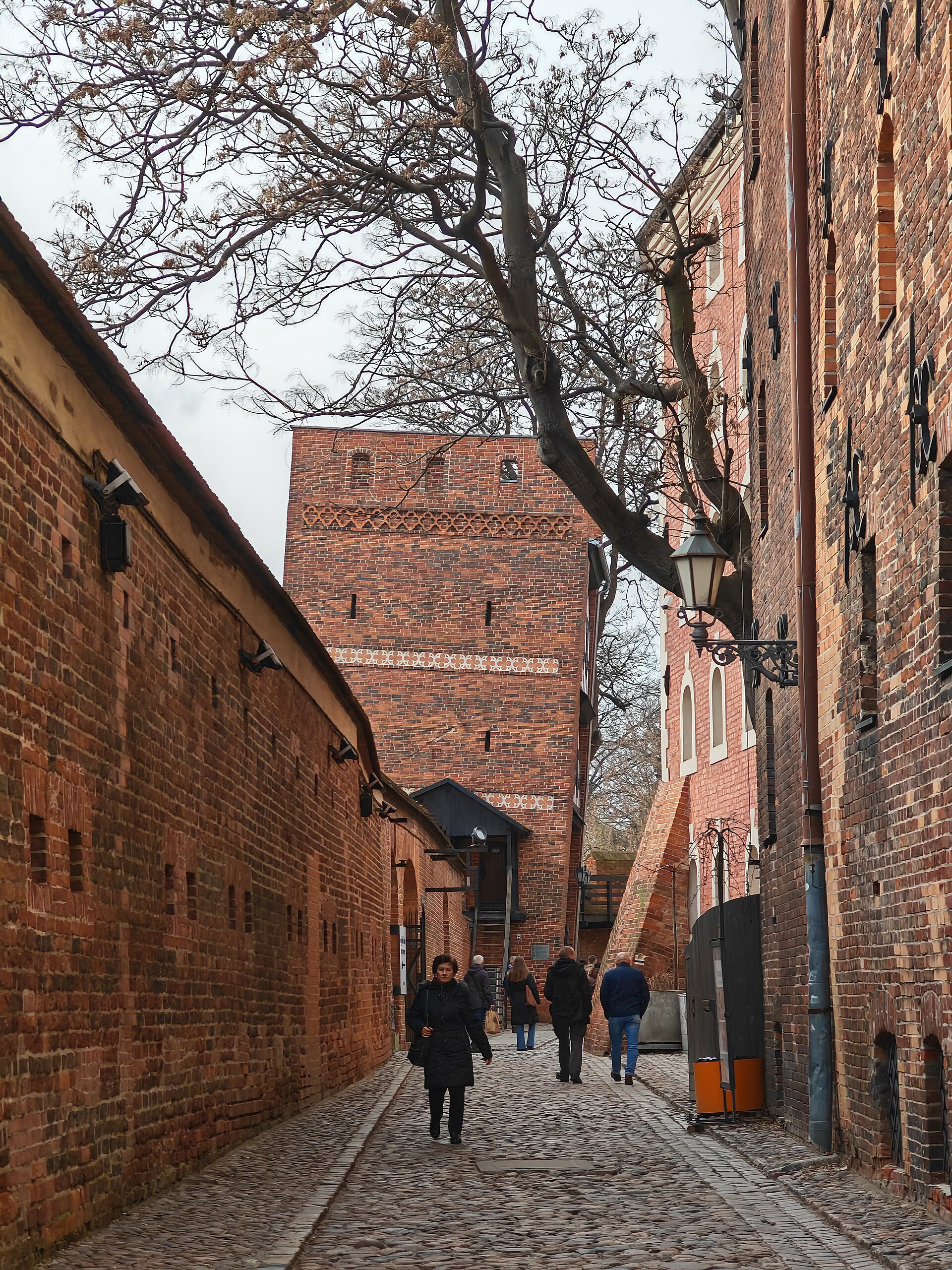
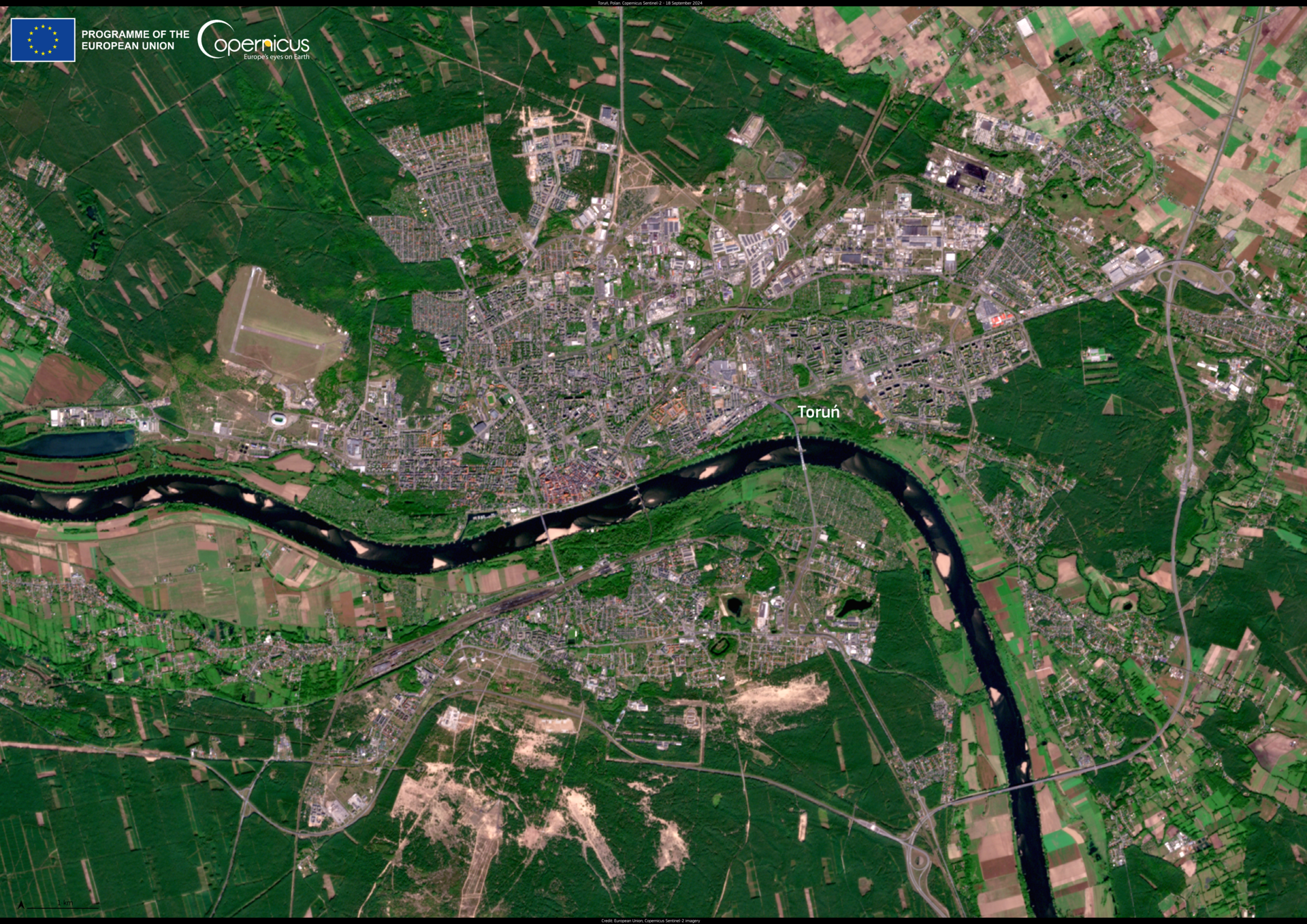
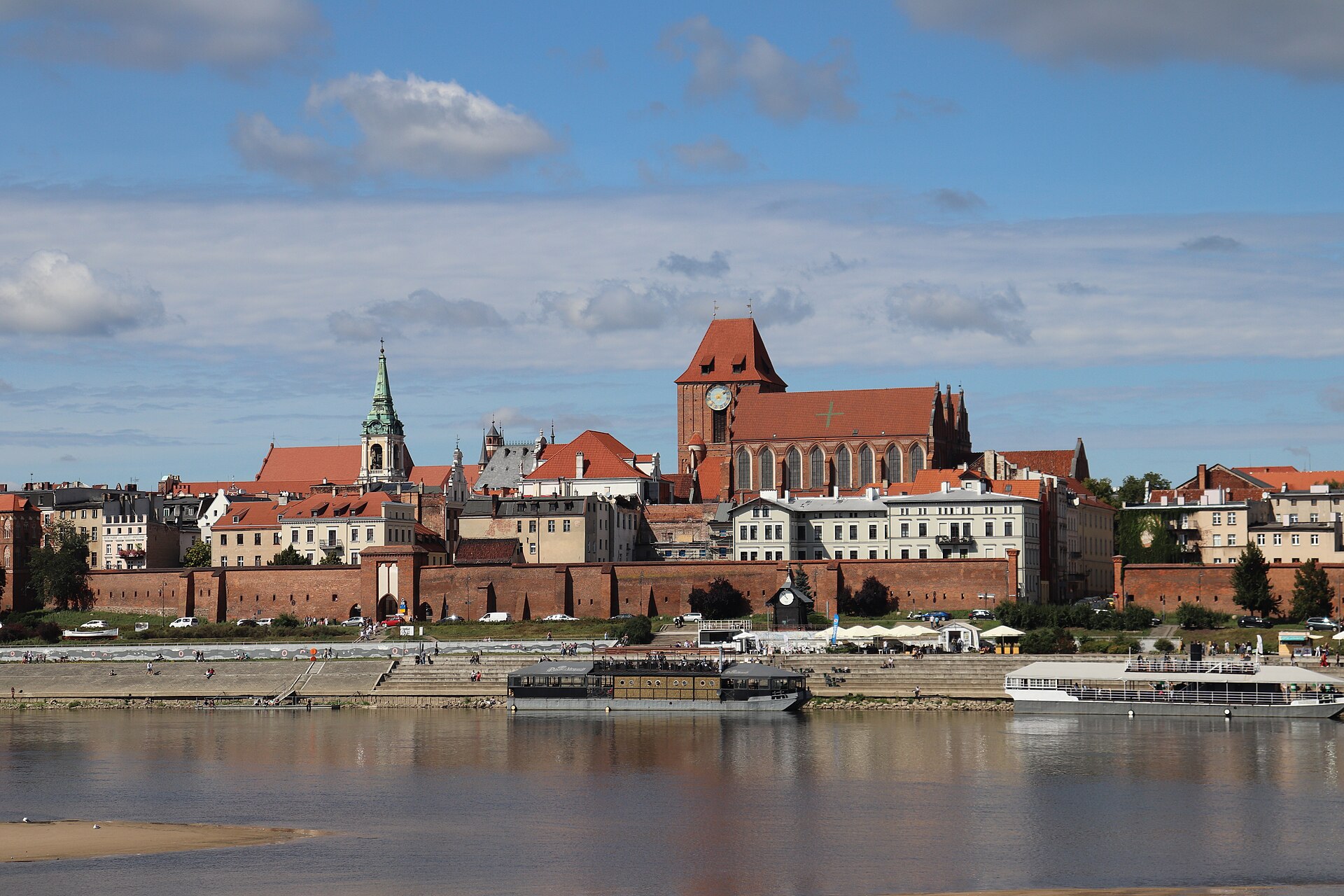
Toruń is where Copernicus was born, and the city hasn't forgotten it — his name is on the university, the planetarium, the museum in his reputedly natal house on Ulica Kopernika. But the medieval core around him is what earns Toruń its UNESCO status: a rare intact agglomeration of Old Town, New Town and Teutonic castle ruins, still ringed by city walls that date to the turn of the thirteenth century.
The Old Town is compact enough to cross in twenty minutes, which means you'll keep circling back to the same squares and Gothic facades. The Old Town Hall tower — the base of it raised around 1274, the rest added over the following centuries — gives you the clearest sense of how the whole thing fits together from forty metres up.
How Toruń came to be
The Teutonic Knights chartered Toruń on 28 December 1233, relocating it to its present site within a few years after flooding threatened the original settlement. Franciscans came in 1239, Dominicans in 1263, and a New Town was founded in 1264 to absorb the growing population of craftsmen. By 1280 Toruń had joined the Hanseatic League, trading along the Vistula as one of medieval Poland's more consequential river ports.
The Teutonic Castle, built mid-thirteenth century in a horseshoe plan, was largely destroyed in an uprising in 1454 — the ruins that remain are still legible as a structure. Toruń became a royal Polish city in 1506, ran its own mint from 1528, and was absorbed into Prussia after the Second Partition in 1793. Poland recovered it after the First World War in 1919.
Who and what shaped it
People who shaped it
Landmark buildings
See Toruń in motion
Plan your visit
On the map
When to go
Toruń follows a marine west coast pattern: winters drop to around -6°C and summers reach the low-to-mid twenties. May through September is the most comfortable window for walking the old streets; winter is quiet and often grey, though the brick Gothic holds its character in any light.
Right now
Background & history adapted from Wikipedia (CC BY-SA) · specs from Wikidata (CC0) · weather from Open-Meteo · map data © OpenStreetMap contributors · photos from Wikimedia Commons / Unsplash with per-image credit. No third-party reviews or social posts reproduced.